Project Report
| Nov 22, 2025
Preparation of a Annual Report: KIFA
By George Obua | Project Leader
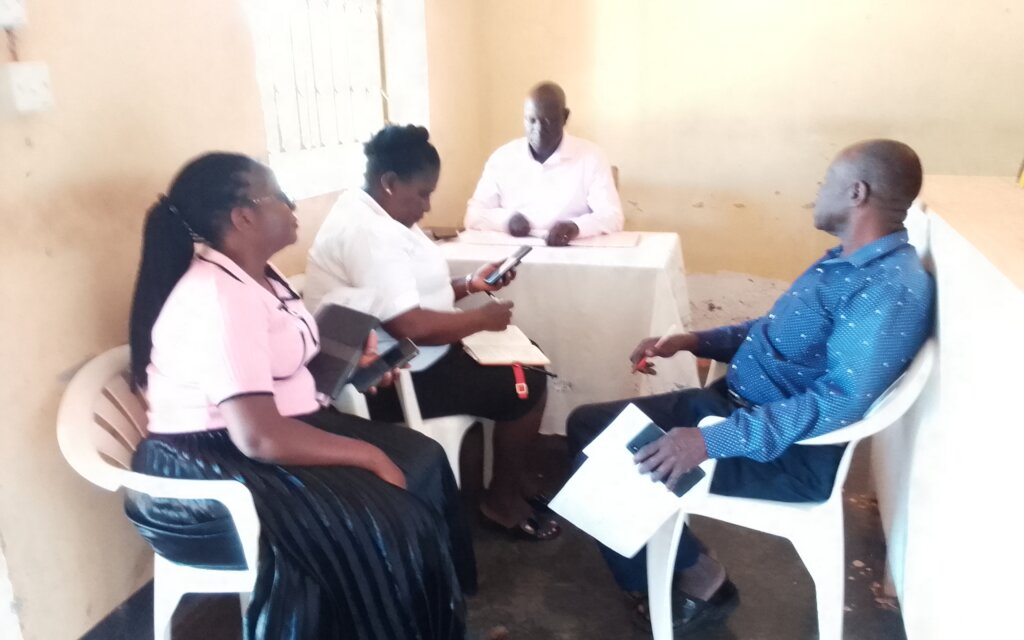
Preparation of a Annual Report: KIFA (Kole Intellectual Forum), is such an nnovative organization that which to conduct its business professional according to Uganda NGO Act 2006 that calls for all NGOS to comply to the Country's law.
Among them is to write a memorandum of understanding with the local Government the organization operates from, to prepare their budget and present it to that of the district relevant department; and these are always captured to the budget of district as well.
The very most one that is being work on at present is the annual report. This report normally captured everything. From financial report to the organizational fixed asset and current ones, including its liability, cash at hand and of course that in the bank. This kind has helped the organization operate within this district of Kole in Uganda for the last 7 years without any problem with the community and the district.
![Share on Twitter]()
![Share on Facebook]()
Nov 21, 2025
Establishing a demonstration for a purpose
By George Obua | Project Leader
![Establishing a demonstration garden for a purpose]()
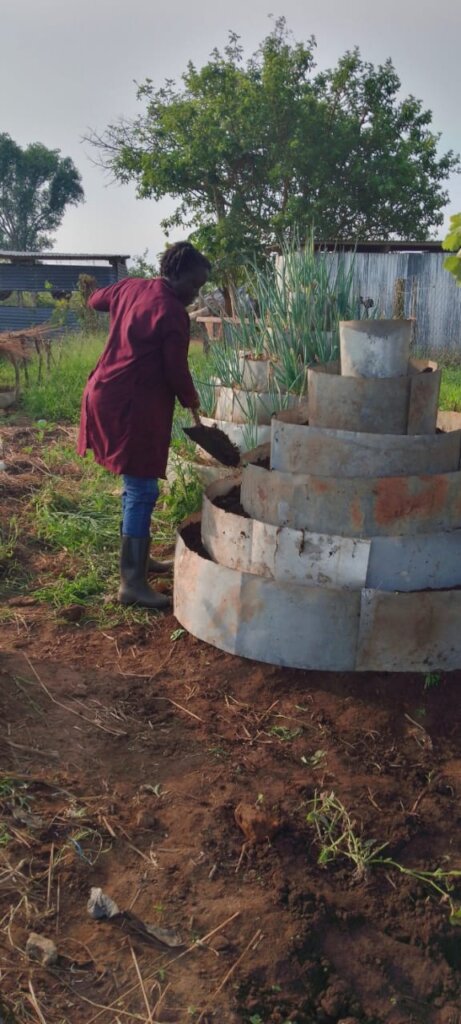
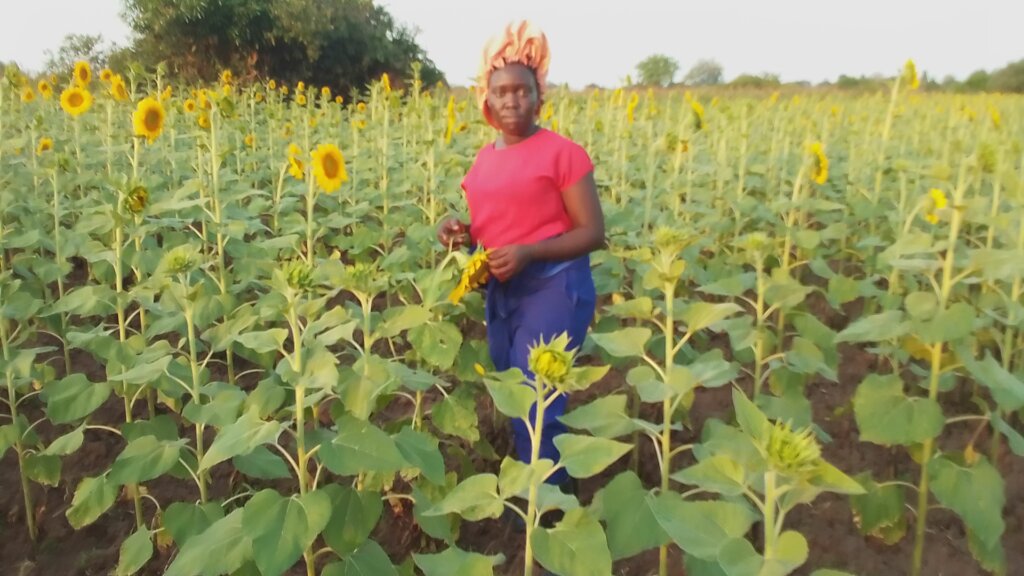
Establishing a demonstration garden for a purpose
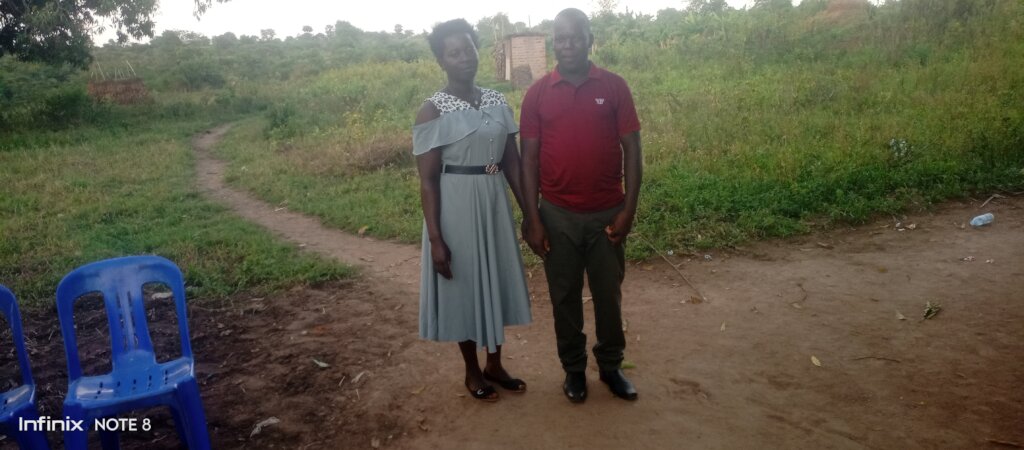
This year 2025, Kole Intellectual forum is trying as much as possible to diversify its sources of revenue by establishing a demonstration garden for a purpose. A demonstration that serve to inform the beneficiaries and the community that: there is something important to be done in the name of social enterprising. By the term social enterprise, they meant, a system of business who has its mission base on social, environmental, or community-focus; and Kole Intellectual Forum is trying to guide them (Beneficiaries and their community) to use this entrepreneurial strategies in modern farming to enable them to achieve their goals, and if successful, their surplus of profits can either been reinvested into their businesses or invested into things that benefits community; like for instance, empower more out of school boys and girls, or repair their road and boreholes and so on.
This has been established after a thoroughly investigation that revealed that: there is market in sunflower grain and its alternative crop – soya beans. And because that, Kole intellectual Forum into this venture, before rolling it down the targeted beneficiaries by first establishing a demonstration garden for a purpose of making their beneficiaries to see the practically of their campaign
![Share on Twitter]()
![Share on Facebook]()
Nov 21, 2025
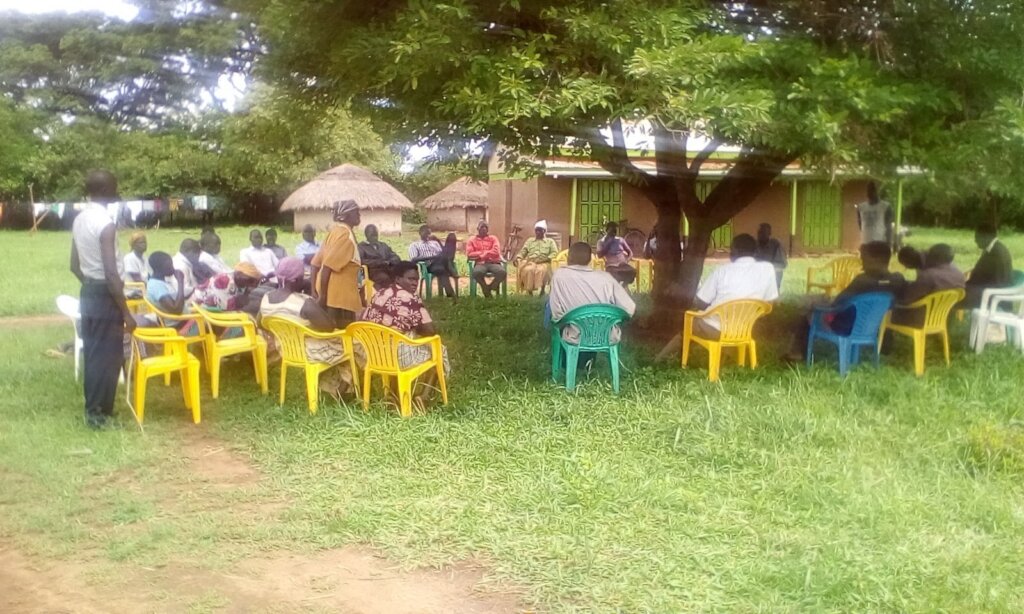
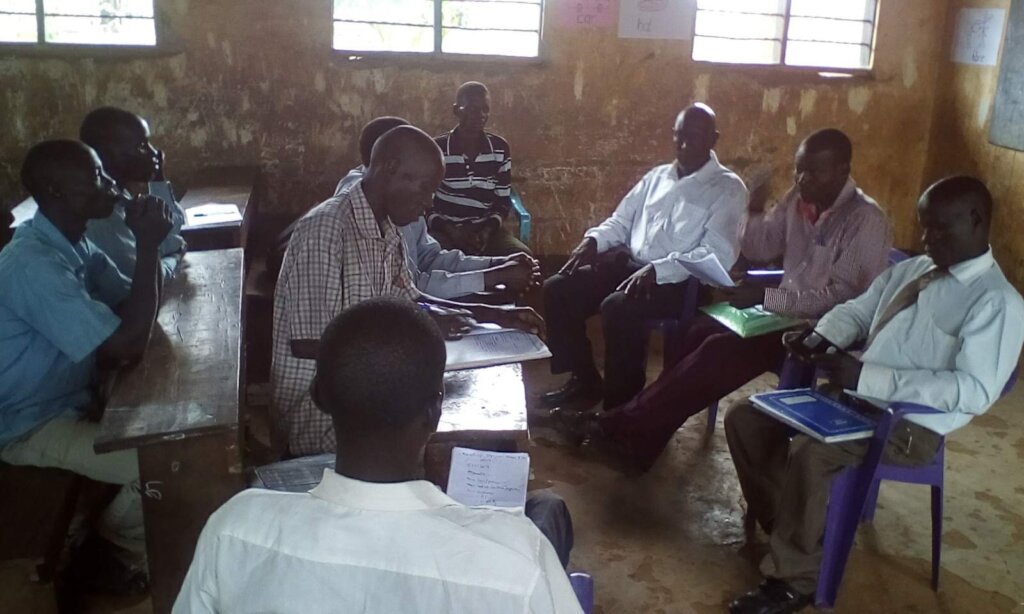
Group Discussion: Encourages collaboration
By George Obua | Project Leader
Group Discussion Encourages Collaborative Learning
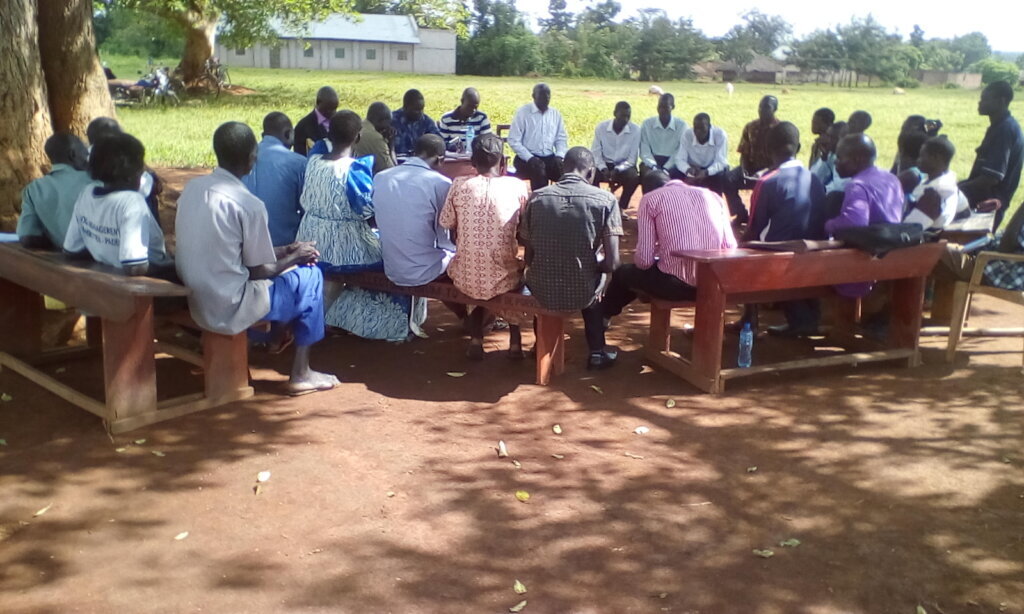
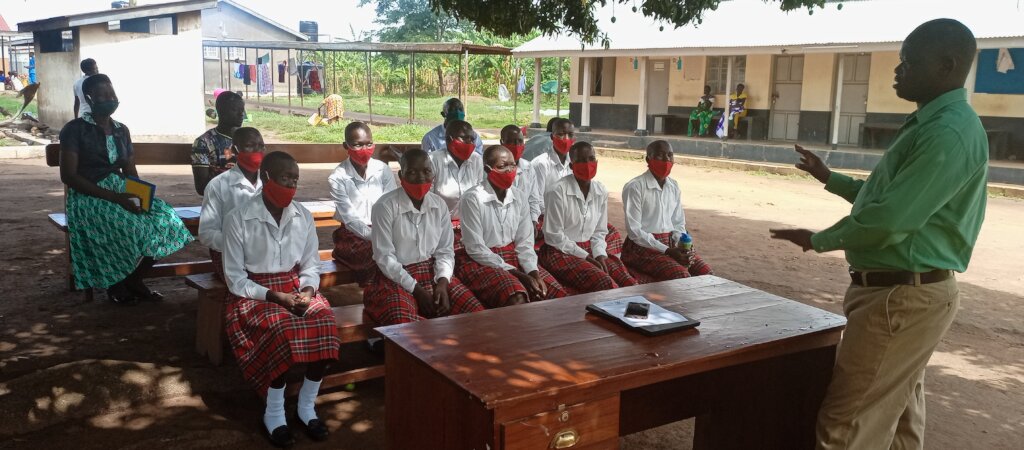
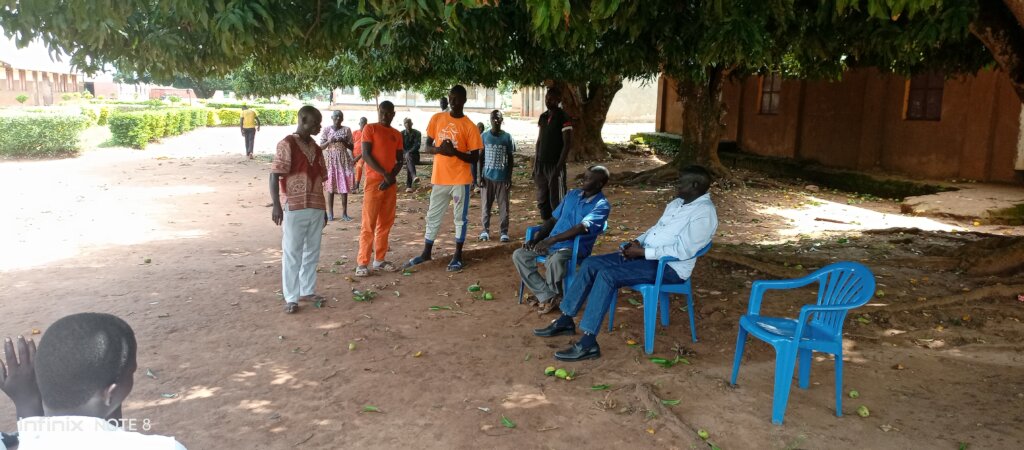
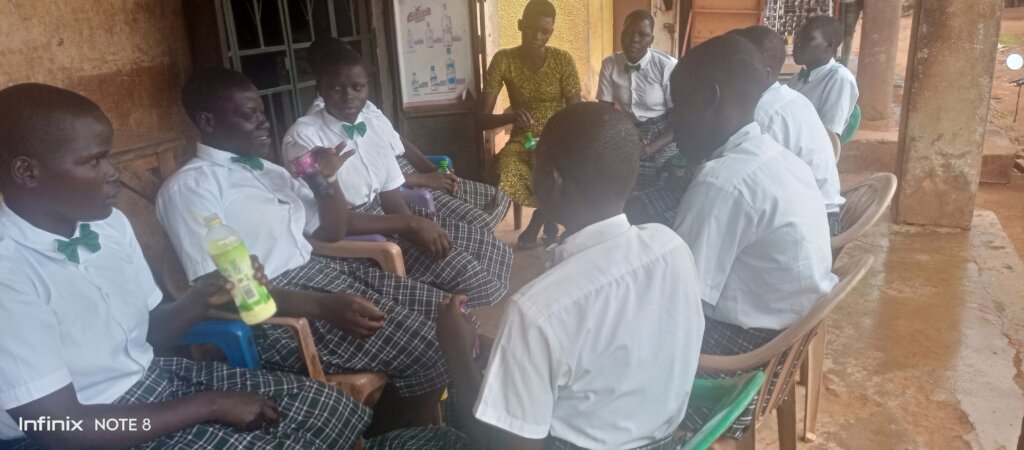
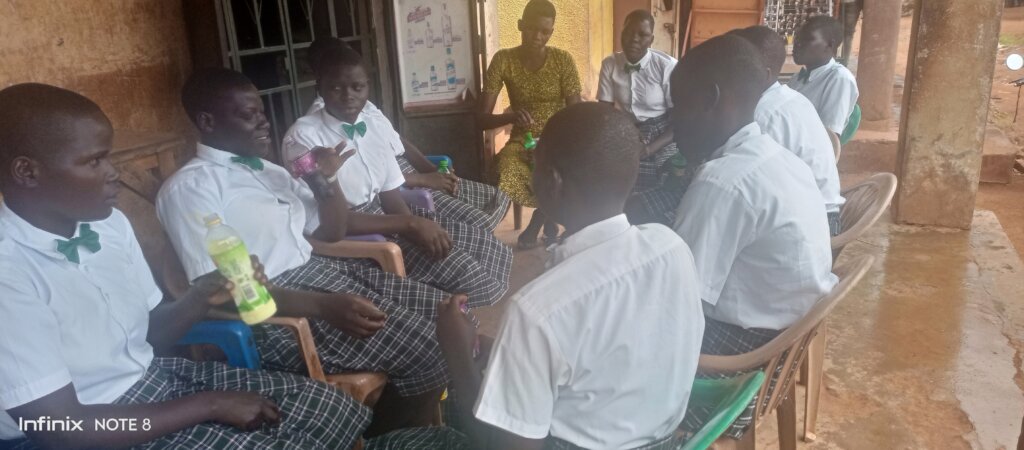
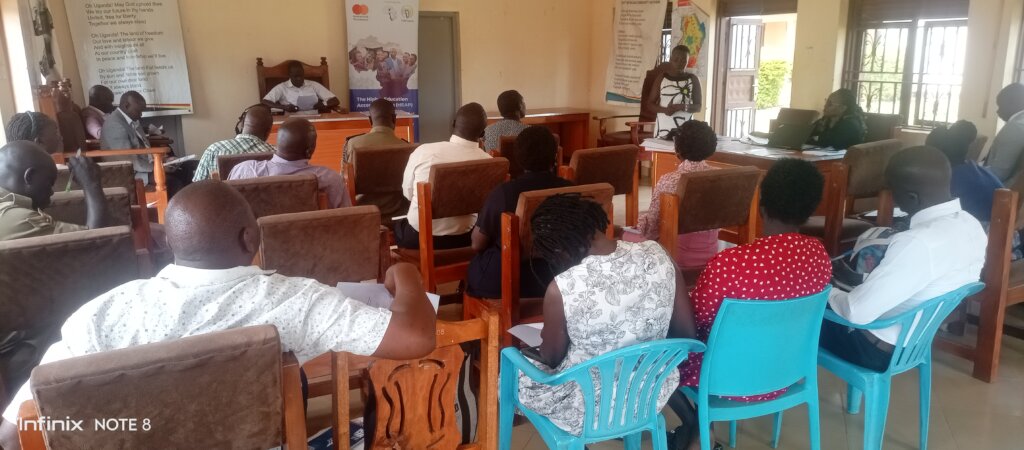
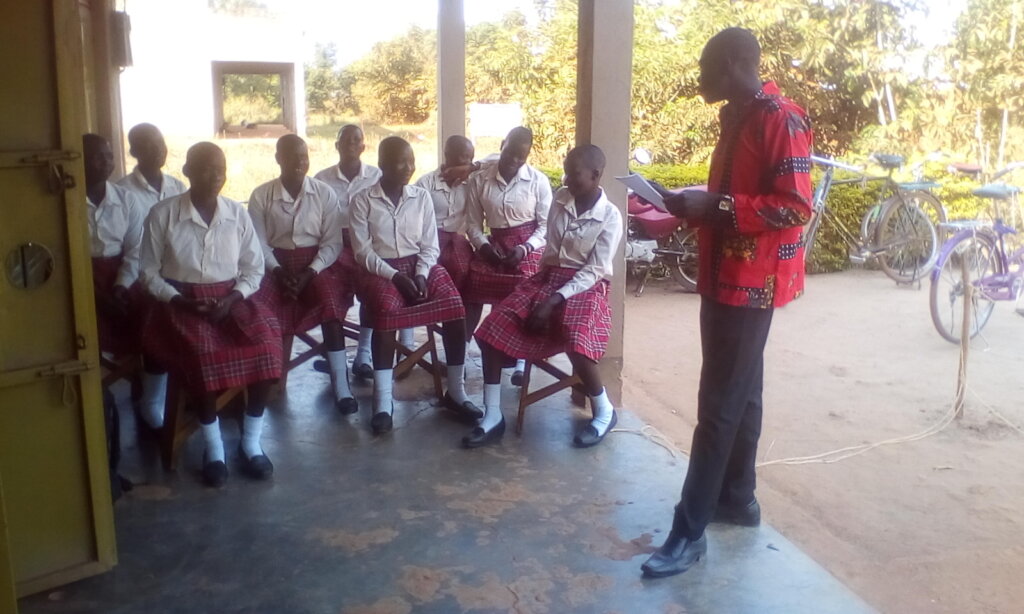
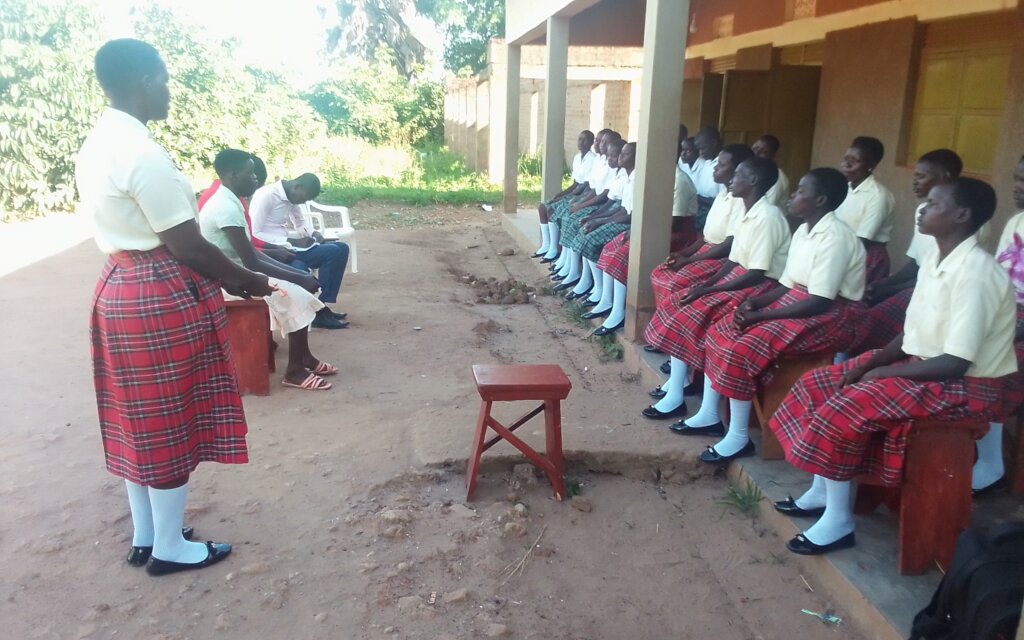
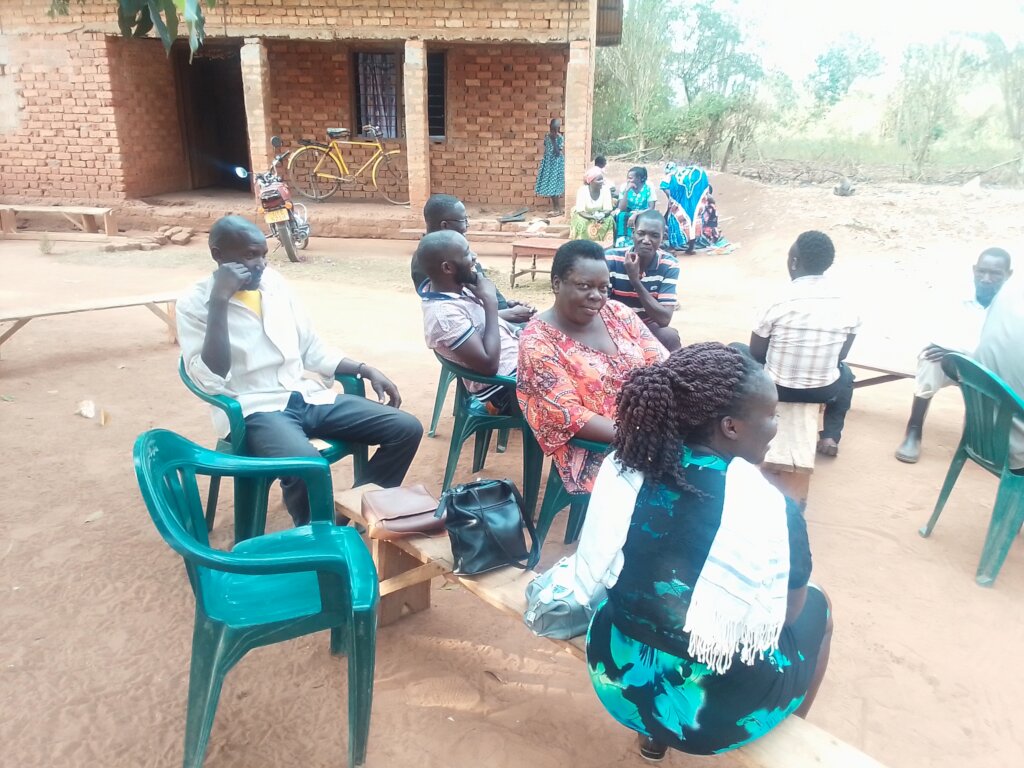
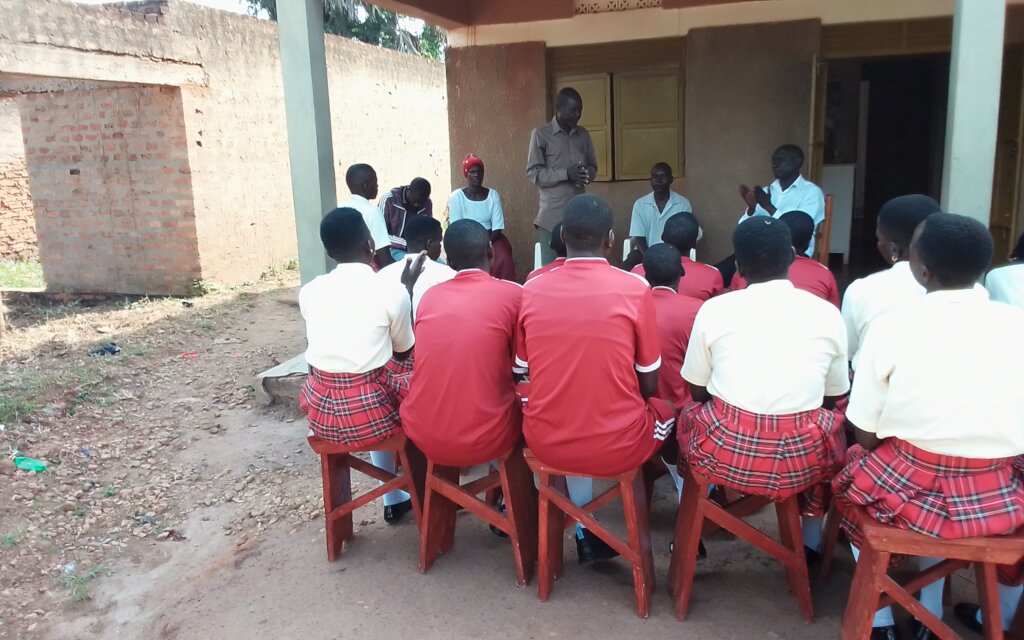
Education is all about learning to work with others. Group discussions encourage collaboration, where students share their knowledge, clarify doubts, and build on each other’s ideas.
For instance, at Kole Intellectual Forum group discussion at one point encourages students to see the world at different perspective, while at another angle, it connects the students to see real-world in its form of applications. of course, by exchange ideas it creates and enrich the environment where students learn not just from the teacher, but also from each other.
Kole Intellectual Forum is therefore fostering this spirit of collaboration by encouraging group discussions in all the subjects they teach and this has not only strengthens subject knowledge but also teaches students the importance of teamwork—an invaluable skill in academics, careers, and life.
![Share on Twitter]()
![Share on Facebook]()