Promoting Real Healthy Families: Home Economics

by Kole Intellectual Forum
Promoting Real Healthy Families: Home Economics

Project Report | Jul 8, 2024
A research: risk management of health facilities

By George Obua | Project Leader

A reseach on risk management of health facilities

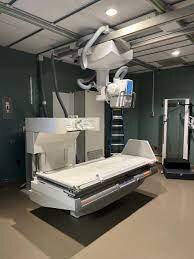
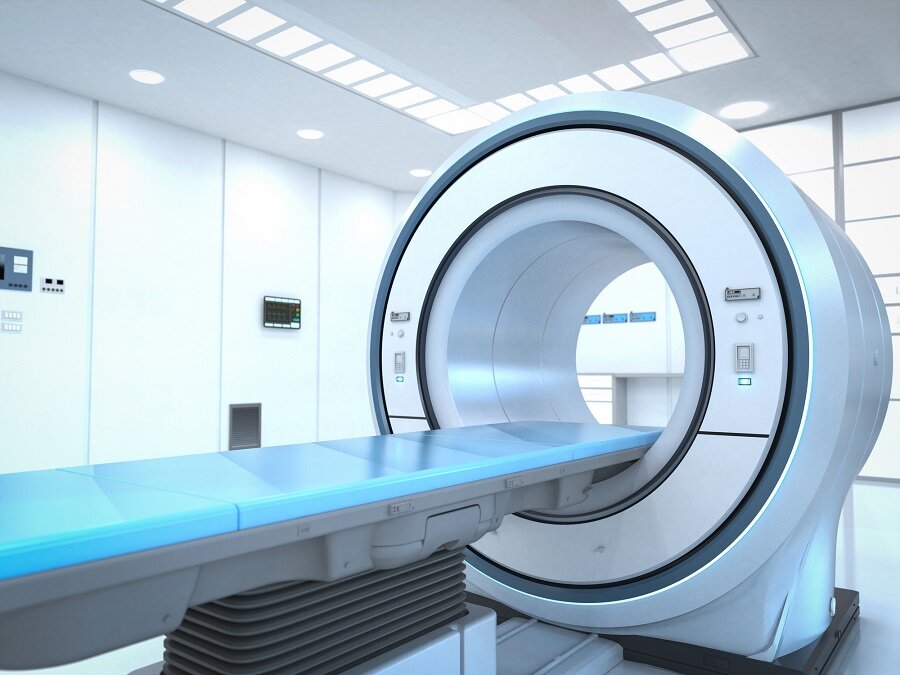
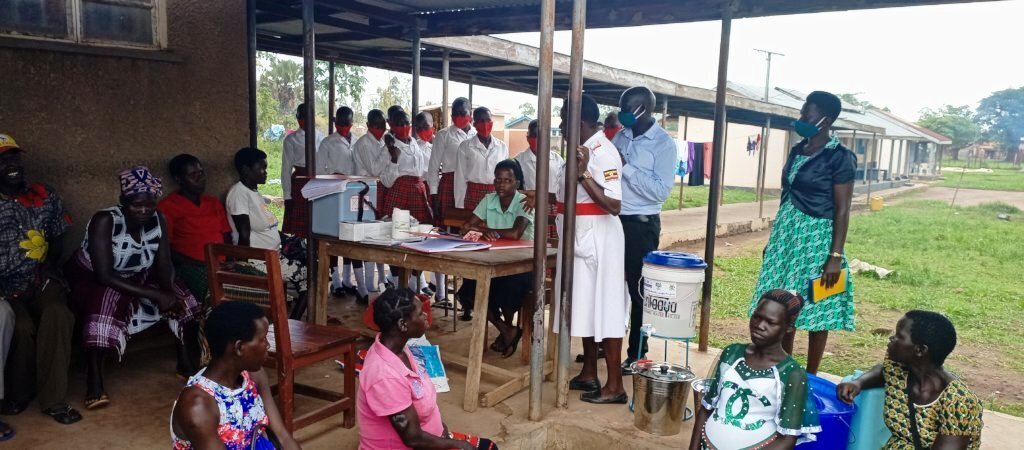
According to the persistence research being conducted by Kole Intellectual Forum, for this case, they found out that: the introduction to the establishment of Hospitals or health facilities pose many challenges to those undertaking reform of health care systems; it was noted with deep concern that, there are, quite literally, immovable structures whose design was set in concrete, leaving many years previously. Their configuration often reflects the practice of health care and the patient populations of a bygone era. Their incompatibility with present needs ranges from major design problems, such as a scarcity of operating theatres, to more minor problems, such as the lack of power sockets for the ever expanding number of electronic monitors. It is not only the physical structure that is difficult to change. Hospital functions are also resistant to change, as illustrated by the persistence of large tuberculosis sanitoria in some countries long after they were required. Hospitals are staffed by the e´lite members of the medical profession who, in many cases, can use their excellent political connections to oppose changes that threaten their interests. An environment that is technically complex, surrounded by much uncertainty, and which contains information asymmetry, only enhances the mystique of the medical professional and often leaves the outsider confused and perplexed. Given these barriers to change, it is unsurprising that hospital reform is viewed with trepidation by health policy-makers. Yet hospitals are a very important element of the health care system. Financially, they account for about 50% of overall health care expenditure. Organizationally, they dominate the rest of the health care system. Symbolically, they are viewed by the public as the main manifestation of the health care system, as shown by the enthusiasm with which politicians seek to be photographed opening new hospitals. 

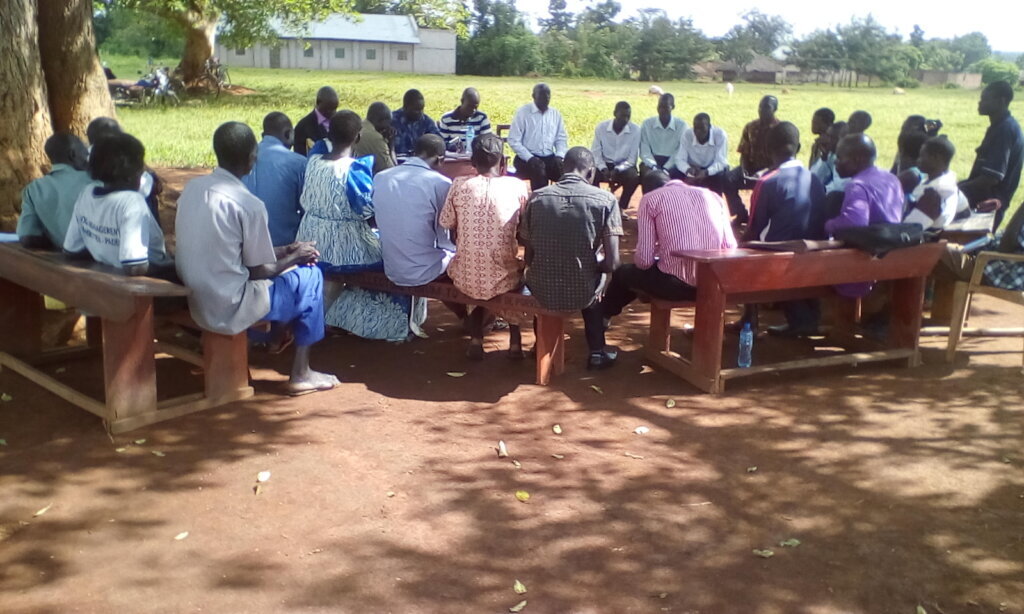
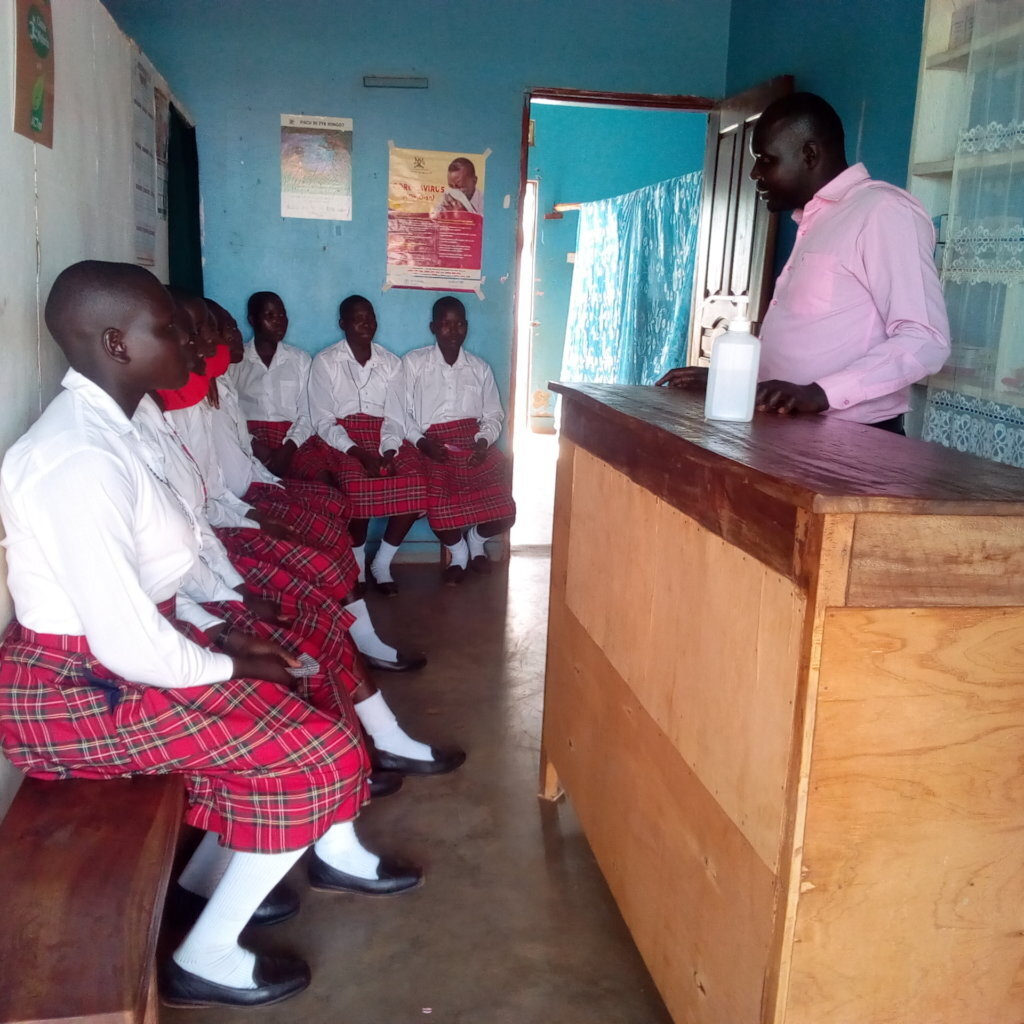
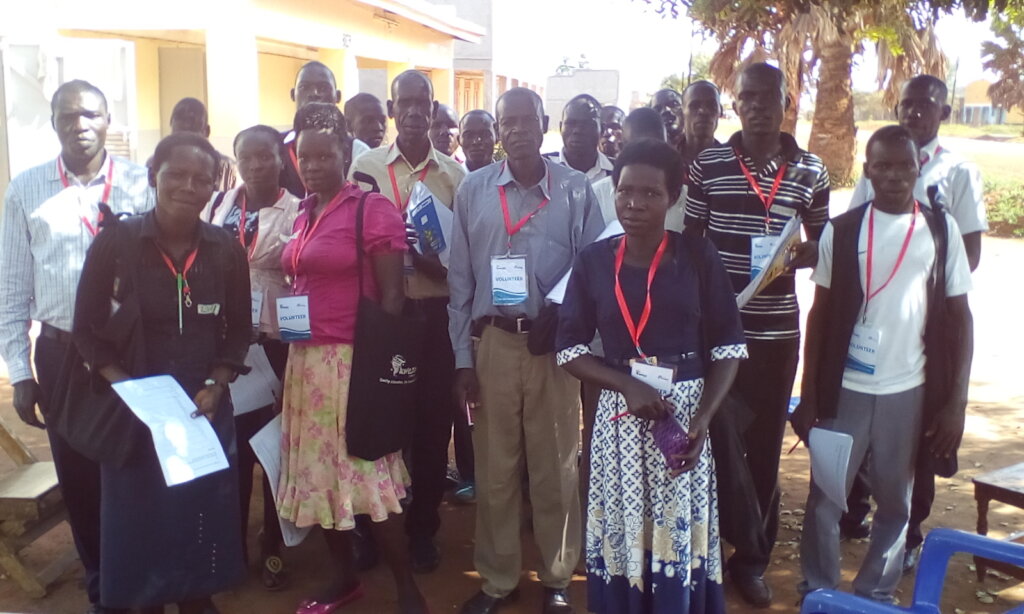
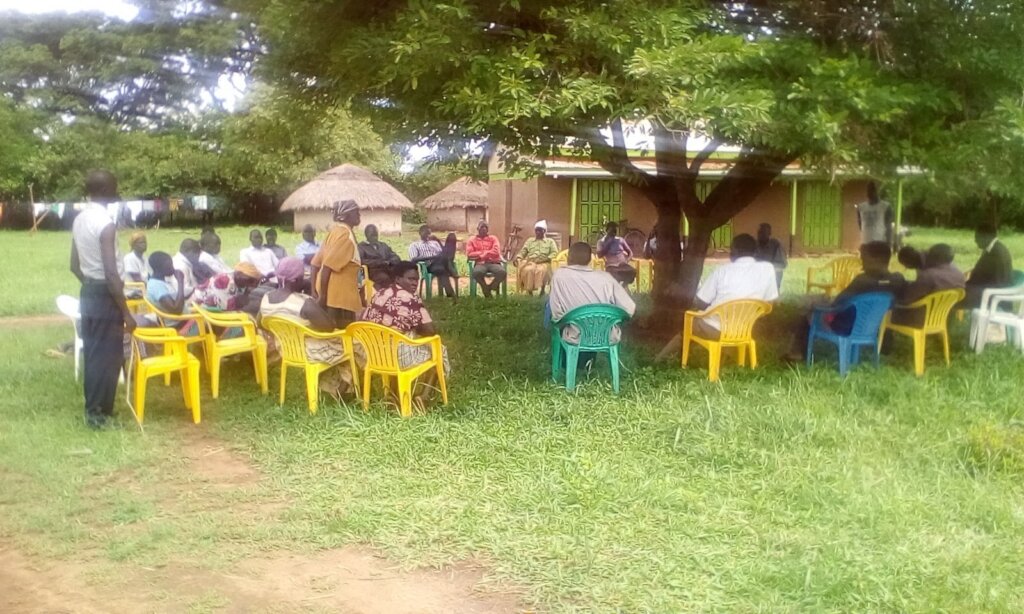
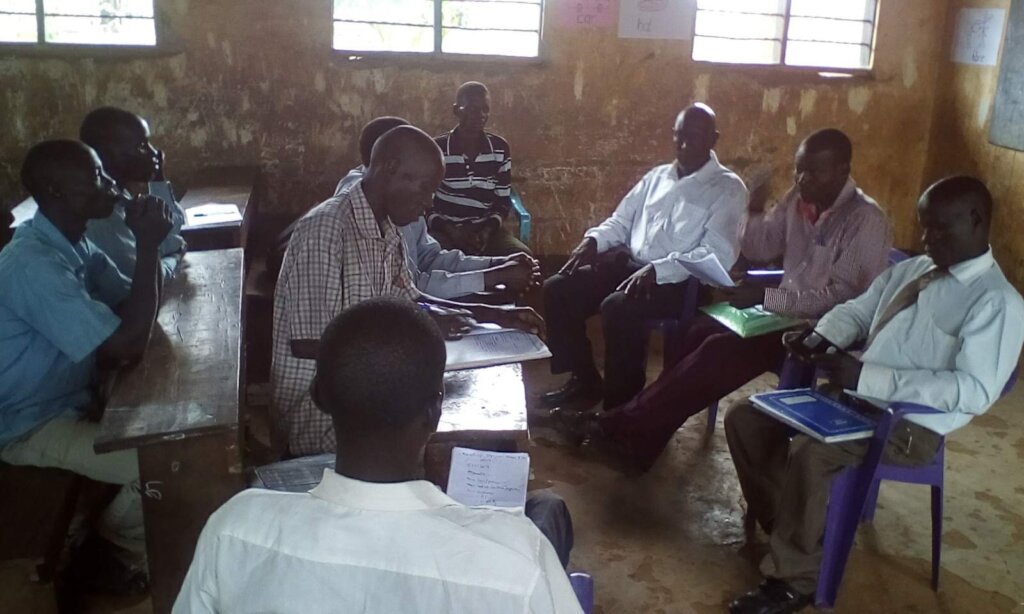
Kole Intellectual therefore seeks to redress this information balance by examining the place of the hospital within the health care system in all the perspectives. It will  draw its conclusion from a major study being undertaken by their team on how develop the most ever modern Health Care Systems, which addresses a series of crucial but often overlooked questions. First, why were hospitals created and do these conditions still pertain?

Share on Twitter Share on Facebook

About Project Reports

Project reports on GlobalGiving are posted directly to globalgiving.org by Project Leaders as they are completed, generally every 3-4 months. To protect the integrity of these documents, GlobalGiving does not alter them; therefore you may find some language or formatting issues.

If you donate to this project or have donated to this project, you can receive an email when this project posts a report. You can also subscribe for reports without donating.


Sign up for updates

Organization Information

Kole Intellectual Forum

Location: Kampala, Uganda - Uganda
Website:
Facebook: Facebook Page
Project Leader:
Aaron Ogwal
Kampala , Uganda
$4,153 raised of $10,000 goal
 
85 donations
$5,847 to go
Donate Now

Help raise money!

Support this important cause by creating a personalized fundraising page.

Start a Fundraiser

Learn more about GlobalGiving

Teenage Science Students
Vetting +
Due Diligence

Snorkeler
Our

Impact

Woman Holding a Gift Card
Give
Gift Cards

Young Girl with a Bicycle
GlobalGiving
Guarantee

Get incredible stories, promotions, and matching offers in your inbox

WARNING: Javascript is currently disabled or is not available in your browser. GlobalGiving makes extensive use of Javascript and will not function properly with Javascript disabled. Please enable Javascript and refresh this page.