Promoting Real Healthy Families: Home Economics

by Kole Intellectual Forum
Promoting Real Healthy Families: Home Economics

Project Report | Apr 30, 2025
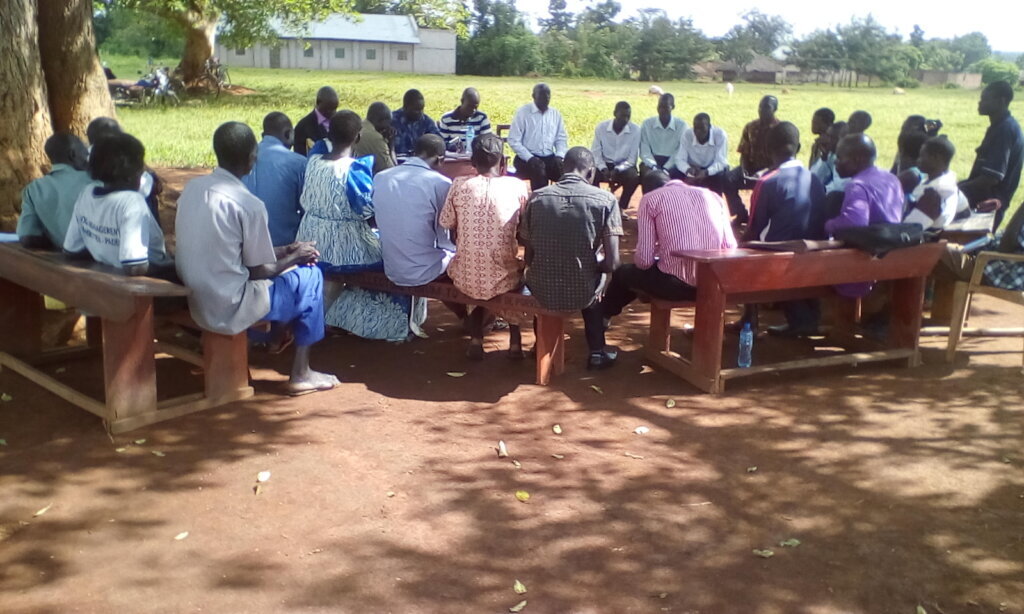
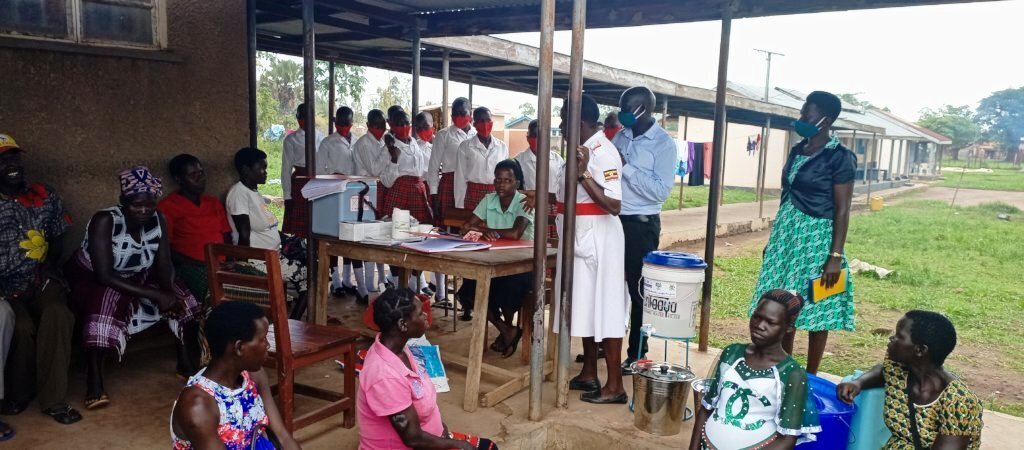
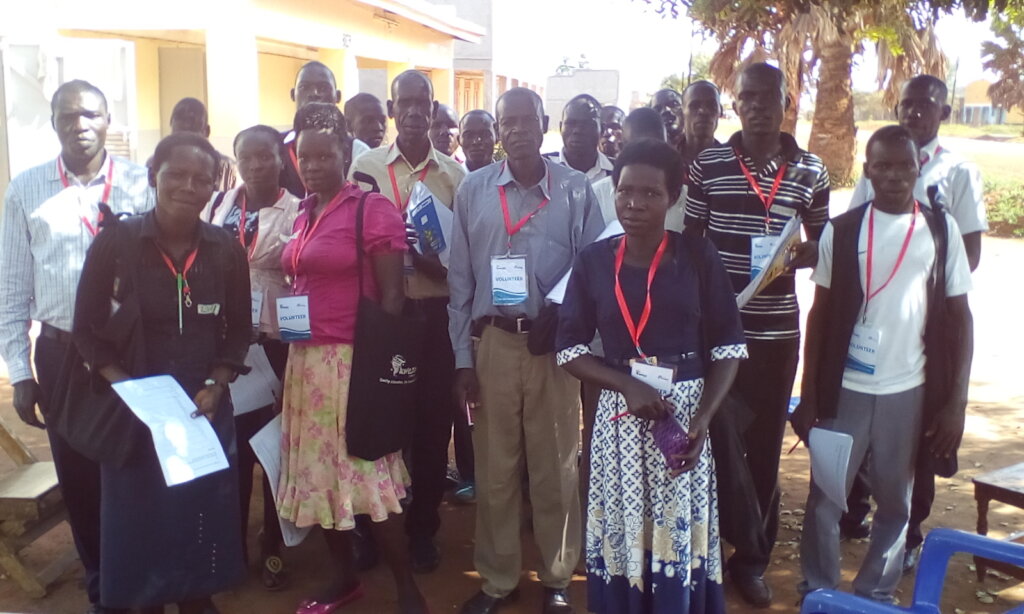
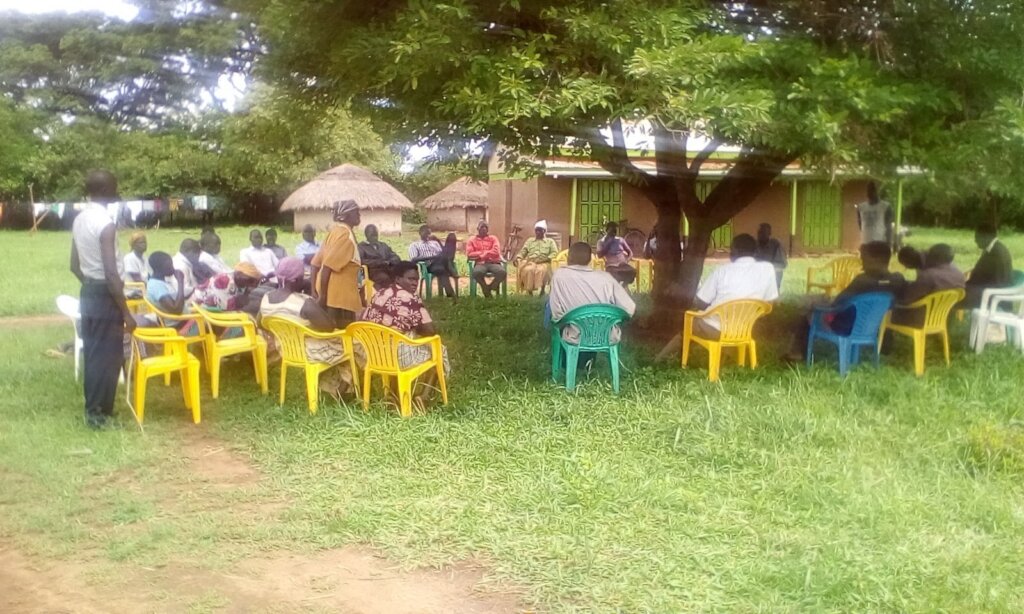
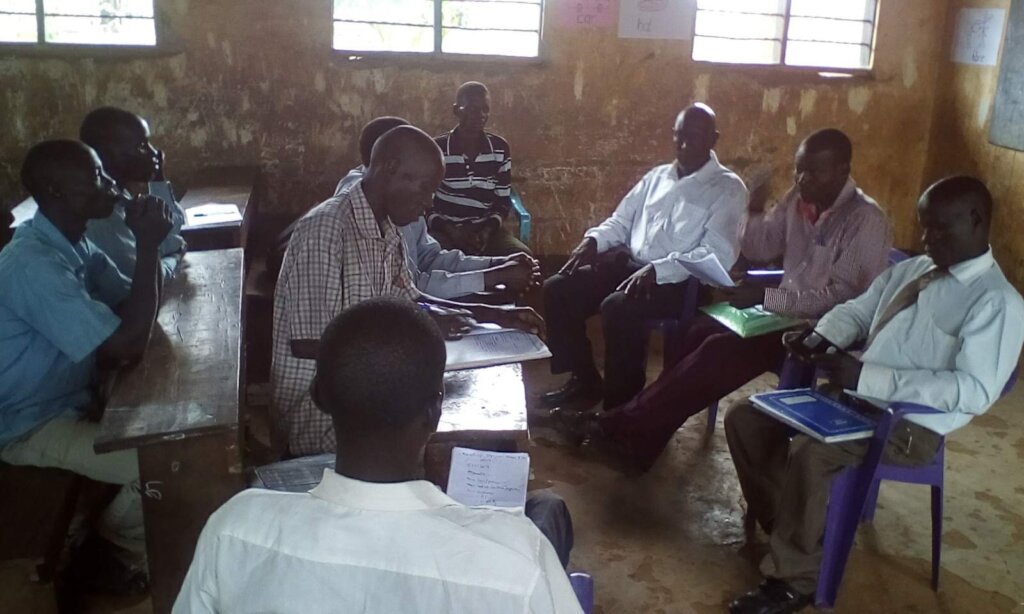
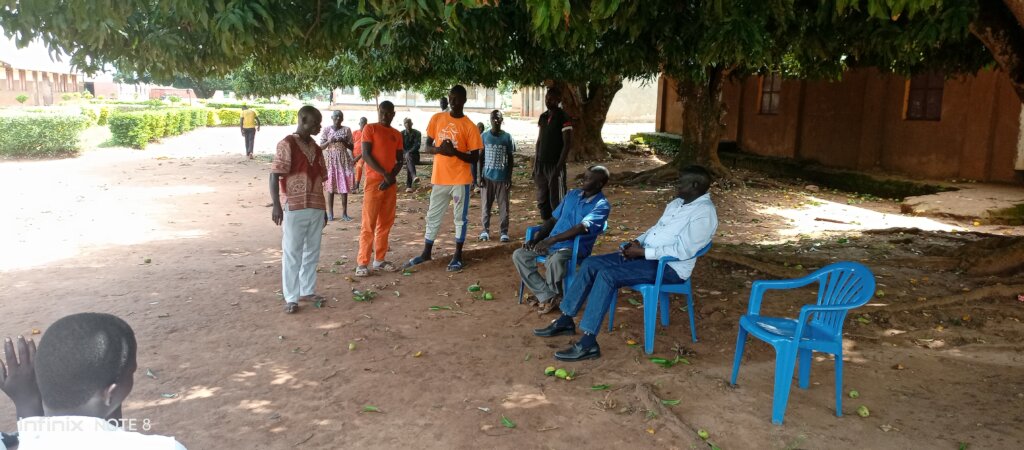
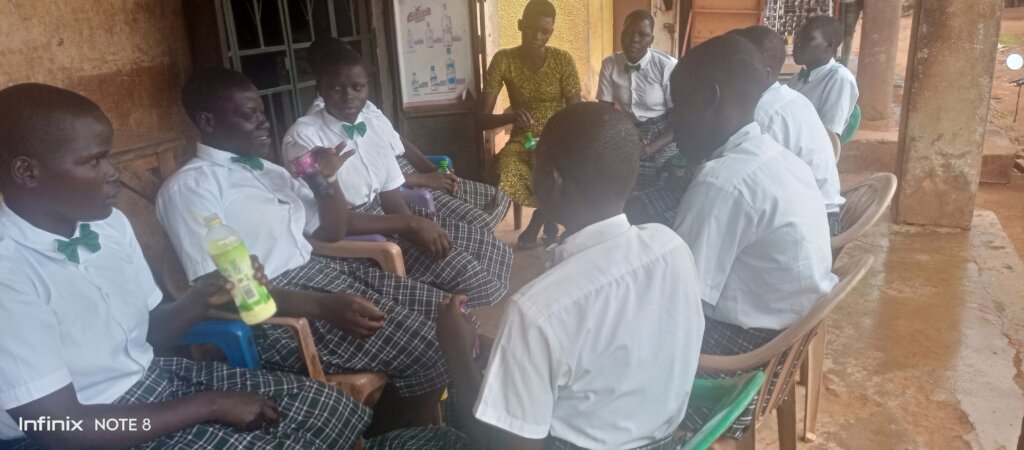
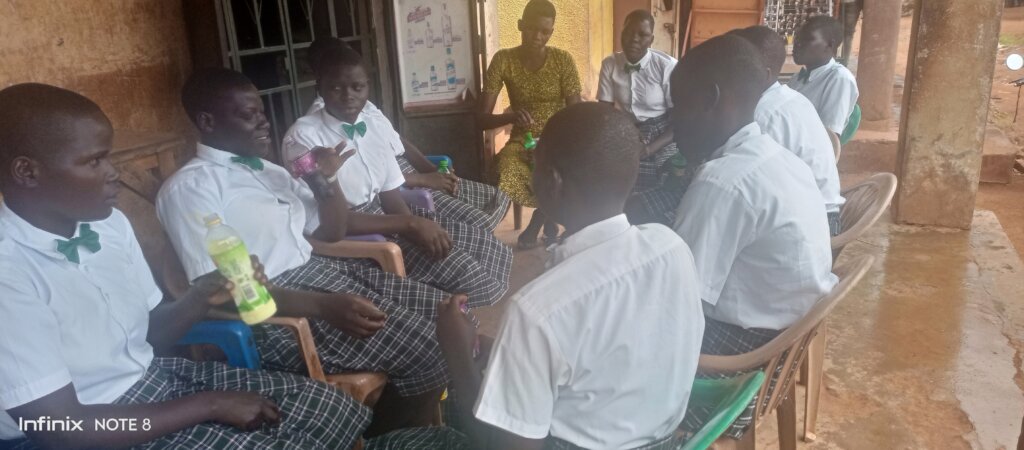
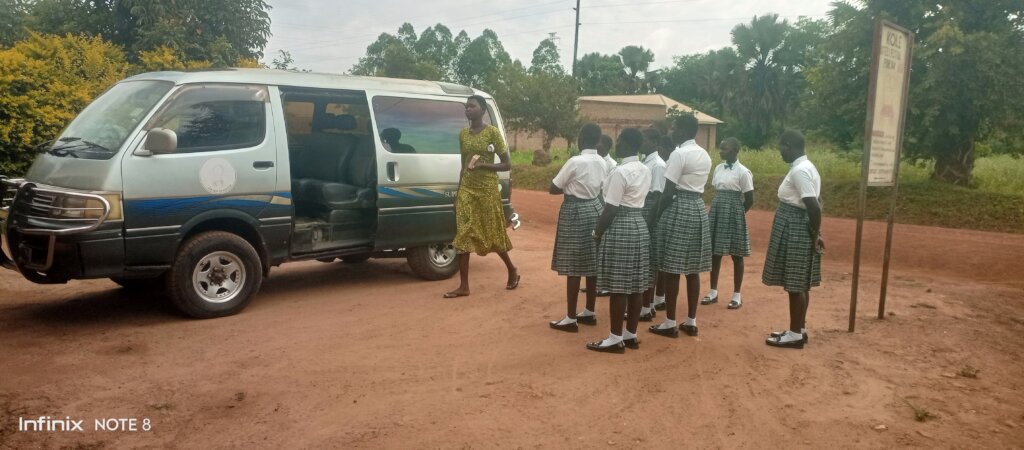
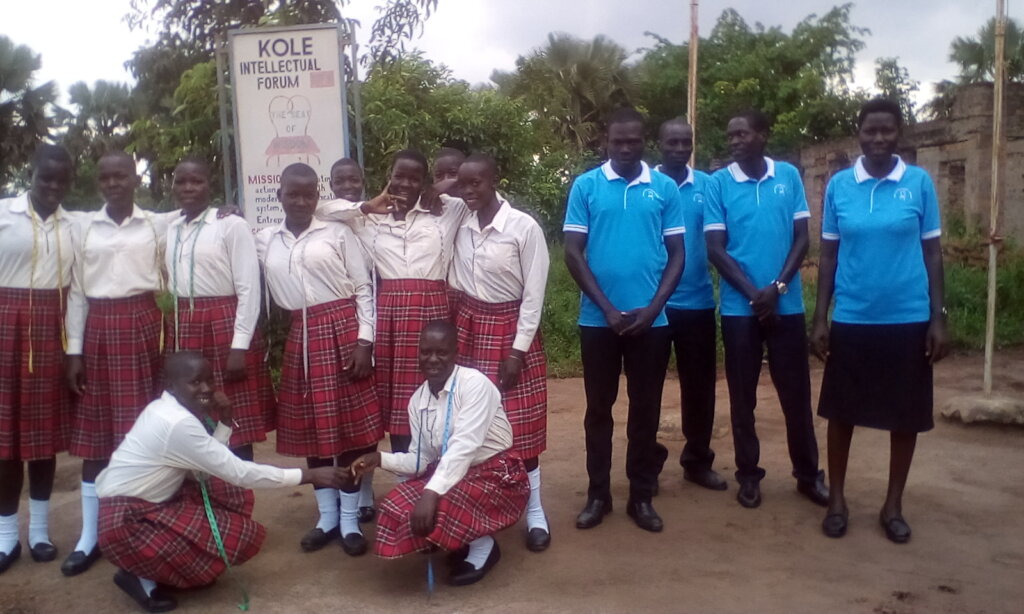
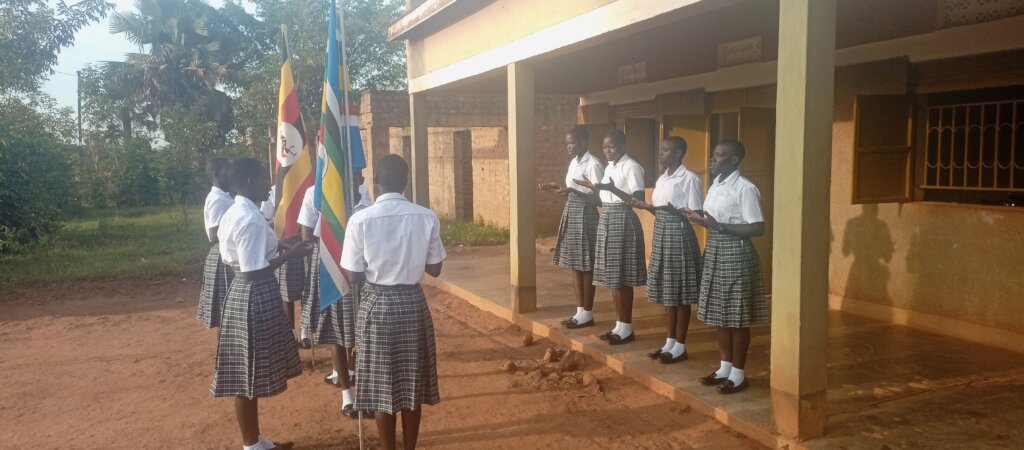
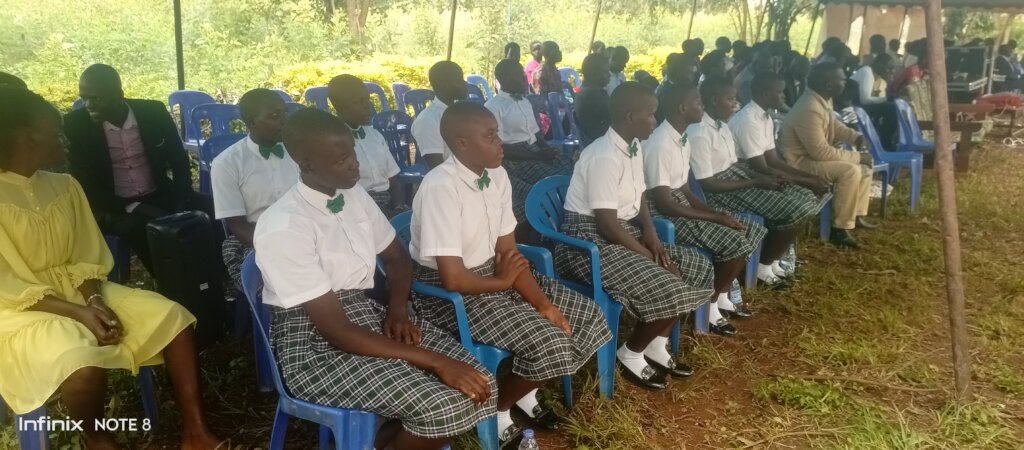
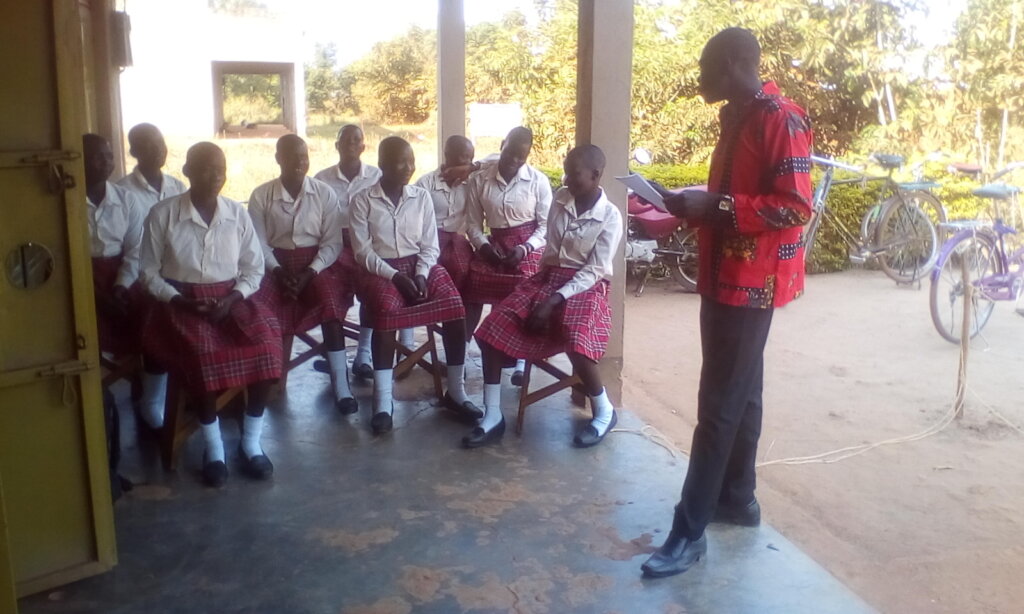
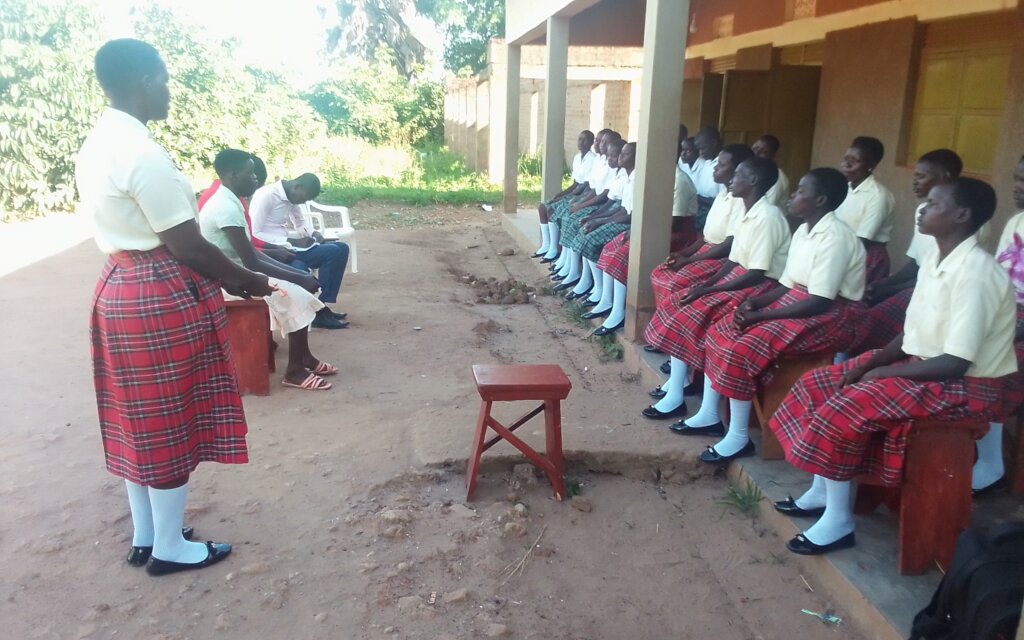
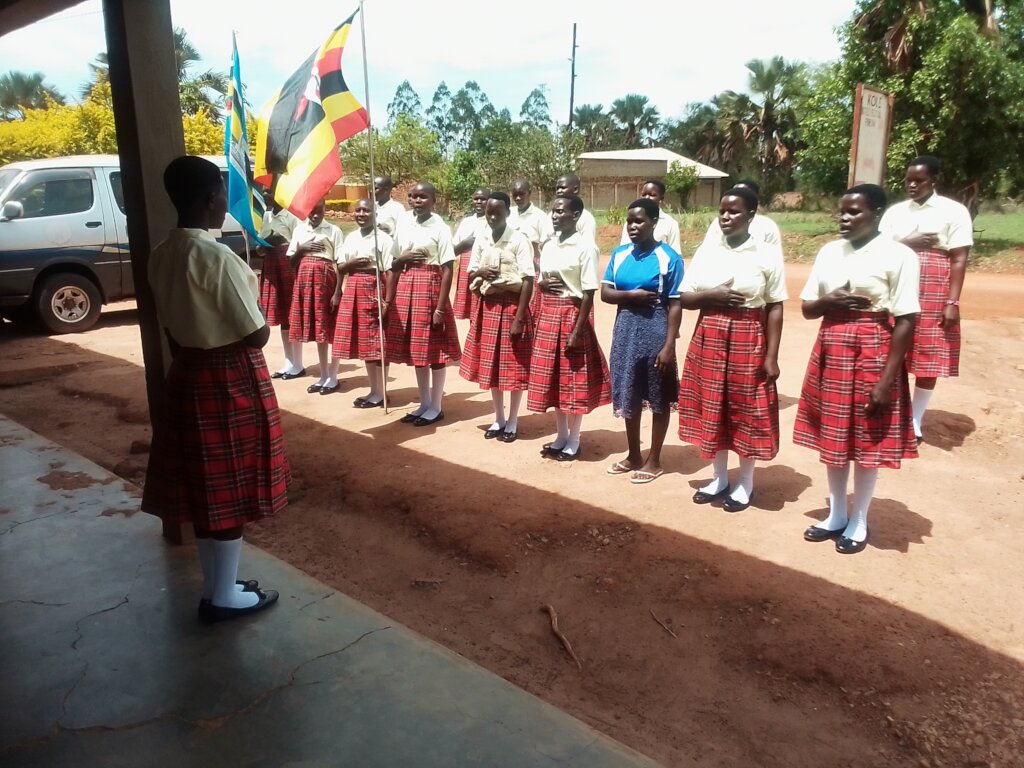
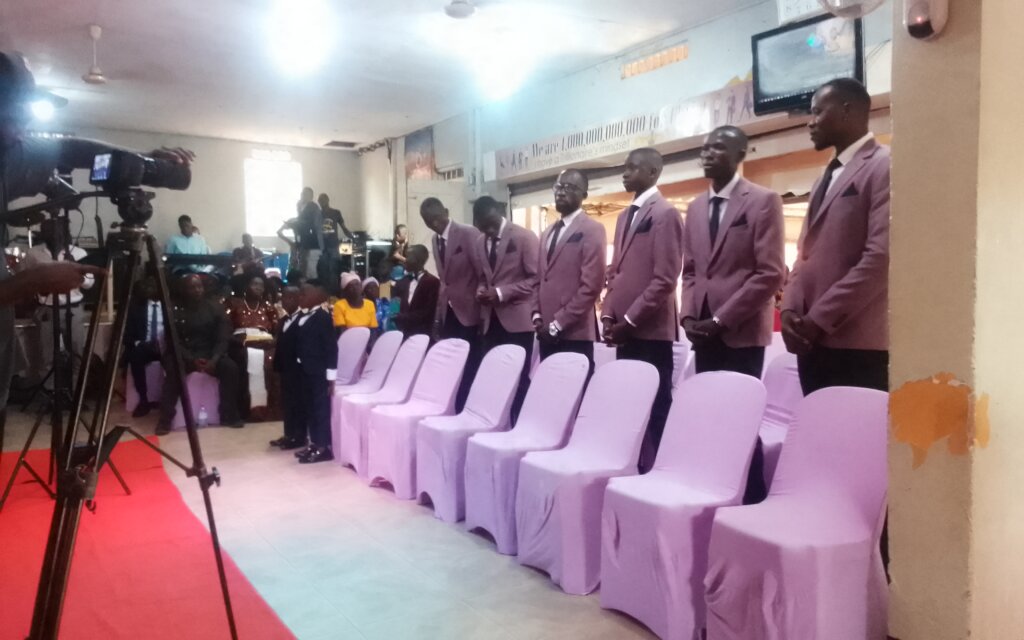
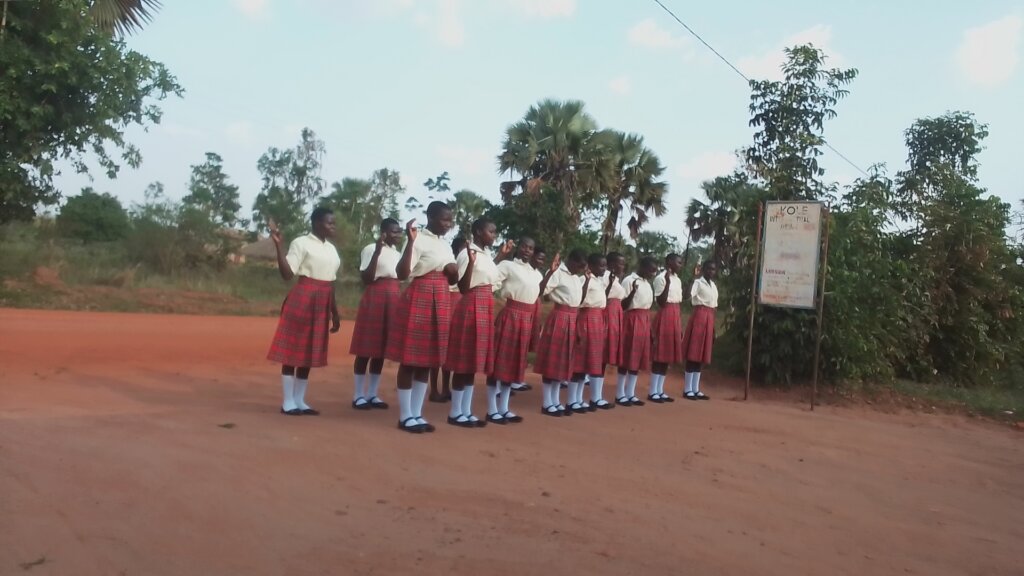
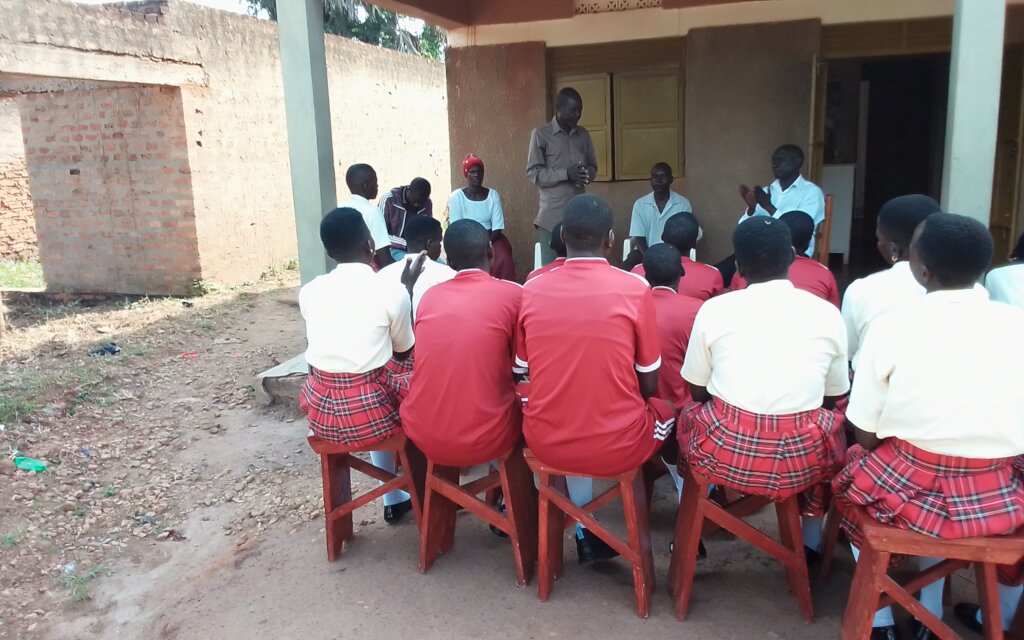
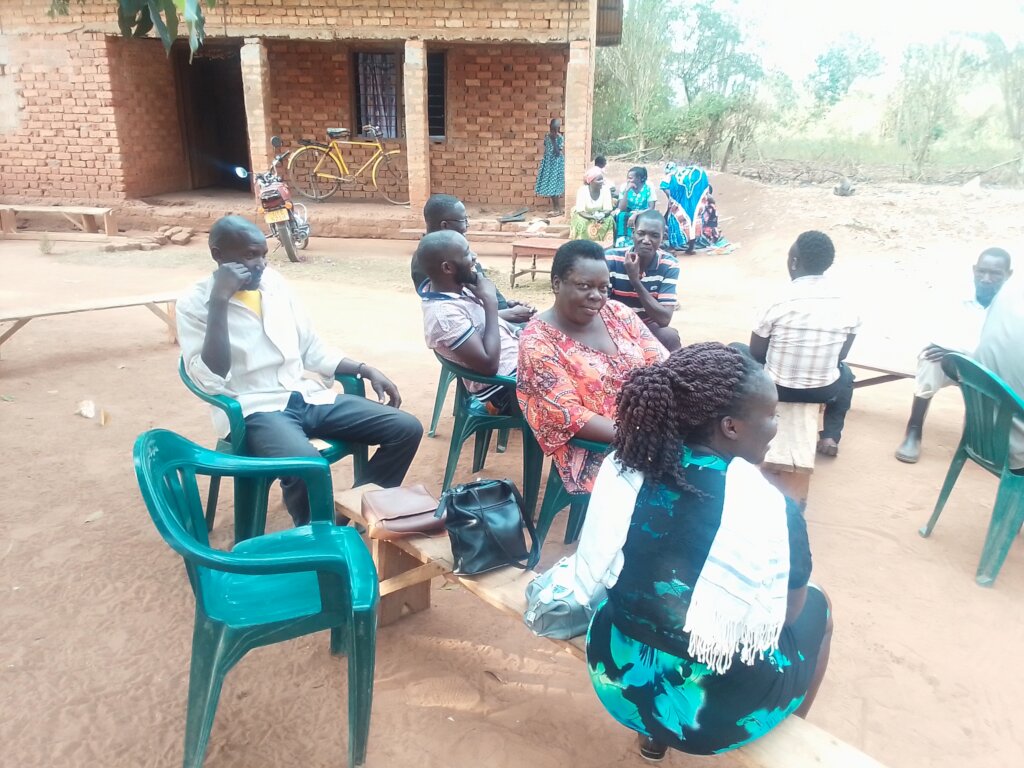
The vibrant mix class of students

By George Obua | Project Leader

Mix class of students

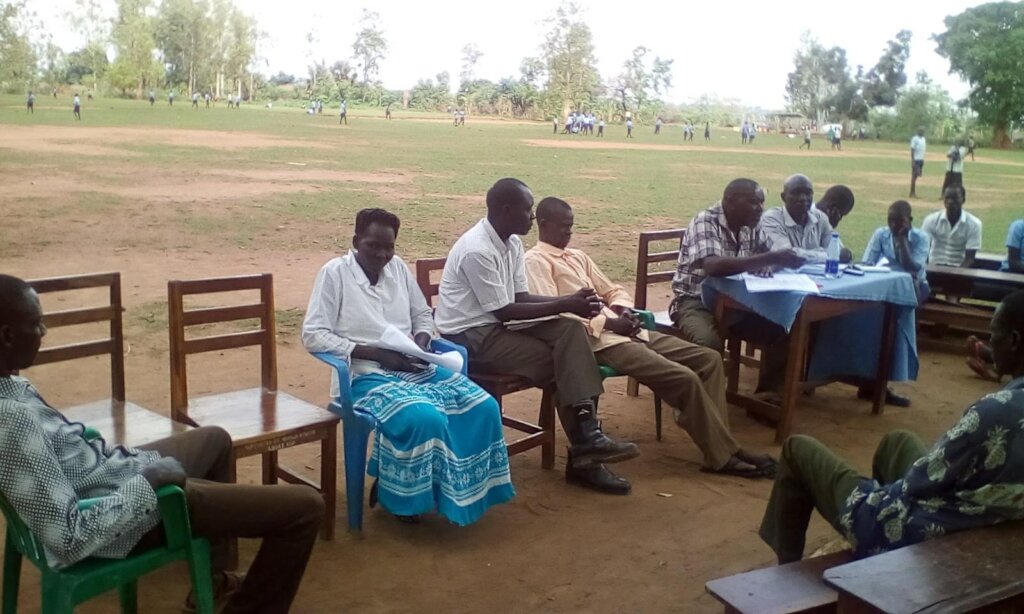
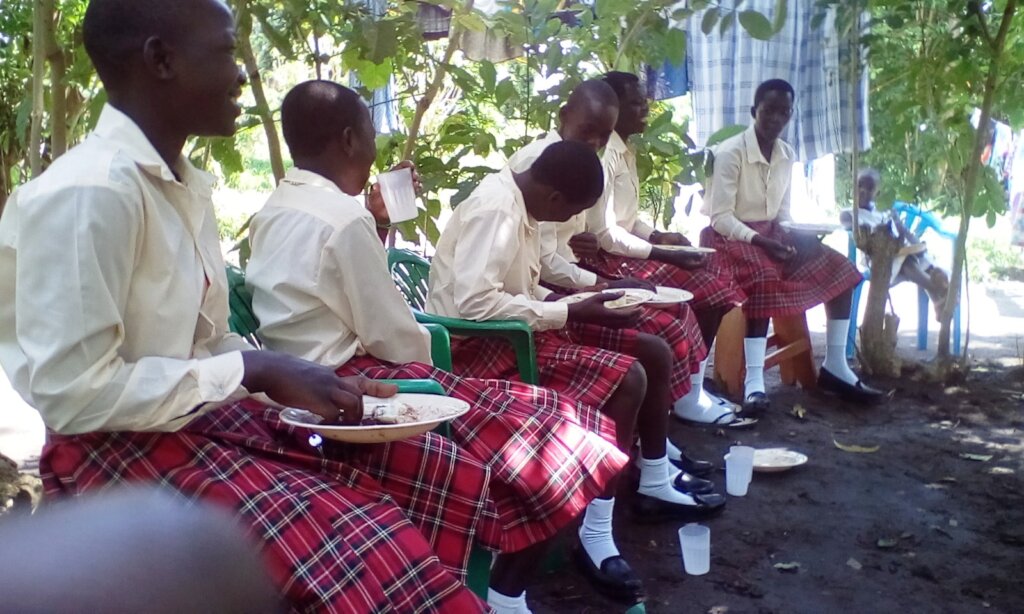
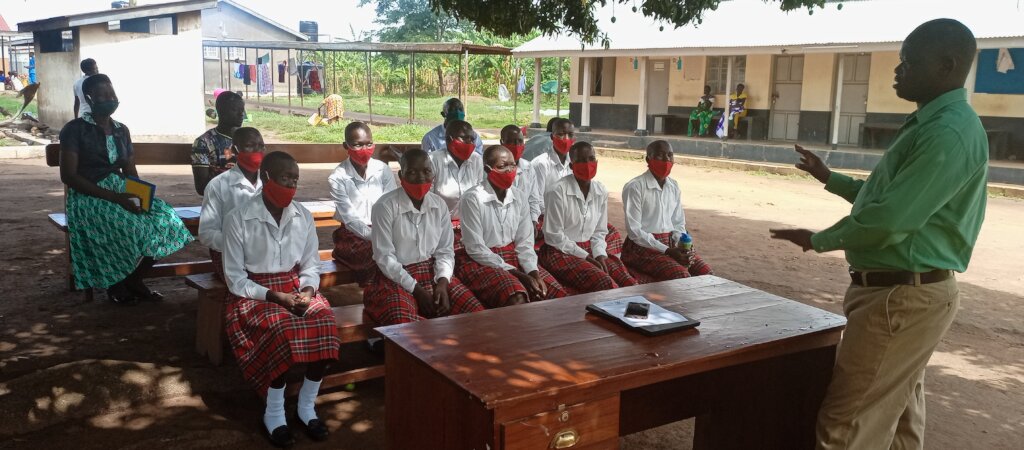
Although diversity in the classroom refers to differences in social identities; and it can be in terms of a person's age, race, socioeconomic status, gender identity, gender expression, sexual orientation, disability, and nationality all comprise a person's social identity; whereas for the case of Kole Intellectual Forum, it refers to the young students of less than 20 years mix together house wives with different age, status and social identities among others

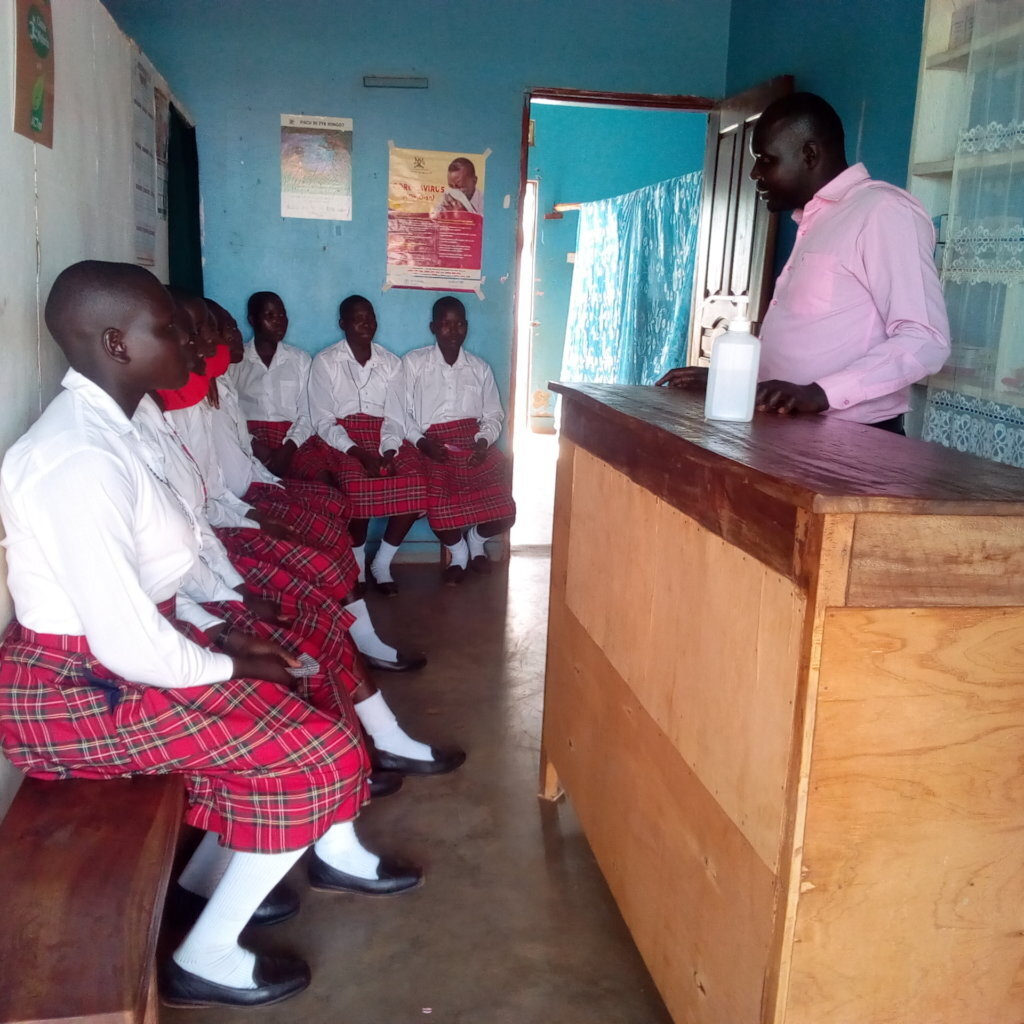
Although, they have different classes in the name of KS, that is KIFA Students or Kole Intellectual Students abbreviated as KIFA Students (KS) and that of KIFA mothers that stands in for KIFA Mothers.

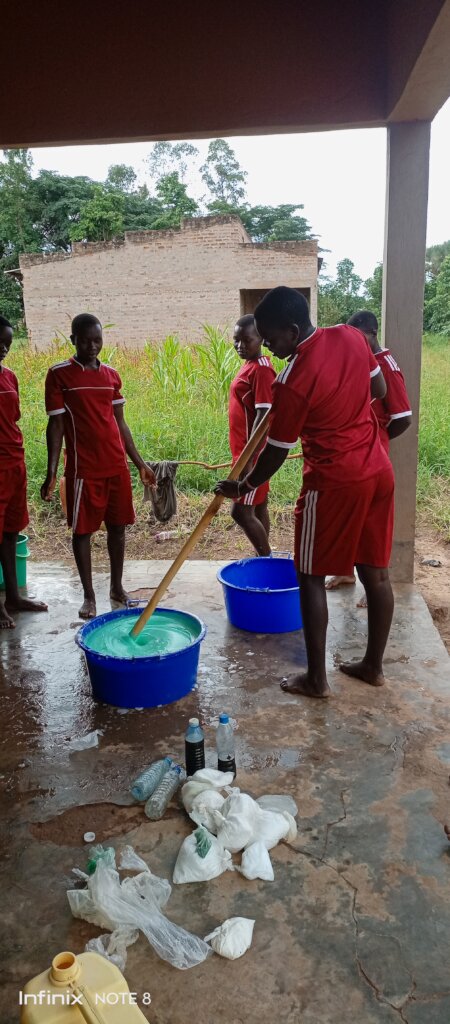
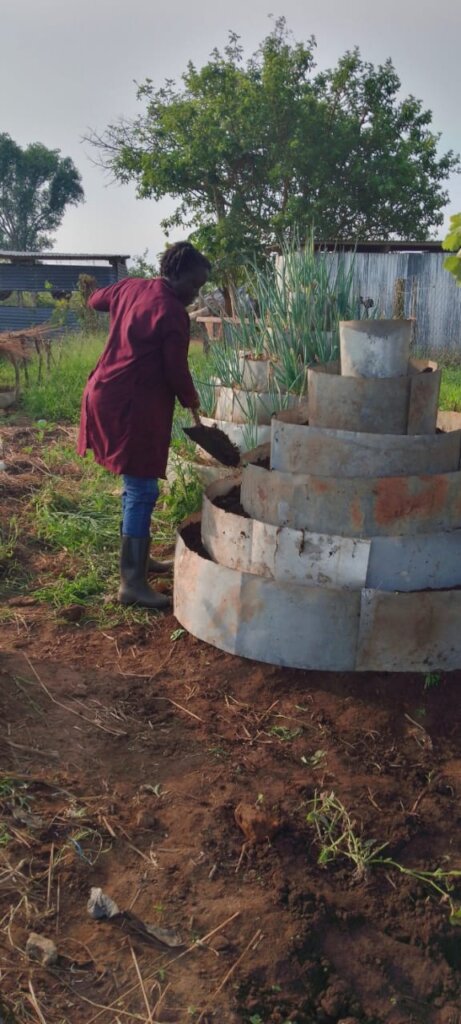
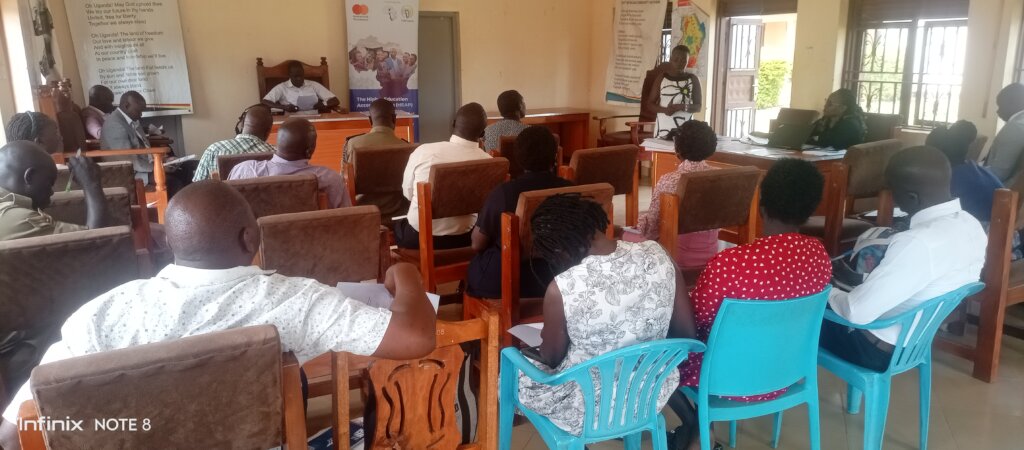
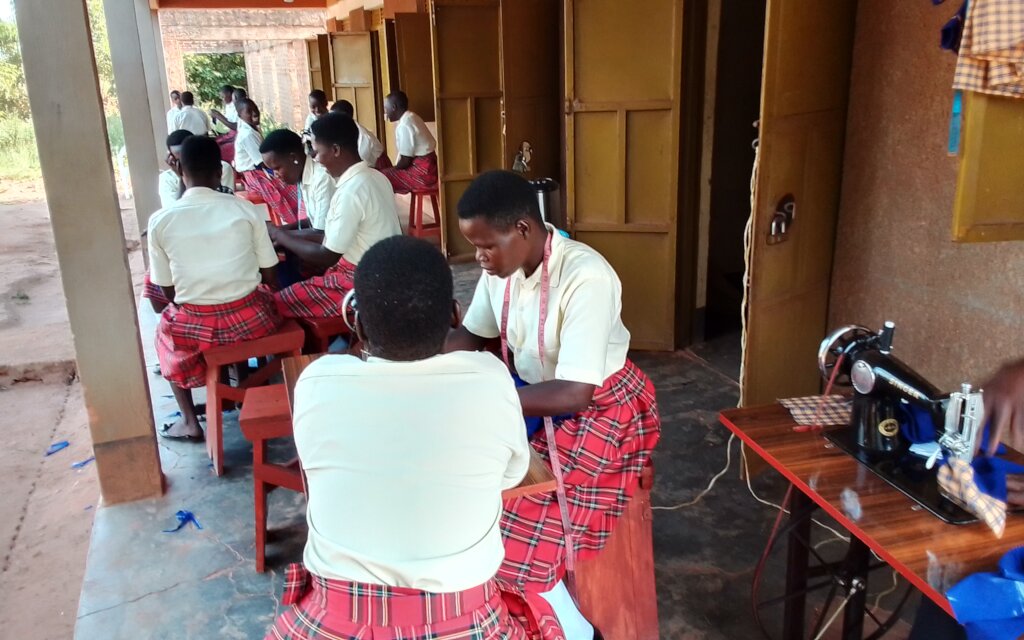
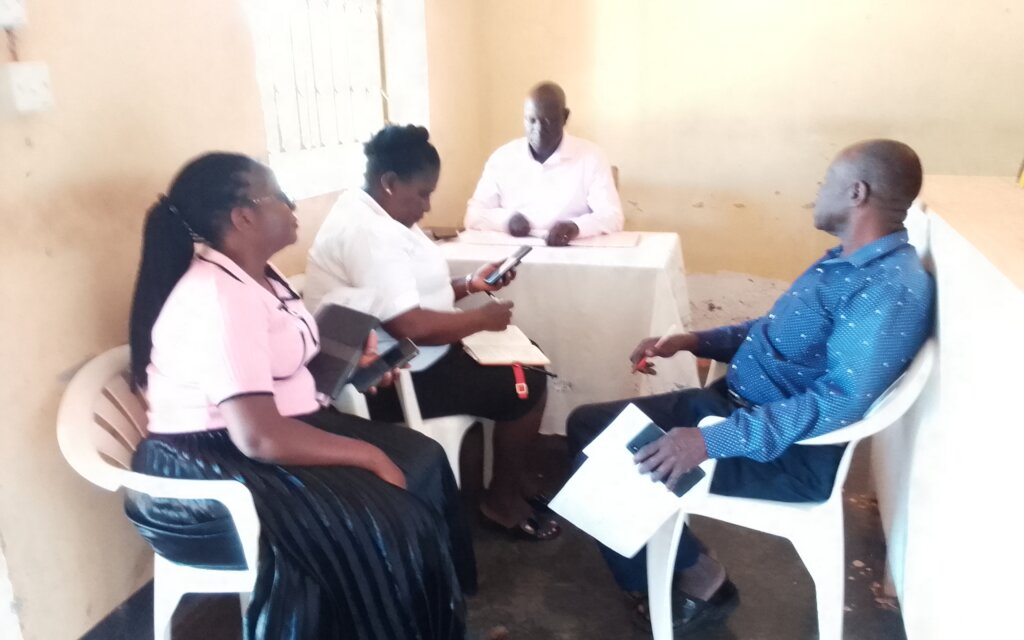
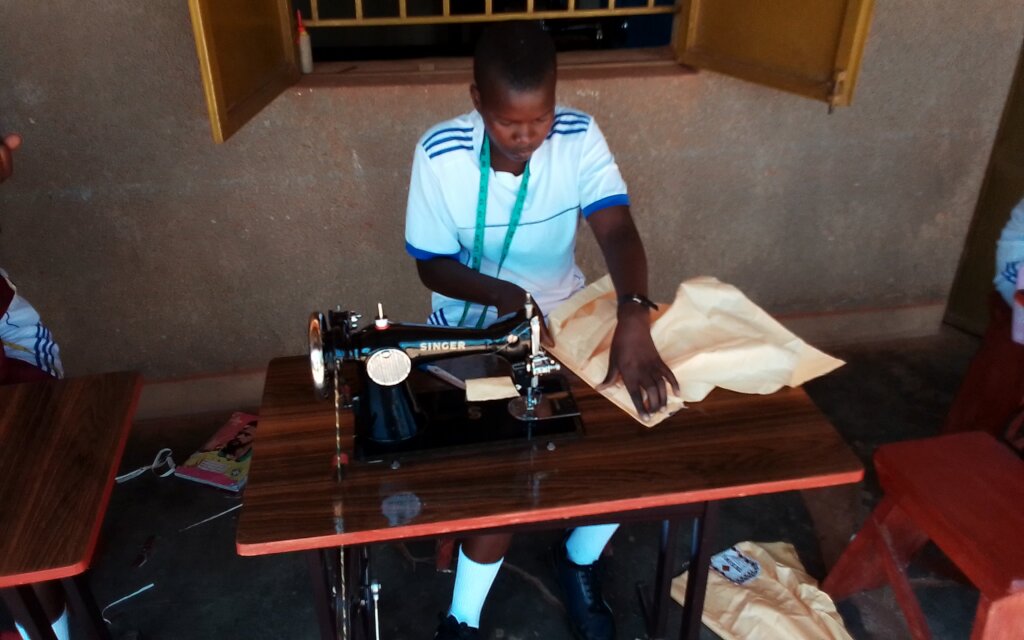
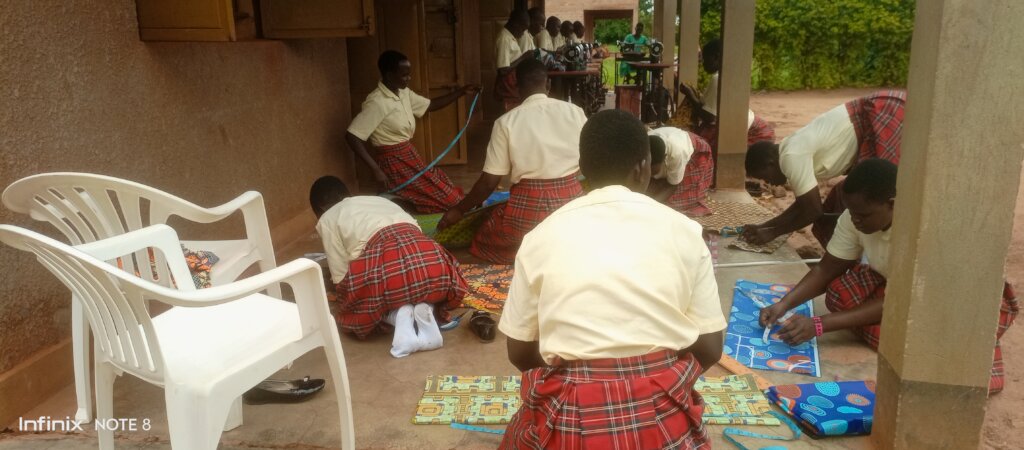
By this day of 30th April, 2025 being tested through practical examination for the end of Term one in a practical examination. To test their ability and capability for the course.   

Share on Twitter Share on Facebook

About Project Reports

Project reports on GlobalGiving are posted directly to globalgiving.org by Project Leaders as they are completed, generally every 3-4 months. To protect the integrity of these documents, GlobalGiving does not alter them; therefore you may find some language or formatting issues.

If you donate to this project or have donated to this project, you can receive an email when this project posts a report. You can also subscribe for reports without donating.


Sign up for updates

Organization Information

Kole Intellectual Forum

Location: Kampala, Uganda - Uganda
Website:
Facebook: Facebook Page
Project Leader:
Aaron Ogwal
Kampala , Uganda
$4,153 raised of $10,000 goal
 
85 donations
$5,847 to go
Donate Now

Help raise money!

Support this important cause by creating a personalized fundraising page.

Start a Fundraiser

Learn more about GlobalGiving

Teenage Science Students
Vetting +
Due Diligence

Snorkeler
Our
Impact

Woman Holding a Gift Card
Give
Gift Cards

Young Girl with a Bicycle
GlobalGiving
Guarantee

Get incredible stories, promotions, and matching offers in your inbox

WARNING: Javascript is currently disabled or is not available in your browser. GlobalGiving makes extensive use of Javascript and will not function properly with Javascript disabled. Please enable Javascript and refresh this page.