By CCF Staff | Cheetah Conservation Fund
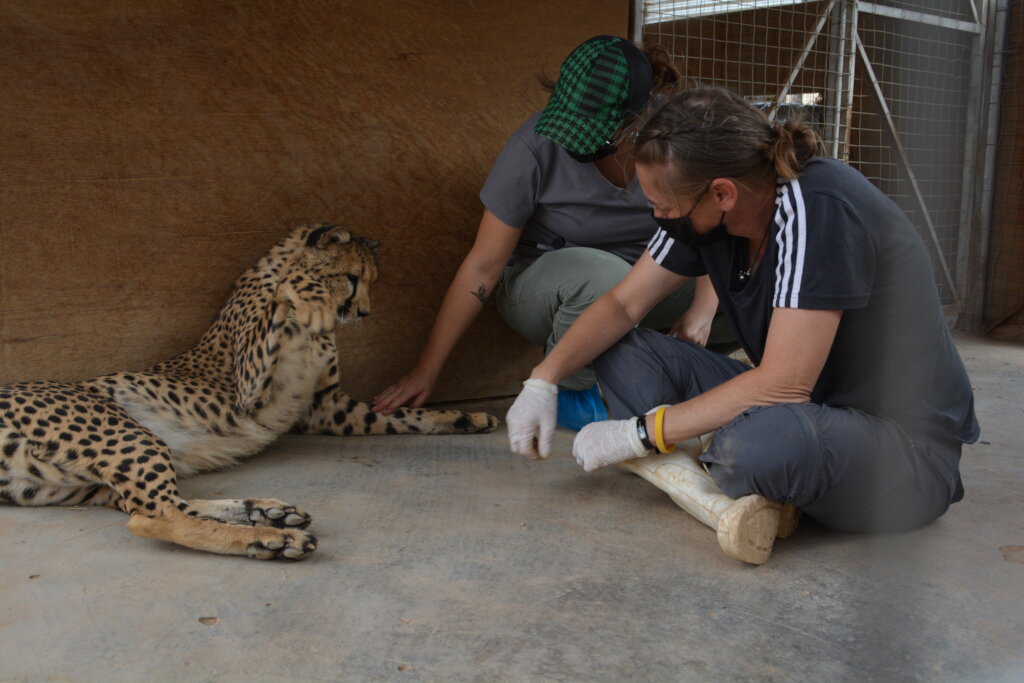
Meet Dr. Marshall and Nathalie Santerre. Hailing from Ottawa and Quebec respectively, Dr. Ashley Marshall (Lead Vet) and Nathalie Santerre (Head Animal Keeper of Safe House 3) arrived in Somaliland, in March and April respectively, and have found a common thread in their Canadian approach to frontline conservation work.
Nathalie brings with her almost 20 years of expertise working in conservation programs with captive cheetahs which is a boon for managing the growing captive population in Somaliland.
As an emergency veterinarian with an equal passion for cats and travel, Ashley is learning the nuances of working with cheetahs. Through their time here together, they have brought ease, flexibility and a great sense of humour to the team as they work tirelessly to manage basic needs such as keeping the animals clean, healthy, well fed and engaged.
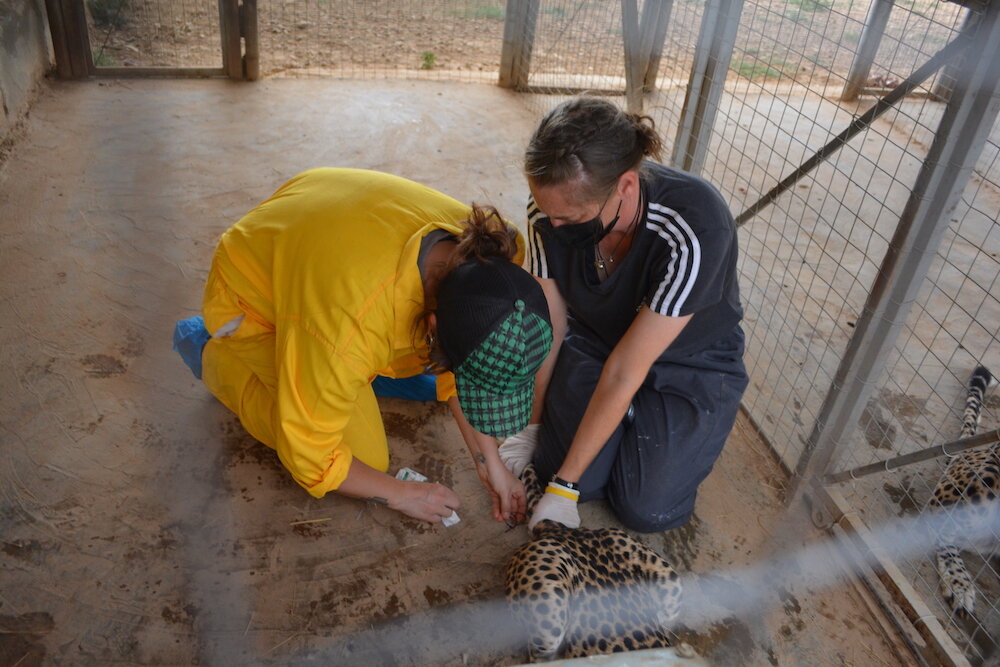
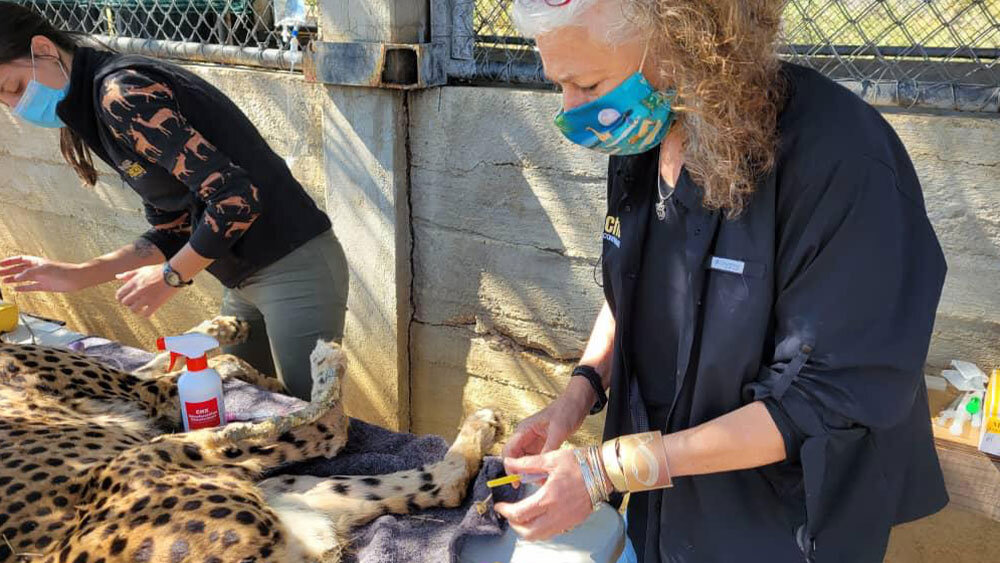
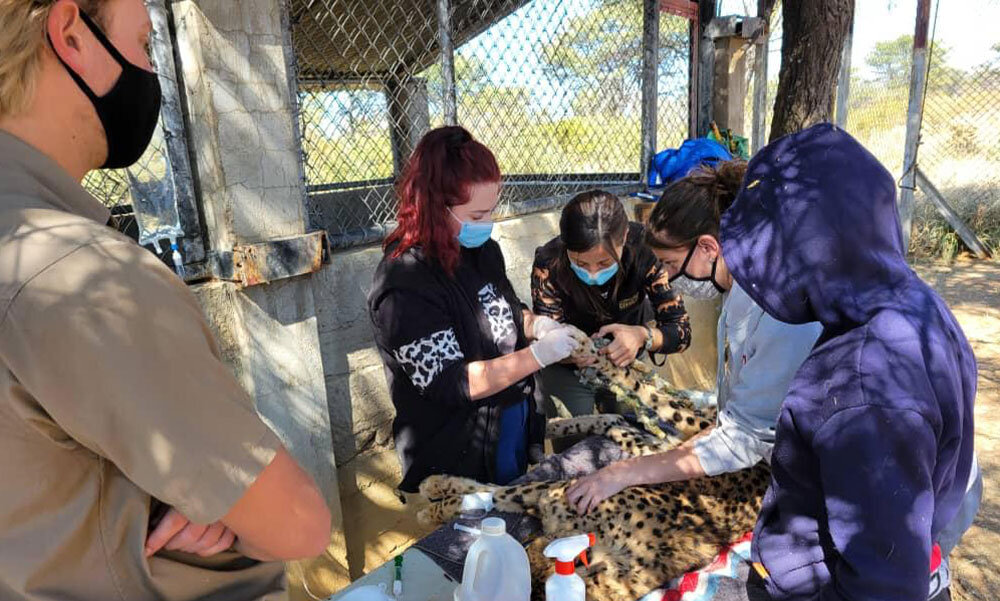
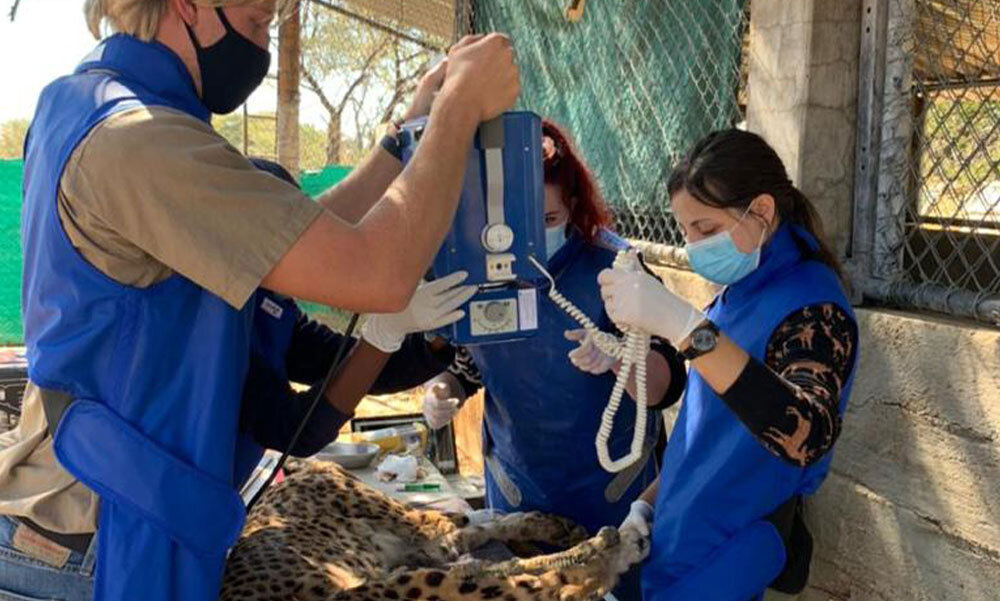
Additionally, they work closely to provide preventative medical care, such as vaccines and deworming, health monitoring, including blood and fecal assessments, and responding to any medical issues that may arise. Work with the cheetahs is mostly free contact and a large part of training includes getting the cheetahs used to physical manipulation and the squeeze cage for safe medical assessments.
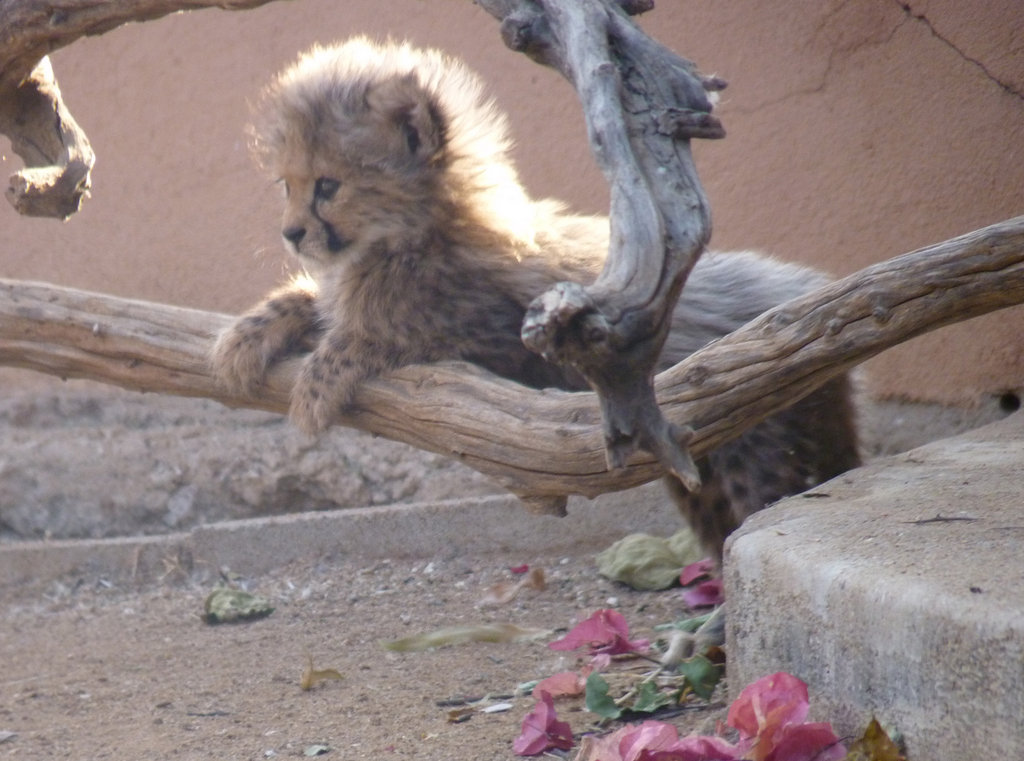
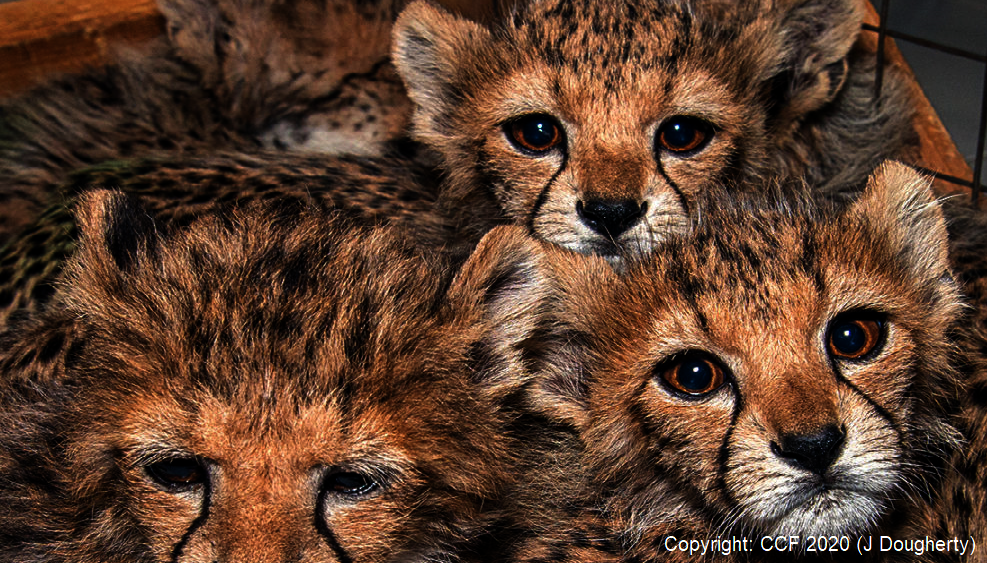
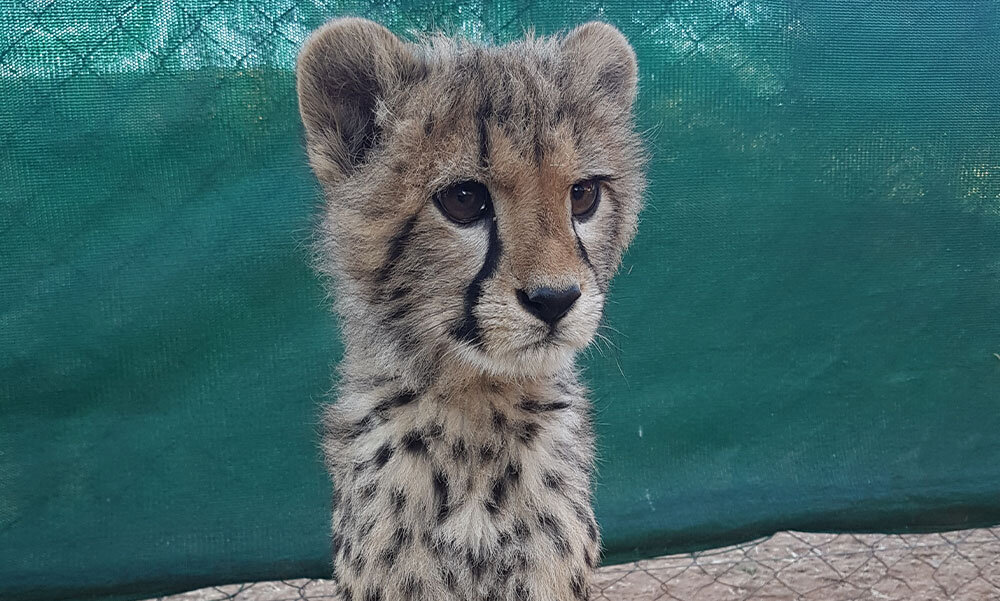
Ashley and Nathalie describe what makes their job so special and so challenging. One of the more trying parts of the job is when a call comes in alerting the team to a group of stolen cubs. Typically ranging in age from 1 to 6 months, and in group sizes of up to 15 individuals, CCF works closely with the Ministry of Environment and Climate Change (MoECC) to access the cubs and take over their care.
Often arriving dehydrated and malnourished, covered in wounds and parasites and sometimes with ties and chains around them, it’s an uphill battle to efficiently and calmly assess, stabilize and offer them comfort.
The work is minute by minute – initially, after providing supportive care and nutrition, they are settled into safe, warm enclosures and monitored closely.
After a period of quarantine and acclimation, samples and measurements are taken in the least stressful manner. The veterinary team treats them for the treatable and slowly introduces them to adequately nutritious meals so as not to overwhelm their systems. But, even then, they can decline and unfortunately not all the confiscated cubs survive.
Gratifying work as well as some heartbreak. The team works tirelessly around the clock in these initial days and the wins and the losses are felt immensely. For those that survive, we bond with the youngsters and feel pride in watching them grow into their bodies and their personalities which makes it all worthwhile.
Additionally, the data collected from the confiscation and from the medical assessments are used in court to help prosecute the poachers. Under the Forest and Wildlife Conservation Law (Act 69/2015), the current fine is 3/40 million Shillings and 1/5 years prison (Somalilander/Foreigner), hunting weapons and transportation used are also confiscated.
Working for CCF in Somaliland is beyond gratifying. It is an active, non-stop job that is truly on the frontlines of conservation within the illegal wildlife trade. We are not only grateful for the opportunity to contribute but have also shared knowledge, experience and made friends with other likeminded passionate conservationists from both Somaliland and around the globe.
As the cats will soon be moved to a bigger facility, out of the city with the opportunity to live in larger enclosures and have an opportunity to express more natural behaviours, we hope our presence is needed less. But until then, CCF will with continue to confront these issues, heart faced forwards.
Links:
By Dr. Bogdan Cristescu | Cheetah Conservation Fund Staff
By Ana Basto | Veterinarian
Project reports on GlobalGiving are posted directly to globalgiving.org by Project Leaders as they are completed, generally every 3-4 months. To protect the integrity of these documents, GlobalGiving does not alter them; therefore you may find some language or formatting issues.
If you donate to this project or have donated to this project, you can receive an email when this project posts a report. You can also subscribe for reports without donating.



Support this important cause by creating a personalized fundraising page.
Start a Fundraiser