By Cheetah Conservation Fund | CCF Staff
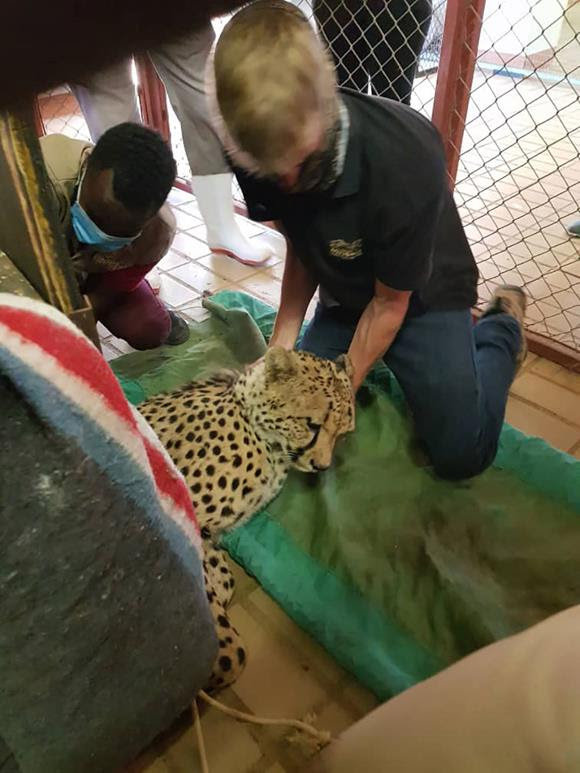
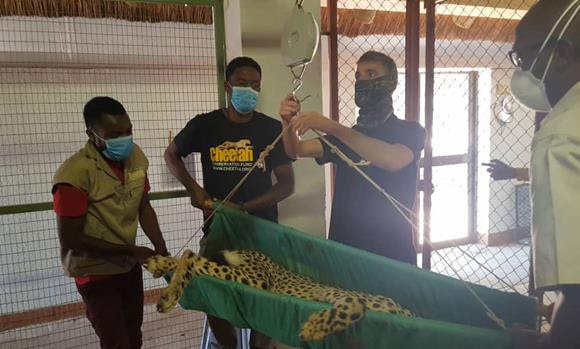
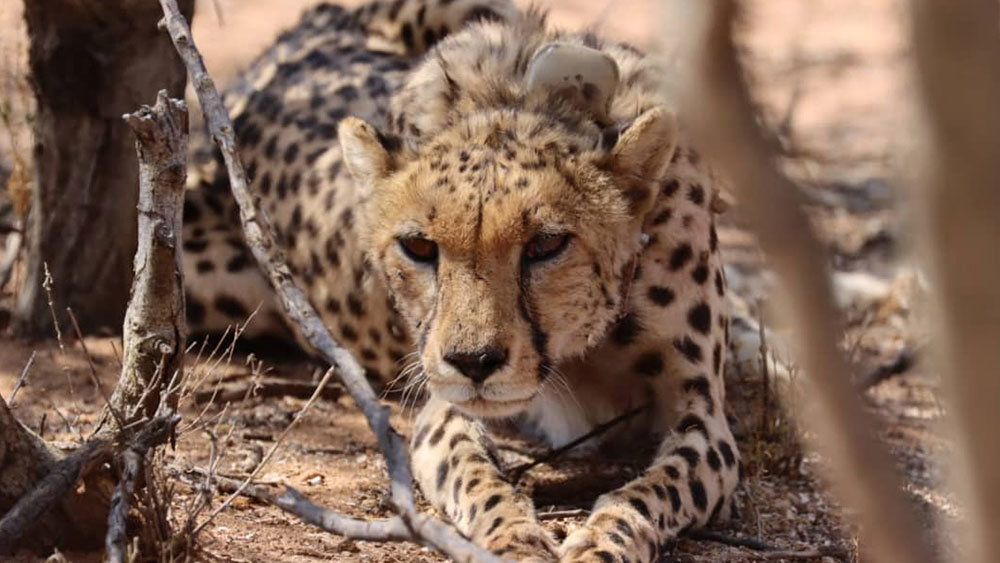
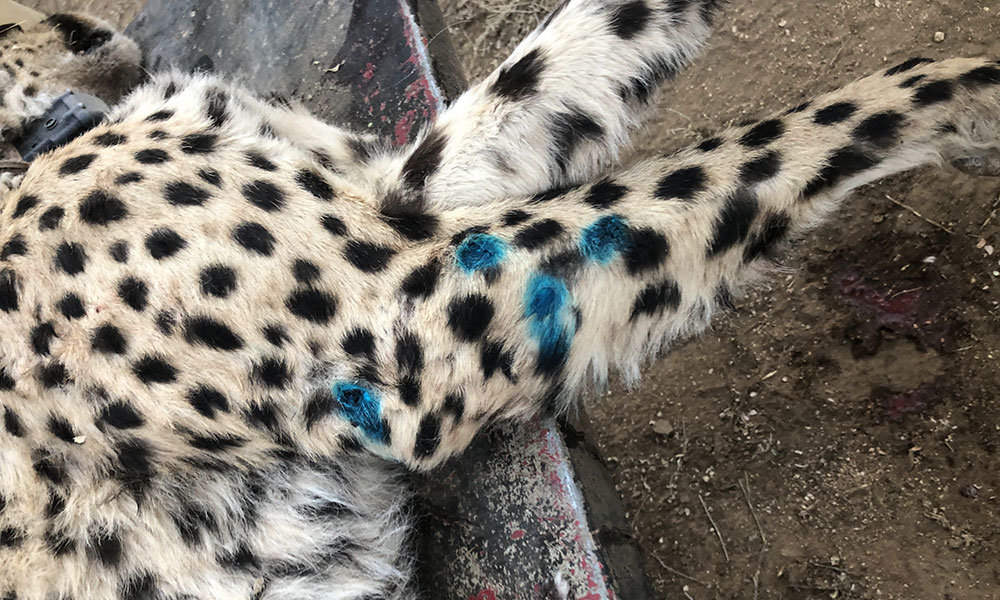
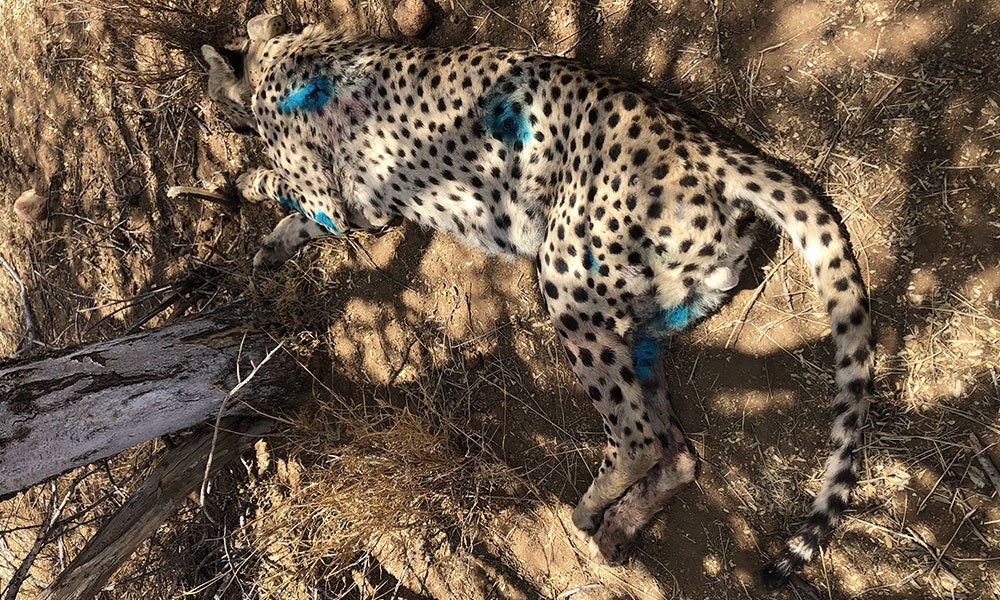
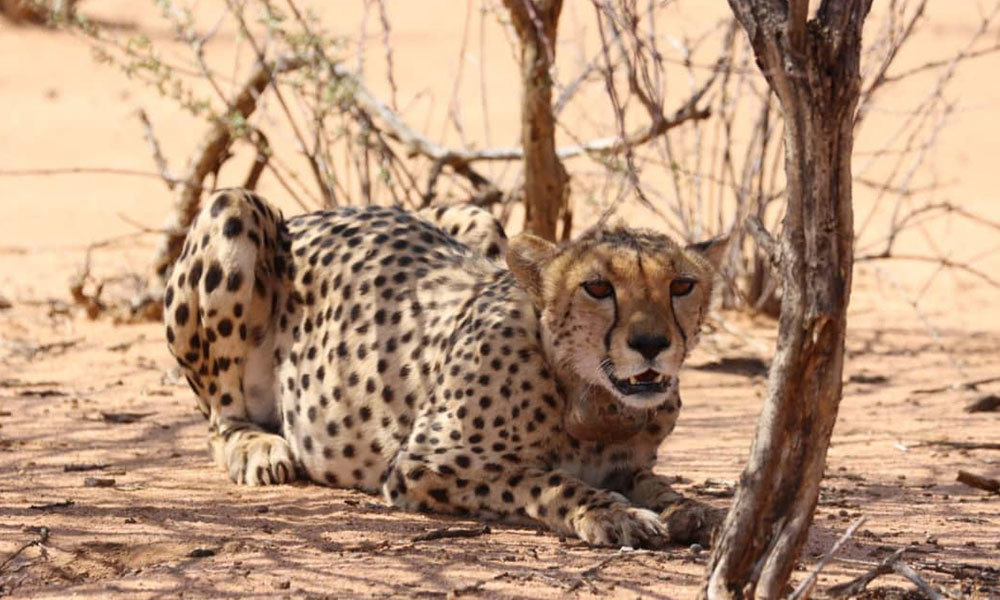
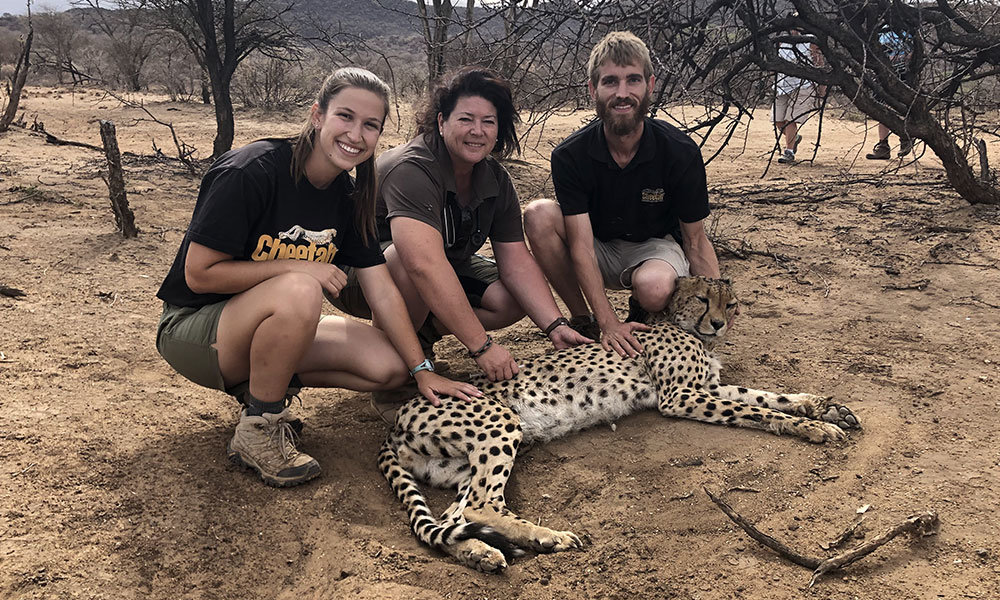
OTJIWARONGO, Namibia – 10 August 2020 – In response to ongoing neurological problems manifesting in a resident cheetah at the Cheetah Conservation Fund (CCF) Centre, the CCF veterinary team brought Ndunge, also known as ‘Smartman’, to Windhoek for an MRI on Friday, 7 August. The purpose of the medical scan was to help diagnose the cat’s condition, so the CCF team can provide appropriate care.
“We did x-rays early on without finding any cause, and we consulted with our team of collaborative national and international veterinarians, with no conclusive determination”, said Dr Laurie Marker, CCF Founder and Executive Director. “A couple weeks ago, when Dr Ulf Tubbesing, CCF’s consulting Namibian wildlife veterinarian was assessing Smartman, we decided to bring ‘Smart’ to Windhoek for an MRI”.
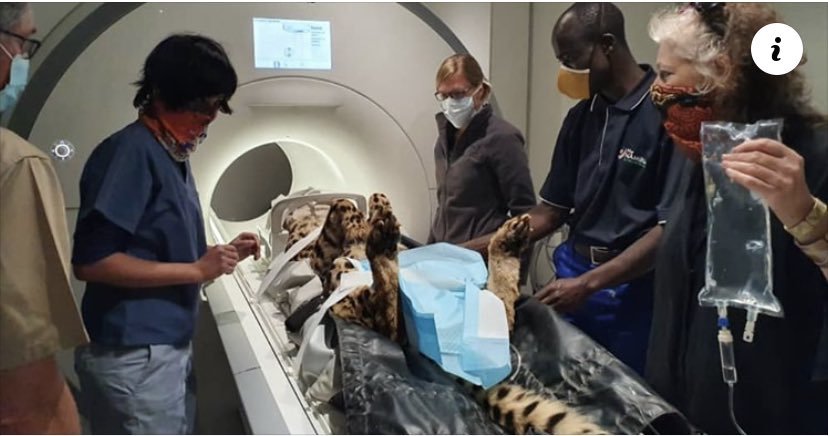
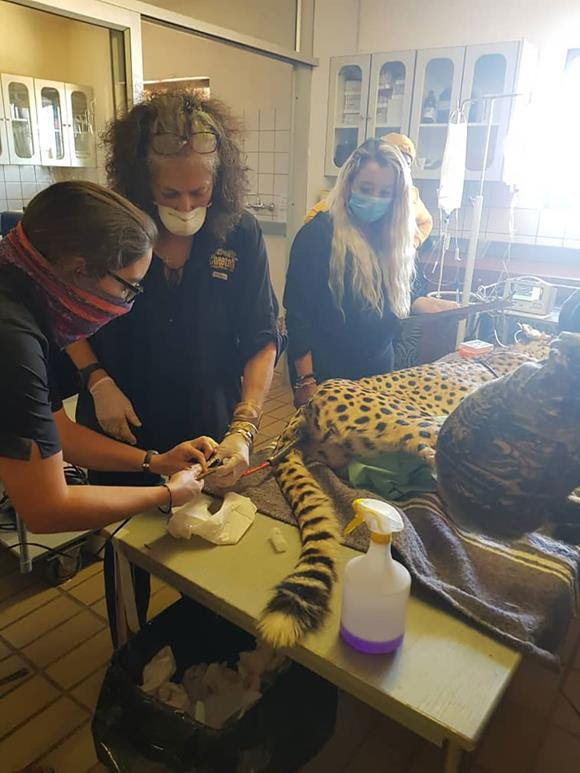
The CCF team drove early in the morning with Smartman to the Mediclinic Windhoek. They arrived in the capital city with enough time to stop at the Rhino Park Veterinary Clinic where Drs Ulf and Minty anaesthetised Smartman ahead of the procedure. When the big cat was deemed ready, the team made the ten-minute drive to the Mediclinic, where they were greeted by the Medical Imaging team.
This procedure marked the first time Mediclinic Windhoek conducted an MRI with a cheetah.
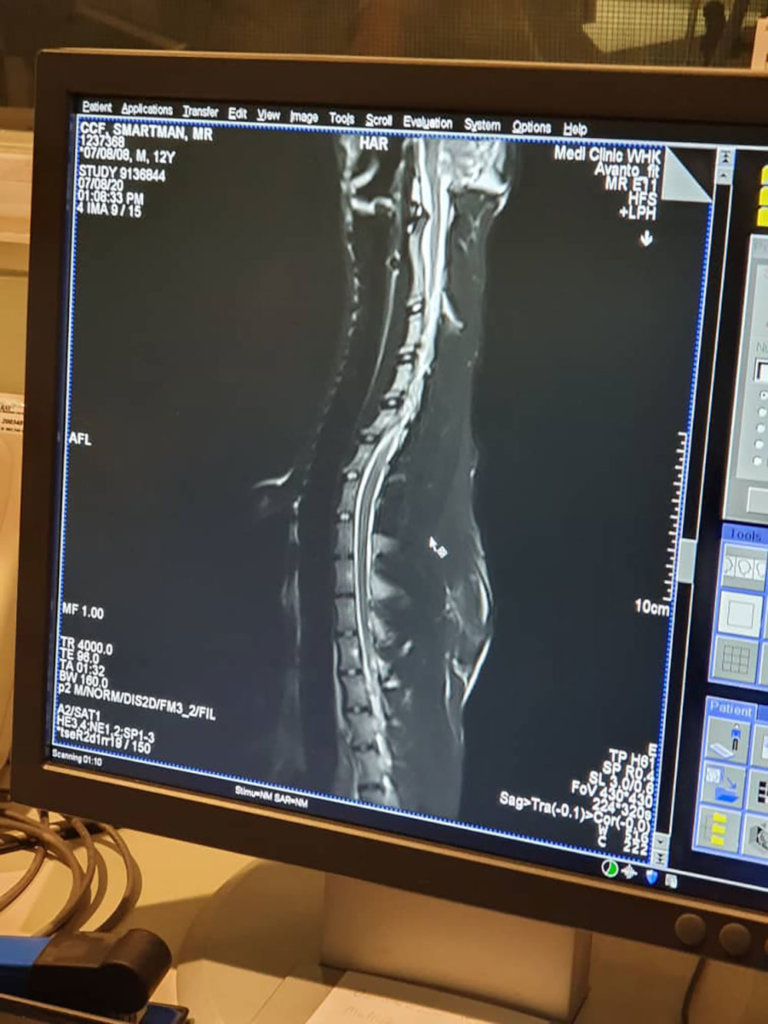
Smartman was brought into the clinic where he received the same type of MRI as humans. The entire process took about 90 minutes and was performed by a medical technician and by longtime CCF supporter Sybille Hahner , who also helped sponsor Smartman’s procedure along with her brother, Wilfried Hahner.
After the MRI was complete, Dr Pierre leRoux of Mediclinic Windhoek read the scans. On his initial reading, he could not make any determination regarding Smartman’s condition.
“While not indicative, the MRI does rule out certain common causes like tumours or slipped disks, and the scans will be shared with local veterinary specialists and our collaborative international team to get their opinions. We will not stop trying to figure out what’s wrong with Smartman until we do, so we can render appropriate aid. We want the best lives possible for all our animals”, said Dr Marker.
As of today, Smartman’s condition is still being assessed at the CCF Centre, where he is under 24-hour care and supervision by the CCF veterinary team.
Links:
By Cheetah Conservation Fund | CCF Staff
By Cheetah Conservation Fund | CCF Staff
Project reports on GlobalGiving are posted directly to globalgiving.org by Project Leaders as they are completed, generally every 3-4 months. To protect the integrity of these documents, GlobalGiving does not alter them; therefore you may find some language or formatting issues.
If you donate to this project or have donated to this project, you can receive an email when this project posts a report. You can also subscribe for reports without donating.



Support this important cause by creating a personalized fundraising page.
Start a Fundraiser