![Gifty and mother, a child supported with uniforms]()
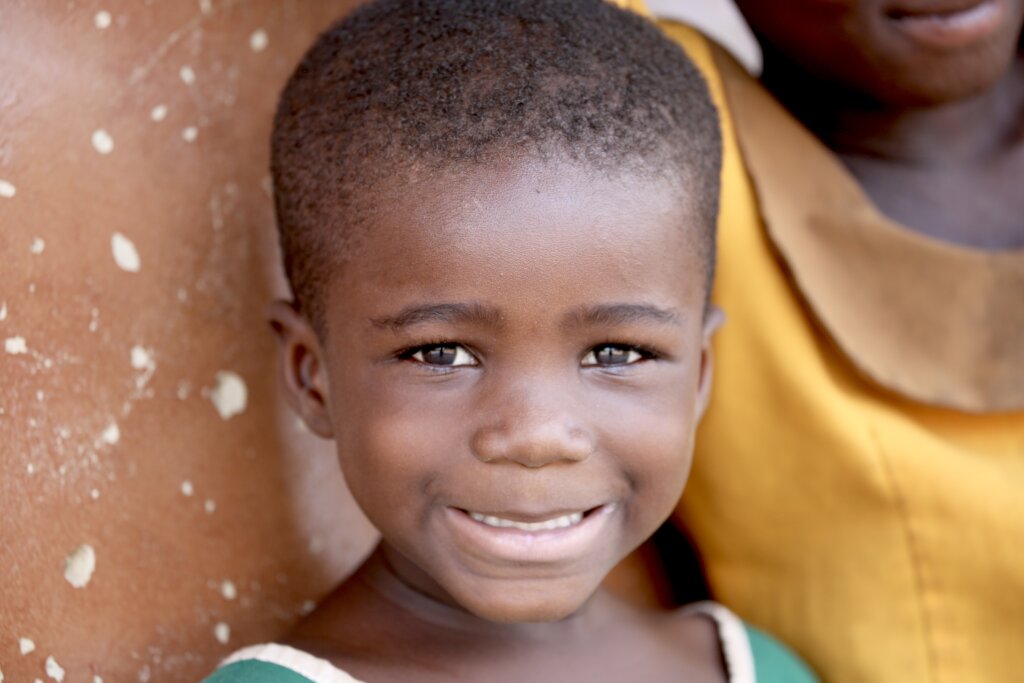
Gifty and mother, a child supported with uniforms
As we look back on the year ended 2023, we are filled with a profound sense of gratitude and pride in the progress we have made, the challenges we have overcome, and the unwavering commitment of everyone involved with AfriKids. You were part of our story in 2023 so thank you.
2023 was another year of significant achievements and learning experiences for AfriKids. We launched the implementation phase of our life-changing programmes for children in 60 more communities across northern Ghana, supported by people like yourselves, marking a major milestone in AfriKids’ history as we branch into communities outside of our “home” territory around Bolgatanga, and begin to test whether our locally-led model can be replicated and scaled up.
Our work in these areas began with community entry, relationship building and baselining work in the latter part of 2022, during which we “co-designed” the programme we will deliver with communities; working with them to adapt our model to their specific challenges and priorities. Now we have moved into the four-year phase of delivering these adapted “interventions” to create change. These major programmes are a holistic blend of AfriKids’ tried and tested interventions to keep children healthy, safe and in school, and for the first time we are testing a “concentrated approach” – applying all of these activities in the same areas (“demonstration districts”) to test their compound effect.
The new districts were selected as some of the lowest ranking in the country’s district league tables (produced by UNICEF), which measure a range of quality of life indicators. 7 in 10 families live in multidimensional poverty and 1 in 4 children are out of school. They are some of the hardest to reach communities geographically, and they are also some of the most challenging contexts in which to affect change.
These new territories come with new experiences for our amazing project staff, many of whom have relocated to serve these communities further away. Every day they overcome obstacles with remarkable resilience; crossing waterlogged areas in makeshift canoes, campaigning for girls’ education in areas where fewer than ten girls are enrolled in entire schools, and empowering disenfranchised women to grow thriving, climate-resilient livelihoods and become active changemakers in their communities (get in touch with us to try their honey!). This “above and beyond, whatever it takes” mentality is the spirit of AfriKids and can be seen across our entire community of staff and supporters.
Outside of Ghana, our fundraisers, operating in the toughest climate we’ve seen for “international development” in many years, are more determined than ever, spreading awareness about why our work ensuring education is so important for a peaceful and sustainable future, and keeping our amazing donors informed about the incredible difference their support makes to children’s lives.
Since our 20th anniversary in 2022, we have been reviewing the archives, the world around us and speaking to staff, supporters and stakeholders to refine our vision for the next twenty years. We look forward to sharing more on this with you in 2024, along with other exciting updates like a refresh of the AfriKids’ brand identity – designed to help amplify our story so we can do more.
I could talk about the many challenges – economic, security, climate – but I think we’re all aware of the many issues impacting the global community at the moment. It’s part of our job to reassure people we will overcome hurdles and prevail in the end. Make no mistake, the work is tough, sometimes crushingly so - but keeping the faith is not.
Every year I marvel at the resilience and determination I see across the AfriKids supporters, staff, the communities we work with, and in particular, the children we support. They convince me every day, that we will - and must - always find a way. Thank you for being a part of the AfriKids family. As ever, looking forward with positivity and courage.
Very best wishes,
Charlie Hay, CEO AfriKids
Our approach in the 60 communities
AfriKids believes in the power of communities. They hold the key to change. We listen to their needs and empower them to make change themselves. That way, we know that the impact we make together will be sustained. Since the very beginning in 2002, our programs have been 100% designed and delivered by local people who understand their communities and are trusted to make effective change.
Our locally-led model recognises that the reasons children’s rights are denied are complex and require holistic, community-led solutions for deep and lasting change. Our Happier Childhoods and Brighter Futures program aims to tackle all of the barriers preventing children from learning. It is shaped around three key themes: “Means, Motive and Opportunity”.
- Ensure Means:With the climate crisis threatening agriculture, alongside the threat of escalating conflict in West Africa, families are relying on children to earn money instead of going to school. AfriKids provides livelihood support to women to tackle the first barrier to children being in school: poverty. This includes business, money and skills training and microfinance to become financially secure. Their confidence grows, they gain power to make decisions and they can send their children to school.
- Build Motive:When communities have long endured poverty, education is often not a priority. We educate communities on the value of school and dangers of child labour and child marriage and ensure that every community member is investing in their children’s education.We also establish clubs for girls to learn about Sexual and Reproductive Health so they can protect themselves from harm. We educate communities on the value of school and dangers of child labour and child marriage and ensure that every community member is investing in their children’s education.
- Create Opportunity:AfriKids works with existing schools and service providers to enhance the accessibility and quality of education for children at all levels of school from Kindergarten to Junior High School. We train teachers to deliver gender-inclusive lessons, build toilets, provide ed-tech and set up STEM clubs for girls to broaden their career prospects. We also support the children most at-risk of dropping out of school with uniforms, schoolbooks and bicycles so they can stay in school.
Our impact in 2023
Ensuring Means
- 1,255 women supported with skills and microfinance to grow businesses.
- With climate change severely impacting these communities as 70% are farmers, we trained 375 women in how to do climate-smart agriculture and trained 150 women to become beekeepers who protect bees and improve their income selling their honey.
- 96% of women increased their incomes including dressmakers, farmers, bakers, soap-makers and beekeepers.
Building Motive:
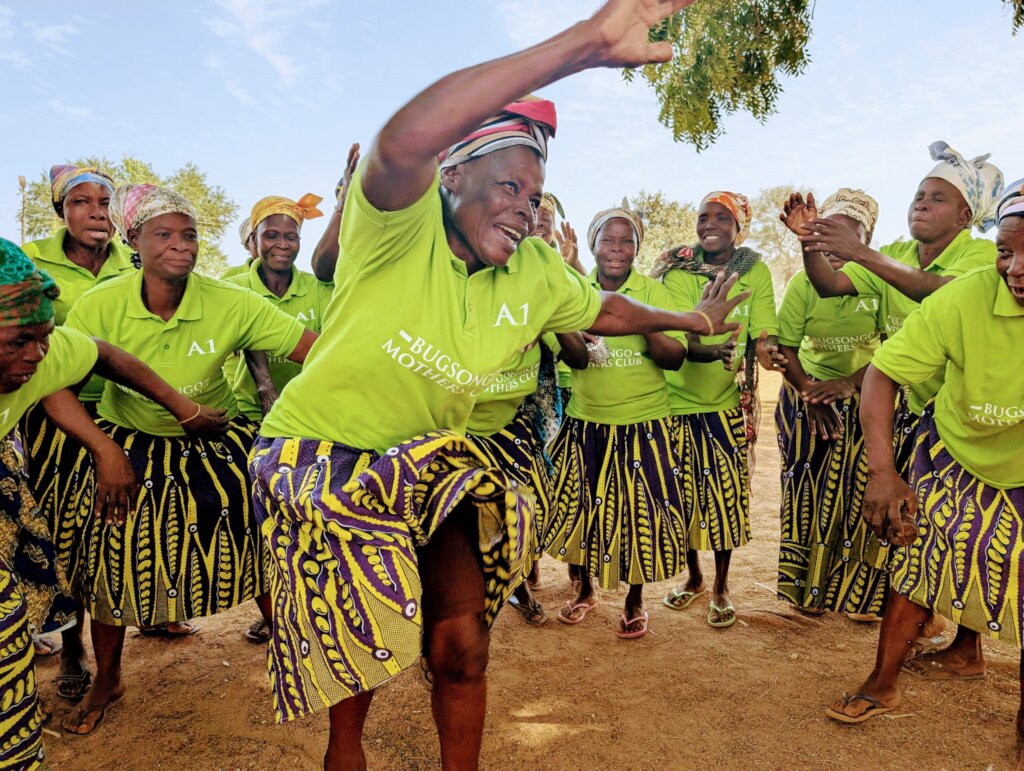
- 65,939 community leaders and members were educated on the importance of sending children to school and the dangers of child labour and child marriage.
- AfriKids’ radio and online campaigning to protect child rights reached 1.2m people in Ghana, changing attitudes and endorsing every child’s right to be safe and in school.
Creating Opportunity:
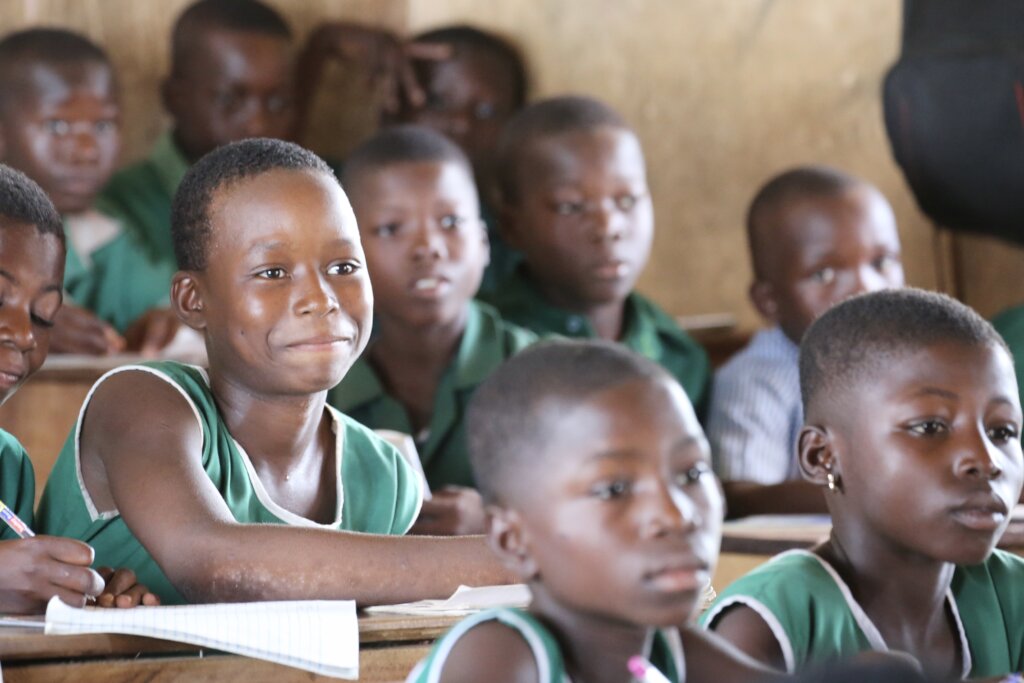
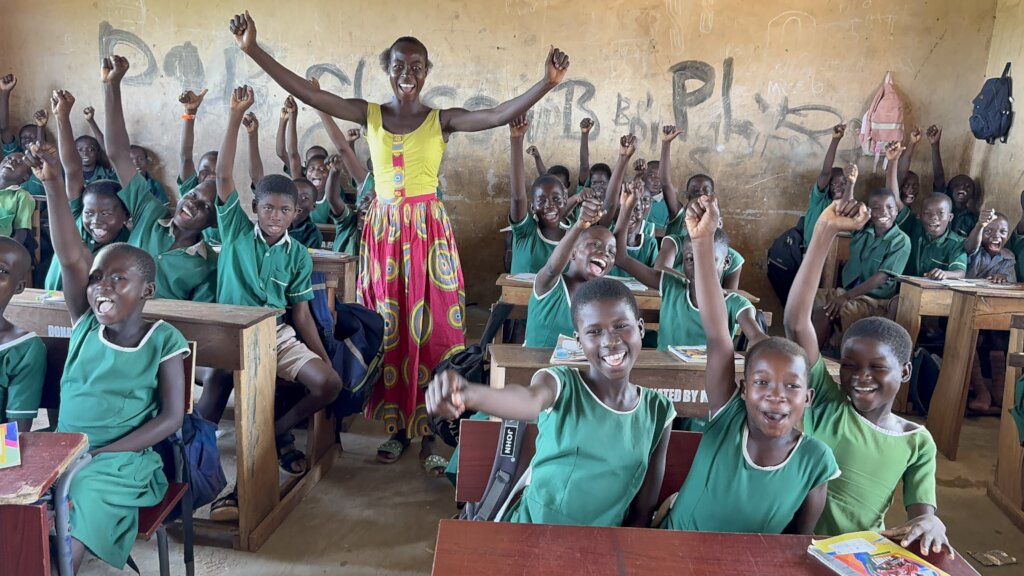
- We worked with 180 government schools to enhance access and quality of education delivery, supporting 33,717 children with an improved education.
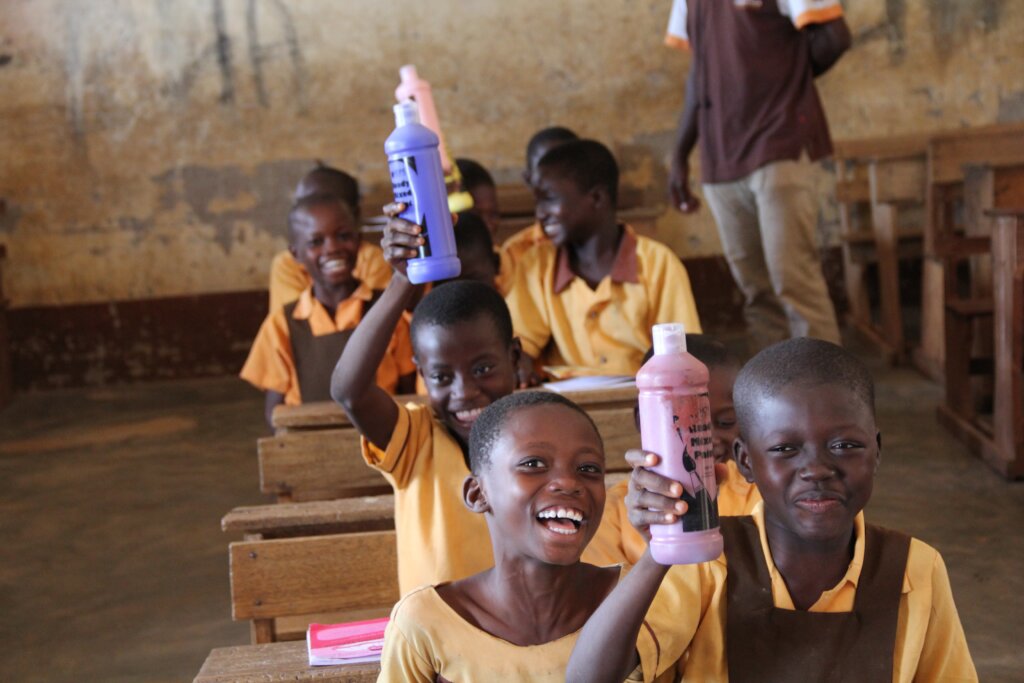
- We trained 750 teachers from Kindergarten to Junior High School and 121 healthcare providers. They learn topics such as how to deliver play-based learning that we know is effective for little ones, they learn to make their classrooms playful with colour so they inspire children’s minds, how to discipline their class without the use of corporal punishment and how to deliver engaging and inclusive learning for all genders and abilities.
- Our mobile library visited schools to increase children’s access to reading and literacy. Watch it go village to village on this video: https://www.youtube.com/watch?v=ODpsl9u3t3E
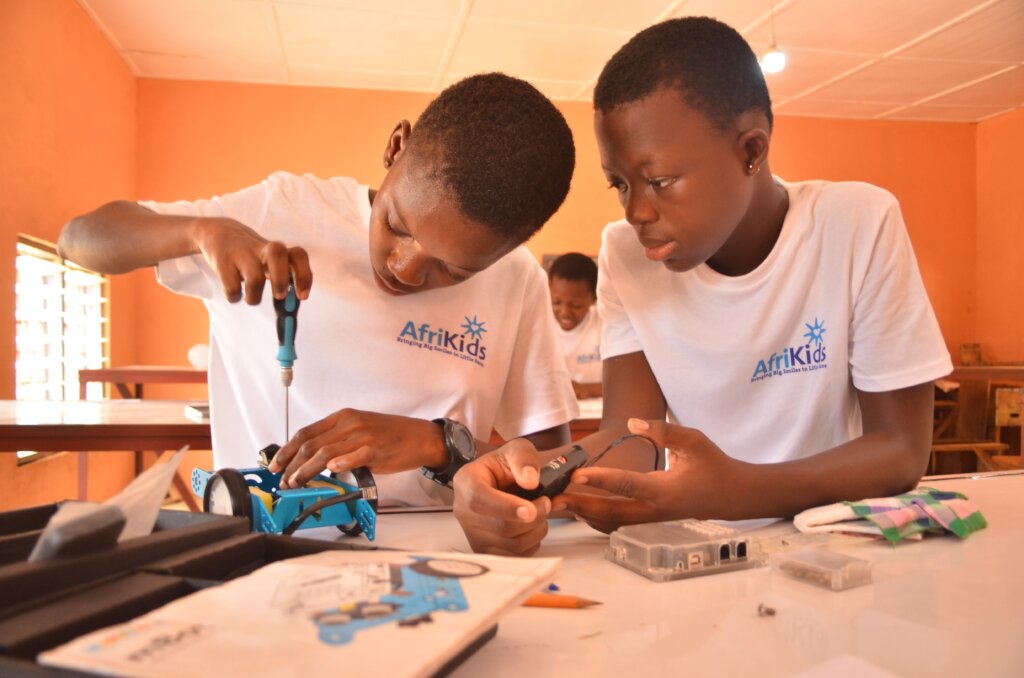
- 2,000 girls attended our STEM Clubs to learn Science, Technology, Engineering and Maths. These are subjects that are typically male dominated but they offer high paid careers. We want to see more girls encouraged to pursue these subjects in school so our Clubs provide hands-on learning for girls aged 12-15, the age where many girls in these deprived communities drop out of school to find work or marry. They learn topics such as robotics, science experiments, electrics and how to keep their communities clean and protect their environment from climate change. Watch what some of our conservation heroes have been making in the Clubs: https://www.youtube.com/watch?v=7LDSrPyxi_w
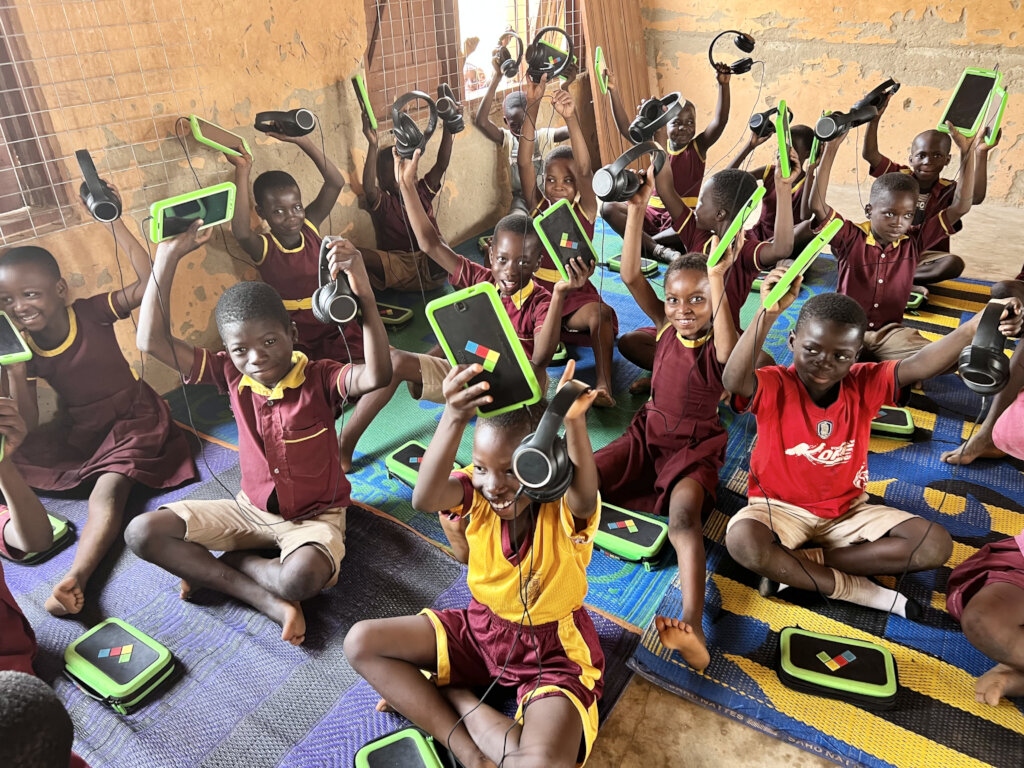
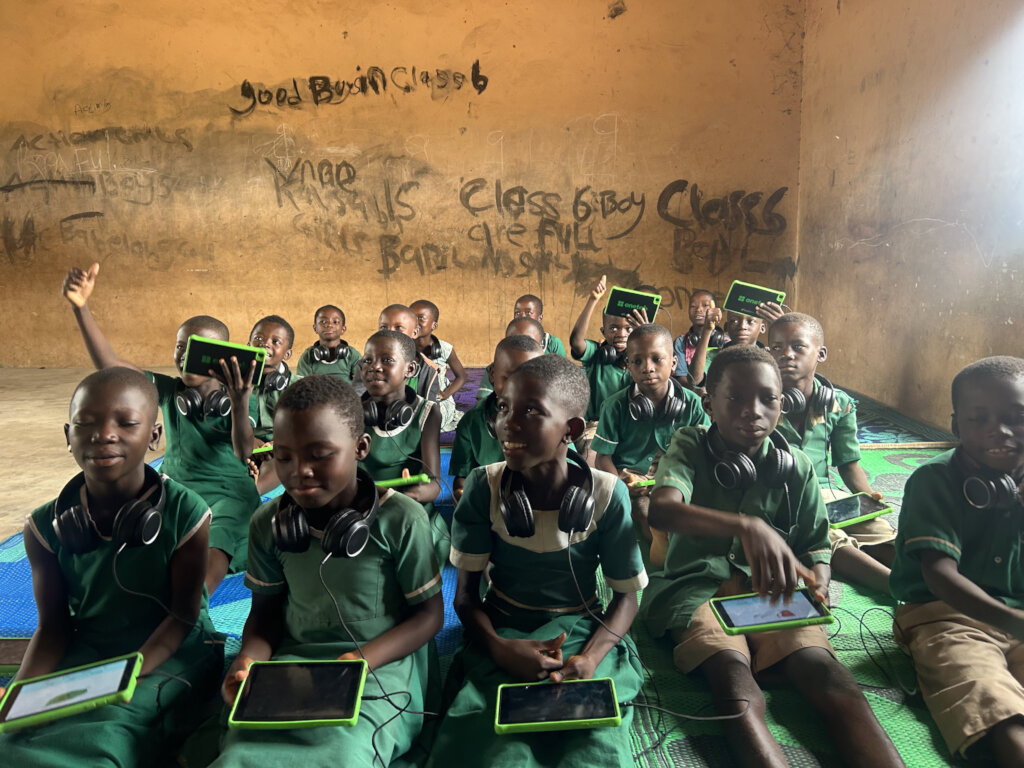
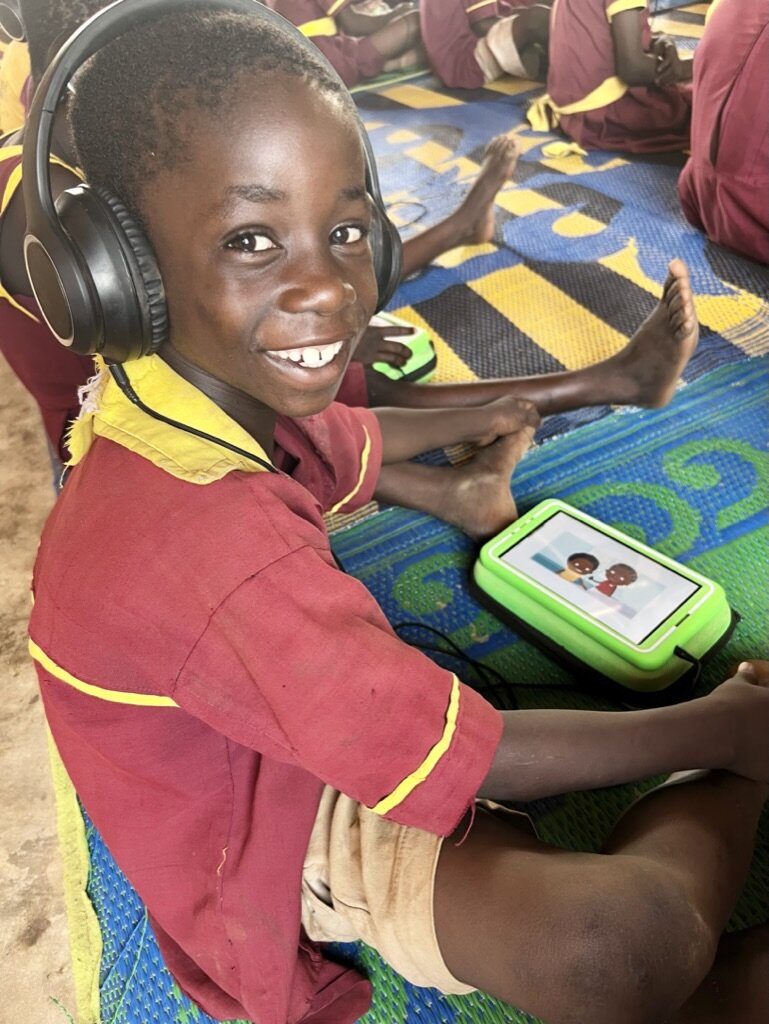
- We provided 800+ tablets to improve reading and writing for 3,000 children.
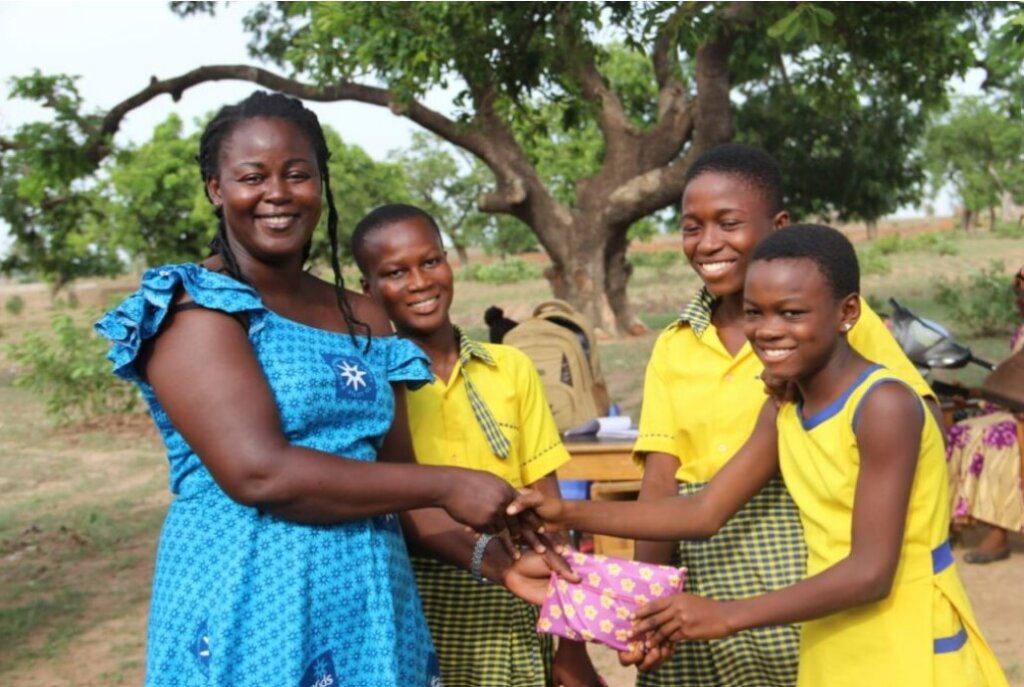
- We supported 2,500 children at risk of dropping out of school with food parcels, schoolbooks, uniforms, shoes and bicycles so that their family could keep them in school and learning.
- 97% of the children identified as the most at-risk of dropping out of school at primary level successfully transitioned to Junior High School.
- More than double the amount of girls are now achieving proficiency in STEM subjects after attending our STEM Clubs and 99% of girls do not agree that STEM careers are only for males, compared to 33% at the start of the project.
- Over three times the amount of teachers are now demonstrating equitable and inclusive teaching practices.
You can find more details of our highlights and challenges in AfriKids’ annual report attached.
Testimonials from people we’ve supported:
“AfriKids showed my community that girls should go to school too. Now I have friends, education and I will be a scientist when I grow up.” - STEM Club Member.
“Some years ago, it was difficult to even get a nurse in some of our communities because all the girls run away from STEM. So the introduction of the STEM courses in our districts will encourage the ladies to do science and thank god some of the ladies may go into nursing trainings and we are expecting them to come out and help their communities” - Mazid, one of the STEM club teachers we trained.
Lamisi dropped out of school due to pregnancy, but with AfriKids’ support she has successfully reintegrated back into school. She said: “I must confess that life has been brought back into my life, as I had given up on everything including education...your sensitization on the importance of supporting one another to school has really been a relief, as most of my classmates who used to despise me are now supporting me in diverse ways.”
Looking ahead
By 2026, AfriKids will have completed our programs in the 60 more communities. Our goal by this time is to have reached:
- 37,000 children across 180 schools will benefit with improved learning outcomes, including 18,277 girls.
- 12,230 families with improved knowledge, attitudes and practices towards education.
- Improved financial security for 1,200 women and their families.
Thank you so much for being on this important journey with us. We look forward to changing lives with you every day. Please if you have any questions or would like to discuss the impact of your support, please contact martha@afrikids.org.
Big smiles from all of us at AfriKids!
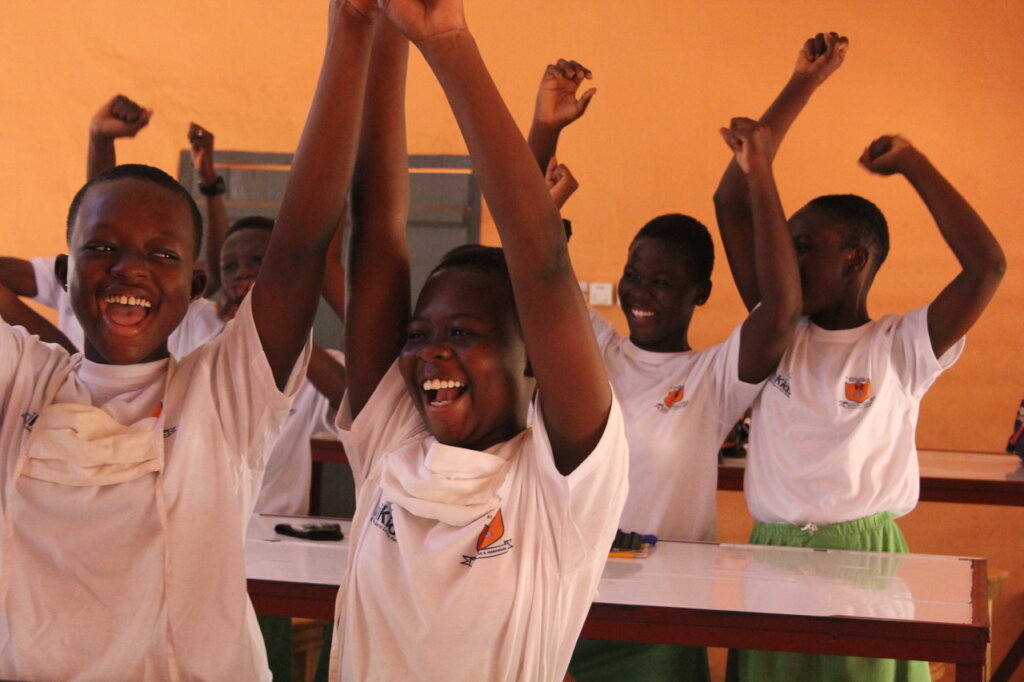
![A community event on the importance of education]()
A community event on the importance of education
![Children learning on tablets]()
Children learning on tablets
![Three beekeepers trained by AfriKids]()
Three beekeepers trained by AfriKids
![Beehives in their rural setting]()
Beehives in their rural setting
![Girls in STEM Clubs]()
Girls in STEM Clubs
Links:
![Share on Twitter]()
![Share on Facebook]()