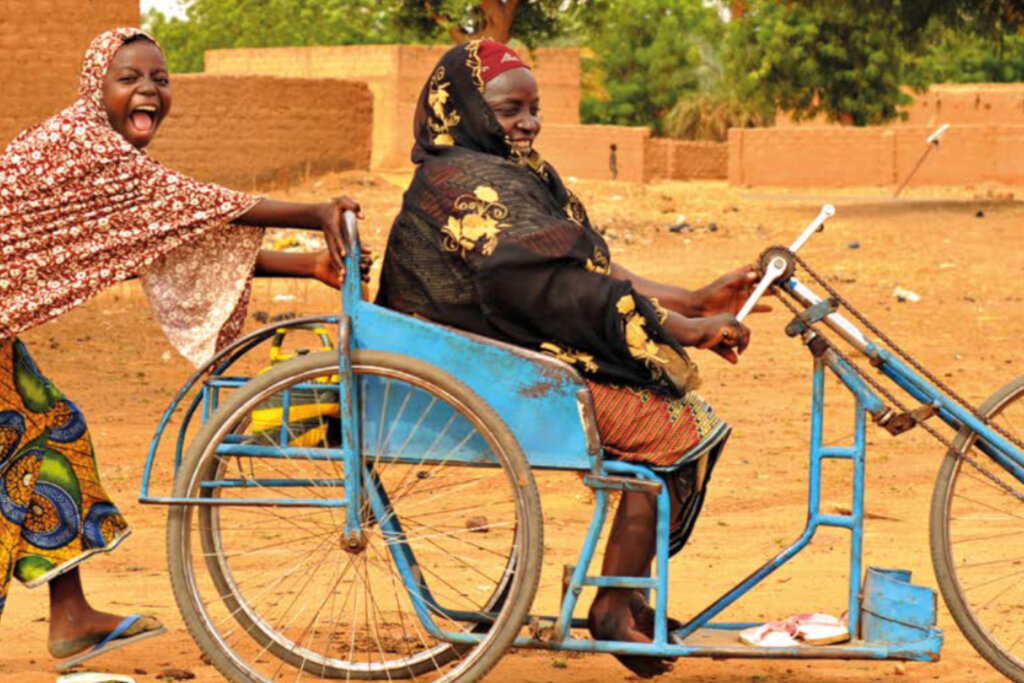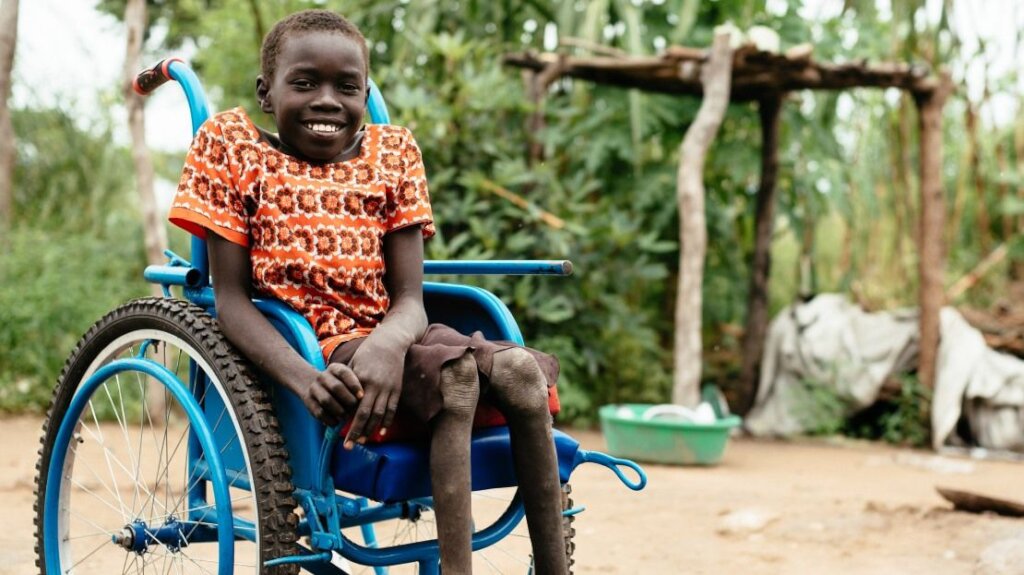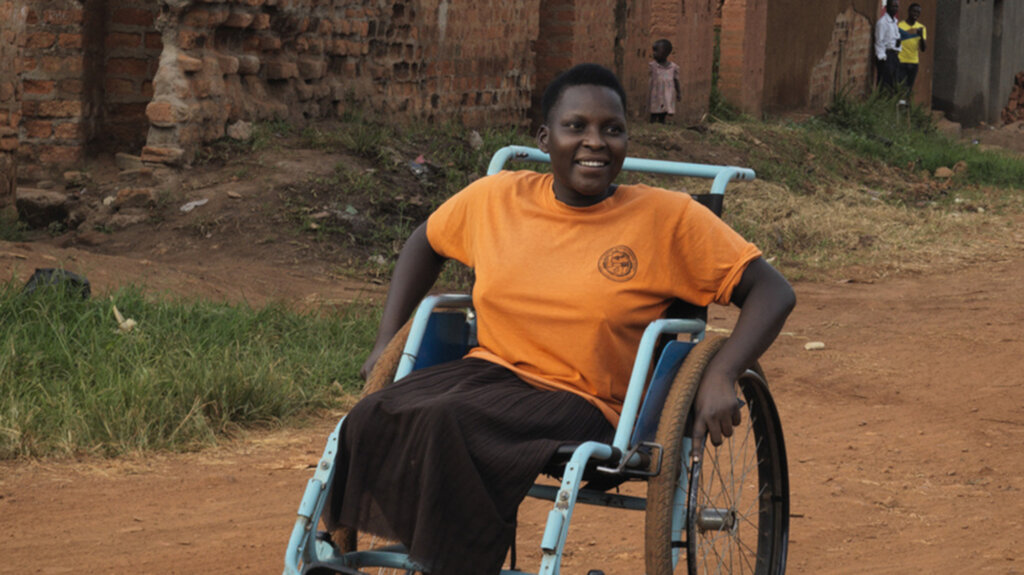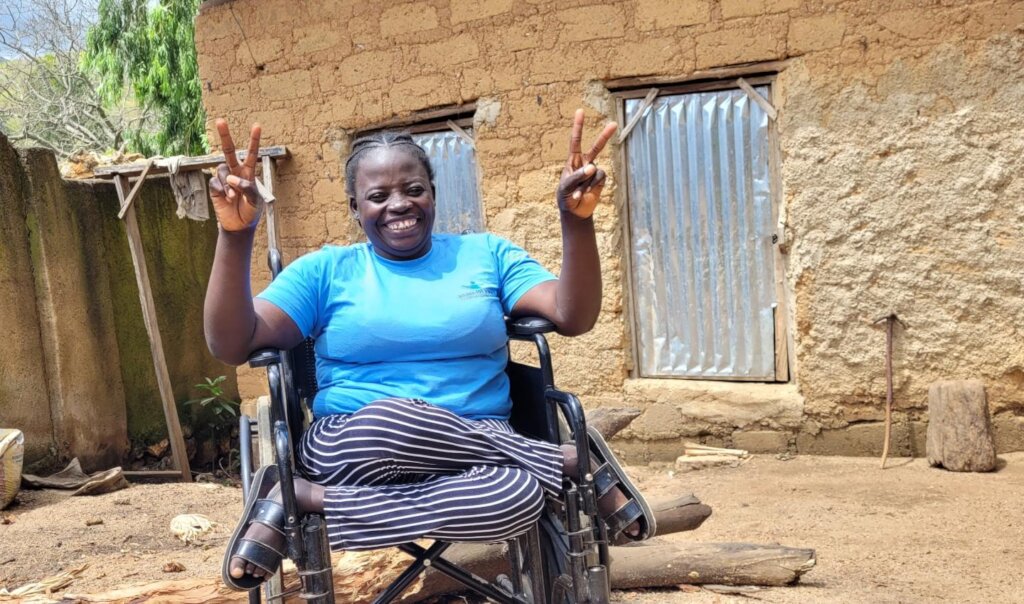
Over 95% of disabled women in poor Hausa communities have never attended school due to poverty, discrimination, and lack of learning tools. They do not know how to read or write in any language. They are left out of services, decisions, and decisions that affect their daily lives. This project will offer free literacy classes in Hausa, English, and other Nigerian languages using safe classrooms, trained volunteers, and learning tools made for girls with physical, visual, or hearing disabilities.
In poor Hausa-speaking parts of Nigeria, disabled women and young girls are rarely sent to school. Most grow up without knowing how to read or write. Families are poor, schools are far, and there are no teachers trained to work with those who are blind, deaf, or physically disabled. Many of these women and young girls end up begging on the streets or giving birth as teenagers, with no chance to change their lives.
This project will teach 2,500 disabled women and young girls how to read and write in Hausa, English, and other Nigerian languages. It will provide trained teachers, accessible classrooms, printed and audio lessons, and teaching tools adapted for each type of disability. Classes will be small, safe, and held close to home. Family members will be encouraged to support the women and young girls, and volunteers will run sessions in the evenings or on weekends.
Women and Girls who can read and write are better able to avoid abuse, manage small businesses, care for themselves, and teach others. They can use mobile phones, understand health information, and fill out basic forms. As more families see the benefits, they may start allowing their disabled daughters to attend school. Community volunteers trained by this project can continue literacy classes using the same tools in future cycles.



Support this important cause by creating a personalized fundraising page.
Start a Fundraiser