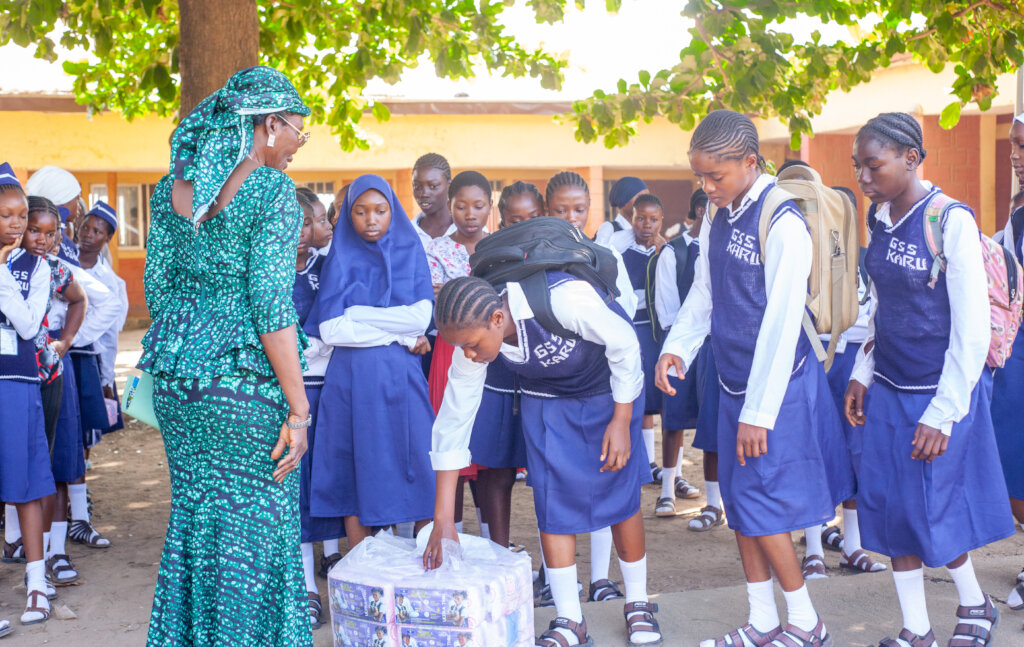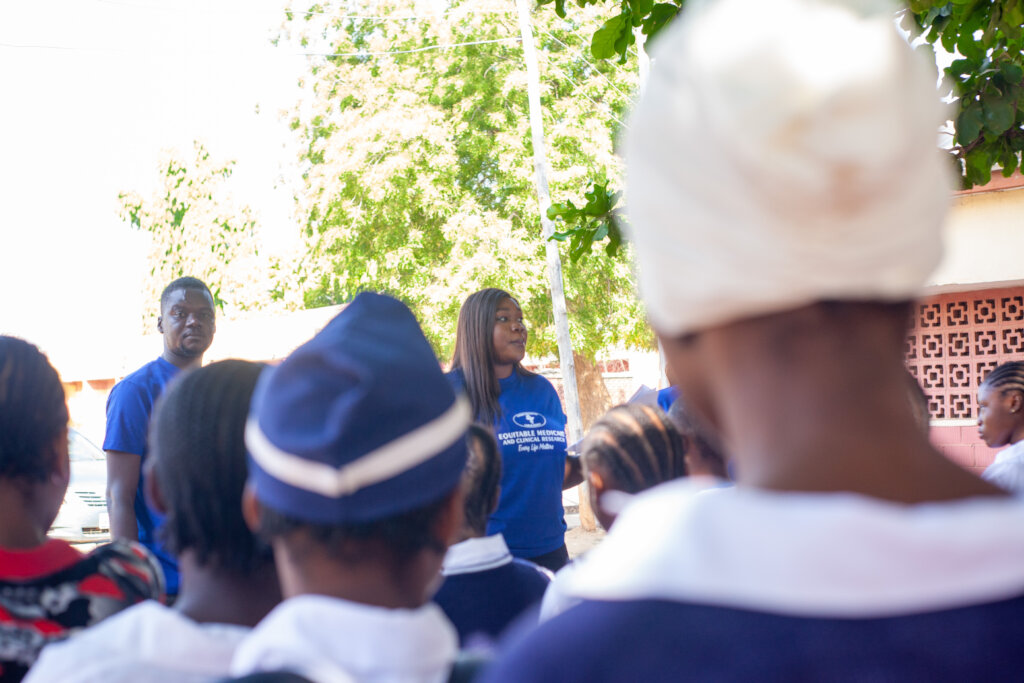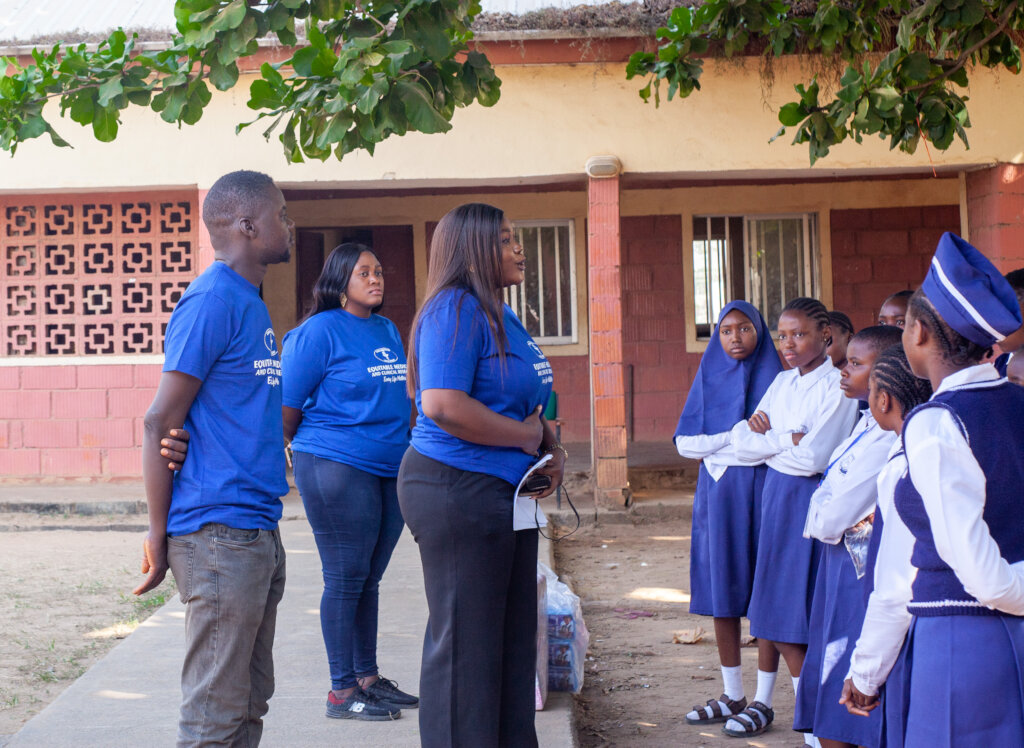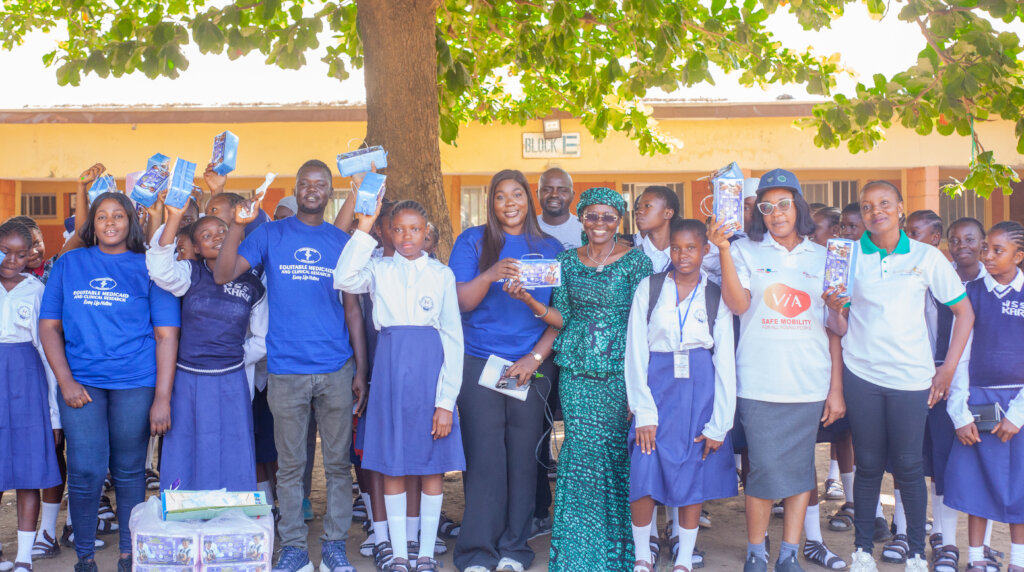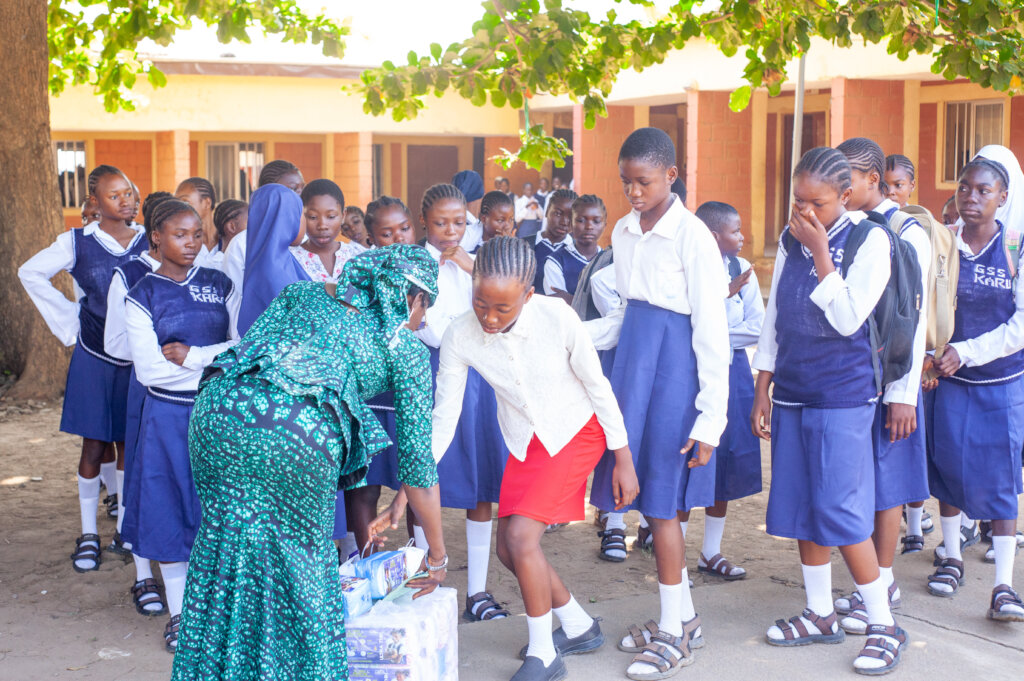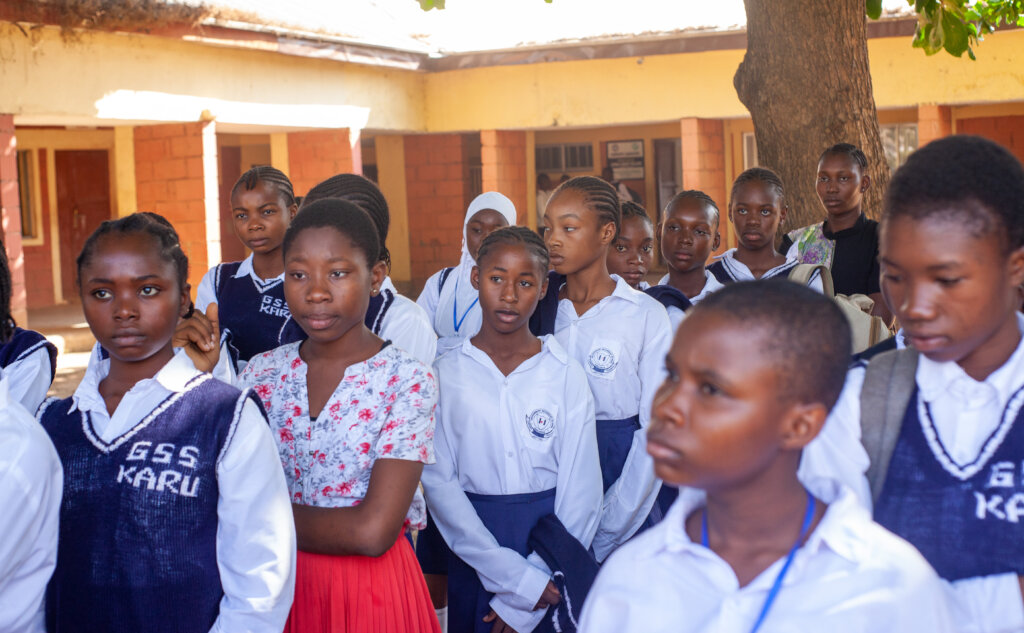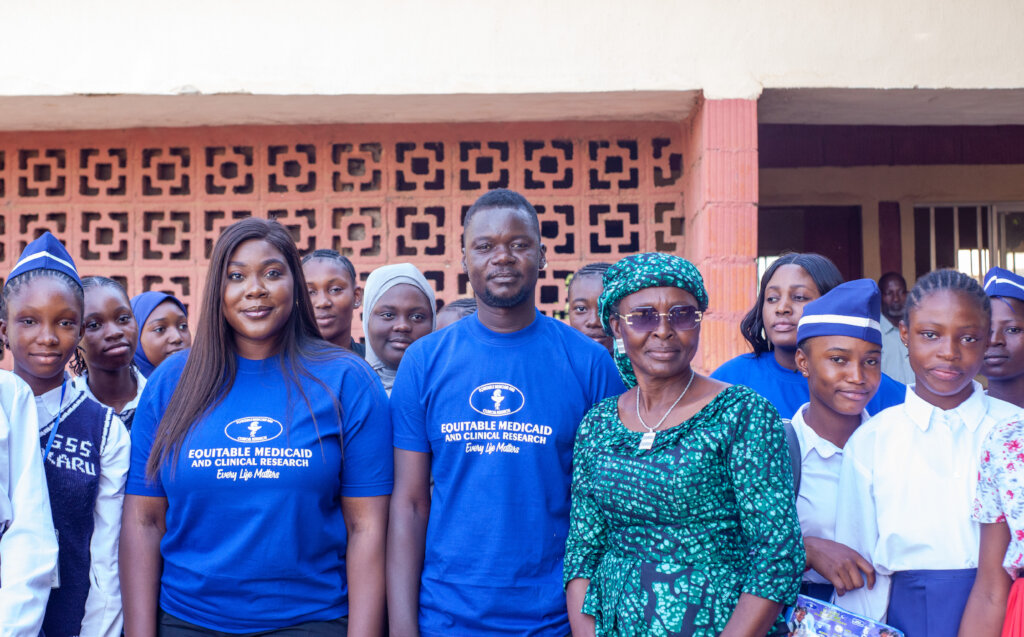
2,500 low-income schoolgirls in Abuja, Nigeria's urban slums miss classes monthly due to unaffordable menstrual pads, forcing them to use unsafe materials like leaves or rags. This exposes them to infections, stigma, and shame, while their families prioritize school fees over pads. This project provides each girl with 10 eco-friendly reusable pads (lasting up to 4 years) and menstrual hygiene training. By distributing 2,500 pads, we eliminate period-related absenteeism and reduce dropout rates.
In Abuja, Nigeria's urban slums, 2,500 low-income schoolgirls face menstrual poverty, missing school monthly due to unaffordable sanitary pads. Forced to use unsafe materials like leaves or rags, they endure infections, stigma, and shame. Families struggling with extreme poverty prioritize school fees over pads, leaving girls no choice but to skip classes. This absenteeism disrupts learning, lowers academic performance, and increases dropout rates-trapping girls in cycles of disadvantage.
This project solves menstrual poverty for 2,500 low-income schoolgirls in Abuja, Nigeria, by providing 10 reusable, eco-friendly pads per girl enough to last up to 4 years. The pads eliminate reliance on unsafe materials like leaves/rags, preventing infections. The girls also get training on how to manage their cycles confidently, ending period-related absenteeism. Families no longer face impossible choices between pads and school fees.
By ensuring 2,500 girls stay in school, this project disrupts cycles of poverty and gender inequality. Educated girls gain skills for economic independence, lifting families out of poverty. Reduced dropout rates mean fewer child marriages and teen pregnancies. Healthier menstrual practice lower infection risks, cutting long-term healthcare burdens. Confident, educated women reinvest 90% of earnings into their communities, driving sustainable development & mothers prioritize daughters' education.



Support this important cause by creating a personalized fundraising page.
Start a Fundraiser