By OLIVIER | Project Leader
Emergency aid in the Democratic Republic of Congo
By OLIVIER | Project Leader
Save Life Make Difference
BUJUMBURA BURUNDI
savelifemakedifference@gmail.com
71452395
Sub : Project report
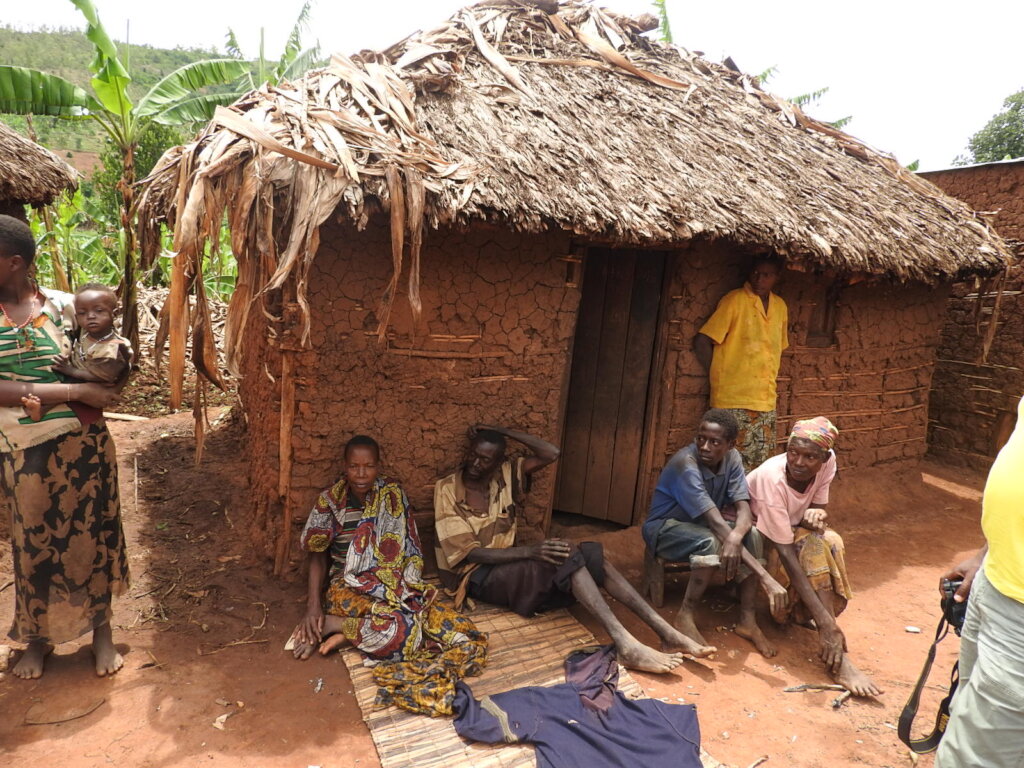
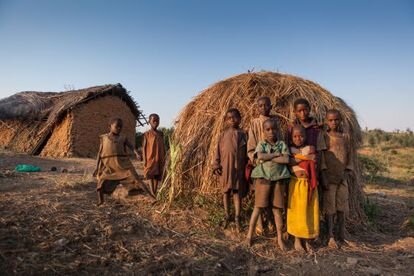
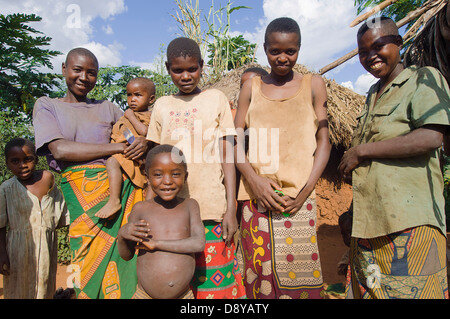
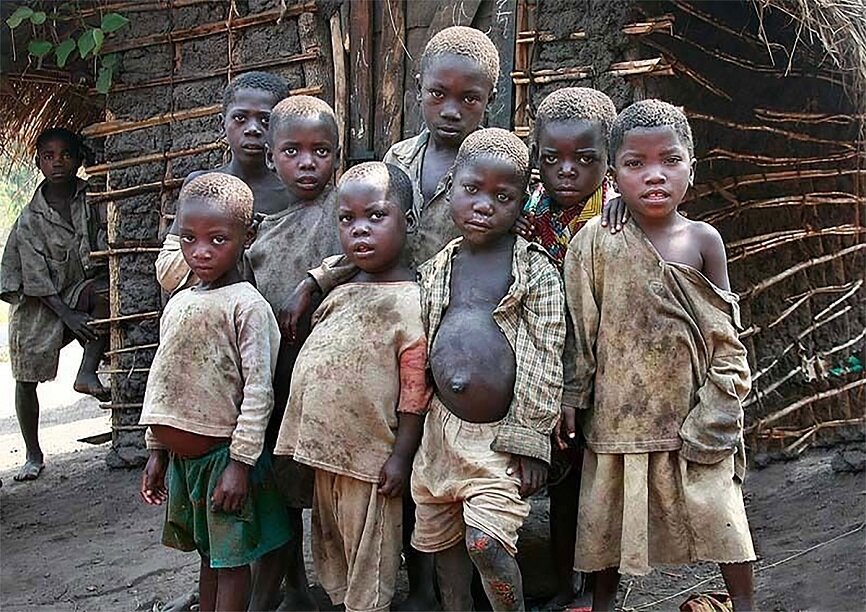
You can help Burundi's poor population by donating to reputable organizations like salimadi, the World Food Programme, or GlobalGiving and salimadi which support communities through various programs such as providing food, healthcare, and skills training. You can also help by raising awareness about the situation, fundraising for local projects, or supporting organizations that provide direct aid and work with communities to build resilience.
How to help through organizations
Donate money: International organizations accept donations to support their programs in Burundi.
Salimadi: Works to provide lifesaving aid to children and families.
World Food Programme: Supports aid efforts.
GlobalGiving: Features vetted projects that allow for direct donations to support things like food aid and housing.
Concern Worldwide: Focuses on community-based health and nutrition programs.
SOS Children’s Villages: Provides support for families, education, and healthcare to children and families who are at risk.
Donate in other ways:
Participate in fundraising events like charity walks or runs.
Organize your own fundraising event.
Leave a gift in your will.
Become a corporate supporter.
Other ways to help
Raise awareness: Share information about the humanitarian crisis in Burundi to encourage more support.
Support local efforts: Look for and support local organizations or community-based initiatives that are working to improve the lives of people in Burundi.
Support sustainable development: Research and contribute to projects that help communities become more resilient, such as those that provide skills training or support small businesses.
A woman works in a field outside Ngozi in northern Burundi on July 20, 2015.
A woman works in a field outside Ngozi in northern Burundi on 20 July 2015. Some 90 percent of Burundians rely on agriculture to make a living.
Helping the Burundian People Cope with the Economic Crisis
Burundi’s worsening economy threatens to incite further violence in an already unstable country. The European Union and its member states, who have suspended direct aid to the government, must redouble efforts to ensure that their support benefits the Burundian people
What’s happening? In the wake of the political and security crisis ongoing in Burundi since 2015, the economy has suffered a sharp decline. The economic and social progress achieved since the end of the civil war in the 2000s risks being swept away. Burundians’ living conditions and access to services are deteriorating.
Why does it matter? Worsening unemployment and poverty increase the likelihood of instability and exacerbate the risk of violence, while the “yes” vote in Burundi’s 17 May 2018 constitutional referendum could lead to the demise of Hutu-Tutsi power-sharing agreements in public institutions.
What should be done? The European Union and its member states, who suspended direct aid to the government, should step up their assistance to the population, including by strengthening the capabilities of their partners in the non-governmental sector, while minimising risks that external aid aggravates local conflict dynamics.
Executive Summary
If the “yes” vote in Burundi’s 17 May 2018 constitutional referendum has deepened the country’s political and security crisis, its economic woes also increase risks of violence. With an economy in recession since 2015, Burundians’ living conditions and access to services are deteriorating. Worsening unemployment and poverty, combined with the potential demise of power sharing between Hutu and Tutsi in public institutions, make instability in the medium to long term likely. The European Union (EU) and its member states, who have suspended direct aid to the government, should nonetheless step up their support to Burundi’s people by increasing aid for basic services, strengthening the non-governmental organisations (NGOs) through which they channel aid, while doing everything possible to ensure that their aid does not aggravate conflict dynamics, especially at the local level.
With donor support, Burundi had been making modest economic and social progress since the end of the civil war in the 2000s. But its current economic woes cast a shadow over this progress. The annual growth rate has fallen from an average of 4.2 per cent between 2004 and 2014 to −3.9 per cent in 2015 and −0.6 per cent in 2016. People across society are paying the price. Farmers and traders are struggling because internal demand for their products has declined; civil servants’ purchasing power has fallen; and shopkeepers report giving ever more customers credit. Many Burundians must find a second job, indulge in petty corruption or eliminate non-essential spending to survive. A decade of progress in health and education has been swept away. Many doctors have left the country. Teachers are often paid in arrears. University education is under threat as student grants are cut.
Following consultations under Article 96 of the Cotonou Agreement, which provides for the suspension or change in terms of EU aid if one of the parties does not respect human rights, democratic principles and the rule of law, the EU and its member states – until then Burundi’s main donors – withdrew direct budgetary support in 2016. They also redirected aid from Burundian ministries to international NGOs, UN agencies and member states’ development arms. Some European donors now work directly with local NGOs or plan to do so, though many of the latter have limited capacity and are under close government scrutiny. In early 2018, the EU decided to reduce its overall aid to Burundi, though basic sectors (including health, nutrition and access to electricity in rural areas) still receive funds.
The government blames speculators and donors for its own economic mismanagement and is clamping down on signs of protest.
In contrast, the World Bank and the African Development Bank continue to provide budgetary support and work with ministries. The Burundian government has established new partnerships with China, Turkey and Russia. But these countries’ aid remains largely symbolic, does not aim to strengthen government capacities and has limited impact on the population.
The government blames speculators and donors for its own economic mismanagement and is clamping down on signs of protest. Desperate to increase state revenue, it has introduced new taxes and obligatory public “contributions”, forcing civil servants and ordinary Burundians to donate extra money to state coffers. Under government pressure, banks that are partly state owned have made loans to the government, putting their solvency at risk. With no resolution of the country’s political crisis in sight, the population is slipping deeper into poverty. The gloomy prospects for development, collapse of social services, rising unemployment and deepening repression have pushed many young Burundians into exile.
Burundi’s European partners have only limited room for manoeuvre. In 2019 or 2020, they will adopt new five- or ten-year aid programs. Even while budgetary support remains suspended, European donors should increase aid for the population. It is vital to minimise risks that the provision of external assistance, which may be coveted by many Burundian actors (including the population, the authorities and NGOs), exacerbate conflict dynamics at the local level. If they plan to channel aid through local NGOs, European donors should help those organisations build the capacity to manage funds in a tense security and political environment. This could include, for instance, measures to increase support for organisations facing government pressure, or diplomatic assistance in cases of authorities’ harassment of NGO employees
I.
Introduction
The crisis triggered in 2015 by President Pierre Nkurunziza’s decision to run for a third term is ongoing. According to human rights organisation Ligue Iteka, 456 people were killed, 283 tortured and 2,338 subjected to arbitrary detention in 2017, the vast majority of them at the hands of the authorities. The East African Community’s mediation has become bogged down and the government has revised the constitution with the apparent goal of allowing Nkurunziza to remain in power until 2034.
In the wake of this political and security crisis, the country’s economy has shrunk at an alarming rate and socio-economic progress made after the end of the civil war in the 2000s has been derailed. Although poverty remained widespread, it was gradually retreating, from 67.1 per cent of the population in 2006 to 64.6 per cent in 2014, thanks to macroeconomic stability and an important inflow of development funds.
In 2015, a number of donors including the European Union (EU), the country’s largest donor, suspended part of their funding. Instead of seeking a compromise, the government chose a policy of confrontation. Burundi has also suffered from a flight of private capital and a brain drain, with skilled labour leaving the country. The annual growth rate of real gross domestic product (GDP), having reached an average of 4.2 per cent between 2004 and 2014, fell to −3.9 per cent in 2015 and −0.6 per cent in 2016.
The figures reveal the calamitous effect of the crisis, and the Burundian economy’s extreme sensitivity to the political situation.
The figures reveal the calamitous effect of the crisis, and the Burundian economy’s extreme sensitivity to the political situation. Over the past three years, as the country has descended into crisis, the economy has stalled. This report investigates how socio-economic woes affect people’s everyday lives, government actions and, consequently, the country’s stability and future prospects; it analyses the dilemmas facing donors and ways in which they could reduce the risk of violent conflict in Burundi. In addition to input from economic experts and business people, it is based on interviews with Burundians of various backgrounds who are locked in a daily struggle to ensure they support their families in one of the world’s poorest countries. Our findings are largely based on data from 2017; some figures have not been updated due to restricted access to Burundi.
II.
A Multifaceted Socio-economic Crisis
The Burundian economy is being progressively impacted by limited supply, and the government is struggling more than ever to fund its social policies, particularly in the health and education sectors.
A.
Supply Constraints
The lack of basic necessities such as the sugar produced by the Moso Sugar Company (Sosumo), fuel and electricity, have now become part of Burundians’ everyday lives. Supplies of beer from the brewer and soft beverage company Brarudi are also becoming scarce. While these shortages are not entirely new, they have become more frequent and severe over the past two years.
The lack of foreign exchange reserves is the main cause of this situation. The Burundian economy is structurally dependent on imports and international financial aid; before 2015, total export earnings barely covered the cost of oil imports. For years, overseas funding – through development aid, particularly budgetary support, as well as foreign direct investment (FDI) – compensated for the lack of national resources, thus allowing the Burundian state to acquire the dollars it needed to import essential products. However, the political crisis has prompted donors and economic actors from the private sector to withdraw. Foreign aid, which previously accounted for more than 50 per cent of development project funding, has plummeted; FDI has fallen from $46 million in 2014 to $7 million in 2015; and the decision by Burundian businessmen to delay investments has created an opportunity cost.
Forced to ration the supply of dollars held by the Central Bank, of which the total amount is equivalent to just one and a half months of imports, the Burundian authorities have prioritised the financing of three vital commodities: fuel, medicines and fertilisers. But the priority allocation of hard currency to pay for these three products remains insufficient, and they have become less available since 2015, with regular disruptions in supplies.
The dwindling availability of essential products is contributing to the spiralling cost of food products.
The lack of fuel has become a chronic problem. Every other week, fuel stations run short of stock. As a result, the price of a bus ticket from Kayanza to Bujumbura, which was Fbu 5,000 ($2.9) before the crisis, has since doubled. Fishermen have passed on the higher cost of diesel they use for their boats by tripling the price of fish. Mobile telephone companies, whose networks rely on generators, are demanding reductions to their bills or priority energy supplies.
Agriculture still represents 40 per cent of the country’s GDP and provides a livelihood for more than 70 per cent of the active population, but fertiliser deliveries were frequently delayed in 2016 and 2017. Businesses have trouble importing supplies when their foreign suppliers become unwilling to offer them credit. This is affecting Burundian fuel importers and the Brarudi, the country’s only brewery. Its unpaid bills to its suppliers are piling up, and the Central Bank is not making enough dollars available to the company.
The dwindling availability of essential products is contributing to the spiralling cost of food products (which rose by 21.9 per cent from September 2016 to September 2017). In a country where food represented 20 per cent of total imports in 2014, currency shortages have a direct impact on the food market. A parliamentary report described how “sugar and fuel are essential products. Their rising price has a knock-on effect on other products …. This combines to make the Burundian people’s already difficult living conditions more precarious than ever”.
The lack of both hard currency and fuel has led to a flourishing black market, which drives up prices even further. Faced with the growth of the parallel exchange market, the authorities have attempted to regain control by closing several bureaux de change and outlawing money exchangers on the street. Nevertheless, this activity continues and even appears tolerated: the black market exchange rate is even published in several newspaper
Since we began this project we have $1,667 raised of $850,000 goal we still have big issues about lacking of money
Bujumbura
27/10/2024
Save Life Make Difference
By Olivier | PROJECT LEADER
By OLIVIER C. | Project Leader
Project reports on GlobalGiving are posted directly to globalgiving.org by Project Leaders as they are completed, generally every 3-4 months. To protect the integrity of these documents, GlobalGiving does not alter them; therefore you may find some language or formatting issues.
If you donate to this project or have donated to this project, you can receive an email when this project posts a report. You can also subscribe for reports without donating.
Support this important cause by creating a personalized fundraising page.
Start a Fundraiser