By Hanna Trepaliuk | Project Leader
Dear Friends,
Thank you for standing with the children of Odesa region. Here is what your support made possible at the Liebenthal eco-farm in the first half of 2026.
A calm place in a hard time
The war is now in its fourth year. For many children here, air-raid alerts and nights in shelters are simply everyday life. Many have also lived through displacement or loss. This spring and summer, Odesa region was hit again and again by missile and drone attacks.
Liebenthal lies in the countryside, far from the usual targets. It offers children something rare: a quiet place where they can sleep peacefully, play outdoors and just be kids.
Time to breathe, play and talk
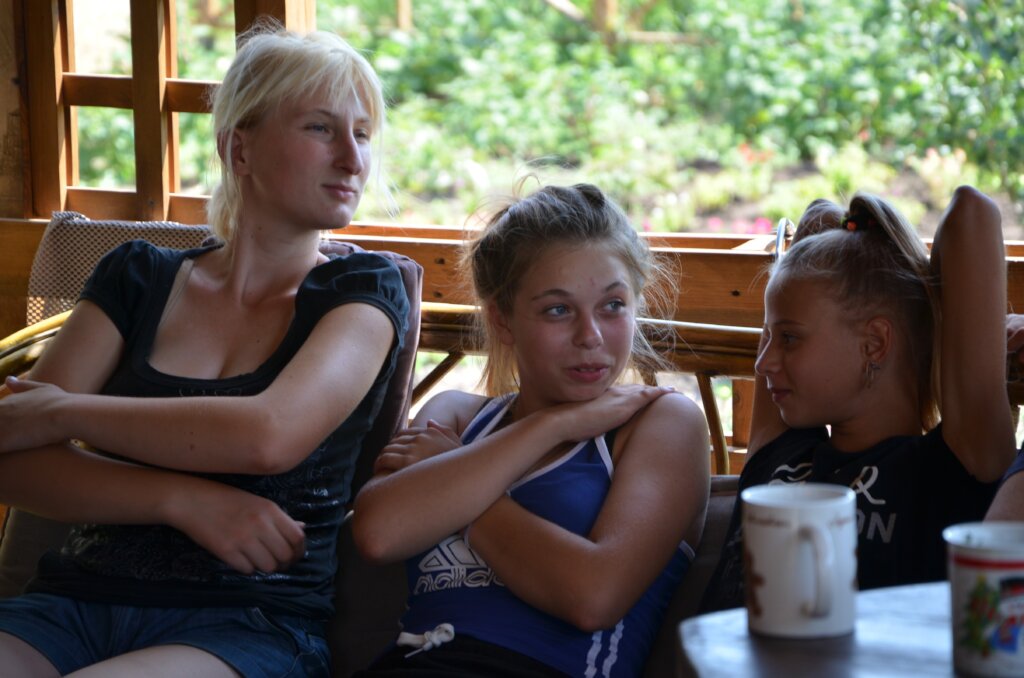
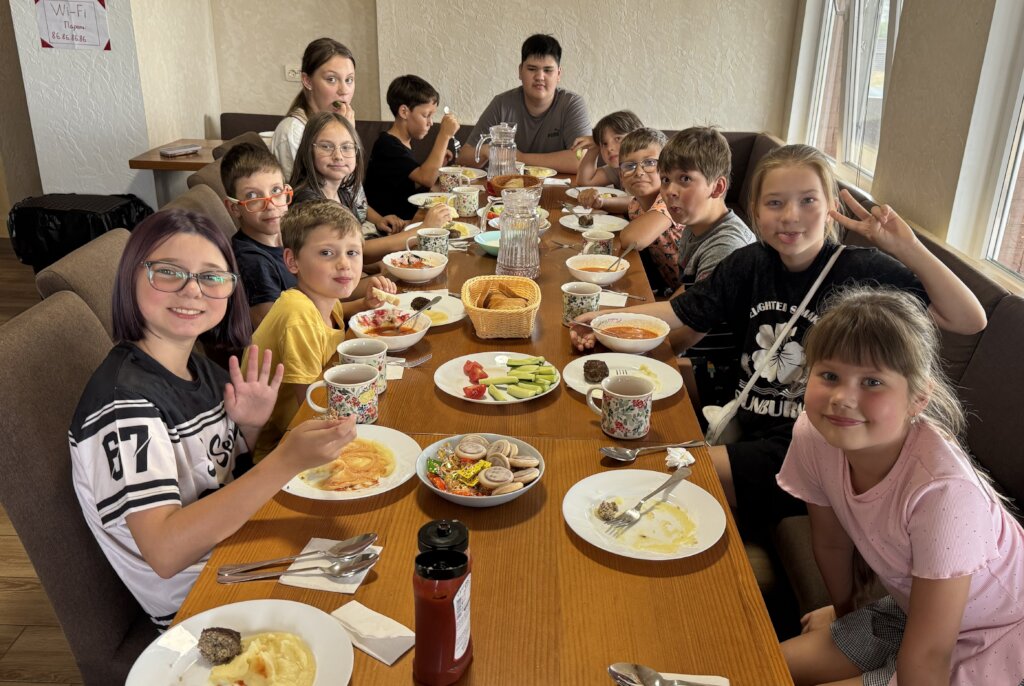
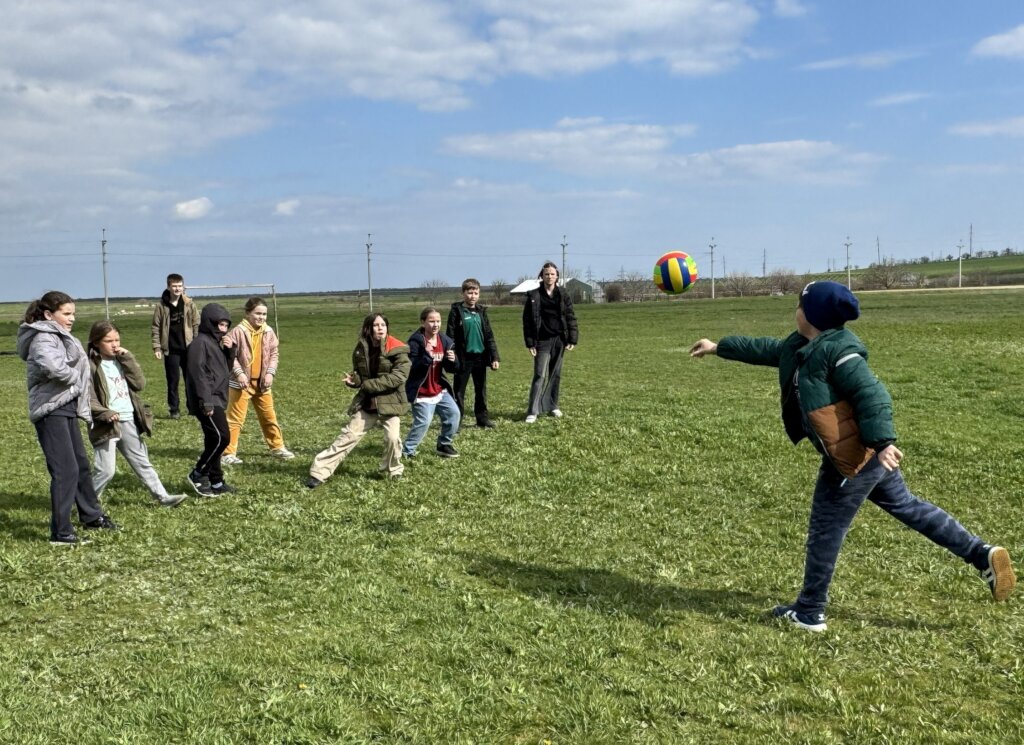
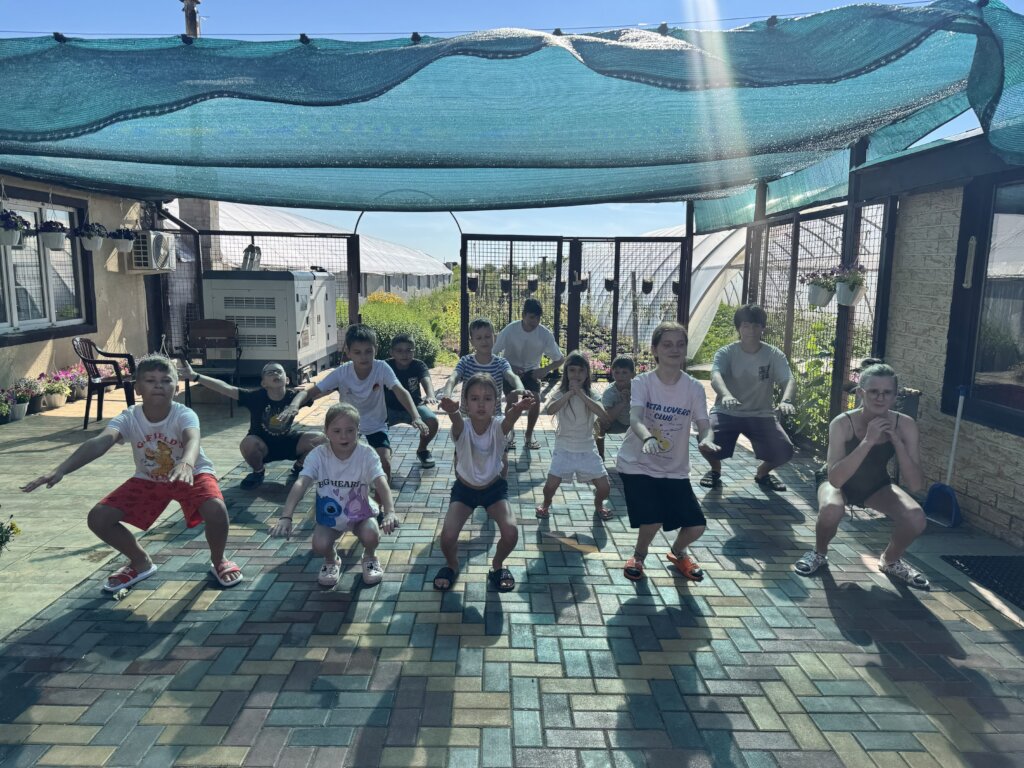
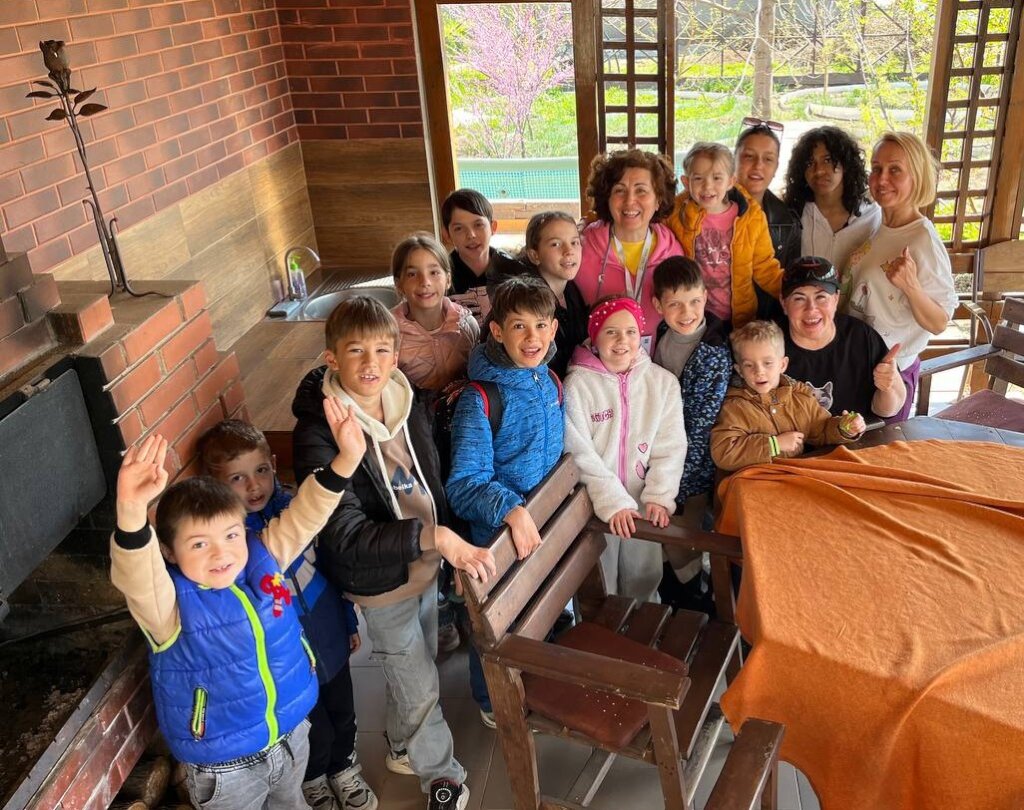
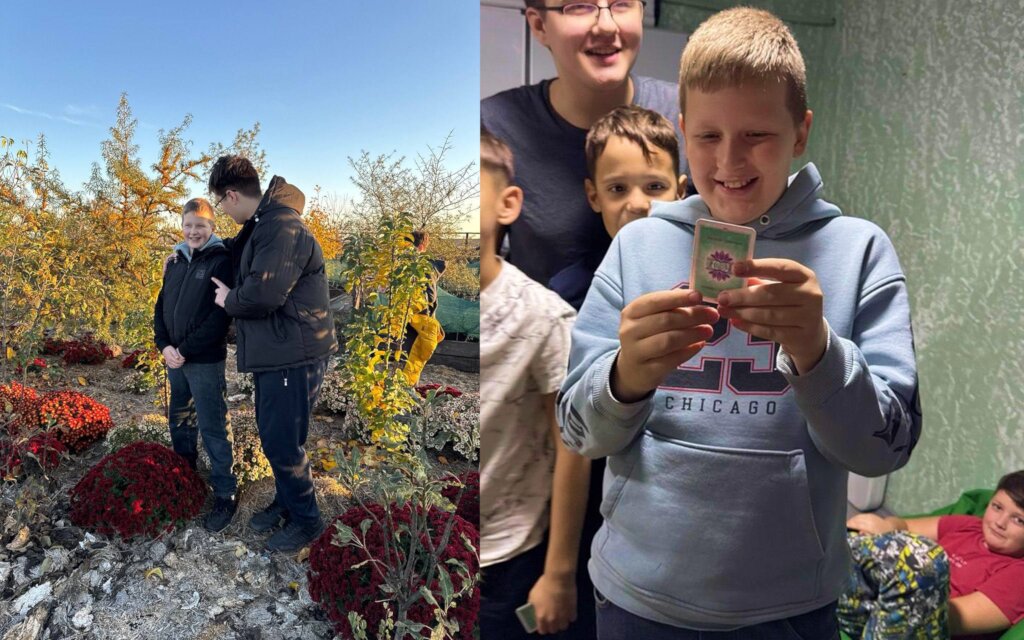
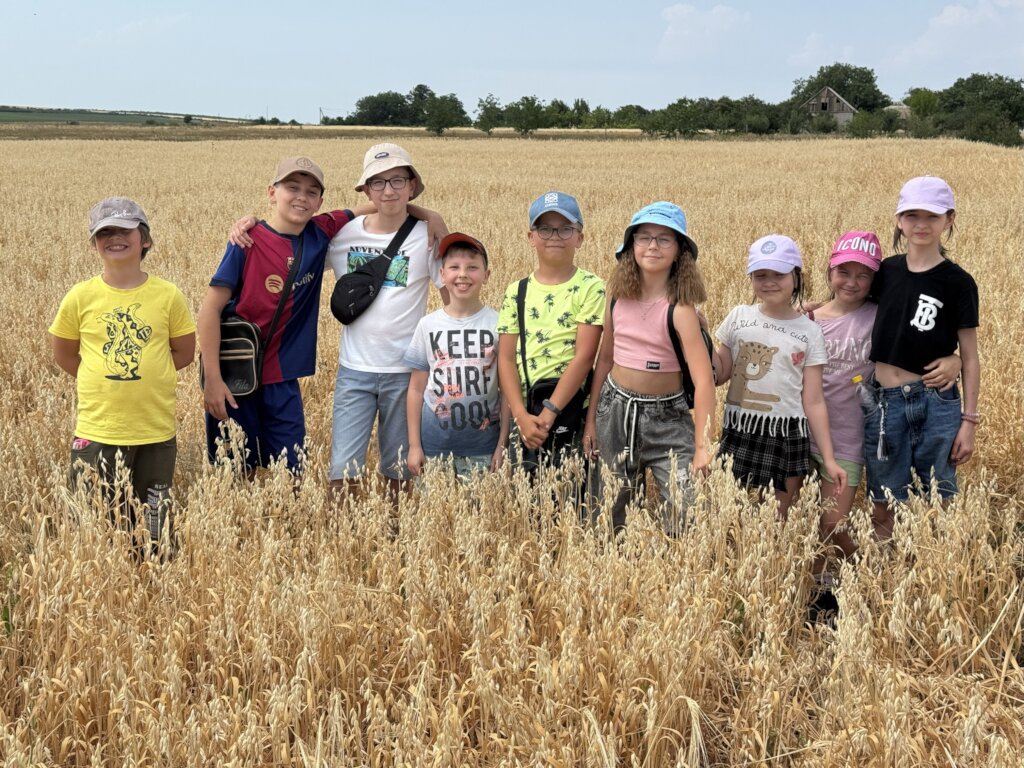
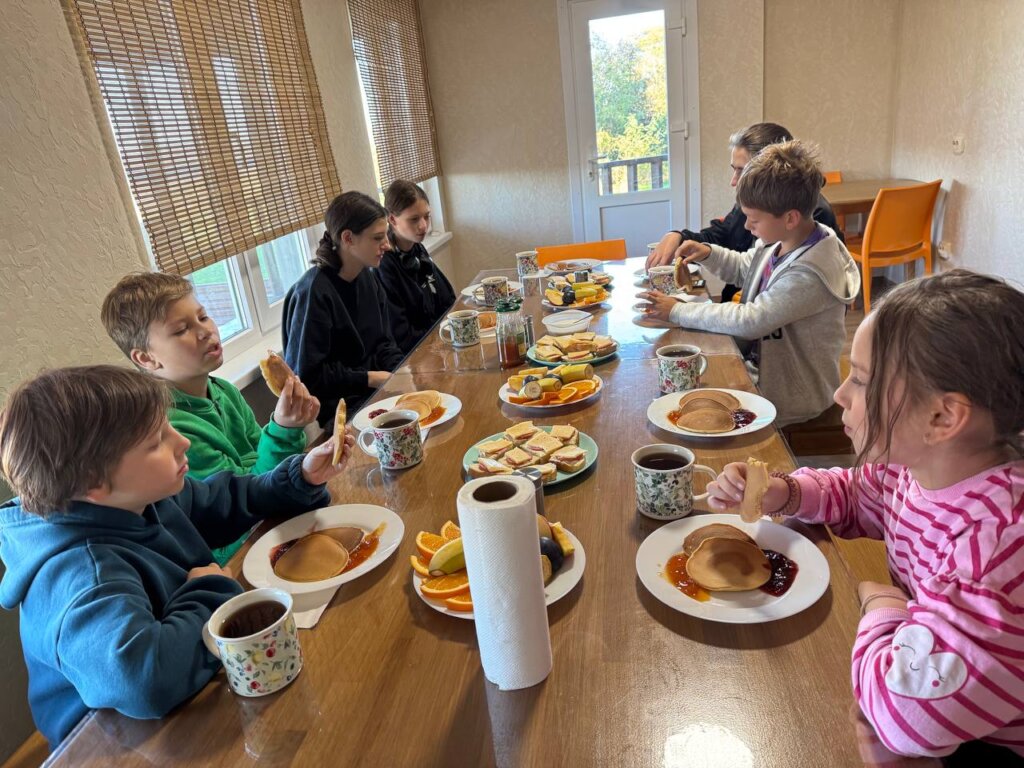
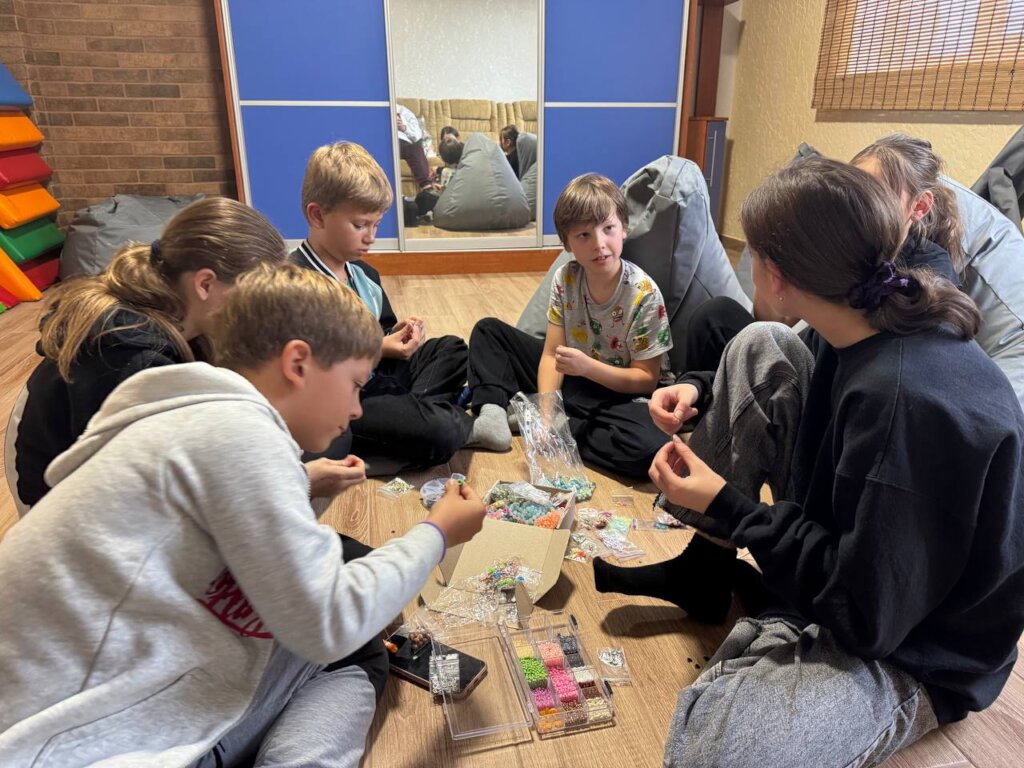
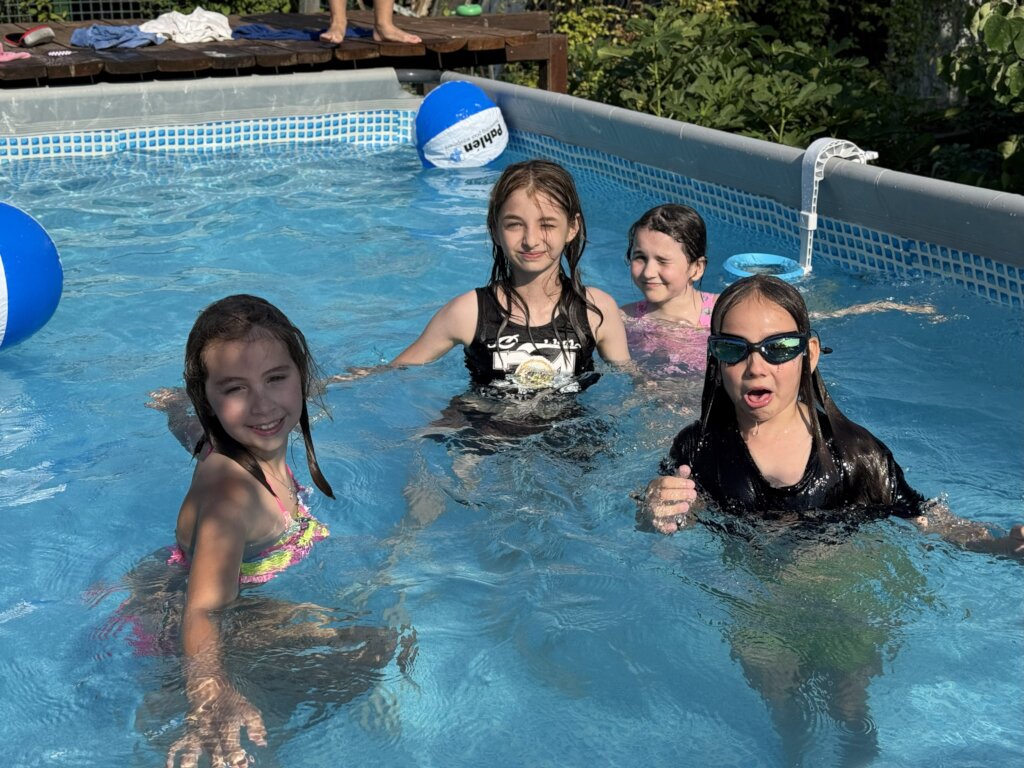
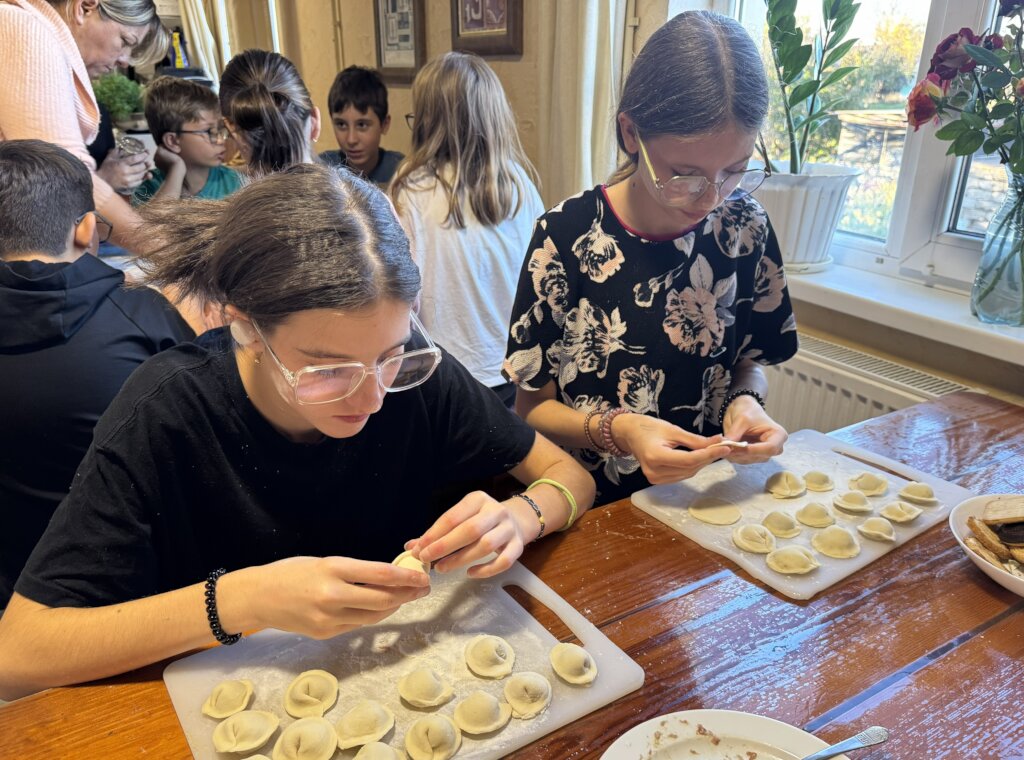
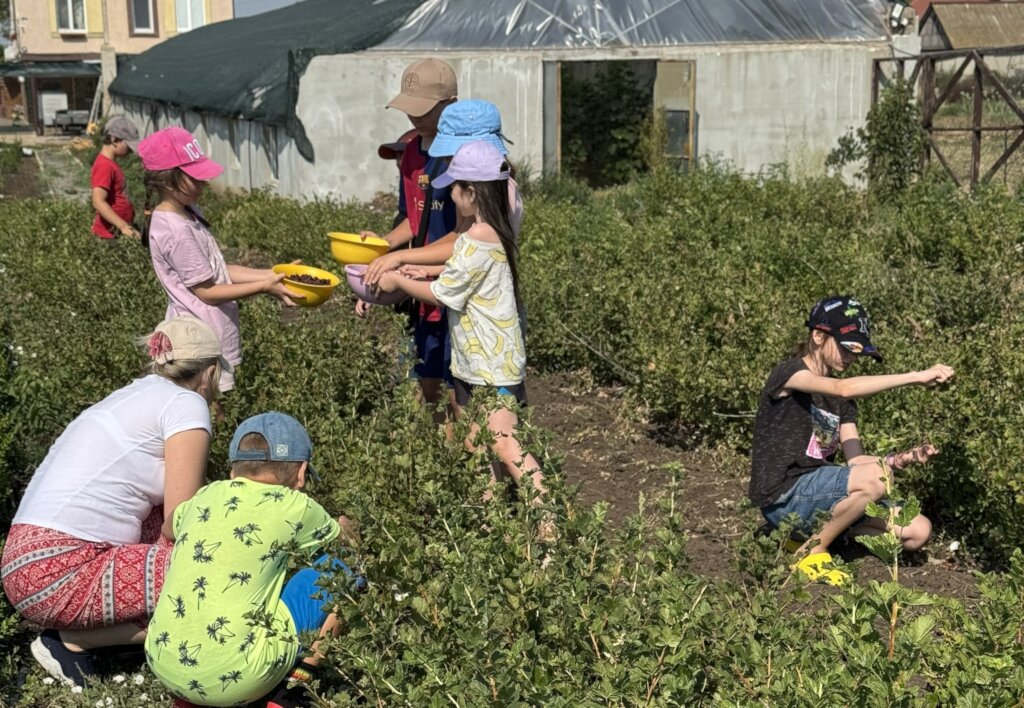
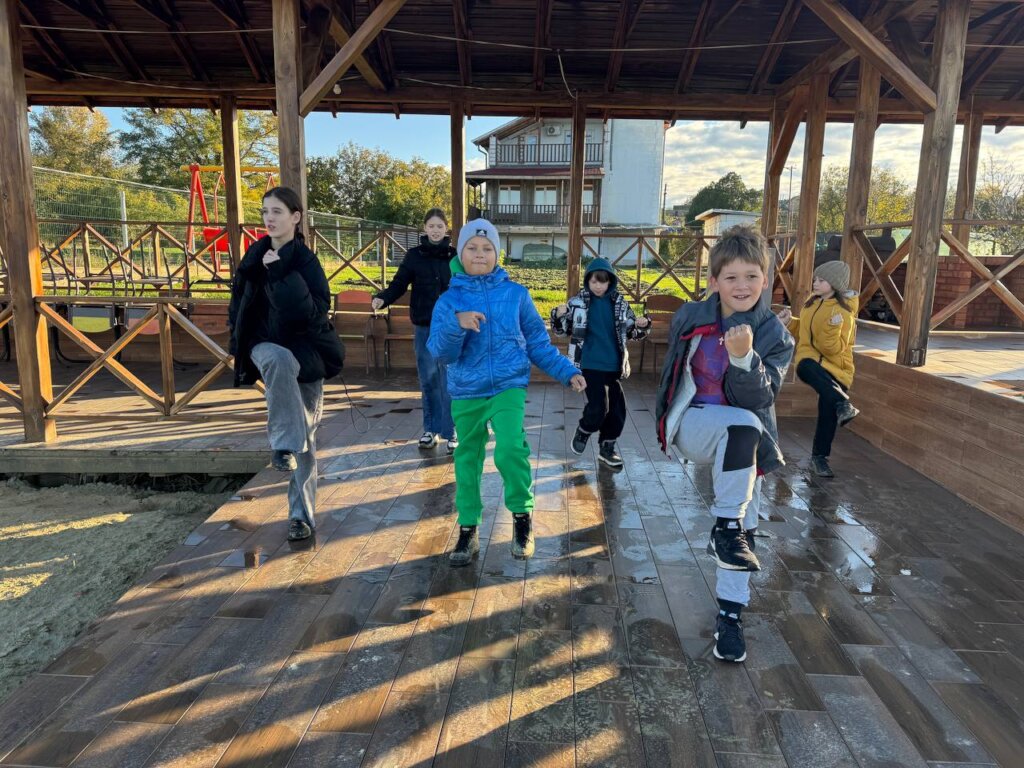
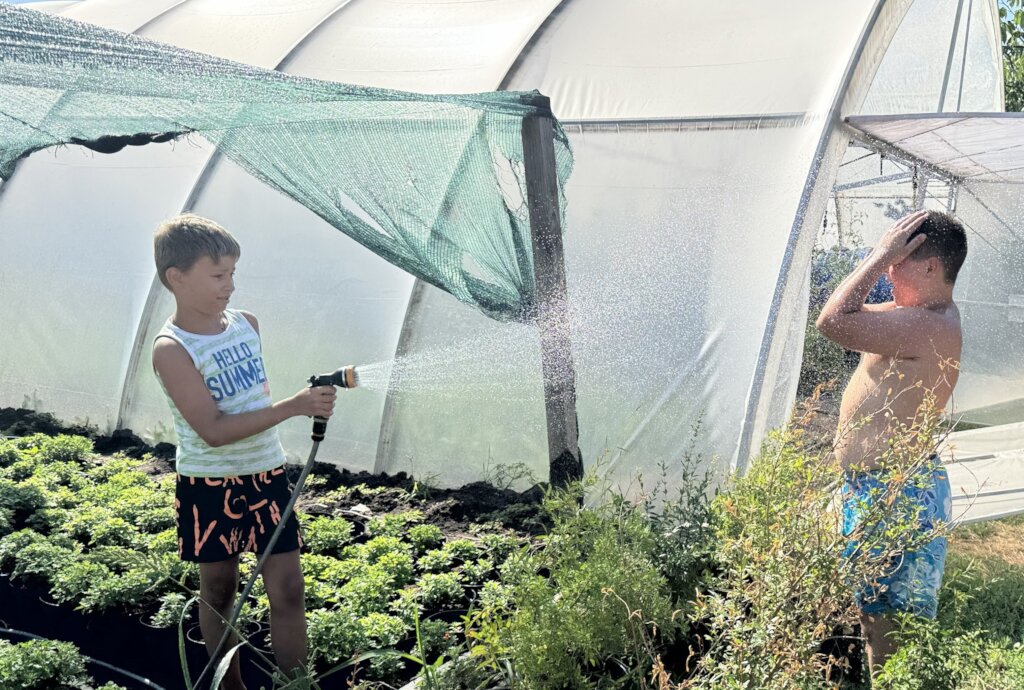
147 children came to Liebenthal and to our second countryside site, Khadzhibei. A typical summer day starts with morning exercises. Then come swimming, walks in nature, team quests and creative workshops. Evenings end around the campfire. Our summer camp has only just begun, and 47 children have already taken part.
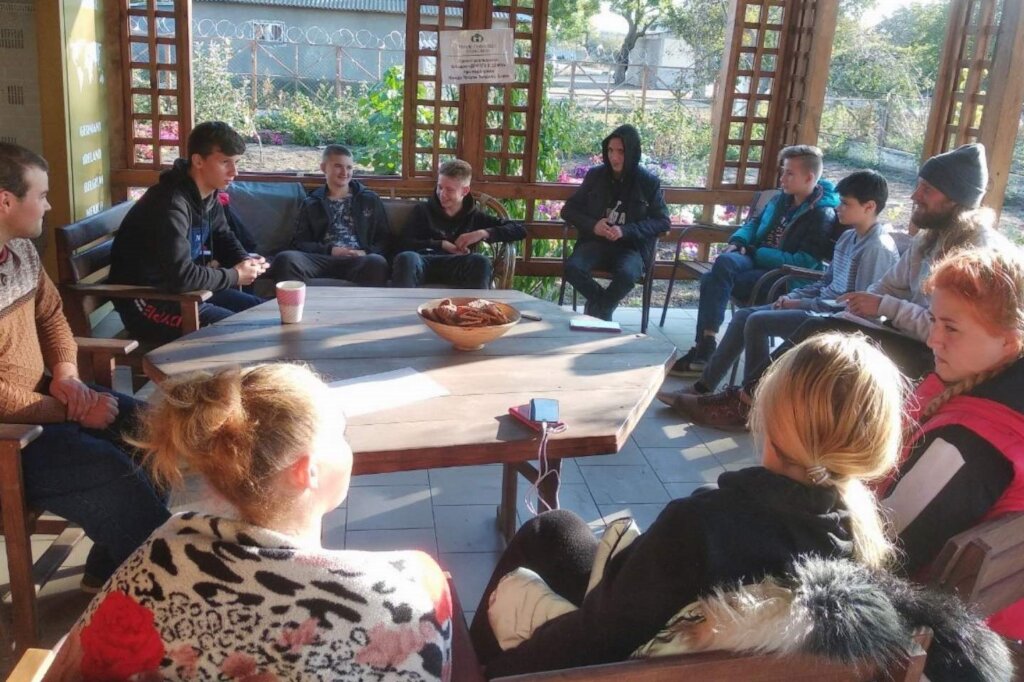
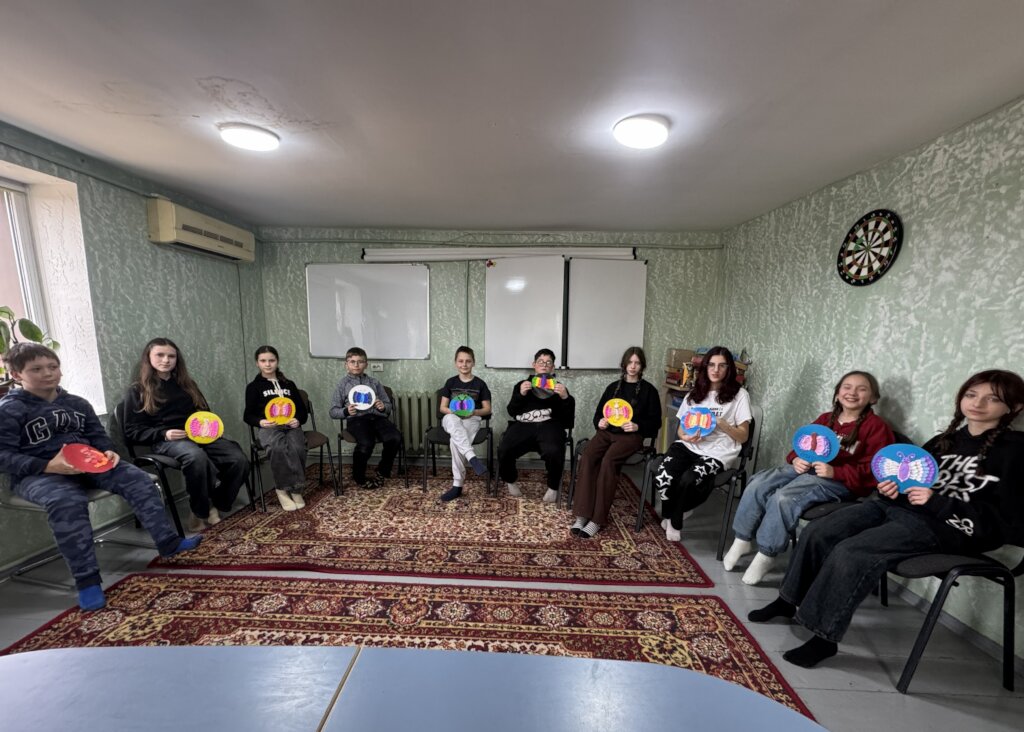
Alongside the fun, 101 children and young people had individual or group sessions with our psychologists. For many, it was the first time they could talk about their fears or losses with someone who listened without judgment. Children learned to name their feelings using picture cards and drawing. They also learned simple ways to calm down, such as slow breathing and noticing what is around them with all five senses.
One 14-year-old boy came to us after being bullied at his new school. He had stopped speaking up and felt “different from everyone else”. Over three days of individual talks and group exercises, he practised how to answer insults and how to stand up for himself. Two follow-ups came after that. At the end he told us: “I realized that the problem is not me. And now I know that I can protect myself.”
Another boy, 12, was struggling with constant worry because his mother serves in the army. He was quiet, slept badly and avoided other children. After more than six months of counselling, sports and regular time in nature, he has made friends. He sleeps better, and he uses the calming techniques he learned when things get hard.
Learning about money through games
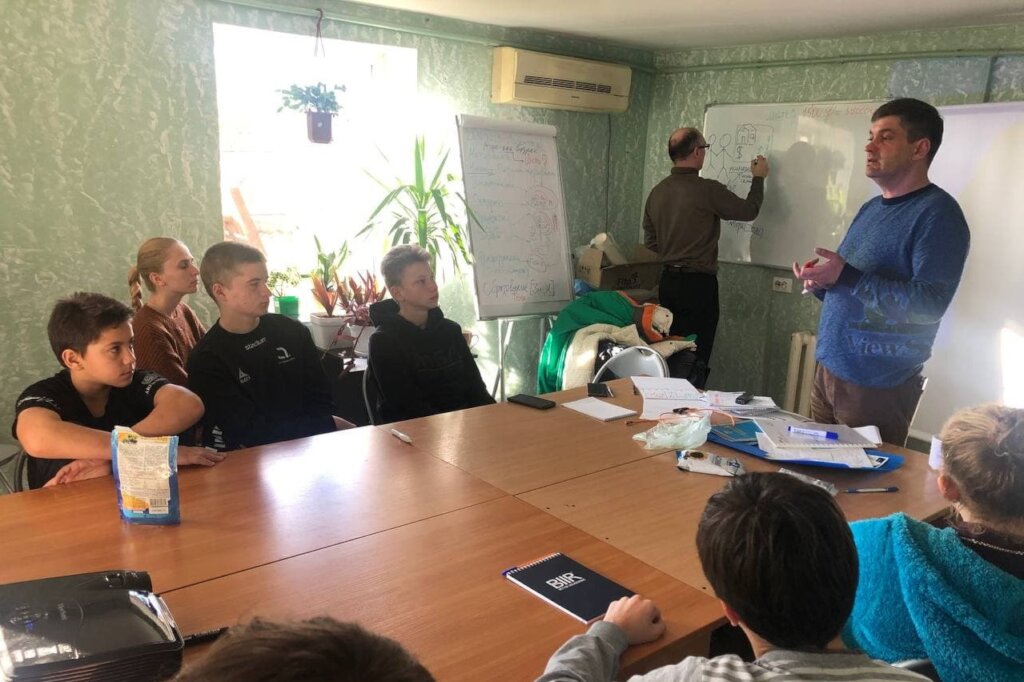
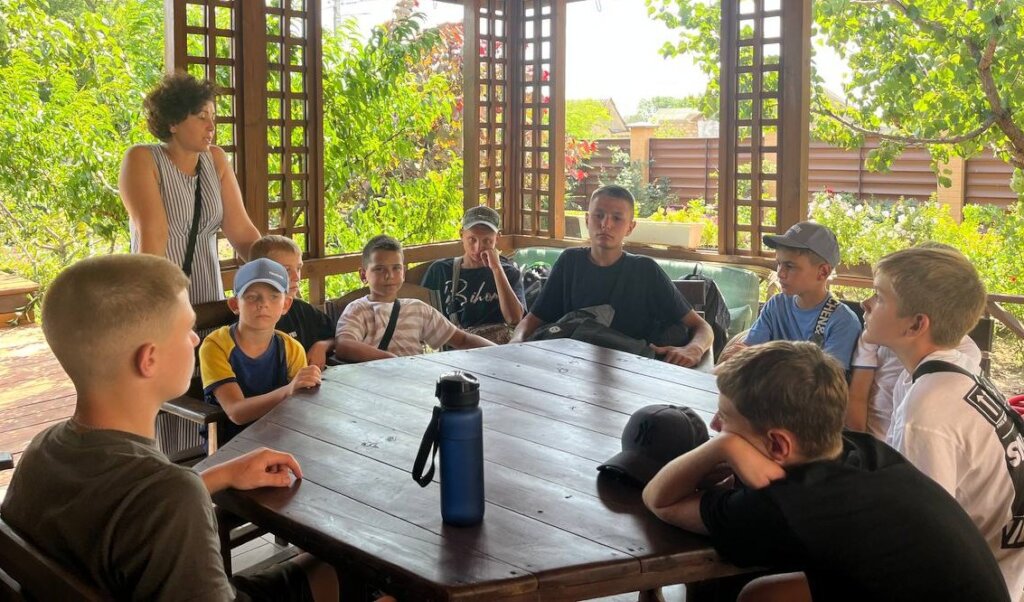
94 children and teenagers took part in our financial literacy classes. We teach through games, because that is how children learn best:
In “City of Opportunities”, children play people with different incomes and expenses and make money decisions over several rounds.
In “Dream Budget”, teenagers split an imaginary budget between housing, education, fun and savings.
“Discount Hunt” teaches how to compare prices and shop wisely.
“Scam or Not?” helps children spot fraud in messages, calls and ads.
Older teens play “Financial Detective”, where they look for manipulation and hidden advertising in social media posts about money, and “Financial Quest”, a team game that covers budgets, banking and taxes.
Finding their way
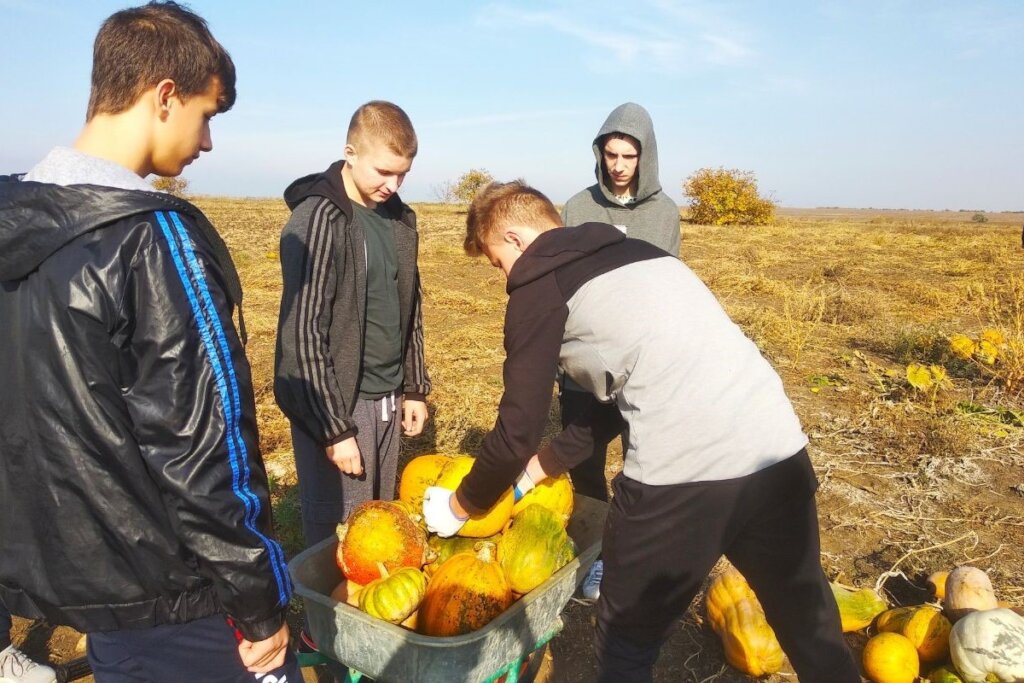
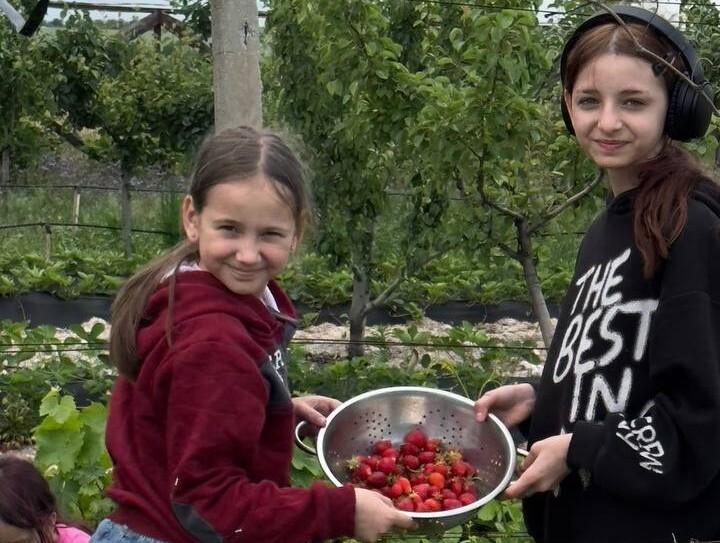
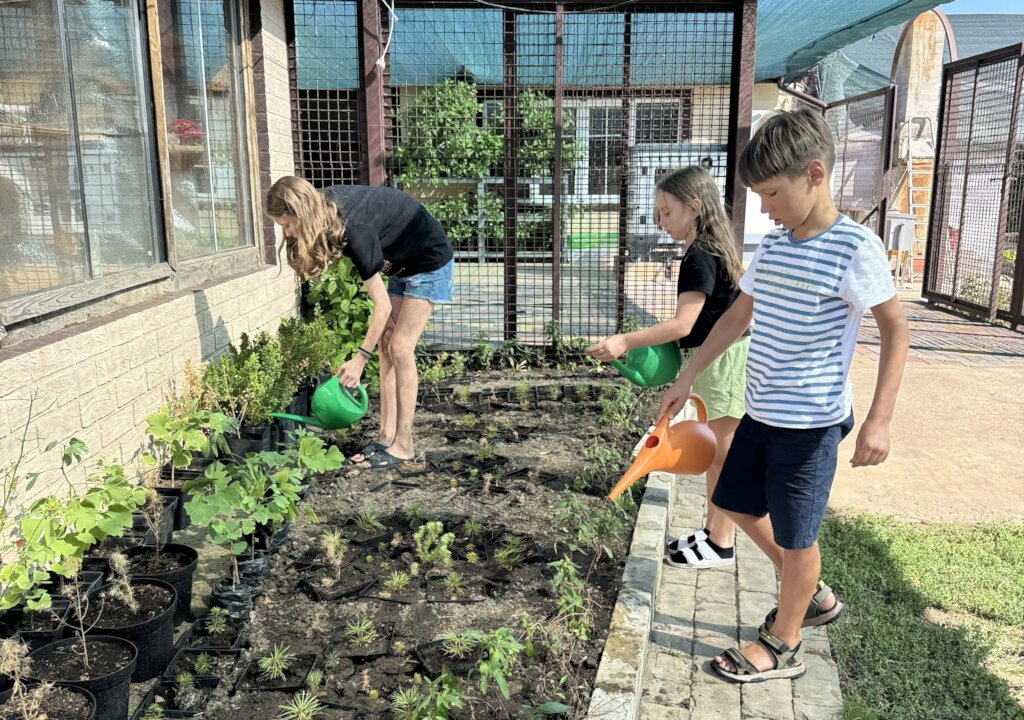
68 young people aged 14–21 explored their interests and learned what different professions require. Another 91 tried practical skills at hands-on masterclasses on the farm. 7 older teens completed work placements.
In the business school, 42 young people learned to plan and run a business. 56 teenagers took part in the business camp, where they developed ideas with mentors. 43 more trained in leadership, communication and decision-making.
Some of the games they played: “Investor”, where teams invest pretend money and react to market news. “Start a Business” has participants plan a business, calculate costs and profit, and pitch it. In “100 Wishes”, teenagers write down their life goals, estimate what each costs and plan the steps to get there.
Ukraine’s economy is struggling, and young people rarely have the start-up money to launch a business, however good their plan. We keep strengthening their planning skills, and we teach basic accounting and taxes, so they are ready when the chance comes.
Children who had to leave everything behind
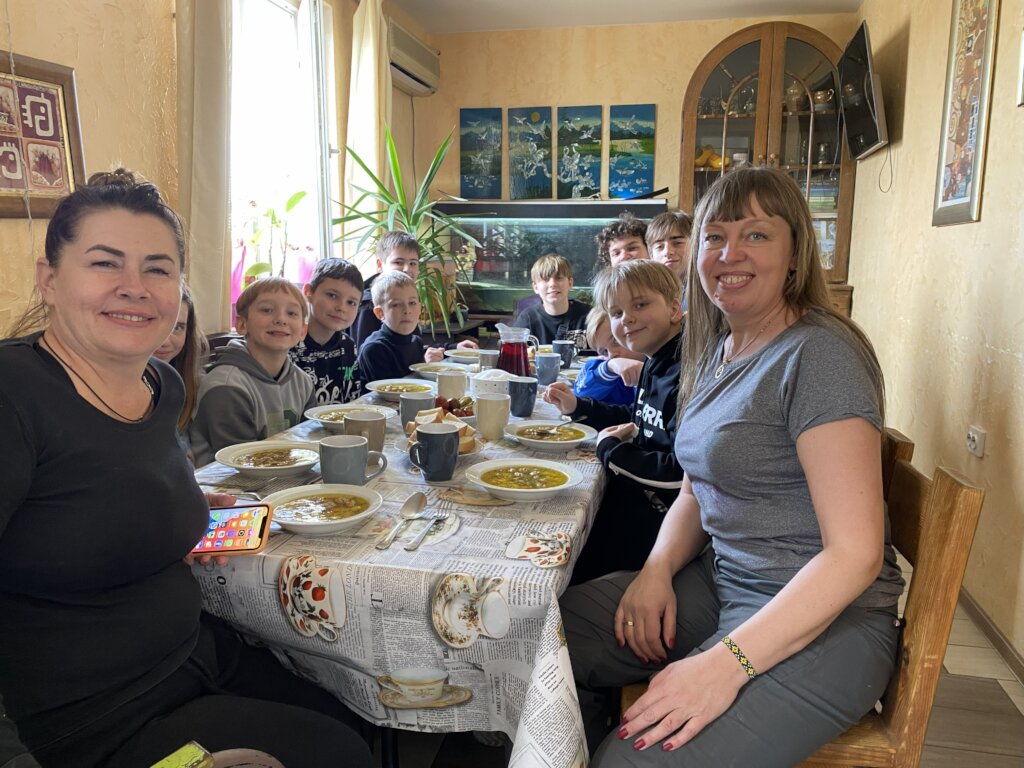
27 families from family-type children’s homes, many evacuated from frontline areas, visited Liebenthal. We prepared special financial literacy sessions for their children and teenagers. These covered business plans, taxes and grants available to young entrepreneurs. Among our summer guests were children from a home evacuated from Kherson region. For a few days they could feel safe, cared for and part of a group again.
Looking ahead
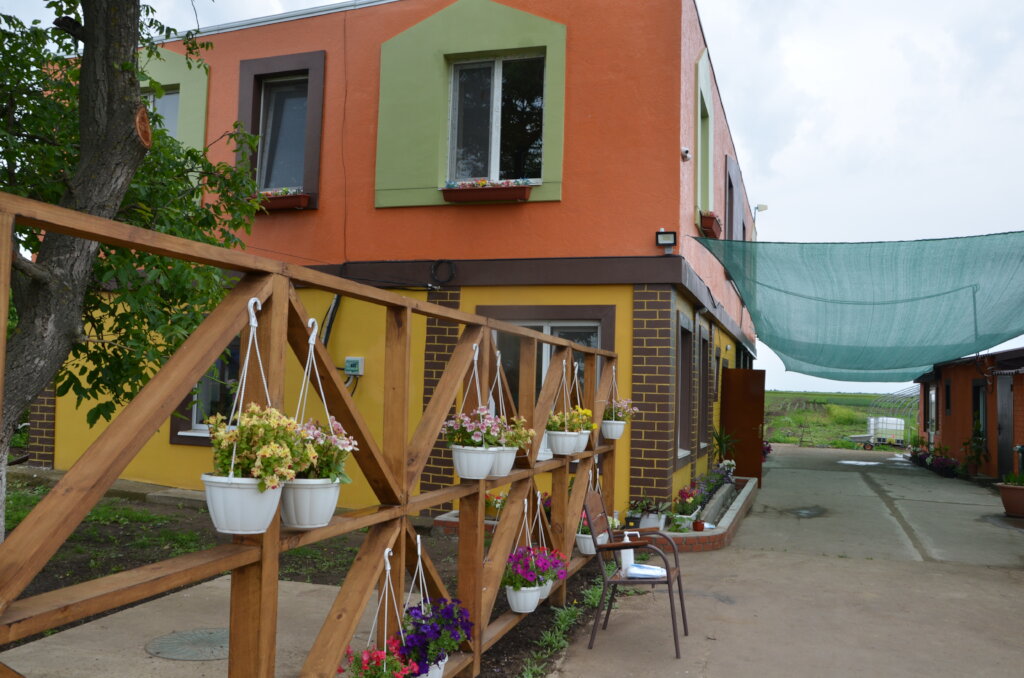
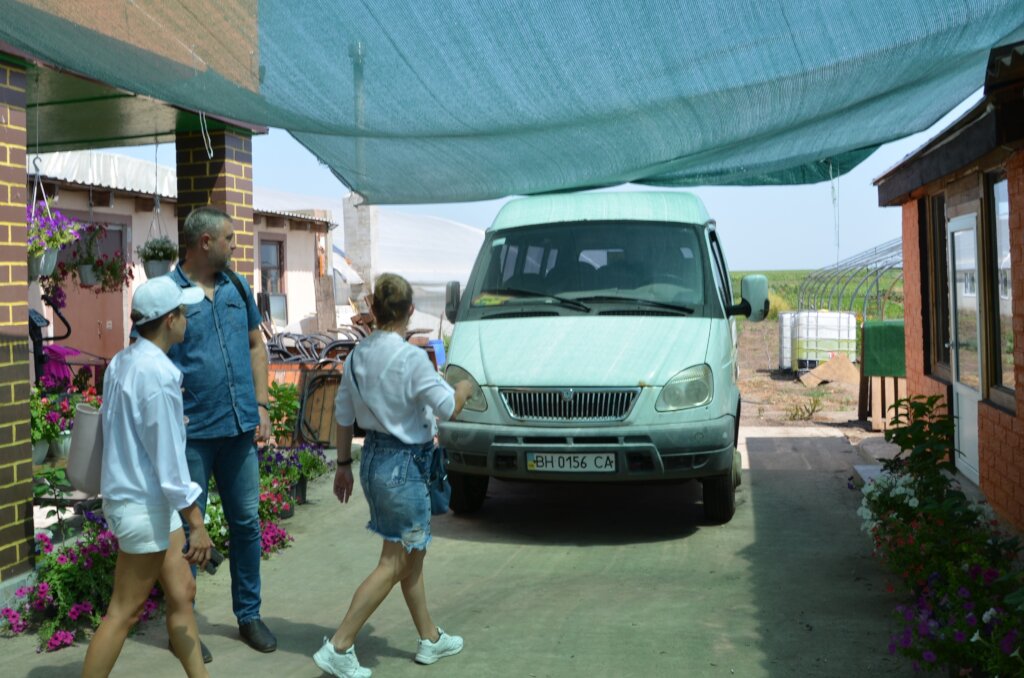
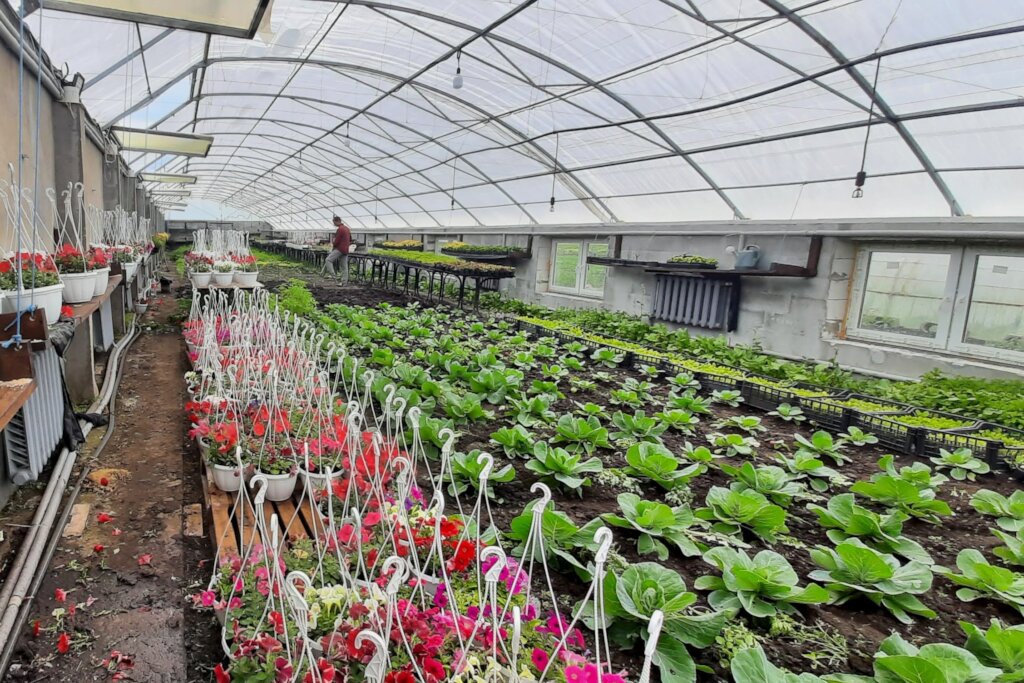
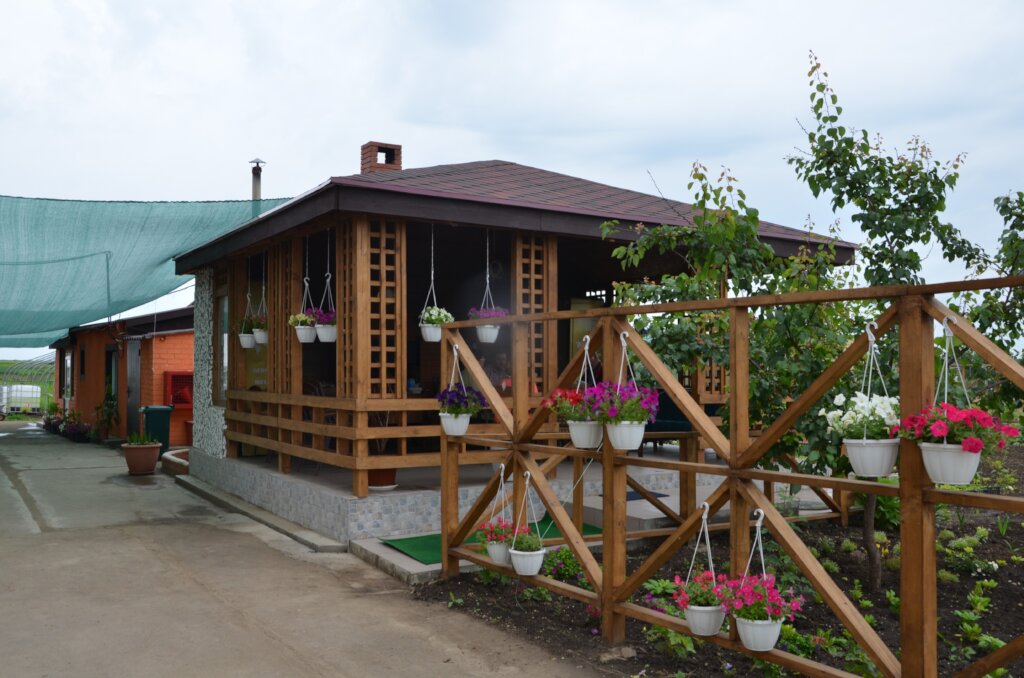
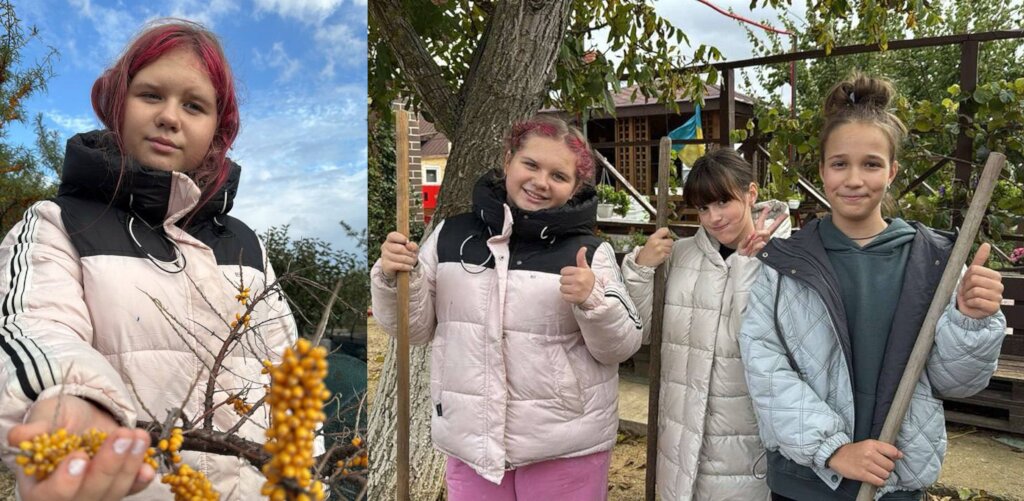
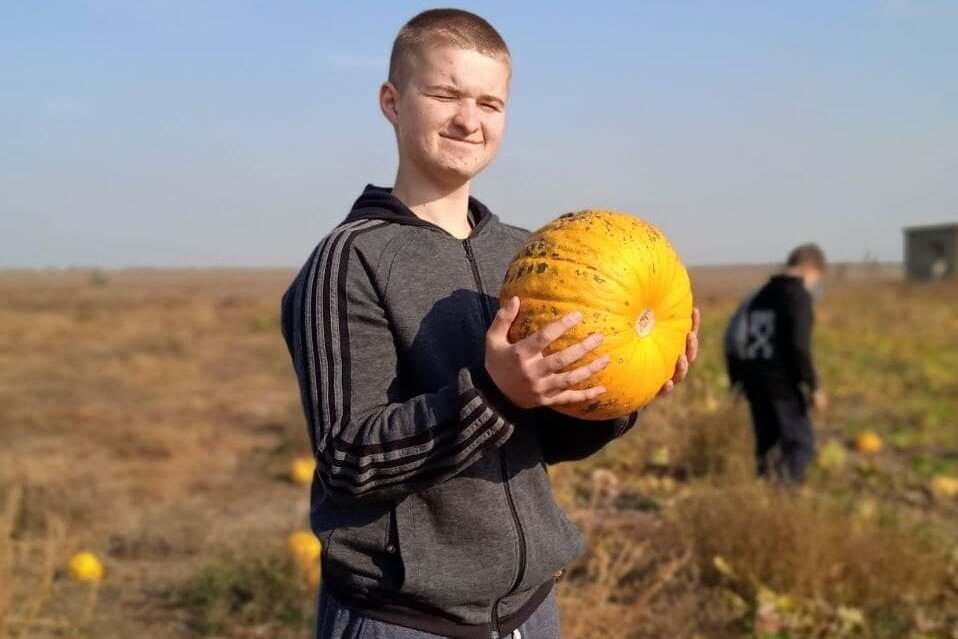
During the half-year we also improved the site. We built a playground, renovated buildings, planted 500 lavender bushes and expanded the apiary to 30 hives.
In June the UN Resident and Humanitarian Coordinator in Ukraine, Matthias Schmale, visited the farm. He talked with the children and our team.
Behind every number in this report is a child who is learning to laugh, trust and dream again.
You make that possible. Thank you!
By Hanna Trepaliuk | Project Leader
By Hanna Trepaliuk | Project Leader
Project reports on GlobalGiving are posted directly to globalgiving.org by Project Leaders as they are completed, generally every 3-4 months. To protect the integrity of these documents, GlobalGiving does not alter them; therefore you may find some language or formatting issues.
If you donate to this project or have donated to this project, you can receive an email when this project posts a report. You can also subscribe for reports without donating.



Support this important cause by creating a personalized fundraising page.
Start a Fundraiser