![]()
1. Background and Purpose of the Mission
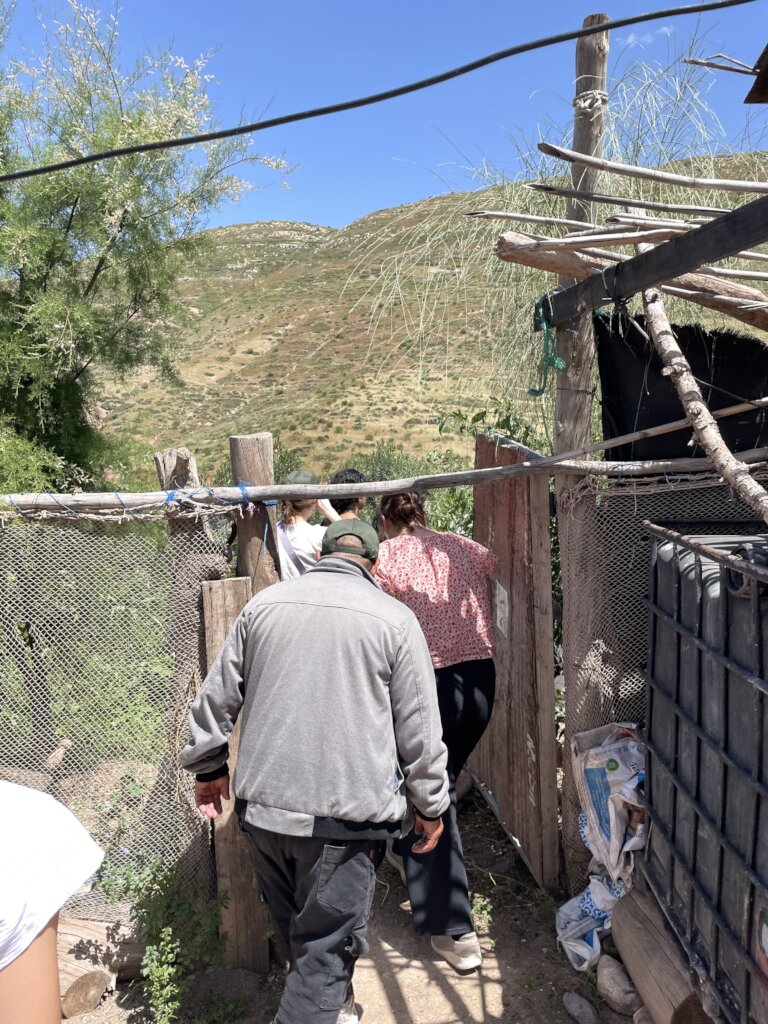
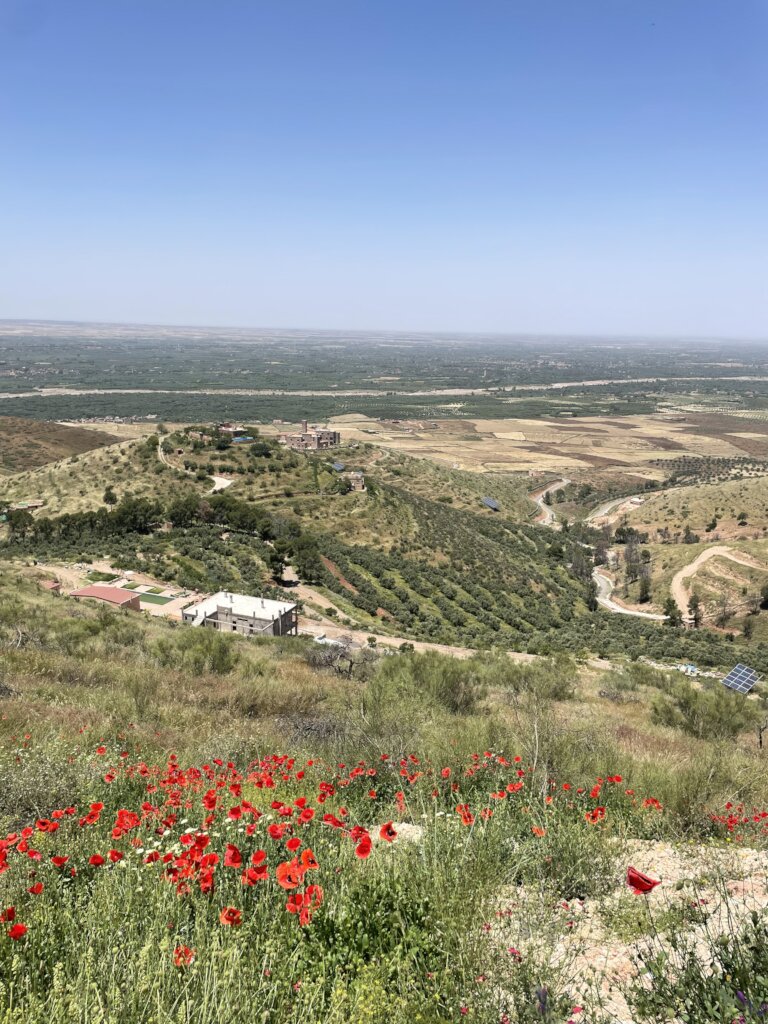
As part of the High Atlas Foundation’s collaboration with the National Initiative for Human Development (INDH), the HAF team conducted a pre-visit to Sidi Rahal, in the Province of El Kelaa des Sgharna, Marrakech-Safi Region. The visit aimed to better understand the community, with a particular focus on the current situation, priorities, challenges, and aspirations of women, before moving forward with the development of project activities.
The mission was particularly relevant to the planned establishment of a women’s cooperative and a nursery that would involve women from the community and create opportunities for economic participation and employment.
The visit followed HAF’s participatory approach, which places community members at the center of identifying their own needs, resources, priorities, and aspirations. Rather than defining interventions externally, the team sought to listen directly to the women and understand their vision for the future of their community.
2. Engagement with the Women of Sidi Rahal
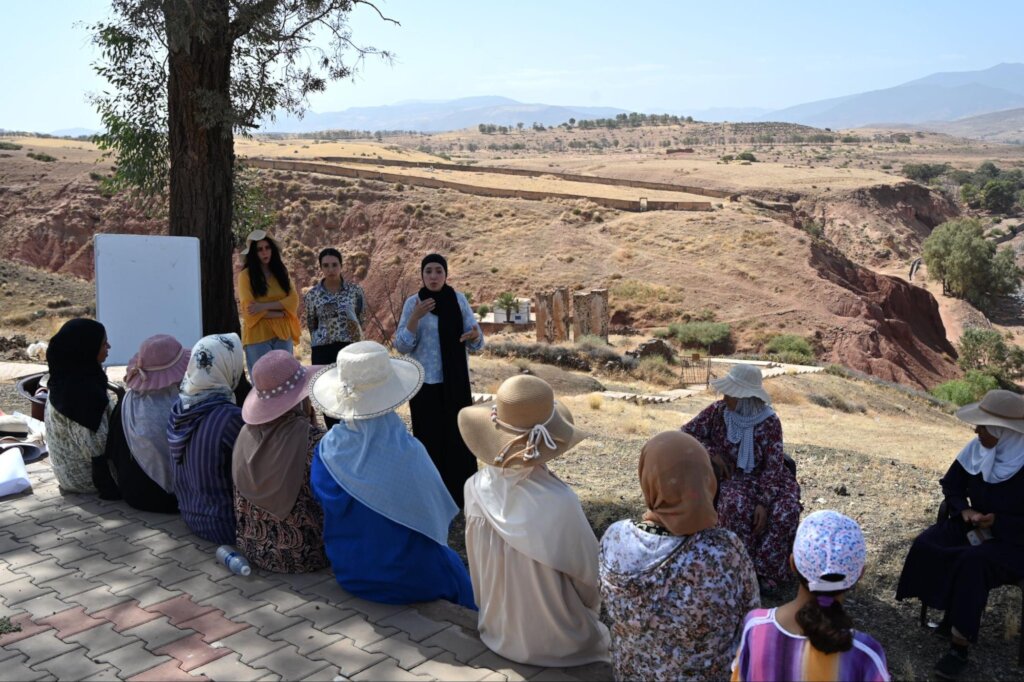
The mission began with a meeting with women from the community. The initial interaction focused on introductions and getting to know one another, creating a welcoming environment for open discussion and dialogue.
Following this initial exchange, the team discussed the women’s daily realities, the challenges they face, the resources available within their community, and their aspirations for the future. This dialogue helped create an open and welcoming atmosphere, providing an opportunity to better understand the community from the women’s perspective.
3. Participatory Community Mapping Activity
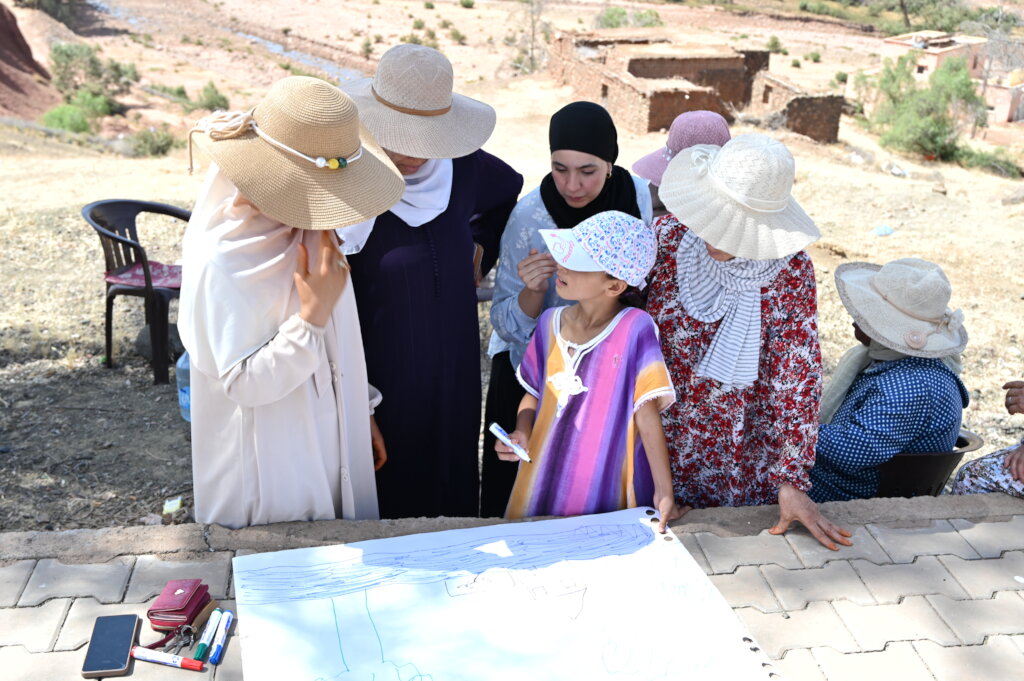
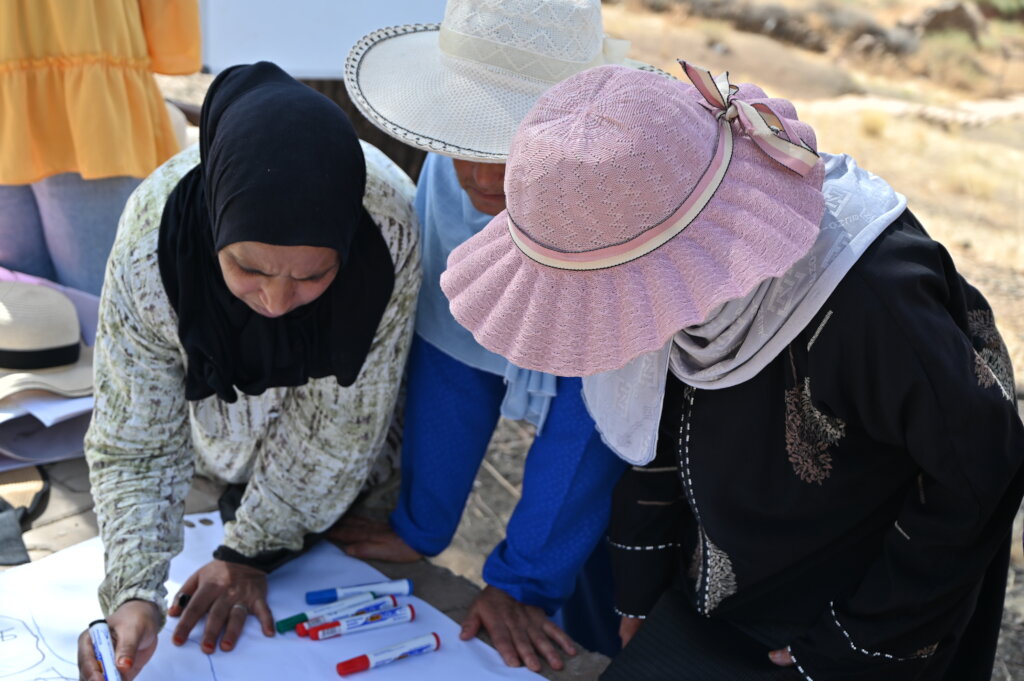
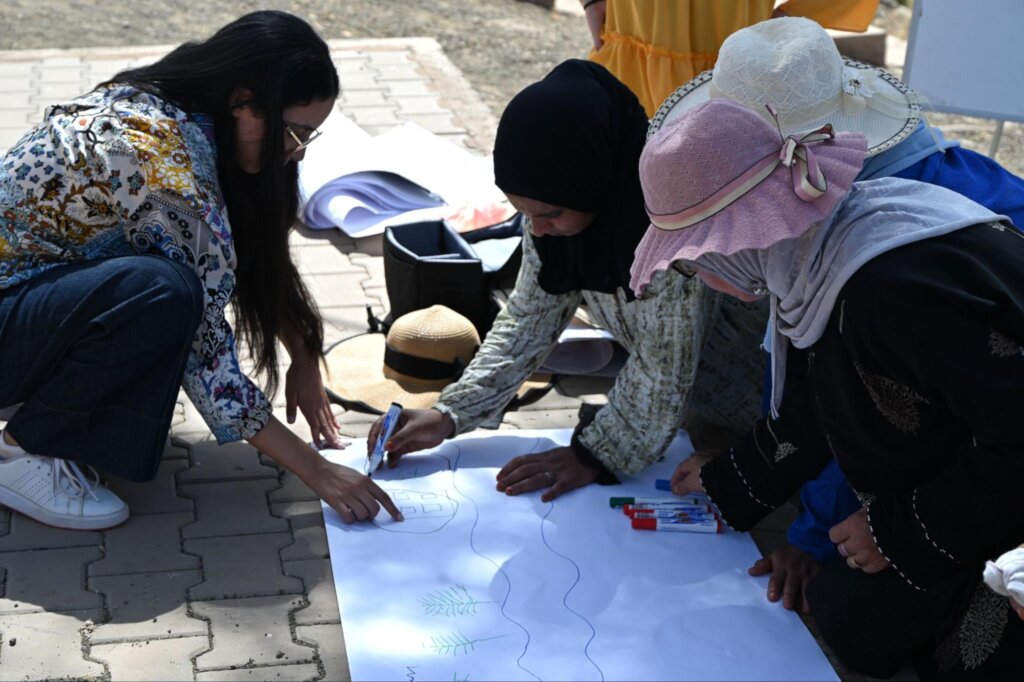
To facilitate a more detailed and visual understanding of the community, HAF facilitators conducted a participatory community mapping activity. The women were divided into two groups and invited to represent their community using large sheets of paper and colored markers.
The mapping activity focused on four main elements:
- Blue: Water resources, including rivers, wells, irrigation channels, and other sources of water.
- Green: Vegetation, agricultural land, trees, and plants connected to the community’s livelihoods.
- Black: The built environment, including houses, schools, and other structures.
- Red: Needs and priorities, representing what is missing, what remains inaccessible, and what the community would like to improve.
The activity enabled the women to describe Sidi Rahal from their own perspective and identify both existing resources and challenges. The maps, therefore, served not only as geographic representations but also as tools for understanding the community’s lived experiences and priorities.
4. Key Findings and Community Priorities
The community mapping activity highlighted several important concerns.
Access to electricity emerged as a major priority. Both groups independently identified access to public electricity as a significant need, demonstrating the importance of this issue among the participating women.
Road access was another significant concern. The groups identified the need for proper roads connecting their homes to the wider community and essential services. Improved road access would facilitate access to markets, services, and emergency assistance.
Water access was also identified as a critical concern. The women explained that following the construction of a new well by HAF, the previous well had gone dry. However, they reported that they still do not have access to the new well, making access to water more difficult than before. This highlighted the importance of understanding how infrastructure is accessed and experienced by community members.
These findings demonstrate the value of participatory consultation, as direct engagement can reveal challenges that may not be fully captured through infrastructure assessments alone.
5. Women’s Aspirations and Interest in Collective Organization
In addition to infrastructure-related concerns, the women expressed a strong interest in improving their livelihoods, developing their skills, and working together.
A key aspiration was the establishment of a women’s cooperative. The women viewed collective organization as an opportunity to strengthen their economic participation, access training and financing opportunities, and create sustainable livelihood opportunities.
The women also expressed strong interest in participating in an IMAGINE empowerment workshop. The workshop would provide a space for them to reflect on their aspirations, identify priorities, strengthen their confidence and planning skills, and explore pathways toward collective action.
These expressed interests provide a strong basis for HAF’s continued engagement with the community and for exploring future women-focused activities.
6. Coordination with Local Authorities
As part of the mission, the HAF team met in person with the local authorities in El Bacha to strengthen coordination and establish direct communication regarding the community, its priorities, and the planned development activities.
Maintaining close communication with local authorities is important to ensure that planned interventions are well understood, responsive to local realities, and aligned with existing community priorities and local development efforts. It also provides a channel for information sharing, follow-up, and coordination throughout the implementation process.
The meeting marked an important step toward strengthening institutional collaboration around the initiative. HAF will maintain communication with the local authorities as the project progresses, particularly regarding the planned empowerment activities, women’s collective organization, and future community interventions.
7. Next Steps
Based on the findings of the pre-visit, HAF will focus the next phase of engagement on women’s empowerment, collective planning, and the development of locally relevant activities.
The immediate priority will be to organize an IMAGINE empowerment workshop with the women of Sidi Rahal. The workshop will provide a structured opportunity for participants to reflect on their situation, define individual and collective aspirations, and develop practical plans for moving toward their goals.
Following the workshop, HAF will support the participants in identifying concrete actions based on the priorities and aspirations they define collectively. This will include exploring the feasibility and appropriate pathway for establishing a women’s cooperative in line with the women’s expressed interest.
HAF will also continue coordinating with local authorities and relevant stakeholders. The concerns identified during the mapping activity, particularly those related to electricity, roads, and water access, will be documented and followed up through the appropriate channels.
The proposed nursery and other project activities will be further assessed in consultation with the women and the wider community to ensure that they respond to locally identified needs and provide meaningful opportunities for women’s participation and economic empowerment.
8. Conclusion
The Sidi Rahal pre-visit provided HAF with an important opportunity to engage directly with community members and gain a clearer understanding of women’s priorities, challenges, and aspirations before advancing with project implementation.
The participatory mapping activity highlighted key infrastructure concerns, particularly regarding electricity, road access, and water, while the discussions with the women revealed a strong interest in skills development, economic opportunities, collective organization, and empowerment.
The visit therefore established an important foundation for the next phase of engagement. By combining participatory consultation with continued coordination with local authorities, HAF can develop activities that are responsive to community priorities and encourage meaningful local ownership.
The next phase will build on this initial engagement through the IMAGINE empowerment workshop, continued participatory planning, and exploration of opportunities for women’s collective organization and sustainable economic participation.
![]()
![]()
![]()
![Share on Twitter]()
![Share on Facebook]()