By Andy Brown | Supporter Care Manager
Project Updates
Our overall focus for 2021 was on the Road to Recovery; to help rebuild Uganda’s slum communities and protect the most vulnerable following the COVID-19 pandemic, to ensure that they not only survive, but thrive. To do this, we focused on 4 key areas: Feeding, Educating, Protecting and Skilling.
In 2022 we will be continuing to focus on Feeding, Educating, Protecting and Skilling; thus, these key areas will form the structure of your quarterly updates.
How our Projects Help Break the Cycle of Poverty
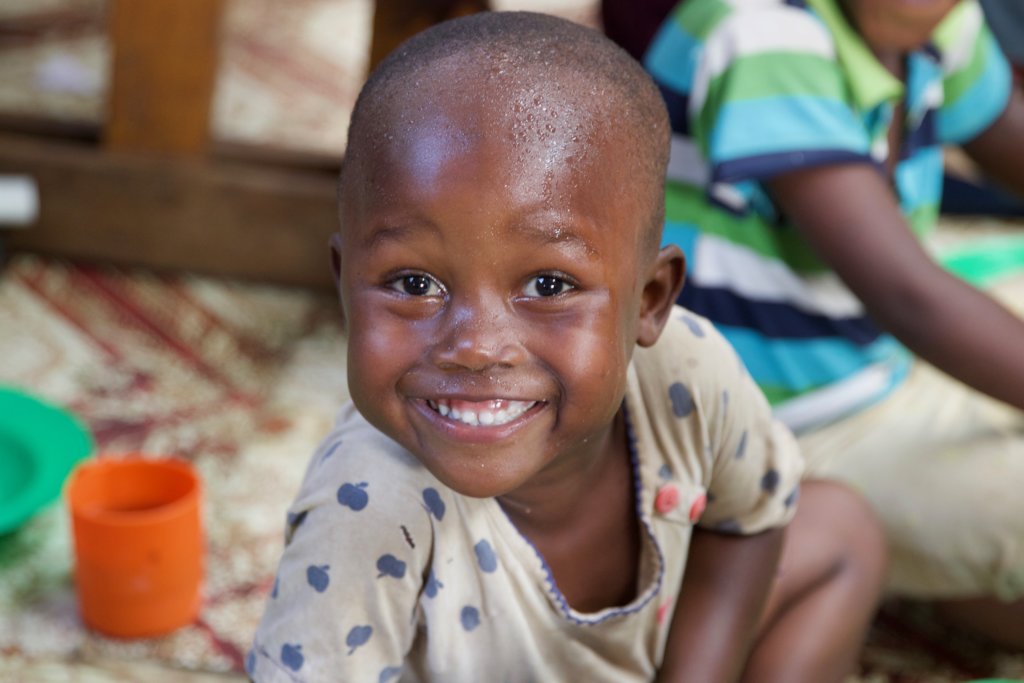
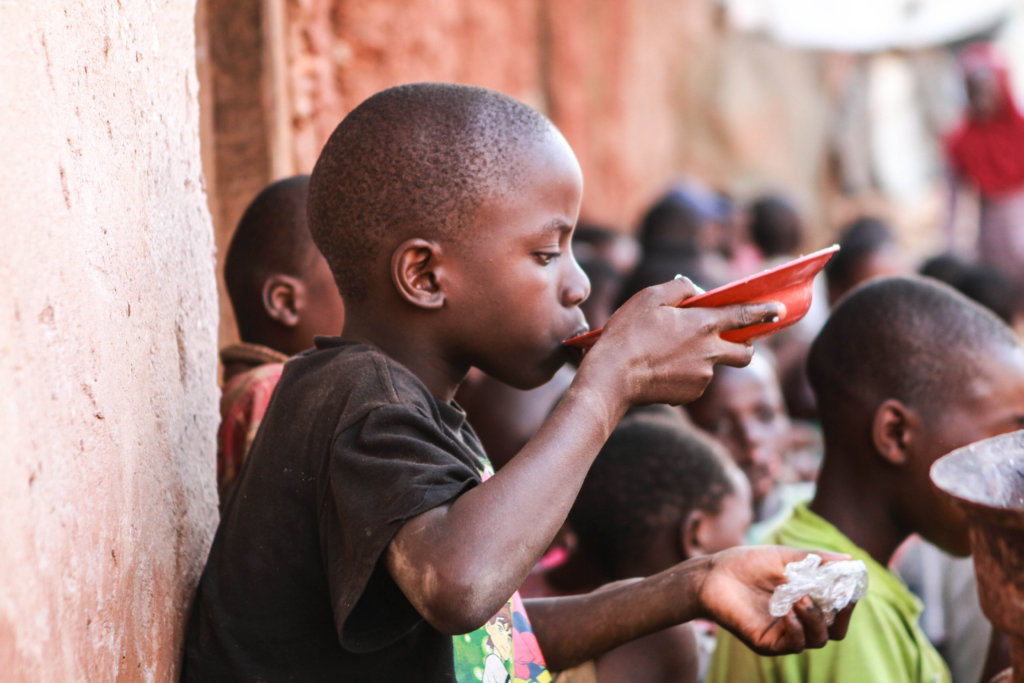
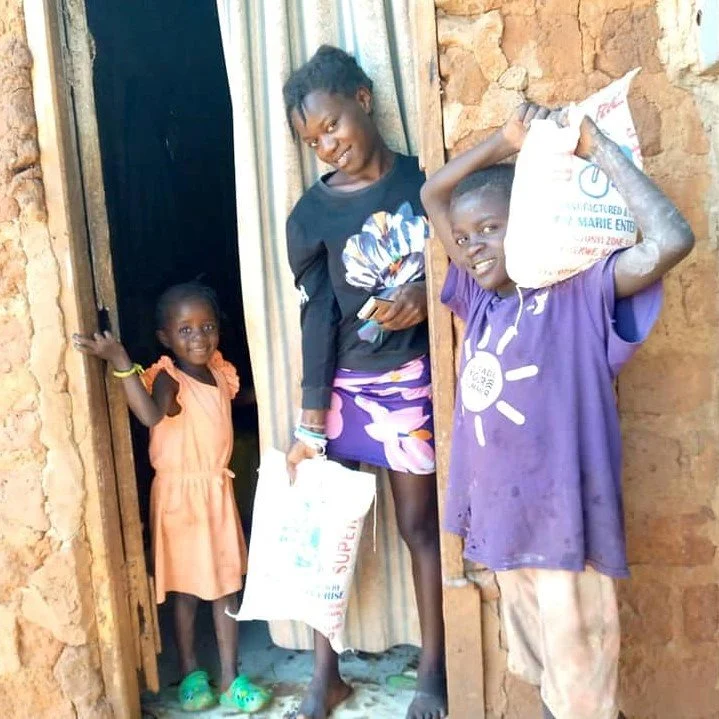
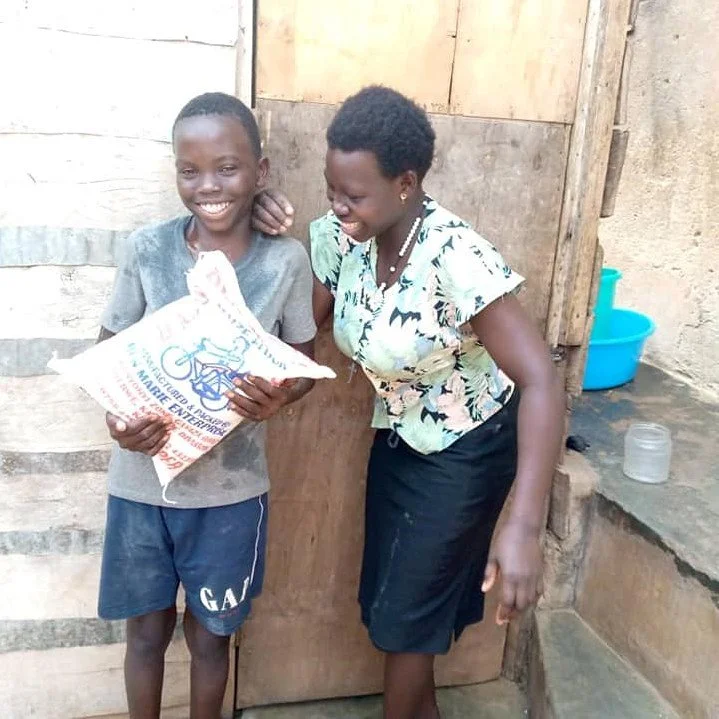
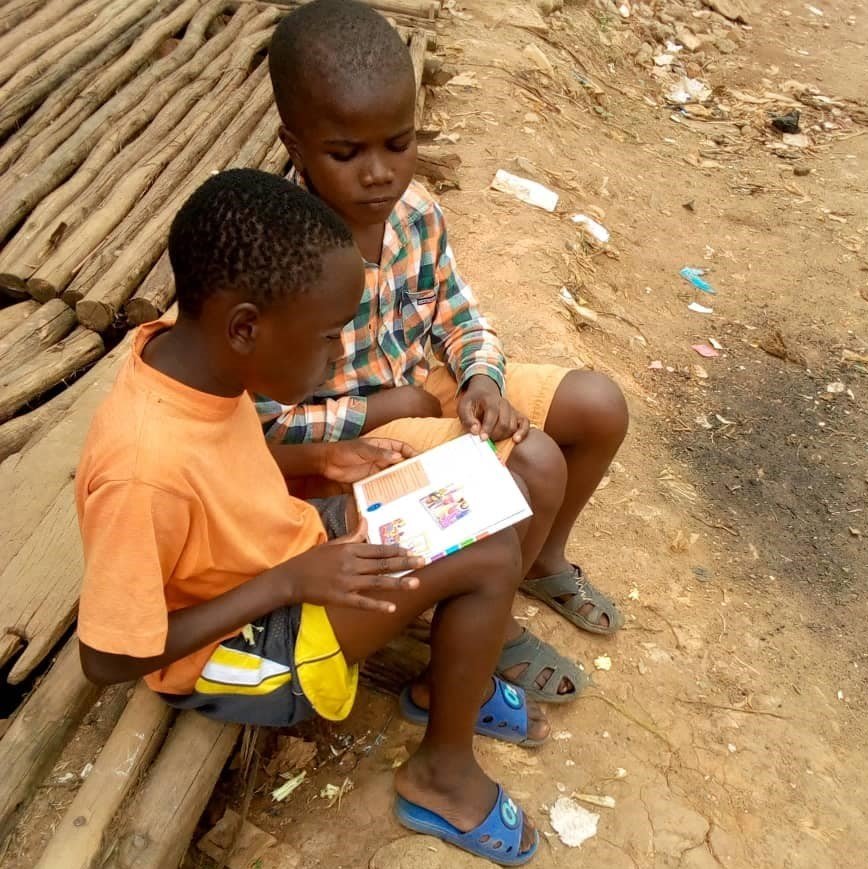
Feeding - Feeding Futures Appeal

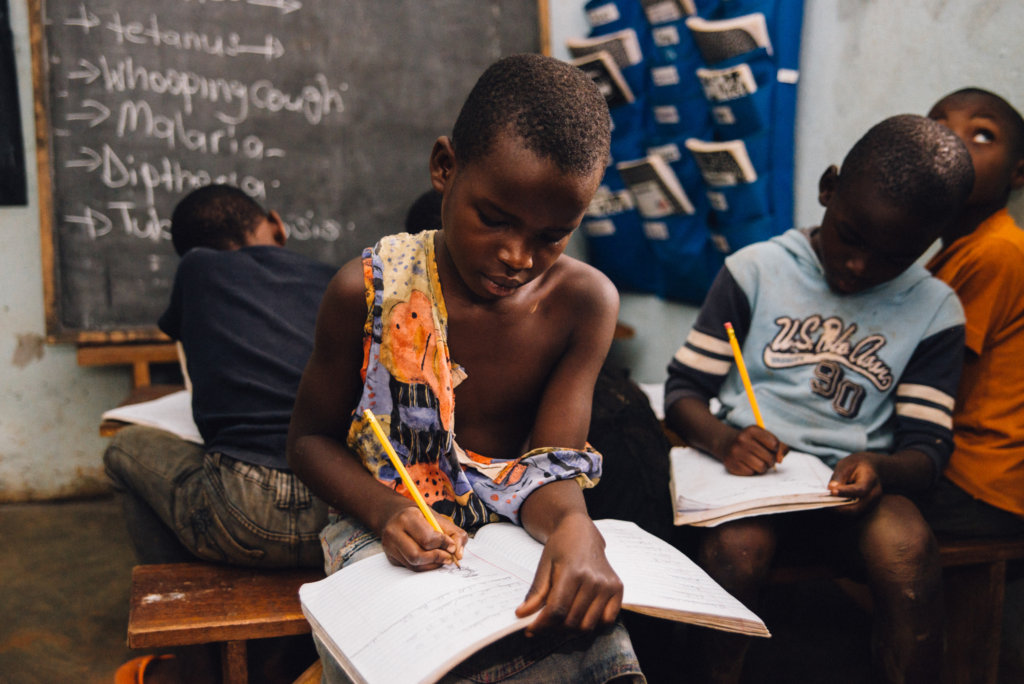
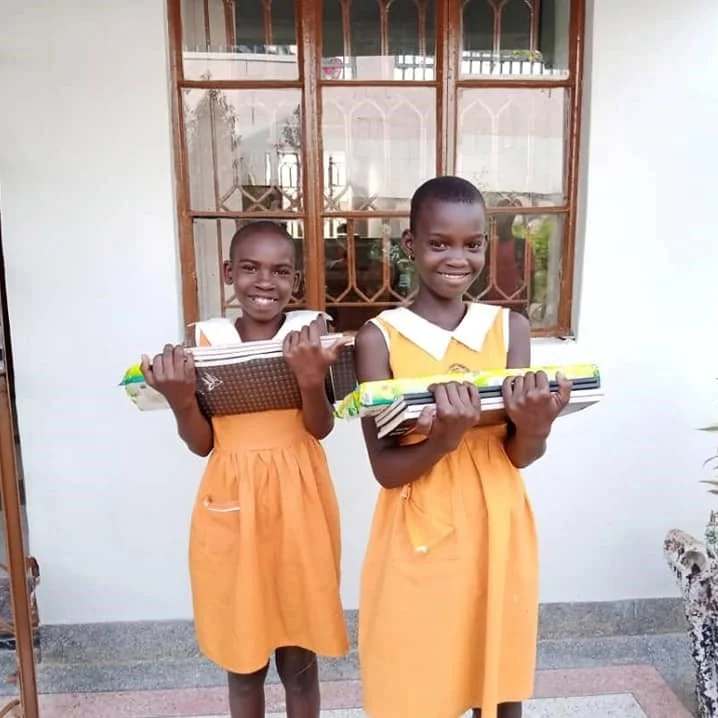
Educating - Back To School
Children in Kampala missed over 300 days of school during the COVID-19 pandemic. In fact, Uganda had the longest period of school closures worldwide. During this time we ensured that the 311 students enrolled on our education projects were supported through homeschooling, so that despite the lockdown they could continue to learn.
In January 2022 schools in Uganda were finally able to reopen, so we are now hopeful that children can look forward to a year of undisrupted classroom learning.


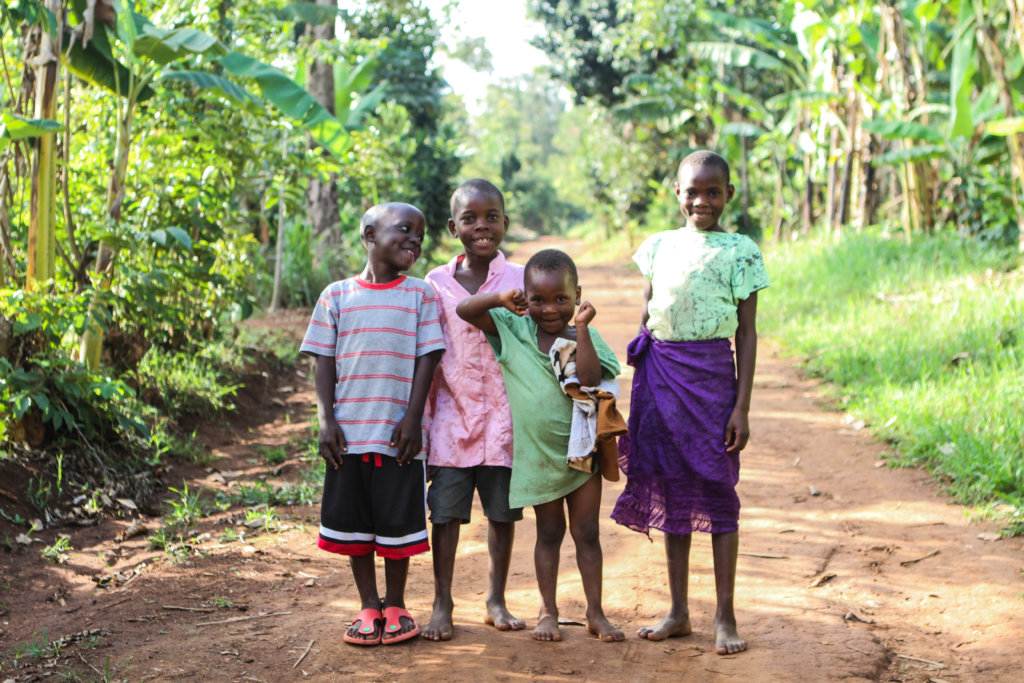
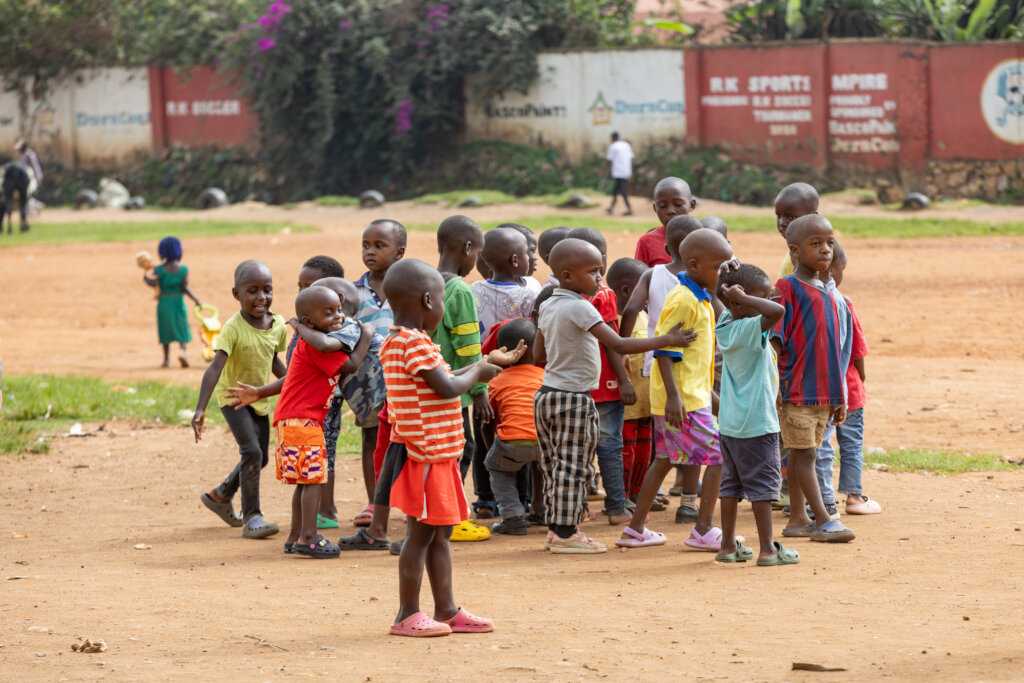
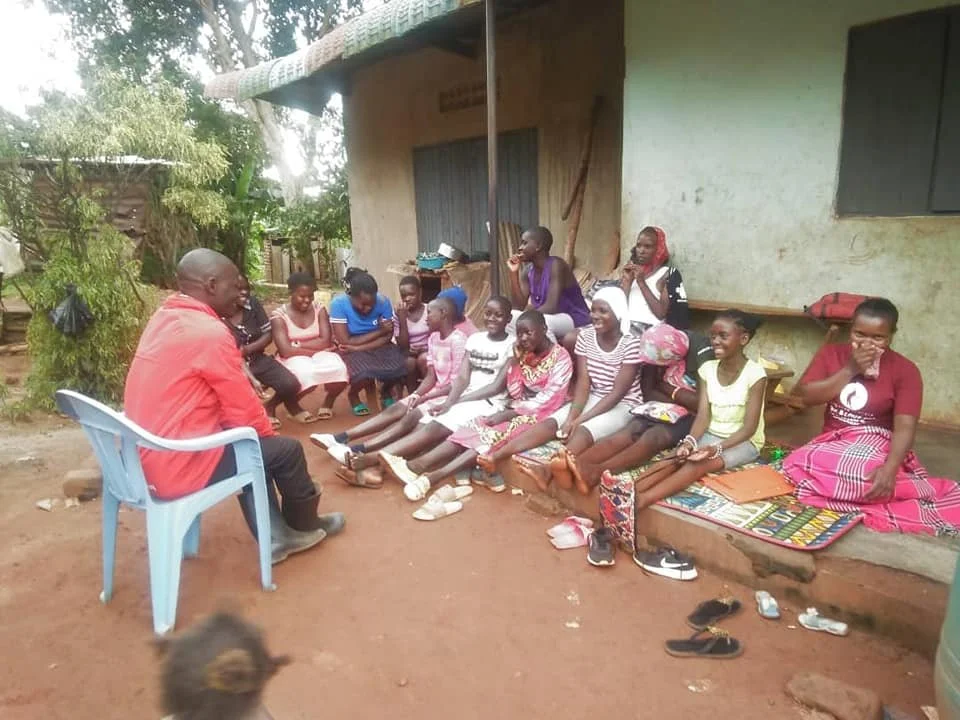
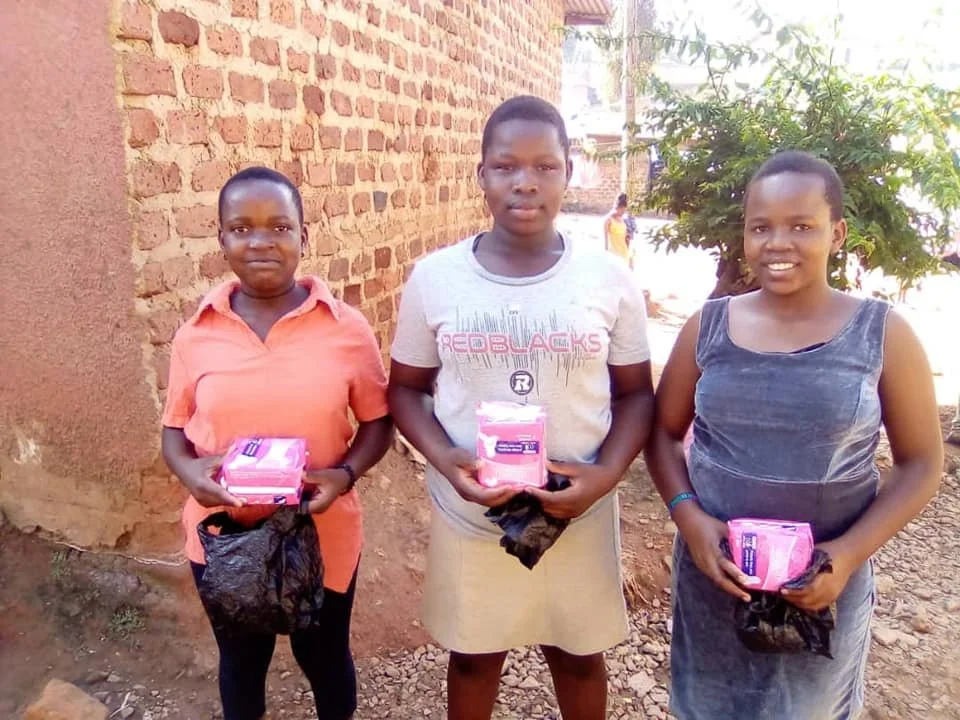
Protecting - Recruiting Volunteers, Girls Support Groups & Ewafe Expansion
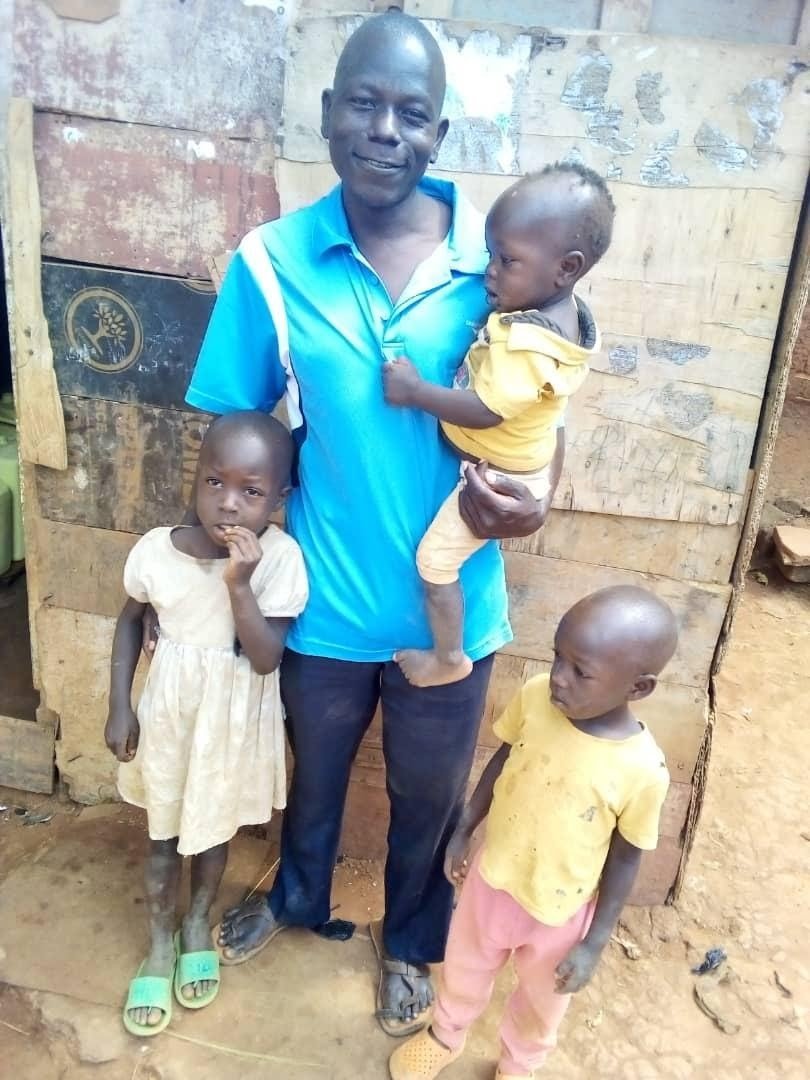
Since the onset of the COVID-19 pandemic, we have seen a rise in cases of abuse, neglect and exploitation towards children living in Kampala's slums. Therefore, a key focus area for us has been the expansion of our projects which focus on protecting children and this continues to be a priority in 2022.


Read our 'Ewafe Home Expansion' blog

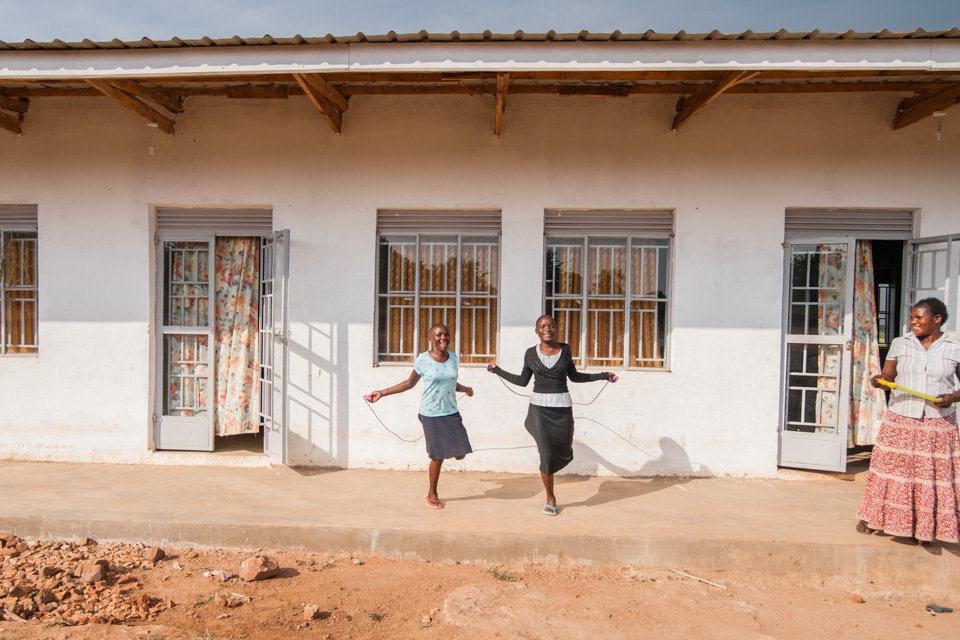
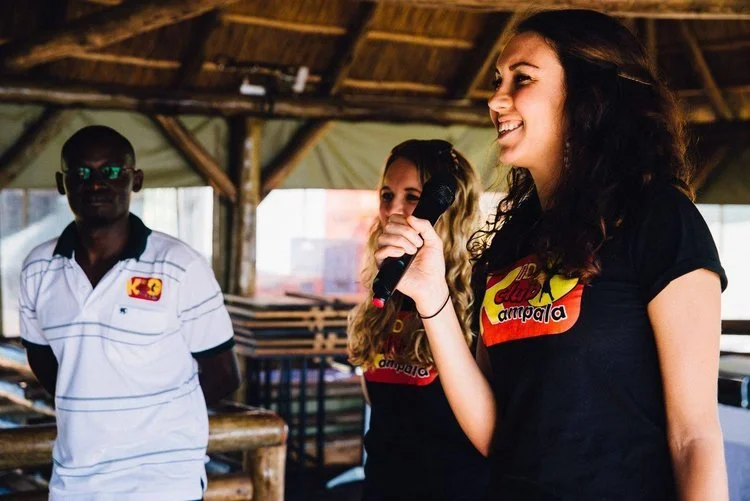
Skilling - Graduations & *Julie's Story
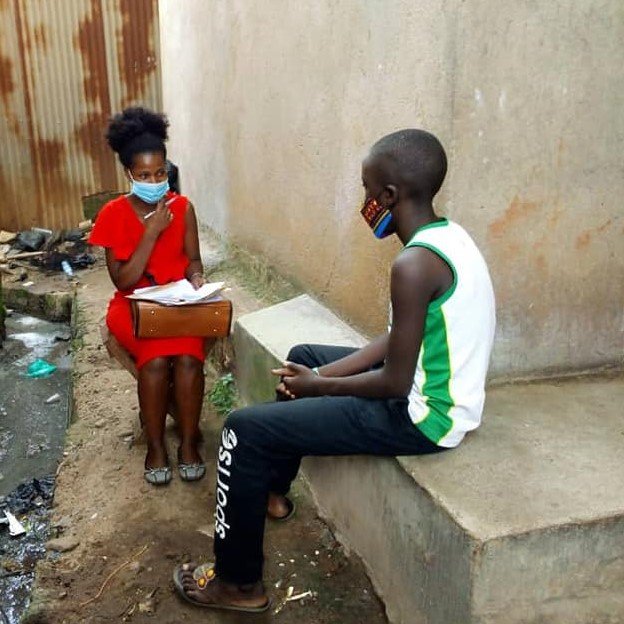
Our skilling projects are vital to breaking the cycle of poverty for families in Kampala. In the wake of COVID-19, our vocational training is needed more than ever to ensure families can recover their incomes and have hope for the future. This quarter we have several achievements to share:
 "Every end has a new beginning. Today might be the last day for some of us as students of KCK, but I believe our learning will actually start from today. When I left home and took the decision to pursue this course 4 months ago, I wasn’t sure what I will get in return. I was excited but at the same time a little scared of the new reality. But today as I stand here, I am proud to say that I made the right decision to come to Kids Club Kampala. I am now excited for the future and the opportunities that my new skill will bring me." - *Julie
By Andy Brown | Supporter Care Manager
By Andy Brown | Supporter Care Manager
Project reports on GlobalGiving are posted directly to globalgiving.org by Project Leaders as they are completed, generally every 3-4 months. To protect the integrity of these documents, GlobalGiving does not alter them; therefore you may find some language or formatting issues.
If you donate to this project or have donated to this project, you can receive an email when this project posts a report. You can also subscribe for reports without donating.



Support this important cause by creating a personalized fundraising page.
Start a Fundraiser