By Christine Sanderson | W/NP Volunteer in Nicaragua
Over the past 30 years, the Wisconsin/Nicaragua Partners (W/NP) “Sewing Centers” transitioned into “Learning Centers” as more skills became increasingly necessary and useful. All of the W/NP Learning Centers maintain the common goal of providing opportunities for skill enrichment and development, yet each self-governed Learning Center is unique and special in their own ways. For this reason, in the upcoming reports, we would like to feature various Learning Centers that will help illustrate their distinctive diversity and the significant impact they have upon their communities.
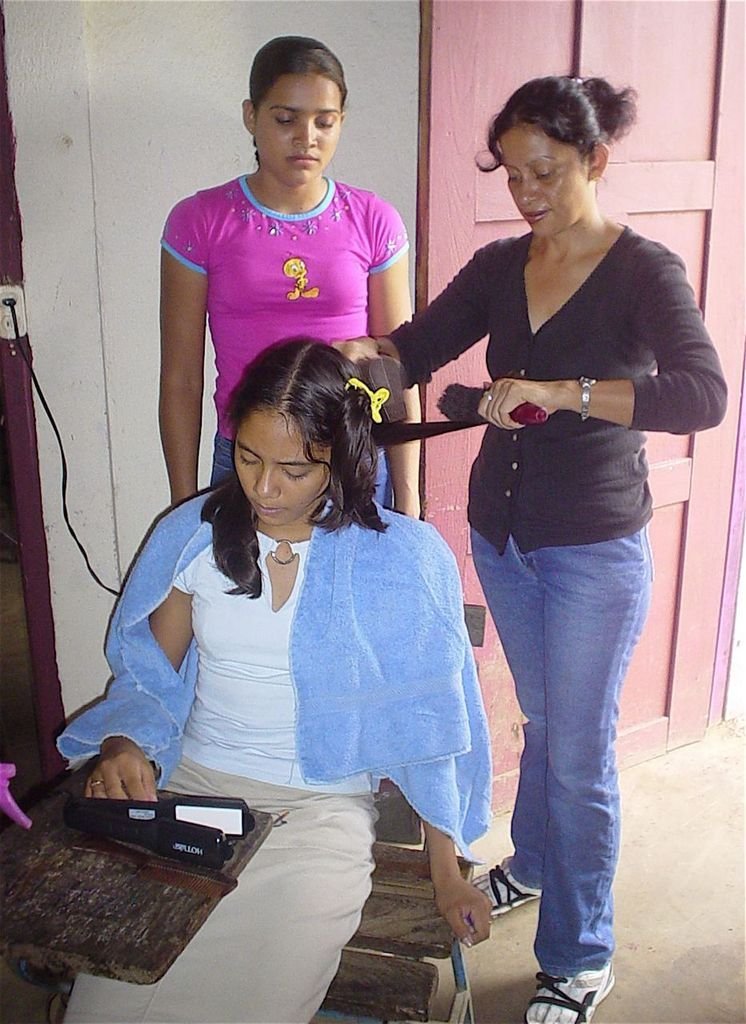
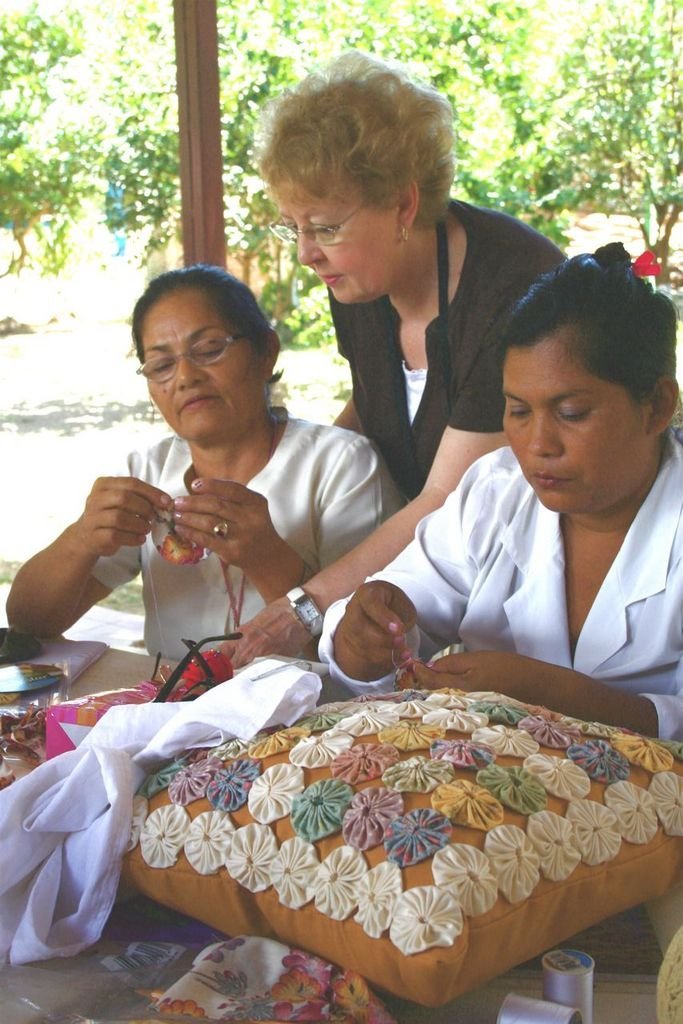
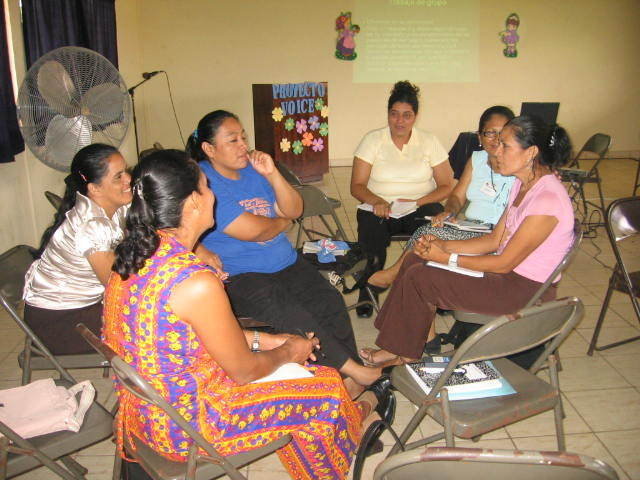
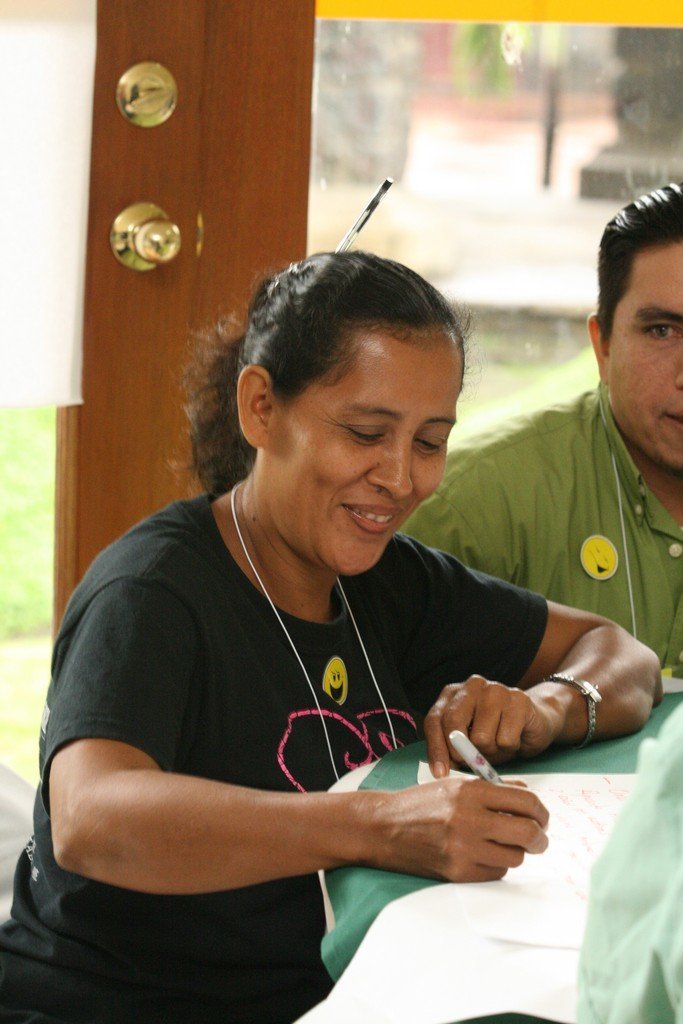
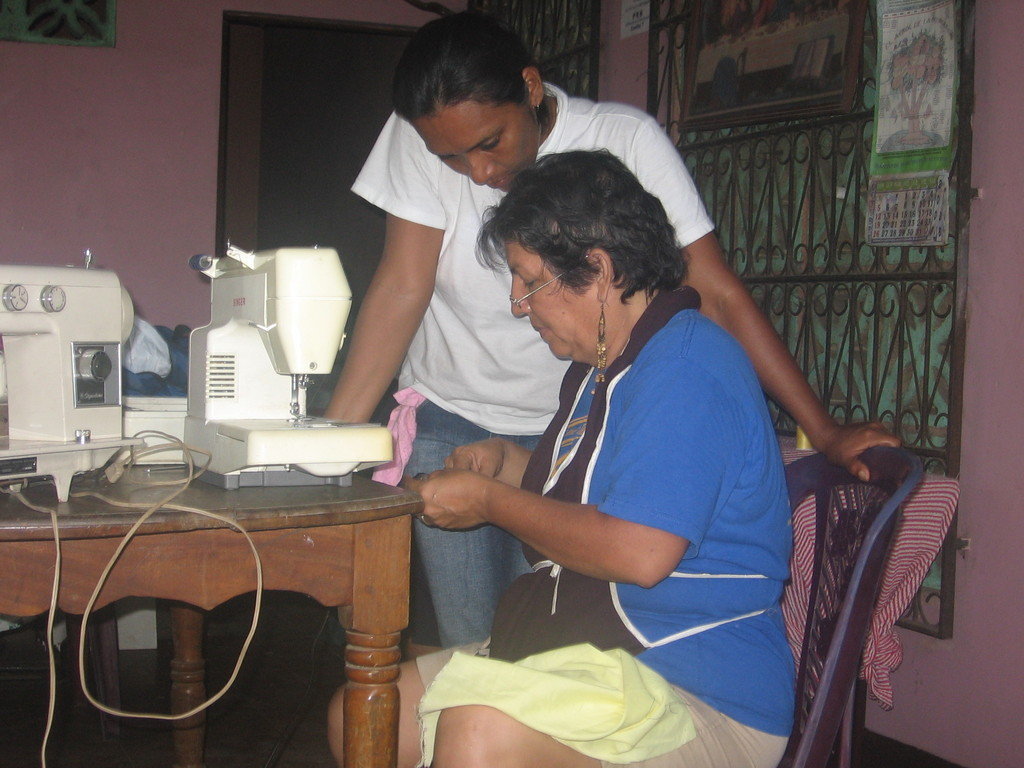
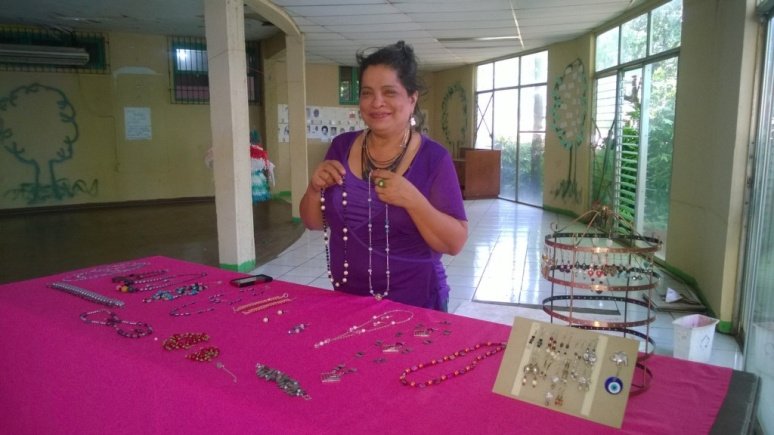
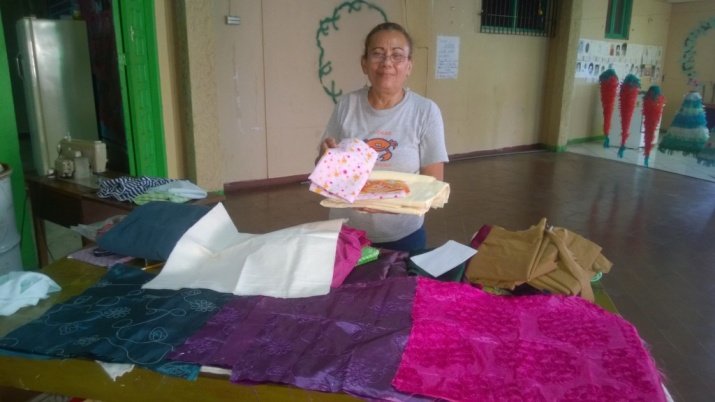
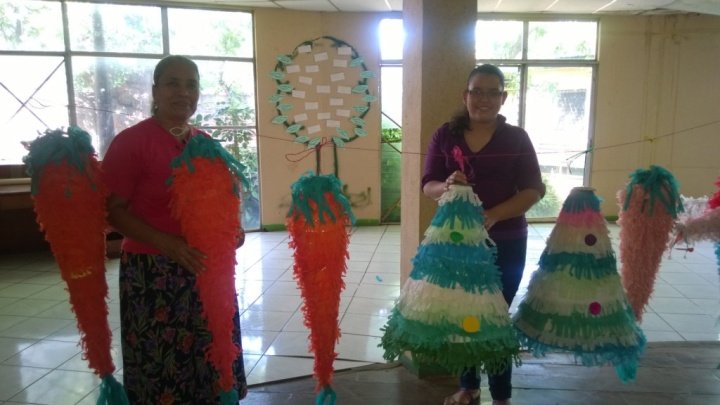
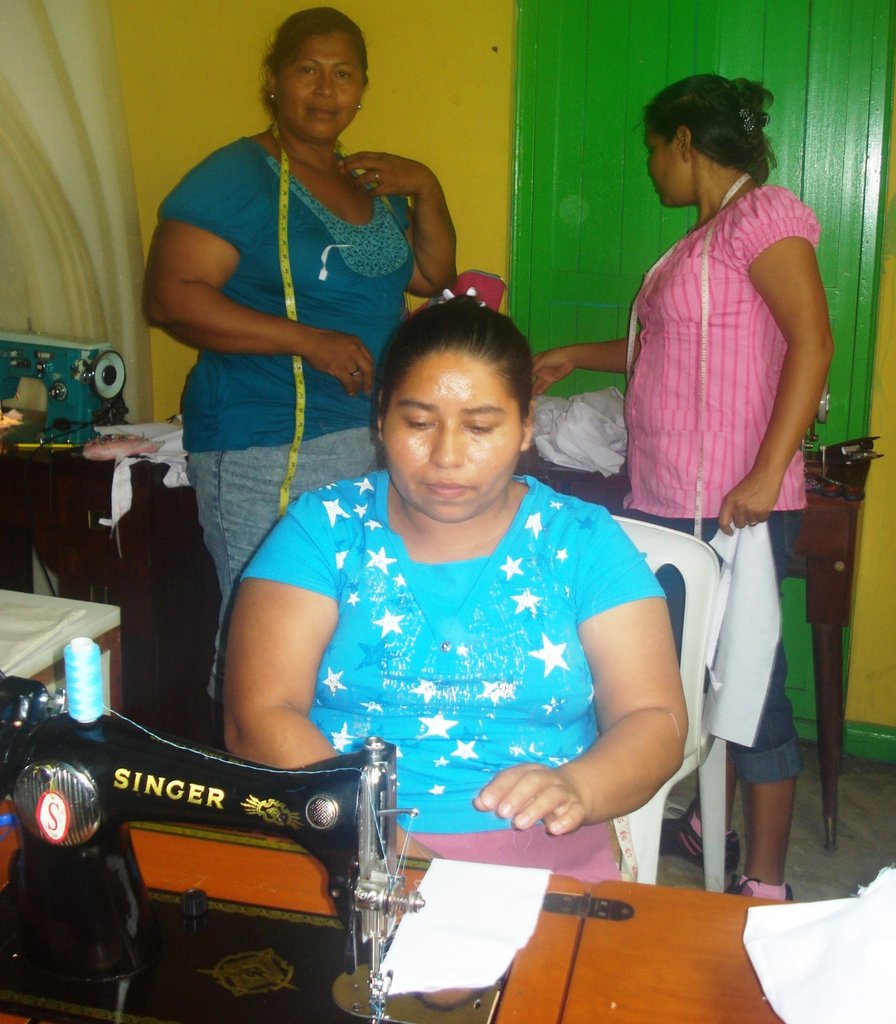
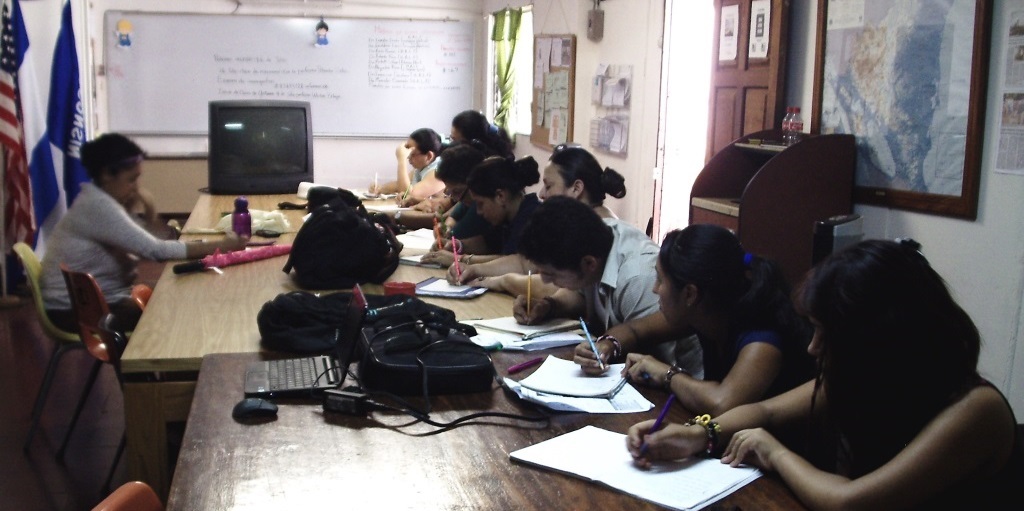
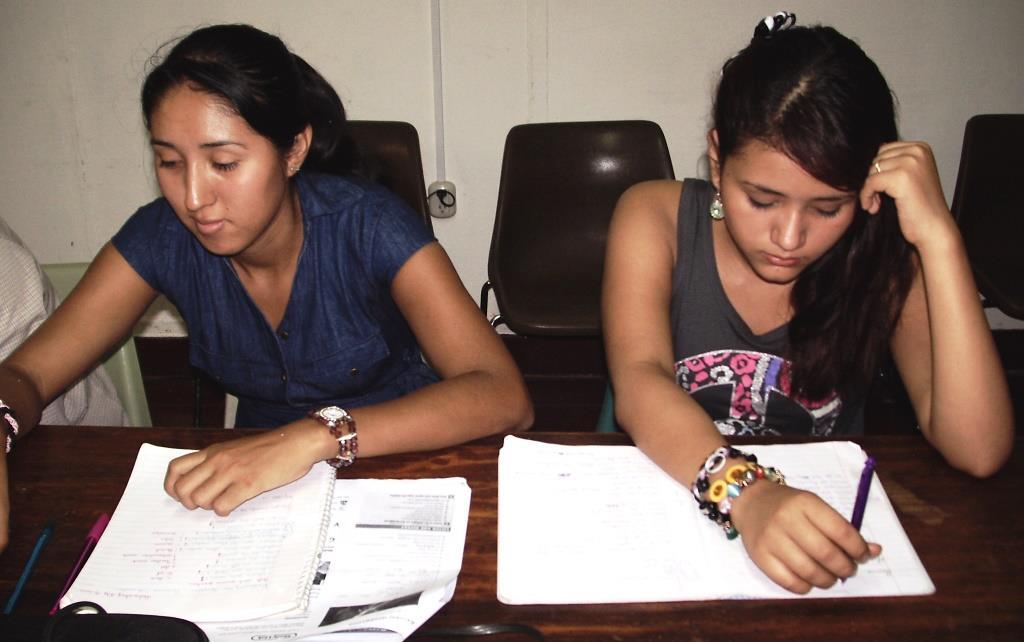
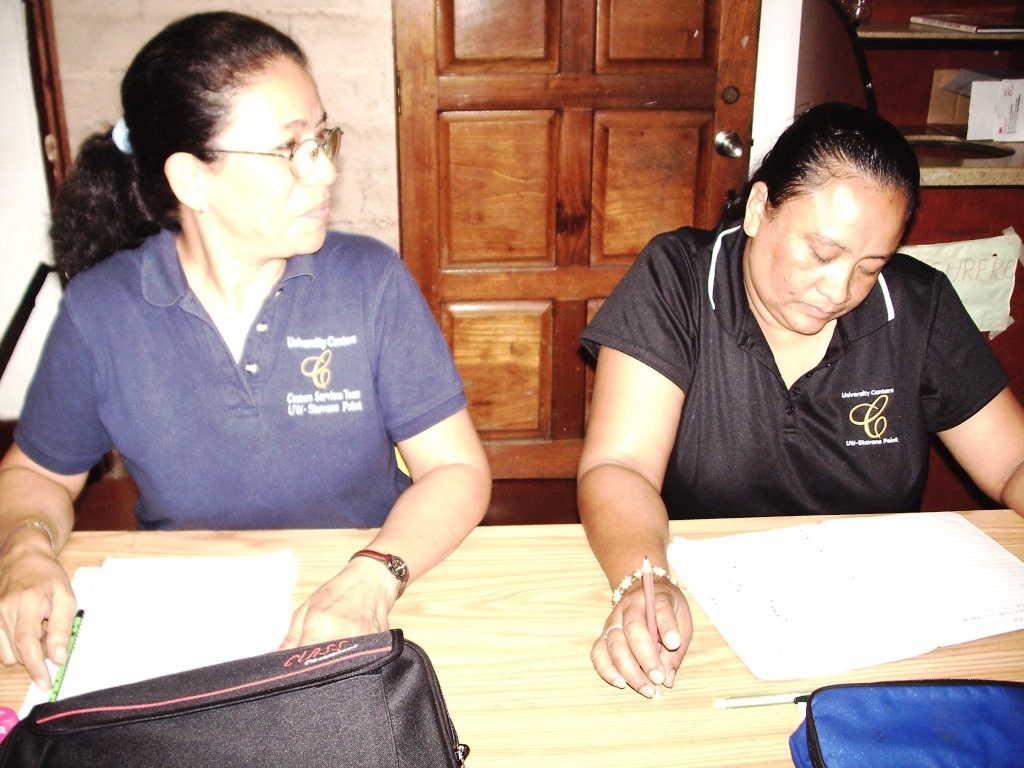
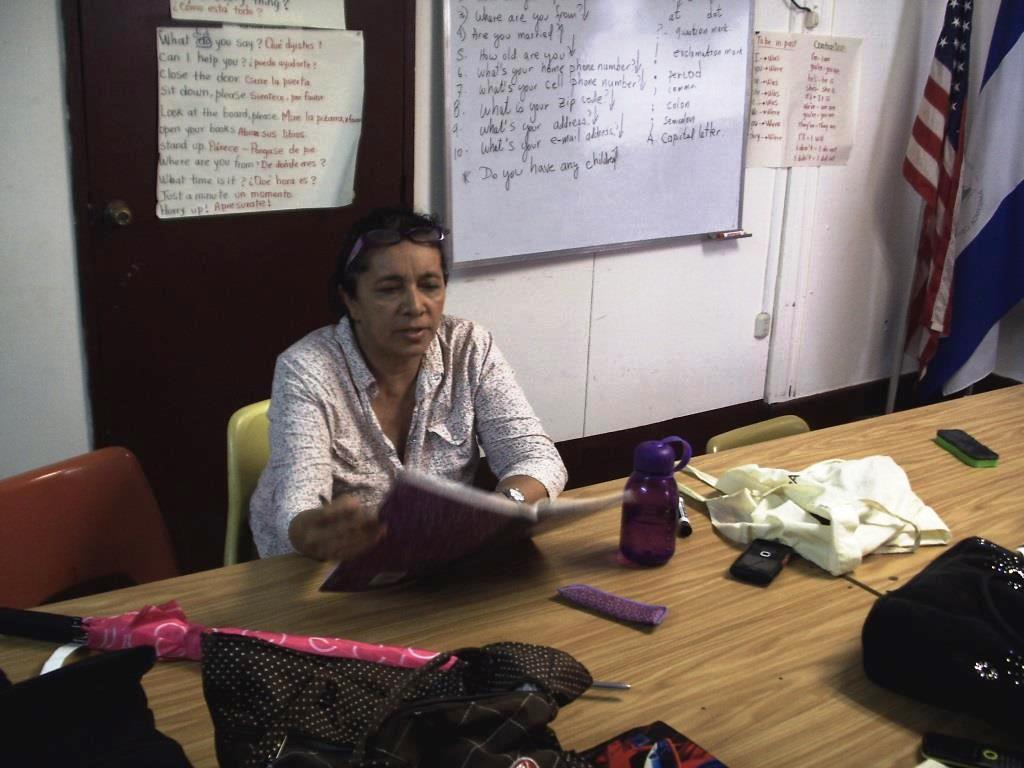
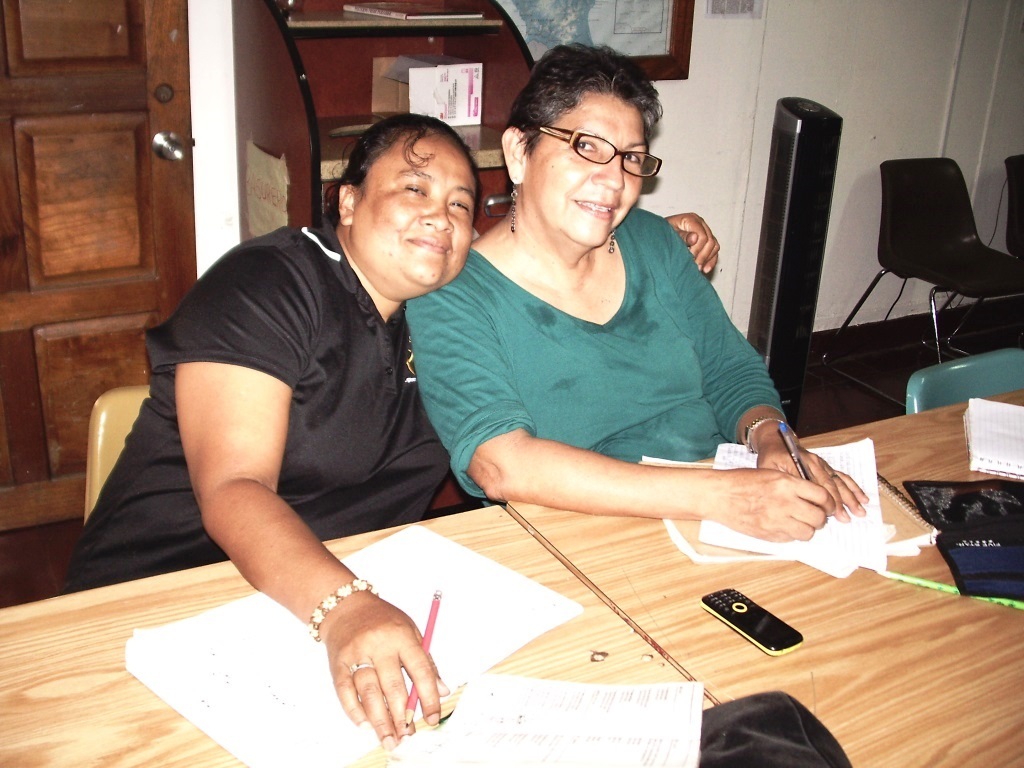
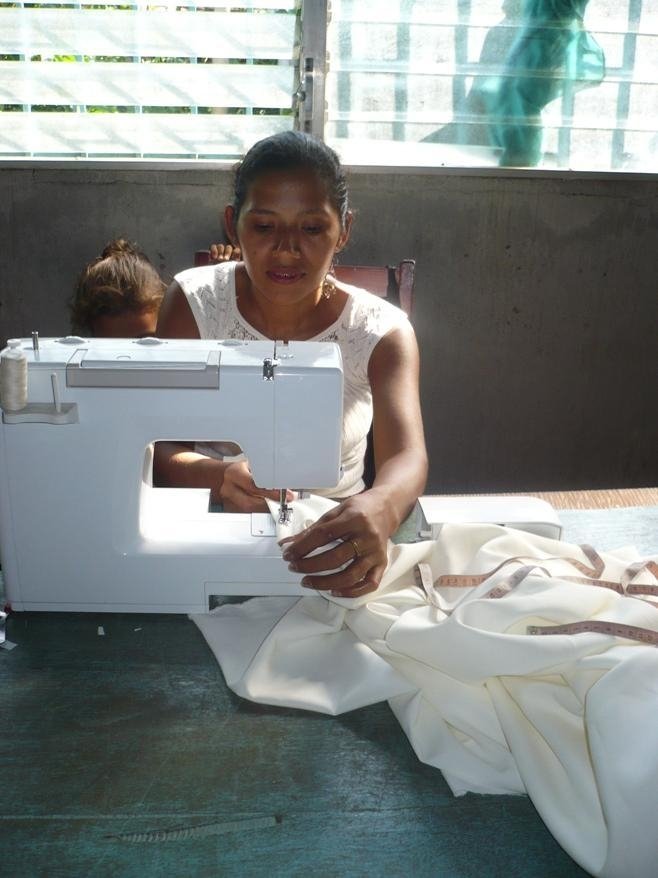
Since it´s opening in 2009, the Herlinda Lopez Learning Center has offered a variety of classes and programs for the women and families of the Managua neighborhood of Plaza España. From 2013 to 2014, this Learning Center directly served approximately 800 women, and through them, impacted hundreds of families within the community. The classes currently offered at this center include sewing, jewelry making, and a variety of handicrafts such as piñatas, decorative pillows, and flower decorations, among others. The skills learned in these classes help the women of the Herlinda Lopez Learning Center to improve their economic situation and as a result, elevate the living conditions of themselves and their families. In addition to using these skills at home to make their own clothes or to make and repair the school uniforms of their children and grandchildren, some of these women have also started their own small businesses where they can sell clothing and other handicrafts within their community. In addition to serving women, this learning center offers cultural groups for young adults and, thanks to donations from W/NP, can give out books and other school materials to needy children within the community.
The Herlinda Lopez Learning Center is particularly grateful for the sewing machines, sewing materials, and exam tables that have been donated recently by Wisconsin/Nicaragua Partners. These and all of the other donations from W/NP have allowed the Learning Center to continue to grow and offer important classes within the community. In particular, this Learning Center works for the advancement of women. The skills learned in the Learning Center classes contribute to the betterment of the women and their families, but can also give women greater freedom and financial independence. In some cases, this has allowed women to escape controlling or violent situations at home.
In the words of the Isabel Arauz, one of the Herlinda Lopez Learning Center Coordinators:
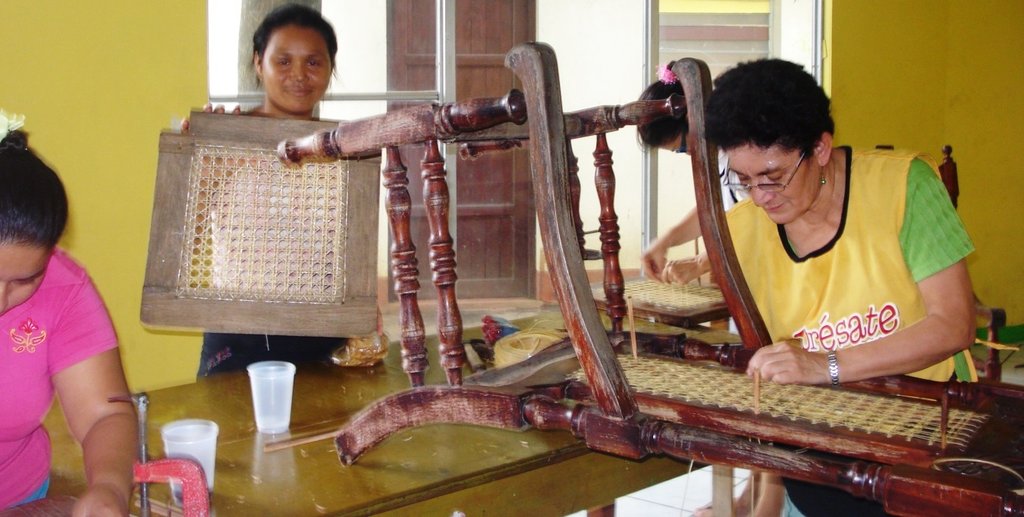
“We have gown as people and as human beings. Due to the furniture donations from W/NP, we have better working conditions which have allowed us to better serve the women, young adults, and children who come to the center. All of the donations from W/NP have allowed us not only to stimulate and bring joy, but also to break the limits put upon retired women in our community.”
During 2014, the Herlinda Lopez Learning Center hopes to touch the lives of 400 new women in Plaza España community. The center offers women opportunities to better their own lives and the life of the community by giving them the tools to develop both individual and collective community goals for growth and advancement.
Thank you for helping to make these and many other opportunities possible through the W/NP Lifting up through Learning Projects!
By Amy L. Wiza | Program Director
By Amy L. Wiza | Program Director
Project reports on GlobalGiving are posted directly to globalgiving.org by Project Leaders as they are completed, generally every 3-4 months. To protect the integrity of these documents, GlobalGiving does not alter them; therefore you may find some language or formatting issues.
If you donate to this project or have donated to this project, you can receive an email when this project posts a report. You can also subscribe for reports without donating.



Support this important cause by creating a personalized fundraising page.
Start a Fundraiser