By Jeffrey Paye | Founding Executive Director
Liberia – Japan Pen Pal Program Update
May 2026 Update
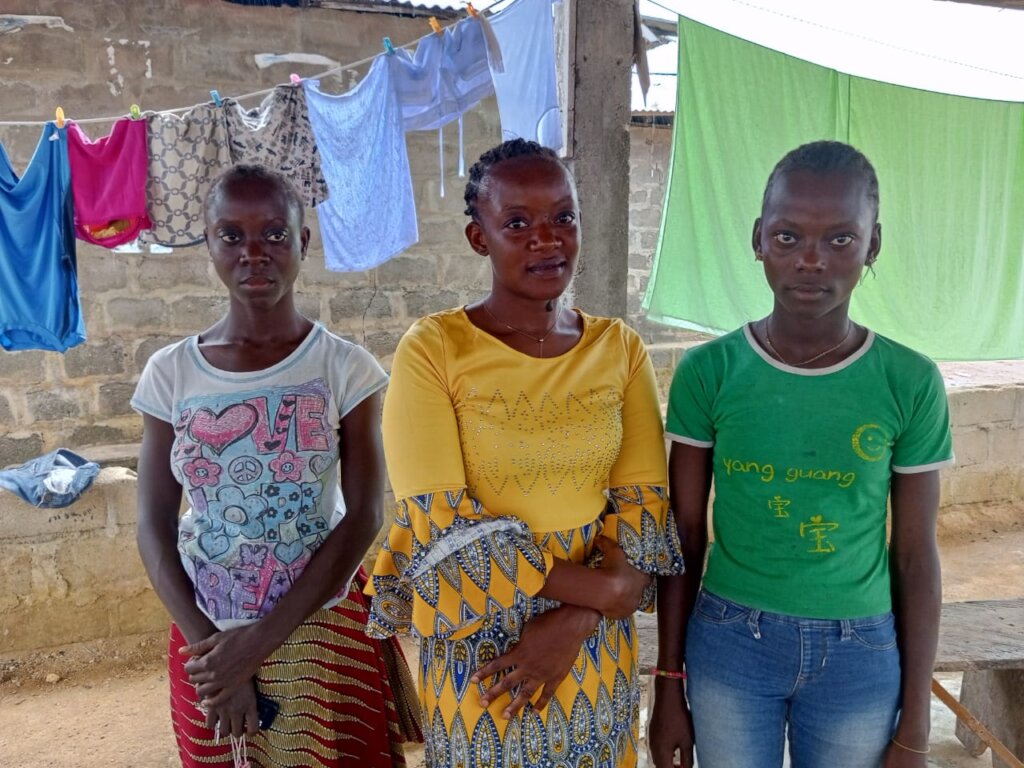
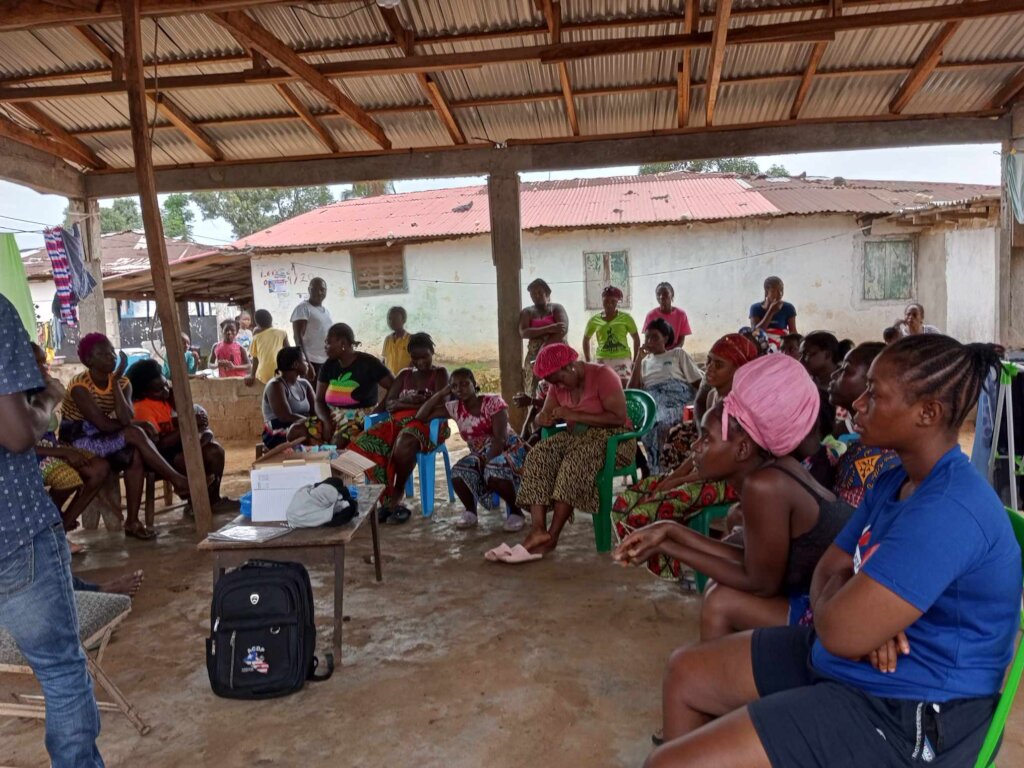
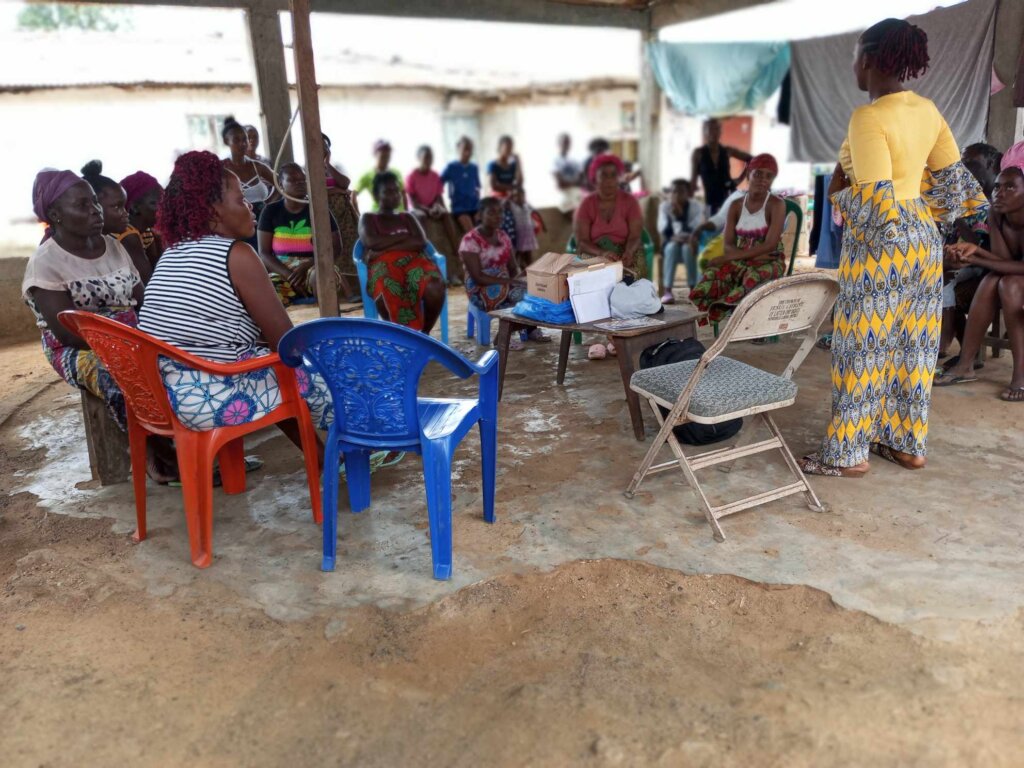
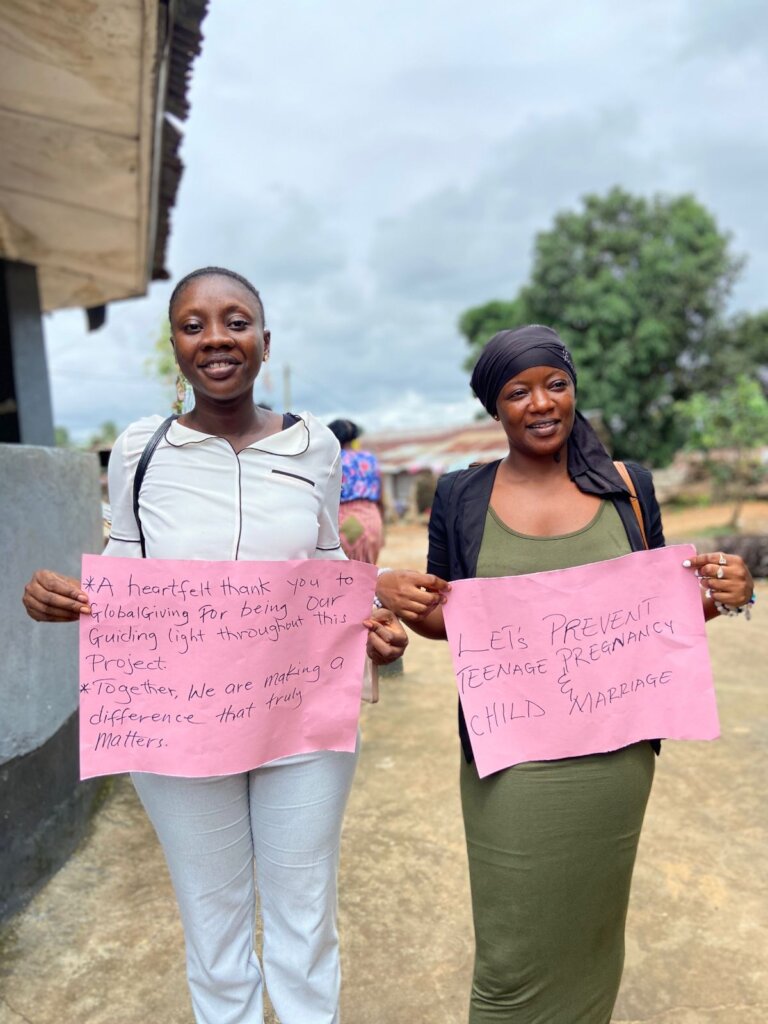
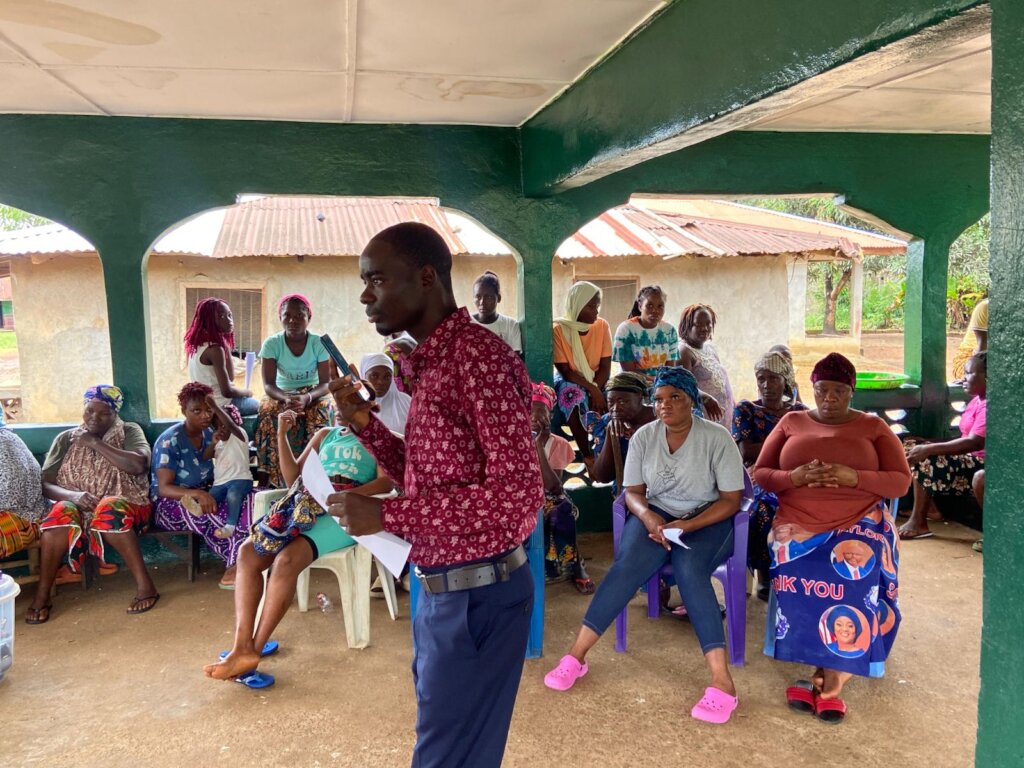
The Pen Pal Program, jointly implemented by YDCA Liberia and SAY in Japan, continues to make meaningful progress in fostering cultural exchange, friendship, and learning opportunities between young people in Liberia and Japan. At the beginning of the program, introductory meetings were held with parents and guardians to provide an overview of the program’s purpose, objectives, and expected outcomes. These meetings helped strengthen trust, encourage family support, and ensure that participants and their parents understood the importance of intercultural learning and communication.
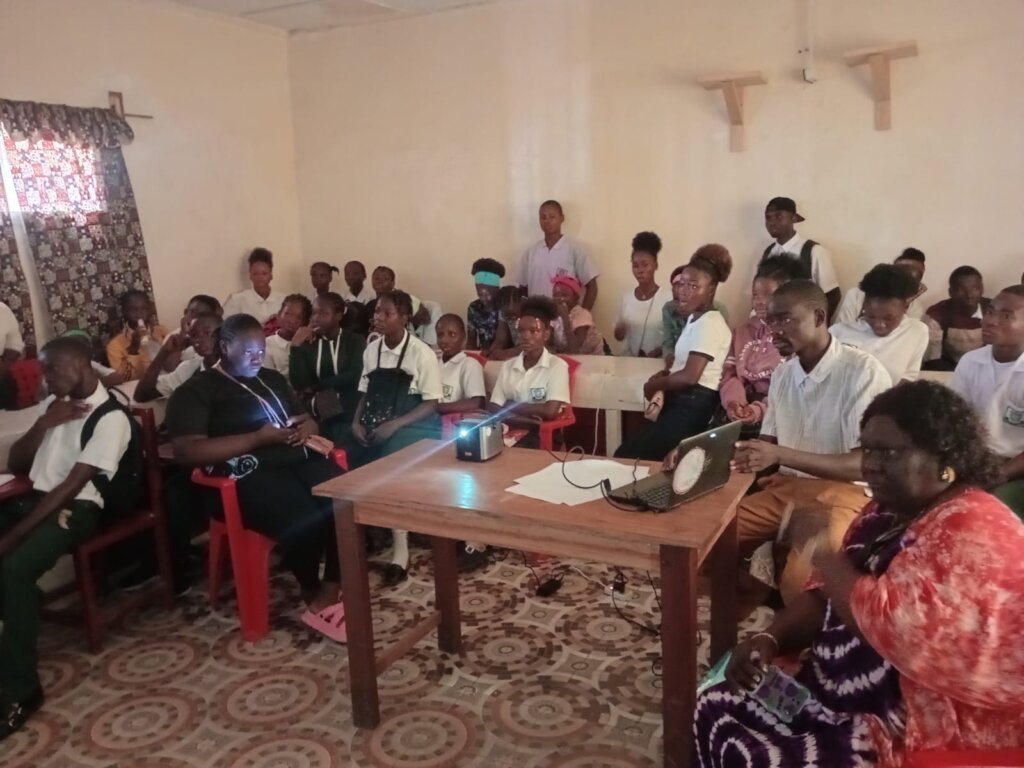
After the parent enagement sessions, YDCA officially launched its program at Annie Banks Wiiliams High School, a prominent public school located in Centrral Brewerville, Montserrado County, Liberia. This Launch was a significant milstone, as it gathered students, educators, and community stakeholders to unveil a vision focused on fostering global friendships and promoting cultural understanding through meaningful interactions between young people from both counties.
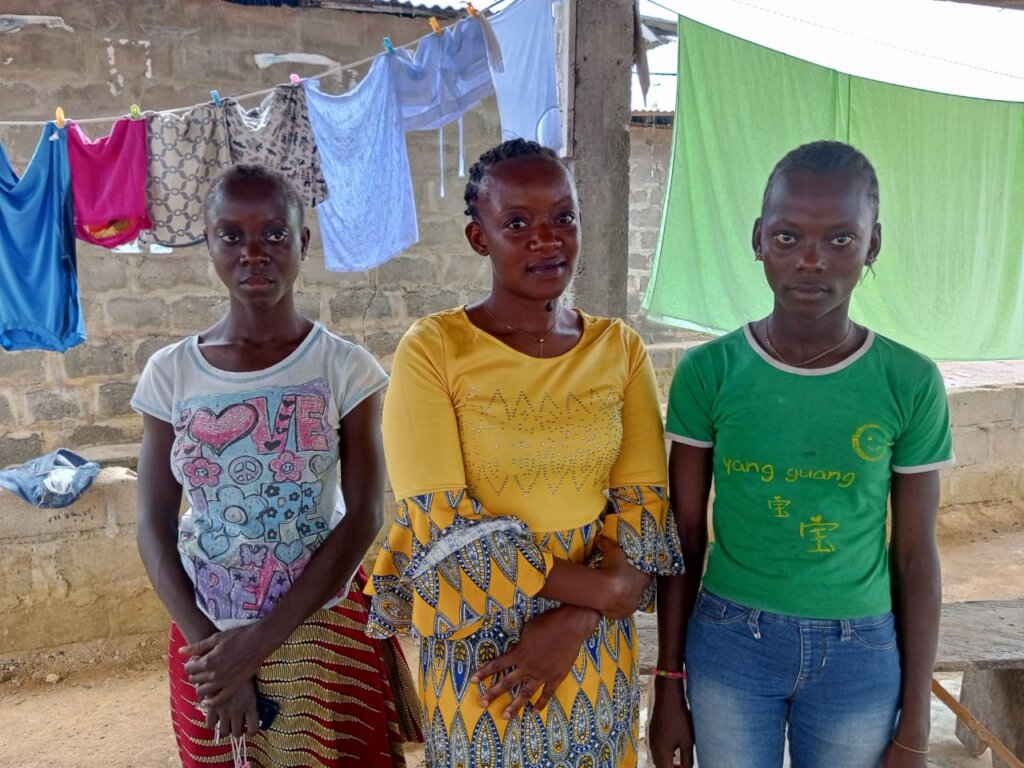
Since the program launched, one-on-one sessions have successfully taken place between participants from both countries. These sessions allow students to introduce themselves, share their interest and aspirarions, and discuss their daily experiences, while also learning about each other's cultures and traditions. A key feature of the program is its blended participation format, Liberian participants meet in person during sessions, while Japanese participants join virtually through online platforms. This approach creates an engaging and interactive environment that bridges the distance and facilitates meaningful communication betwen participants from both countries.
For more info, please follow this link – https://www.linkedin.com/posts/youth-dream-for-constructive-achievement-ydca-inc_penpalprogram-culturalexchange-youthconnection-activity-7466519252934545408-YTp7?utm_source=share&utm_medium=member_desktop&rcm=ACoAACXNerMBBFlomRnCnnb0N_ChpF5yBtbpxco
Along with the one-on-one exchange, group sessions have also been held, fostering a collaborative and engaging environment for participants. These group interactions have created opportunities for cultural sharing, discussion, and enjoyable activities that strengthen relationships and enhance the sense of community among participants.
The program is facilitated by Jeffrey Paye, (Liberia Facilitator), and Shia Han (Japan Facilitator), who continue to coordinate sessions and support meaningful engagement among participants from both countries.
As we look to the future, the next phase of the program will emphasize email exchange between participants. This activity aims to enhance communication, improve writing skills, and prove a consistent plaform for cultural dialogue and friendship-building between students in Liberia and Japan.
Overall, the Pen Pal Program is progressing in fostering intercultural understanding, global friendship, and youth engagement while creating meaningful learning experiences for all participants.
By Jeffrey Paye | Founding Executive Director
By Jeffrey Paye | Founding Executive Director
Project reports on GlobalGiving are posted directly to globalgiving.org by Project Leaders as they are completed, generally every 3-4 months. To protect the integrity of these documents, GlobalGiving does not alter them; therefore you may find some language or formatting issues.
If you donate to this project or have donated to this project, you can receive an email when this project posts a report. You can also subscribe for reports without donating.



Support this important cause by creating a personalized fundraising page.
Start a Fundraiser