Dear Donors and Well-Wishers,
Greetings from Blind People's Association (BPA)!
We are delighted to share another progress update from the Garima Project, an initiative that is transforming lives by promoting menstrual hygiene among adolescent schoolgirls while creating sustainable livelihood opportunities for women with disabilities in rural Gujarat.
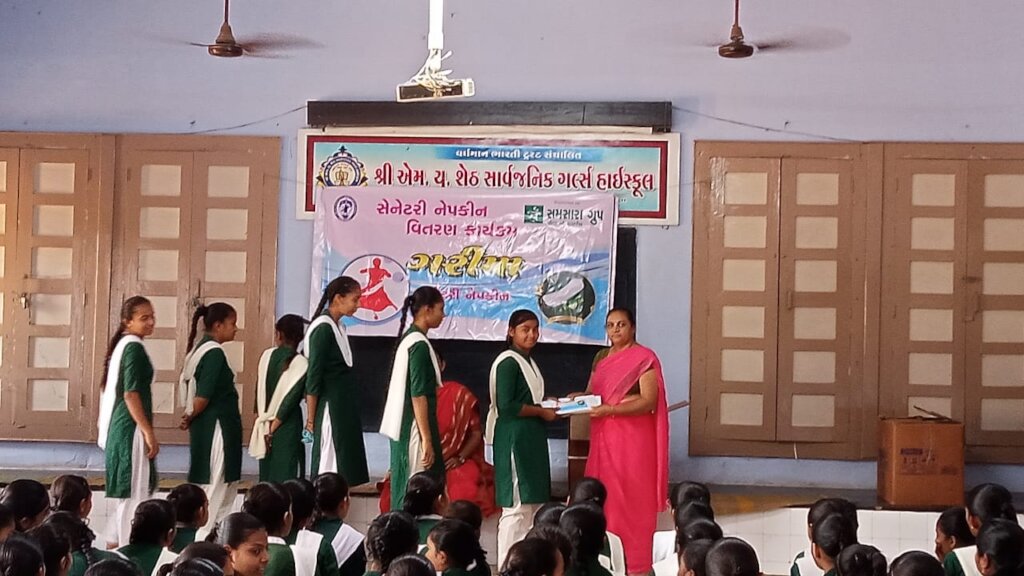
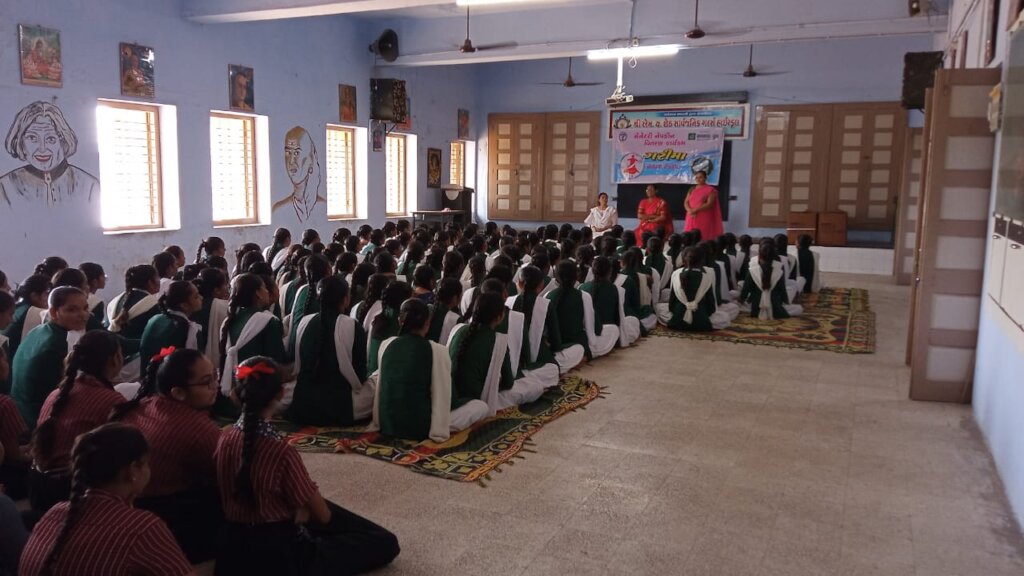
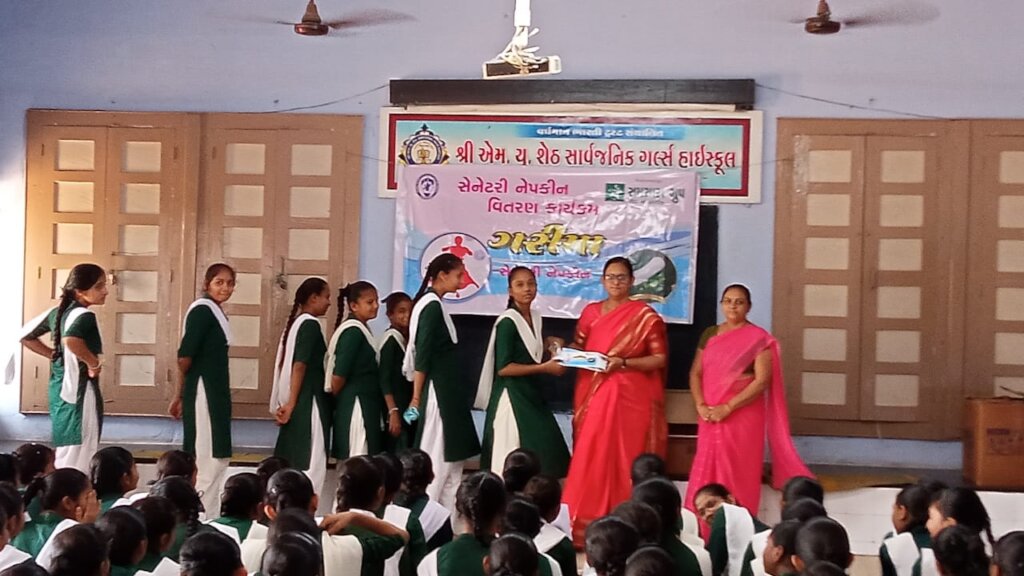
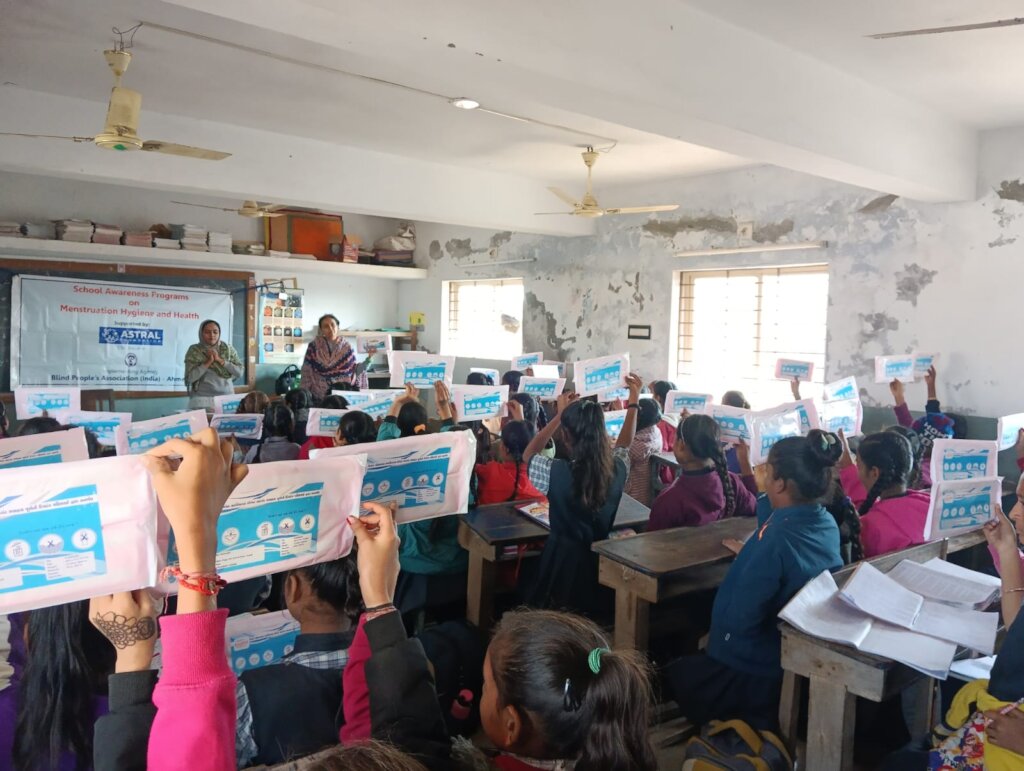
During this reporting period, we successfully expanded the project to 23 new government schools across the remote villages of the Saurashtra region. These schools are located in some of the most underserved communities where access to sanitary napkins remains extremely limited. For many girls, menstruation is not just a health issue—it is a barrier to education, dignity, and confidence.
Many girls continue to rely on old pieces of cloth during their menstrual cycle because sanitary napkins are either unavailable in their villages or unaffordable for their families. As a result, they often miss several days of school every month, affecting their education, self-esteem, and future opportunities.
One such story is that of Ms. Reshma, a bright and determined student studying in Class VIII. Reshma lives in a small village in the Saurashtra region with her parents and two younger siblings. Her father works as a daily wage labourer. His earnings are uncertain, and there are many days when he returns home without any work. Whatever little income the family earns is spent on food and other basic necessities, leaving nothing for menstrual hygiene products.
When Reshma attained puberty, she had no option but to use old pieces of cloth during her menstrual cycle. She constantly worried about stains, discomfort, and infections. Every month, she would quietly stay home for four to five days, missing important lessons, class activities, and examinations.
The emotional burden was even greater than the physical discomfort. She felt embarrassed discussing menstruation with anyone. On the few occasions when she attended school during her periods, she lived in constant fear that someone would notice a stain on her uniform. Some classmates teased and bullied her, making her feel ashamed of something that is a natural part of every girl's life.
"I used to pray that my periods would not come during school days," Reshma shared softly. "I wanted to study, but I was scared and embarrassed. Missing school became normal for me."
Everything changed when the Garima Project reached her school.
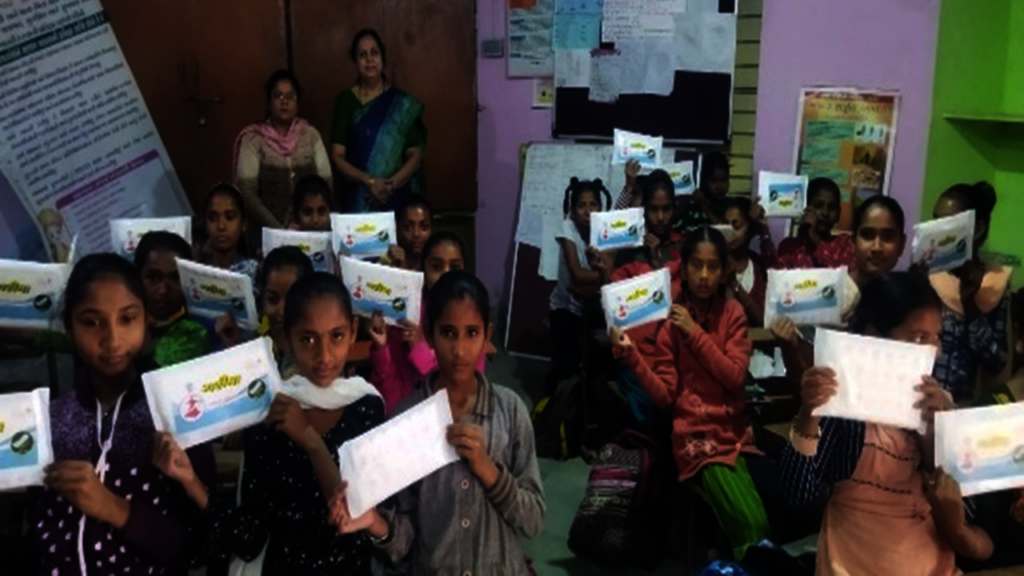
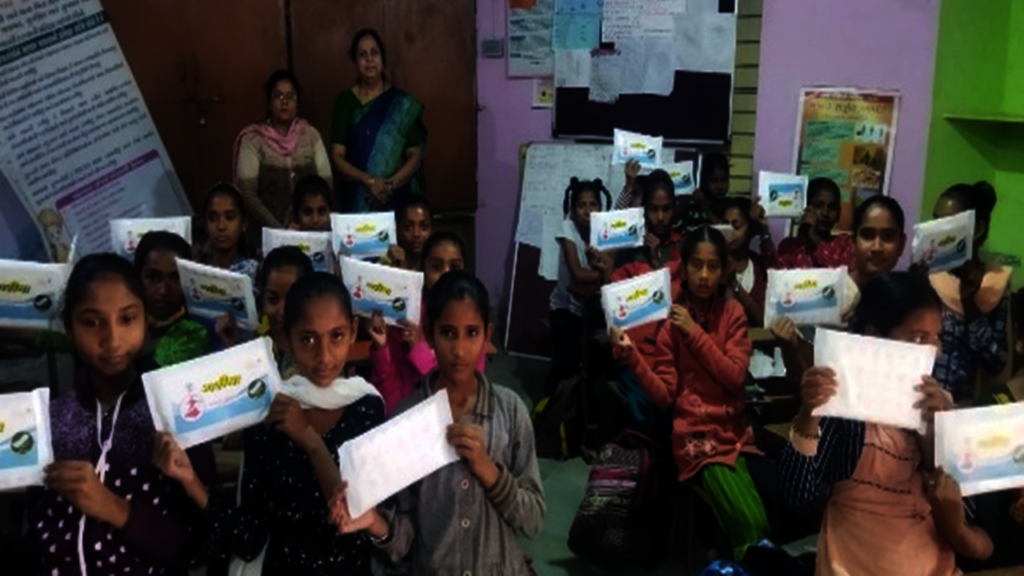
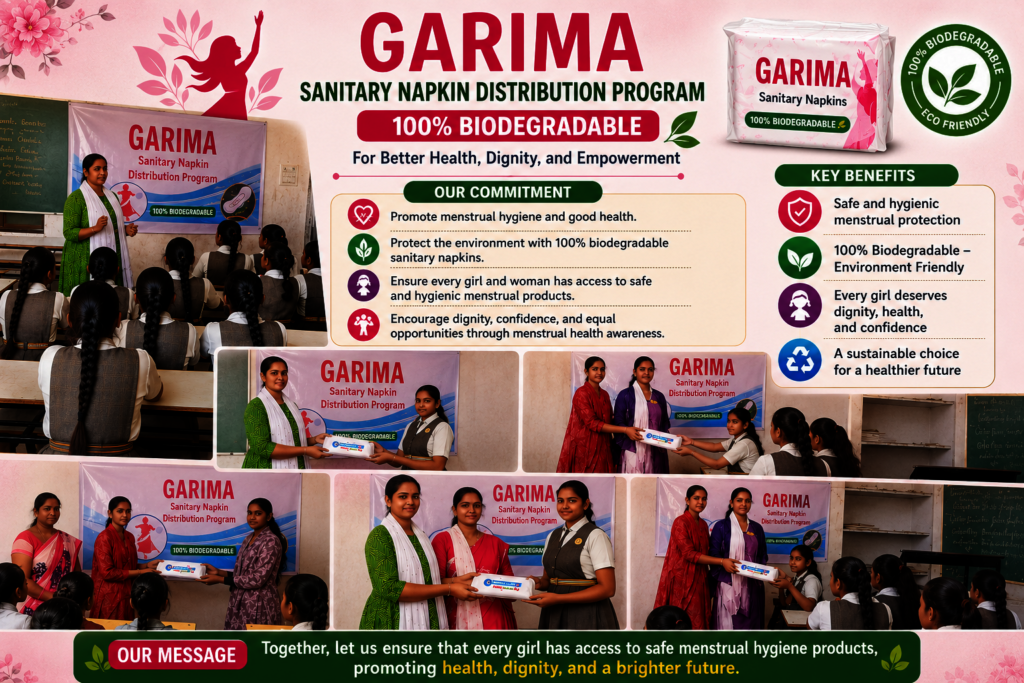
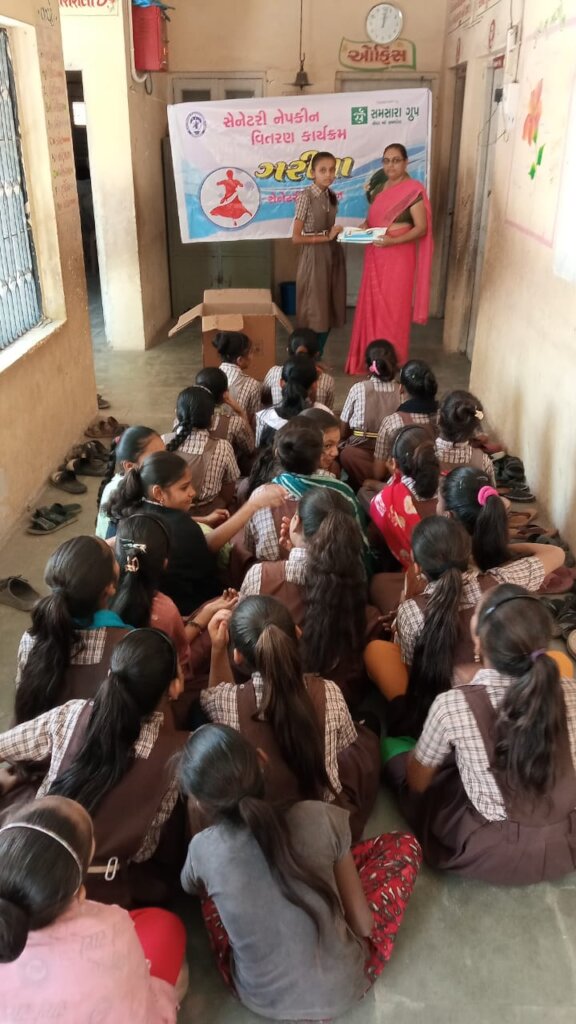
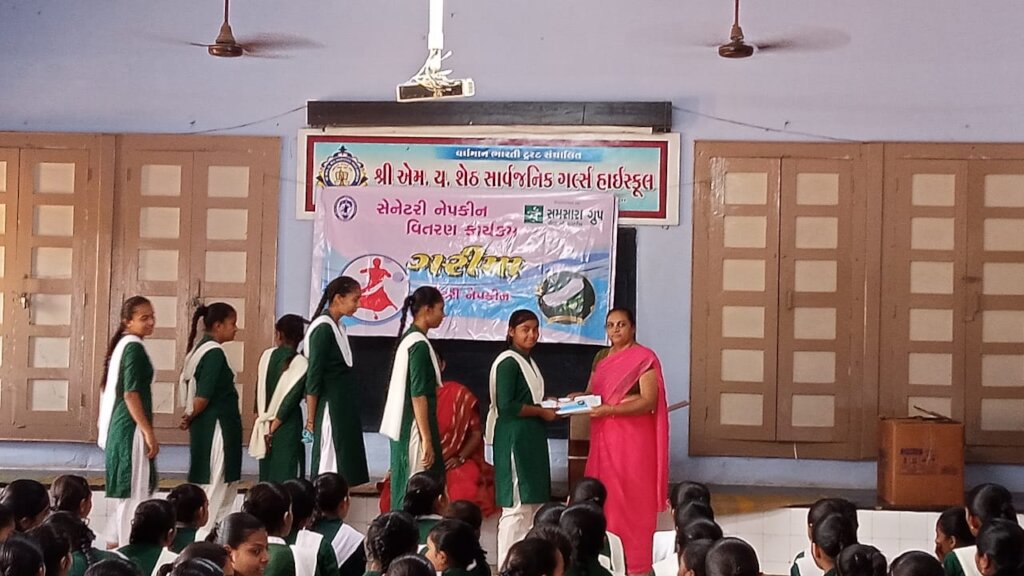
Through the menstrual hygiene awareness session, Reshma learned about menstrual health, hygiene, and self-care. More importantly, she received a pack of 100% biodegradable Garima sanitary napkins, giving her a safe and reliable solution for managing her periods.
Today, Reshma attends school confidently throughout the month. She actively participates in classroom activities without fear or hesitation. Her attendance has improved, and so has her confidence.
With a smile, she says,
"Now I don't have to choose between my education and my periods. I feel confident, safe, and proud to go to school every day."
For Reshma, a packet of sanitary napkins was much more than a hygiene product—it was a gift of dignity, confidence, and the opportunity to continue her education without interruption.
Every contribution to the Garima Project helps thousands of girls like Reshma stay in school, protect their health, and dream of a brighter future. At the same time, the project creates meaningful livelihood opportunities for women with disabilities who manufacture these eco-friendly sanitary napkins, making Garima a model of dignity, inclusion, and sustainable development.
Thank you for standing with us and making stories like Reshma's possible. Together, we are ensuring that no girl has to sacrifice her education because of menstruation.