By Rudra Neupane/Samikshya Nepal | Program Manager/Communications Officer
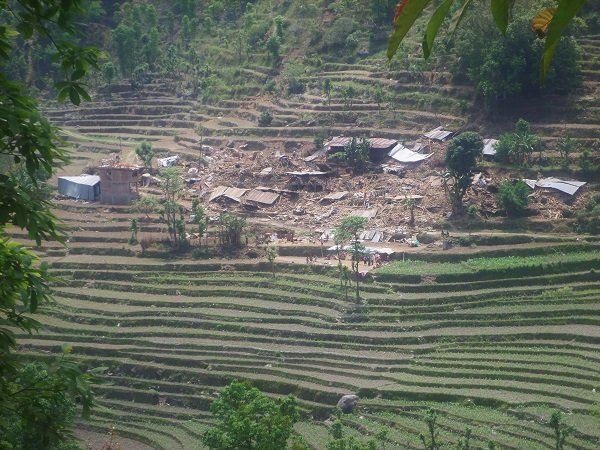
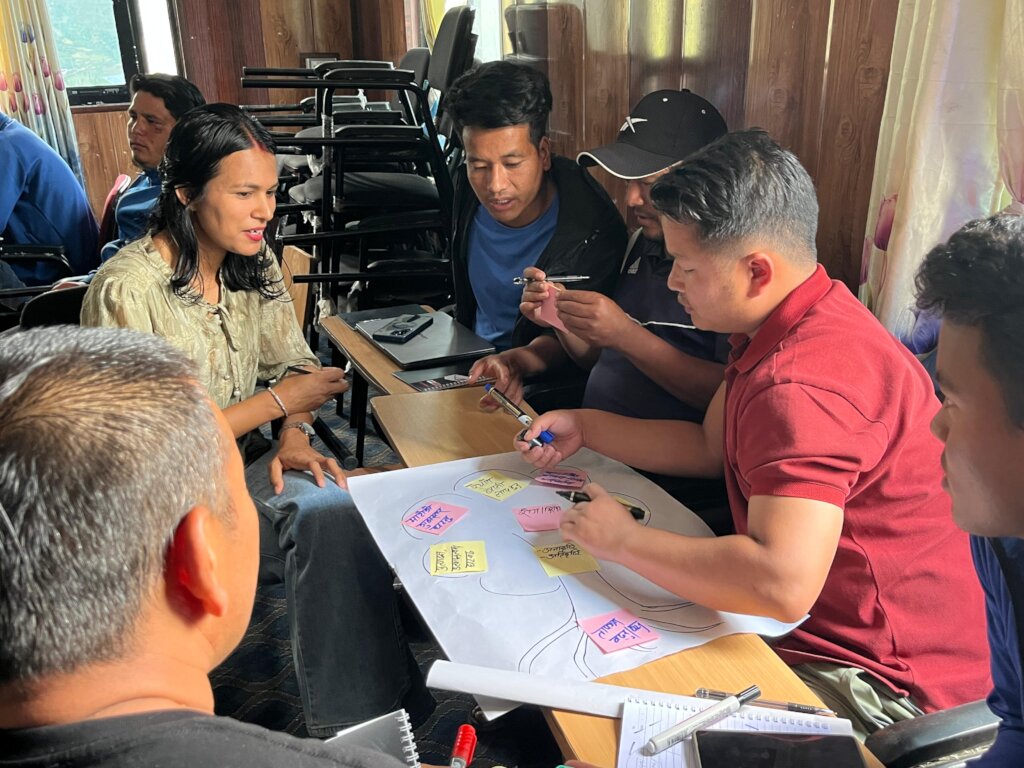
In the steep mountains of Barekot Rural Municipality of Jajarkot district, climate change is a harsh reality. Erratic weather brings intense droughts that dry up natural springs, alongside heavy rains that trigger dangerous landslides and floods. For these isolated communities in Jajarkot, these climate-driven disasters destroy roads, cut off supplies, and spread diseases. Knowing they could no longer just react to emergencies or remain passive bystanders to global warming, local leaders, health workers, teachers, and volunteers gathered for a four-day workshop in June of 2026. Facilitated by PHASE Nepal, this meeting marked a shift from simply responding to climate disasters to actively planning for them.
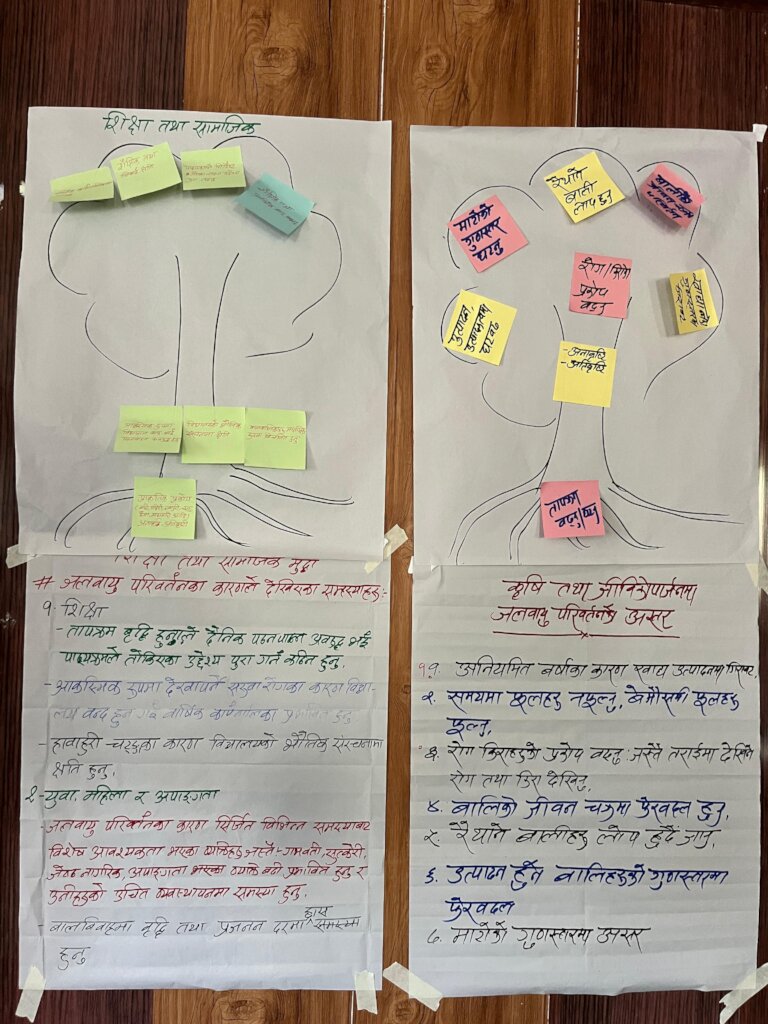
To protect their homes and properties from climate induced disasters, the community started mapping disaster risk areas in their villages. Instead of relying on generic data, residents used their own local experience to pinpoint risk prpone areas, e.g. Sarkigaun and Bayala identified as landslide risk prone areas and Rawal Jiri as the area hit by lightening. They also looked at how disasters impact people differently, noting that children, pregnant women, elderly and other vulnerable groups suffer the most. When landslides occurs, it may block roads, emergency medical care becomes unreachable on top of human casualties and damage of properties. Similarly, when floods contaminate drinking water, it leads to water-borne diseases, while ruined crops cause malnutrition. These events have been more commong due to change in rainfall pattern.
The workshop also exposed serious gaps in how the local healthcare system handles climate threat. Participants revealed that eight out of the nine wards in the municipality need revisit their emergency plans, healthcare workers need further training on mass casualty management, emergency stock of supplies in cluding medicine need recinsideration. To fix all these, the community designed a clear action plan. Their structural goals include building climate-resilient roads, using bioengineering to stabilize slopes, and protecting water resources. On the non-structural side, they plan to set up early warning systems, stock up emergency medicines and provide training to health workers and local disaster management committees.
“Climate change is real, and we are already seeing its impacts in our community... Although developed countries contribute the most to climate change, we also have a responsibility to take action at our own level and do our part to protect our environment.” Barekot Rural Municipality Chairperson
The workshop concluded with the creation of a preliminary Local Climate Change and Health Adaptation Plan. This document serves as a practical blueprint to adapt to changing weather patterns, mitigate disasters, and build deep community resilience, ultimately ensuring a safer future for Barekot.
This vital activity was only possible because of the generous supports we received. We are deeply grateful to S-foundation, AISA Nepal and everyone for their kind support in making various disaster response and risk reduction efforts possible including building climate-resilient community in remote Nepal.
Project reports on GlobalGiving are posted directly to globalgiving.org by Project Leaders as they are completed, generally every 3-4 months. To protect the integrity of these documents, GlobalGiving does not alter them; therefore you may find some language or formatting issues.
If you donate to this project or have donated to this project, you can receive an email when this project posts a report. You can also subscribe for reports without donating.



Support this important cause by creating a personalized fundraising page.
Start a Fundraiser