By Samikshya Nepal/Rudra Neupane | Communication officer/Program manager
Building Resilience through Local DRR Policy in Barekot, Jajarkot
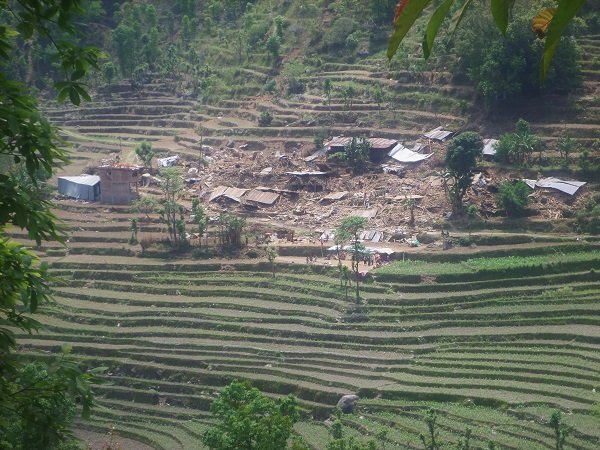
Barekot Rural Municipality, located in Jajarkot District of Karnali Province, is a remote, mountainous area highly vulnerable to climate-induced disasters, including droughts, floods and landslides. Its steep terrain, scattered settlements and changing rainfall patterns expose communities to risks such as damage to homes, roads, agricultural land and water sources, disruptions to essential services and increased health risks. These impacts disproportionately affect vulnerable groups, including children, pregnant women, older people and persons with disabilities.
In a municipality where disasters are a recurring reality, responding only after an emergency is not enough. Communities need to be actively involved in understanding the risks they face, preparing for emergencies and identifying practical ways to protect their lives and livelihoods. Recognizing this need, PHASE Nepal worked with local leaders, health workers, teachers and community representatives in June 2026 to develop a community-informed Disaster Risk Reduction (DRR) Policy and Local Climate Change and Health Adaptation Plan. These consultations provided an opportunity for residents to identify disaster-prone areas, discuss the challenges faced by vulnerable groups and highlight gaps in local preparedness and response. As shared in our previous story on the development of the Local Climate Change and Health Adaptation Plan, this process marked an important step towards building climate-resilient communities through locally identified priorities and solutions.
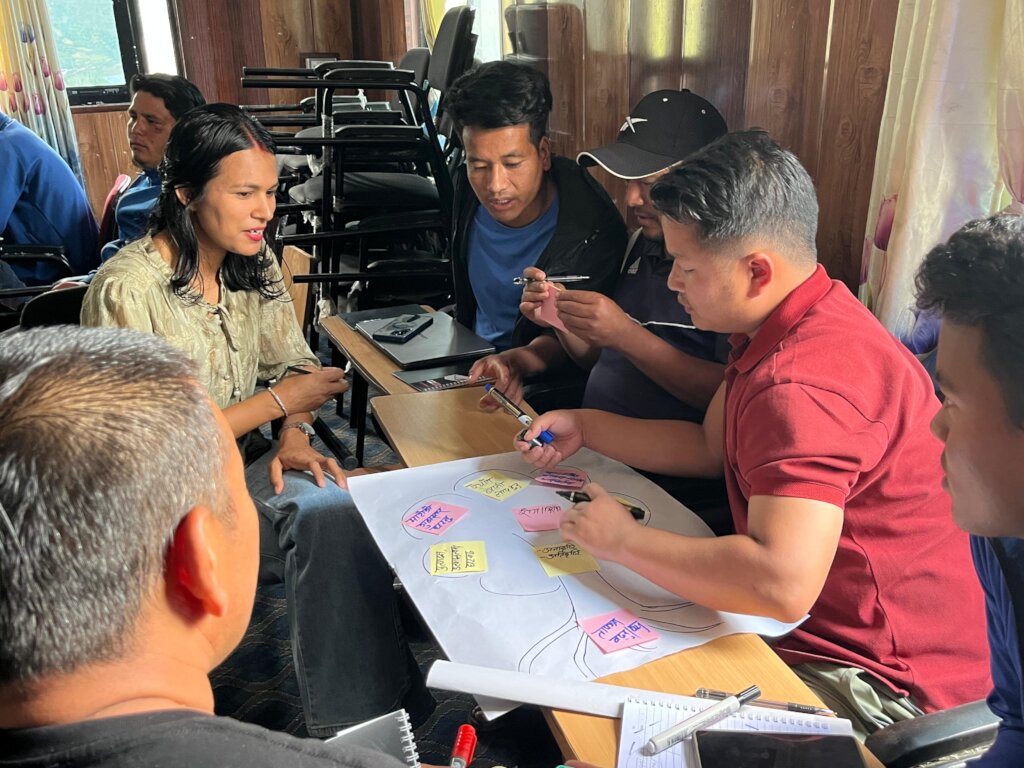
However, developing a policy is only the beginning. For it to make a difference, the people and institutions responsible for putting it into practice must understand its priorities and take ownership of the proposed actions. Building on the work undertaken in June, PHASE Nepal organized a three-day dissemination and orientation program in Limsa, Ward 2, Barekot, from 11–13 October 2026, with a primary focus on sharing the draft DRR Policy and translating its priorities into practical community-level action. The program brought together 191 participants from all nine wards, including representatives from the rural municipality and ward offices, health facilities, schools, community organizations, Female Community Health Volunteers (FCHVs), local leaders and community members.
During the program, participants were oriented on the key provisions of the draft DRR Policy, discussed its priorities and shared feedback and recommendations for further improvement. Particular attention was given to understanding the roles and responsibilities of local institutions and how disaster risk reduction could be incorporated into municipal plans and budgets.
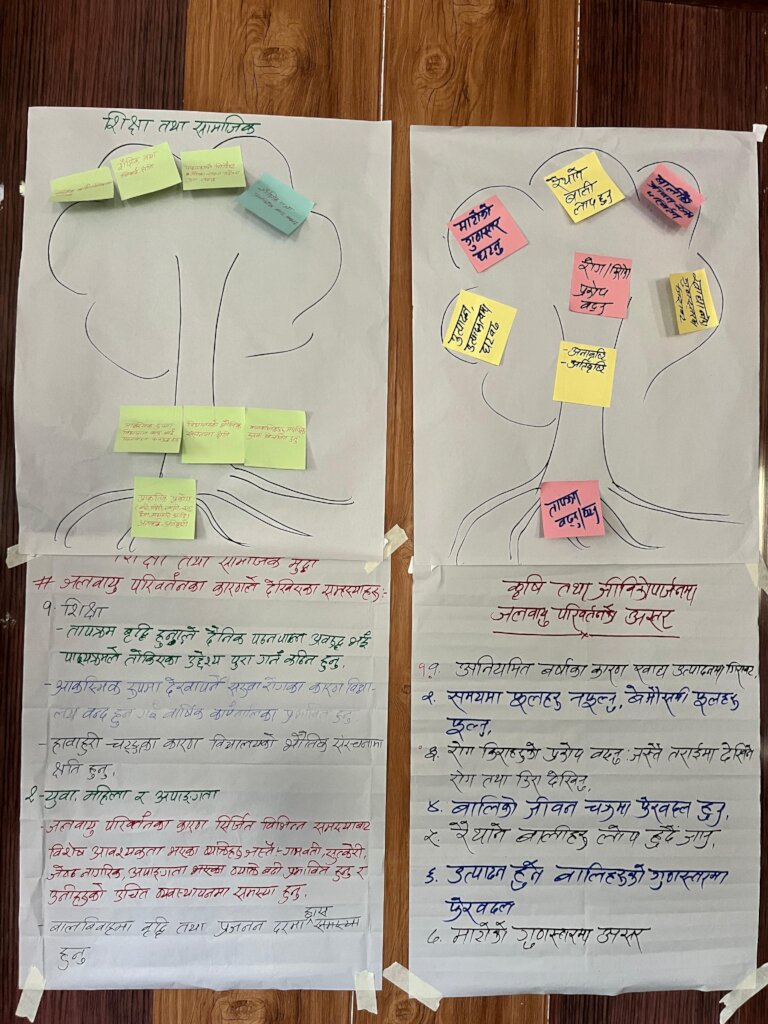
The 3-day program resulted in an action plan for next 12 months. The action plans included community-level initiatives such as disaster risk mapping, awareness programs and training, alongside larger interventions such as improving drinking water systems, strengthening communication infrastructure and developing resilient public infrastructure. While many activities could be undertaken through existing municipal, ward and community structures, participants also recognized the need for support from provincial and federal governments for interventions requiring greater resources.
At the end of the orientation, participants emphasized that disaster risk reduction cannot be the responsibility of local government or development organizations alone; it requires collective commitment and action. One of the participants shared:
“This event has given us an opportunity to raise our own problems and concerns. The disaster risk reduction policy is also very useful for us. But now, the important thing is to put these plans into action. As a teacher, I am ready to do my part, and I believe everyone in this municipality should also take responsibility and work together. Thank you so much for organizing this program.”
The program concluded with stakeholder feedback on the draft DRR Policy and the preparation of thematic 12-month action plans, providing a practical foundation for its future implementation. While the draft policy and actions await formal endorsement and integration into municipal plans and budgets, the process marked an important step towards collective ownership
For PHASE Nepal, disaster risk reduction is about preparing communities before disasters happen, rather than only responding afterwards. Through awareness, preparedness and local action, we aim to help communities become safer and more resilient to future disasters.
We sincerely thank S-Foundation, AISA Nepal and everyone whose generous support makes these efforts possible and helps us build disaster-resilient communities in remote Nepal.
By Rudra Neupane/Samikshya Nepal | Program Manager/Communications Officer
By Samikshya Nepal/Rudra Neupane | Communication officer/Program manager
Project reports on GlobalGiving are posted directly to globalgiving.org by Project Leaders as they are completed, generally every 3-4 months. To protect the integrity of these documents, GlobalGiving does not alter them; therefore you may find some language or formatting issues.
If you donate to this project or have donated to this project, you can receive an email when this project posts a report. You can also subscribe for reports without donating.


Support this important cause by creating a personalized fundraising page.
Start a Fundraiser