By Omer Samil Sonmez | Monitoring & Evaluation Officer
Project Progress Report
Afghanistan Nutrition Health Center
Reporting Period 01/01/2026 to 01/03/2026
Project Overview
Document Title:
Project Progress Report
Project Title:
Afghanistan Nutrition Health Center
Project Owner:
Doctors Worldwide Türkiye / Yeryüzü Doktorlar Dernegi
Sensitivity:
Public
Project Summary
Afghanistan has always been strategically positioned along trade routes, making it a key point of transit, and migration has therefore been an integral part of the country's historical identity. Alongside its geographical location, political uncertainties and internal conflicts have also contributed to migration patterns. The internal turmoil that began with the Soviet invasion in 1979 has led to significant impoverishment and security issues within the country. Afghanistan's transition into a country that generates migrants, especially due to the internal turmoil in 2021, has left the region facing an increasingly growing risk of systematic collapse and humanitarian disaster. Acute malnutrition is rapidly increasing nationwide, with 95% of families experiencing inadequate food consumption and food insecurity. According to the United Nations Office for the Coordination of Humanitarian Affairs (OCHA) and the United Nations Development Program (UNDP), more than 24.4 million people in Afghanistan need humanitarian assistance to survive.
Presently, the nutrition situation in Afghanistan continues to be alarming. According to the latest nutrition surveys conducted across 34 provinces of Afghanistan, 33 out of 34 provinces are currently at or above the global acute malnutrition threshold, indicating a nutrition emergency compounded by multiple aggravating factors. Each year, an estimated 3.1 million children under the age of five, along with 719,960 pregnant and lactating women, are affected by acute malnutrition. So far, approximately 1 million acutely malnourished children under the age of five have been unable to access treatment services, due to the destructive effects of conflicts, socio-economic conditions, poverty, drought, and limited access to essential services.
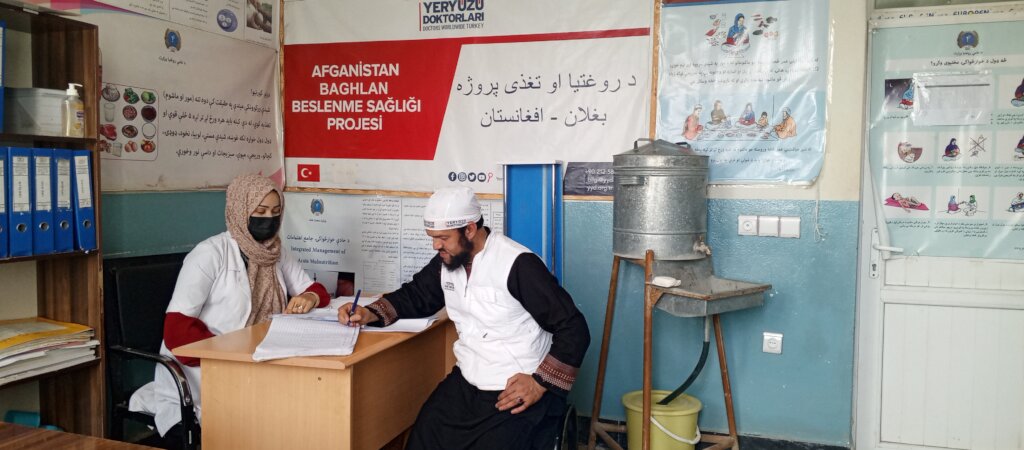
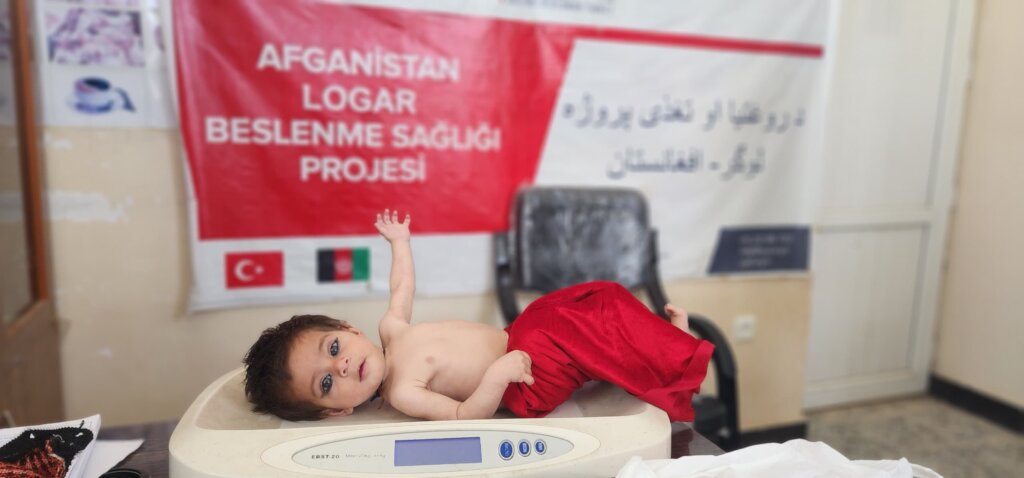
Yeryüzü Doktorlar provides nutrition and health services to malnourished individuals in rural areas of Afghanistan through 9 health centers and 7 mobile health teams. In the Afghanistan Nutrition Health Centers, a team of 23 individuals works tirelessly to address the nutritional needs of the population, consisting of 1 project coordinator, 1 monitoring and evaluation officer, 1 nutrition technical officer, 1 HR/procurement officer, 1 finance officer, 1 media officer, 1 cleaner, and 15 nurses.
Achievements and Impact
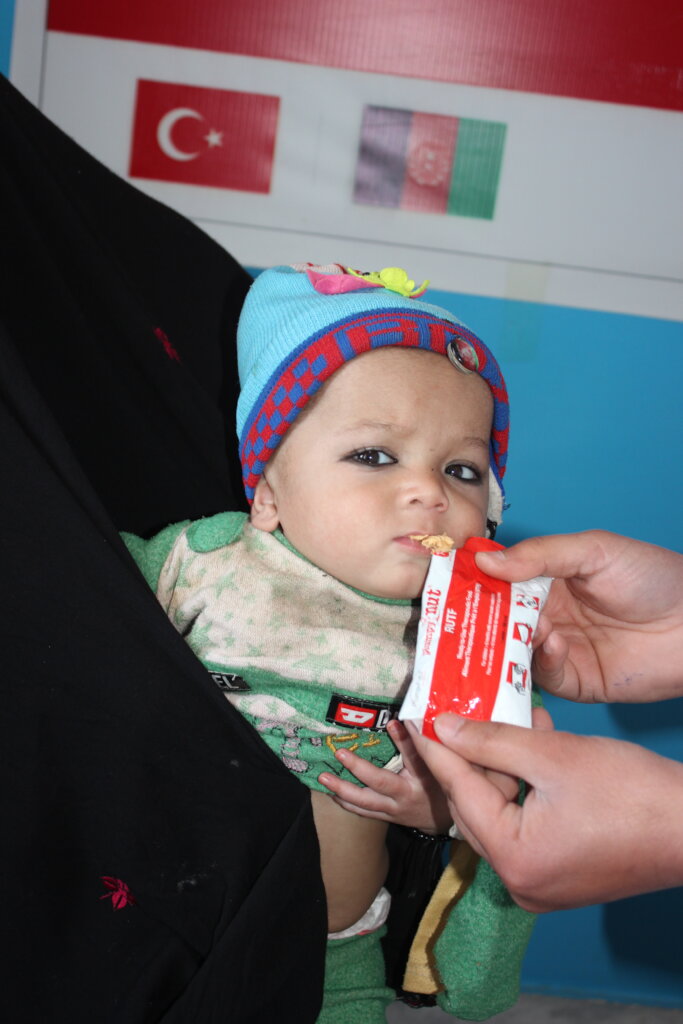
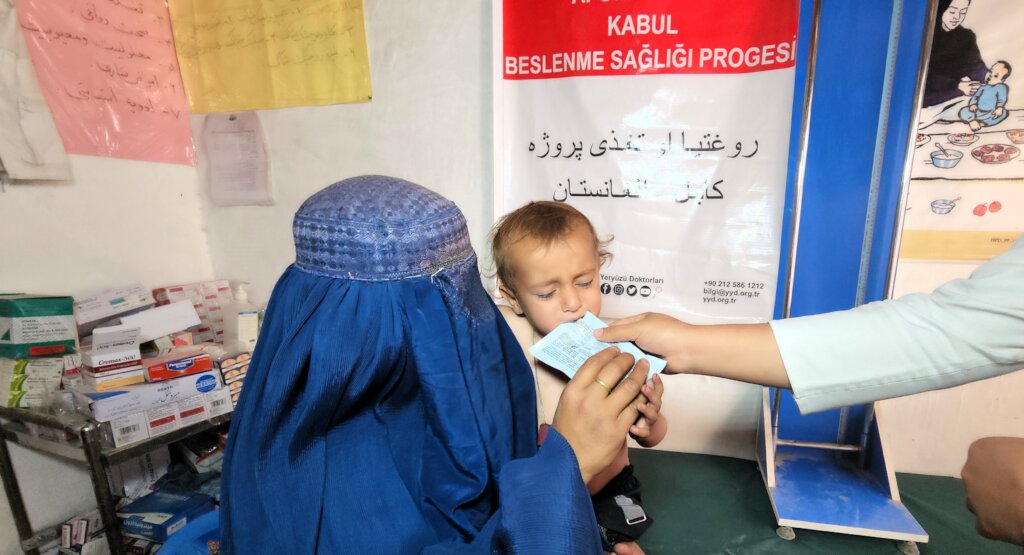
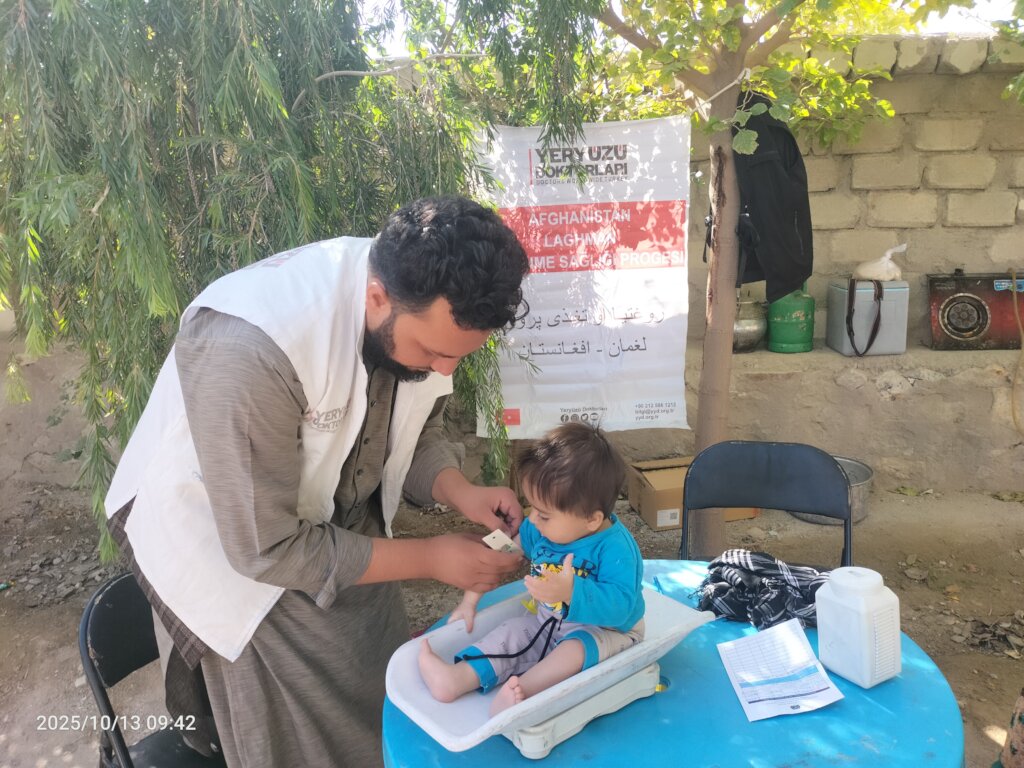
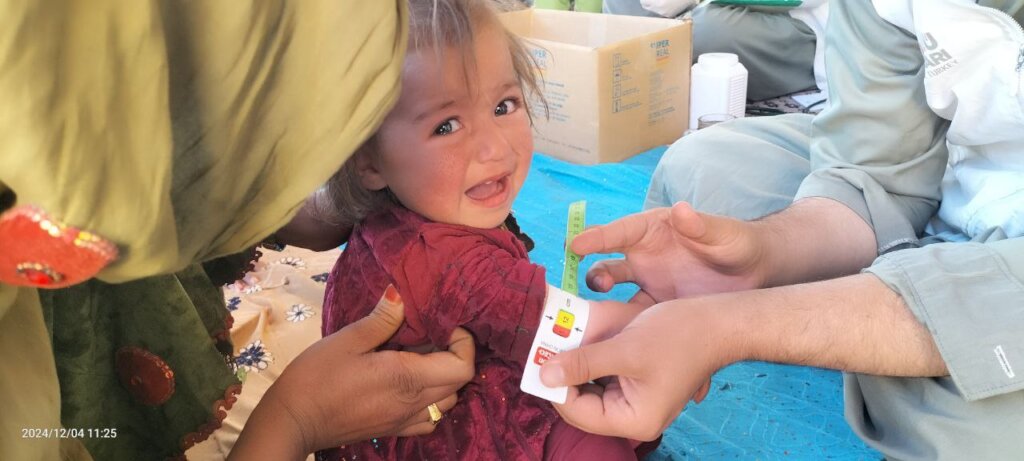
During the January to February period, nutrition screening and nutrition treatment services were delivered to mothers and children through the Afghanistan Nutrition Health Centers.
In January, a total of 8,256 nutrition screening sessions were conducted, including 3,462 screenings for mothers and 4,794 screenings for children. Within the scope of nutrition treatment services, 336 children received treatment, while no mother treatment sessions were recorded during this month.
In February, a total of 7,205 nutrition screening sessions were recorded, including 2,917 screenings for mothers and 4,288 screenings for children. Under nutrition treatment services, 392 children received treatment, and 545 individuals received medicines and medical supplies.
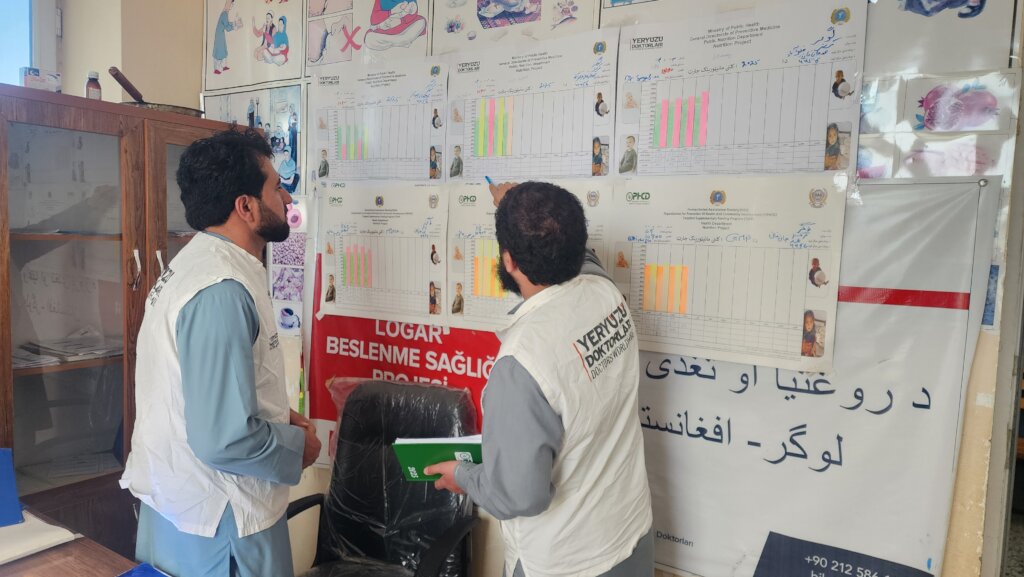
Over the January to February period, a total of 15,461 nutrition screening sessions were conducted, reaching mothers and children across the service area. Nutrition treatment services were provided to a total of 728 individuals, comprising children treated across both months. These results demonstrate the continued and pressing need for nutrition services among vulnerable mothers and children in Afghanistan.
Conclusion
Between January and February, the Afghanistan Nutrition Health Programme continued to deliver essential nutrition screening and treatment services to mothers and children through its network of health centers. The reported figures demonstrate sustained service delivery across both months, reaching a significant number of beneficiaries through nutrition screening and treatment interventions. These results underline the programme's operational capacity to provide critical nutrition services to vulnerable populations and contribute to addressing acute malnutrition needs in targeted rural areas of Afghanistan.
By Omer Samil Sonmez | Monitoring & Evaluation Officer
By Emre Bahadir Celik | Capacity Development Assistant Specialist
Project reports on GlobalGiving are posted directly to globalgiving.org by Project Leaders as they are completed, generally every 3-4 months. To protect the integrity of these documents, GlobalGiving does not alter them; therefore you may find some language or formatting issues.
If you donate to this project or have donated to this project, you can receive an email when this project posts a report. You can also subscribe for reports without donating.



Support this important cause by creating a personalized fundraising page.
Start a Fundraiser