By Benedicto Hosea | Project Leader
Access to clean and safe water is something many people take for granted. Yet for thousands of students in rural Tanzania, it has been the missing link between attending school and truly thriving in school. Through the boreholes constructed by Mboni ya Vijana, we are witnessing a quiet but powerful transformation — one that is changing not only daily routines, but dreams, dignity, and academic performance.
We believe that water is more than a basic need. It is a foundation for safety, equality, health, and opportunity, as these three stories illustrate.
Stella’s Story – From Exhaustion to Joy
“Walking a long way was the biggest challenge to my education dream,” Stella shares. “I felt exhausted because walking 2.3 km to the water source was not simple. Now, I am happy. I get clean and safe water at school, and there is no risk of being attacked because we are many here. We even have shower services at school — something that was impossible before. School life is now nice, and I love school more than before.”
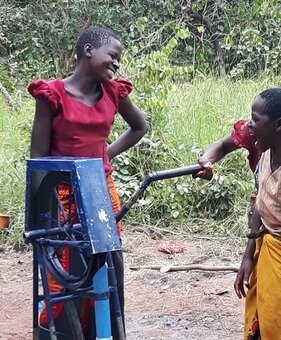
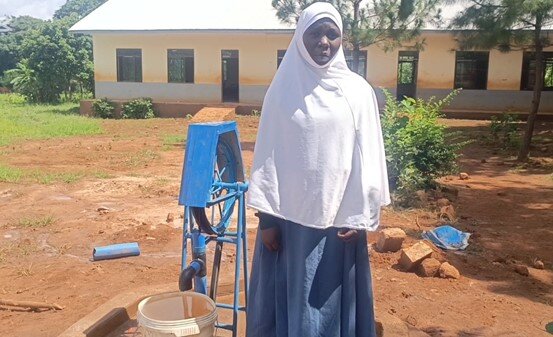
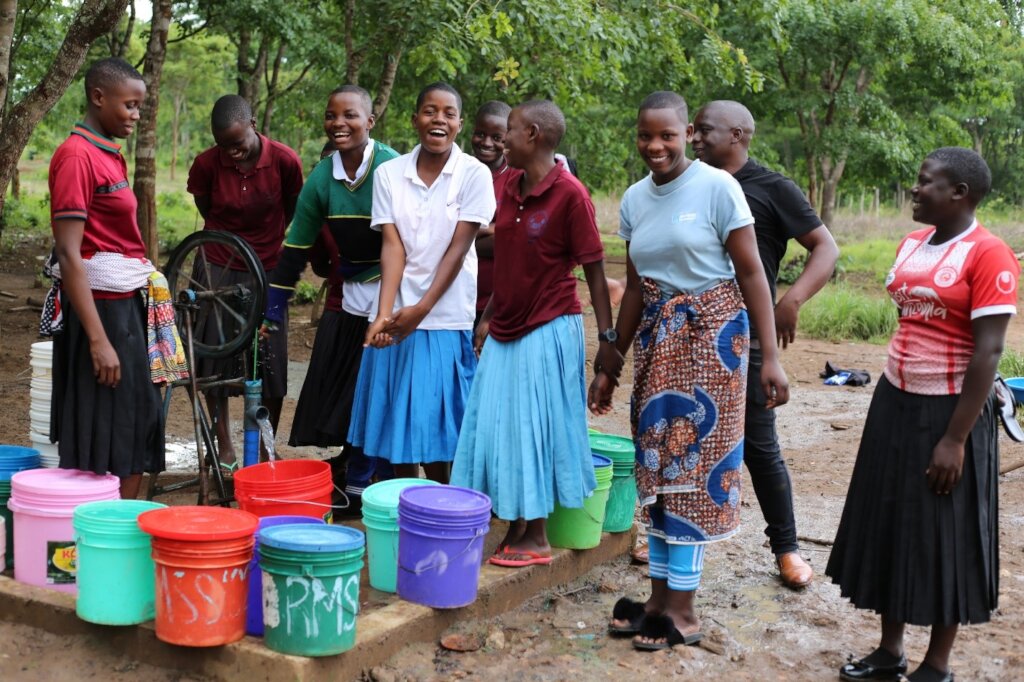
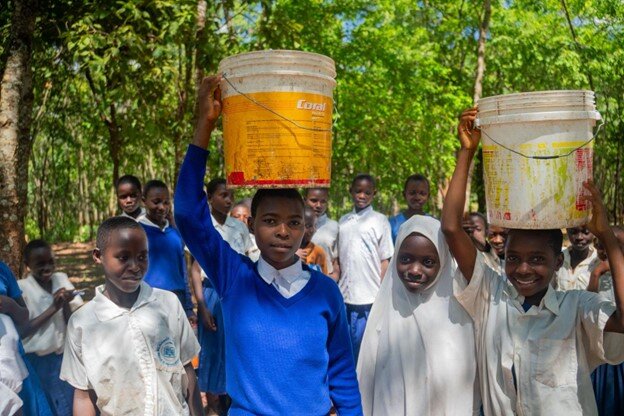
Stella is a student at Rungwe Secondary School, where Mboni ya Vijana drilled a borehole to serve more than a thousand students who enroll and graduate each year. Before the project, students — especially girls — walked long distances in search of water, often exposing themselves to danger and losing valuable study time. Today, water flows within the school compound, restoring safety, energy, and focus.
Her story represents liberation not only for herself, but for generations of students who will pass through this school.
Diana’s Story – From Burden to Academic Excellence
Diana, a Standard Seven student at Nyanganga Primary School, once carried water from home to school every morning.
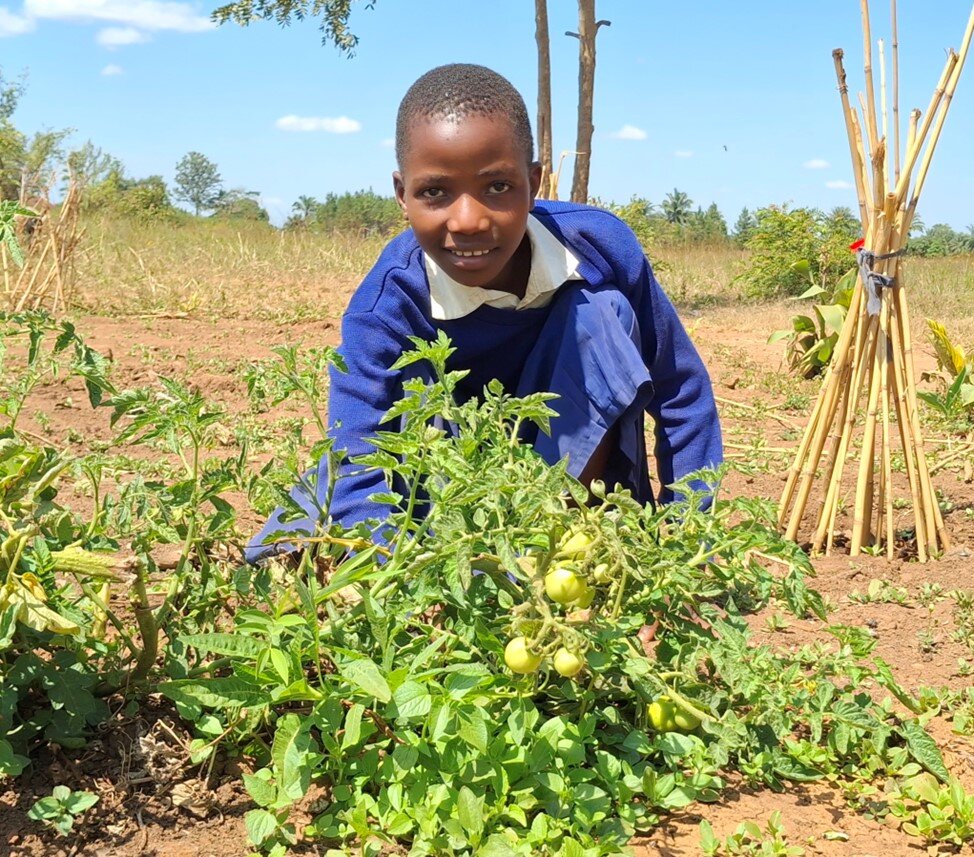
“I no longer feel that school is a burden,” she explains. “I used to dislike walking with a gallon of water from home. Now I use my time to study instead of searching for water. I have improved academically — from being in the top twenty to now being among the top five students in my class. I expect the best grade in my final exams. My dream is to become a nurse and help people receive better health services.”
The presence of a borehole at her school has removed a physical and emotional burden. What changed was not her intelligence or ambition — it was her environment. With water accessible, she gained time, dignity, and energy to concentrate on her studies. Her academic progress is direct evidence that access to water is also access to opportunity.
Lidya’s Story – Restoring Dignity and Confidence
Lidya, a Form Three student at Nyumbigwa Secondary School, shares a deeply personal reflection:
“School is not a prison where students should live without hope. My hope returned after the completion of the borehole at our school. Girls need water, especially those of us over 14 years old. We experience unexpected menstruation even while in class. When this happened without water nearby, I felt ashamed and ridiculed. I hated school. But after Mboni ya Vijana built this water facility, everything changed. It is not only me who is happier — all girls now feel confident and able to compete academically with boys.”
For adolescent girls, access to water is directly linked to dignity, menstrual hygiene management, attendance, and academic performance. What once caused shame and inconsistency has been replaced by confidence and stability.
The Broader Impact
These are not isolated stories. They reflect a systemic change taking place in schools where boreholes have been installed. Clean water enables:
Stories like Stella’s, Diana’s, and Lidya’s clearly demonstrate the practical and human-centered solutions that your partnership helps deliver. Clean water is not simply flowing from the ground — hope, confidence, and academic excellence are flowing with it
With gratitude for your support. .
Project reports on GlobalGiving are posted directly to globalgiving.org by Project Leaders as they are completed, generally every 3-4 months. To protect the integrity of these documents, GlobalGiving does not alter them; therefore you may find some language or formatting issues.
If you donate to this project or have donated to this project, you can receive an email when this project posts a report. You can also subscribe for reports without donating.



Support this important cause by creating a personalized fundraising page.
Start a Fundraiser