By Geraldine Bayron-Rivera, Ph.D. | Executive Director
Dear Donors:
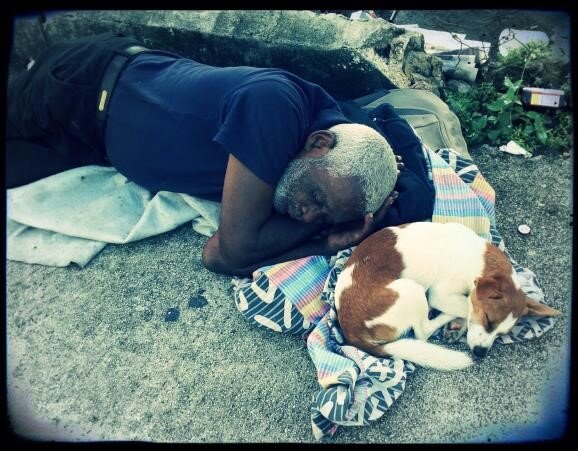
Receive best wishes on behalf of La Fondita de Jesús' family! It is with great respect that we report our achievements in providing services to prevent homelessness among older adults in Puerto Rico from March to June 2025.
During this quarter, we had the opportunity to visit 44 vulnerable communities in the following 12 Puerto Rican municipalities: Arecibo, Bayamón, Canóvanas, Carolina, Culebra, Guaynabo, Maricao, Patillas, San Juan, Toa Baja, Trujillo Alto, and Yabucoa. Nevertheless, it is essential to mention that our organization already has a presence in more than 35 municipalities in Puerto Rico (almost 45% of the island's total cities).
A total of 678 older adults were impacted during this period. Of those, 365 were women (54%), and 313 were men (46%). These people received over 5,870 units of service. These individuals are 60 years or older, and one of their primary challenges is the need for additional income to meet their basic needs, including food, social, economic, housing, and health services, even with the state's medical plan. Due to the increased living costs on the island, an increasing number of older adults are requesting support to cover these needs.
Likewise, part of this population's challenges is the abandonment of family and friends, so they require more substantial support with overall hygiene and food preparation. They also need people with whom they can talk about their situations. As a result, we have identified a sense of isolation and loneliness among older adults, as they often lack a support network that enables them to stay connected.
Other various needs were identified among these individuals. Most of them lack the knowledge and skills to access digital services related to social services, including housing subsidies, public housing, leasing, and healthcare. They are at high risk of losing their homes due to social determinants that affect their health and safety. Our staff facilitates capacity-building activities that enable older adults to learn how to use electronic devices and the Internet, as well as access and coordinate appointments for their housing needs and health services, thereby managing loneliness and isolation. We found that many older adults living in impoverished communities had not renewed their government medical plan coverage, resulting in some not receiving necessary medical follow-ups. Many older adults face barriers to receiving medical care due to a lack of transportation, nearby clinics, or home services. It has also been identified that many older adults do not adequately understand medical instructions, which can affect treatment, adherence, and self-care.
Moreover, during this period, it was identified that there was a lack of access to mental health services, appointments were distant, and there were difficulties in accessing psychiatric services. It was recognized that many of the impacted participants lack the financial resources to cover the deductible costs of procedures and medical studies, which is another healthcare disadvantage among older citizens.
Another challenge identified in the process, particularly among older women, is that many of them assume the role of primary caregivers, whether for children, grandchildren, people with disabilities, or other older adults. This reality represents a physical, emotional, and economic burden that aggravates their health conditions and places them in a situation of greater vulnerability, often without the recognition or support necessary to address their own needs.
This population's greatest challenge is covering basic needs, such as food, personal items, household utilities, and rent payments, due to their precarious socioeconomic status, which affects their quality of life. Their economic situation cannot be improved by acquiring work, as access to job opportunities is limited for many, and employers are primarily looking for young people to hire. However, although these barriers exist in the work scenario, older adults are open to accepting volunteer opportunities to contribute their skills and talents to various communities across the island. Additionally, some individuals face challenges related to self-esteem and self-concept, particularly those related to physical or cognitive limitations that can arise with age. These perceptions can affect their active participation in activities and their sense of purpose at this stage of life.
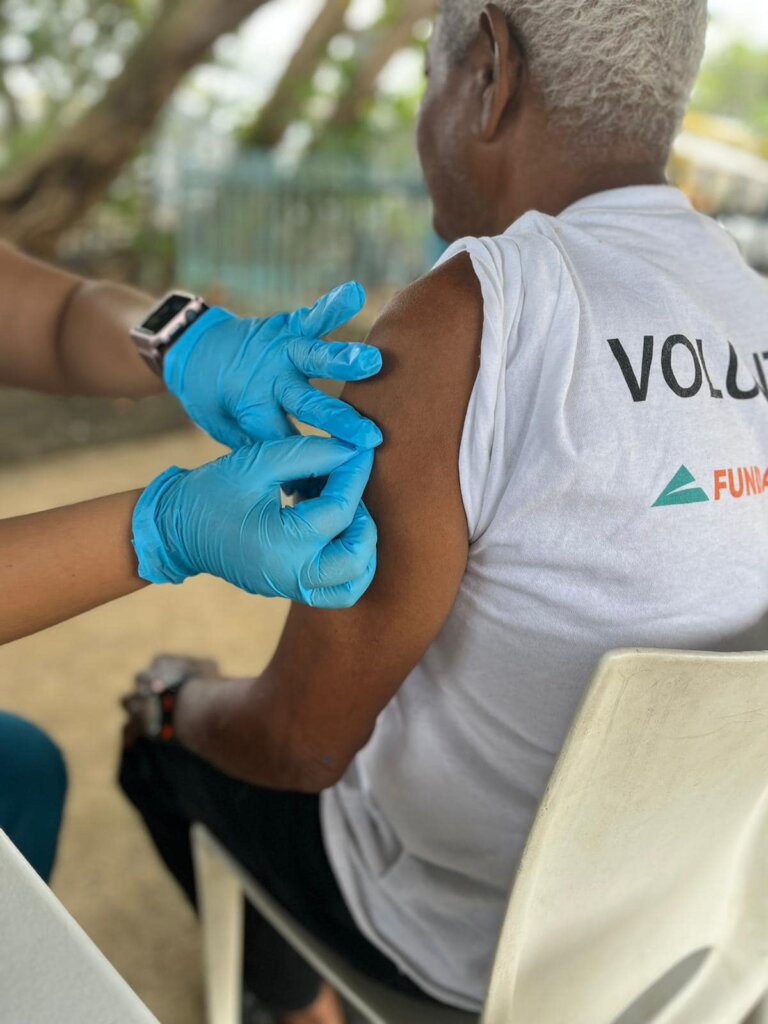
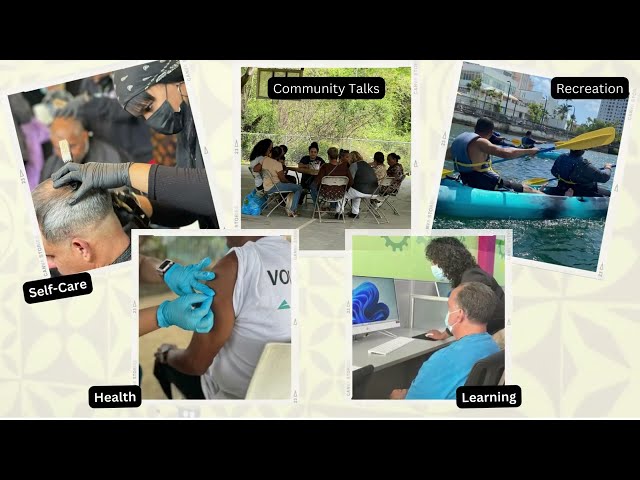
During this period, workshops on isolation and loneliness were implemented. Also, community-based clinics have provided our seniors with a safe space where they can access medical services without requiring health insurance. This enables many uninsured individuals to access medical services and, in turn, receive treatment for their health concerns.
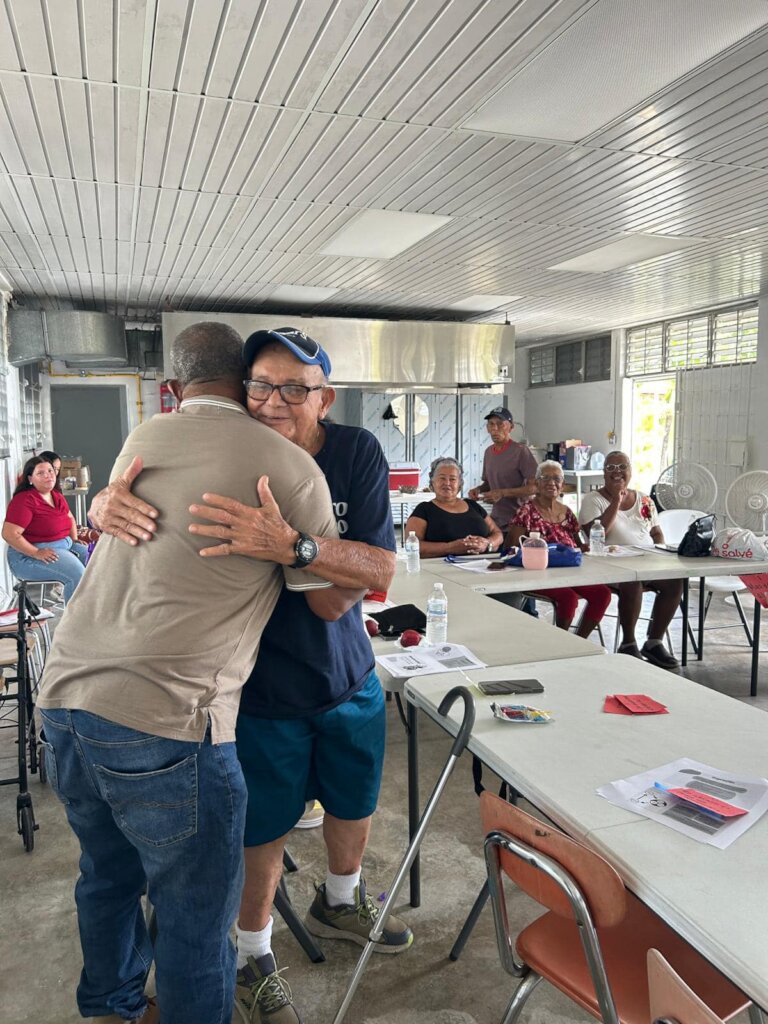
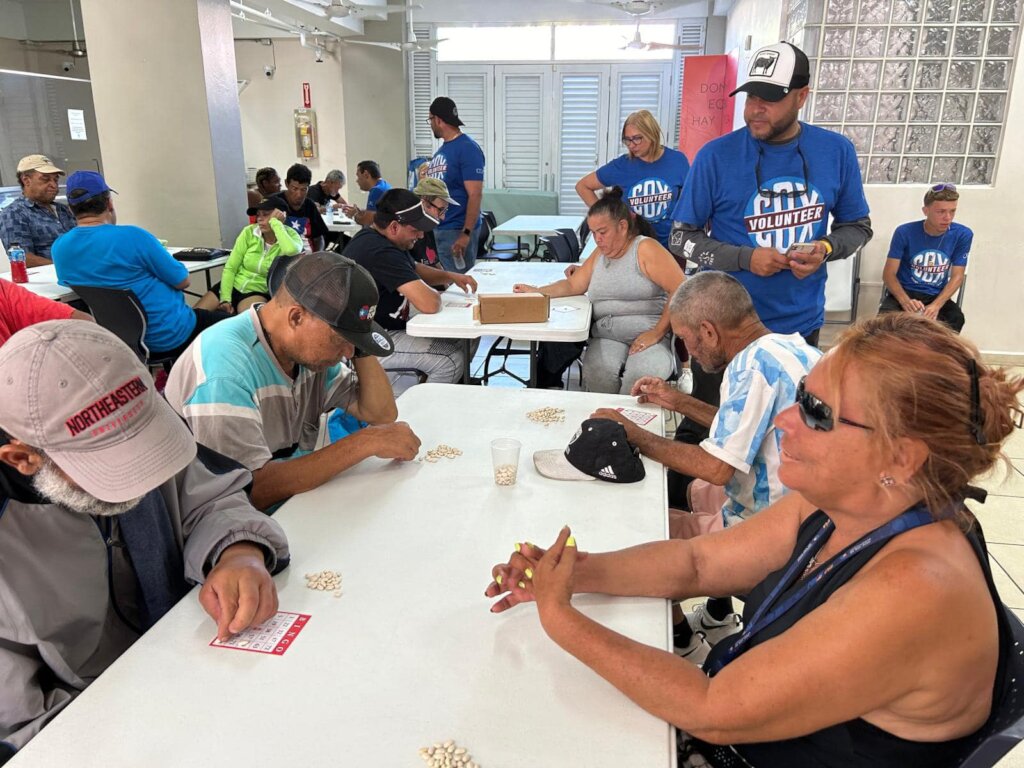
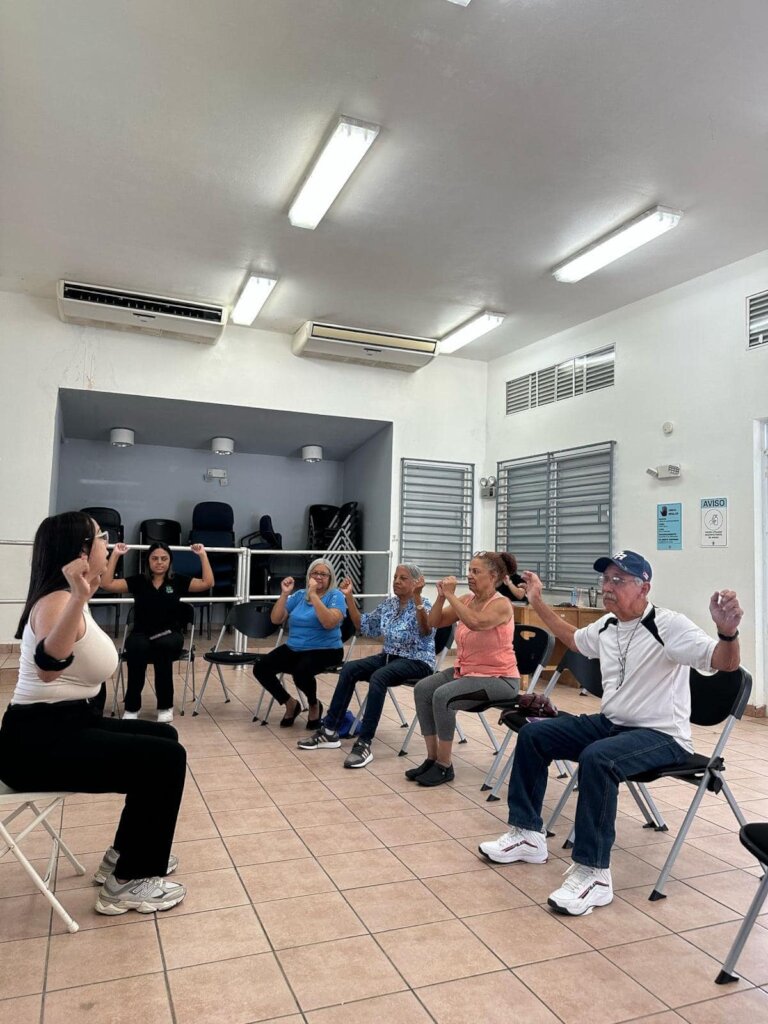
Furthermore, we successfully completed the support group for older adults that began in December 2024. This initiative strengthened community cohesion, promoted the comprehensive and holistic well-being of participants, and facilitated the creation and strengthening of support networks. It also encouraged the active participation of older adults in group activities, created safe spaces for emotional expression, identified individual and collective needs, and facilitated access to essential resources and services through support. Self-care practices were also promoted, and a sense of belonging within the community was strengthened.
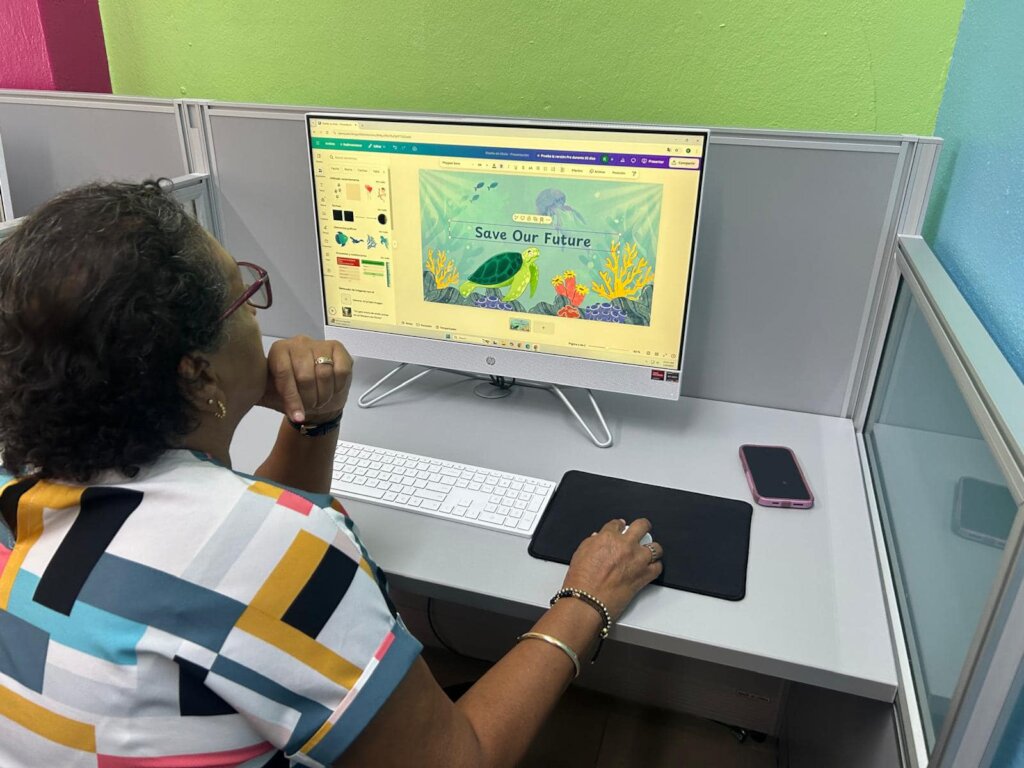
Finally, through the Konect@os Techno-Educational Center, we have been able to continue educating the older adult population on cell phone and computer management and use, both individually and in groups. This initiative has contributed to bridging the digital divide, increasing participants' autonomy and confidence in using technology, and improving their ability to communicate with family members, access services, and stay informed. The response has been very positive, highlighting their enthusiasm, willingness to learn, and recognition of the practical value of this knowledge in their daily lives.
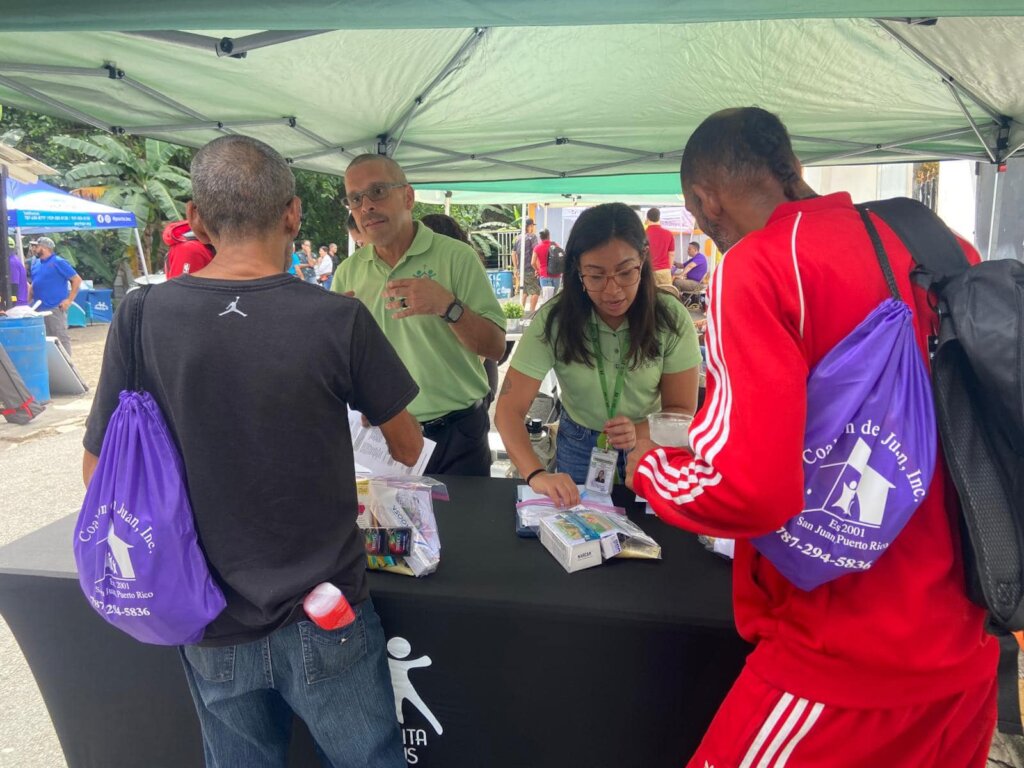
During this period, the impacted older adults received medical evaluations and guidance on their health care while participating in 10 health fairs. It was possible to deliver Over-the-Counter medication to each impacted older adult, along with educational literature on the proper use of prescription drugs and other topics of great interest.
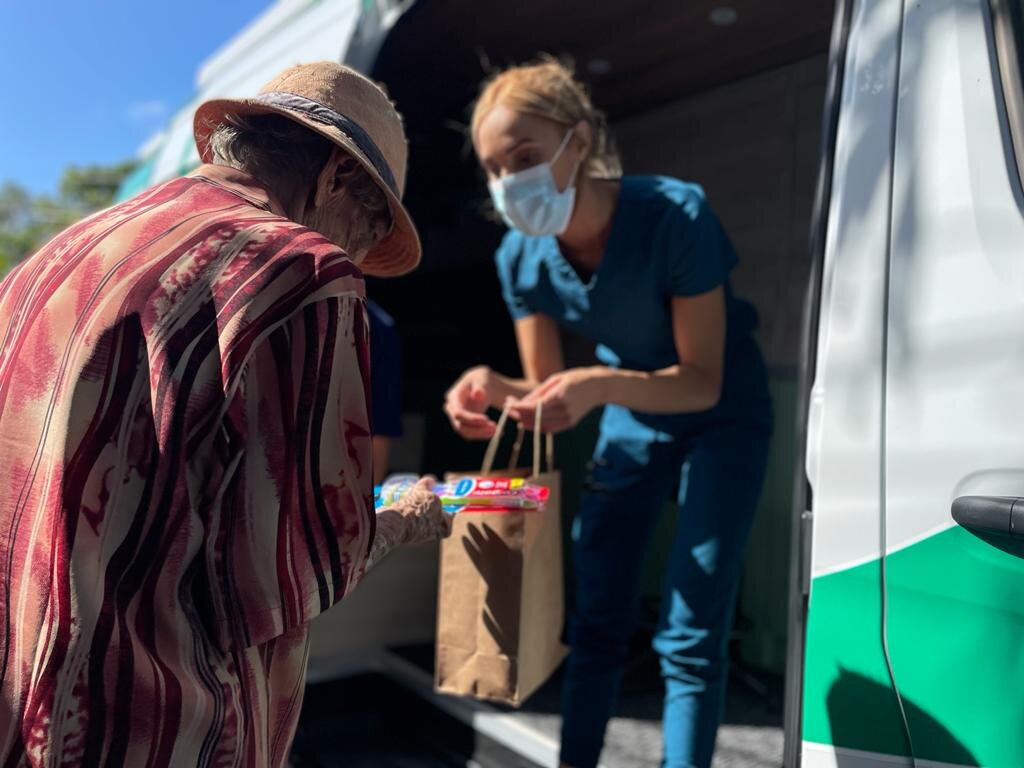
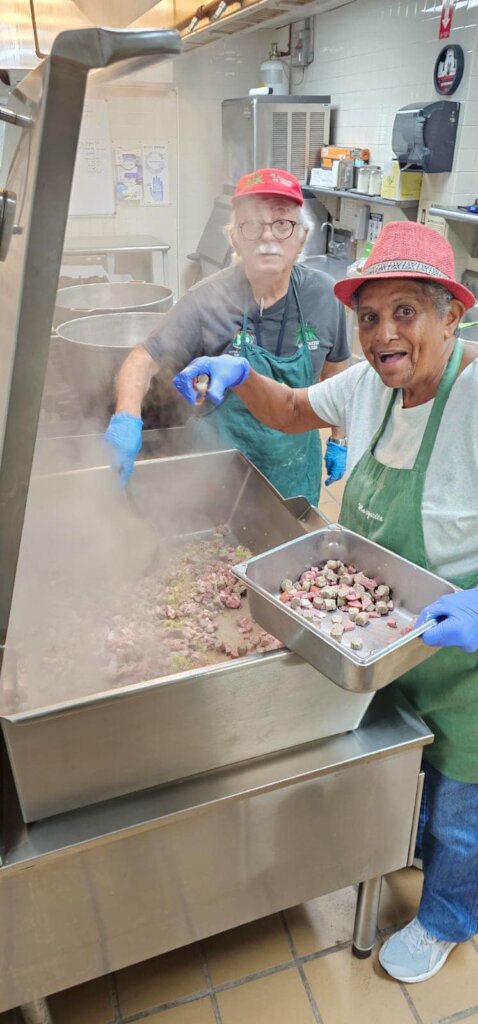
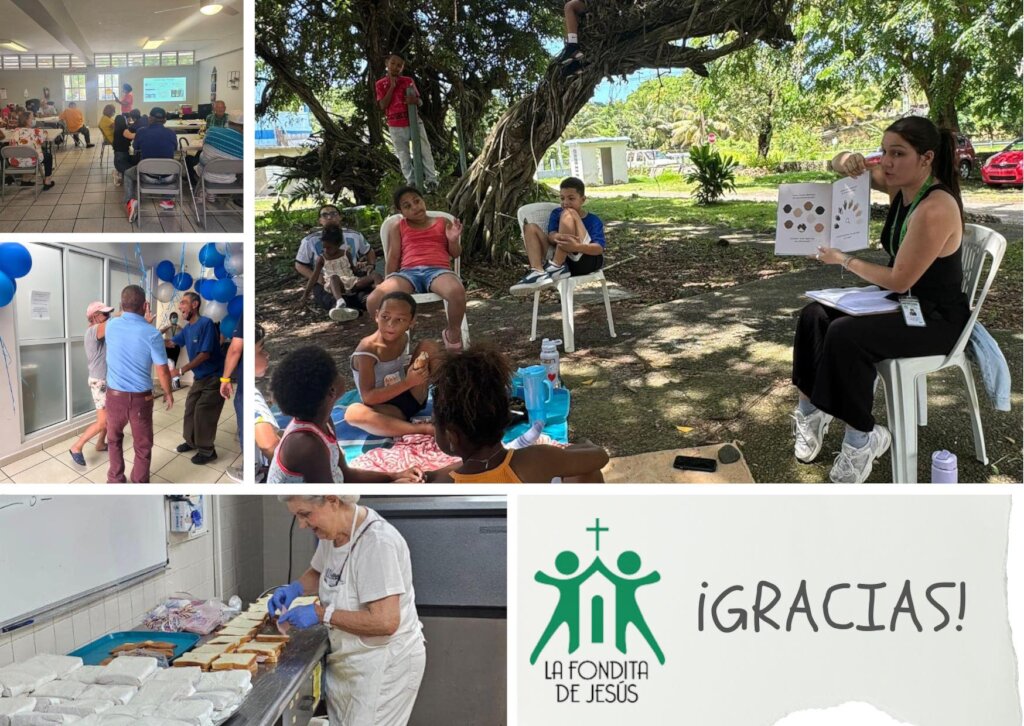
We have provided healthcare activities and health education services specifically aimed at older adults residing in vulnerable communities in Puerto Rico. These health fairs were collaborations with other organizations, facilitated by established alliances, thereby expanding the scope of our health services and benefiting more older adults residing in extreme poverty conditions. We provided hot meals, including breakfasts and lunches, and distributed emergency grocery bags containing non-perishable food and fresh products. Moreover, we have also distributed personal hygiene kits, skin care kits, home cleaning kits, over-the-counter medicine kits, hydration kits, STI prevention kits, and essential equipment, including laundry appliances (washer), small kitchen appliances, adult diapers, underpads, wipes, walkers, coffee cups, clothing, umbrellas, blankets, and pillows, among other necessities.
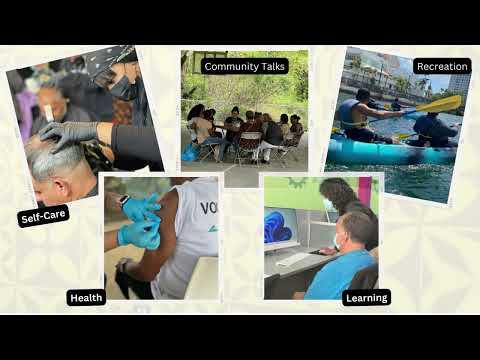
They have been receptive to participating in capacity-building activities through workshops, orientations, community conversations, education, and discussion tables, where they can exchange ideas and express their emotions to create healthy management of their daily lives, thus contributing effectively and positively to many of the organization's and community's projects.
Workshops were provided on the following topics:
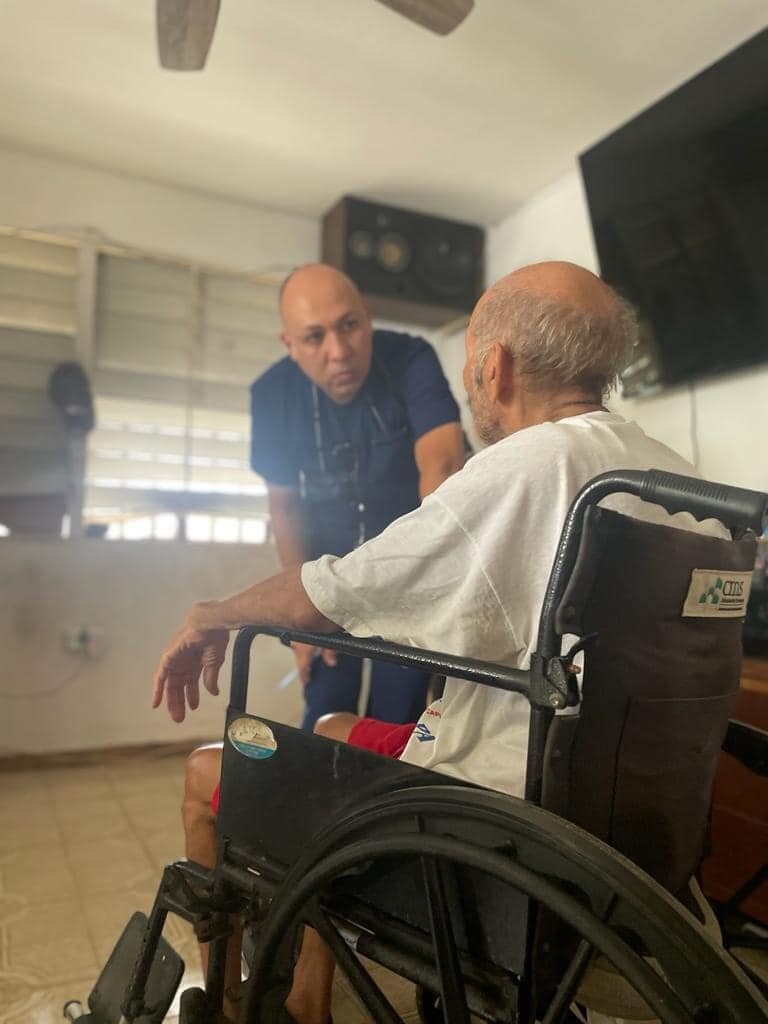
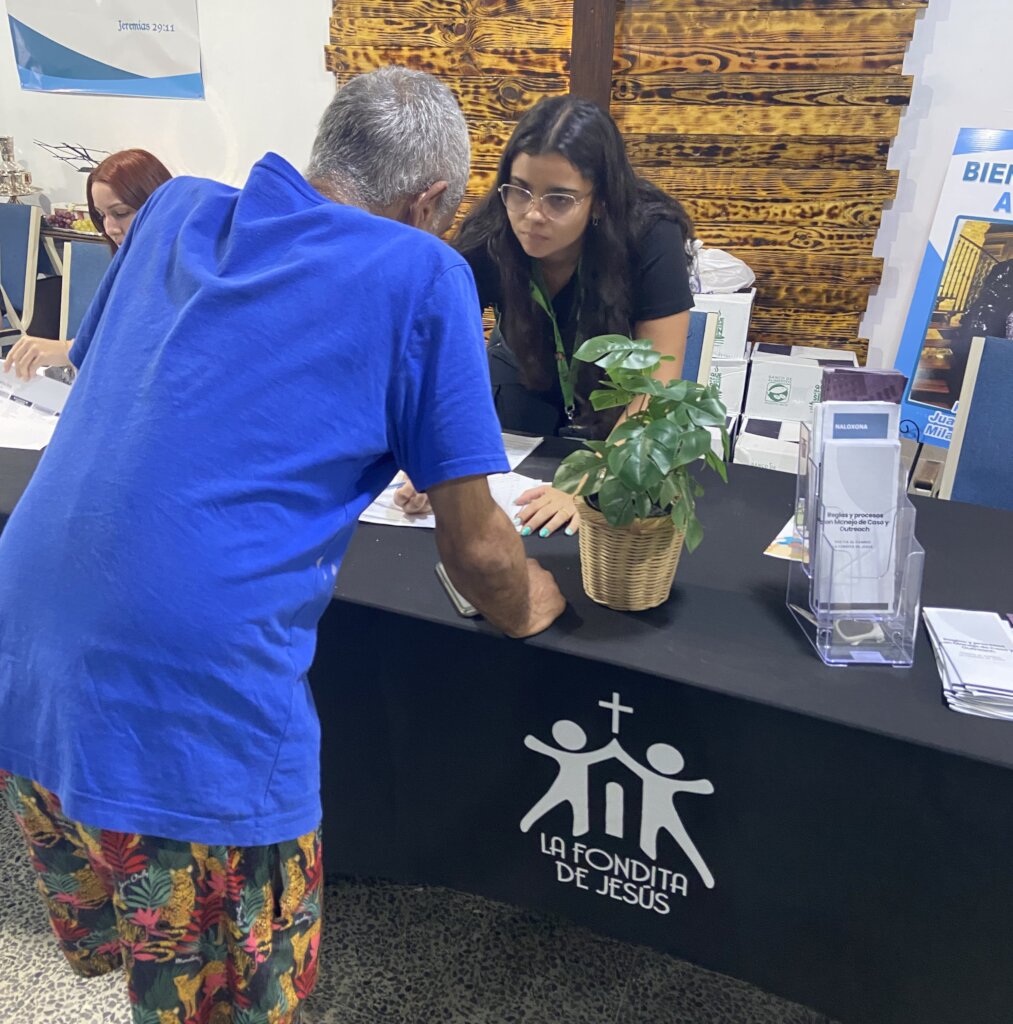
During this period, case management and community social work services were also provided through home visits, telephone calls with participants, calls with community leaders, initial interviews, follow-ups, case discussions, appointment coordination, service coordination, document management, and internal and external referrals.
We reiterate our gratitude to you, our social investors, who believe in our mission to continue impacting the lives of those who need it most. With your support, we can achieve this and more.
Links:
Project reports on GlobalGiving are posted directly to globalgiving.org by Project Leaders as they are completed, generally every 3-4 months. To protect the integrity of these documents, GlobalGiving does not alter them; therefore you may find some language or formatting issues.
If you donate to this project or have donated to this project, you can receive an email when this project posts a report. You can also subscribe for reports without donating.



Support this important cause by creating a personalized fundraising page.
Start a Fundraiser