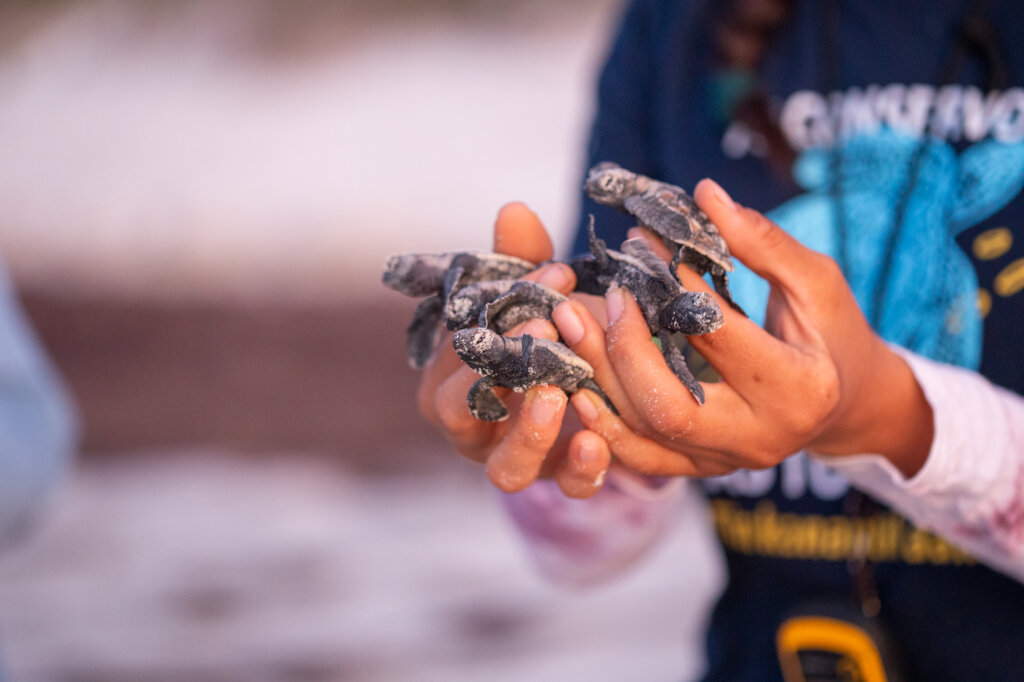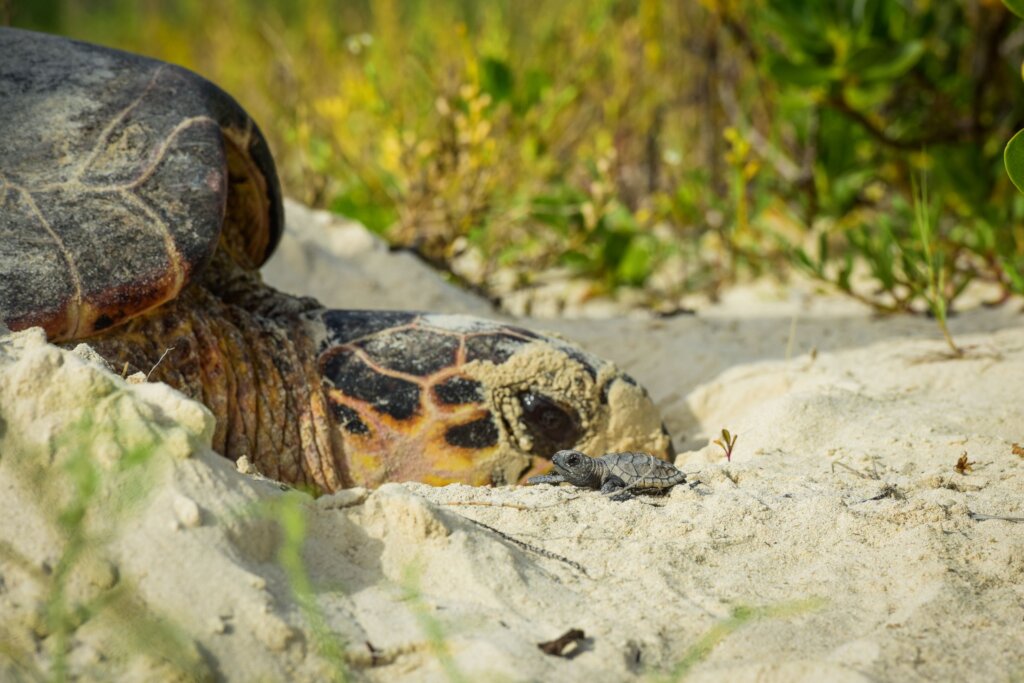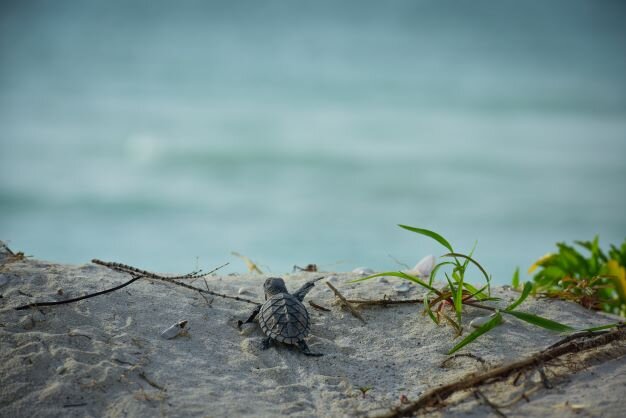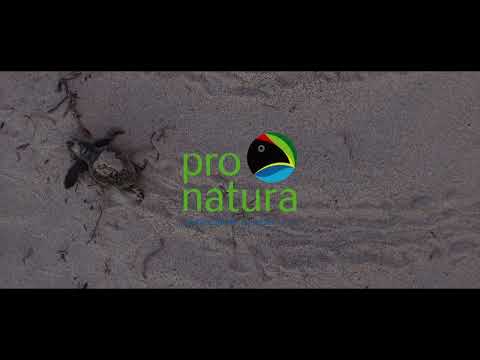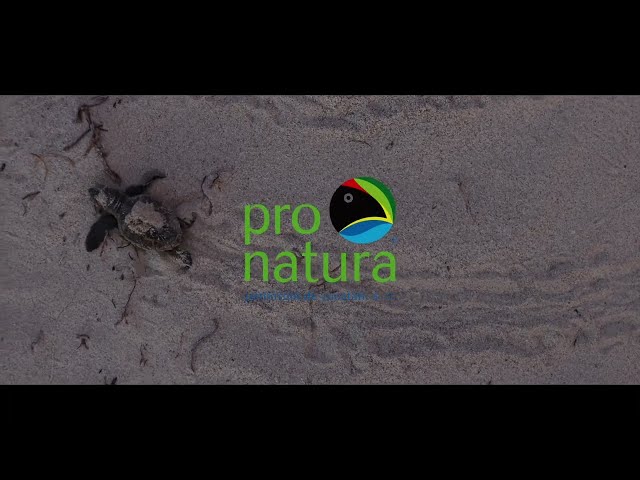
Each year, this project protects 79 km of nesting beaches across the Yucatan Peninsula fro endangered hawksbill and green sea turtles during. During the seven-month nesting season, our field teams monitor an average of 2,358 nests to reduce losses caused by poaching, predators, flooding, and erosion. By maintaining a constant presence on remote beaches, we help more hatchlings successfully reach the sea.
Sea turtles have declined sharply due to decades of poaching, pollution, coastal development, and habitat degradation. Because females return to the same beaches to nest, the loss or disturbance of these coastal areas can affect entire generations. Many nests are also vulnerable to flooding, predators, and human activity before hatchlings even emerge. Protecting nesting beaches remains one of the most direct ways to support the recovery of these species.
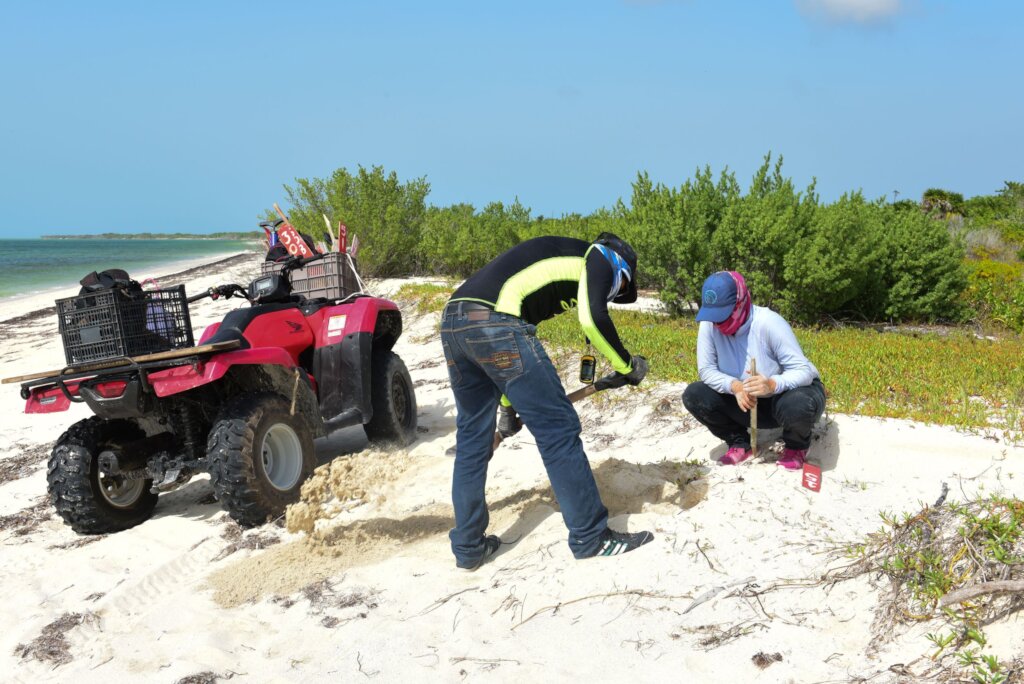
Our trained technicians conduct nightly beach patrols at three key nesting sites in the Mexican Caribbean. They relocate nests at risk from tides or erosion, document nesting activity and hatchling success, and respond to threats encountered during patrols. The project also includes beach clean-ups, environmental education activities with local communities, and the collection of scientific information used to strengthen regional conservation and management efforts.
Only a small fraction of sea turtle hatchlings survive to adulthood, and females may not reproduce until they are 20 to 25 years old. Through nightly patrols and nest protection efforts, our field teams help increase hatchling survival and support the recovery of nesting populations in the Caribbean. This project also contributes to long-term knowledge about reproductive trends and strengthens local participation in the protection of coastal ecosystems and sea turtles in the Yucatan Peninsula.



Support this important cause by creating a personalized fundraising page.
Start a Fundraiser