By Masongole Fredrick | Head of Programs
1. Project Overview
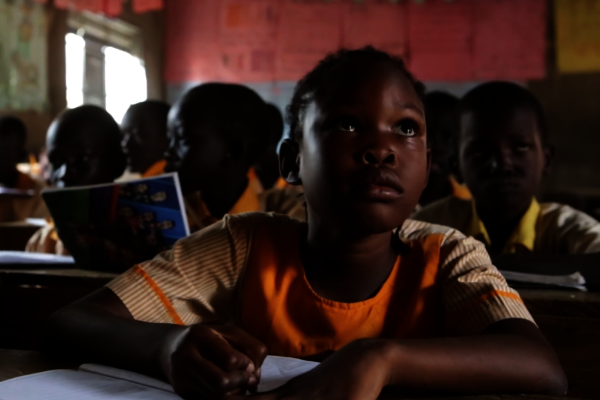
The "Provide Toys and Food Vouchers for 400 Children" project was implemented by TGCDA to support vulnerable children and households affected by economic hardship, food insecurity, and limited access to psychosocial support opportunities in Nzara Centre, Basukangbi, Ringasi, Sakure, and Sangua Payams of Nzara County. The intervention focuses on improving children's well-being by providing toys for psychosocial stimulation and food vouchers to enhance household food access and nutritional support. The project directly targets 400 vulnerable children and their caregivers, prioritizing female-headed households, internally displaced families, low-income households, and children facing protection risks.
2. Key Achievements
3. Measurable Results Matrix (June–August 2026)
During the June to August 2026 reporting period, the project achieved complete targets across its core child protection and nutritional assistance activities in Western Equatoria State. A total of 400 vulnerable children across Nzara Centre, Basukangbi, Ringasi, Sakure, and Sangua Payams received age-appropriate recreational and educational toys, reaching 100% of the planned target. Demographic coverage achieved a balanced distribution across the targeted locations, supporting 208 girls (52%) and 192 boys (48%), which represents 104% and 96% of the gender-disaggregated targets respectively. This provision ensured that all 400 registered children gained immediate access to play-based psychosocial support mechanisms to assist in emotional recovery and peer interaction.
In parallel, household food security interventions achieved a 100% completion rate by distributing food vouchers to 400 targeted caregivers. This support was prioritized for female-headed households, who comprised 55% of the beneficiaries, and internally displaced (IDP) families, who made up the remaining 45%. The initiative recorded a 100% voucher redemption rate across all five payams. To facilitate redemption and strengthen local market dynamics, TGCDA engaged and contracted 15 local market vendors—exceeding the initial target of 10 vendors by 50%—which injected essential purchasing power directly into the local economy of Nzara County.
Community-level engagement and child protection advocacy also expanded beyond original projections. While the initial project framework planned for 10 community awareness sessions, TGCDA successfully conducted 12 sessions across the target payams, achieving 120% of the target. These gatherings reached over 650 caregivers and community members with essential guidance on child protection protocols, positive caregiving practices, and proper household nutrition.
Quantitative Highlights & Key Performance Indicators (KPIs)
4. Success Stories
Success Story 1: Rebuilding Hope Through Play and Support
"When we were displaced, my children lost everything they owned, including their sense of safety," shares Mary, a mother of four living in Basukangbi Payam. Through the project, Mary's household received food vouchers alongside age-appropriate toys for her children.
"The food voucher allowed me to procure essential commodities directly from local vendors, easing our financial burden during a critical time. But seeing my youngest daughter smile again while playing with her new doll brought a kind of relief food alone couldn't provide. It gave us our dignity back."
Success Story 2: Community-Led Transparency and Social Cohesion
In Sakure Payam, high vulnerability levels previously created tension around resource allocation. Through TGCDA's community-led selection framework, local committee members and traditional leaders were directly involved in targeting the most vulnerable households.
"In the past, distributions caused misunderstandings in our bomas," explains Joseph, a local community leader in Sakure. "TGCDA involved us in the verification process from day one. By prioritizing female-headed households and displaced families openly, the whole community backed the intervention. This transparent approachbuilt trust and brought our community together."
6. Challenges & Lessons Learned
Challenges Encountered
Lessons Learned
5. Next Steps & Sustainability
TGCDA will continue engaging local structures to maintain child protection awareness and support household resilience. Future project phases aim to scale up the intervention to cover additional underserved Payams across Western Equatoria State while integrating structured psychosocial and nutrition monitoring systems.
Links:
By Masongole Fredrick | Head of Programs
By Aguek Morris Ater | Operations Manager
Project reports on GlobalGiving are posted directly to globalgiving.org by Project Leaders as they are completed, generally every 3-4 months. To protect the integrity of these documents, GlobalGiving does not alter them; therefore you may find some language or formatting issues.
If you donate to this project or have donated to this project, you can receive an email when this project posts a report. You can also subscribe for reports without donating.



Support this important cause by creating a personalized fundraising page.
Start a Fundraiser