By Nataly Diaz | Marketing Coordinator
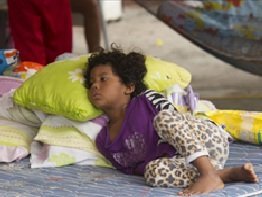
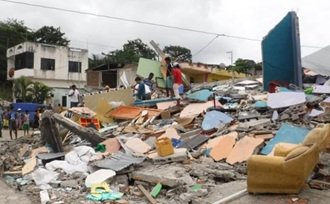
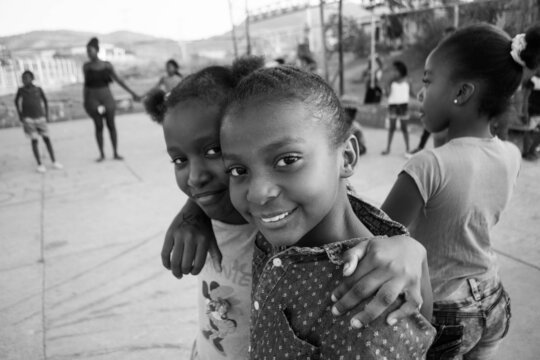
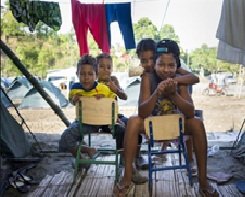
After the devastating earthquake on April 16th of 2016, the event caused a lot of damage but, above all, there were many human losses, many children and families were severely affected emotionally and psychologically by this event.
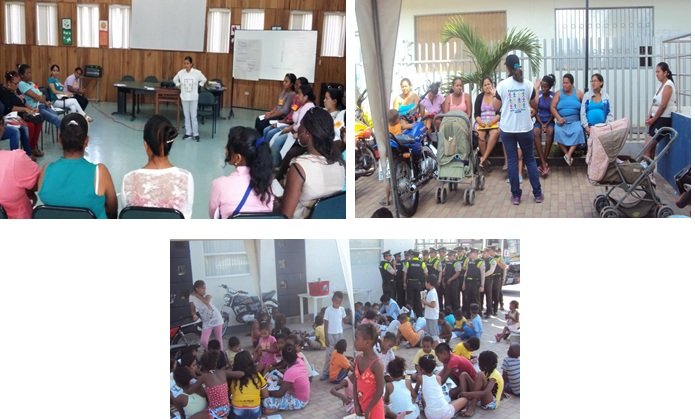
Juconi trained teams of educators about the first physiological response especially to protect and prevent possible psychological traumas.
The objectives proposed and reviewed with the teams were as follows:
-To guide and inform how to manage the stress on children after a disaster.
- Identify the possible risks for children
- Establish an action plan for intervention.
In the first 3 months the emotional reactions that can be of deep sadness, fear, elevated anxiety, anger, hopelessness and grief are normal as part of an internal process of self-recovery, and will depend on the personal resilience of each individual and the Immediate experiences after the event.
Concerning the intervention in the first 2-3 months, the team had to focus on three fundamental aspects recommended by Dr. Felicity De Zulueta
1. The quality and warmth of the care that people receive, especially covering physical and emotional needs. It was recommended NOT to pressure the survivors on any response we would like to see from them, nor to pressure them to tell us what happened.
2. The protection of attachment relationships, it means, to protect affective and family ties. In times of disaster, emotional bonds are the biggest protective factor that children will have. It is recommended to keep the family groups together and to avoid, as far as possible, separating the children from their loved ones.
3. The empowerment of survivors, especially men, who without something positive to do can express their stress and their feeling of defenselessness through violence. (Worsening the situation for all). It is necessary to encourage those giving activities that help in the recovery of normal life, in aid of others, in reconstruction, to make their contribution is necessary to get ahead. It is also important to remind them that they are not victims but survivors of a tragedy and treat them as such.
Although we have provided psychosocial support to some families which loss relatives and they felt devastated by the earthquake.
Our team was always ready to collaborate and help in the logistics with other organizations when it was necessary.
Project reports on GlobalGiving are posted directly to globalgiving.org by Project Leaders as they are completed, generally every 3-4 months. To protect the integrity of these documents, GlobalGiving does not alter them; therefore you may find some language or formatting issues.
If you donate to this project or have donated to this project, you can receive an email when this project posts a report. You can also subscribe for reports without donating.