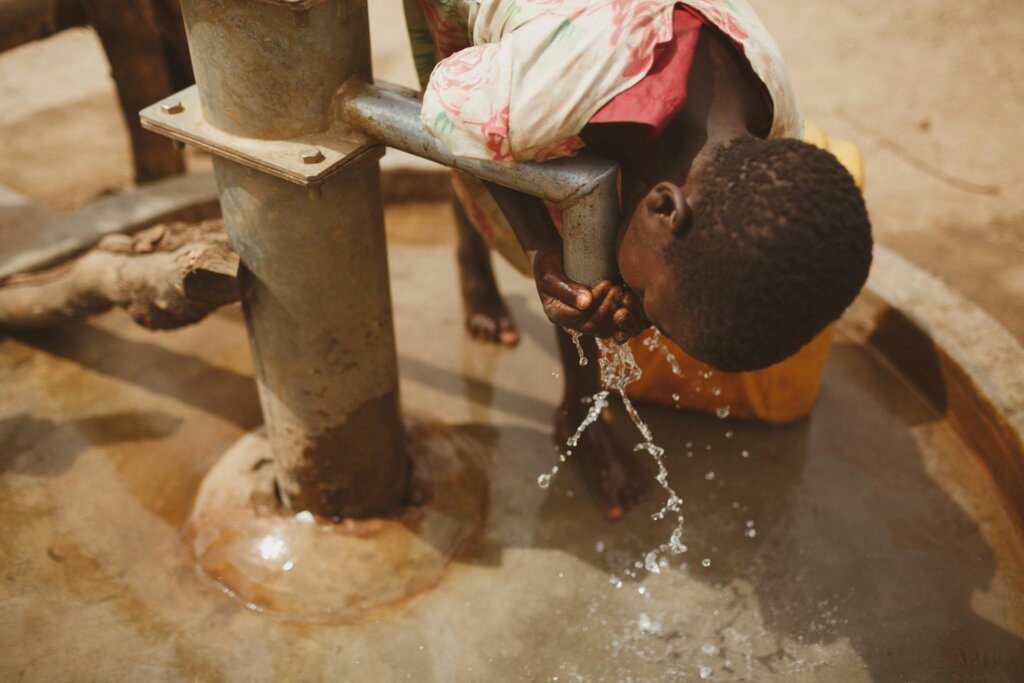
Primary school children in rural Nigeria face high risk of diarrhoea, cholera, dysentery, and typhoid due to poor water, sanitation, and hygiene (WASH) practices in schools. This project trains teachers, students, and school boards on WASH behaviours and facility maintenance. Students form Health Clubs, spreading knowledge across classes, while schools partner in small groups to sustain improvements and reduce disease-related absences.
Many Nigerian schools lack safe water and functional toilets. Poor hygiene leads to frequent illness, absenteeism, and lower academic achievement. Girls are particularly affected by the absence of menstrual hygiene facilities, often missing school or dropping out. Unsafe water access also increases the risk of cholera and diarrhoea outbreaks, creating a cycle of illness and poor educational outcomes that affects entire communities.
The project trains school boards, teachers, and students on proper hygiene, safe water use, and maintenance of sanitation facilities. Student Health Clubs, guided by a Teacher Health Champion, share knowledge across all classes. Schools form groups of 6-8 to support each other, monitor improvements, and advocate for better facilities. Low-cost actions like handwashing stations, toilet cleaning, and WASH awareness provide immediate health benefits.
Schools gain the ability to maintain hygiene standards independently. Group partnerships encourage peer support and shared problem-solving. Early improvements in handwashing, toilet hygiene, and menstrual health create healthier students, reduce absenteeism, and improve performance. Students learn practical WASH practices that extend to their families and communities, helping Nigeria meet national health targets and supporting long-term public health goals.



Support this important cause by creating a personalized fundraising page.
Start a Fundraiser