By Austin Bowden-Kerby, Phd | Lead Reefs of Hope Strategist & Corals expert
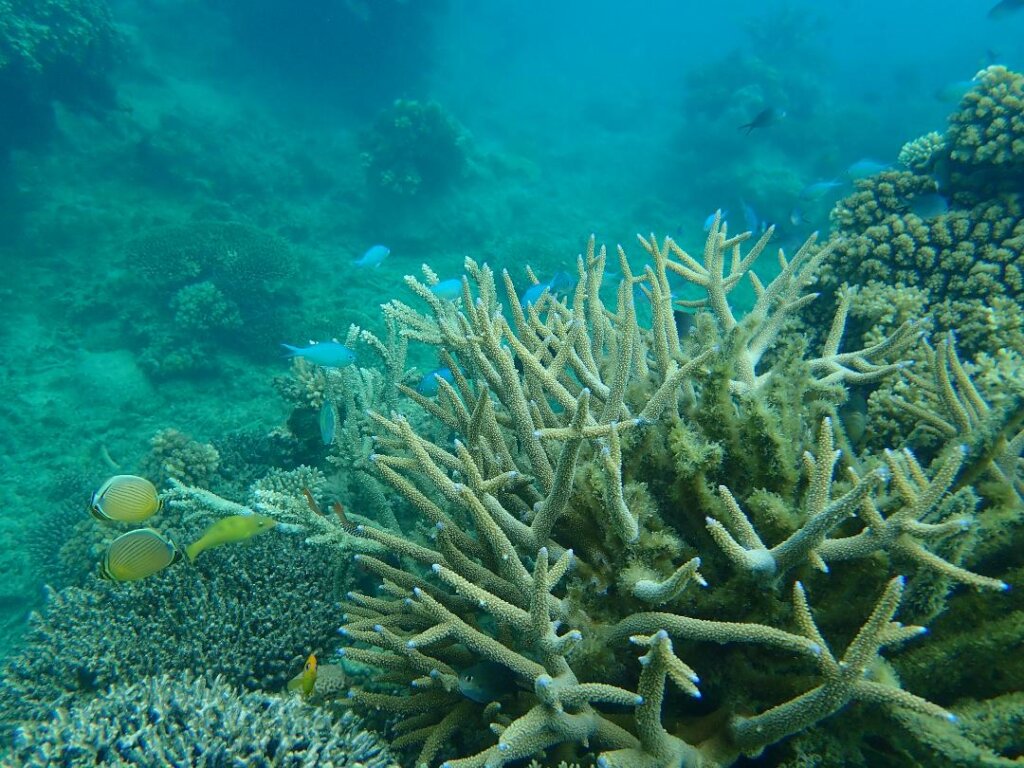
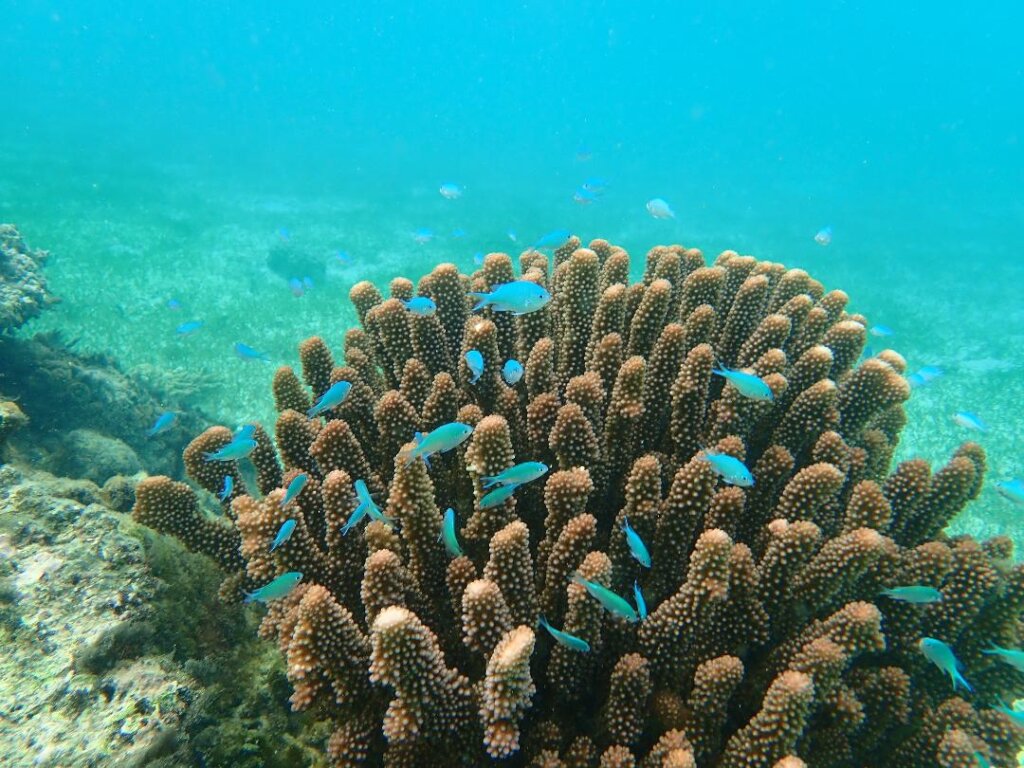
To the north of Fiji, two days by ship or two hours by plane, is the atoll nation of Tuvalu. Tuvalu's coral reefs hosted the most abundant "forests" of corals remaining in the South Pacific, but the 2024 mass bleaching event hit extremely hard, with most corals dying according to three independent reports. The impact of the 2024 bleaching on the shallow water reefs of Tuvalu was truly devastating according to these sources, with well over 90% of all corals in the lagoon dying. "What remains is dead and standing coral thickets as far as the eye can see." Deeper water reefs may have suffered less of a loss, but the data is not yet in.
Tuvalu Fisheries has contacted C4C and they are working with our NGO partner Fuligafou to put together a local emergency response team. C4C's lead scientist will travel to Tuvalu in August to train and guide the team in carrying out the work to find and secure what corals remain. The corals moved from hot to cooler waters, done in 2023, have hopefully survived.
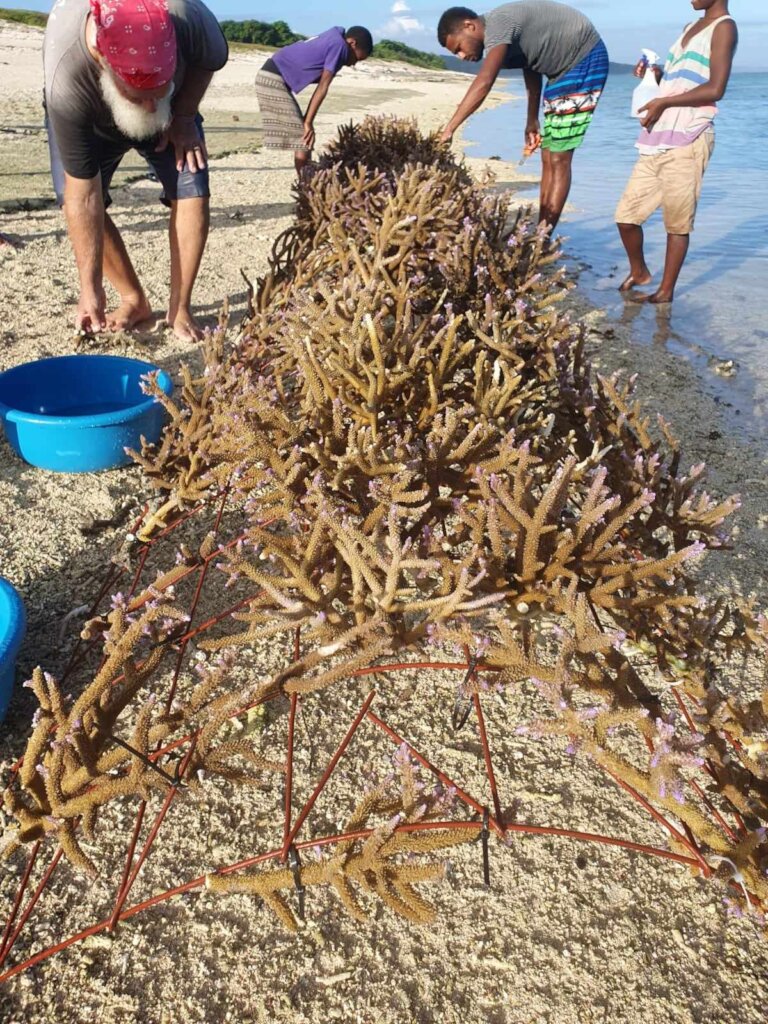
As Tuvalu does not have the materials needed to build the required long-lasting coral nurseries, the materials have been purchased in Fiji and have been shipped to Tuvalu. An underwater camera has also been purchased for recording and monitoring the work.
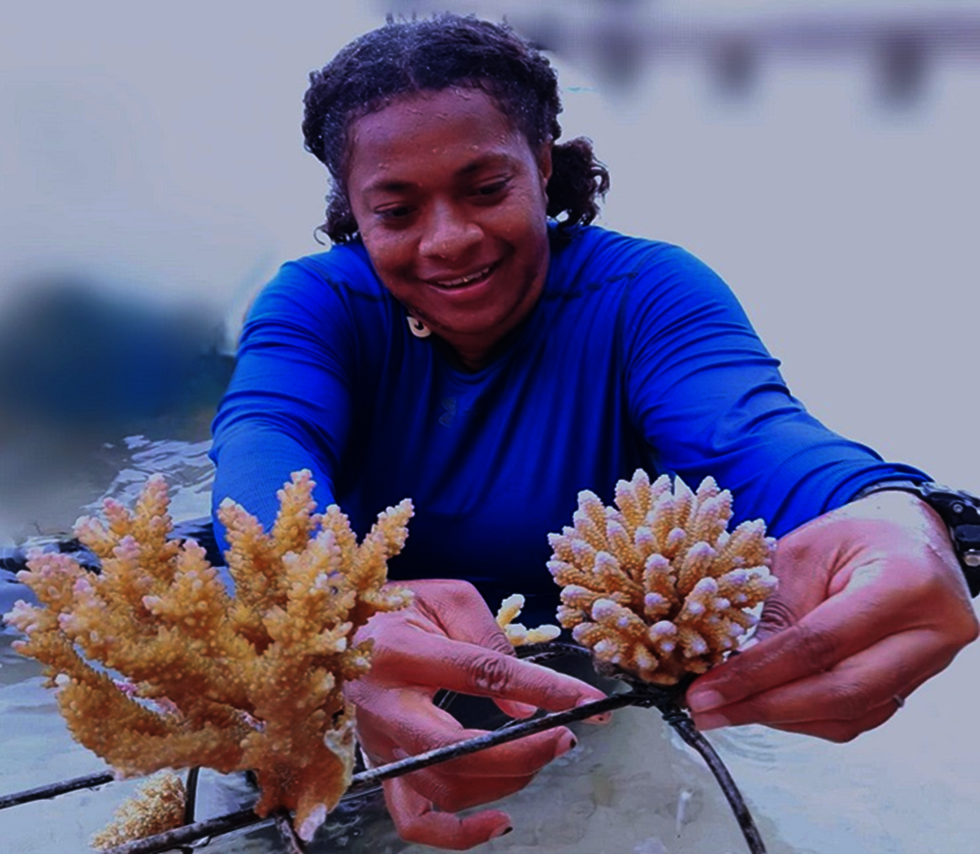
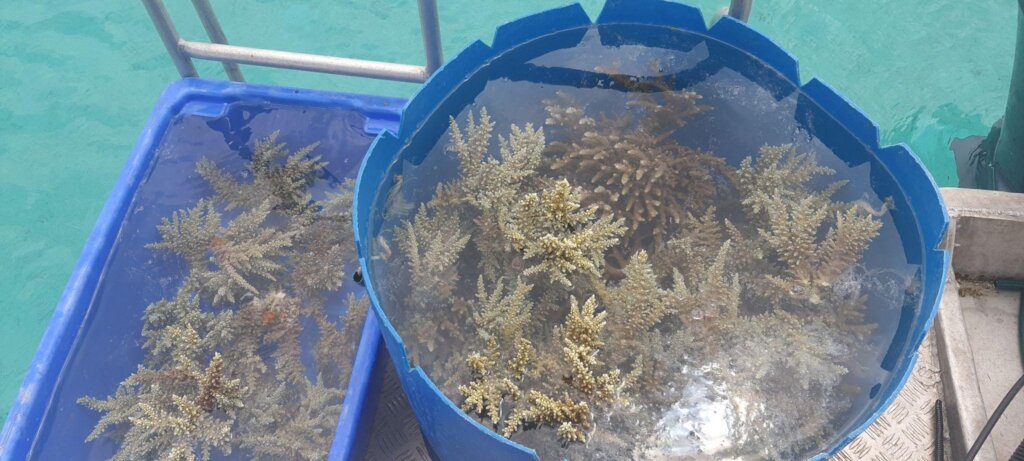
On the positive side, whatever corals have survived will be heat-resistant, but samples of each will need to be moved into cooler water nurseries to escape the even more intense marine heat waves expected as the oceans warm. These gene bank nurseries can be established near a reef pass and the now rare corals can be gathered and placed in proximity, so that reproduction is restored. Whatever corals remain have withstood temperatures close to 35C or 94F, so as long as enough remain, we can use them to reboot natural larval-based coral recovery processes.
One aspect working in corals' favor is that there are virtually no COTS on Tuvalu. Crown of Thorns Starfish can be a severe threat in Fiji, for instance. However, in general, atoll nations like Tuvalu and Kiribati have nutrient levels too low for the COTS larvae.
Coming soon is the July Bonus Day for donors planning $100-$1,000 gifts. This sizzling summertime "deal" from GlobalGiving begins at 10 A.M. Wednesday EDT July 16th and lasts a full 24 hours.
Thanks for being part of the solution! ♥ Austin
Project reports on GlobalGiving are posted directly to globalgiving.org by Project Leaders as they are completed, generally every 3-4 months. To protect the integrity of these documents, GlobalGiving does not alter them; therefore you may find some language or formatting issues.
If you donate to this project or have donated to this project, you can receive an email when this project posts a report. You can also subscribe for reports without donating.



Support this important cause by creating a personalized fundraising page.
Start a Fundraiser