By Austin Bowden-Kerby, Phd | Corals scientist for Reefs of Hope Expansion
GlobalGiving Honors Community Corals & Reef Rescue Work
Corals for Conservation is thrilled to be chosen by GlobalGiving for their community based emergency work taking place with communities who have long been stewards of the reef. The honor is that "Emergency Response to Mass Coral Bleaching" will be the Project of the Month. This means that people who let GlobalGiving choose where to assign their monthly donation will be backing C4C efforts in the South Pacific. Historically, a variety of projects from different areas like food security, education, and environmental issues have been featured. Even better, GlobalGiving knows how time sensitive and critical our efforts are to keep ahead of ocean temperature spikes. Keeping this in mind, Corals for Conservation also received a monetary boost to get the ball rolling.
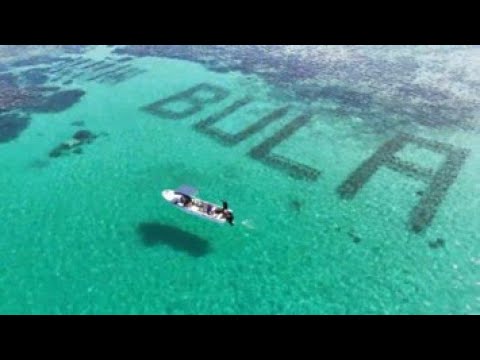
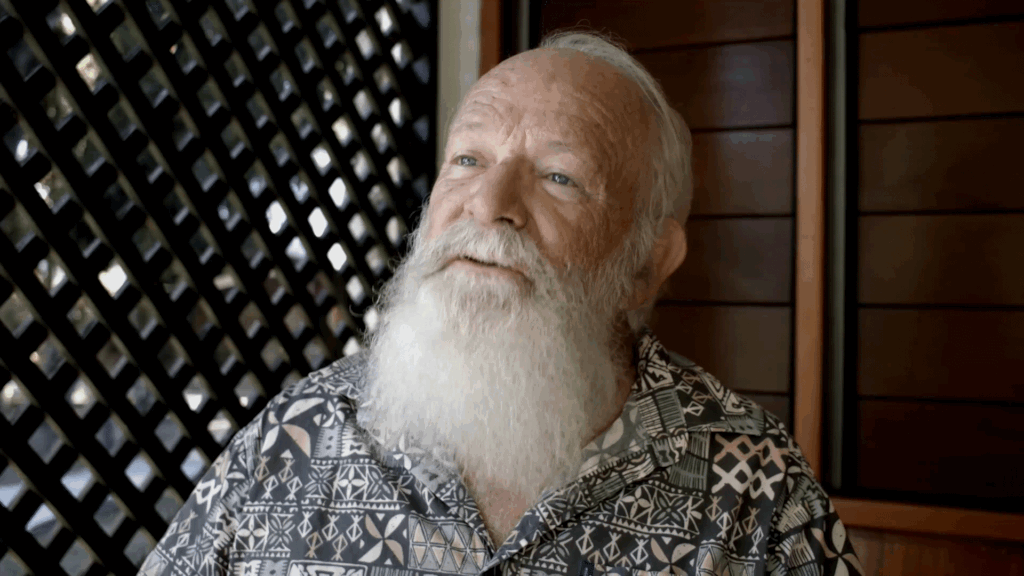
The C4C team member Wilson just made a short film on our Bula Nursery, as a thank you to Plantation Island Resort for continuing to provide materials, accommodation and fuel for our team. BULA Thank You
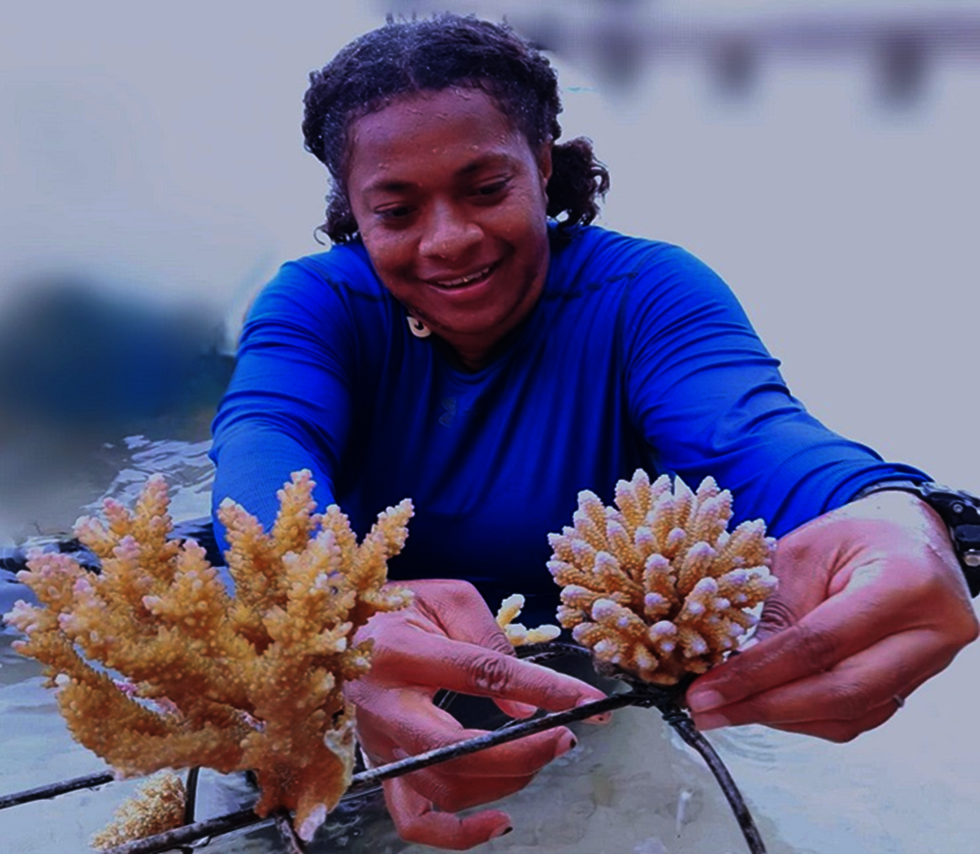
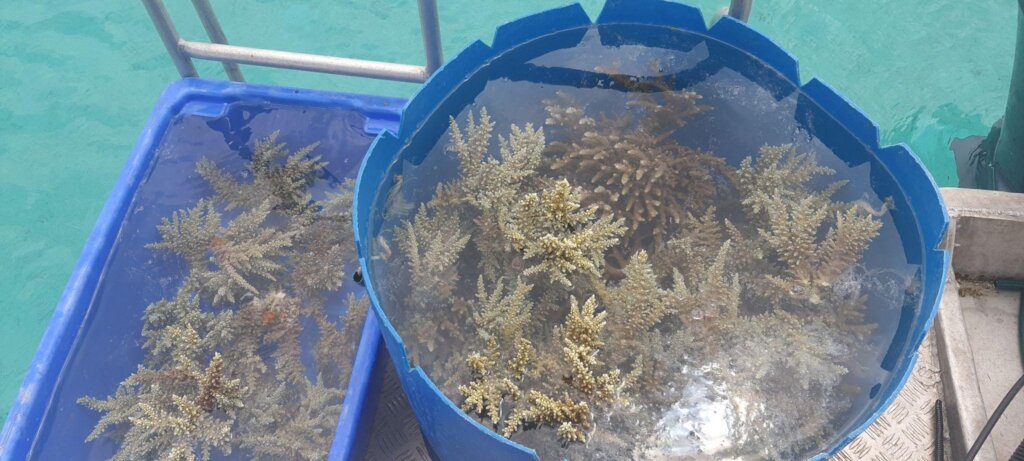
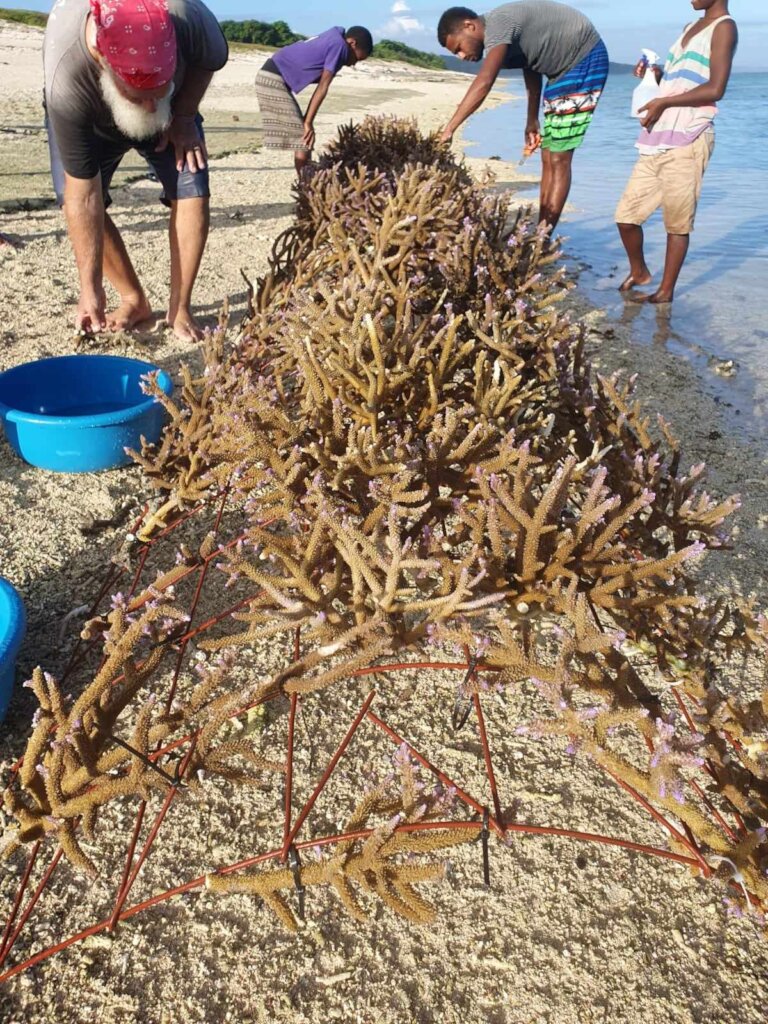
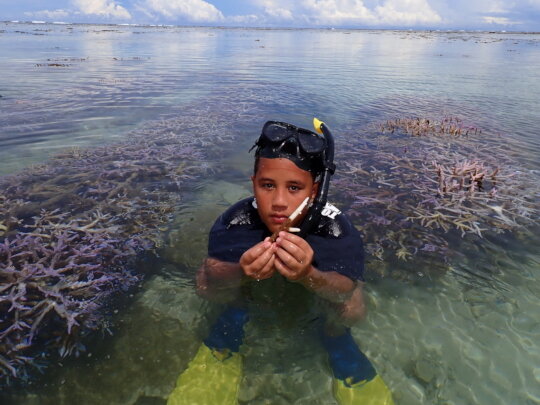
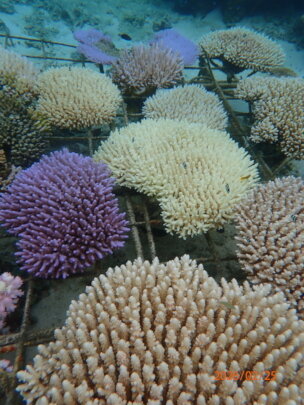
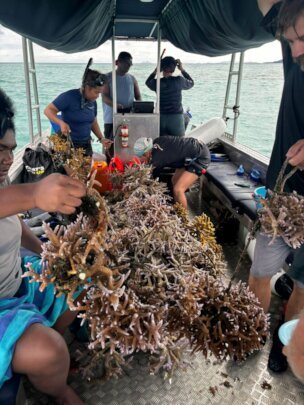
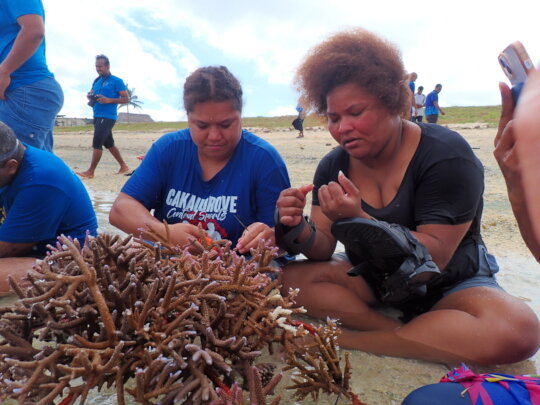
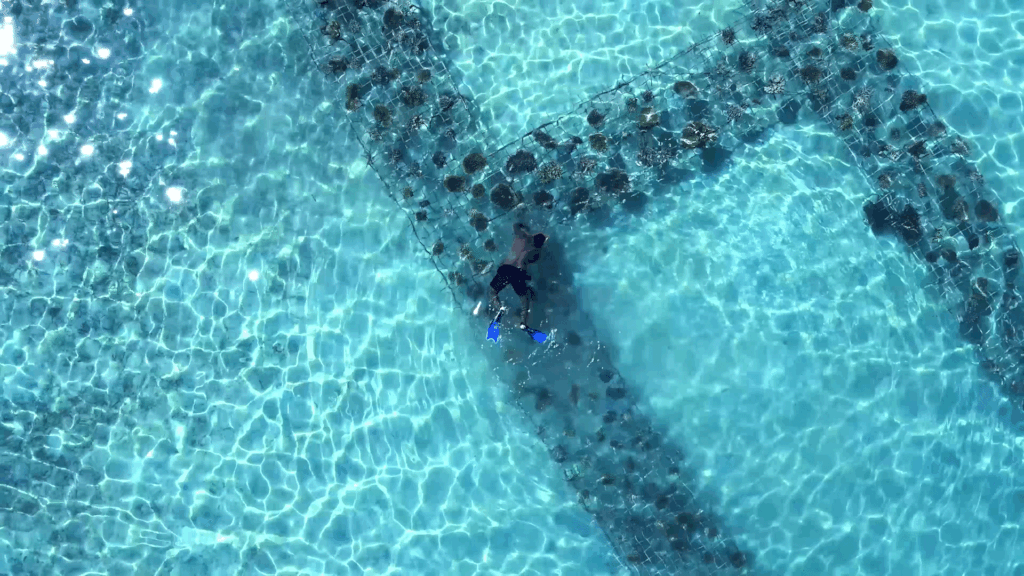
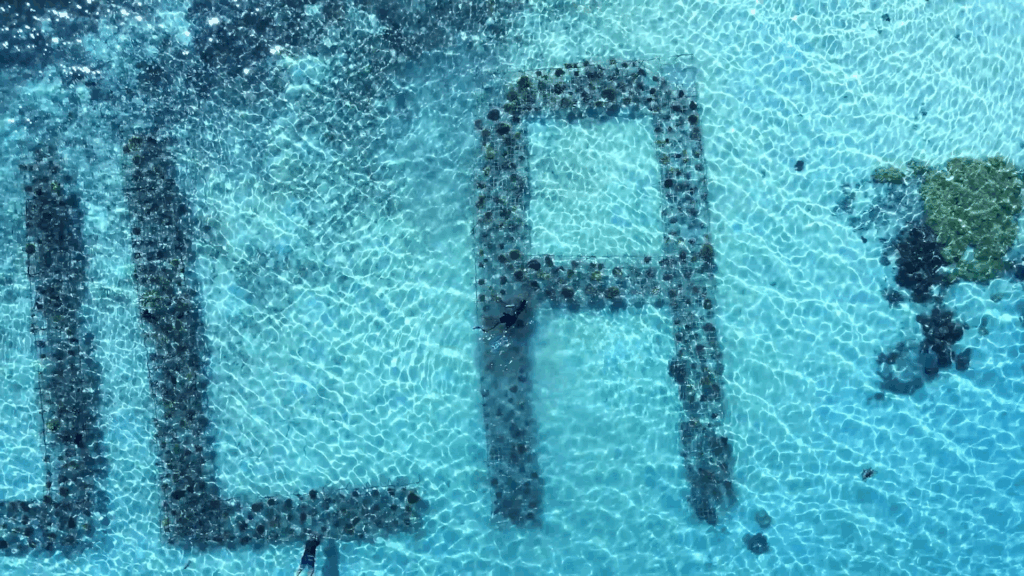
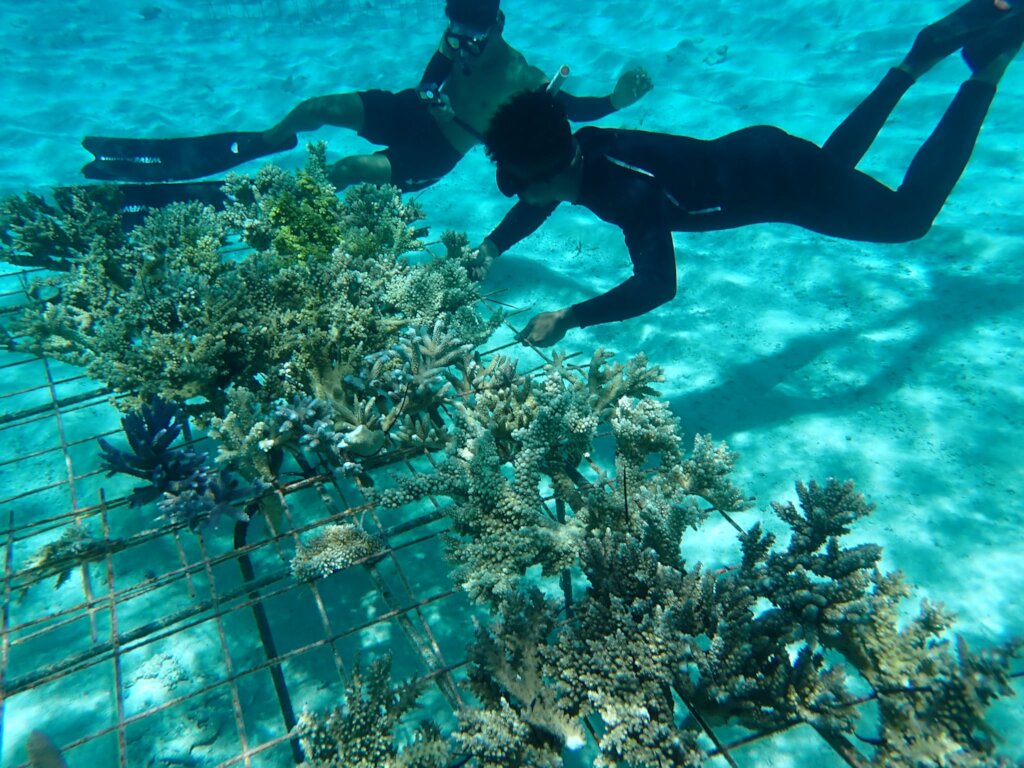
We are back on site this week as it is the cool coral planting season again. Coral work can't wait. We have much to do before the hot season arrives in December. This year we are rushing to create "regeneration patches" in time for the October/November coral spawning season. We are getting proof that using dense patches of corals will attract coral larvae back to degraded reefs, accelerating natural recovery processes. Each patch is planted with heat-adapted corals to help the reef adapt to increasing temperatures. It's been a bittersweet fight -- many wins, but sadly way too many losses. Climate Change is relentless, but we have found a way to buy coral reefs some time.
This new film gives more details on the Reefs of Hope strategies, and what makes this work so unique and valuable. The program has been selected as an Ocean Decade Action, and nominated by the International Coral Reef Initiative for an EarthShot Prize! Reefs of Hope Strategies
Last December, I carried out a three-week field trip and a workshop for the local NGO Fuligafou, funded by UNDP. I will return using GlobalGiving funds in August. Considerable progress was made in finding and securing the few remaining corals within a gene bank nursery and restoring their reproductive capacity. And we have hired a dual Tuvalu/Fiji citizen who is an MS Marine Science student at USP(Fiji) with CORDAP funding specifically to manage and continue to develop the vital Tuvalu coral work. UNEP funding is dwindling and a no-cost extension will be denied. There will be no funds for boats and fuel, so GlobalGiving will once more be our salvation!
We are racing to establish the regeneration patches well before the October and November mass spawning season. We now have UV torches with which to seek out the baby corals 2 weeks after settlement.
Myself, Wilson, Susana, Raj, and CORDAP partner scientists Dan and Robin will attend International Coral Reef Symposium in Auckland, New Zealand from 20-24th July. We will present our findings and hopefully others will join us in the coral rescue work. All of us will be wearing logo Polo Shirts in order to present a united Reefs of Hope presence.
Your continued generousity fuels all this coral protection effort:
Highlights thus far include:
- September 2025: Scientific paper on results published. Coral outplanting findings - The Reefs of Hope paradigm
- August 2025: GG-funded Tuvalu 'post coral bleaching' visit and assessment.
- November 2025: Coral workshop at Plantation Island Resort.
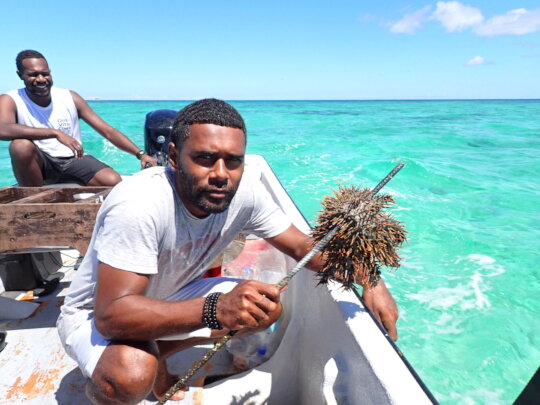
- December 2025: Tuvalu Coral reef recovery work with Fuligafou and Rajneel using additional UNDP funds. The report that was produced has been met with great interest by SPREP and the UN and is seen as evidence in an upcoming ICJ climate change compensation case.- Feb- April 2026: Mass bleaching hit all Fiji sites and we used the crisis to select bleaching resistant corals. Naidiri lost most of their corals, and we unfortunately had not found a cooler water site to move some of each genotype into. We got some good temperature logger data and the site reached above 36C (97F) several times.- February 2026: Science partners workshop at PIR, Malolo site.- March 2026: Coral taxonomy workshops in Fiji with Doug Fenner in partnership with PIR and in Vanuatu in partnership with Fisheries and Iririki Resort.- March 2026: Scoping by Austin for site selection in the Port Vila area. Report produced.- March 2026: We got permission from CORDAP to purchase a 14-seater van for field use and for transporting workshop participants. We completed our first community-to-community exchange between Naidiri and Nangumagua village, Serua. A new MPA (Marine Protected Area) was created.- March- May 2026: MS Student Mark Romeo visited and drone mapped various reef flats in our sites.- April/May/June 2026: A new site was established in Serua as a partnership between the Namaqumaqua community, Crusoe's Resort, and C4C, with our first nursery created. There has been amazing community support, and we plan at least 4 regeneration patches on this badly degraded and large reef area affected mainly by bleaching and COTS predation.- May 2026: We established a new cool water nursery on the outer backreef as a new partnership with Cloud 9 floating restaurant and bar, with them purchasing the materials. We moved unbleached corals from the West Nuku hot pocket out to cooler waters.- May 2026: We invented a new "Coral Dome" structure that is ideal for planting corals without the need for welding, and we created four such structures at Cloud 9.- May 2026: We have partnered with the Pearl Resort to host our second boat, funded by EU (RERIPA) and we will create a fourth site there later this year.- June 2026: Dan Barshis and Dev completed their experimental setup in heat resilience in corals in Fiji at the Malolo site with 5 species of corals x 10 genotypes -- each taken from nearshore reefs -- with 200 coral colonies divided and transplanted to 4 situations of heat stress from hot to cooler reefs. We used the map that Robin Hartley (additional outputs) generated as our guide in site selection. Each site has two temperature loggers installed, so the map will also be ground truthed.- June 2026: The C4C boat purchased by UNEP 3 years back stationed at PIR Malolo has been repaired and is at last functioning well.- June 2026: Permission granted from CORDAP for the purchase of a boat and used vehicle by Samoa Reefs of Hope for their ongoing work.- July 2026: We are busy creating regeneration patches, and we have invented elevated structures that prevent predation from the horrible and abundant Crown of Thorns starfish.Whew!GlobalGiving funds are instrumental in propelling all these projects. Thank You!For those of you who can donate on July Bonus Day, it's for 24 hours on July 15th. Time zones can be confusing, but you can go directly to this project page & a banner showing the contest is active will show at the top. Donations from $100 to $1,500 will all receive a bonus.
By Duke Addleman | Filmographer, photographer, and editor for C4C
By Austin Bowden-Kerby | Reefs of Hope Coral Scientist
Project reports on GlobalGiving are posted directly to globalgiving.org by Project Leaders as they are completed, generally every 3-4 months. To protect the integrity of these documents, GlobalGiving does not alter them; therefore you may find some language or formatting issues.
If you donate to this project or have donated to this project, you can receive an email when this project posts a report. You can also subscribe for reports without donating.



Support this important cause by creating a personalized fundraising page.
Start a Fundraiser