Regenerating 100-Hectare Forest in Mt. Fuji

by OISCA International
Regenerating 100-Hectare Forest in Mt. Fuji

Project Report | Mar 11, 2026
Evaluating Project's Impact on Local Wildlife

By Karo Anna | Project Coordinator

Surveying birds with the researchers

Dear GlobalGiving supporters,

We are always deeply grateful for your warm support and generosity.

In this report, we want to share how your donations powered our wildlife survey.

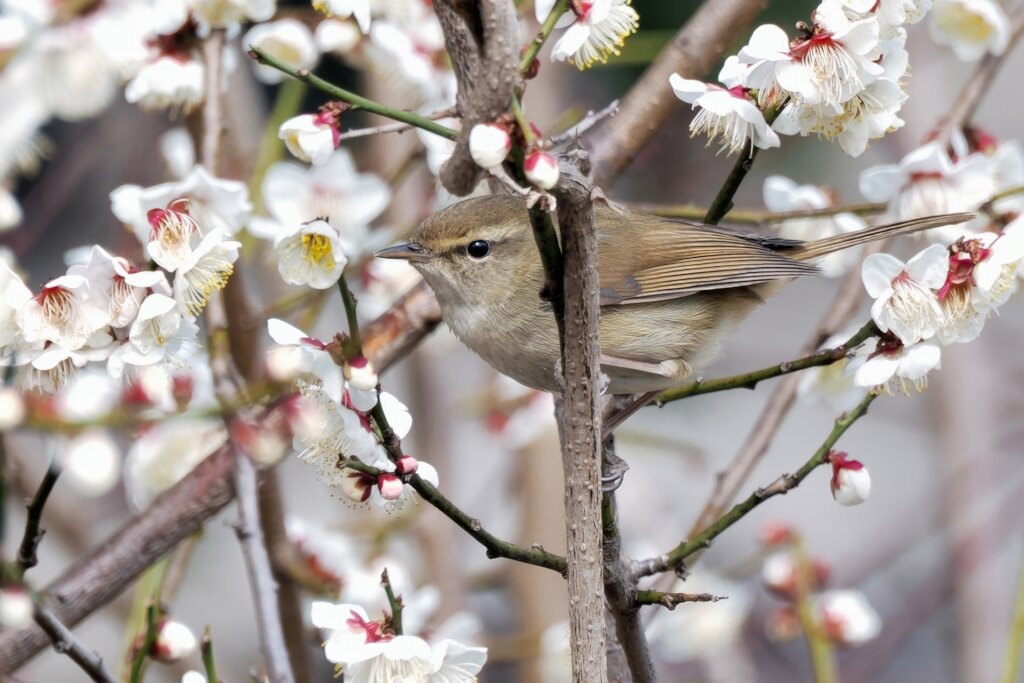
These annual surveys are an important part of this Project’s biodiversity monitoring, as they help us understand how environmental changes we make together affect local wildlife. The surveys are acoustic, meaning they rely on bird vocalizations (songs). Specifically, we are tracking the population of the Japanese bush warbler, whose songs are widely known in Japan. You may know the bush warbler by its Western nickname, Japanese nightingale, given due to their similarly beautiful songs. In Japan, however, this bird also holds a deep cultural significance.

You may already know that Japanese people have historically lived in close connection with nature, being attentive to and finding beauty in seasonal changes. Each season is represented by its own words – kigo. For example, words like fireworks and cicadas represent summer, momiji (colorful foliage) – fall, and snow –winter. For spring, it is the bush warbler. Since ancient times, its song was associated with the arrival of spring, which is why it is also called harutsugedori (the bird that announces spring). While this bird is hard to spot in the wild, Japanese people instantly recognize its song, which allows us to involve volunteers and Project team members in surveys.

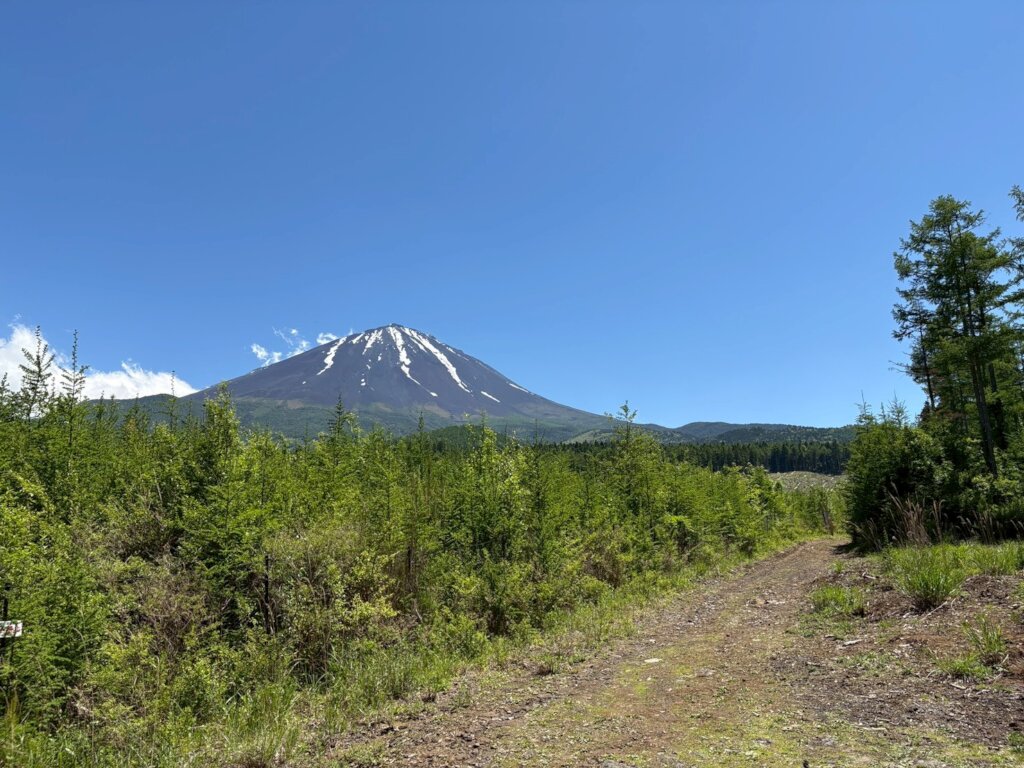
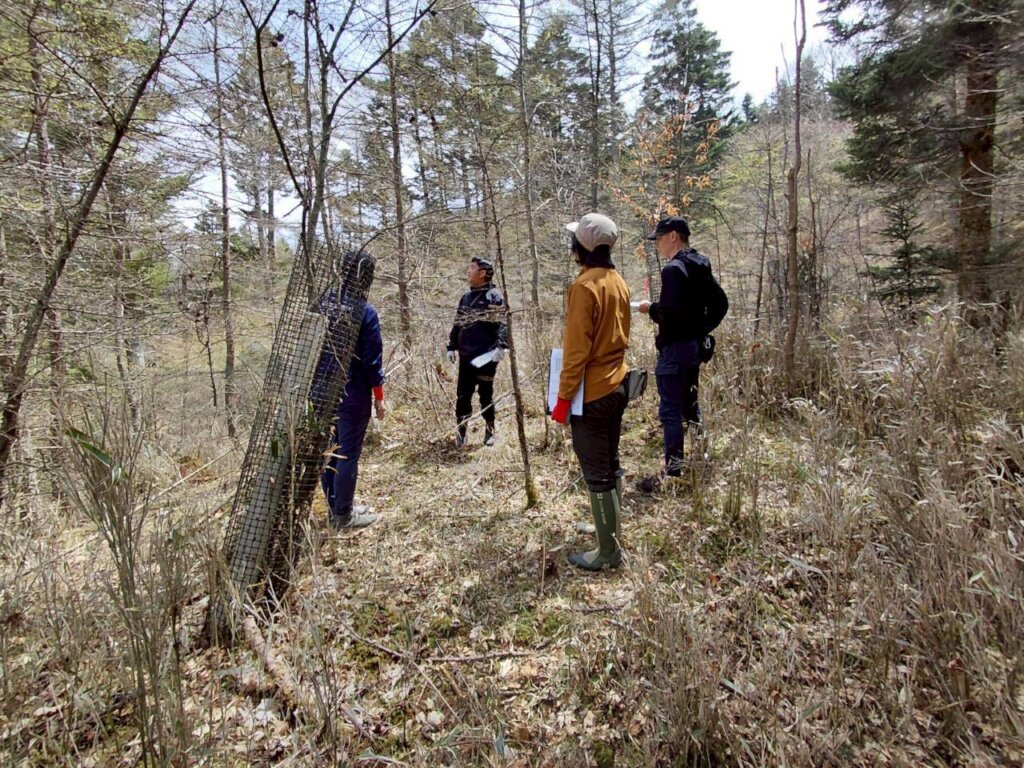
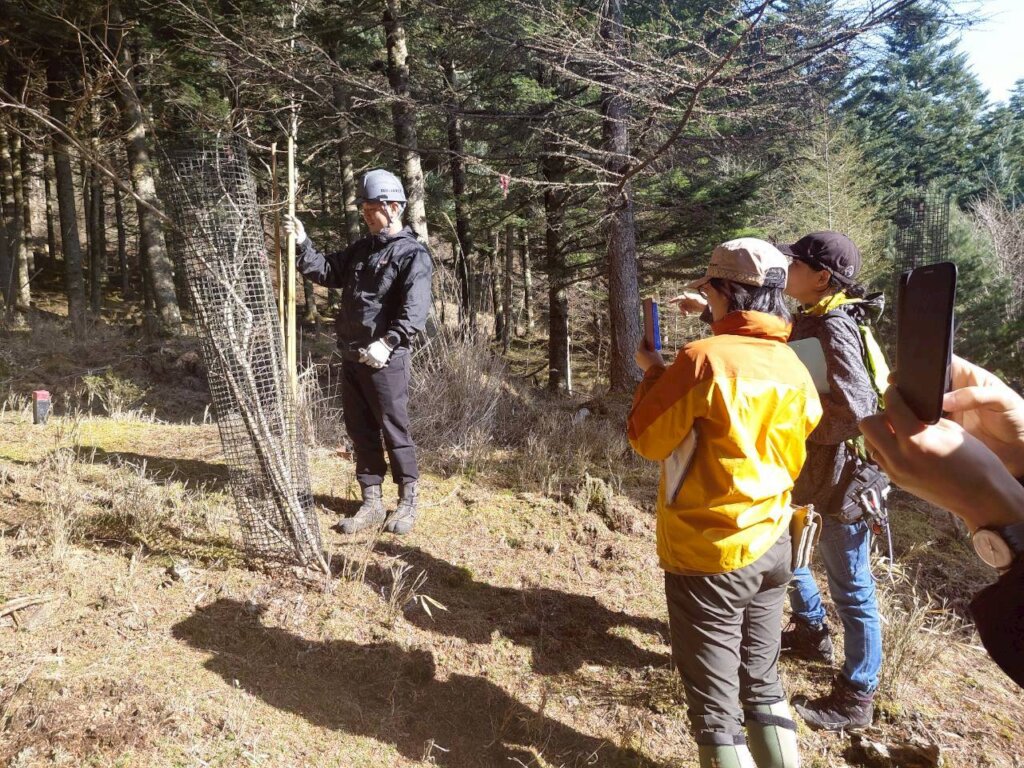
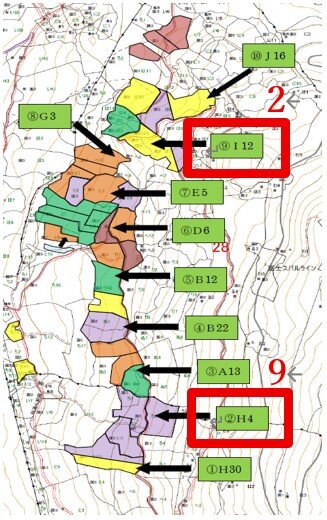
As always, for this survey we also collaborated with bird researchers and monitored ten locations, spaced evenly across our project area (see attached map). By annually surveying the bush warbler population at each of these sites, we are building a continuous, long-term dataset to measure the true impact of our shared work. At each location, we counted the birds’ songs heard within a certain time limit, while also noting their approximate distance and direction. Because these birds call from various directions and distances, accurately distinguishing each individual sound is no easy task. Calls may come from right nearby or from far off in the distance. To ensure no song goes unheard, we conducted the survey in groups of multiple members.

Beyond just helping us gather data, these surveys also have a distinct therapeutic effect. Listening to birdsong is believed to improve mental wellbeing, offering relief from mental fatigue and stress. Stepping in the forest and listening intently to the birdsong helps us notice diverse sounds of nature - the rustling of the trees and the calls of other birds. Considering such positive effects, we are looking into initiatives to leverage our project site to help improve health and mental well-being of project stakeholders. 

Connecting humans with nature through our activities, we are committed to nurturing a sense of appreciation and respect for the natural world.

Japanese bush warbler (uguisu)
We monitored birds in the highlighted areas
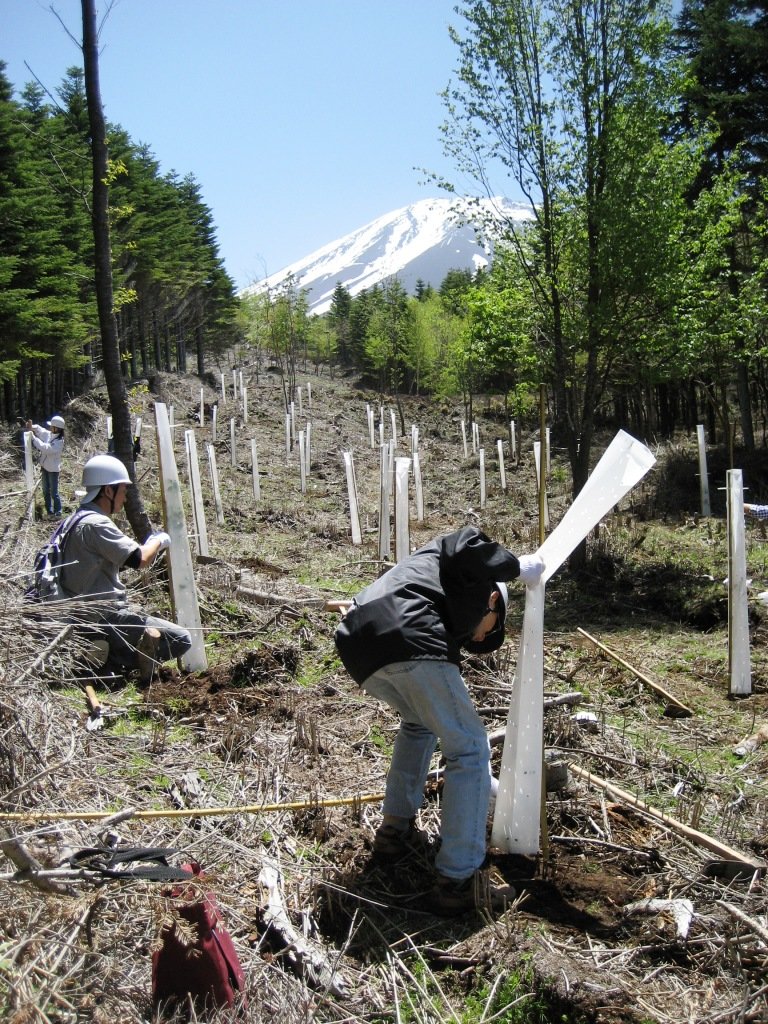
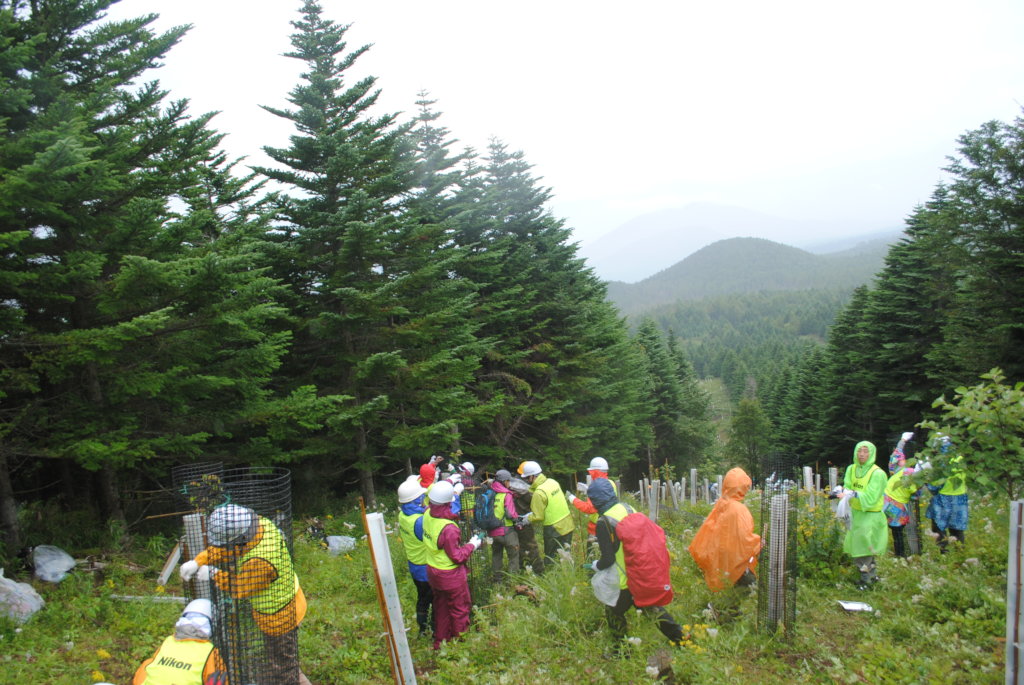
Project members & volunteers work with researchers
Share on Twitter Share on Facebook

Jan 26, 2026
From 20 Years of Experience to the Next Phase

By Kosei Sugawara | Project Manager

Dec 19, 2025
Progress update and New year's endeavors

By Karo Anna | Project Coordinator

About Project Reports

Project reports on GlobalGiving are posted directly to globalgiving.org by Project Leaders as they are completed, generally every 3-4 months. To protect the integrity of these documents, GlobalGiving does not alter them; therefore you may find some language or formatting issues.

If you donate to this project or have donated to this project, you can receive an email when this project posts a report. You can also subscribe for reports without donating.


Sign up for updates

Organization Information

OISCA International

Location: Suginami-ku, Tokyo - Japan
Facebook: Facebook Page
Project Leader:
Ma. Grazen Acerit
Suginami-ku , Tokyo Japan
$9,908 raised of $20,000 goal
 
240 donations
$10,092 to go
Donate Now

Help raise money!

Support this important cause by creating a personalized fundraising page.

Start a Fundraiser

Learn more about GlobalGiving

Teenage Science Students
Vetting +
Due Diligence

Snorkeler
Our
Impact

Woman Holding a Gift Card
Give
Gift Cards

Young Girl with a Bicycle
GlobalGiving
Guarantee

Get incredible stories, promotions, and matching offers in your inbox

WARNING: Javascript is currently disabled or is not available in your browser. GlobalGiving makes extensive use of Javascript and will not function properly with Javascript disabled. Please enable Javascript and refresh this page.