By Dr Rohit Kumar Kankar | Lead M & E
OBLF Remedy Program: A Public Health Initiative
Quarterly Report
October to December 2025
Submitted by
One Billion Lives Foundation
Executive Summary
One Billion Lives Foundation (OBLF) continued to strengthen accessible, community-based healthcare delivery across Anekal Taluk and Bengaluru Urban District through integrated interventions in Non-Communicable Diseases (NCDs), Geriatric and Palliative Care (GPC), Mental Health services, and palliative care at Sir C. V. Raman General Hospital.
During Quarter 3 (October–December 2025), OBLF delivered healthcare services through a combination of mobile clinics, community screenings, facility-based services, and home-based care, ensuring continuity of treatment for vulnerable populations. The NCD programme prioritised early detection and prevention, reaching over a thousand individuals through screenings and consultations, supporting treatment adherence, and facilitating referrals for advanced care. Community-based outreach enabled the identification of at-risk individuals, reinforcing a preventive approach to chronic disease management.
The Geriatric and Palliative Care programme provided compassionate, multidisciplinary support to elderly individuals and patients with chronic and life-limiting conditions. Through regular home visits, community consultations, and centre-based services, the programme improved symptom management, mobility, and quality of life while supporting caregivers and families.
At Sir C. V. Raman General Hospital, OBLF continued to strengthen the only government palliative care facility in Bengaluru. Clinical services, physiotherapy, and counselling were complemented by extensive capacity-building initiatives for hospital staff, contributing to the institutionalisation of quality palliative care within the public health system and improving access for urban and migrant populations.
The Mental Health Programme expanded access to community-based mental healthcare through early identification, counselling, psychosocial support, and facilitated psychiatric consultations. By combining home-based follow-ups, caregiver engagement, and frontline worker training, the programme addressed stigma, improved treatment adherence, and ensured sustained engagement with care.
Overall, Quarter 3 reflected OBLF’s integrated, system-strengthening approach to healthcare delivery one that combines prevention, treatment, and rehabilitation while working closely with government partners. With continued donor support, these efforts are contributing to more resilient health systems and improved health outcomes for the communities.
OBLF Public Health Initiative: A Comprehensive Overview
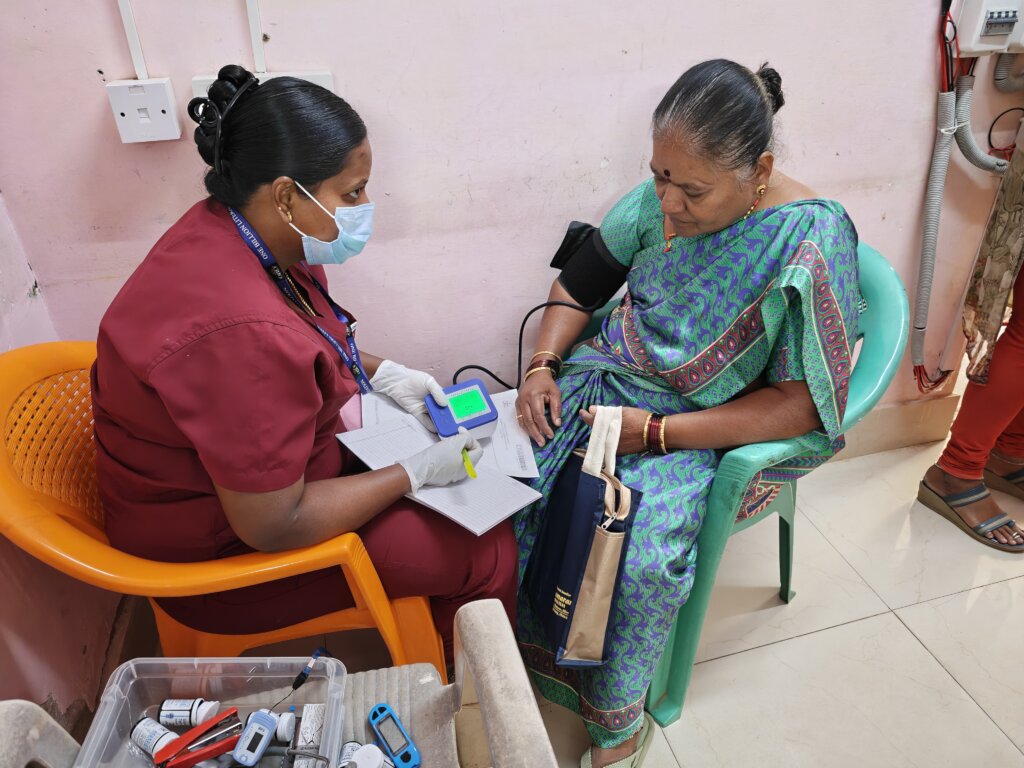
The OBLF Public Health Initiative continues to drive significant improvements in community well-being by addressing critical needs in non-communicable disease care, palliative geriatric support, community mental and and health. Through a blend of community-based clinics and personalised home visits, we ensure that compassionate, high-quality healthcare reaches those who need it most especially individuals traditionally excluded from mainstream services. Nurse assessing the patient during a home visit.
Our multidisciplinary team works in close collaboration with partners and local stakeholders, consistently adapting and strengthening our model based on ground-level feedback and evolving community needs. As the initiative grows, we remain deeply committed to expanding access, elevating the standard of care, and equipping communities with the knowledge and support required to lead healthier, more resilient lives.
During Quarter 3, OBLF continued to strengthen community-based healthcare delivery across Anekal Taluk and Bengaluru Urban District, with a focused emphasis on Non-Communicable Diseases (NCDs), Geriatric and Palliative Care (GPC), Mental Health services, and secondary-level palliative care at Sir C. V. Raman General Hospital. Through mobile clinics, community outreach, facility-based services, and home-based care, the programme ensured continuity of care for vulnerable populations while strengthening government health systems.
1. Non-Communicable Disease (NCD) Programme
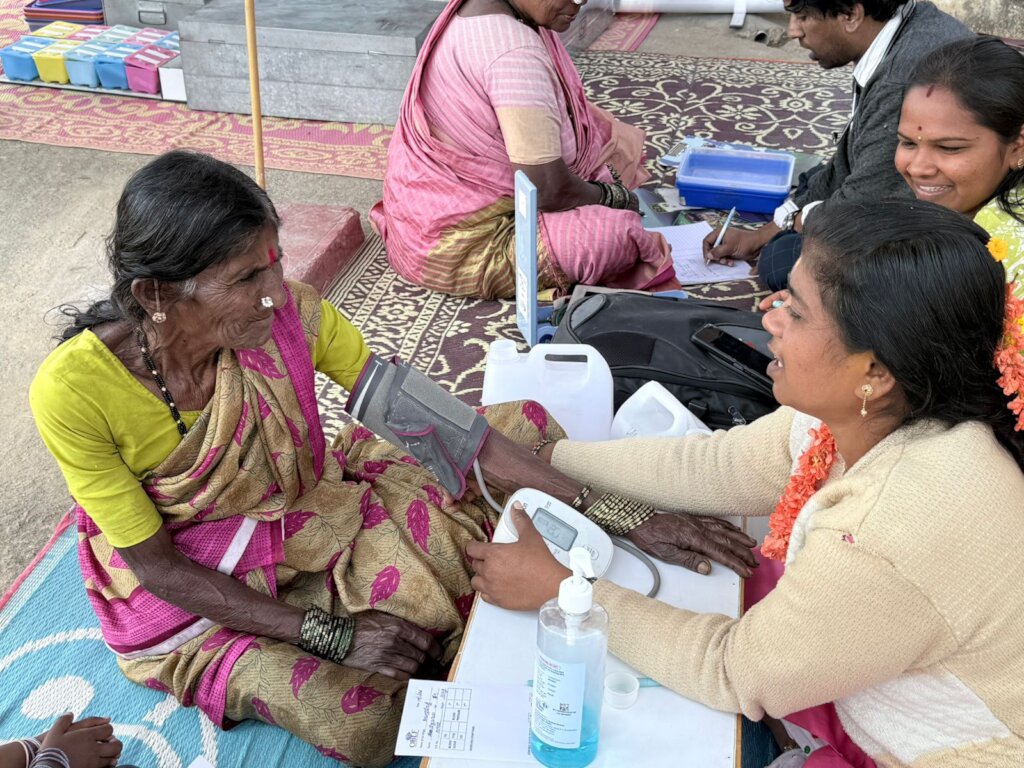
With nearly one in four Indian adults aged 30–70 at risk of premature mortality due to major NCDs, our program prioritizes the prevention and management of NCDs particularly diabetes and hypertension. We adopt a comprehensive, end-to-end prevention-and-care model that integrates community-based screening for early detection and risk reduction; mobile medical clinics for timely diagnosis, treatment, and access to essential medications; and structured referral support for advanced and specialized care.
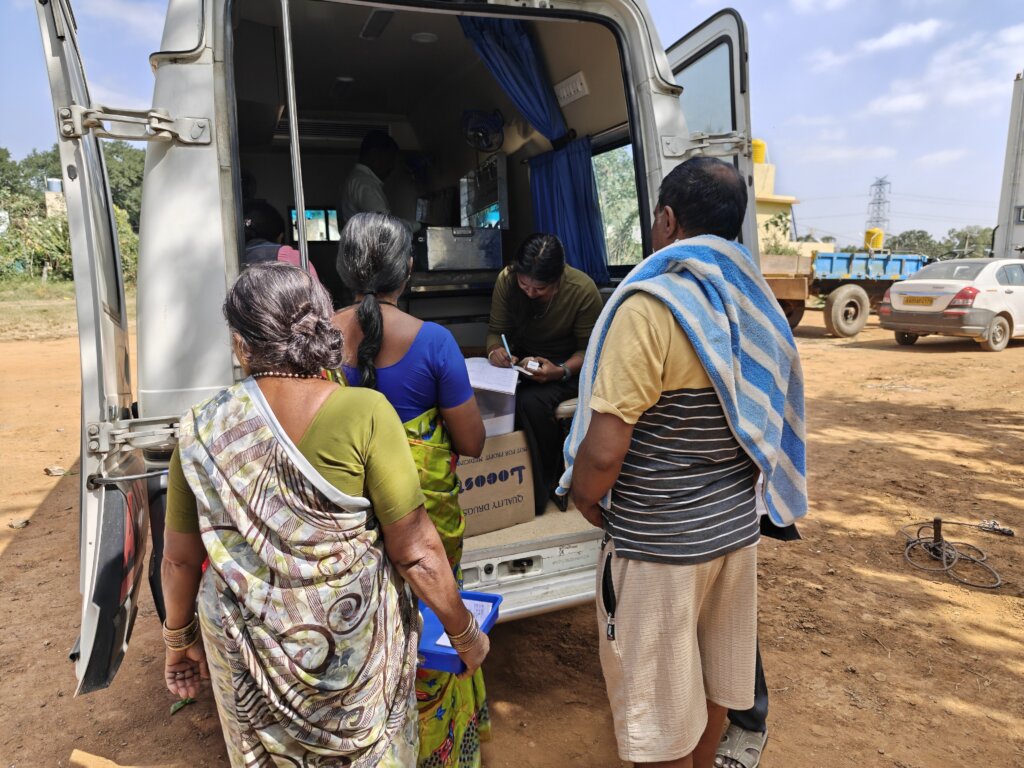
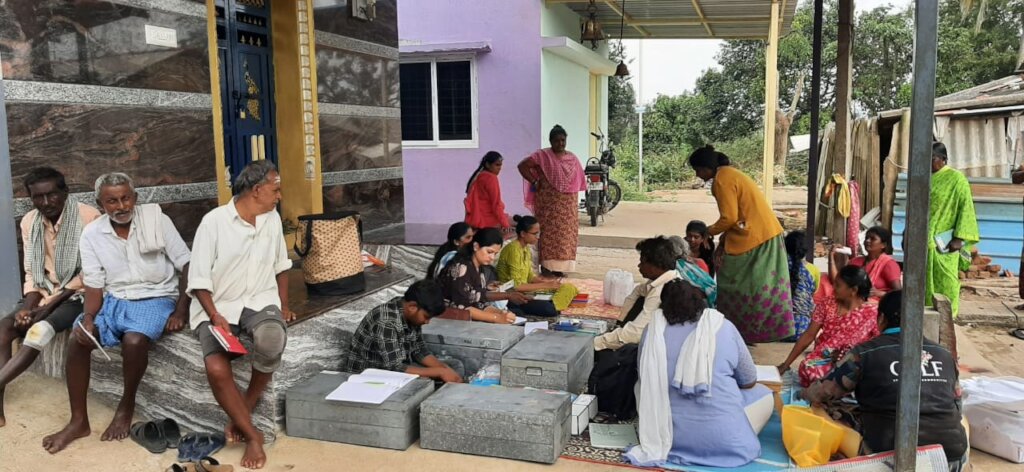
Our multidisciplinary team of doctors and paramedical professionals conducts regular village-to-village outreach through scheduled clinics, while trained frontline health workers ensure continuous, doorstep-based care through follow-ups, adherence support, and health education within the community. This integrated approach enables sustained engagement, improves treatment continuity, and strengthens long-term health outcomes for vulnerable populations.
During Quarter 3, the NCD programme focused on early detection, continuity of treatment, and prevention of disease progression through a combination of mobile clinics, community screenings, and structured follow-ups.
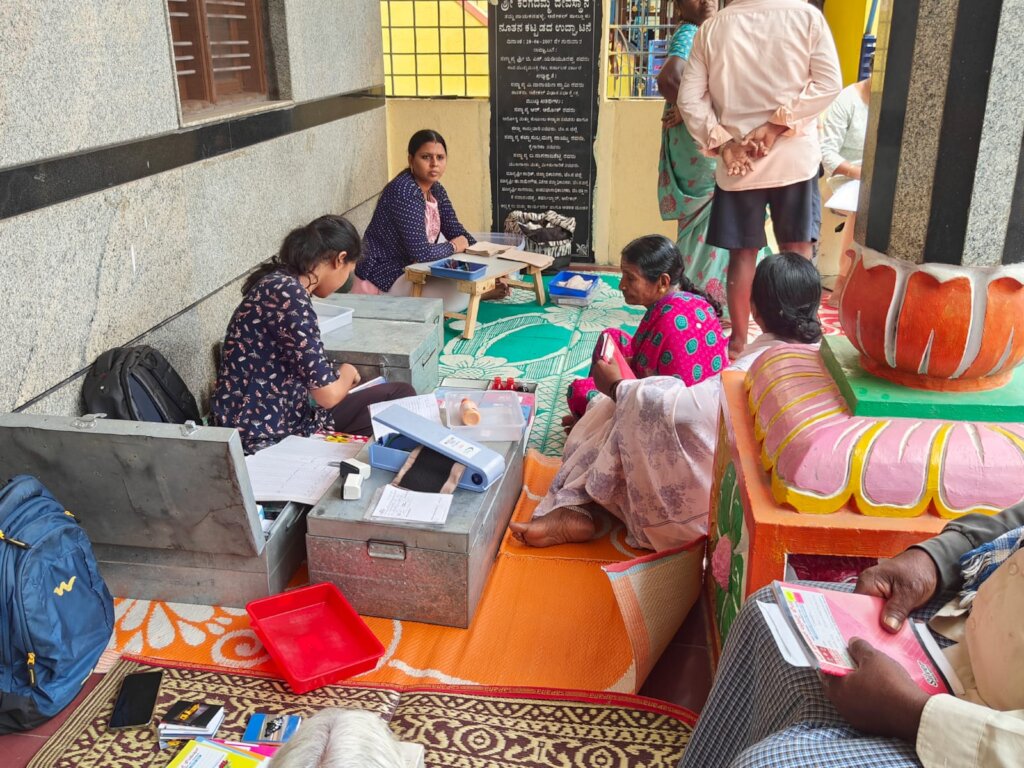
Across the quarter, over 30 mobile NCD clinics were conducted across multiple villages, delivering approximately 800+ medical consultations. These clinics primarily addressed hypertension and diabetes, including patients with co-morbid conditions. Community-based screenings complemented clinic services, enabling the early identification of individuals at risk (pre-hypertension and pre-diabetes), who were subsequently given guidance and follow-up pathways.
More than 1,200 individuals were screened through clinics and outreach activities during the quarter. Of those diagnosed, 700+ follow-up consultations were provided to ensure treatment adherence, medication continuity, and lifestyle modification support. Diagnostic services such as blood pressure and blood sugar testing were integral to care delivery, with over 1,400 diagnostic tests for blood sugar and blood pressure were conducted during the reporting period.
The programme also supported access to essential medicines, distributing close to 850 units of consumable medicines during Quarter 3. Patients requiring advanced care were referred to secondary and tertiary health facilities, with active follow-up by the field team to ensure continuity of treatment.
Through these efforts, the NCD programme strengthened community awareness, improved early detection, and reinforced a preventive, patient-centred model of care.
2. Geriatric and Palliative Care (GPC) – Community and Anekal Taluk
With almost 75% of India’s elderly population affected by one or more chronic illnesses, the need for comprehensive and compassionate palliative care is critical. In response, OBLF has partnered with the National Health Mission to strengthen and expand palliative care services through the GPC programme. The programme delivers a continuum of care encompassing geriatric, chronic, and end-of-life support, anchored in a structured, multidisciplinary care model.
The OBLF GPC program provides comprehensive, patient-centred services to address the medical, and supportive care needs of elderly individuals and those with chronic or life-limiting conditions. Services include regular outpatient and community-based clinics, home-based care for patients with limited mobility, pain and symptom management, medication support, physiotherapy, counselling, and referral coordination for secondary and tertiary care. Outreach services form a core component of the program, with frontline health workers conducting home visits, community screenings, follow-ups, and caregiver support to ensure continuity of care beyond hospital settings. Through an integrated and compassionate approach, the GPC program enhances quality of life, improves access to care, and supports patients and families within their own communities.
The Geriatric and Palliative Care programme continued to provide compassionate, home-based and clinic-based care to elderly individuals and patients with chronic and life-limiting illnesses. During Quarter 3, the GPC team delivered over 400 follow-up consultations, including home-based palliative care visits, community consultations, and centre-based services. These services addressed pain and symptom management, mobility support, nursing care, counselling, and caregiver guidance.
Approximately 150–200 home visits were conducted during the quarter, ensuring access to care for patients who are bed-bound or unable to travel. Physiotherapy services were integrated into home-based care, improving functional mobility and quality of life for patients with chronic conditions.
The programme maintained close coordination with frontline health workers and government facilities, enabling effective referrals, follow-up planning, and continuity of care. Regular multidisciplinary reviews ensured that patient needs were addressed holistically, combining medical, rehabilitative, and psychosocial support.
3. Sir C. V. Raman General Hospital – Palliative Care Services
OBLF operates the Palliative Care Department at Sir C. V. Raman General (District) Hospital in Indiranagar, Bengaluru. Since July 2024, this facility has been the only secondary-level public hospital in the city to offer dedicated palliative care services, playing a critical role in addressing the needs of patients with life-limiting illnesses and their families. The Palliative Care Ward at C. V. Raman Hospital was inaugurated in the presence of Dr. Avinash Menon Rajendran, Mission Director of the National Health Mission, marking an important milestone in strengthening public palliative care services. The hospital serves a large catchment population, and OBLF’s outreach activities have already reached a significant segment of the community.
Our multidisciplinary medical team has provided ongoing care to a wide range of patients through multiple service delivery platforms. These include inpatient and outpatient care, community-based clinics, physiotherapy, home-based care, and counselling services, ensuring comprehensive and dignified support for individuals with serious and life-limiting illnesses.
At Sir C. V. Raman General Hospital, OBLF continued to operate and strengthen the only government palliative care department in Bengaluru. During Quarter 3, over 65 patients were screened for palliative and geriatric needs at the hospital, with more than 60 patients enrolled for structured follow-up care. A total of 150+ follow-up consultations were provided through outpatient, inpatient, home-care coordination, physiotherapy, and counselling services.
The department conducted over 20 palliative care clinics, serving as a key platform for multidisciplinary care and caregiver engagement. Physiotherapy services were expanded during the quarter, including home-based rehabilitation support for patients with mobility limitations.
Capacity building remained a core focus. Nearly 50 training sessions were conducted for hospital staff, strengthening institutional knowledge and skills in palliative care delivery. Doctors and nurses were also enrolled in nationally recognised palliative care certification courses, contributing to the long-term institutionalisation of quality palliative care within the public health system. Community outreach through Namma Clinics and awareness sessions further improved visibility and utilisation of palliative care services among urban and migrant populations.
4. Mental Health Programme
An estimated one in seven people (around 15%) live with a mental health condition, highlighting the urgent need for accessible and community-based mental healthcare. Responding to this need, OBLF launched its Mental Health (MH) Programme with a strong emphasis on early identification, localised care, and continuity of support. By closely collaborating with government health systems and local panchayat institutions, OBLF has established a trusted, community-anchored care ecosystem.
The OBLF delivers comprehensive, community-based mental health services aimed at promoting wellbeing, preventing mental health issues, and providing timely support for individuals experiencing psychological distress. Services include awareness and screening for common mental health and severe mental conditions, psychosocial support, and referral for specialised care. The program also conducts structured capacity-building initiatives for frontline staff to enhance their ability to identify and manage mental health concerns in the community. Outreach services, including home visits ensure early detection and continuous follow-up. By integrating preventive, promotive, and rehabilitative approaches, the program strengthens mental health literacy, empowers communities, and ensures care is both compassionate and accessible.
The Mental Health Programme continued to strengthen community-based mental healthcare, focusing on early identification, stigma reduction, and continuity of care. During Quarter 3, the programme supported over 200 individuals identified with mental health needs, including common mental disorders, severe mental disorders, and intellectual disability/epilepsy. Services were delivered through counselling, psychosocial support, medication linkage, and facilitated psychiatric consultations.
Across the quarter, over 500 follow-up consultations and psychosocial support sessions were provided, ensuring sustained engagement with care. Approximately 150 individuals received structured counselling or mental health follow-up, while caregivers were actively engaged and supported through training and stigma-reduction initiatives.
Psychiatric consultations were facilitated through partnerships with government hospitals and private institutions, alongside in-house psychiatric support for patients facing barriers to access. Regular home visits played a critical role in improving treatment adherence and reducing drop-outs linked to stigma and social challenges.
Capacity-building efforts included multiple training sessions for frontline staff, strengthening their ability to identify mental health concerns early and provide appropriate community-level support.
Key Outcomes and Impact
This reporting quarter demonstrated the strength of OBLF’s community-anchored model of care, combining preventive screenings, clinic-based services, home-based follow-ups, and strong referral linkages with government health systems. During Quarter 3, over 2,000 individuals were reached across programmes through screenings, consultations, and follow-up care, ensuring timely access to essential health services. A sustained focus on early identification, continuity of treatment, and multidisciplinary collaboration enabled patients to receive holistic, dignified, and patient-centred care.
Capacity building remained a critical enabler, with 50+ training sessions conducted for frontline workers and hospital staff during the quarter, strengthening service quality and supporting the long-term institutionalisation of care within public health facilities. Targeted community outreach, combined with caregiver engagement, helped reduce stigma particularly in mental health and palliative care while improving treatment adherence and strengthening trust between communities and the public health system.
Overall, Quarter 3 outcomes reflect meaningful progress toward building resilient, inclusive, and sustainable healthcare systems. With continued support from partners and donors, OBLF is well positioned to scale impact, deepen government collaboration, and further improve health outcomes for vulnerable communities in the coming quarters.
Way Forward
Building on the progress achieved during Quarter 3 (October–December 2025), OBLF will continue to strengthen its integrated, community-centred healthcare model while deepening collaboration with public health systems. The coming quarters will focus on scaling early identification efforts, expanding home- and community-based care, and strengthening continuity of treatment across NCD, geriatric and palliative care, mental health services, and palliative care at Sir C. V. Raman General Hospital. Sustained investment in capacity building for frontline workers and hospital staff will remain a priority to further improve service quality and institutionalise care within government facilities. By reinforcing referral pathways, caregiver engagement, and community outreach, OBLF aims to reach more vulnerable populations, enhance quality of care, and contribute to more responsive, inclusive, and sustainable healthcare systems with continued partner support.
By Anamika Majumder | President
By Sakshi Kumar | Program Manager Fundraising & Partnerships
Project reports on GlobalGiving are posted directly to globalgiving.org by Project Leaders as they are completed, generally every 3-4 months. To protect the integrity of these documents, GlobalGiving does not alter them; therefore you may find some language or formatting issues.
If you donate to this project or have donated to this project, you can receive an email when this project posts a report. You can also subscribe for reports without donating.



Support this important cause by creating a personalized fundraising page.
Start a Fundraiser