By Hanlong Chen | Program Manager
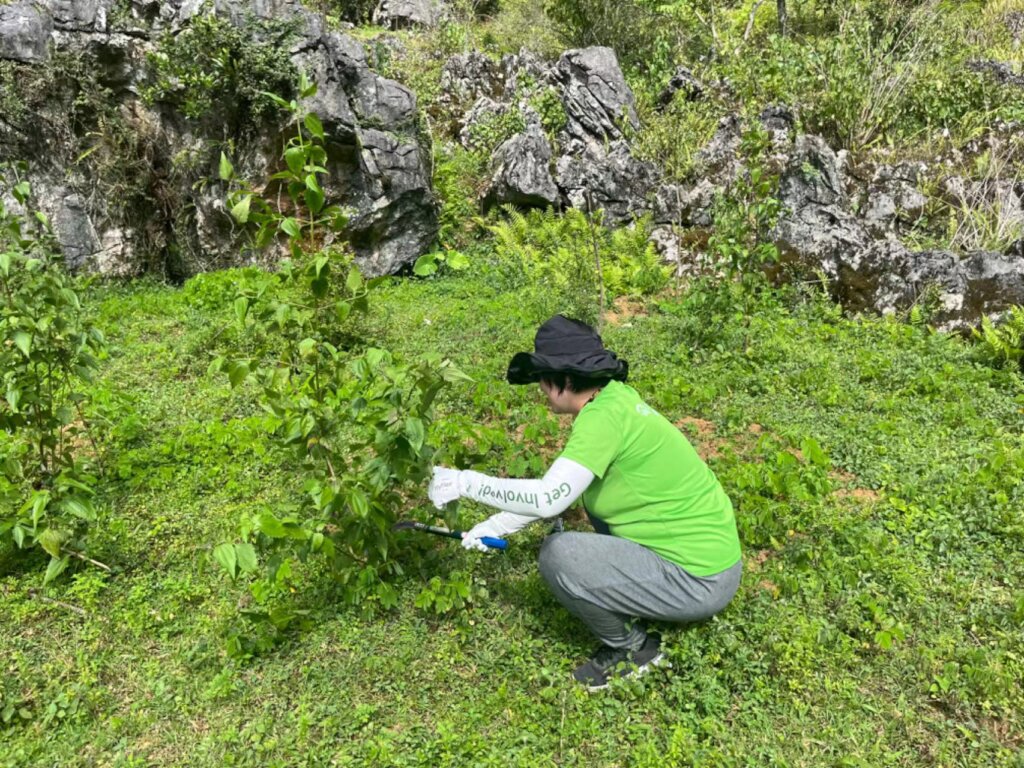
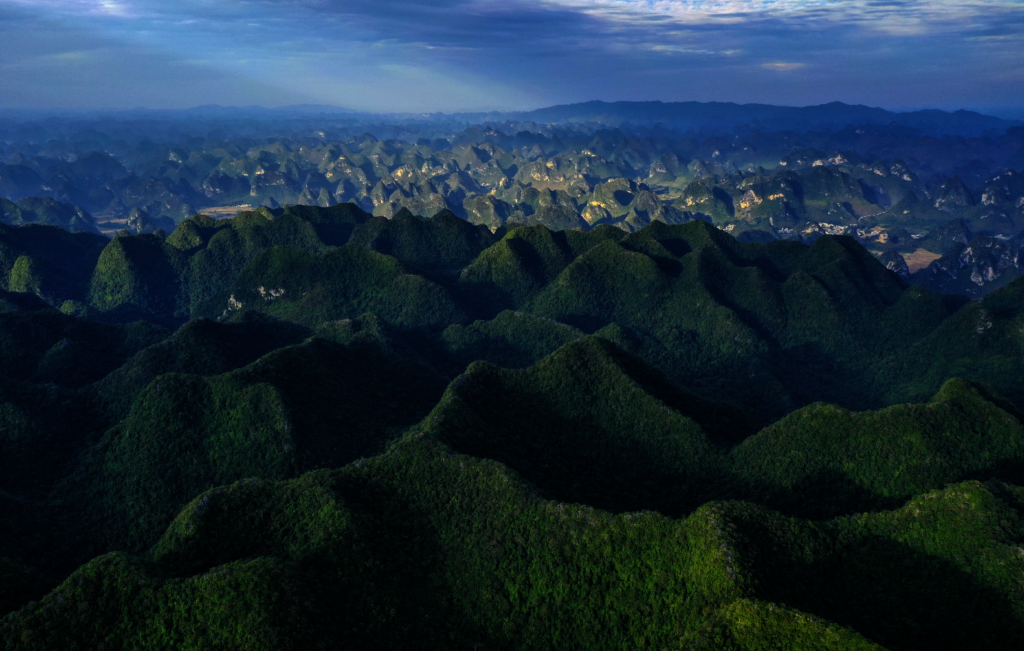
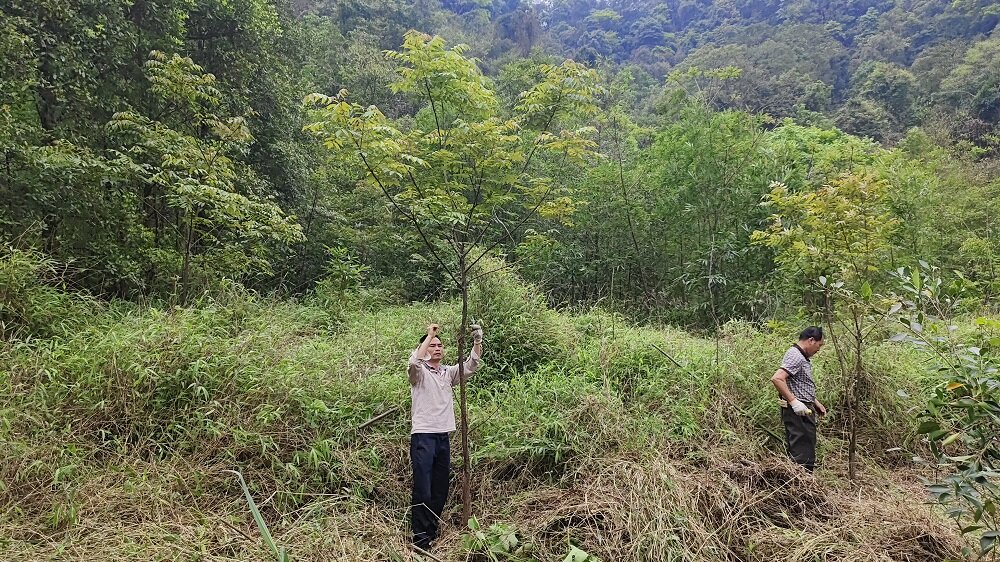
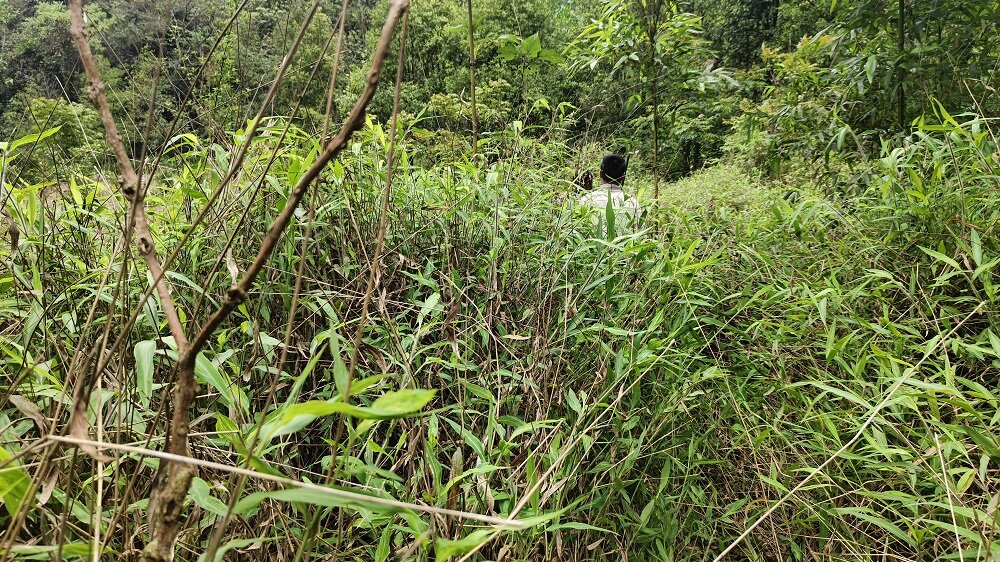
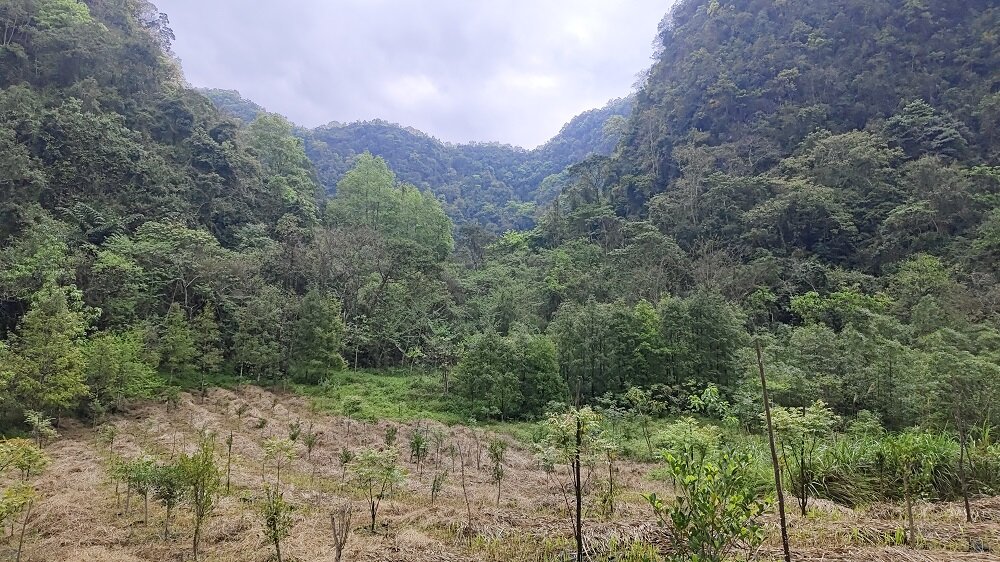
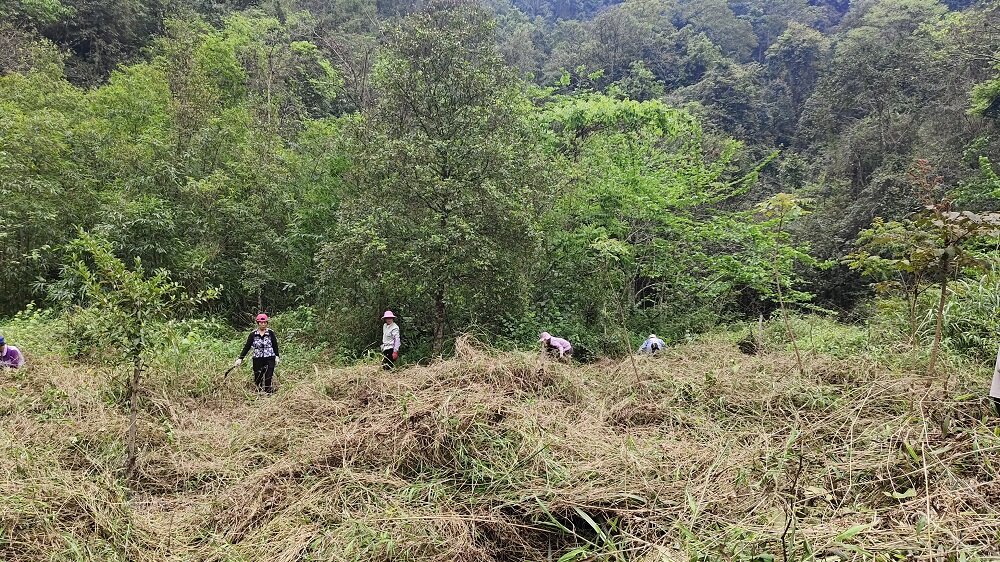
Because the restored land is typical Karst Landscape, the fast-growing grass always takes over the growing space of the newly planted saplings. Once the saplings were planted, follow-up weeding should be carried out on a regular basis.
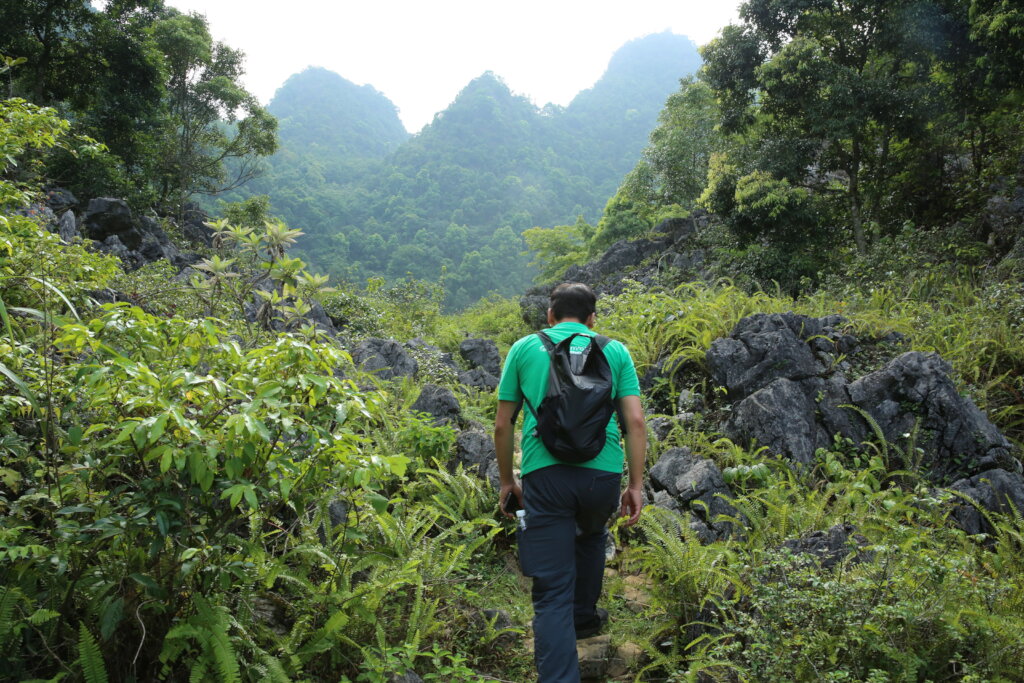
To reach the planting site on time, the local farmers had to take off from the village before 7 am, walked all the way to the site for nearly two hours. The roads were extremely rugged and difficult in the mountains, which could only be managed by the locals who grew up there. They had to hurried on the way back before sunset, leaving only five to six hours per day for the on-site field work.
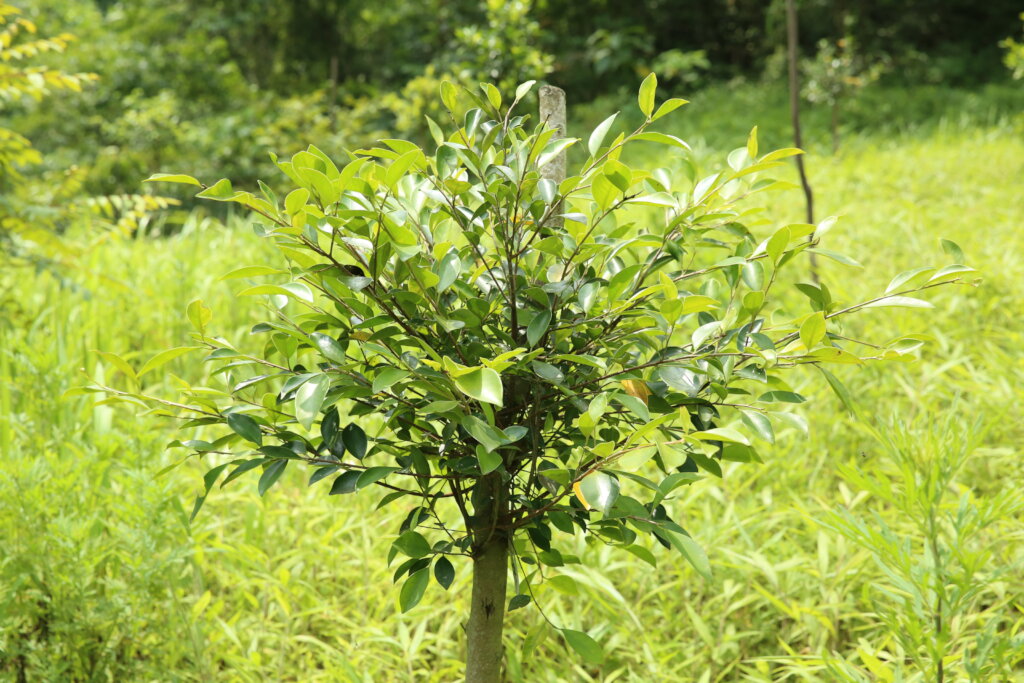
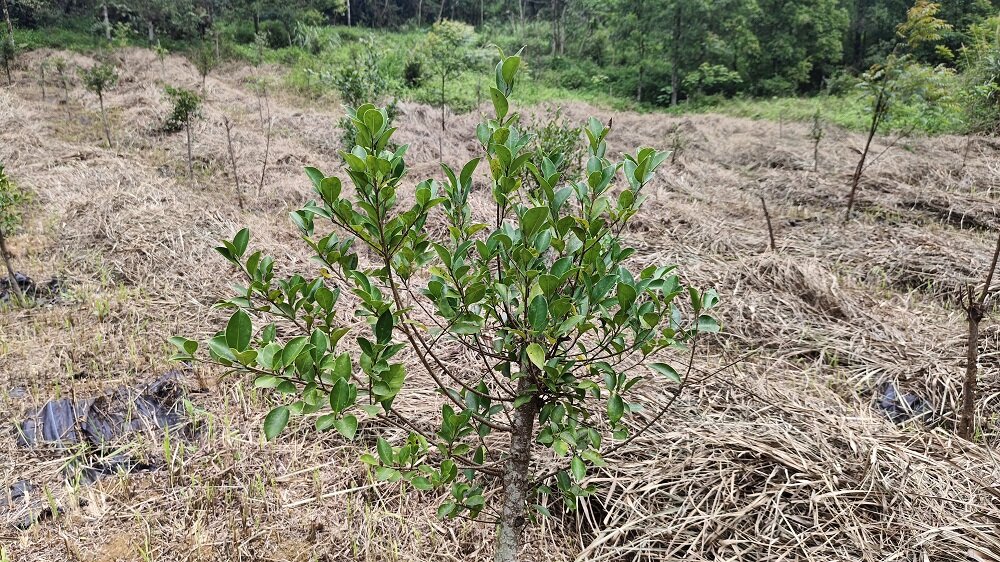
During the spring forest work, we found out that both the fig trees and plum trees planted earlier were growing strong. The survey showed the survival rate of the trees was 57%.
The farmers also did insect proof and fertilizing work for the saplings to help them keep growing. For the dead trees, we plan to plant some other local species to replenish, such as Ficus glaberrima, Ficus hookeriana and other fig trees. These species were recommended by the experts who attended the seminar in January. To achieve this, we will motivate the local farmers to build a new tree nursery and run it by themselves in the village.
Links:
Project reports on GlobalGiving are posted directly to globalgiving.org by Project Leaders as they are completed, generally every 3-4 months. To protect the integrity of these documents, GlobalGiving does not alter them; therefore you may find some language or formatting issues.
If you donate to this project or have donated to this project, you can receive an email when this project posts a report. You can also subscribe for reports without donating.



Support this important cause by creating a personalized fundraising page.
Start a Fundraiser