![]()
In 2025, Embrace Relief Foundation marked a historic milestone by establishing its official country office in Mali and launching large-scale humanitarian and health interventions targeting the country’s most vulnerable populations.
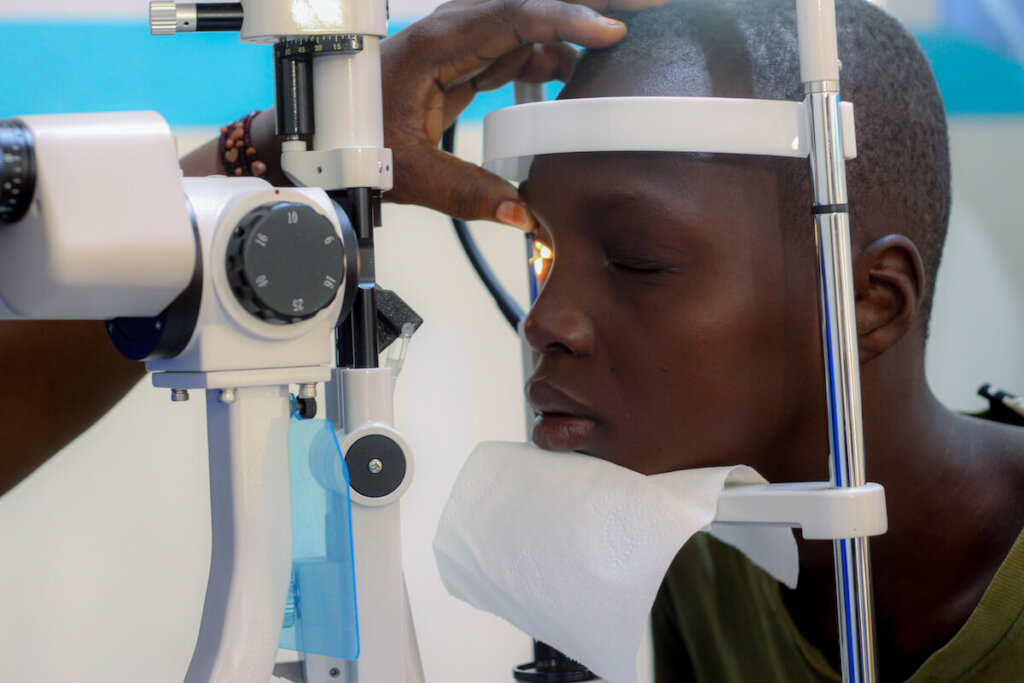
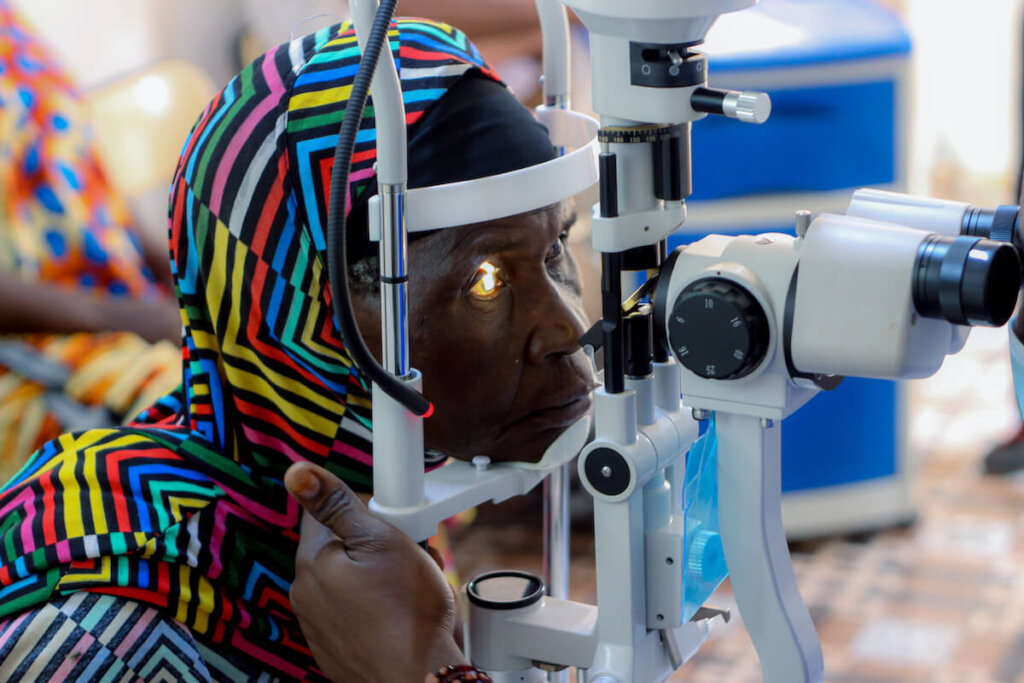
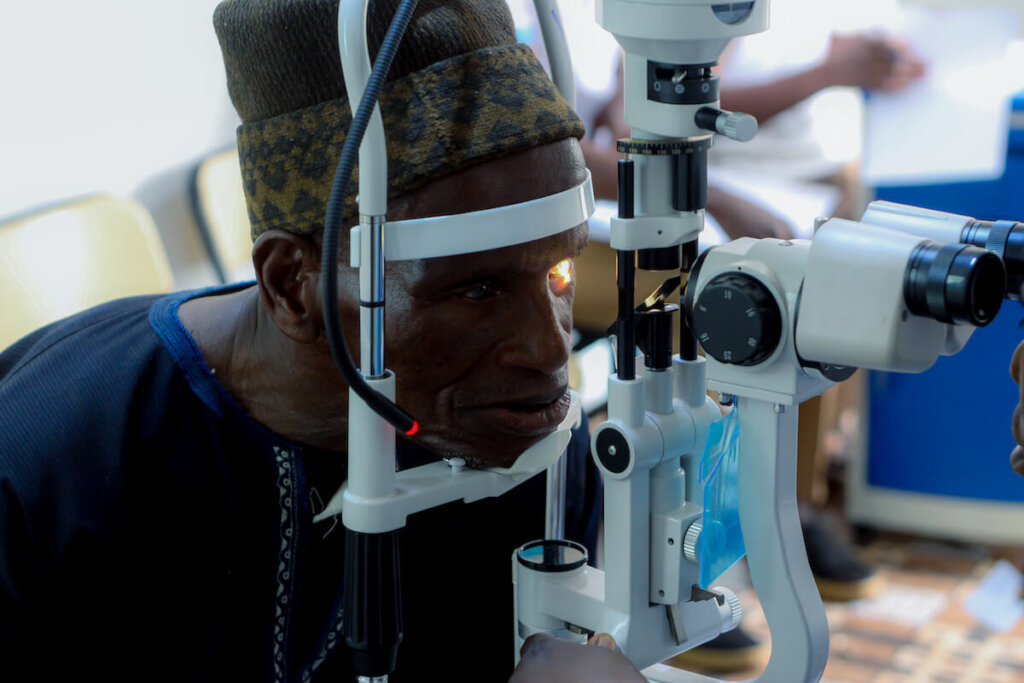
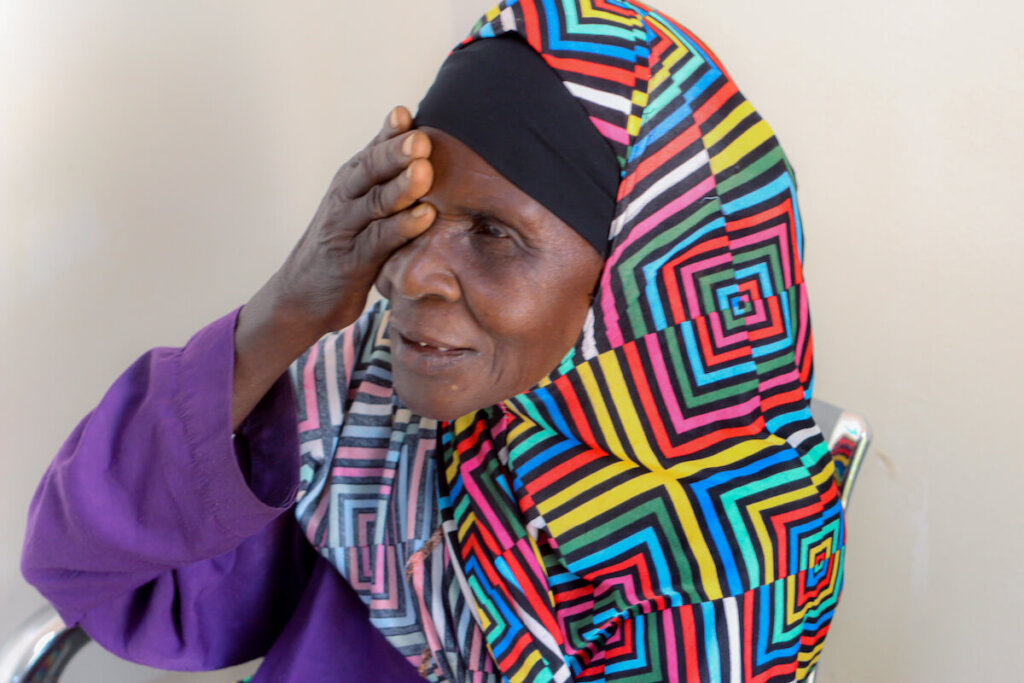
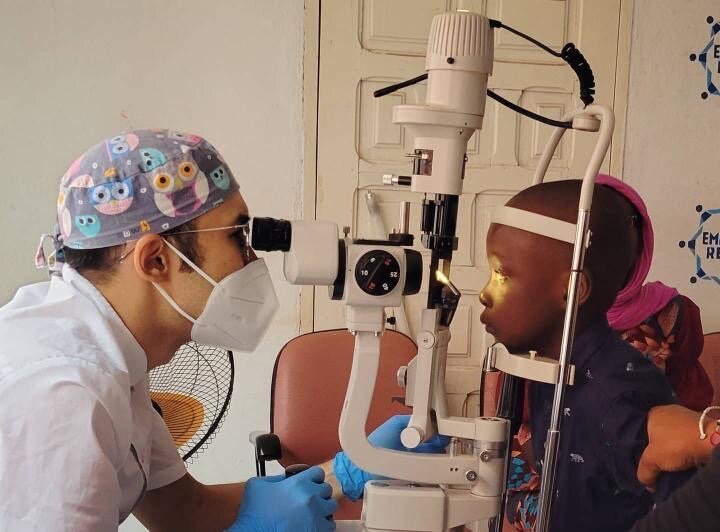
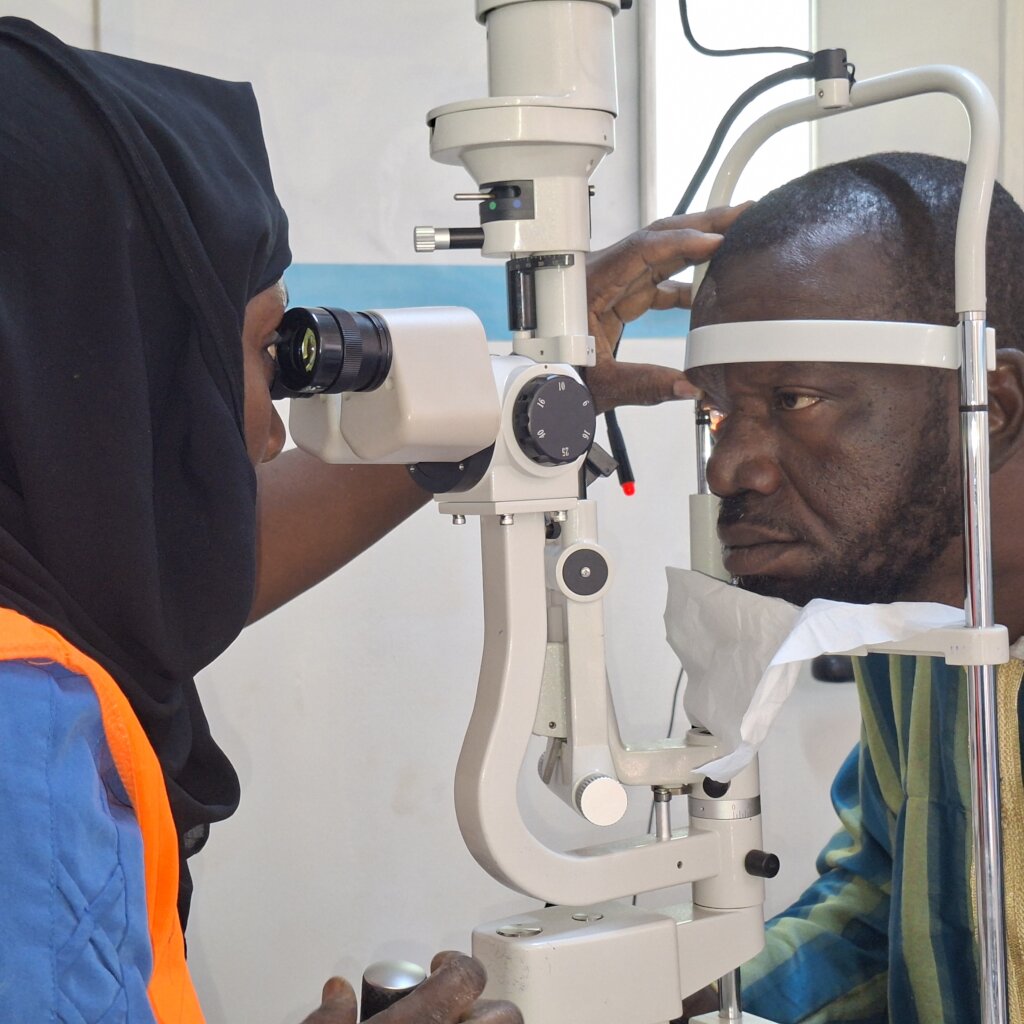
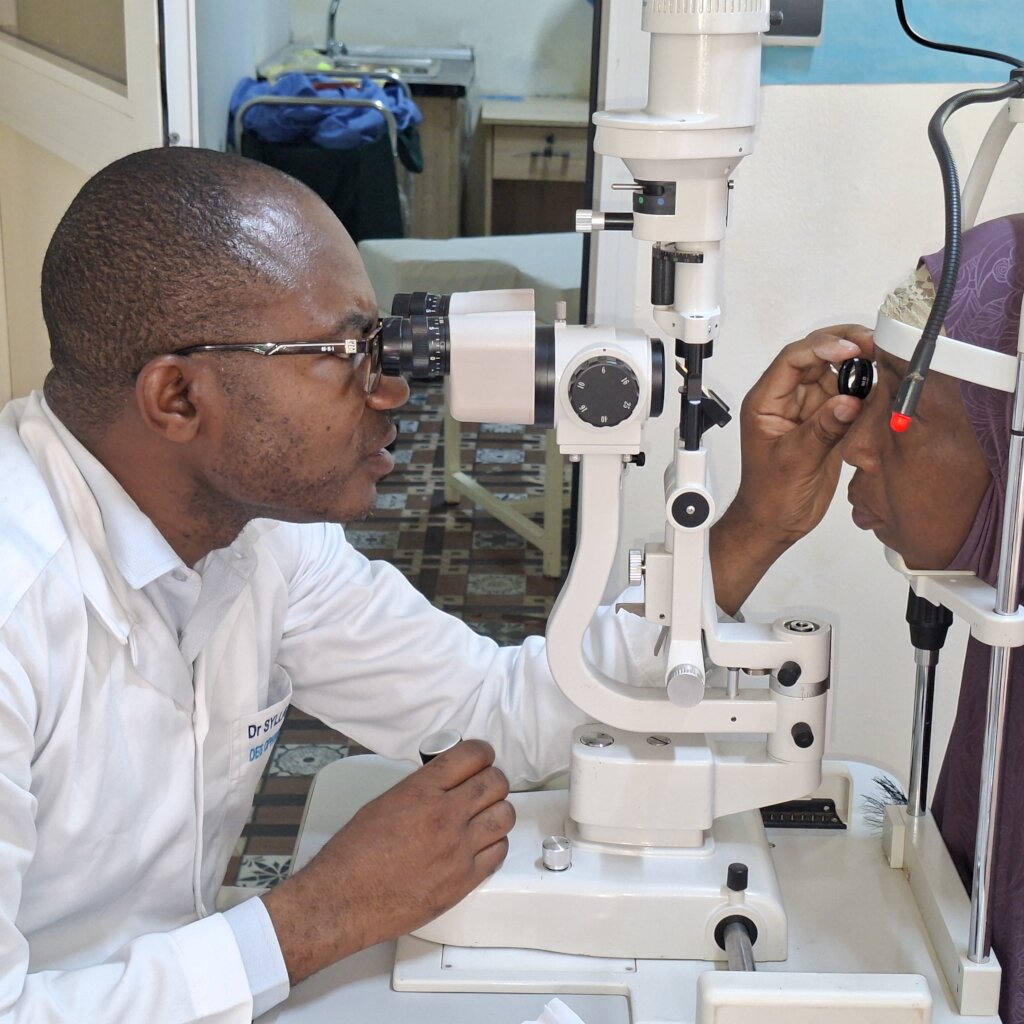
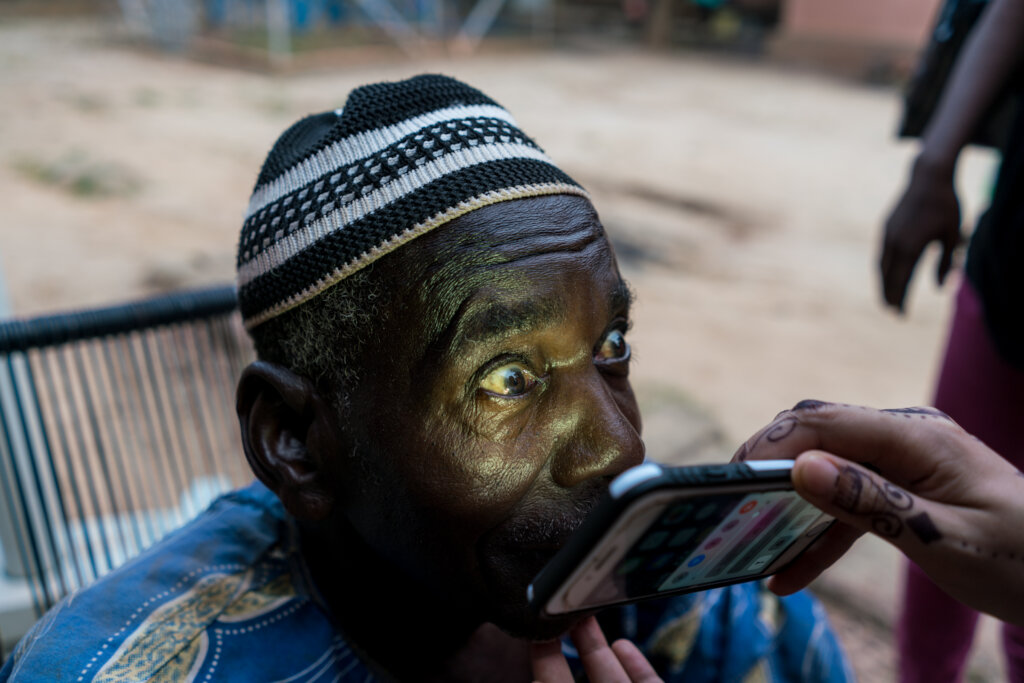
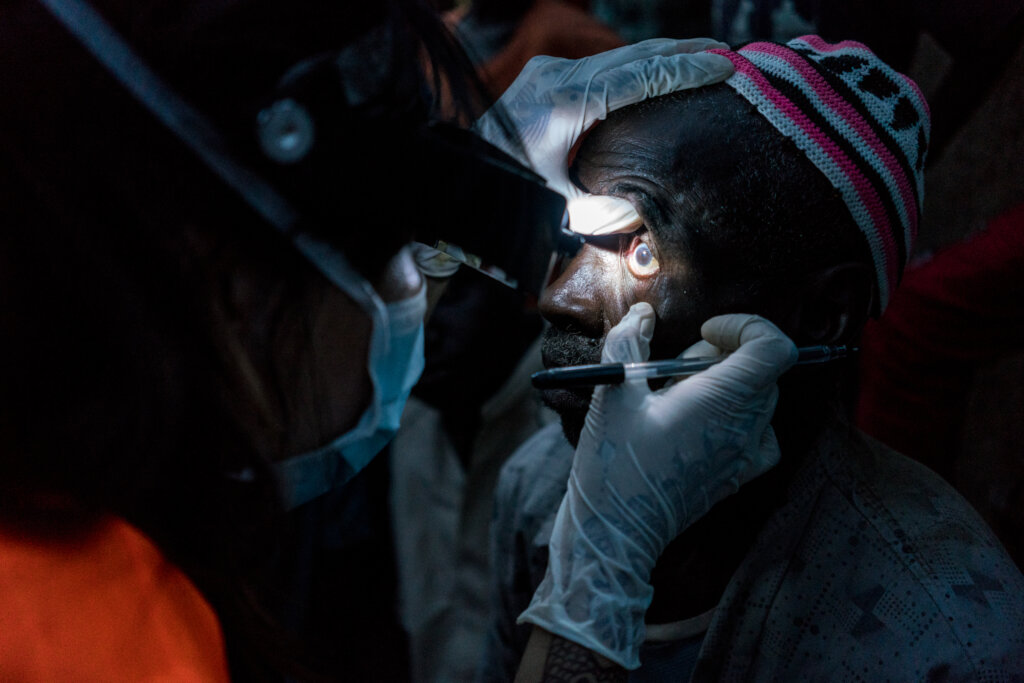
As part of its commitment to eliminating preventable blindness, Embrace Relief Foundation launched an ambitious Free Cataract Screening and Surgery Program in February 2025. The program aimed to provide 3,600 free eye examinations and perform 1,200 free cataract surgeries by December 2025, prioritizing elderly people, women, and low-income households.
From April to December 2025, the program delivered exceptional results, exceeding or nearly meeting all operational targets:
- 36 screening sessions conducted (100% of target)
- 4,219 patients screened (117.2%)
- 1,172 cataract cases diagnosed (97.7%)
- 1,150 successful cataract surgeries performed (95.8%)
- 96.3% of patients reported improved vision
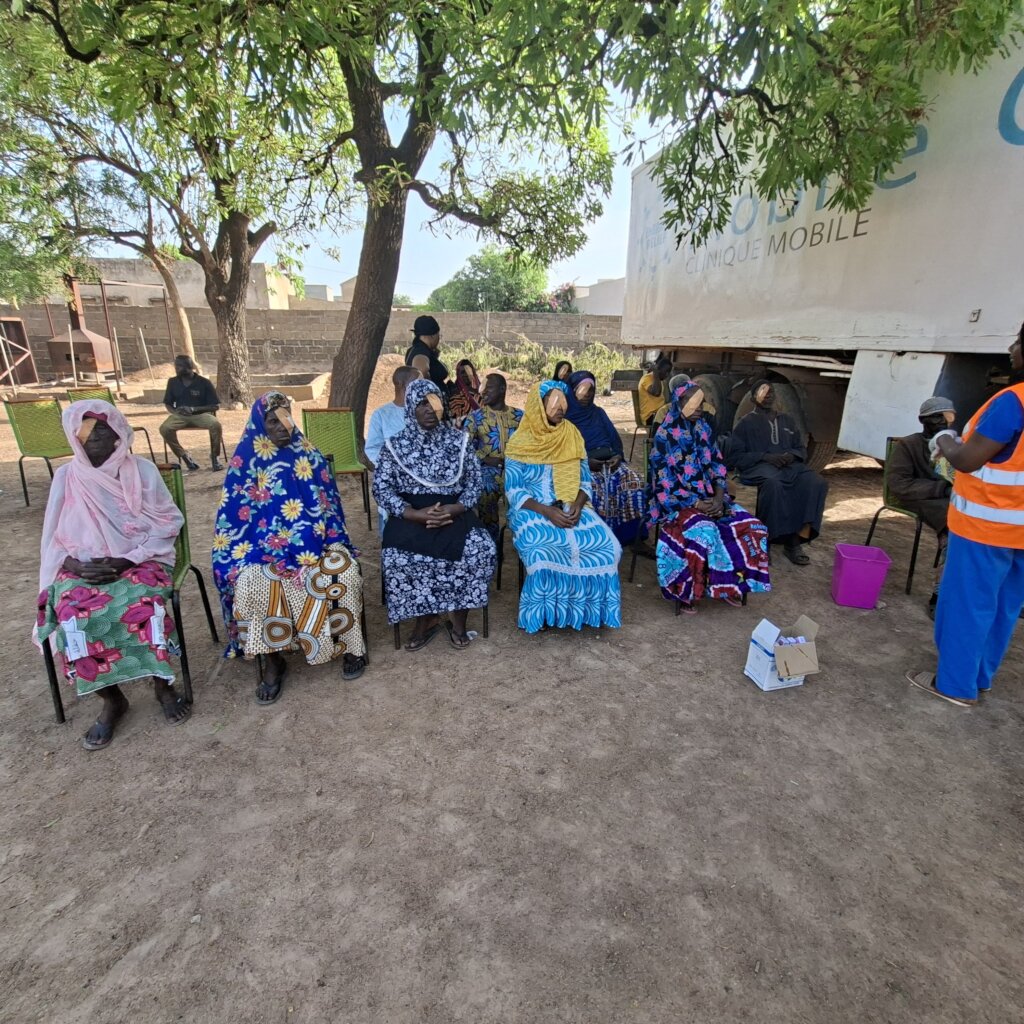
Interventions were implemented across 20 different locations, covering both remote rural areas and urban centers, demonstrating the effectiveness of the Foundation’s mobile clinic outreach model.
Socio-economic assessments revealed deep vulnerability among beneficiaries:
- 76.5% had no formal education
- 73% had unstable incomes
- 91% lacked health insurance
- 46% were unaware that cataracts are operable
These findings underline the urgent need for an integrated approach combining free medical care, mobile outreach, and community awareness.
As part of its commitment to eye health in Mali, Embrace Relief Foundation launched an ambitious program of free cataract screening and surgery in February 2025.
The program is part of the organization's commitment to providing concrete and sustainable solutions to the challenges of preventable blindness, particularly in rural and underserved areas where access to eye care remains extremely limited. In Mali, the burden of blindness is among the highest in Africa, with cataracts alone accounting for nearly 48% of cases—an alarming rate that reflects both deep medical and systemic inequalities. The majority of those affected live in rural areas, where poverty, lack of health infrastructure, and an acute shortage of ophthalmologists are major barriers to access to care. While the World Health Organization (WHO) recommends a cataract surgery rate (CSR) of 3,000 to 5,000 procedures per million inhabitants per year in low- and middle-income countries, Mali remains well below this threshold, with a rate of less than 1,000. In addition, cataract surgery coverage (CSC) is less than 50%, meaning that more than half of people with operable cataracts receive no treatment.
The main objective of this program is twofold:
- To provide free eye consultations to 3,600 people in order to detect cataracts and other visual impairments at an early stage.
- Perform 1,200 free cataract surgeries by December 2025, targeting the most vulnerable populations, including the elderly, women, and people living in poverty.
This program aims to restore sight and independence to hundreds of people whose quality of life is severely affected by cataract-related blindness—a condition that can be cured with prompt and accessible treatment.
In addition to the direct health impact, the program also aims to raise awareness in communities about the importance of early screening, build trust in local medical care, and promote solidarity through equitable access to eye health services.
To achieve its annual target, the organization plans to offer approximately 400 free eye consultations and 140 free cataract surgeries each month, starting in April 2025.
This gradual, monthly approach aims to ensure regular and equitable coverage of eye health needs across the targeted areas.
This report highlights the activities carried out during the program's implementation in 2025, detailing the results achieved and the concrete impact of these interventions on the lives of the beneficiaries. It aims to illustrate not only the effectiveness of the actions undertaken, but also their contribution to improving the visual health, quality of life, and autonomy of the populations served.
Key Achievements
- Strong program outreach: A total of 36 screening sessions were organized, 100% of the initial target (36), demonstrating exceptional team engagement and community mobilization.
- High screening performance: 4 219 patients were screened, representing 117.2% of the annual target, which reflects excellent demand generation and operational efficiency.
- Significant case detection: 1 172 cataract cases were diagnosed, 97.7% of the annual target, confirming a high prevalence of untreated cataract and the effectiveness of community screening.
- Full implementation of surgery campaigns: 53 surgical campaigns were successfully conducted, 84.1% of the target, confirming the high performance and skills of the surgical team.
- Surgical success: 1 150 patients underwent successful cataract surgery, achieving 95.8% of the target.
- Post-operative follow-up ensured: 1 150 patients received post-operative care, 100% of the target, ensuring continuity and quality of patient recovery.
- High clinical impact: 96.3% of operated patients reported improved vision, surpassing the 90% target and confirming the high quality of surgical outcomes.
- Post-operative Visual Outcomes – Cataract Surgery
Post-operative outcomes were assessed against WHO quality benchmarks.
86.4% of patients achieved a visual acuity ≥ 6/18, exceeding the WHO minimum standard of ≥ 80% for successful cataract surgery campaign.
However, 6.3% experienced poor outcomes (< 6/60), slightly above the WHO threshold of < 5%, largely due to advanced disease at presentation, co-existing eye conditions, and limited post-operative refractive follow-up.
To further improve outcomes, the program recommends precision-based intraocular lens (IOL) selection using biometric calculation rather than standard IOL powers, alongside the acquisition of refraction equipment to ensure best-corrected vision post-surgery.
These targeted investments are expected to increase surgical success rates, reduce poor outcomes, and maximize the long-term impact of donor support by aligning both access and quality with WHO standards.
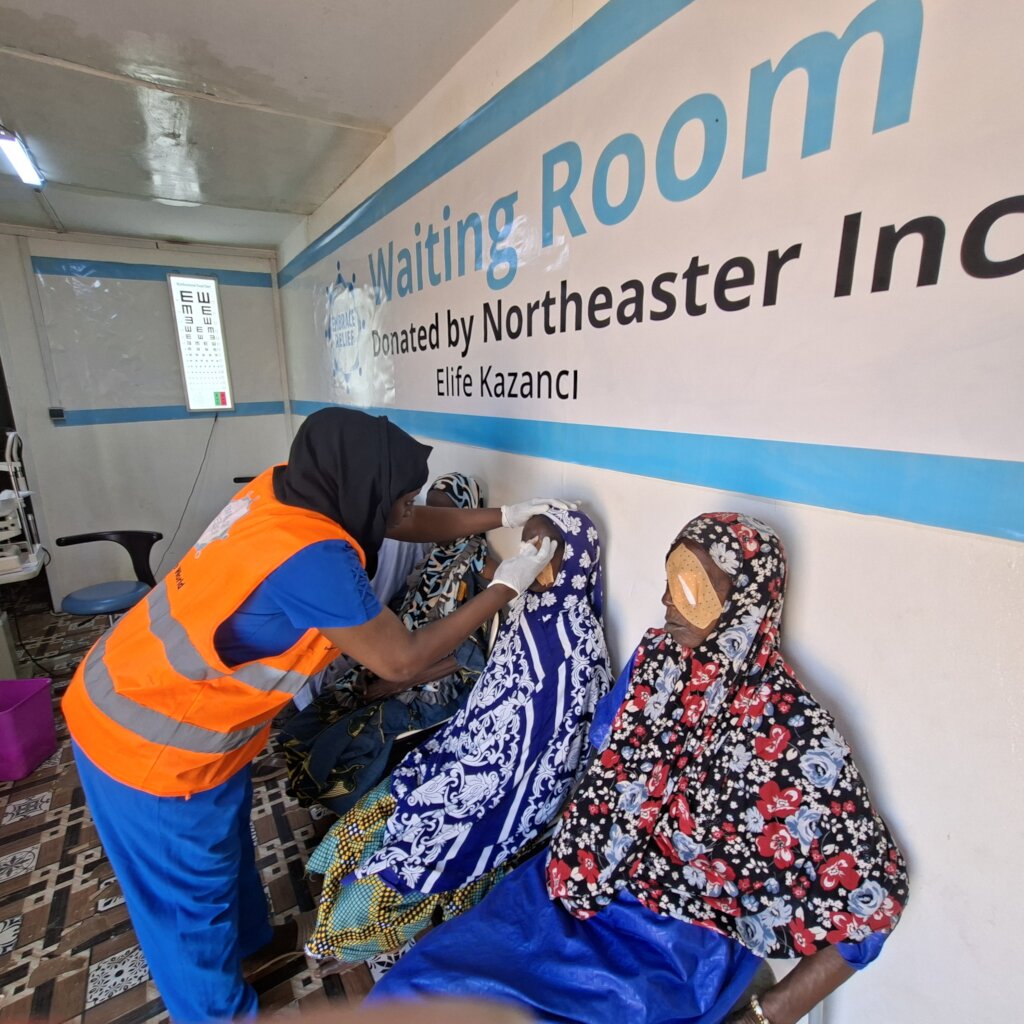
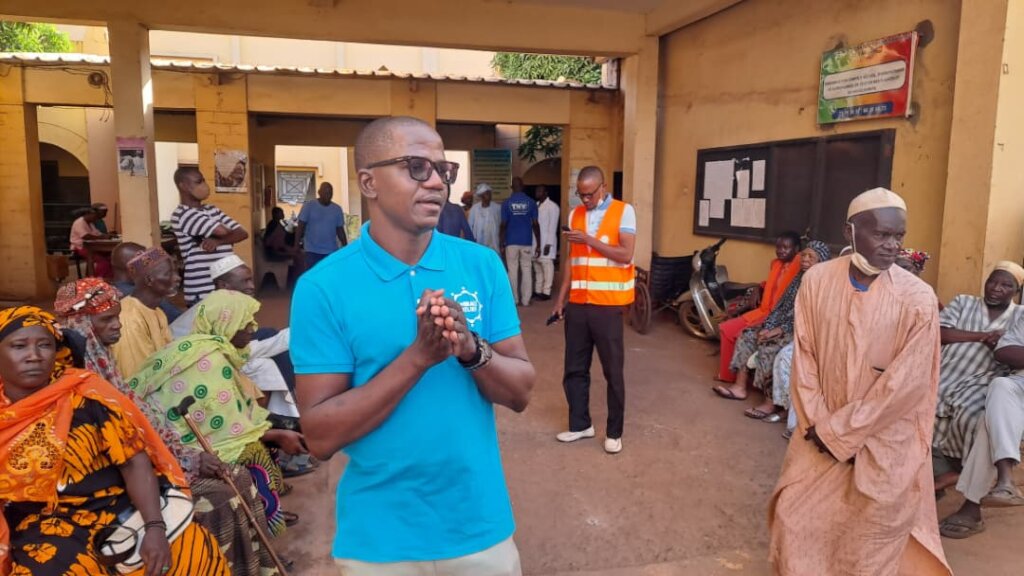
As part of the implementation of its Eye Health Program, Embrace Relief Foundation conducted a series of eye screening, cataract surgery, and post-operative care campaigns throughout the year across multiple regions of Mali. These interventions were implemented through a decentralized mobile-clinic approach, targeting both remote rural communities and urban health facilities, with the objective of improving equitable access to specialized eye care services.
- Outreach Strategy and Implementation Approach
The program combined:
- Community-based screening campaigns in CSCOMs and CSRefs
- Cataract surgeries conducted on-site or at referral facilities
- Post-operative follow-up and care
- Strategic partnerships with local health authorities and private facilities, notably the Yelen Clinic in the Kalaban Koro Health District
Activities were implemented during two main operational phases:
- Early-year campaigns in districts including Banguinéda, Tioribougou, N’Gouraba, Tamina, Mountougoula, Kolokani, Sanankoroba, and Kita
- Large-scale campaigns in the regions of Ségou and Bamako, including Barouéli, Macina, Niono, Sirakoro, and the Korofina health district
- Summary of Activities and Results by Location
- CSCOM of Banguinéda (rural, 45 km from CSRef)
- Patients consulted: 261 (Men: 138 | Women: 123)
- Cataract cases identified: 32
- Patients operated on: 27 (Men: 19 | Women: 8)
- CSCOM of Tioribougou (Kolokani District, semi-rural)
- Patients consulted: 158 (Men: 92 | Women: 66)
- Cataract cases identified: 93
- Patients operated on: 93 (Men: 57 | Women: 36)
- Yelen Clinic – ATTbougou (Kalaban Koro, partner facility)
- Cataract cases identified: 39
- Patients operated on: 37 (Men: 22 | Women: 15)
- CSCOM of N’Gouraba (rural, 70 km from CSRef)
- Patients consulted: 114 (Men: 66 | Women: 48)
- Cataract cases identified: 37
- Patients operated on: 28 (Men: 14 | Women: 14)
(Surgeries performed at Mounsou CSCOM due to inaccessible roads)
- CSCOM of Tamina (semi-rural, 60 km from CSRef)
- Patients consulted: 101 (Men: 65 | Women: 36)
- Cataract cases identified: 18
- Patients operated on: 18 (Men: 12 | Women: 6)
- CSCOM of Mountougoula (semi-rural, 20 km from CSRef)
- Patients consulted: 103 (Men: 41 | Women: 62)
- Cataract cases identified: 15
- Patients operated on: 13 (Men: 7 | Women: 6)
- CSRef of Kolokani (urban, 134 km from Bamako)
- Patients consulted: 193 (Men: 106 | Women: 87)
- Cataract cases identified: 46
- Patients operated on: 46 (Men: 27 | Women: 19)
- CSCOM of Sanankoroba (urban, 20 km from CSRef)
- Patients consulted: 105 (Men: 46 | Women: 59)
- Cataract cases identified: 18
- Patients operated on: 18 (Men: 11 | Women: 7)
- CSRef of Kita (urban, 170 km from Bamako)
- Patients consulted: 198 (Men: 110 | Women: 88)
- Cataract cases identified: 150
- Patients operated on: 143 (Men: 71 | Women: 72)
- Referral Health Center of Barouéli (Ségou Region, 175 km from Bamako)
- Patients consulted: 435 (Men: 198 | Women: 237)
- Cataract cases identified: 140
- Patients operated on: 140 (Men: 62 | Women: 78)
- Referral Health Center of Macina (Ségou Region, 372 km from Bamako)
- Patients consulted: 344 (Men: 142 | Women: 202)
- Cataract cases identified: 140
- Patients operated on: 108 (Men: 52 | Women: 56)
- Referral Health Center of Niono (Ségou Region, 282 km from Bamako)
- Patients consulted: 697 (Men: 346 | Women: 351)
- Cataract cases identified: 140
- Patients operated on: 130 (Men: 60 | Women: 70)
- Seven (7) CSCOMs in Korofina Health District (Commune I, Bamako)
- Patients consulted: 871 (Men: 399 | Women: 532)
- Cataract cases identified: 226
- Patients operated on: 228
- CSCOM of Sirakoro (semi-rural, 20 km from CSRef)
- Patients consulted: 639 (Men: 264 | Women: 375)
- Cataract cases identified: 76
- Patients operated on: 77
These results demonstrate the scale, reach, and growing effectiveness of Embrace Relief Foundation’s Eye Health Program. Through targeted outreach campaigns and a mobile intervention strategy, the Foundation successfully reached underserved rural communities and densely populated urban areas, providing high-quality screening and free sight-restoring cataract surgery to thousands of beneficiaries.
Field testimonials consistently highlight the transformational impact of the program: many patients regained their sight after years of visual impairment, restoring their independence, dignity, and ability to actively participate in family and community life. The program has therefore made a substantial contribution to reducing avoidable blindness and improving quality of life across multiple regions of Mali.
- A Second Chance At Sight: The Story Of Mr. Sékouba
At 68 years old, Mr. Sékouba, an scholar from Gouana, a small village 35 kilometers from the nearest eye-care center, had slowly lost hope. A dense cataract had completely clouded his right eye, and poverty made surgery impossible. For over a year, he lived in darkness, dependent on others for even the simplest daily tasks.
“The cataract had completely taken over my right eye,” he recalls. “But thanks to the good work and determination of the Embrace Relief Foundation team, it was all removed.”
When he first heard about Embrace Relief’s mobile cataract program, it felt like a distant dream. A local cameraman who had worked on one of the Foundation’s campaigns told him about the initiative and gave him their contact. Mr. Doucouré decided to call.
“You welcomed me with respect and kindness,” he says. “Your comforting words gave me confidence.”
Soon after, he was screened, operated on free of charge, and cared for by the team.
“Embrace Relief provided all the treatment for free; I didn’t pay anything for my care,” he explains. “Since the operation, I thank God, everything is going very well. May God bless your work and make your projects prosper.”
His life transformed almost overnight.
“Before the surgery, it was my grandson who used to drive me everywhere on his motorcycle,” he says with a smile. “Now I can ride by myself, go wherever I want, and come back without any problem. Even at the grin, where I play cards with my friends, I see perfectly. Everyone is happy with the results.”
With his sight restored, Mr. Doucouré regained not only his vision but also his independence, dignity, and joy.
“Without Embrace Relief Foundation, it would have been very difficult to regain my sight. You are doing incredible work. I’ve seen so many people entering and leaving your clinic with smiles, it’s amazing. Without your help, none of this would be possible.”
Today, Mr. Doucouré is one of thousands of Malians whose lives have been changed by the Embrace Relief Cataract Program. He continues to pray for the team that gave him back his light:
“I pray for the whole Embrace Relief Foundation team, its leaders, and founders. May Allah always support them.”
And when he meets others struggling with cataracts, his message is simple and heartfelt:
“If anyone suffers from cataracts, I will tell them, go to Embrace Relief Foundation. They will take care of you, just like they did for me.”
- From Darkness to Light: Massarna’s Journey to Sight
For three long years, Massarna , a 43-year-old clothes vendor and mother lived in a world slowly fading into darkness.
It began with an itch, constant and harmless at first. Then faces became blurry, outlines hazy, until finally, a thick fog seemed to settle between her and the world.
“Even from three meters away, I could no longer see people’s faces,” she recalls.
Still, Massarna kept fighting. Each morning, she packed her bag of clothes and walked miles along the roadside to sell, determined to provide for her family. But blindness makes the world dangerous. One day, on her way to the market, she was hit by a car. The crash left her right leg and left arm fractured, both healing badly through traditional treatment she could barely afford.
A year later, tragedy struck again, another accident, this time breaking her left leg. The bones never set properly. Her body weakened, her sight failing, she was forced to stop selling and stay home.
“I stayed at home doing nothing for nine months,” she says quietly. “My business had stopped completely.”
Her visits to the IOTA eye hospital brought only despair.
“The doctors told me they could operate, but it was too expensive,” she explains. “I kept the prescriptions at home for over a year. Once, I had only 10,000 FCFA, they sent me away.”
At IOTA, surgery cost 80,000 FCFA per eye, a dream beyond reach for someone struggling just to eat.
Then, one morning, while listening to her radio, she heard about the Embrace Relief Foundation’s mobile cataract campaign in Sirakoro.
“The next morning, I went there,” she says.
When doctors confirmed her cataracts could be operated on, she felt a mix of fear and hope. But the kindness of the Embrace Relief team gave her courage.
“They operated on both eyes in record time,” she recalls. “The next day, when the nurse removed the bandages, I saw the world again. Before, I saw nothing now I even count the stars in the sky sometimes.”
Her joy spills into every word.
“I didn’t pay anything. Embrace Relief took care of everything, screening, surgery, medicine, all free. In Mali, eye care is so expensive. Finding people who do it for free… it’s a miracle.”
Since her surgery, Massarna’s life has changed completely.
“Now, I can walk alone and sell my clothes again. I fill my big bag, go out to the streets and along the main roads,” she smiles. “Before, I couldn’t even recognize my daughter. Now I can see her, even from far away.”
Her independence restored, her livelihood revived, her confidence renewed, Massarna is once again the woman she used to be: strong, resilient, and full of hope.
“Without Embrace Relief Foundation, I would still be blind today, completely dependent on others,” she says. “You gave me back my sight, my dignity, and my life. May God bless your work and give you success in everything you do.”
- PARTNERSHIP & COMMUNITY ENGAGEMENT
Strong partnerships and community engagement were central to the success of Embrace Relief Foundation’s programs in Mali in 2025. By working closely with local authorities, health facilities, community leaders, media outlets, and health workers, the Foundation ensured acceptance, transparency, effectiveness, and sustainability of its interventions.
Embrace Relief Foundation collaborated closely with regional, district, and local administrative authorities throughout program implementation. Local authorities were engaged from the planning phase to facilitate authorizations, ensure compliance with national regulations, and support community mobilization. Their involvement strengthened institutional trust, improved coordination, and enabled smooth implementation of activities across both rural and urban settings.
Partnerships with CSCOMs, CSRefs, and private health facilities were critical to delivering high-quality eye care services. Local health structures served as screening points, referral centers, and surgery sites, ensuring continuity of care and alignment with the national health system. Notably, collaboration with partner facilities such as Yelen Clinic enhanced surgical capacity and post-operative follow-up, while strengthening local health system ownership.
Traditional leaders, religious leaders, and community representatives played a vital role in promoting program acceptance and participation. Through their trusted positions, community leaders helped raise awareness about cataracts, dispel misconceptions, and encourage early screening. Their engagement was particularly important in reaching women, elderly individuals, and socially marginalized groups who might otherwise hesitate to seek care.
- Media and Community Outreach
Local media, particularly community radio stations, were key partners in disseminating information about screening campaigns and free surgery opportunities. Radio announcements, combined with community outreach activities, proved highly effective in reaching vulnerable populations. Survey data confirmed that many patients learned about the program through radio broadcasts, community health workers, and word-of-mouth, demonstrating the power of localized and trusted communication channels.
Frontline health workers were instrumental in mobilizing communities, registering patients, supporting logistics, and facilitating patient flow during screening and surgery campaigns. Their commitment and proximity to communities ensured culturally sensitive engagement, effective crowd management, and respectful patient care. By working alongside Embrace Relief Foundation’s medical teams, volunteers and health workers contributed significantly to the quality and reach of the interventions.
These collaborative efforts enabled Embrace Relief Foundation to reach thousands of vulnerable individuals, deliver complex medical interventions efficiently, and build lasting trust within communities. Partnerships remain a cornerstone of the Foundation’s strategy to scale impact, strengthen local systems, and deliver sustainable humanitarian and health services in Mali.
While the cataract program achieved strong operational results, several challenges affected optimal performance and long-term sustainability. The absence of refraction and intraocular lens (IOL) biometry equipment limited the ability to individualize lens selection, which may have influenced post-operative visual outcomes. In addition, the lack of post-operative refraction services and corrective lenses constrained the program’s capacity to ensure best-corrected vision for all patients.
Addressing these structural and financial constraints, through investment in essential equipment and more predictable funding mechanisms, will be critical to strengthening clinical quality, ensuring program continuity, and sustaining the credibility and impact of future interventions.
- 2026 Perspective – Program Priorities
In 2026, Embrace Relief Foundation will consolidate and expand its humanitarian and health interventions in Mali through the following priority programs:
- Delivering 150 cataract surgeries per month (reaching 1 800 patients by December 2026)
- Constructing a medical health center in a rural, underserved village.
- Providing free medical consultations and essential medicines to 2,000 internally displaced persons during the malaria season.
The year 2025 marked a decisive and transformative milestone for the Embrace Relief Foundation in Mali. From the establishment of a legally compliant country office and operational systems, to the successful implementation of large-scale health and humanitarian programs, the Foundation demonstrated its capacity to deliver credible, high-impact, and accountable interventions in challenging contexts.
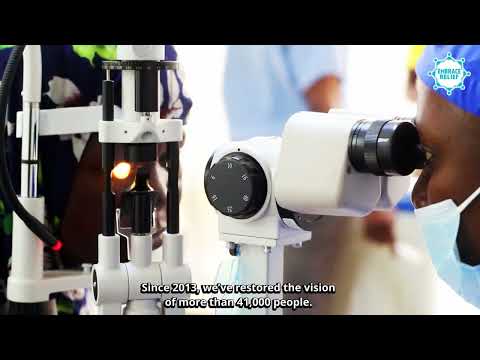
Through the Free Cataract Screening and Surgery Program, Embrace Relief Foundation restored sight to over a thousand individuals, many of whom had been living with severe visual impairment or blindness for years. The program not only exceeded key performance targets but also delivered outcomes aligned with World Health Organization quality standards, translating donor support into restored independence, livelihoods, and dignity.
Looking ahead to 2026, Embrace Relief Foundation is positioned to build on this momentum, expanding cataract services, strengthening clinical quality, extending food and medical assistance to displaced populations, and investing in long-term health infrastructure for underserved communities. With continued donor partnership, the Foundation is ready to move from successful establishment to sustained impact, ensuring that preventable blindness is reduced, essential health services reach those most in need, and humanitarian assistance is delivered with dignity and accountability.
![]()
![]()
![]()
![]()
![]()
Links:
![Share on Twitter]()
![Share on Facebook]()