By karungi Sandra | Fundraiser
Every year, the civil society community in Uganda is excited to celebrate among others the menstrual hygiene month. May 28 menstrual hygiene day is dedicated to raise awareness on the benefits of menstrual hygiene management among girls, women and other stakeholders.
Although Menstruation may come naturally to most women and girls, a number of factors including limited resources, lack of sanitary facilities and products and Myths may hinder the practice of proper menstrual hygiene. This would in other cases expedite discrimination, stigma and exclusion against women and girls. Good menstrual hygiene practices and management such as a safe, private and hygienic environment would largely impact on the confidence and empowerment of women and girls to complete developmental and personal tasks with dignity.
This year’s theme on Menstrual Hygiene Management calls for stakeholders to “Action and Investment in Menstrual Hygiene and Health.", It is timely, as many families are struggling financially and also many communities are aware of the need of such facilities, products, services and practices that promote menstrual hygiene. Globally, at least 500 million women and girls lack proper access to menstrual hygiene facilities. Several factors influence difficult experiences with menstruation, including inadequate facilities and materials, menstrual pain, fear of disclosure, and inadequate knowledge about the menstrual cycle (World Bank 2018).
Good hygiene practices require the use of absorbent and clean sanitary pads, clean water for adequate washing of the genital area and structures such as clean bathrooms that will provide privacy and the long time health benefits while instilling the sense of dignity among the users. However, these products and structures will require financial resources to construct or purchase products on a monthly basis. Although these are very important, the presence of a community and cultural practices that values and recognizes the rights of women and girls and supports them to manage their menstruation with utmost comfort and dignity is as well important.
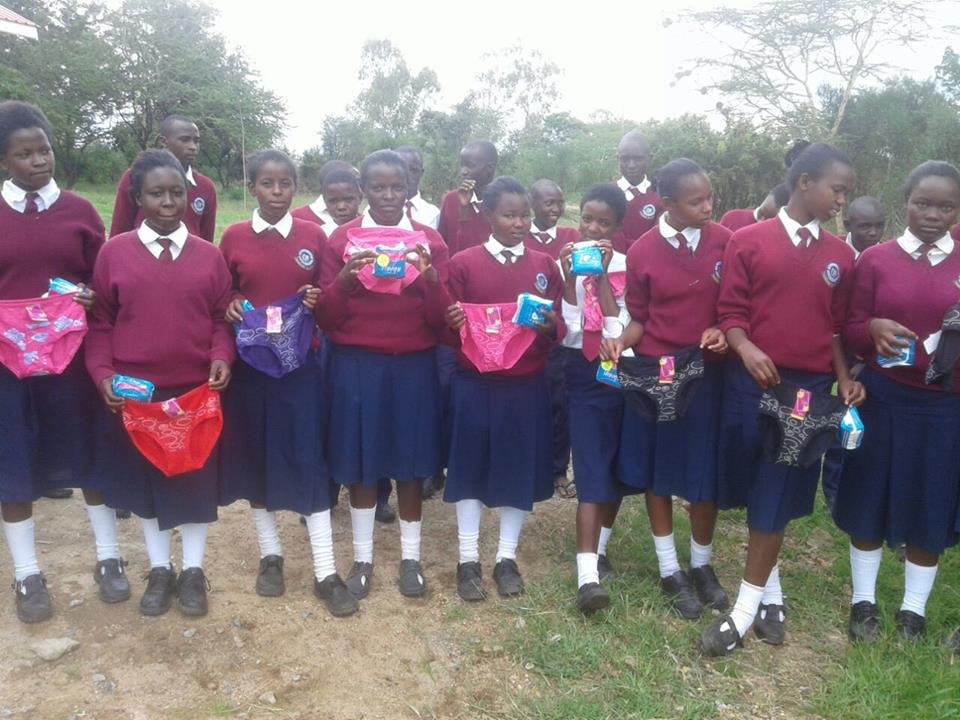
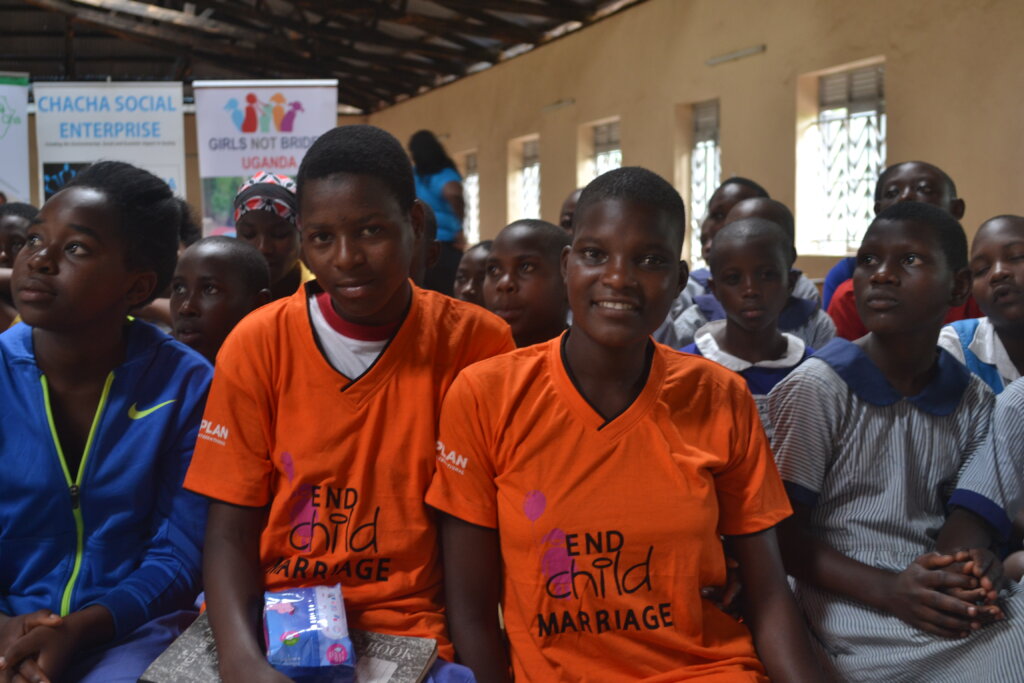
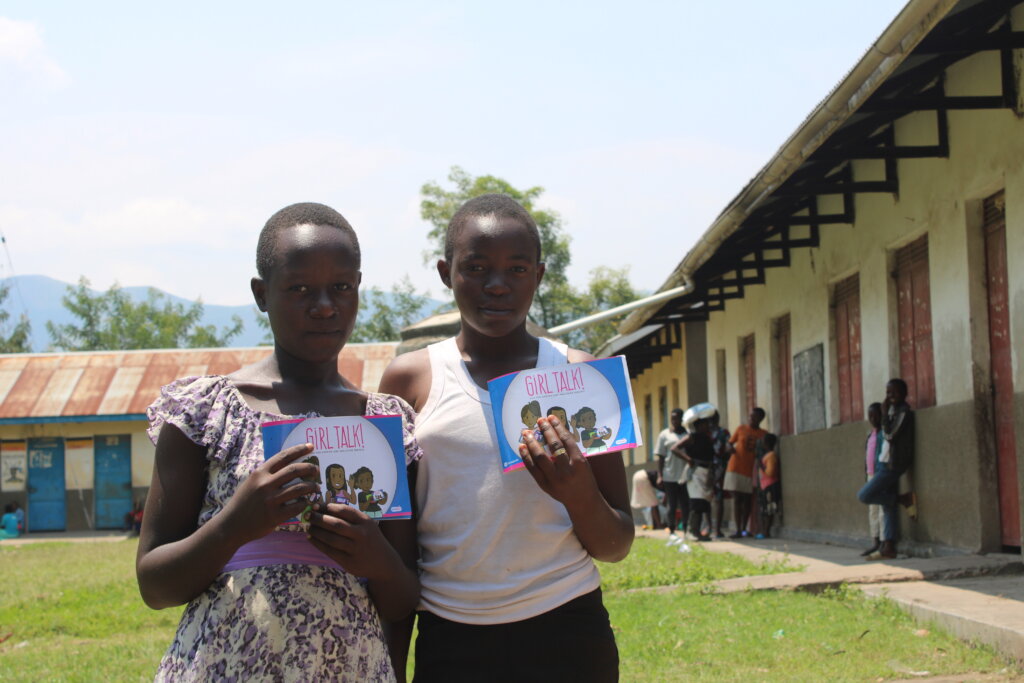
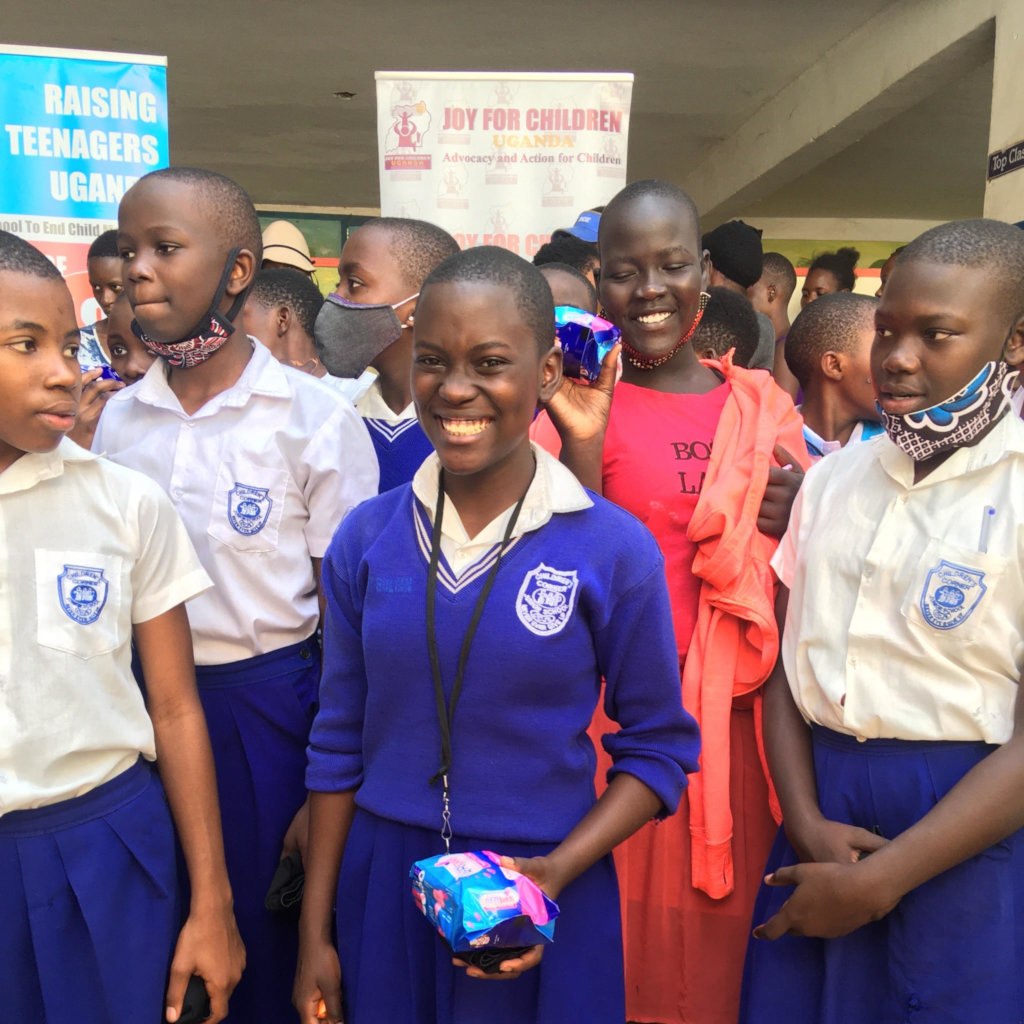
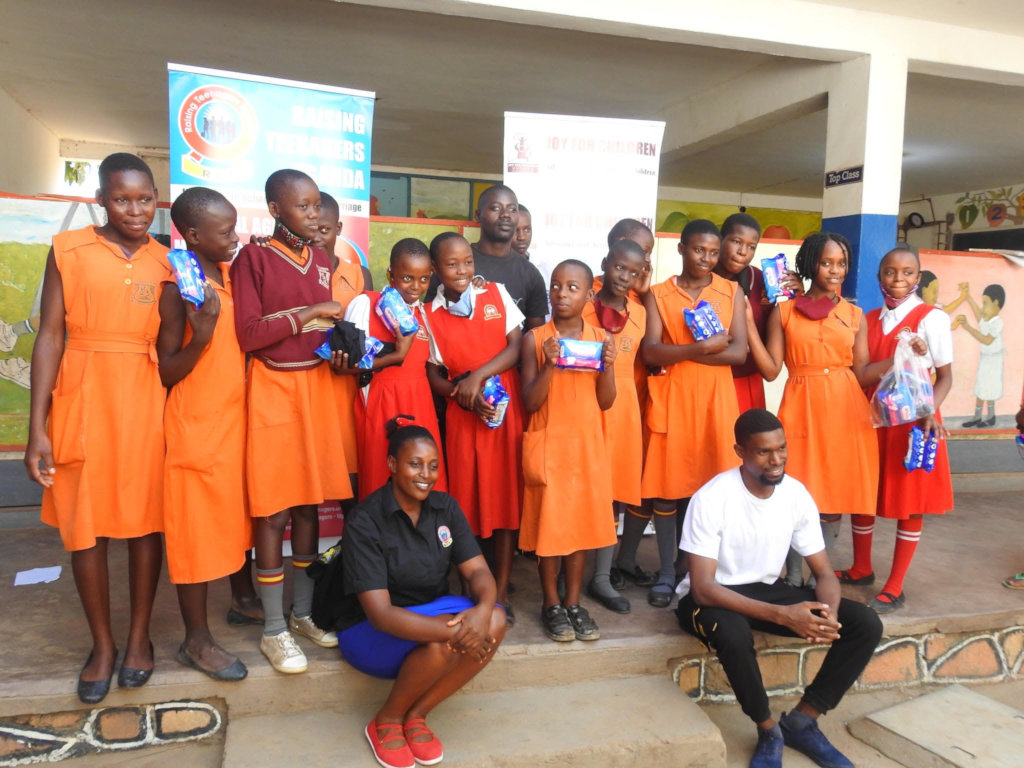
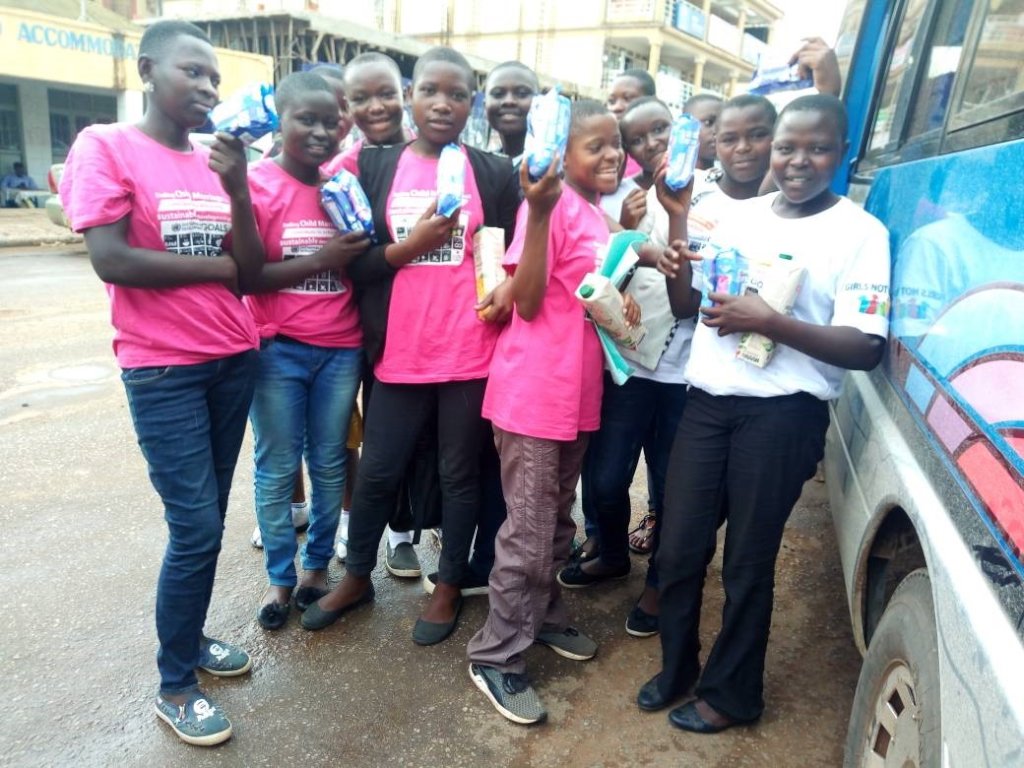
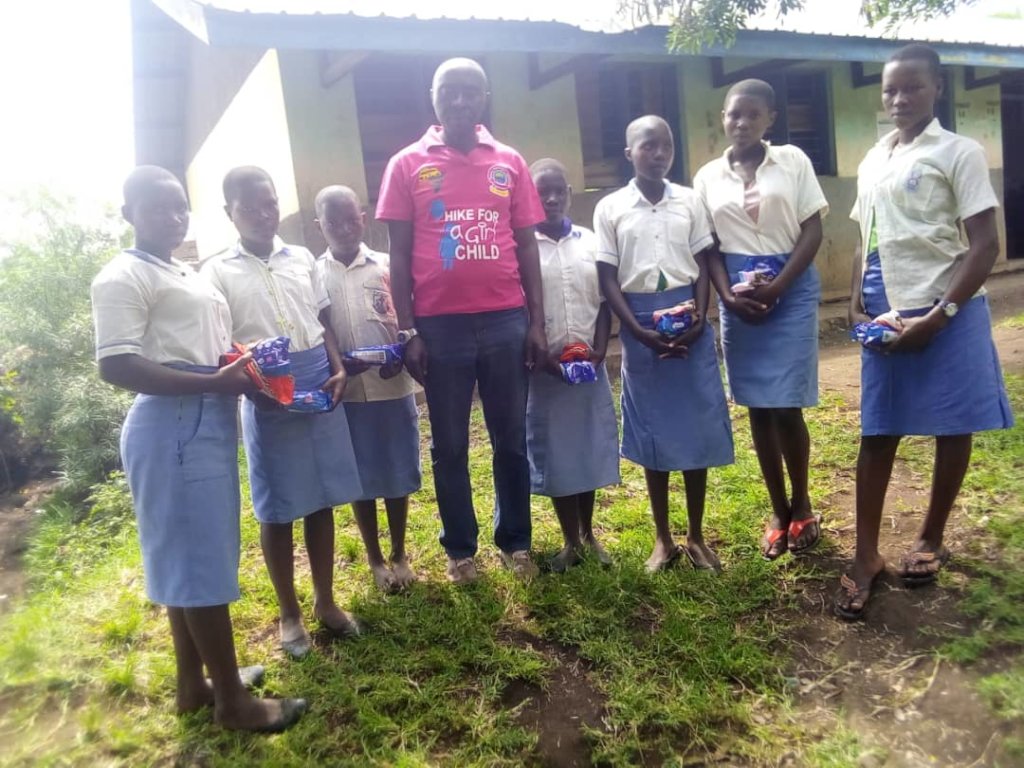
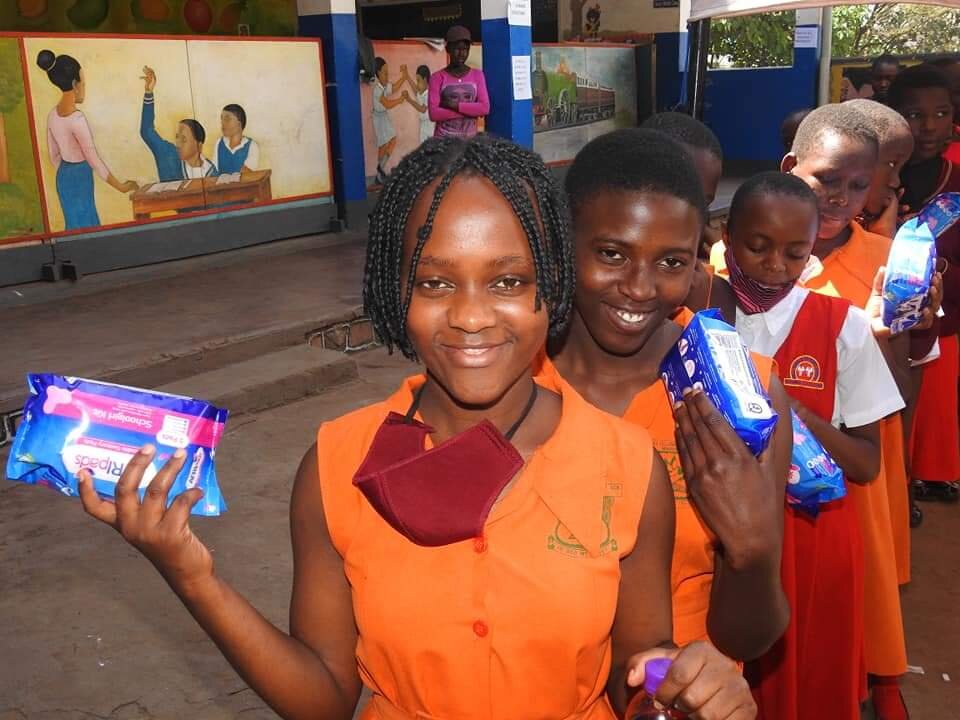
This year ,we reached out to schools in the rural communities of the Northern part of Uganda in Karamoja sub-region. Our encounter with pupils of Moroto Municipal primary school highlighted the actual issues young girls face in their school and community. We distributed re-usable sanitary towels to the Girls and trained them in good menstrual hygiene practices.
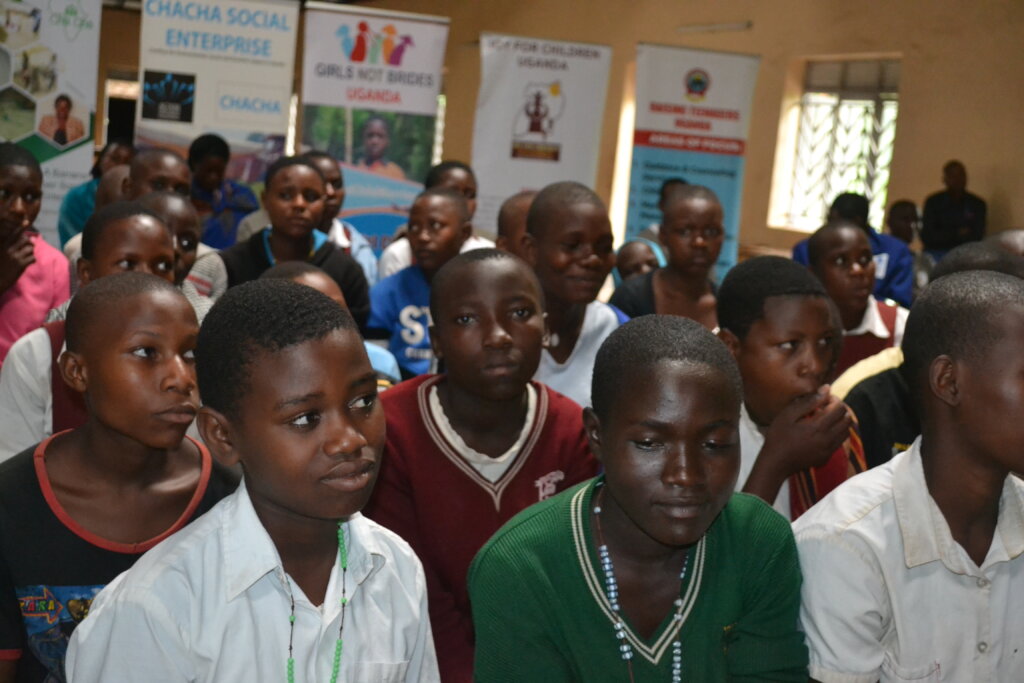
The communities are mainly rural with most services and menstrual hygiene products being expensive and not readily available in most centers. The outreach was attended by 140 pupils of the school and was segmented in an encouragement session where the present implementing partners shared break through experiences that encouraged the girls to stand firm for their rights and aspirations even in the hard times; Sharing session that provides an opportunity for the girls to share their experiences and challenges in the menstrual hygiene management.
By karungi Sandra | Fundraiser
By karungi sandra | Fundraiser
Project reports on GlobalGiving are posted directly to globalgiving.org by Project Leaders as they are completed, generally every 3-4 months. To protect the integrity of these documents, GlobalGiving does not alter them; therefore you may find some language or formatting issues.
If you donate to this project or have donated to this project, you can receive an email when this project posts a report. You can also subscribe for reports without donating.



Support this important cause by creating a personalized fundraising page.
Start a Fundraiser