By Tukwasibwe Sandra | Fundraiser
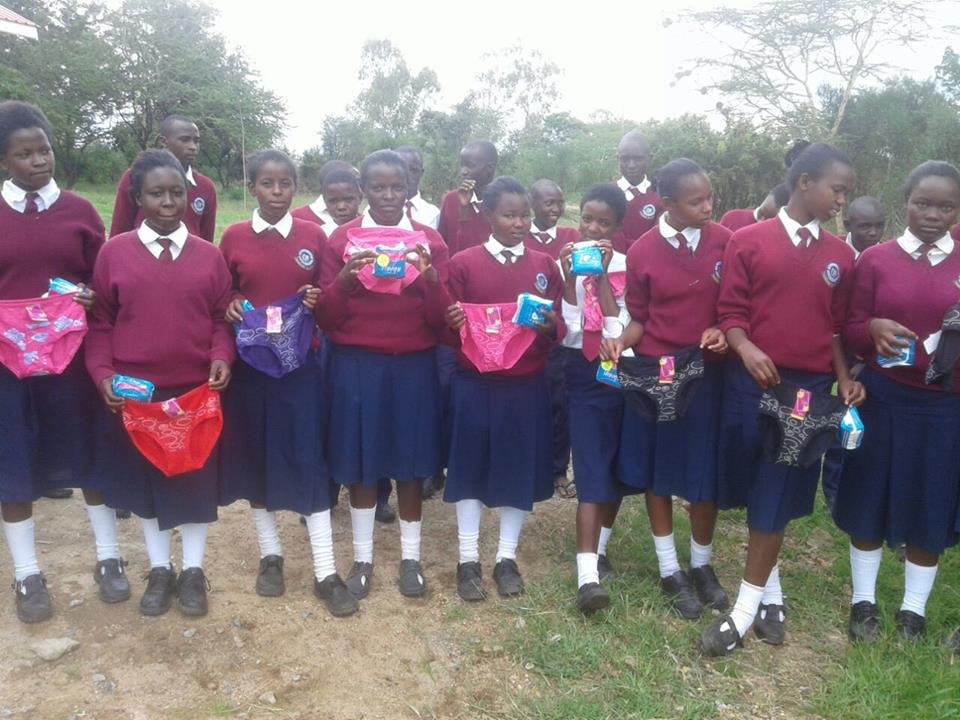
Menstruation is an important aspect of life to human existence because it impacts on the hygiene, dignity, reproduction of girls and women across the globe. According to World Bank, over 500 million children and women don’t have access to adequate sanitary facilities to manage their menstruation and girls as well of women are compelled by the circumstances to use rudimentary items such as rags, grass, mattress pieces, and paper among others.
The Constitution of the Republic of Uganda spells out the right of children to wit, the right to be taken care of by their parents as well as guardians, right to health and to live in a conducive environment among others. They have a right to education for their future development. However, menstruation amongst young girls has fundamentally precluded the successful realization of the fundamental rights of the children and as such; their lives have to a greater extent been jeopardized. This has led to school dropout, loss of self-esteem among others.
Whereas the government of Uganda committed itself to providing sanitary towels to girls, this has not been achieved despite the fact that sanitary towels are a necessity to the children.
Girls both in rural and urban areas suffer from stigma and the non-existence of menstrual services; they lack adequate and clean water to clean their bodies, no disposal facilities. In spite to the prevailing challenges, menstrual hygiene has been neglected by government and those responsible.
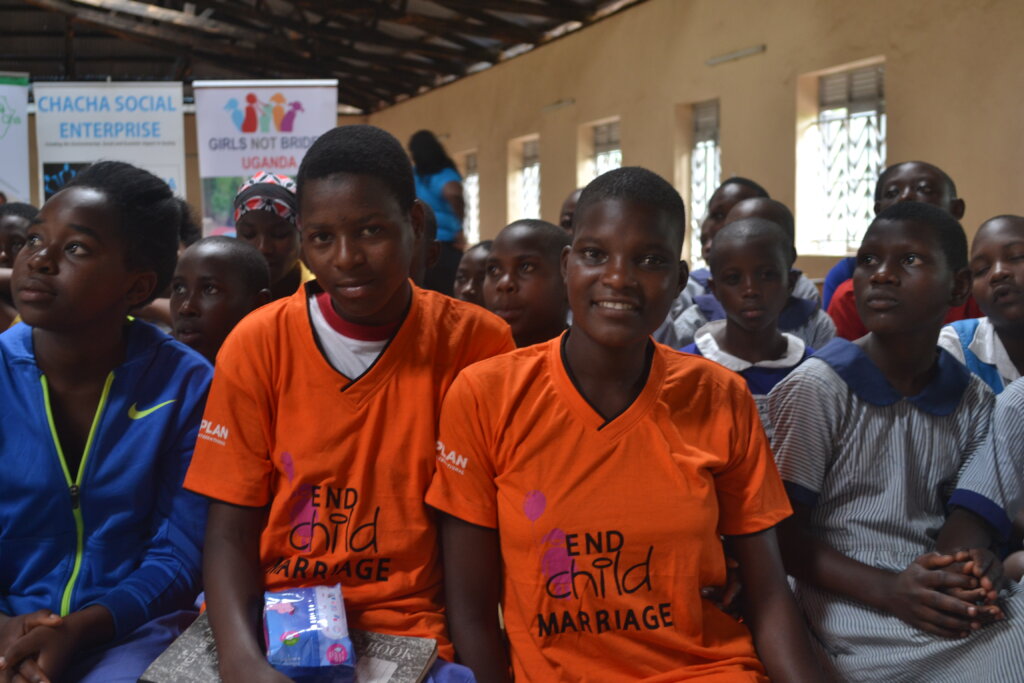
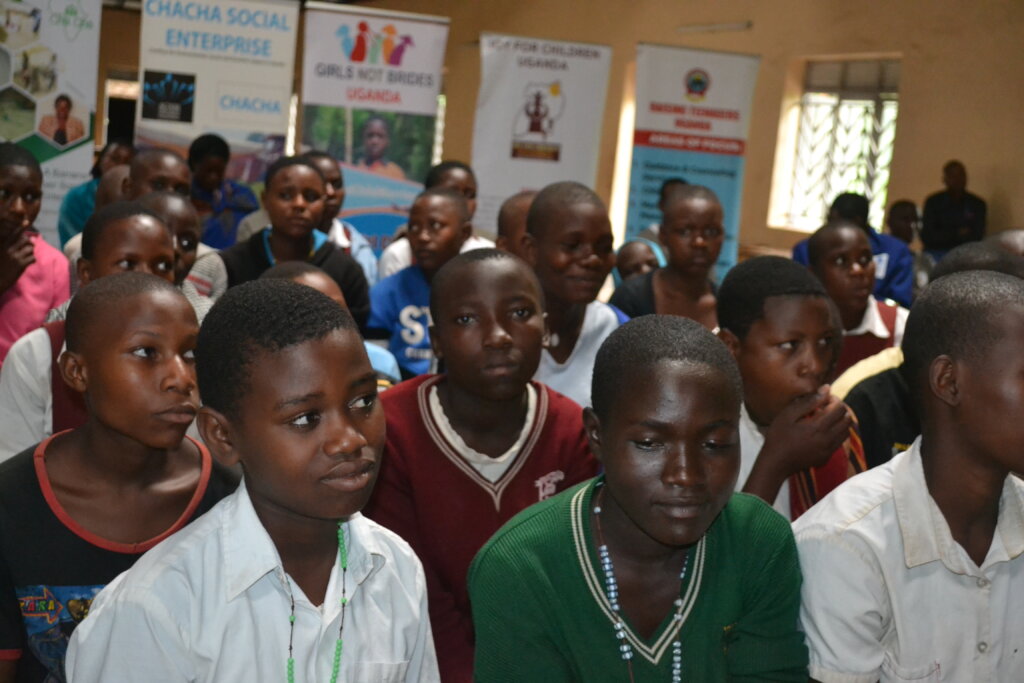
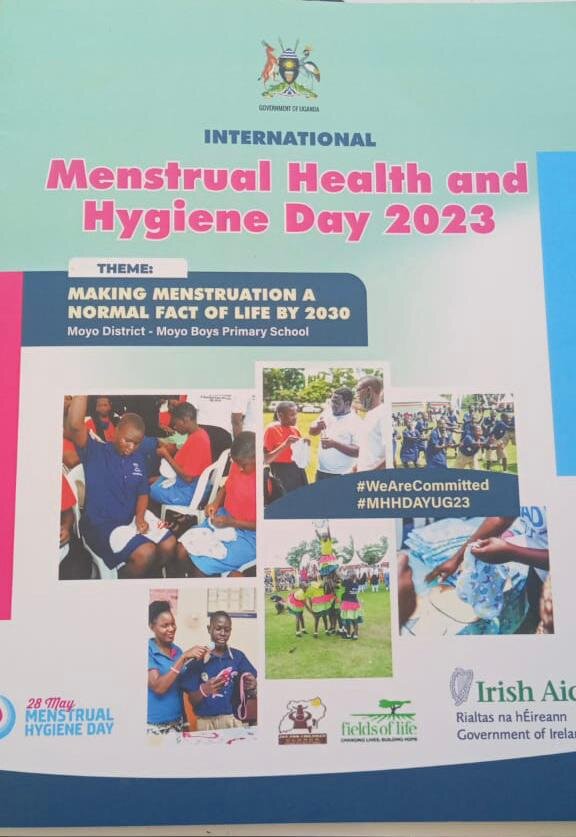
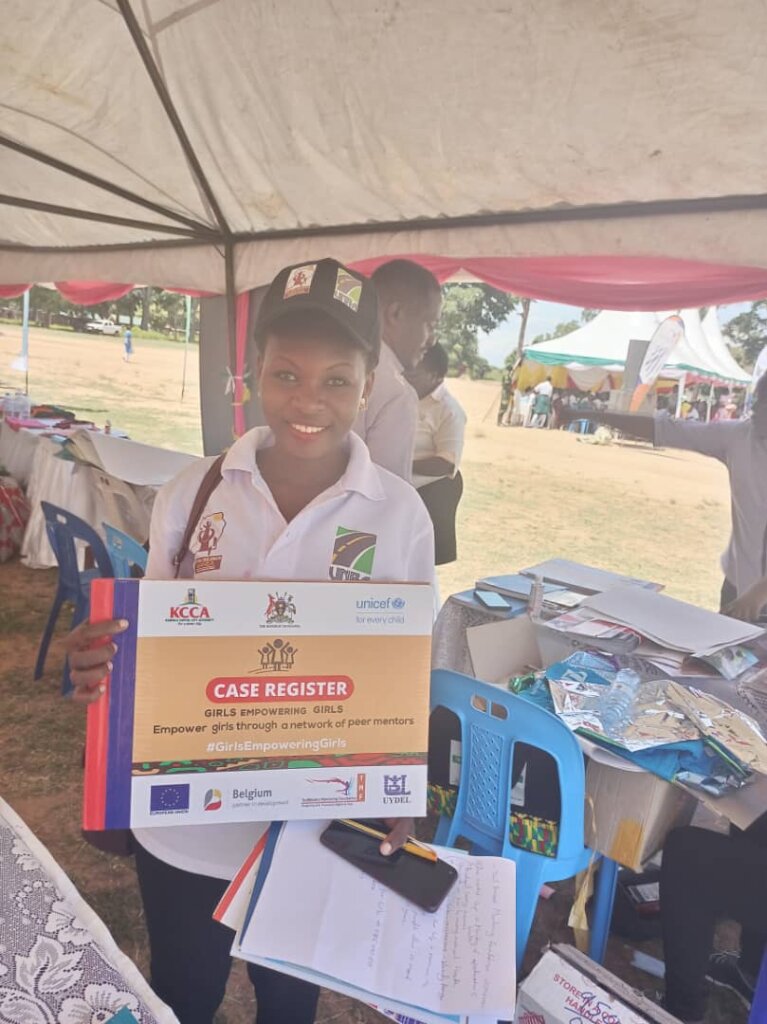
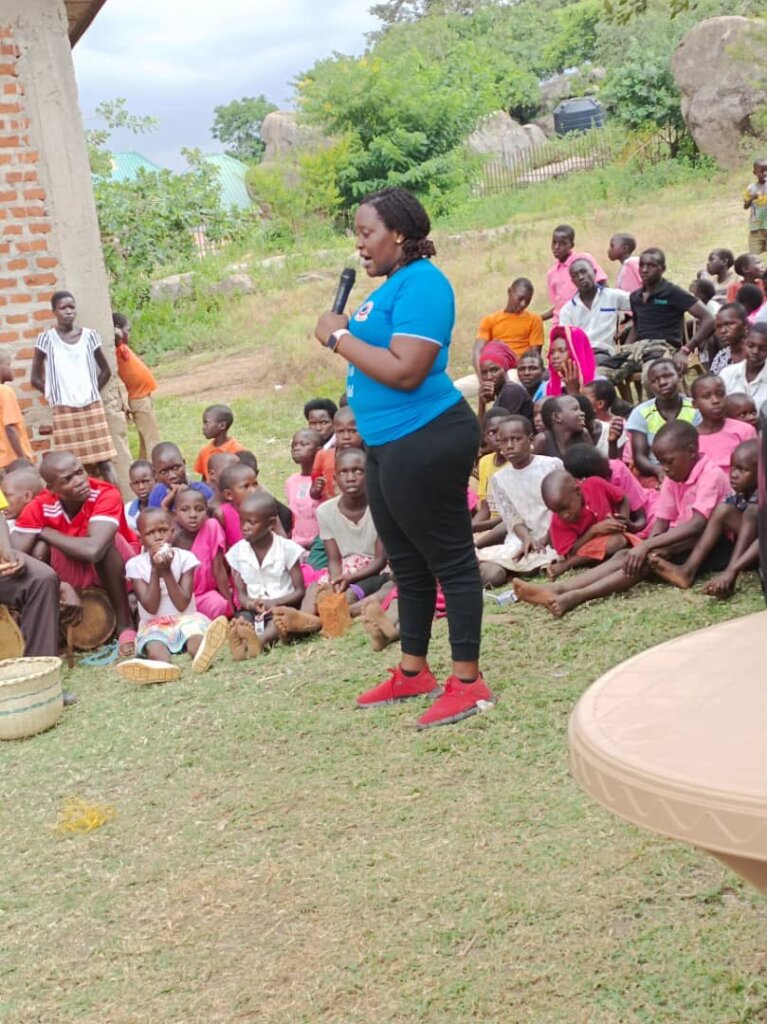
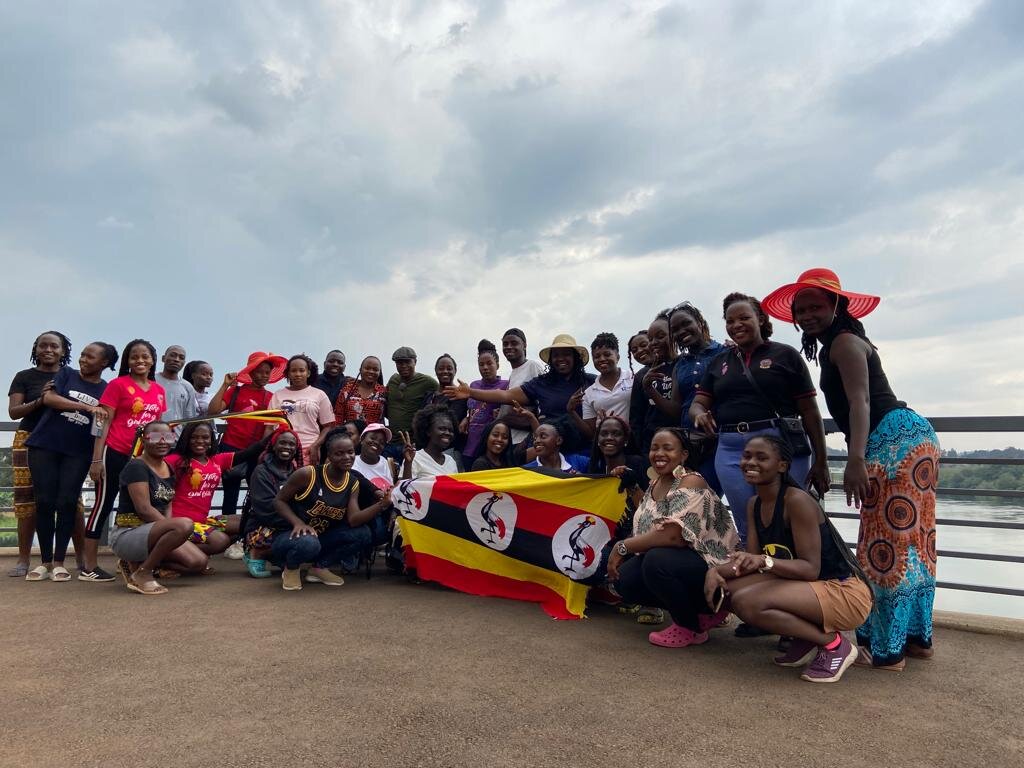
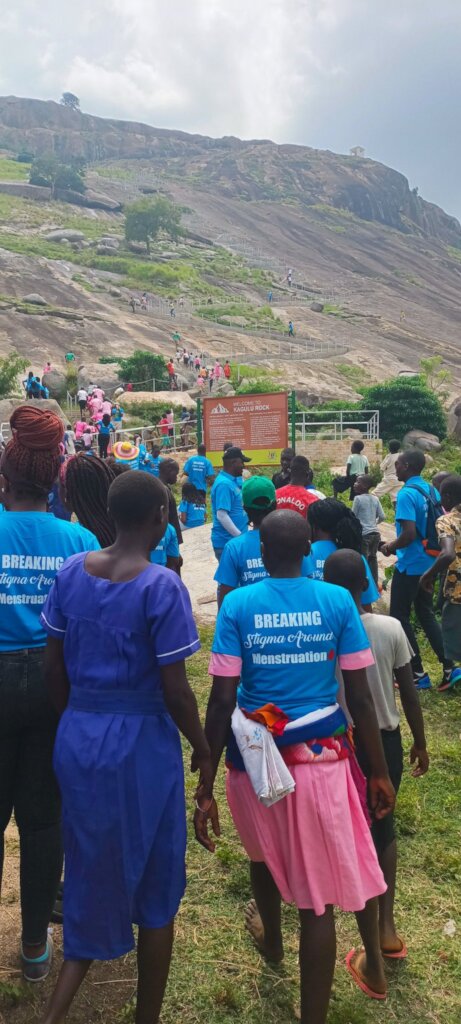
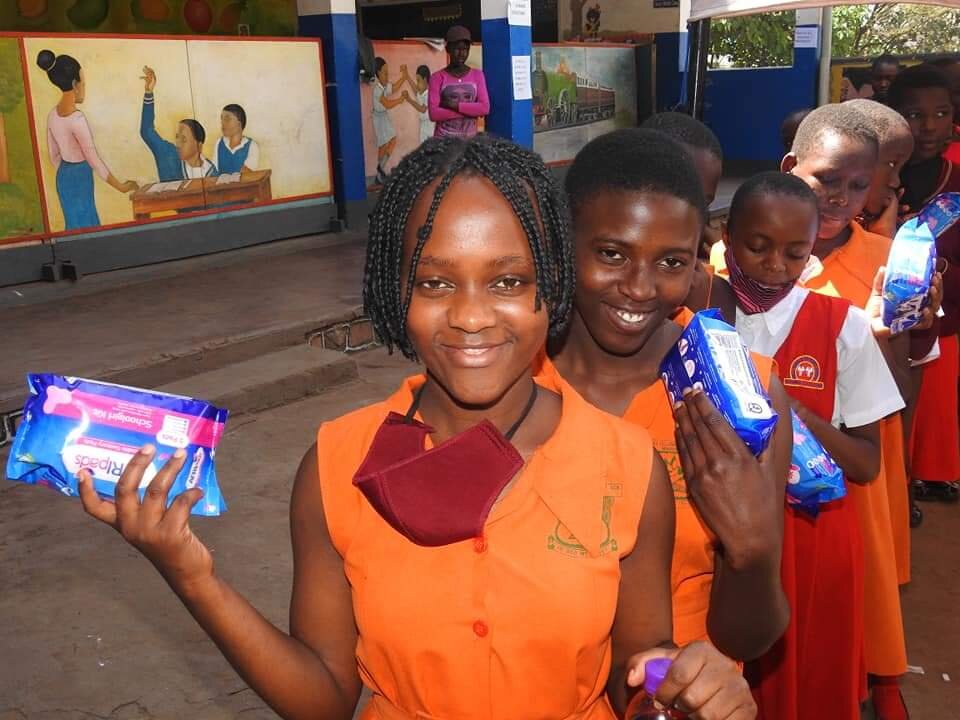
On 22nd of May, 2023, Joy for Children Uganda participated in commemoration of the international menstrual health and hygiene (mhh) day 2023 in Moyo district in Northern part of Uganda.
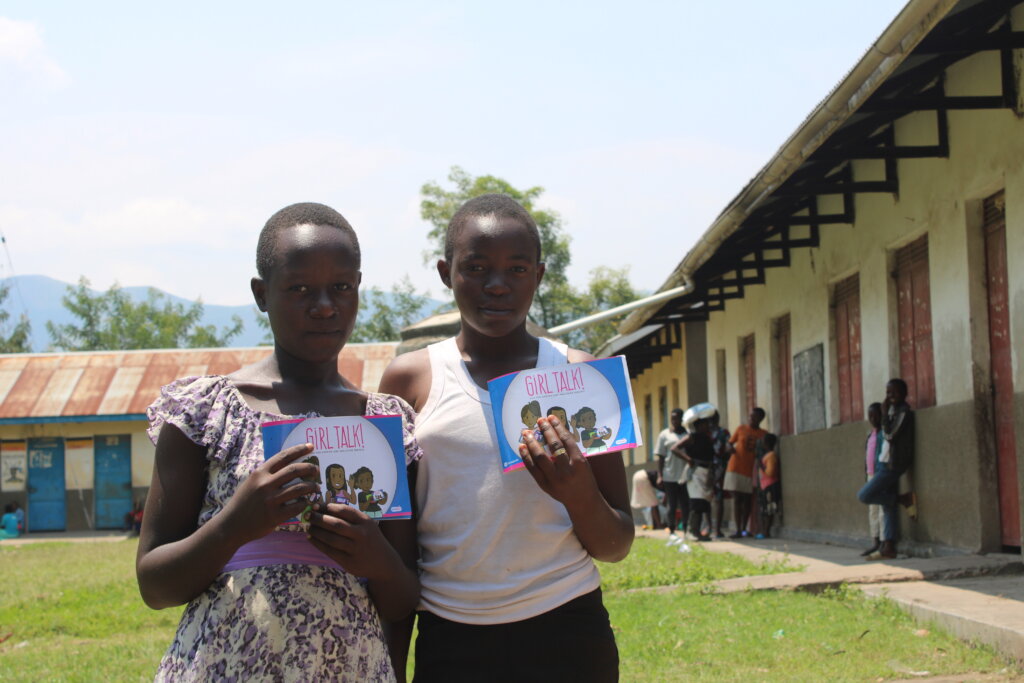
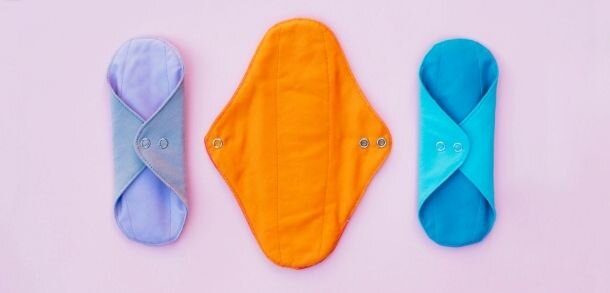
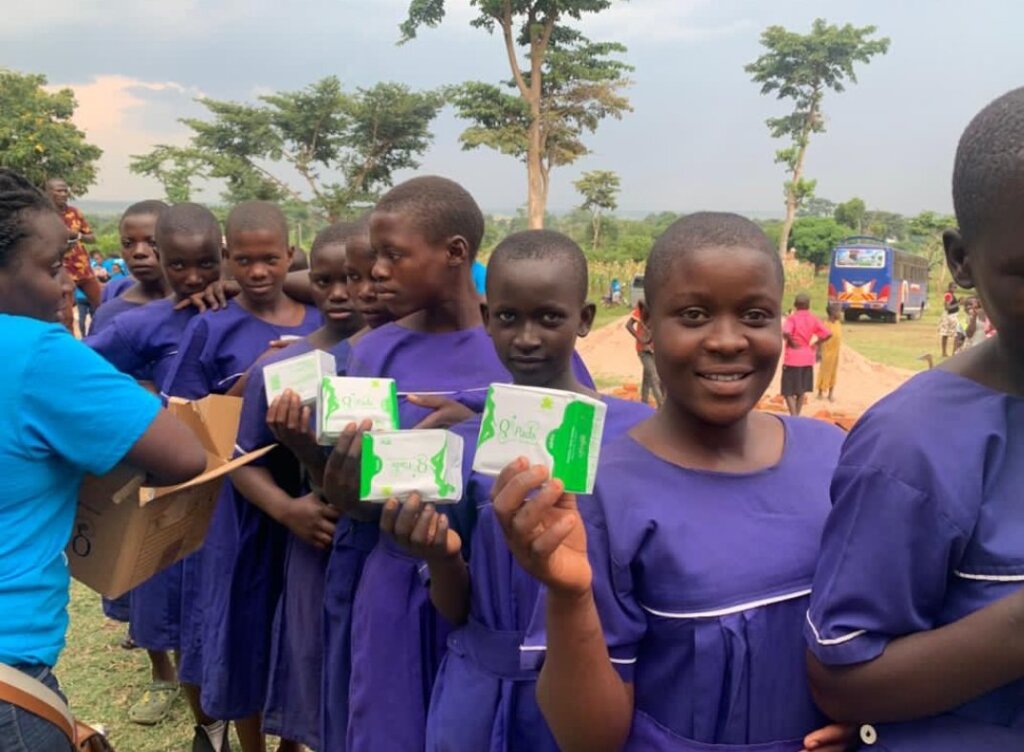
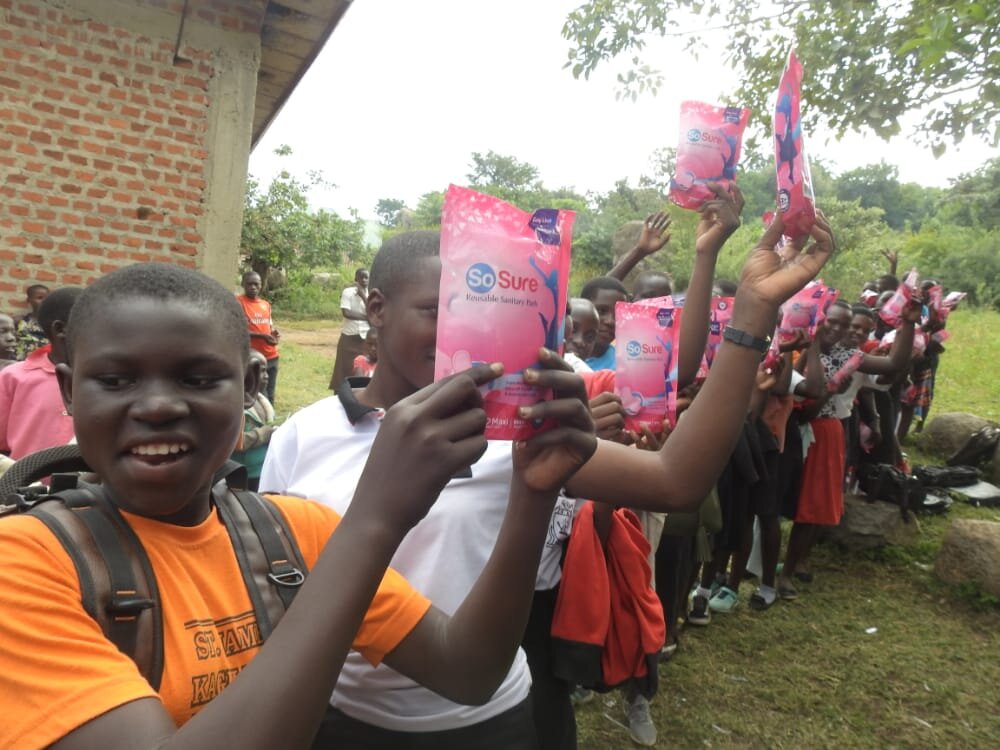
Implementers of projects on menstruation such as Days for Girls, Plan International, Trail Braizers Mentoring Foundation, Ministry of Education and Sports, Inspector of Schools Moyo district etc exhibited different reusable pads. Some of the types of reusable pads exhibited included the menstrual cap, reusable pads, the traditional menstrual belt made out of back cloth. Overall, 353 girls participated in the activities of the day. 244 girls were primary pupils while 109 girls were from secondary schools. 50 packets of sanitary pads were distributed by Joy for Children all girls and female teachers who participated on this day.
We also got an opportunity to encourage girls to abstain from sex to avoid issues of unwanted pregnancy since every lady who menstruates is at a high risk of getting pregnant once they have unprotected sex, also to make use of teachers and their parents to report in case they face any form of violence regarding their sexual and reproductive health such as bad touches, rape, and defilement.
The demand for menstrual hygiene products is still high and we are calling upon you our dear donors to continue supporting us to address this cause
By Tukwasibwe Sandra | Fundraiser
By Tukwasibwe Sandra | Fundraiser
Project reports on GlobalGiving are posted directly to globalgiving.org by Project Leaders as they are completed, generally every 3-4 months. To protect the integrity of these documents, GlobalGiving does not alter them; therefore you may find some language or formatting issues.
If you donate to this project or have donated to this project, you can receive an email when this project posts a report. You can also subscribe for reports without donating.



Support this important cause by creating a personalized fundraising page.
Start a Fundraiser