By Paula Murira | Communication Officer
*Not their real name
Every Sunday, the small church in Poro fills with families seeking hope, encouragement, and guidance. For CORP Victor, who also serves as the church's pastor, it is an opportunity to speak not only about faith but also about caring for God's creation and the families entrusted to them.
On one particular Sunday, after delivering a sermon, Victor reminded the congregation that planning their families was one way of being good stewards of both their resources and the environment. "When we plan our families," he shared, "we are better able to provide for our children, protect the land that sustains us, and build a brighter future."
As the congregation slowly dispersed, a woman named *Amani quietly approached him. Her eyes reflected both determination and worry. "Pastor," she began, "I have already decided to use family planning. My husband, Loldoo, knows, but he has never really agreed with my decision."
Amani explained that she and Loldoo already had three children. She loved each of them deeply but knew she did not want to have more. Having grown up with very little herself, she dreamed of giving her children opportunities she never had, keeping them in school, ensuring they had enough to eat, and one day watching them grow into adults who could build better lives for themselves.
"I want my children to have a future," she said softly. "If we can educate them well, they will be able to stand on their own and even support us when we are old. I don't want to bring more children into the world if we cannot give them the best we can." She asked Victor if he could visit their home and speak with Loldoo.
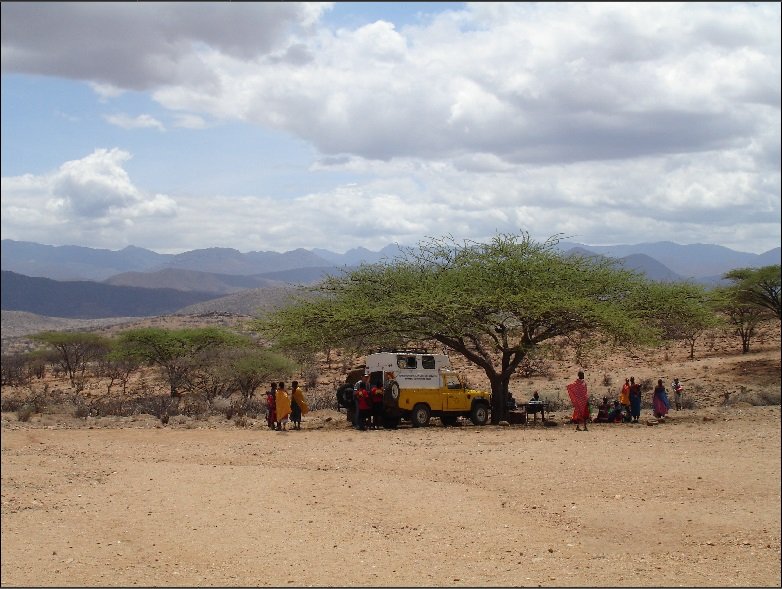
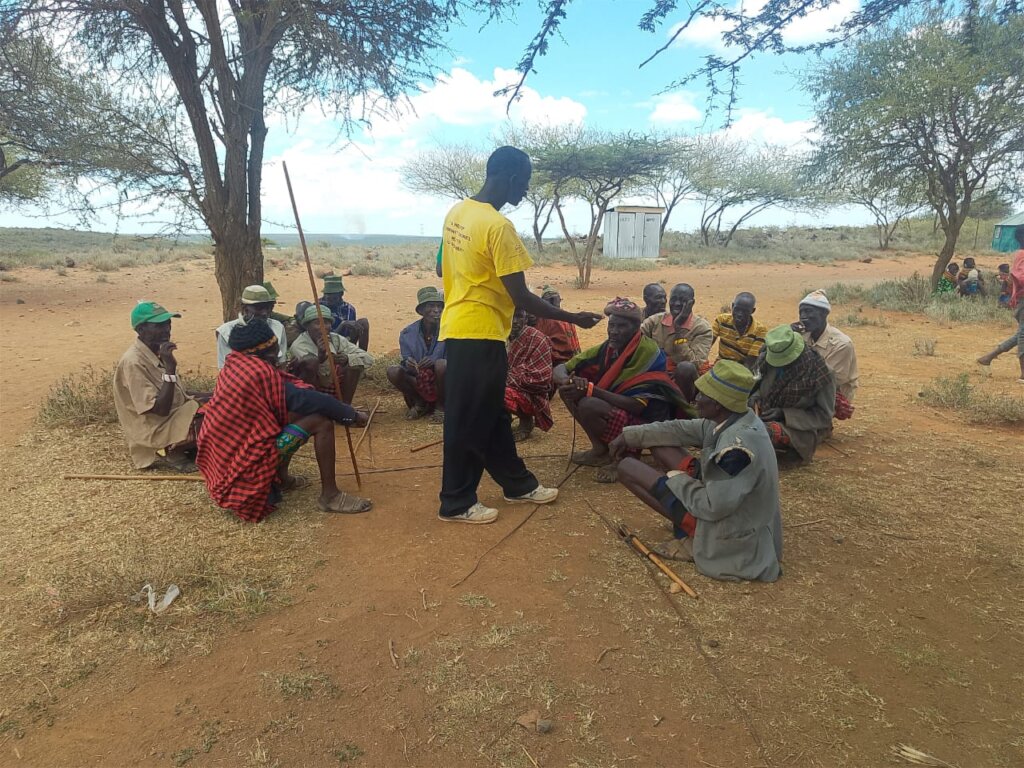
A few days later, Victor made the journey to their homestead. He found Loldoo resting under the shade of a large tree after tending to his daily work. Amani warmly welcomed Victor and quietly prepared tea before joining the two men outside.
What began as a simple conversation stretched into a long discussion over steaming cups of tea. Victor listened first, allowing Loldoo to share his concerns and beliefs. Rather than judging him, he gently explained how fp was not about rejecting children but about giving every child the chance to thrive.
They spoke about the cost of raising a family, educating children, protecting the land they depended on, and preparing for the future together as husband and wife. As the afternoon wore on, the atmosphere slowly changed. Loldoo looked at his wife, then back at Victor. "You have helped me see things differently," he admitted. "Amani was thinking about our family's future all along. She made a wise decision."
A smile spread across Amani's face as relief replaced months of uncertainty. For the first time, she felt fully supported by the person whose opinion mattered most to her. That conversation under the tree became more than a discussion about fp. It became a moment of understanding, respect, and shared hope. Today, Amani and Loldoo are united in their vision of giving their three children the best life possible, a future built not on the number of children they have, but on the love, opportunities, and care they can provide.
Thanks to your generous support through GlobalGiving, in the past three months alone, CHAT has:
Your contributions empower individualsin underserved communities to make informed decisions, rebuild their lives, and transform their lives positively. With your continued support, CHAT will keep delivering hope — one woman, one household,one informed choice at a time.
By Paula Murira | Communication Officer
By Paula Murira | Communications Officer
Project reports on GlobalGiving are posted directly to globalgiving.org by Project Leaders as they are completed, generally every 3-4 months. To protect the integrity of these documents, GlobalGiving does not alter them; therefore you may find some language or formatting issues.
If you donate to this project or have donated to this project, you can receive an email when this project posts a report. You can also subscribe for reports without donating.



Support this important cause by creating a personalized fundraising page.
Start a Fundraiser