By Gregory Bonin | Seed Programs International
Hello supporters!
It's been over a year since we closed this project, and I want to tell you about a few things we've learned from our experience and give you a final update about our work toward delivering seeds to Syrian refugees.
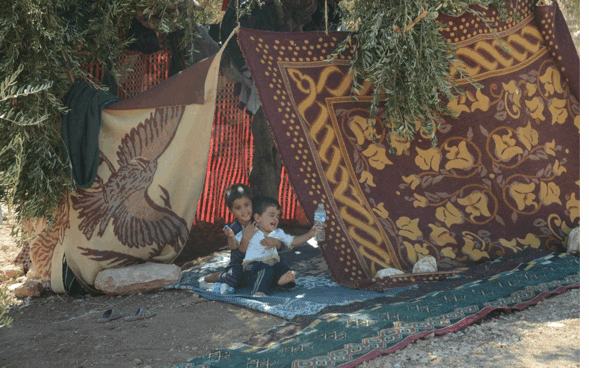
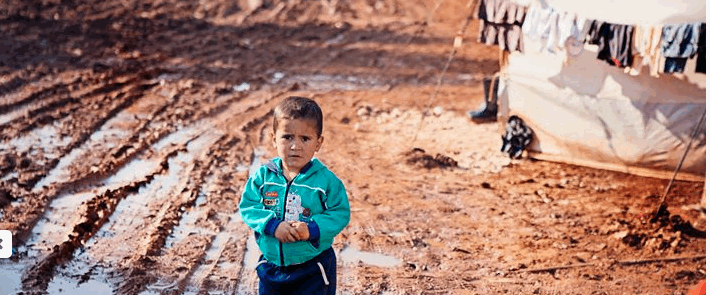
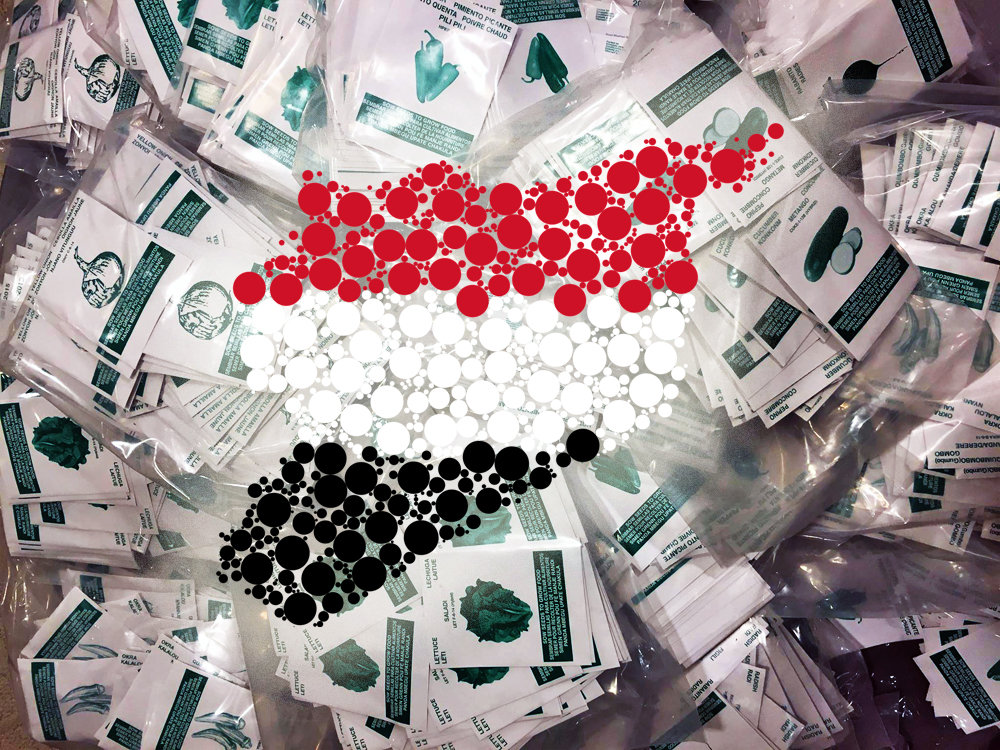
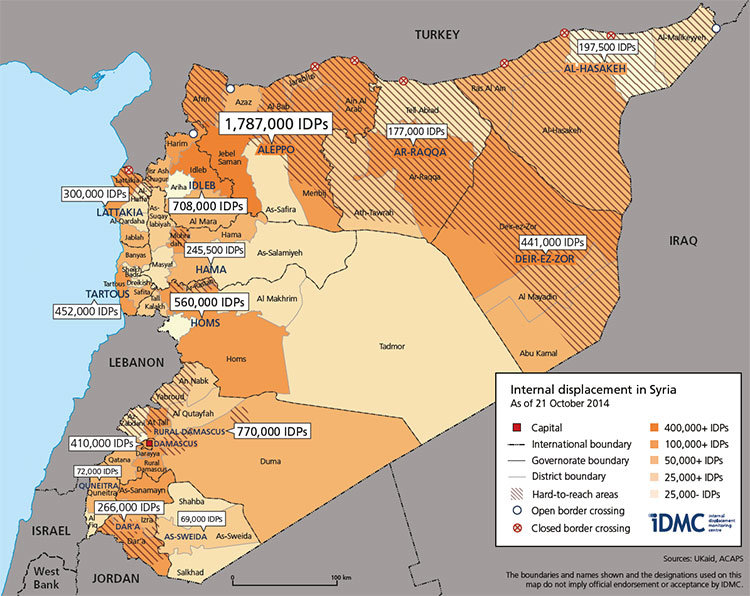
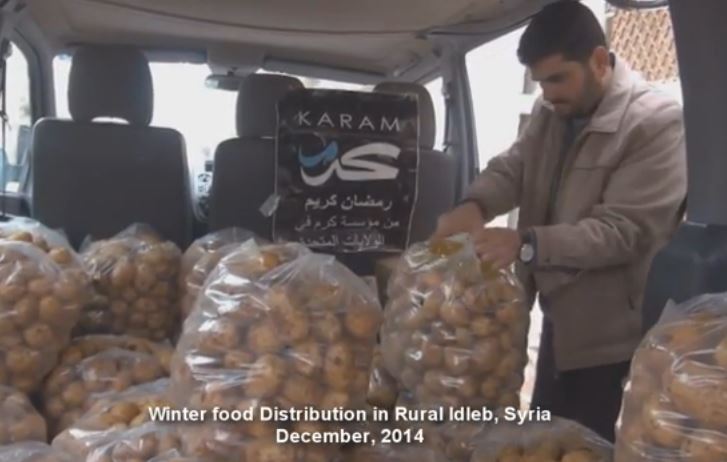
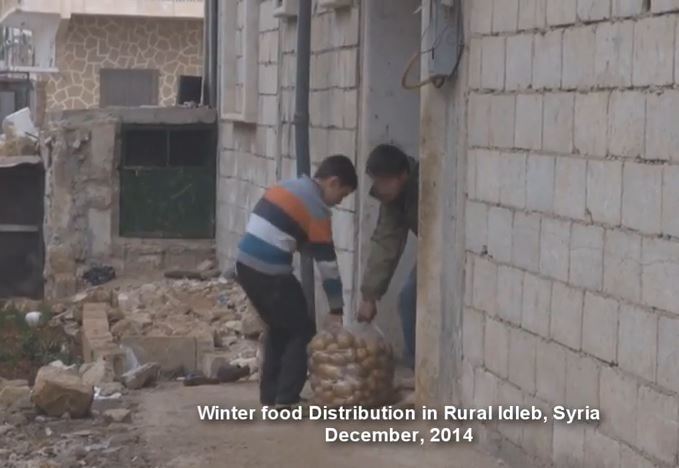
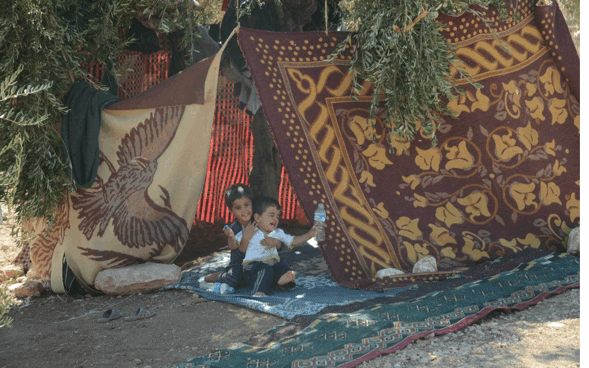
\We created this project in response to an increasing need for sustainable food sources for growing communities of Syrian refugees — a need compounded by dwindling aid reserves. We knew we were shipping into a volatile area, but we have experience with negotiating difficult customs regulations and felt the demand warranted the risk. True to our partner-centric model, we were working with leading Turkish NGO Orient for Human Relief, via the US-based Karam Foundation, to better understand the situation on the ground. Paperwork in place, we were excited when we received news that the initial shipment was delivered into customs as expected.
However, as the relationship between Turkey and Syria continued to break down, the seeds were unnecessarily detained by Turkish customs. We tried everything we could think of to save the shipment, but finally accepted that the seeds would be lost. Facing this failure and uncertain about whether we would ever be able to deliver seeds to Syria, we closed the project and promised that your donations would be used to provide nutrition support for displaced Syrians.
It's always distressing when we can't get seeds to the people who desperately need them. SPI relies on our partners to support shipments and distribution and sometimes that's just not enough, especially in areas with an unstable political climate. We stand by our reliance on our partners; it's one of our greatest strengths. Going forward, we realized we would have to do more if we wanted to increase the types of tools we can use to ensure that shipments reach the right people when they're needed.
Because of this experience and others like it, SPI has expanded how we work. Over the past year, we've increasingly reached out to official embassies and have developed working relationships that can keep us informed about their country's political climate and how best to negotiate customs regulations. Further, Our Program Manager, Naima, has been collecting information about what we've learned from working with each country's import regulations. Our goal is to create a database of country profiles that can be used as a customs checklist for future shipments to ensure that seeds are delivered without incident.
We're also more deliberate about how we process requests for seed. Rather than making assumptions based on prior experience, we ask our partners and recipients to share what they know to help avoid any unnecessary delays. Finally, we've invested in identifying local sources of high-quality seed and developing relationships with those seed providers when we're unable to ship from our own inventory. It's important to us that people receive the support they need, even if it means working a little differently.
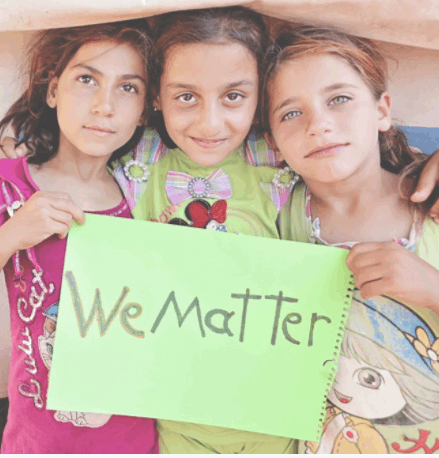
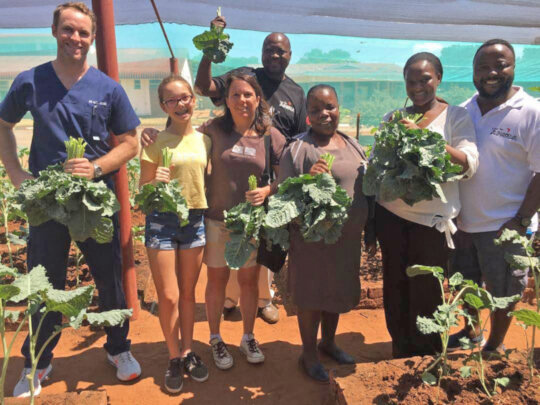
Thankfully, this story has a happy ending. Karam and SPI didn't give up on delivering seeds to Syrian refugees. In November 2015, Karam hand-carried seeds during a youth camp mission trip to work with refugees in Turkey. Your support, through GlobalGiving, made this possible!
P.S. Be sure to check out Seed Program International here at GlobalGiving to see what we've been up to lately!
By Peter Marks | President/CEO, Seed Programs International
By Peter marks | Seed Programs International
Project reports on GlobalGiving are posted directly to globalgiving.org by Project Leaders as they are completed, generally every 3-4 months. To protect the integrity of these documents, GlobalGiving does not alter them; therefore you may find some language or formatting issues.
If you donate to this project or have donated to this project, you can receive an email when this project posts a report. You can also subscribe for reports without donating.