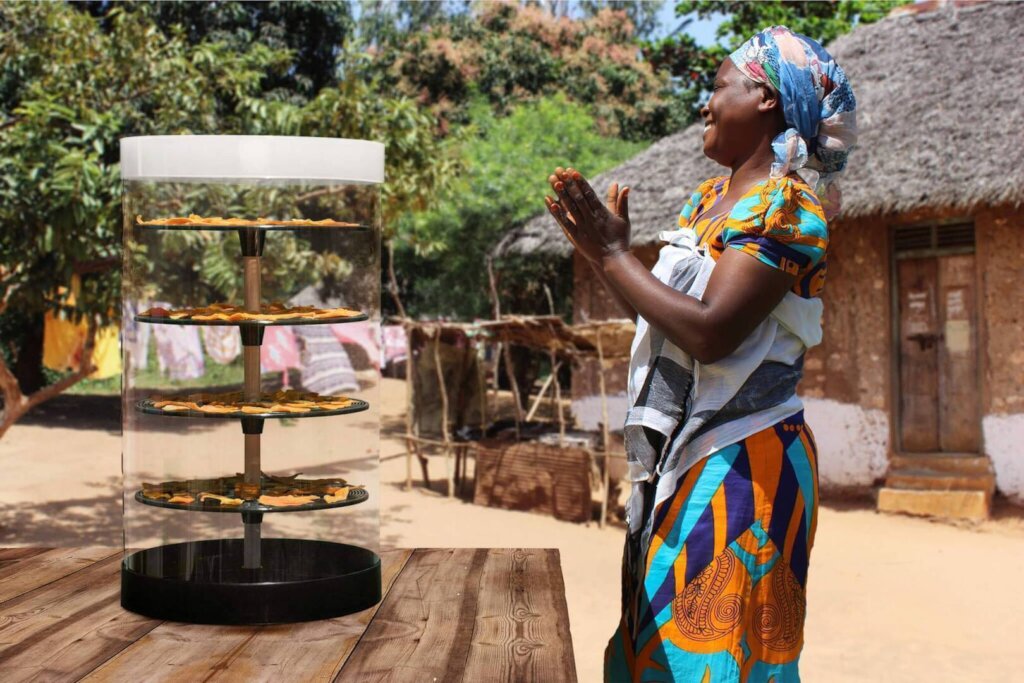
Nigeria loses up to 40% of crops after harvest due to spoilage, poor storage, and lack of preservation tools. For smallholder farmers, this loss translates into hunger and reduced income. Solar food dehydrators can dry fruits, vegetables, and grains safely, extending their shelf life from days to months. This project will provide 500 farmers with solar dehydrators to cut waste, reduce post-harvest loss, and improve food security in rural communities.
Food waste in Nigeria starts before and continues after harvest. Farmers lack cold storage, drying equipment, and safe packaging. Fruits rot before reaching markets, grains spoil in poor storage, and vegetables often go unsold due to short shelf life. This creates food shortages, loss of income, and higher prices for rural families. Without affordable preservation tools, smallholder farmers remain trapped in a cycle of waste and poverty.
The project will supply solar dehydrators that use natural sunlight to dry crops without electricity. Farmers will be trained to dry and package fruits, grains, and vegetables for longer storage and safe transport to markets. With reduced spoilage, families can eat more of their harvest, sell surplus products, and create small businesses around preserved foods. Solar drying is low-cost, eco-friendly, and suited to rural farming communities.
Farmers will reduce food loss, gain steady income, and improve family nutrition. Women and youth can start micro-businesses selling dried produce. Local markets will have access to affordable, preserved foods year-round, cutting reliance on expensive imports. Communities will benefit from reduced hunger and stronger local economies. The project builds a practical system for food preservation that rural farmers can maintain and expand without dependence on outside technology.



Support this important cause by creating a personalized fundraising page.
Start a Fundraiser