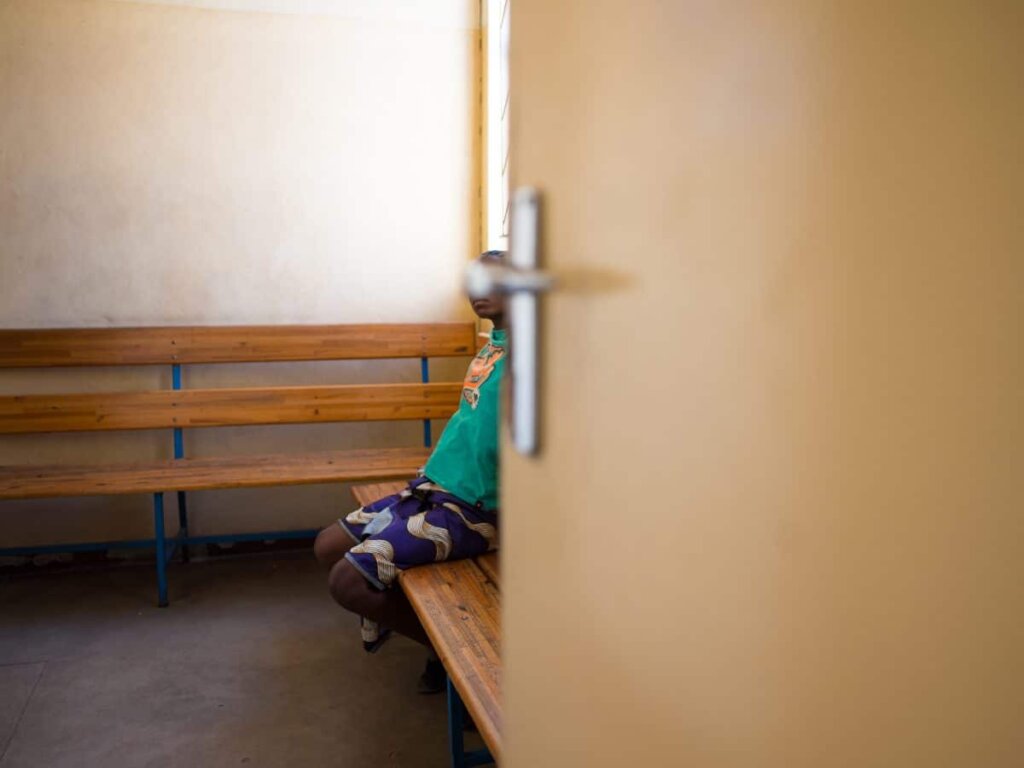
Many teen girls in low-income communities of Benue, Jos, Lagos, and Delta and Imo State, Nigeria, areas with high HIV rates, engage in transactional sex to meet basic needs like food, hygiene items, or school fees. This project will train 1,000 vulnerable girls to make soaps, sanitary pads, and other hygiene products. They will also receive funds to start small businesses. Over 65% have no stable income or family support. The project offers safer ways to meet their daily needs.
Teen girls in parts of Nigeria face hunger, school dropouts, and lack of hygiene items. In places like Benue, Lagos, and Delta, many of them engage in transactional sex to survive. This increases their risk of HIV, unplanned pregnancy, and abuse. Most of them have no income or family support. They lack basic job skills that can help them meet their daily needs without taking risks.
The project will train 1,000 vulnerable girls to produce soaps, Izal, Dettol, reusable sanitary pads, and other hygiene products. After the training, each girl will receive a small grant to start a hygiene-based business. This gives them a safer way to meet their needs. The training is simple, local, and easy to replicate, helping them move away from risky survival methods.
Girls who complete the training can start small businesses, return to school, and avoid risky behavior. Some may teach others or form group businesses. Subsequently, the project will reduce dependence on transactional sex and help more girls find safer ways to care for themselves. It also encourages self-reliance and helps break the cycle of poverty among girls in these states.



Support this important cause by creating a personalized fundraising page.
Start a Fundraiser