By Wendy Davis | Trustee
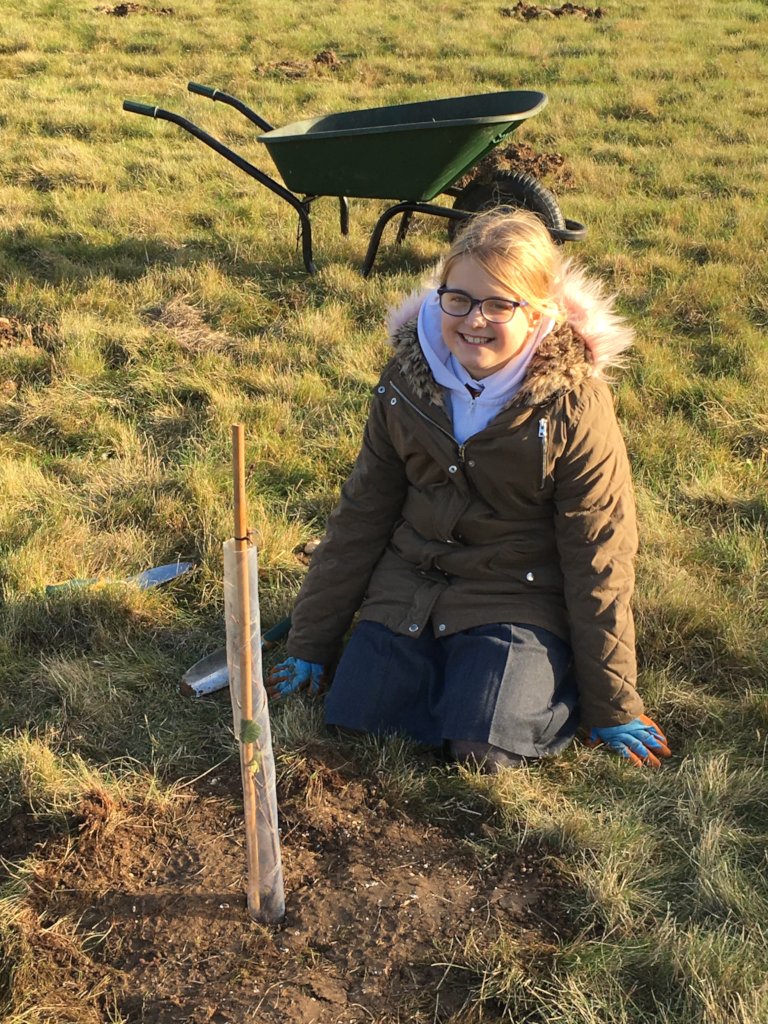
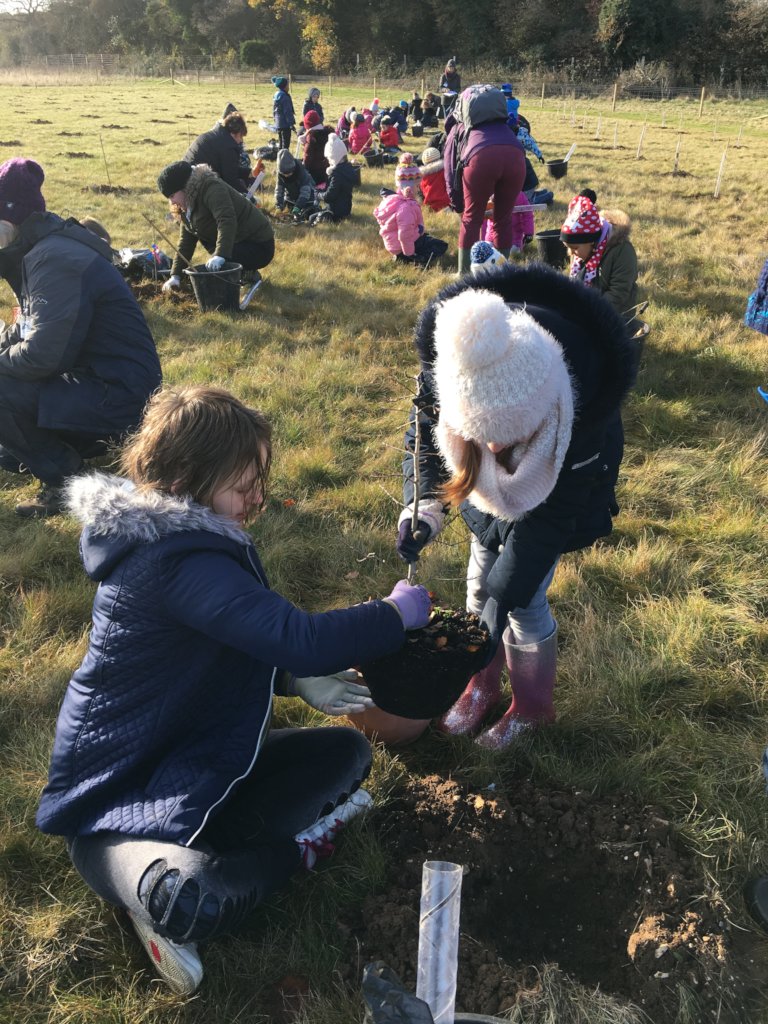
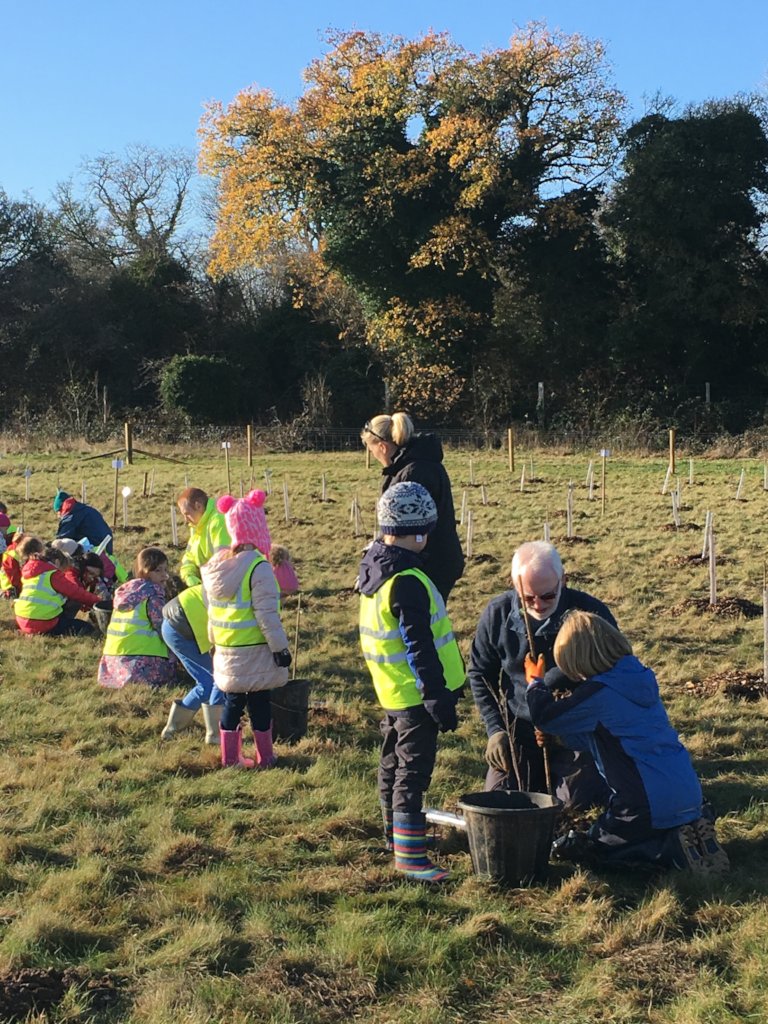
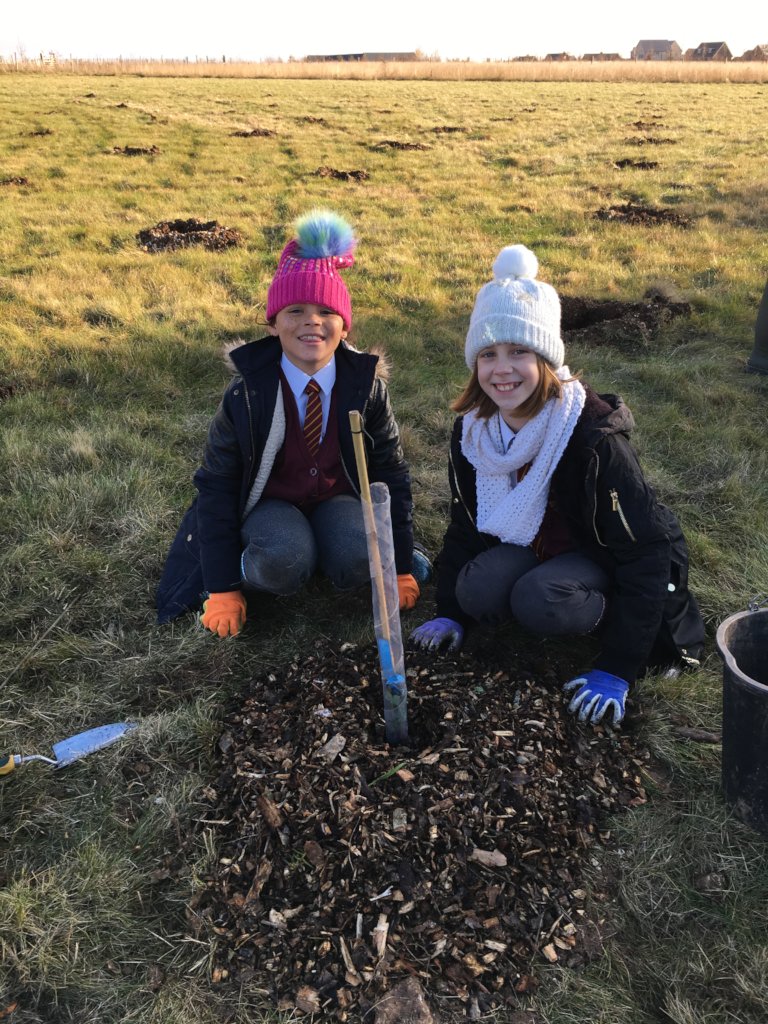
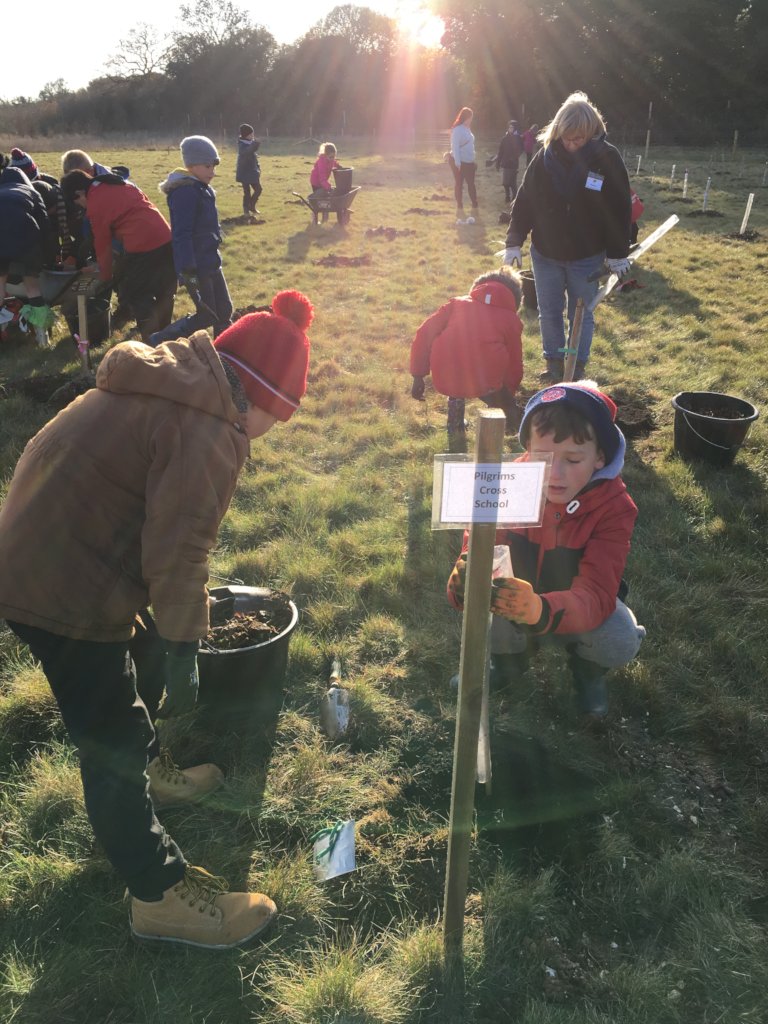
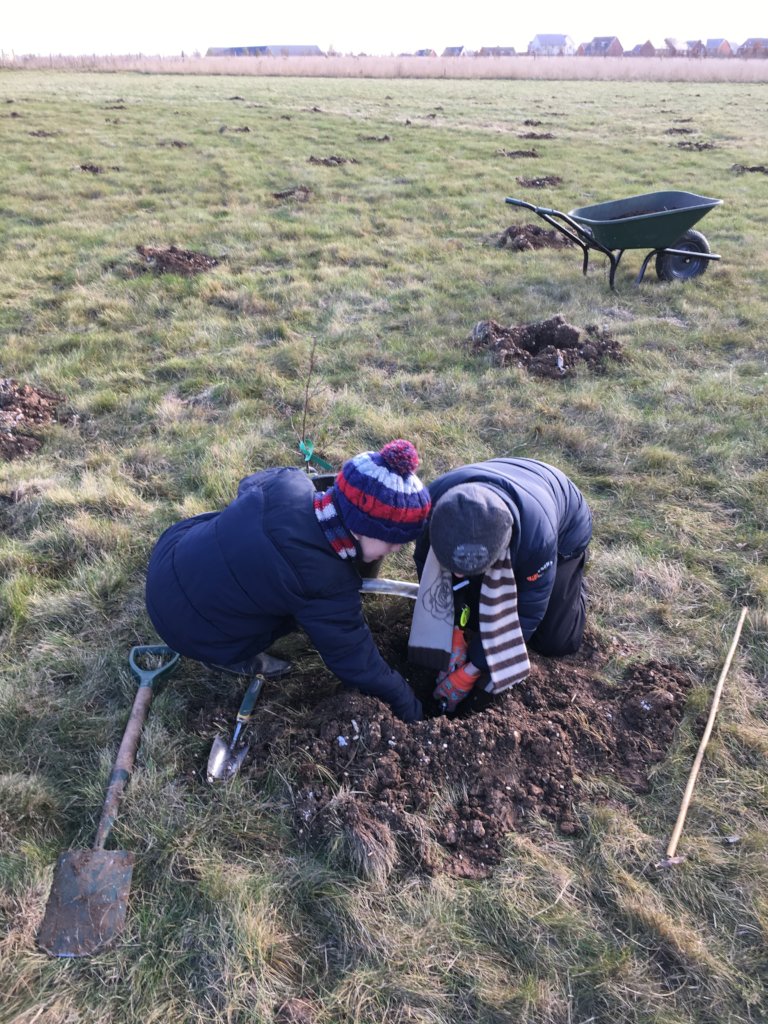
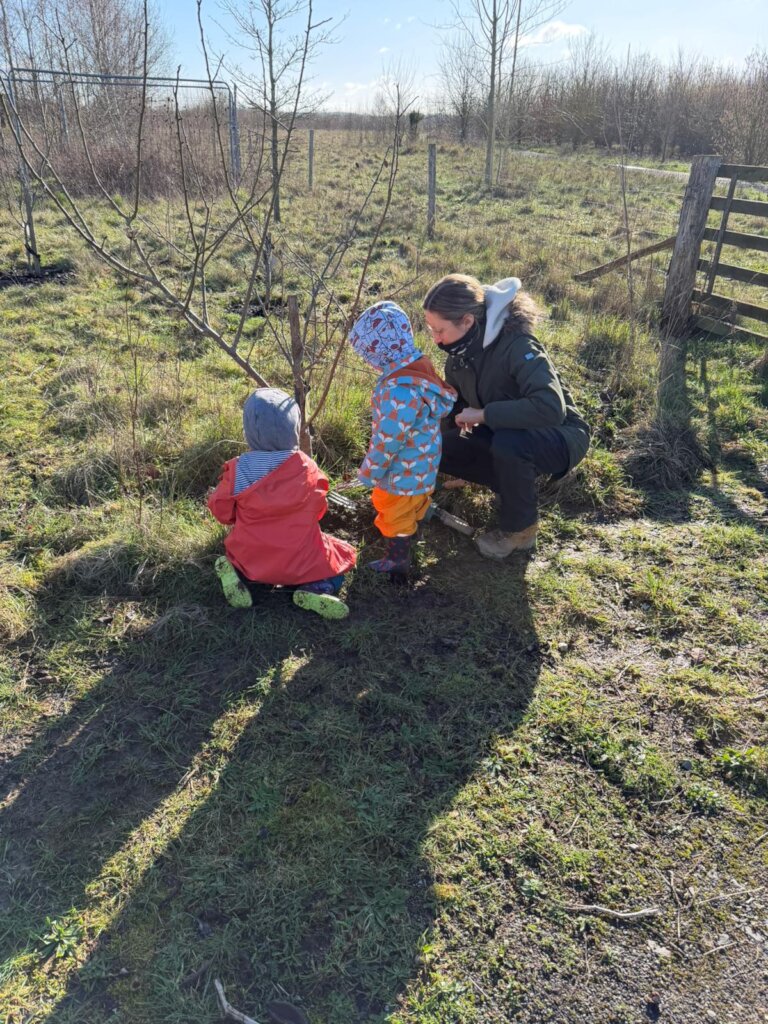
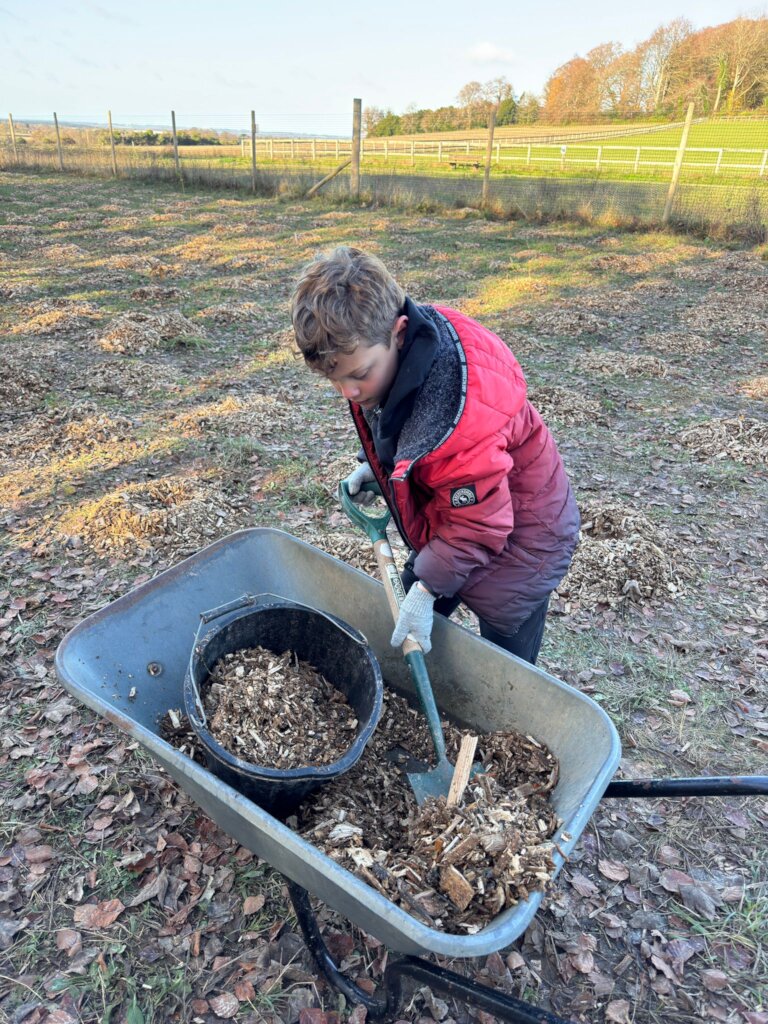
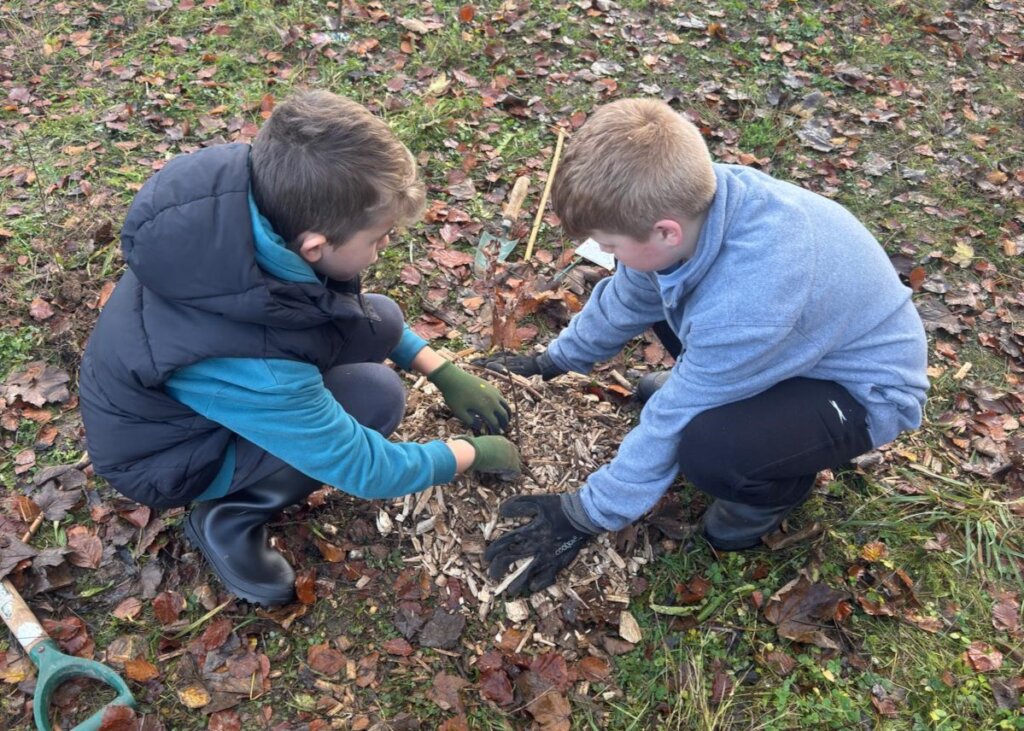
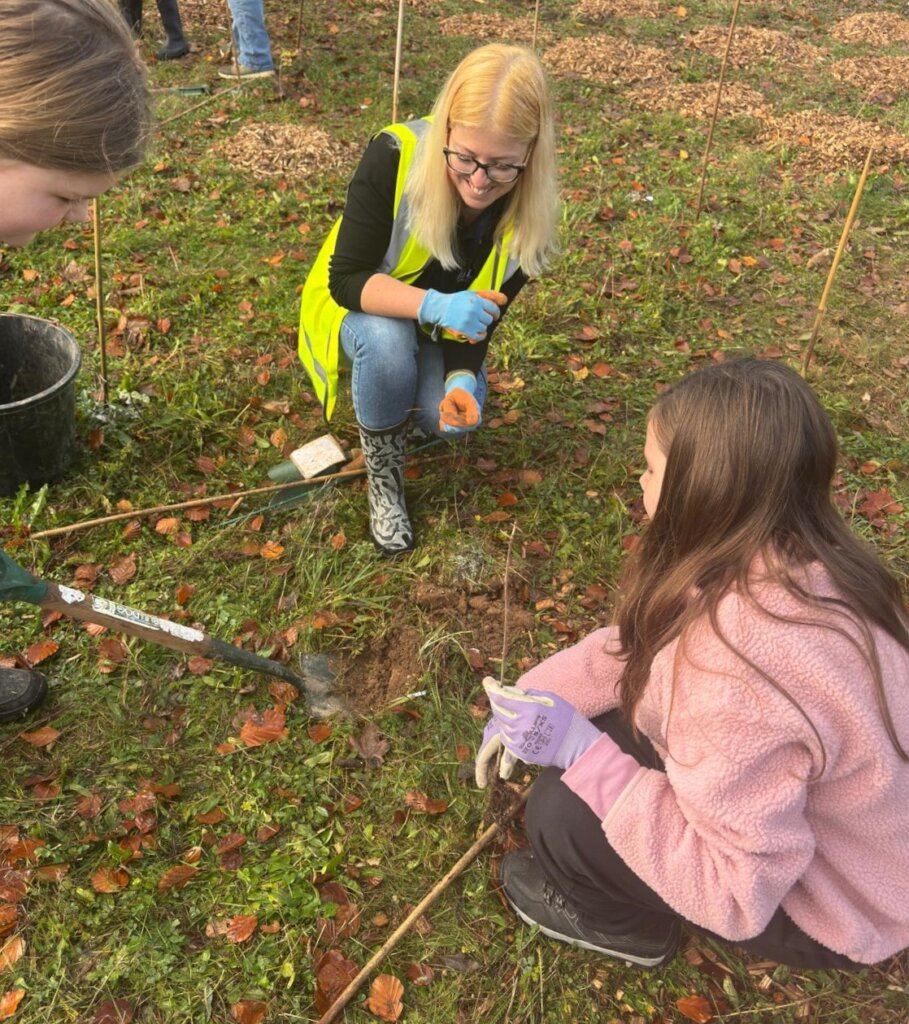
Although planting thousands of trees was and remains at the heart of what we do, keeping the community’s young people connected to their wood as a place of learning is equally important.
In between the colder months of the year, when tree planting can take place, conservation efforts focus on the rides and meadows in the wood. To this end, native wildflowers are raised from seed and volunteers are trained in traditional grassland management.
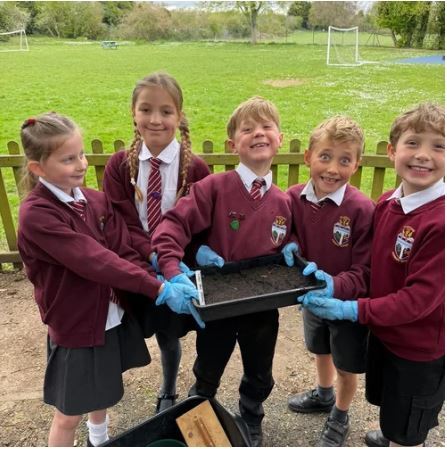
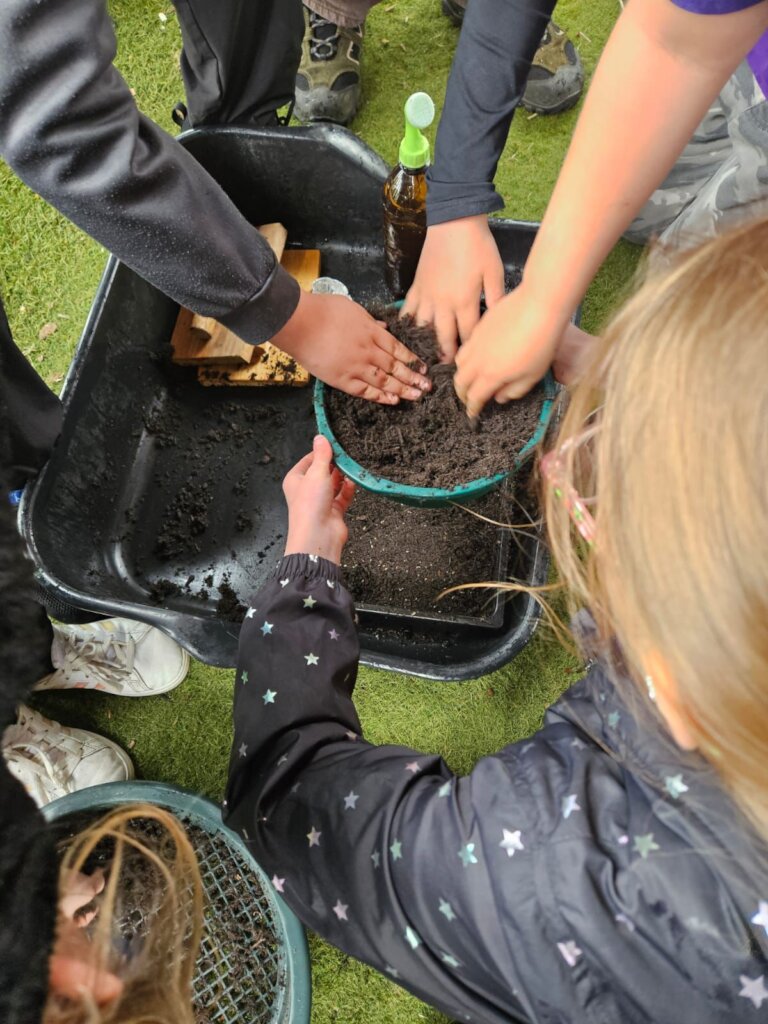
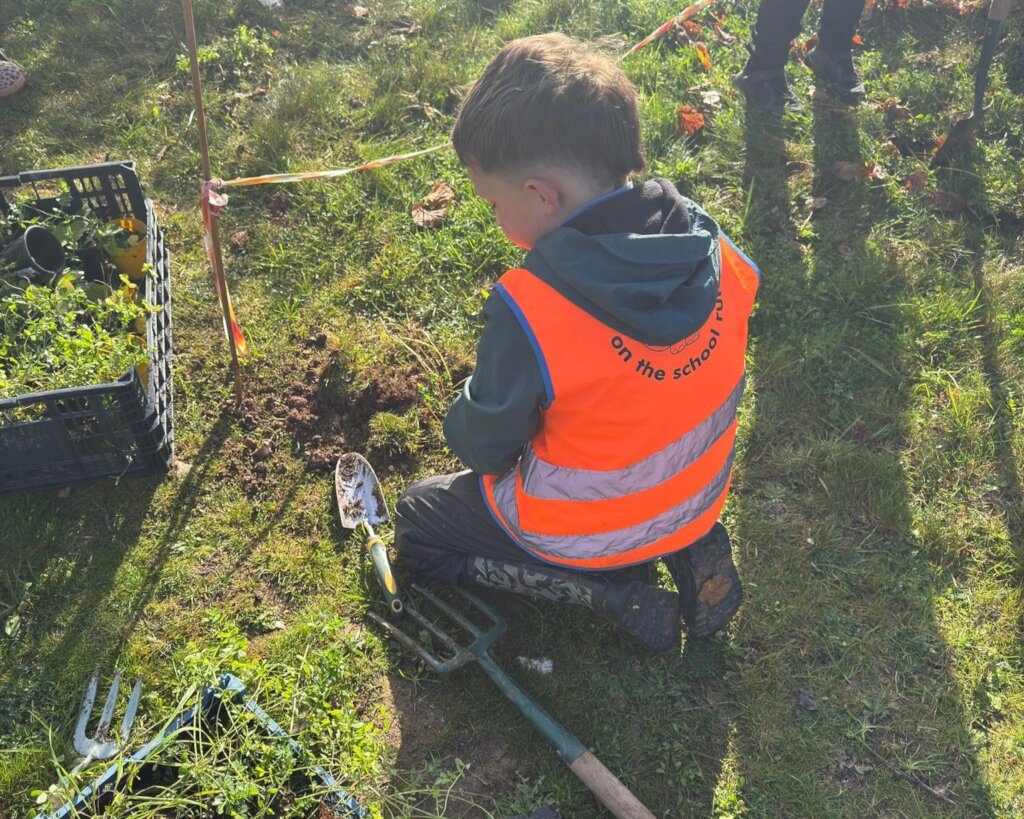
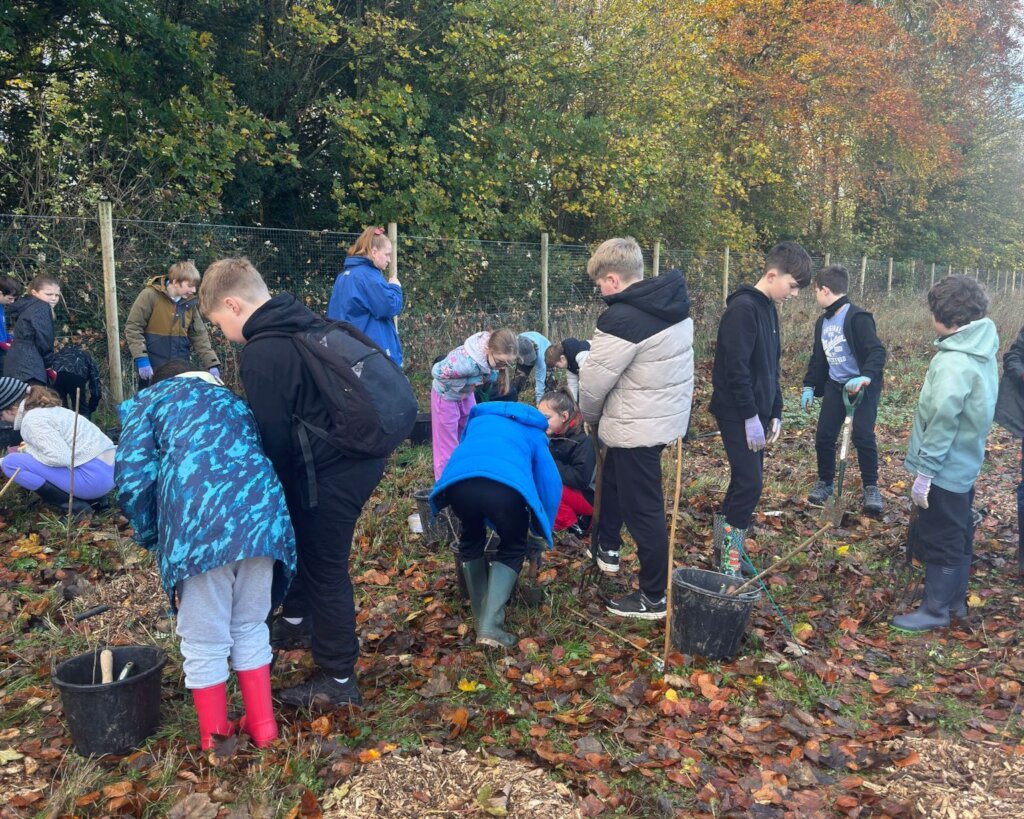
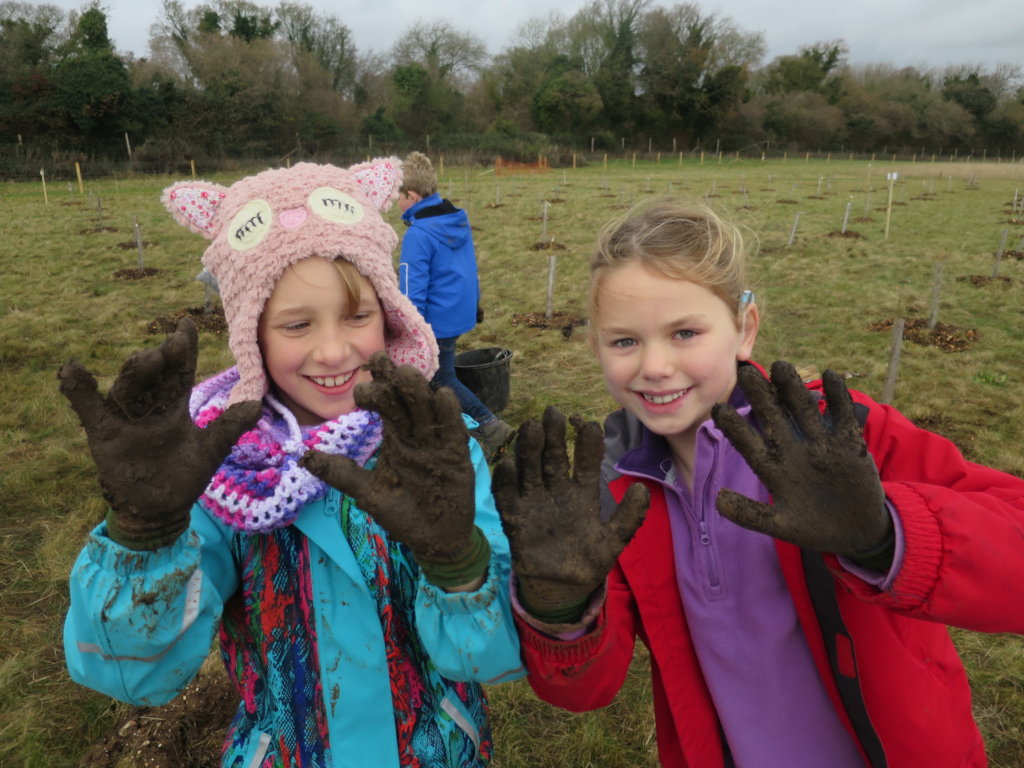
The Disappearing Wildflowers project involves hundreds of local school children between April and October. Staff and volunteers initially go into schools to teach children seed sowing, pricking out and potting on. The plants are kept watered on the charity’s allotment until October, when the children come to the wood to plant out their wildflowers, contributing to the wood’s biodiversity, benefitting butterflies and other pollinators.
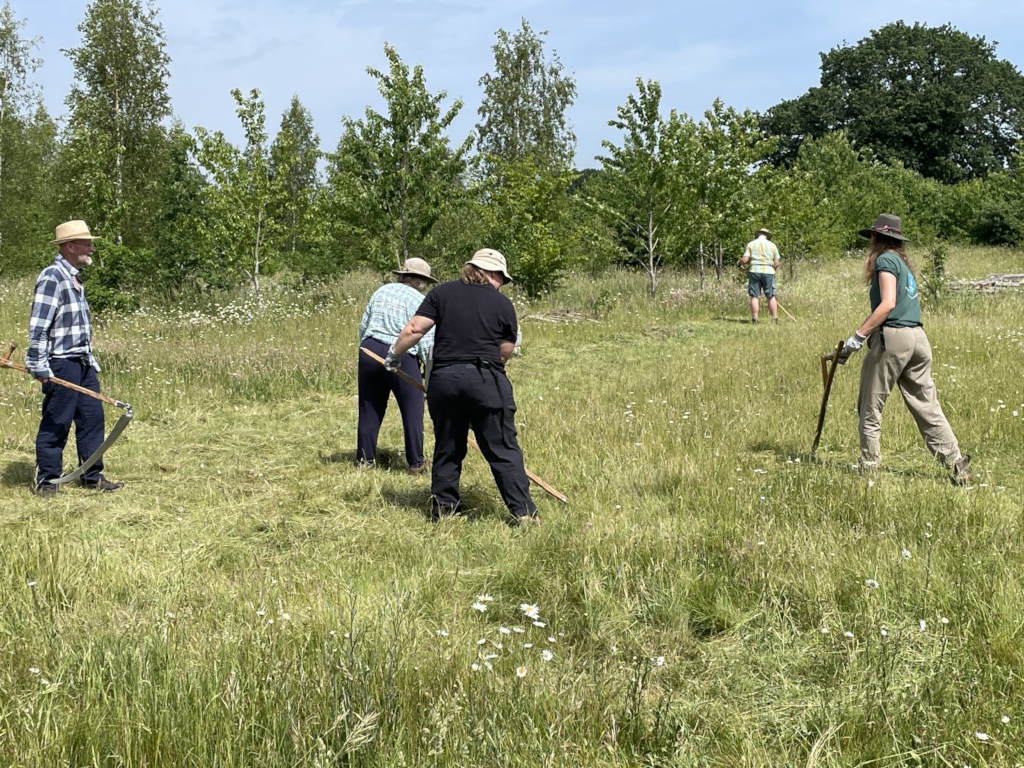
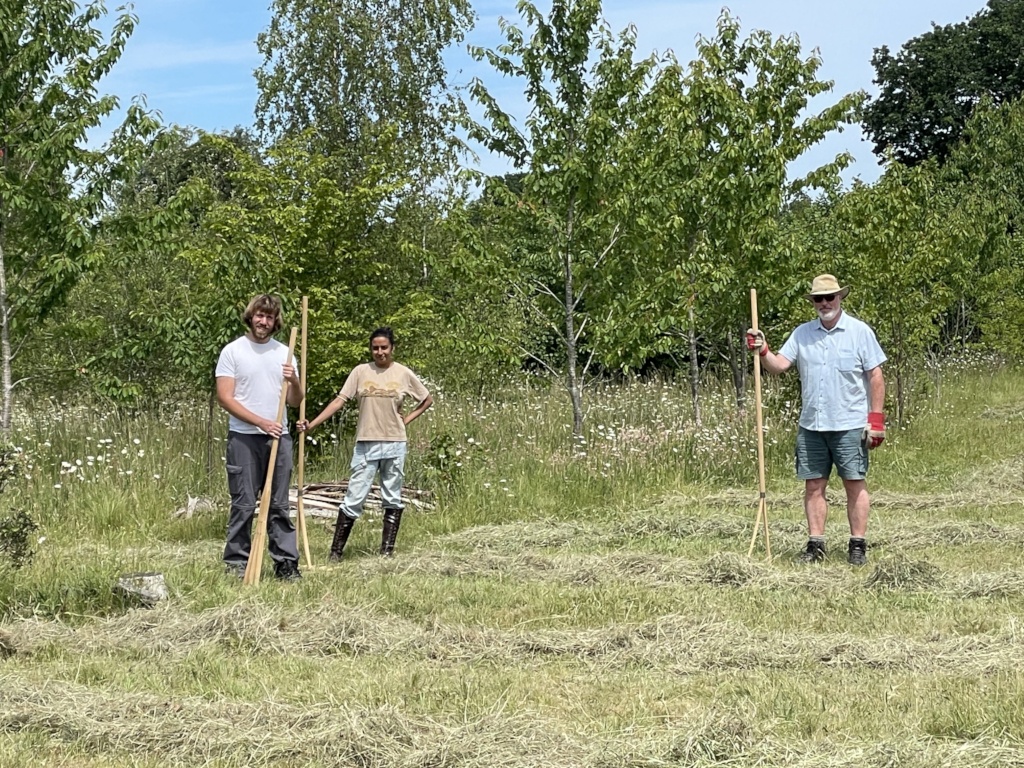
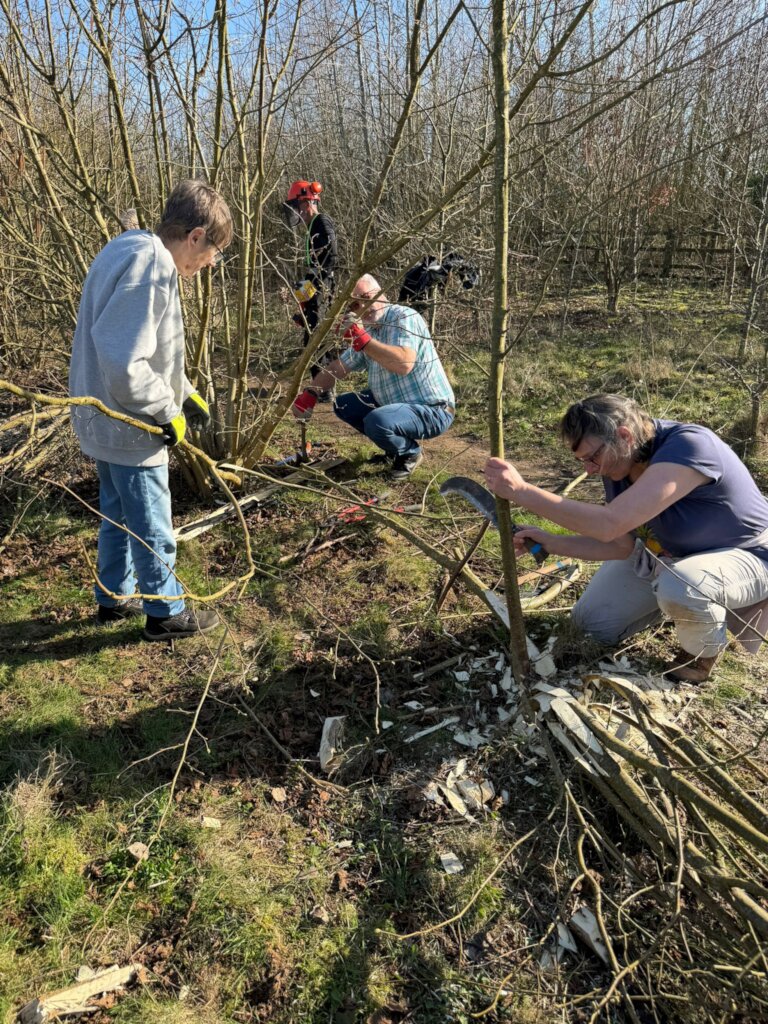
The meadows and rides are cut once a year, usually in late August or early September, to maintain cover for ground nesting skylarks. This year, however, we are extremely fortunate to have been included in CPRE (Campaign to Protect Rural England) Hampshire’s Magnificent Meadows project. Although this requires some of our grassland to be cut earlier than usual, volunteers receive training in scything and haymaking. Photographs below show some of the team in action at an early practice session in May; the main event is scheduled for next week, which you will be able to read about in the next report.
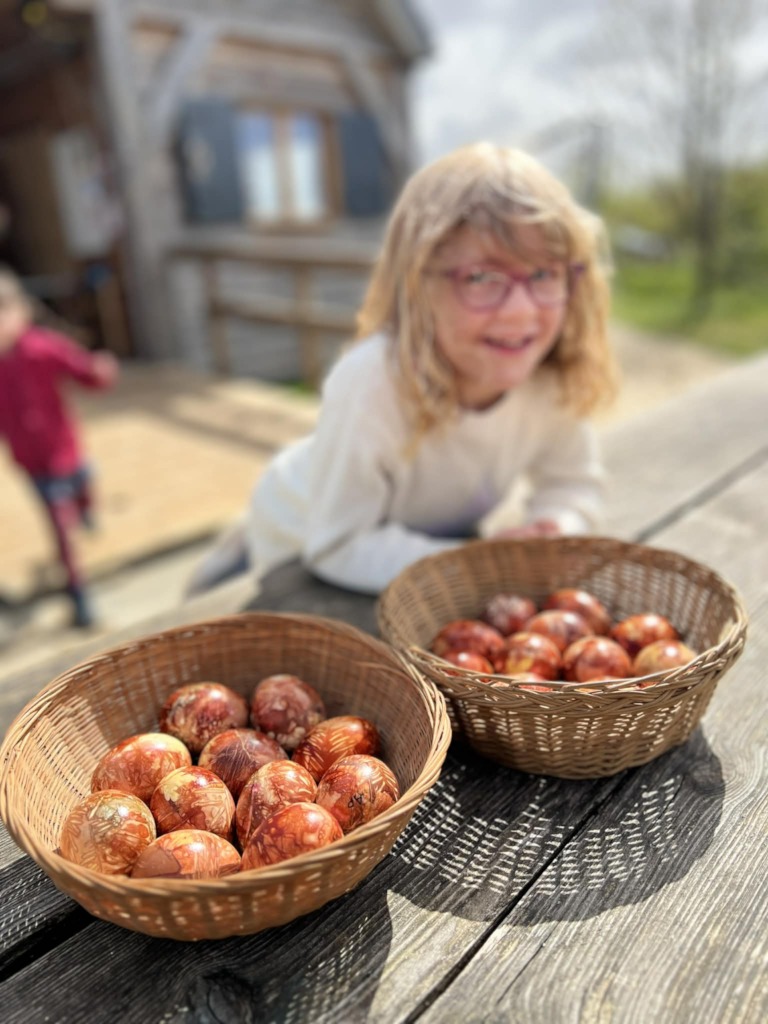
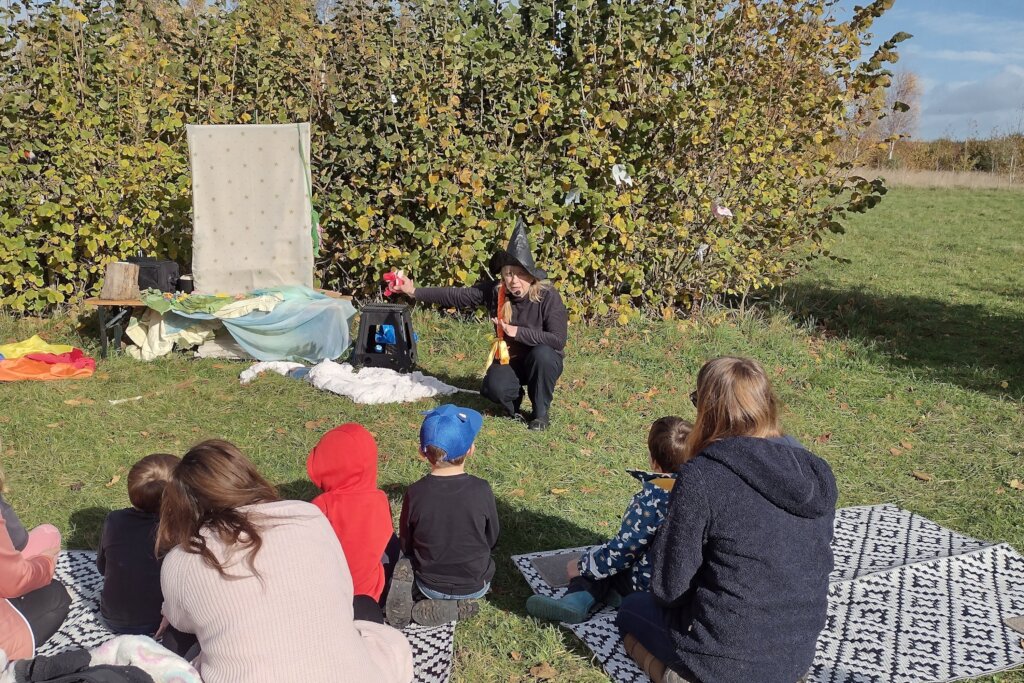
We have welcomed children back to the wood for a number of events over the past few months, from Tall Tales and Seasonal Stories based around Easter and spring, decorating eggs and sowing beans, to Between the Barrows, when in June and July they joined archaeologists in excavating a Bronze Age ditch. Earth Day was celebrated, Green Week saw children discuss how their school and homes could be more sustainable, school pupils took part in pond dipping and young scouts went on a bug hunt!
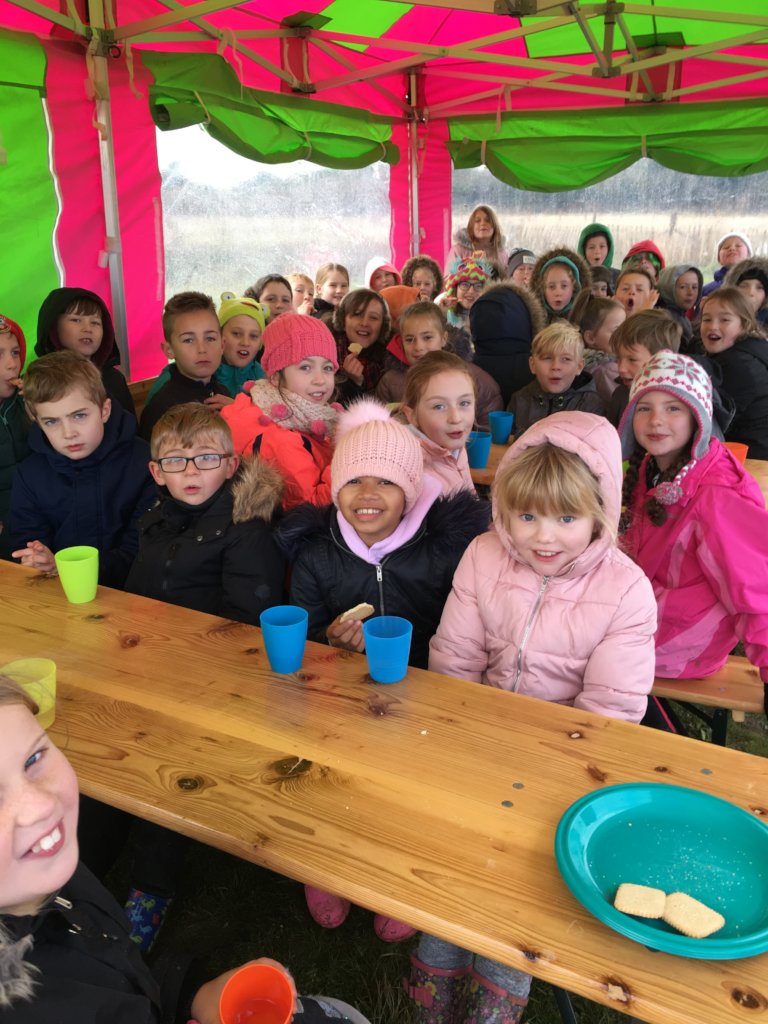
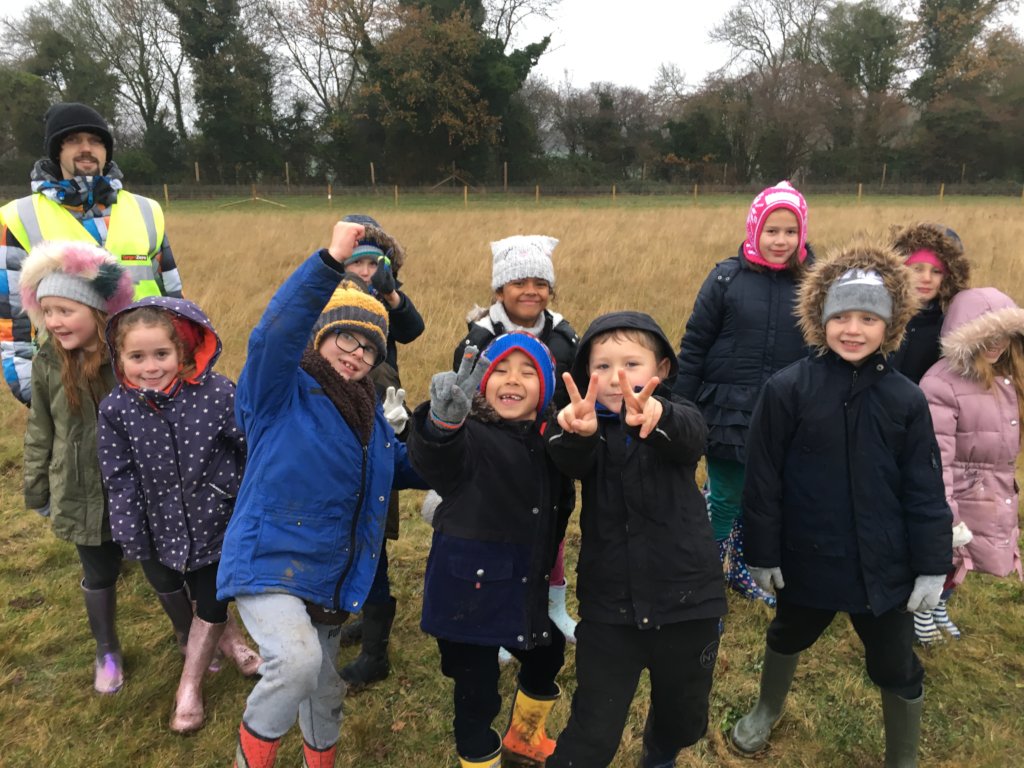
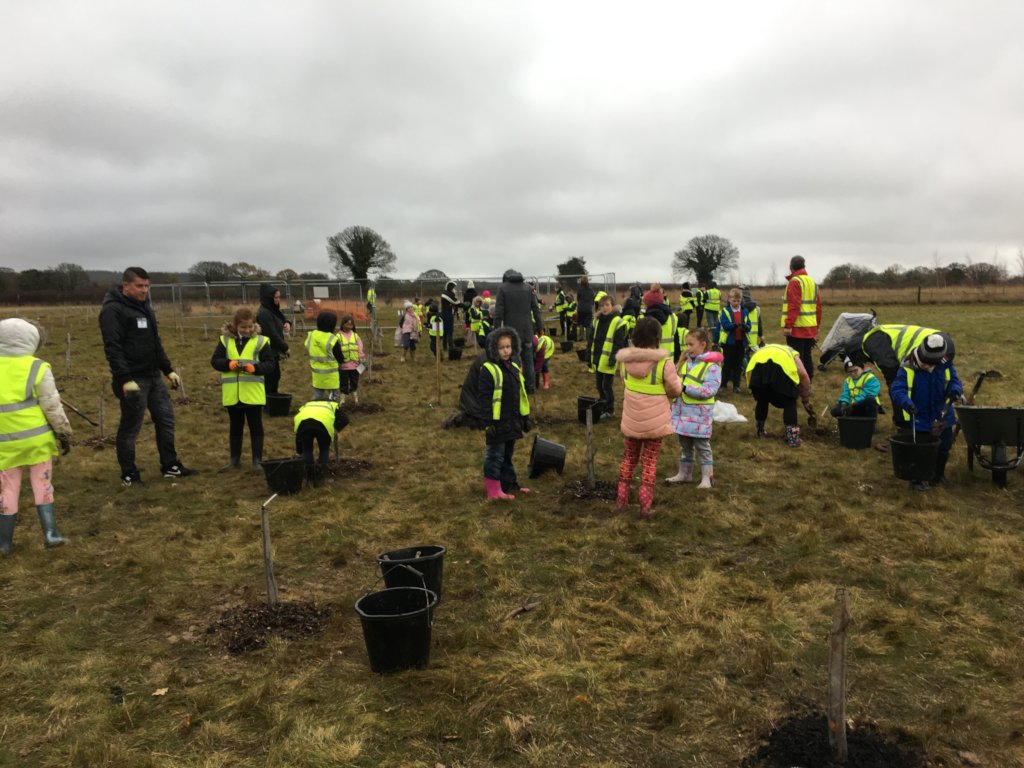
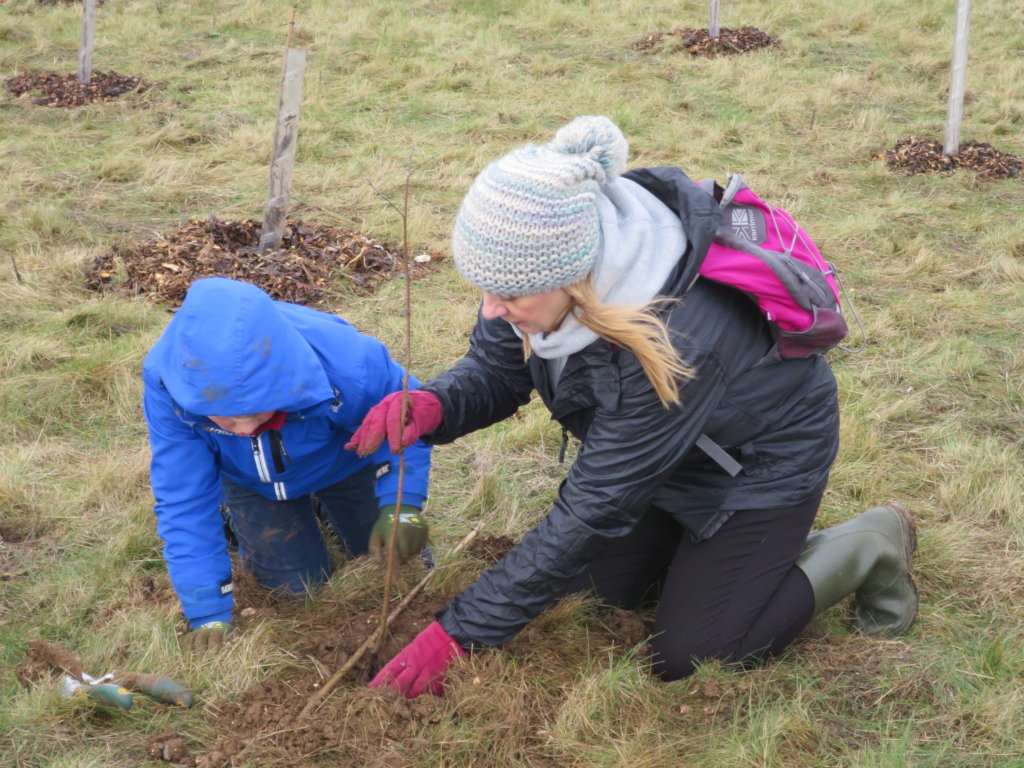
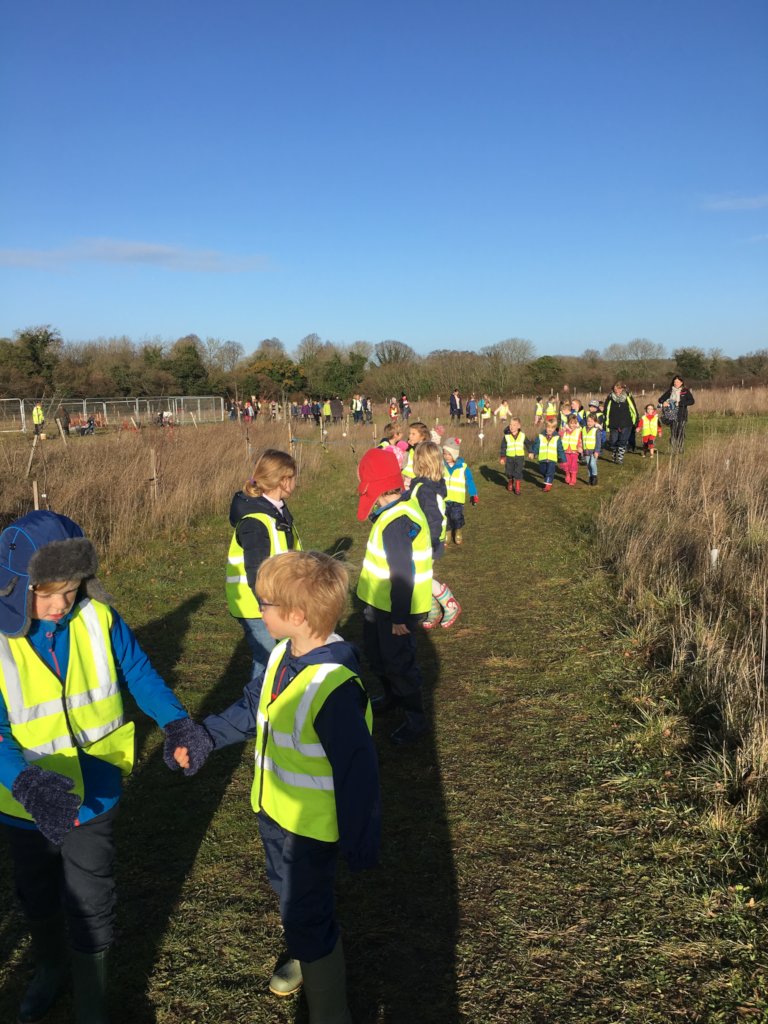
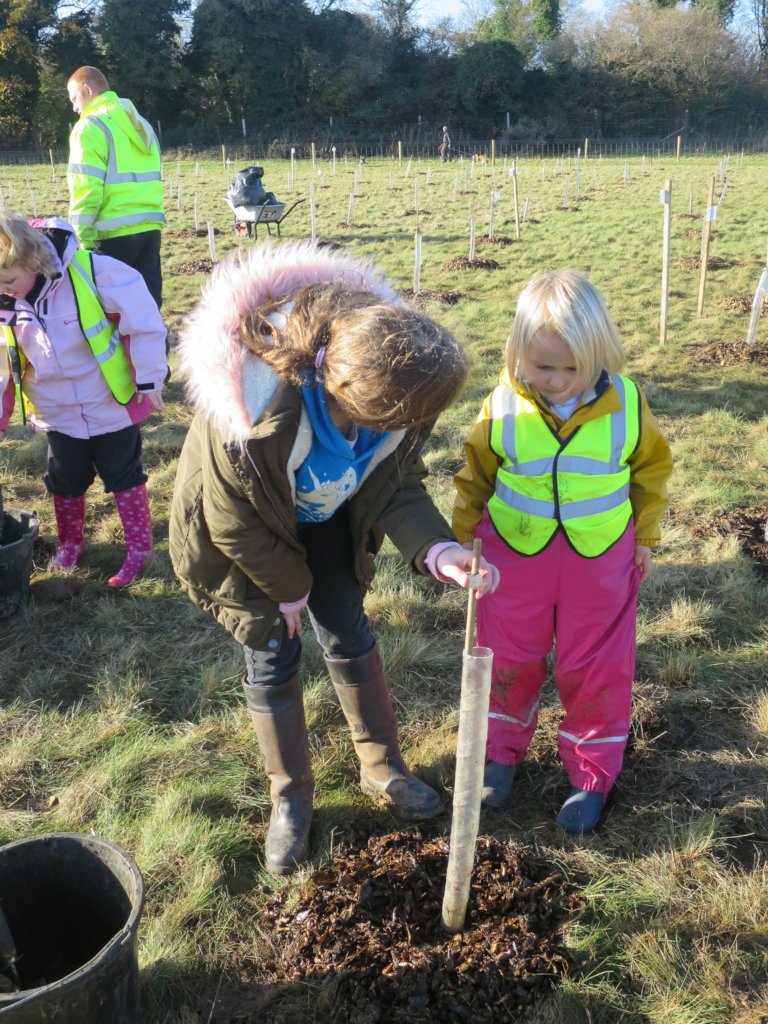
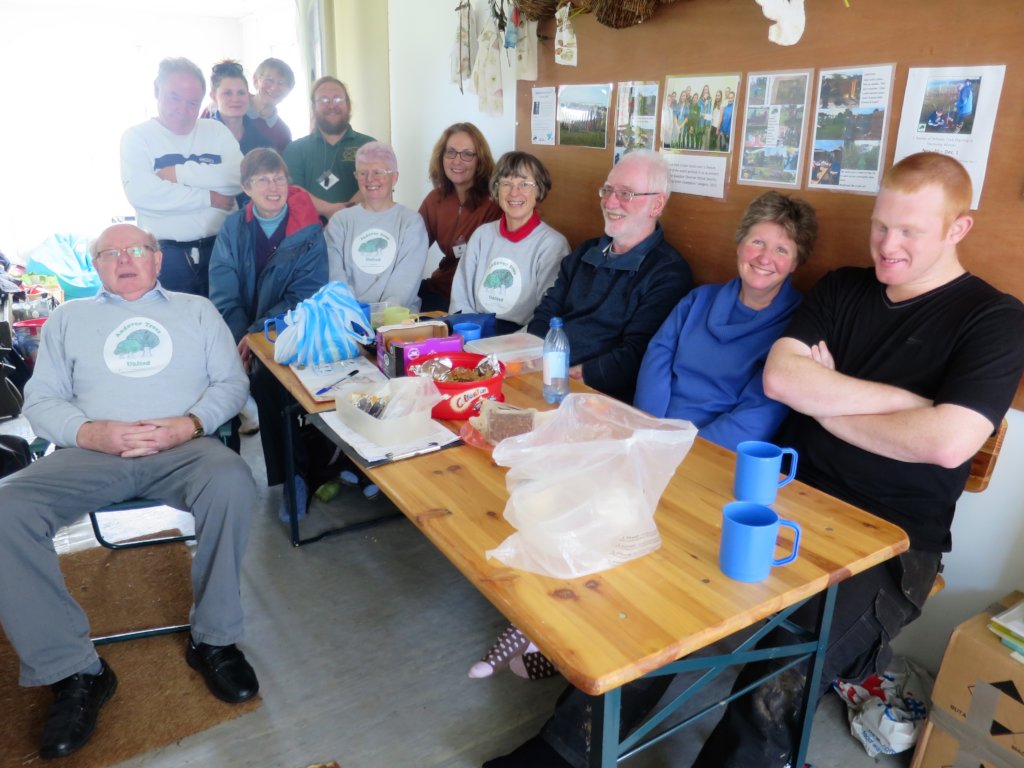
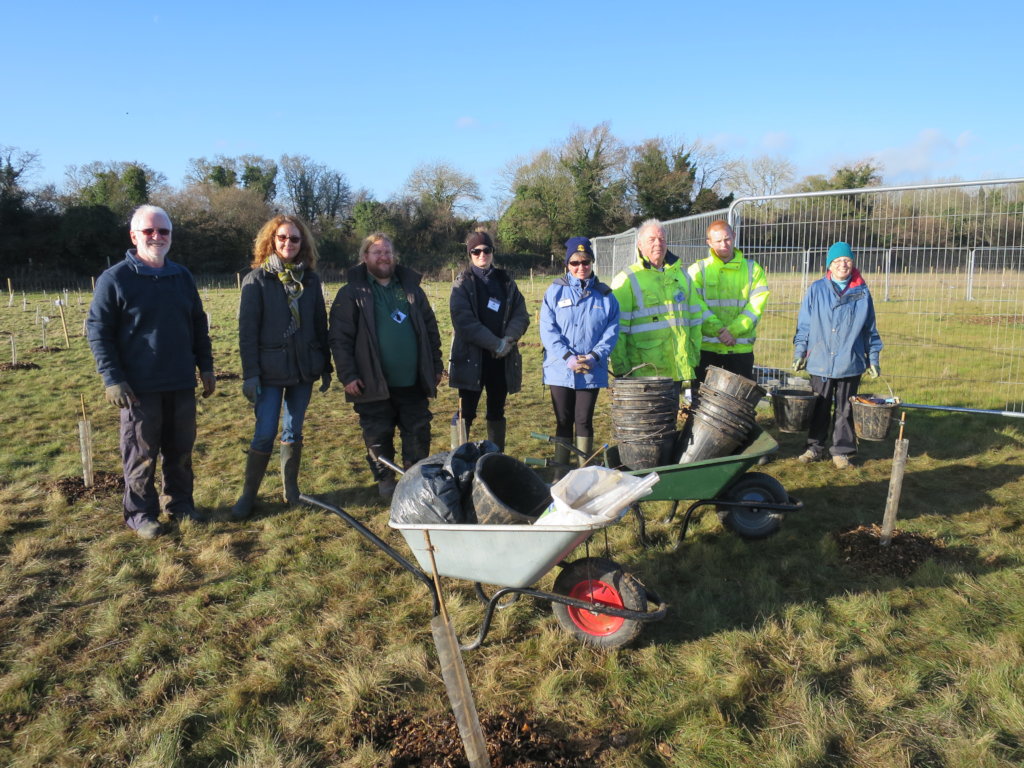
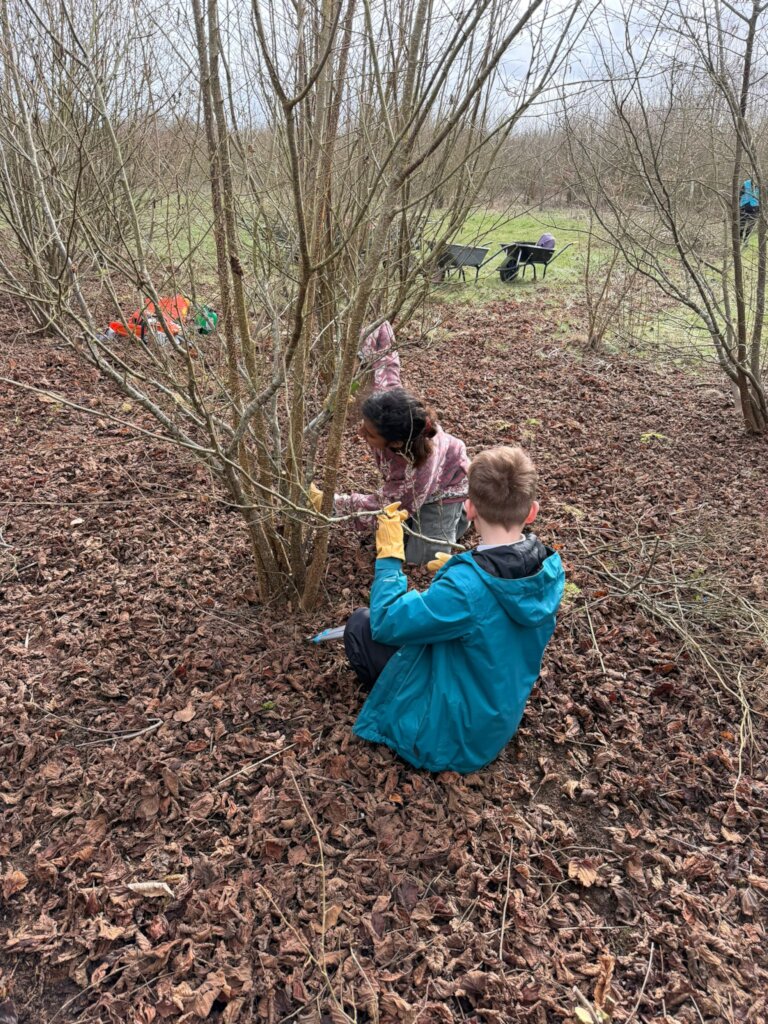
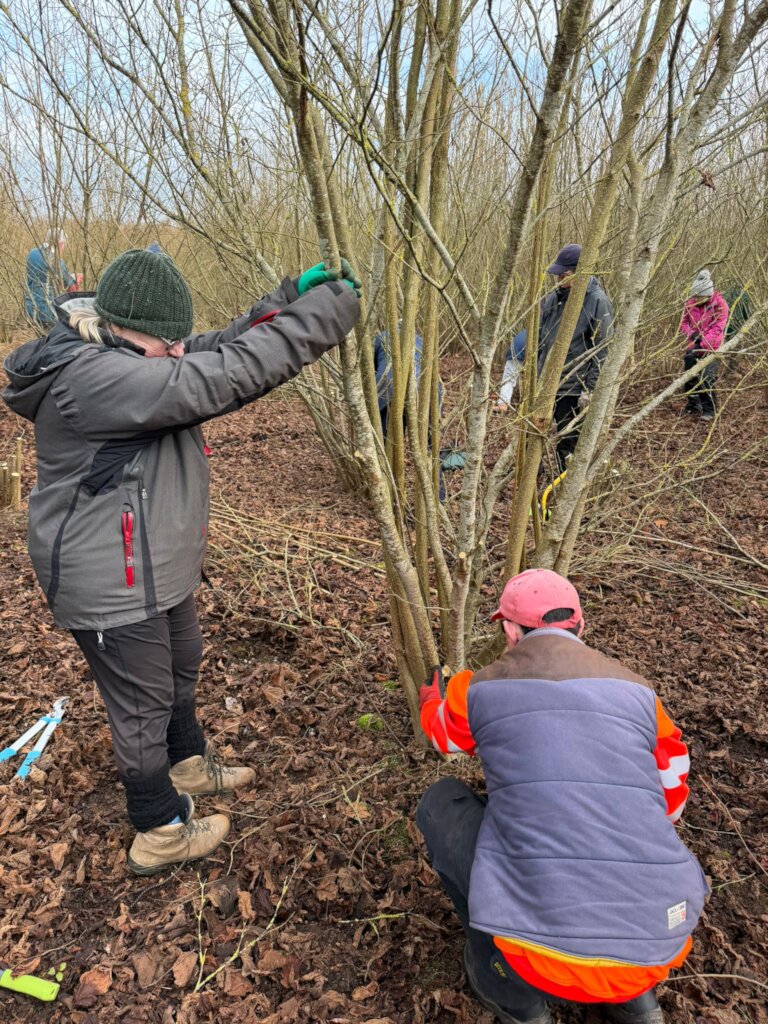
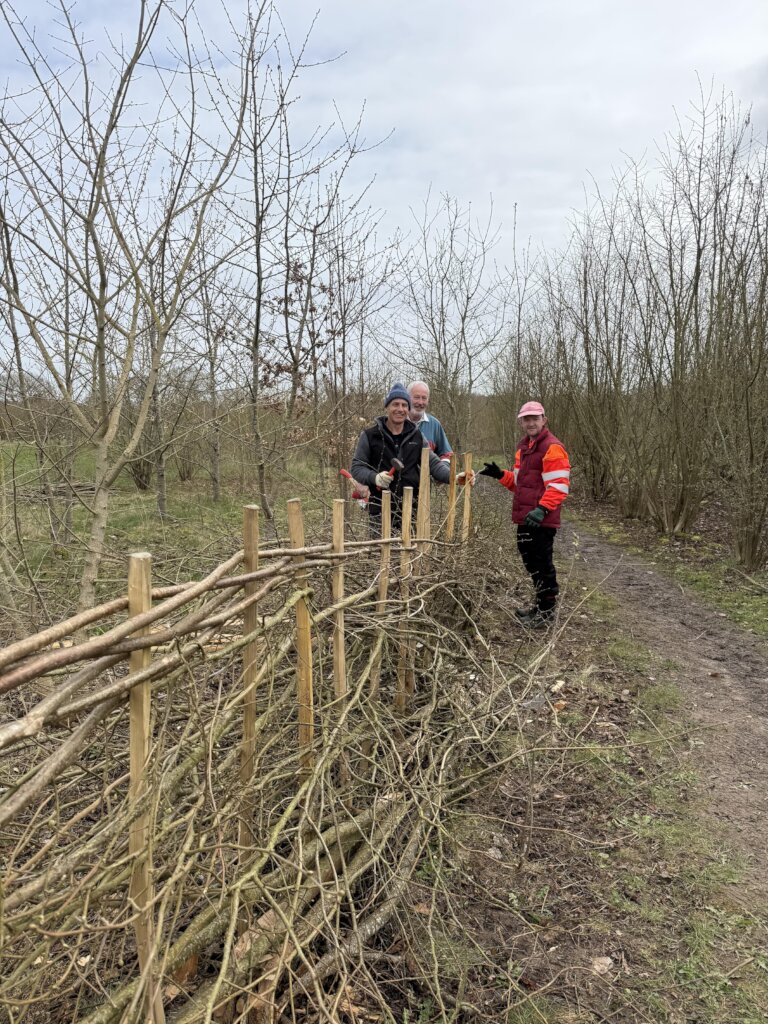
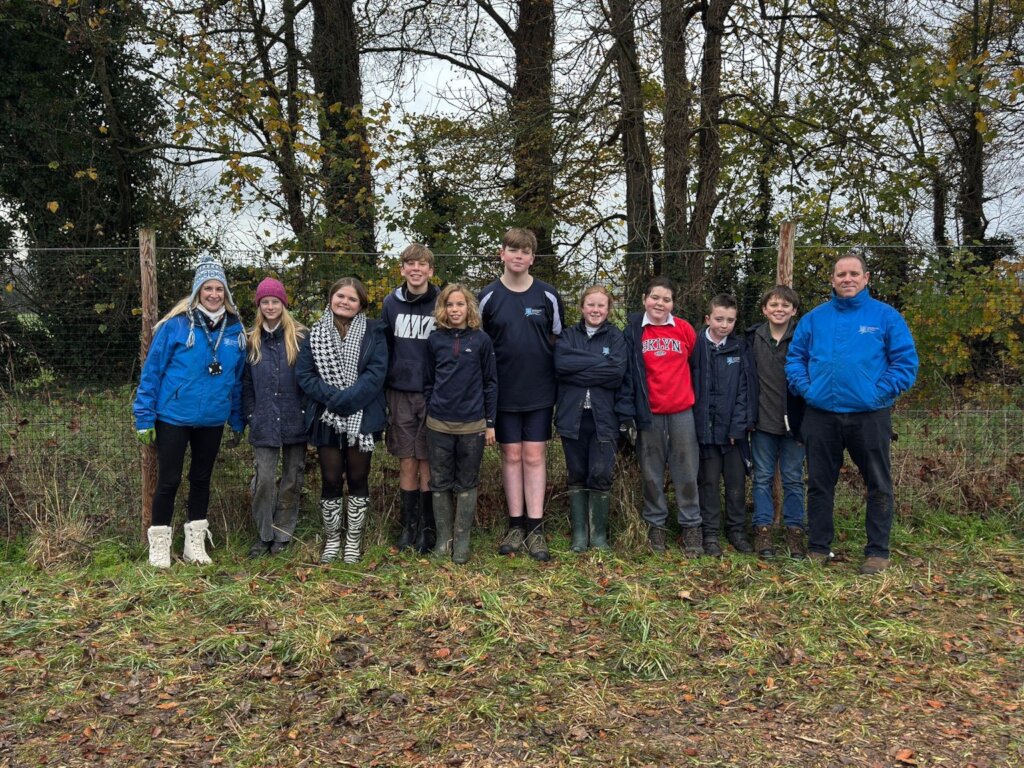
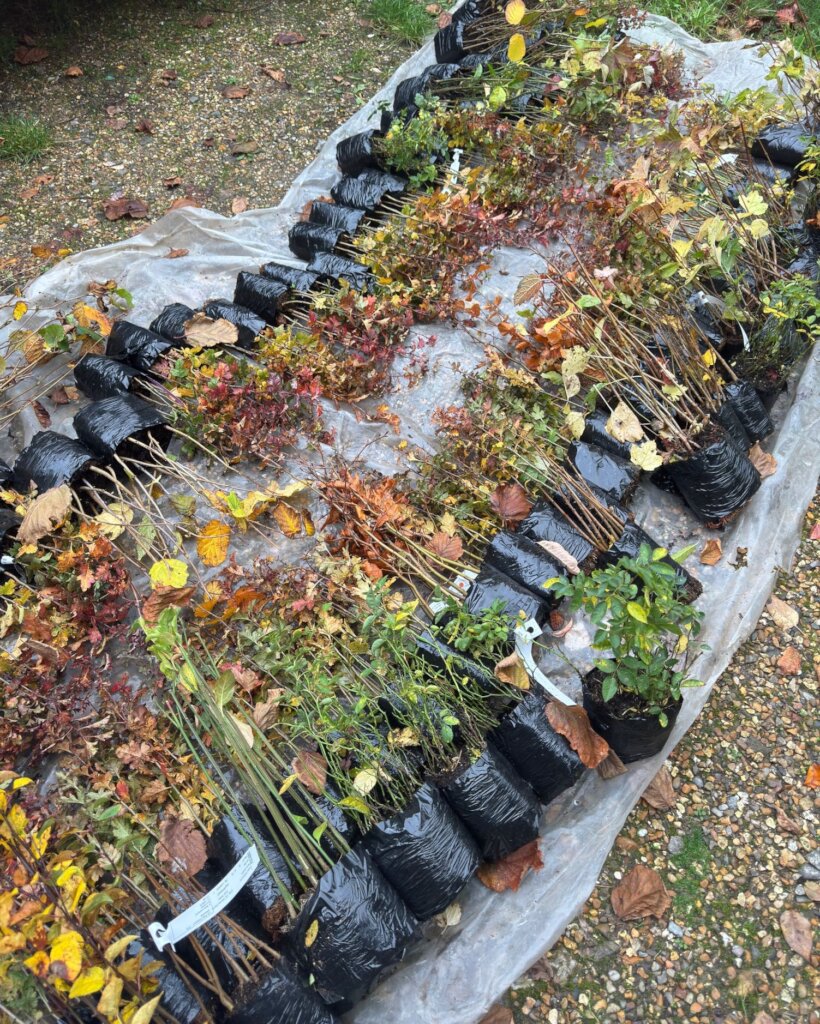
Our wonderful team of volunteers continue to look after the trees and hedges in the wood as well as caring for the saplings in the tree nursery that will be part of this winter’s planting. As schools near the end of the academic year, we are busy making arrangements to ensure that the next 1000 children are booked in to plant the next 1000 trees in November. Your continued generosity makes all this possible so, from Team Trees and on behalf of everyone who benefits, THANK YOU! We hope you will continue to support.
Links:
By Wendy Davis | Trustee
By Wendy Davis | Trustee
Project reports on GlobalGiving are posted directly to globalgiving.org by Project Leaders as they are completed, generally every 3-4 months. To protect the integrity of these documents, GlobalGiving does not alter them; therefore you may find some language or formatting issues.
If you donate to this project or have donated to this project, you can receive an email when this project posts a report. You can also subscribe for reports without donating.



Support this important cause by creating a personalized fundraising page.
Start a Fundraiser