By Taylor Widrig | AfD Communications
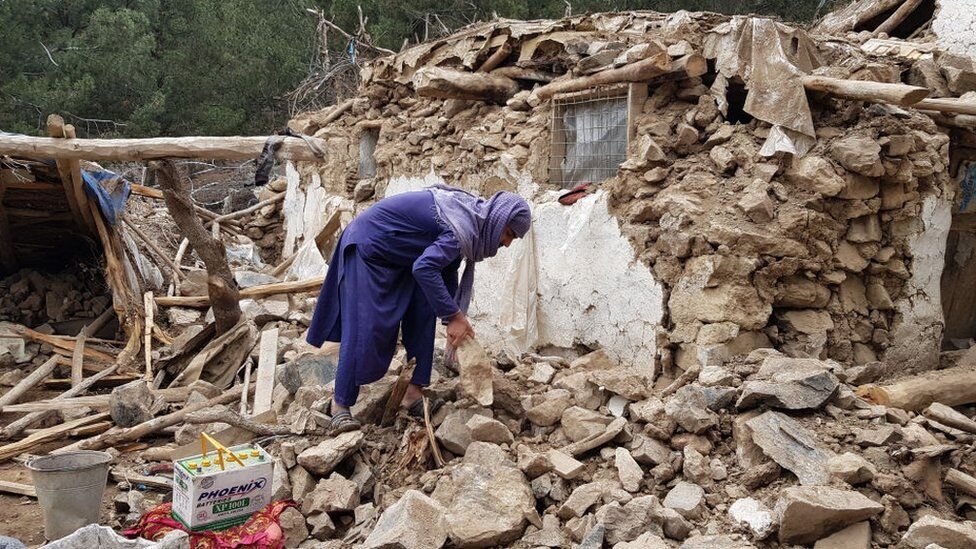
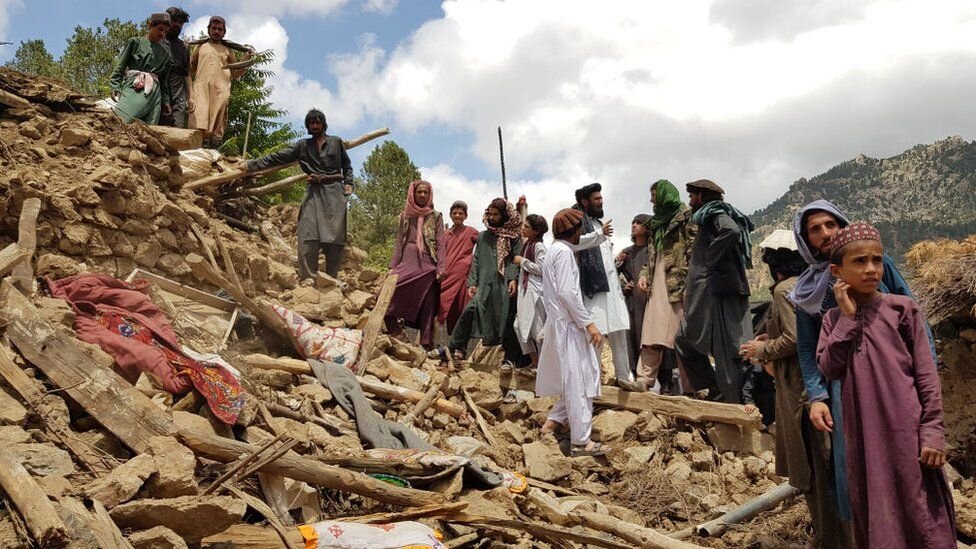
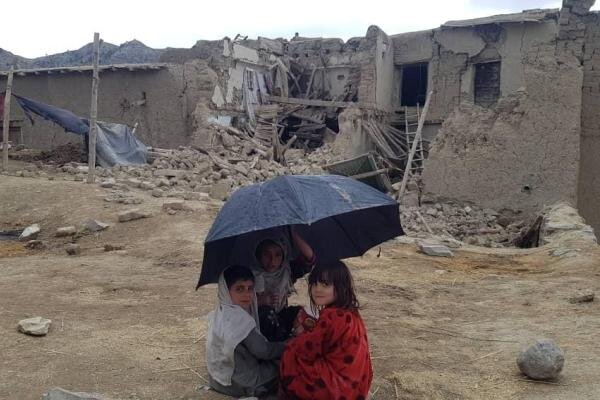
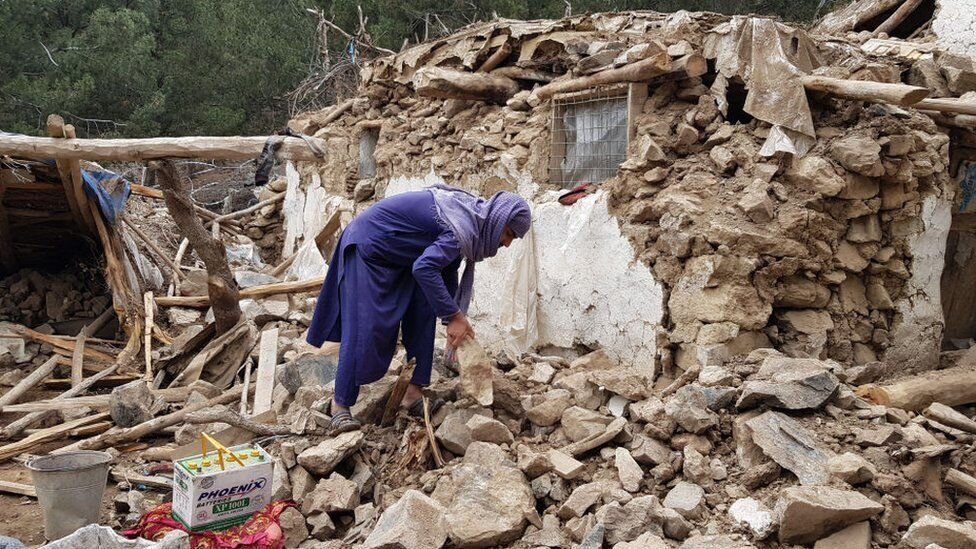
The aftermath of the 5.9 magnitude earthquake that devastated the eastern region of Afghanistan, Paktika in the Khost region is escalating at an alarming rate, leaving an estimated 362,000 people in Afghanistan in need of immediate assistance (Emergency Health Cluster).
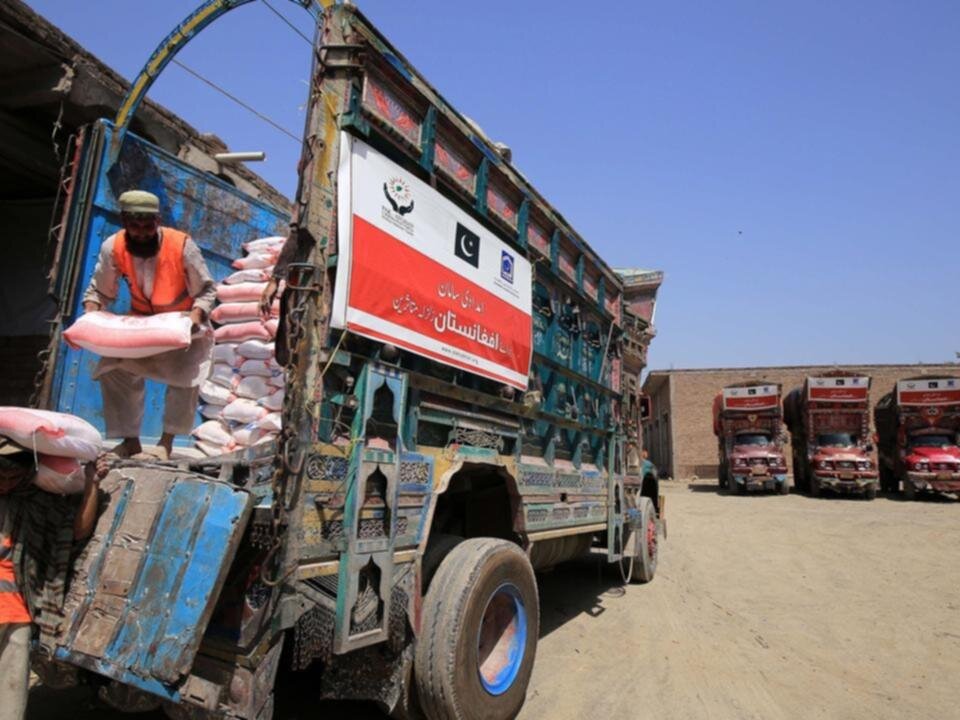
AfD remains in coordination with the Emergency Health Cluster about the service provision in order to avoid duplication of efforts, mapping the needs and delivery of the services. Additionally AfD is partnering with a local organization based in the province, Tesamuh, to deliver services to the victims. The needs assessment has been conducted and the first truck with food supply and essential medicines kits will be reaching the victims on Wednesday, June 29th.
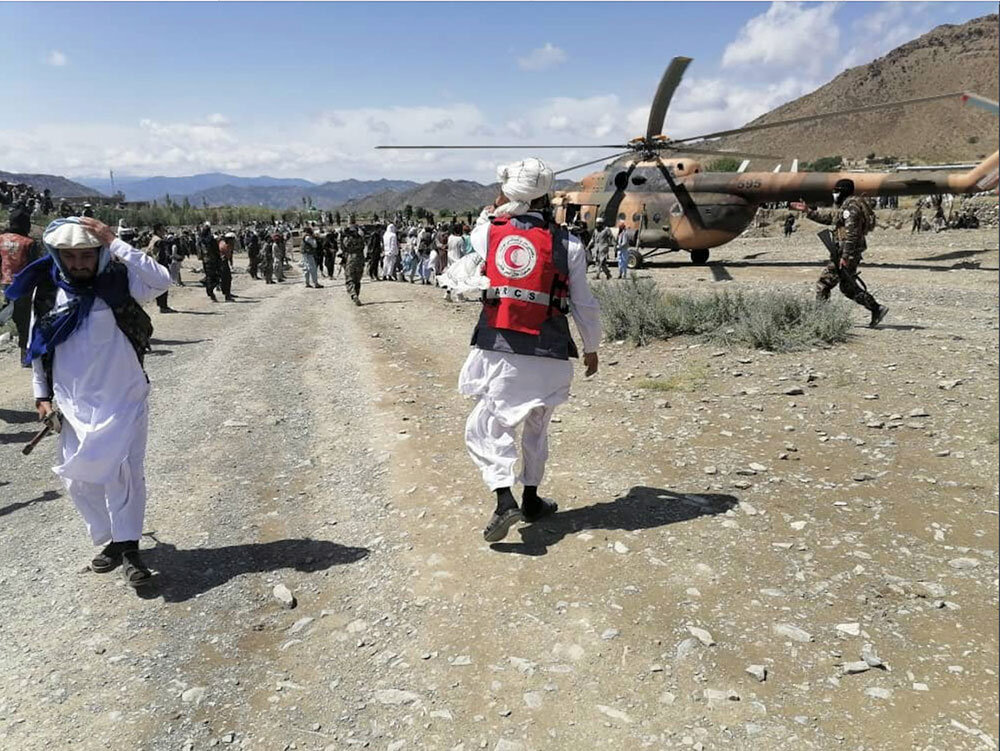
While many victims have already been treated, and emergency relief efforts continue in full force, there are still remote areas with villages that have not yet been reached. Afghanistan is unique to other countries in that due to the ongoing conflict the country lacks standard infrastructures and national services for citizens such as trained natural disaster response teams, air units, and relief funds that would normally be available for supporting civilians.
Co-founder and program coordinator of Action for Development, Zuhra Dadgar-Shafiq, has been attending the emergency coordination meetings in response to the earthquake and ongoing efforts to secure the region and crisis. The health care facilities and mobile health clinics are assigned and are active through the Sehatmandi program. The clinics are currently short on food and washing supplies, clean drinking water, shelter and RUTF biscottes for malnourished children.
The need for clean drinking water is high as the heat hits over 35 degrees celsius today and is expected to reach 39 degrees by the end of the week. Only days after the earthquake occurred cholera cases in the country began to rise, and it was reported that within the last 3 days over 120 children below the age of 5 were reported to suffer from severe diarrheal problems at one of the mobile health clinics, with 10 children dying from the condition.
Adequate shelter is also a major concern for the victims as so many homes were destroyed, with many families sleeping outside out of fear of the danger of more earthquakes. This lack of stability in their basic needs may exacerbate mental health crises to already vulnerable individuals experiencing trauma and shock, as well as pose real threats to the victims to their physical safety and health.
Humanitarian assistance and relief efforts continue 24/7 on the ground in Afghanistan and around the world to support the victims of Afghanistan. Your donation makes a huge impact and plays a major role in the success of supporting victims of natural disaster in conflict and fragile regions.
Project reports on GlobalGiving are posted directly to globalgiving.org by Project Leaders as they are completed, generally every 3-4 months. To protect the integrity of these documents, GlobalGiving does not alter them; therefore you may find some language or formatting issues.
If you donate to this project or have donated to this project, you can receive an email when this project posts a report. You can also subscribe for reports without donating.