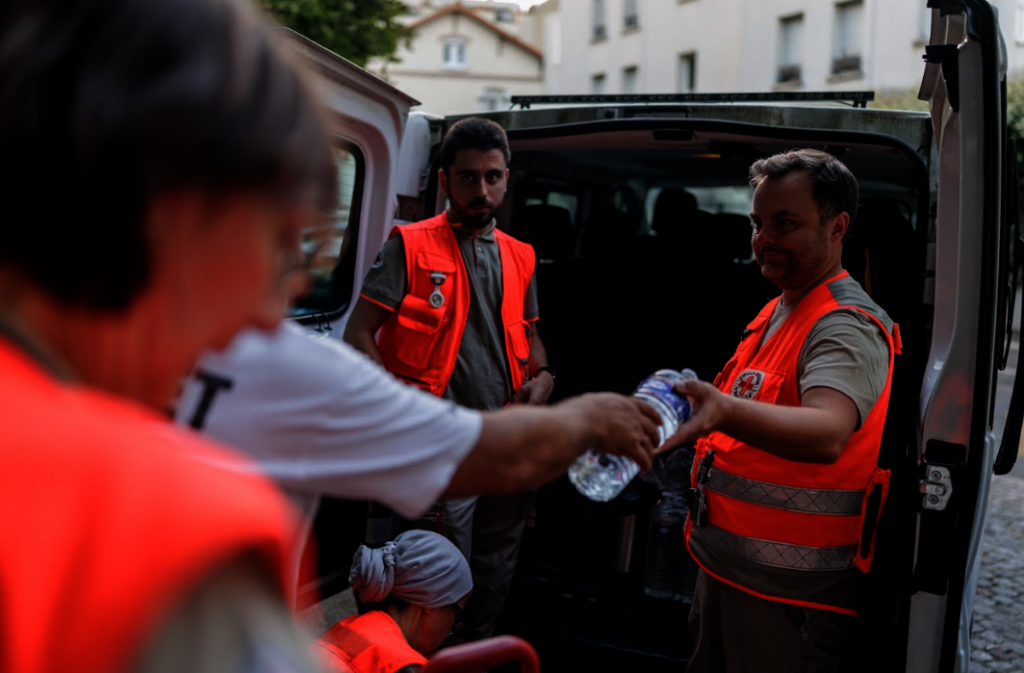
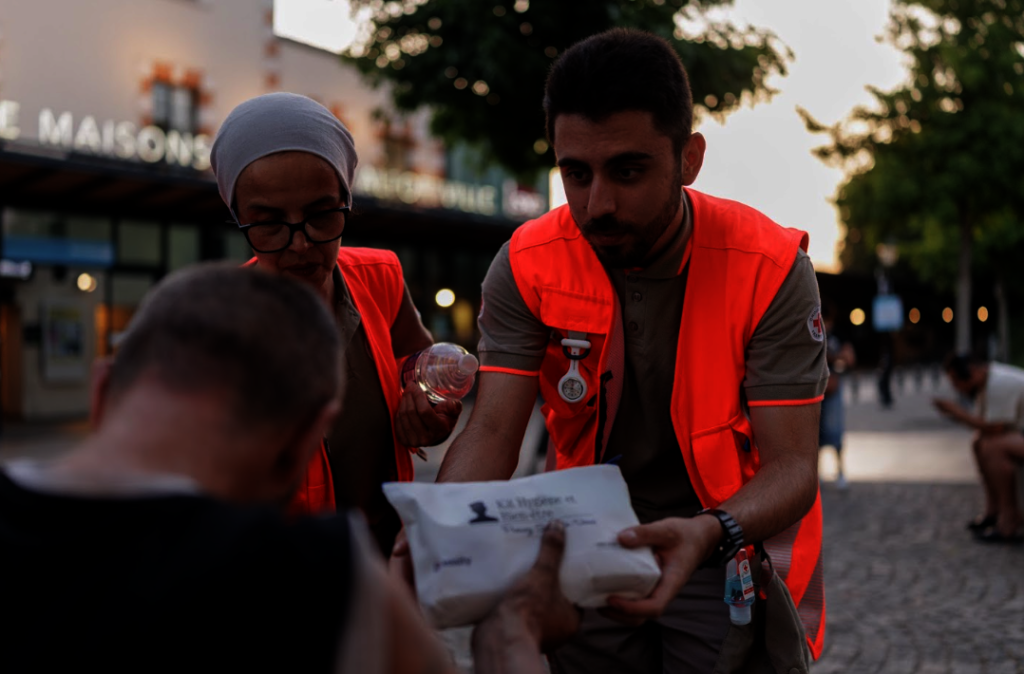
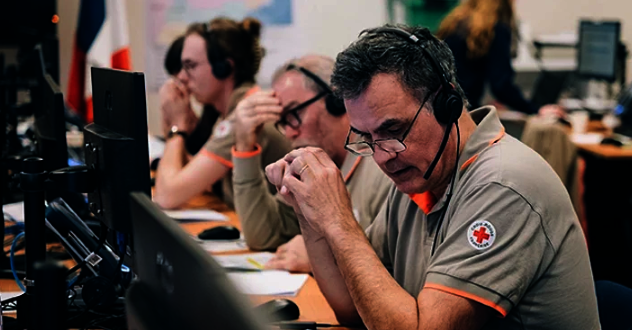
Faced with the multiplication of crises—whether human, health-related or caused by exceptional climatic events—the need for aid, solidarity and resilience continues to grow. In this fragile and uncertain context, the mission of the French Red Cross remains essential: to be present, unconditionally, to protect, support and uplift the most vulnerable people, regardless of the nature of the crisis. Thanks to our 79,000 volunteers and the support of our patrons, we have once again been able to lead numerous actions this year to help those most in need.
Here are some concrete examples:
Example 1: Emergency — Response to Cyclone Chido in Mayotte
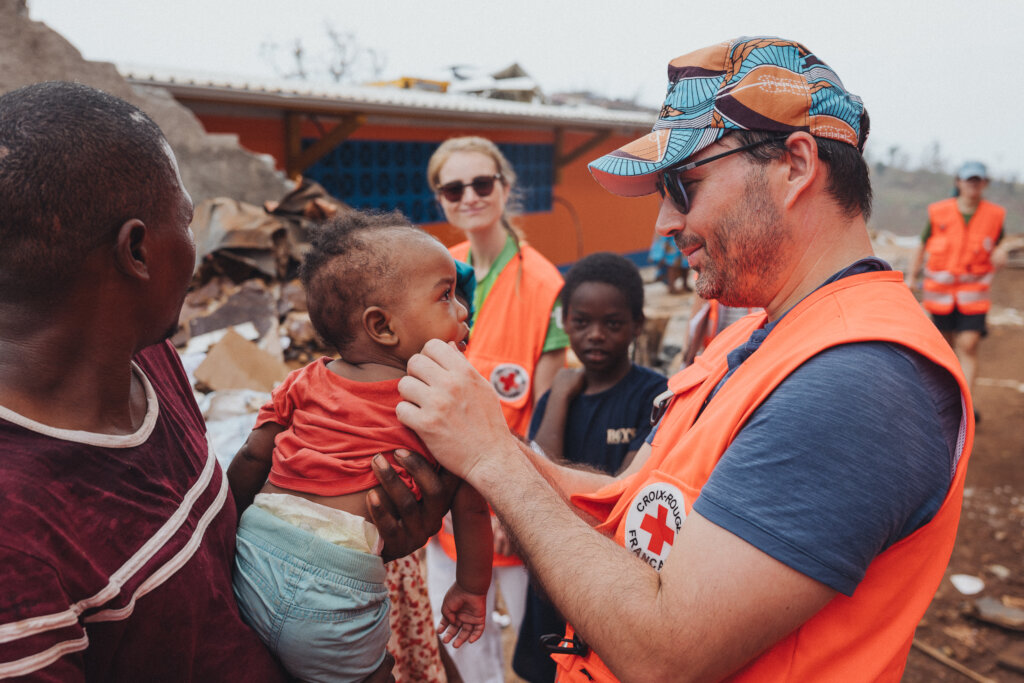
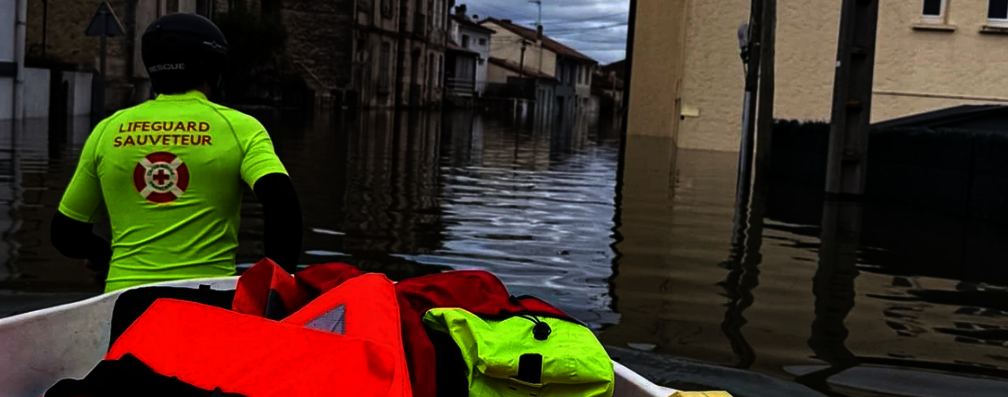
On 14 December 2024, Cyclone Chido struck Mayotte with unprecedented intensity: gusts exceeding 220 km/h tore off roofs, destroyed precarious housing, razed informal settlements and caused massive damage to essential infrastructure. From the very first hours, the French Red Cross mobilised through its regional platform PIROI (Indian Ocean), its territorial delegations, employees and volunteers to provide emergency assistance.
Mass deployment and emergency supplies: more than 350 volunteers were deployed on the ground. From our PIROI warehouses, 137 tonnes of emergency supplies were sent: tarpaulins to protect homes, hygiene kits, reconstruction kits, and more. Through this operation, nearly 24,000 people identified as affected received essential items.
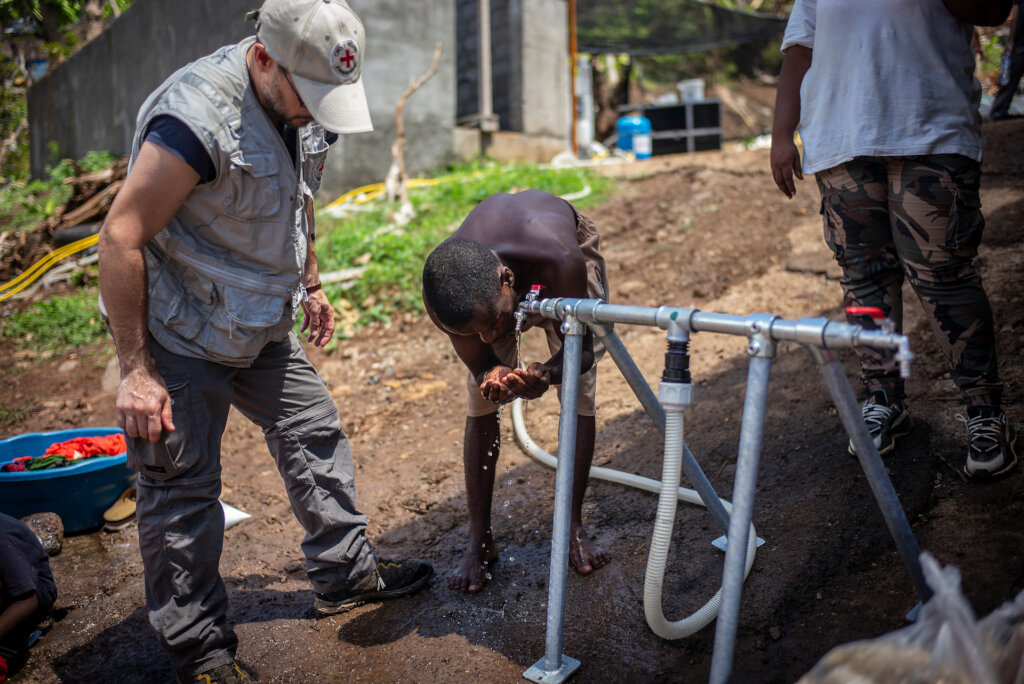
Access to drinking water and hygiene: in a context where water was already scarce before the cyclone, the crisis made it even more precious. Water-treatment units were deployed, capable of producing drinking water. These units distributed thousands of litres of water: over the course of one month, several hundred thousand litres were produced to meet daily needs (drinking, hygiene, laundry) and to reduce health risks linked to unsafe water.
Health, medical care and psychosocial support: our mobile “Health–Precarity” teams (EMSP) quickly resumed their rounds—restoring access to healthcare just days after the cyclone. In total, thousands of people received medical treatment, consultations and emergency support.
Restoring family links and communication: the disaster caused major disruption to communication networks—water, electricity and telecommunications—making it difficult or impossible for people to contact loved ones. To address this, the Red Cross’s “Restoring Family Links (RFL)” service was activated for the first time in such a situation. As early as 21 December, several team members were sent from mainland France to Mayotte. They distributed phones, SIM cards, enabled families to reconnect, and set up an online emergency page to report missing persons or help relatives find each other.
Prevention and information — using the Radiobox: as part of the post-Chido response, the Red Cross deployed an innovative communication tool: the Radiobox, a portable battery-powered radio studio that fits into a backpack. Three Radiobox units were delivered to the health-prevention teams in Mayotte to reach communities—including the most isolated—and broadcast essential messages on water safety, hygiene, disease prevention, emergency actions and how to use distributed water safely. Through this device, the Red Cross rebuilt a trusted community link, gave a voice to the most vulnerable, collected their needs and shared adapted information when traditional communication channels were down.
Long-term perspectives — reconstruction and resilience-building: beyond the emergency phase, a “post-emergency” plan was set up. It includes major priorities such as rehabilitating key infrastructure—like the PIROI warehouse on Petite-Terre, destroyed by Chido—and opening a second emergency-supply storage facility on Grande-Terre. The plan also reinforces everyday activities: sustaining the EMSP, transforming home-care services, considering the creation of a nursing training institute, expanding food assistance, and improving access to rights.
Example 2: Preparing populations — first-aid awareness and crisis-response skills
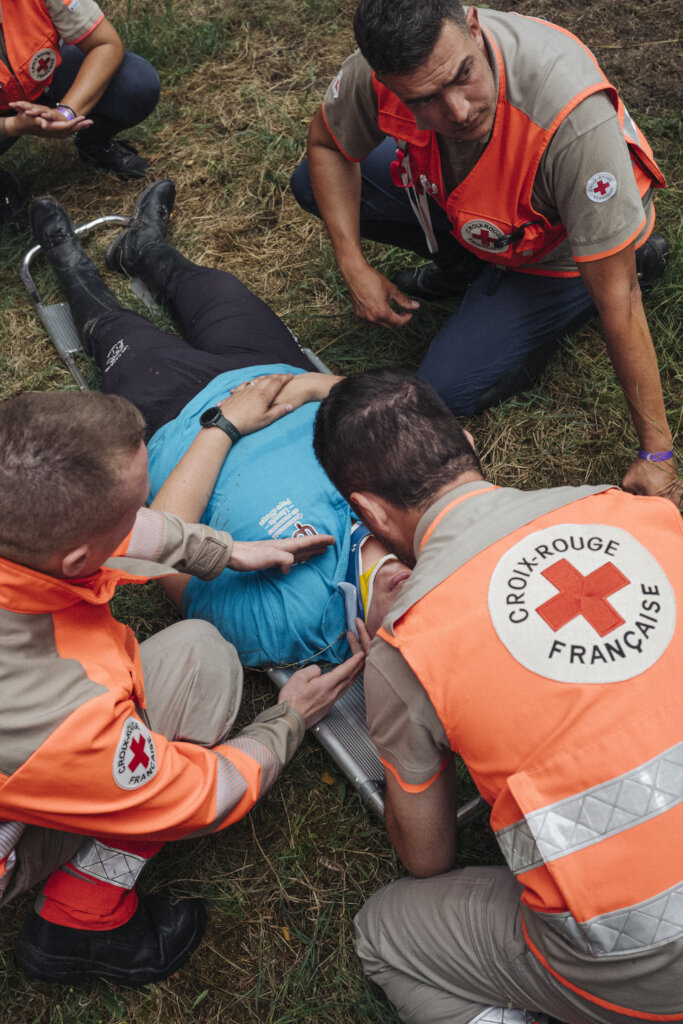
As part of the national summer operation L’Été qui sauve, held from 5 July to 12 September 2025, the French Red Cross renewed its commitment to raise awareness and provide free first-aid training to the general public. Through around fifty local units across the country, our volunteers offered adapted sessions for everyone: children (from age 3), adults and people with disabilities.
These training modules cover essential life-saving actions: alerting emergency services, placing someone in the recovery position (PLS), performing cardiac massage, reacting to fainting, burns or injuries… These are all reflexes that can save lives in an emergency. More than 9,000 people were trained this year!
Through these initiatives, we help strengthen collective resilience: by empowering each citizen to become a potential first responder, we transform solidarity into a shared reflex.
Example 3: Digital inclusion — a lever for resilience and autonomy
At a time when digital technology influences every aspect of life—administrative procedures, access to rights, health, employment, social connections—the French Red Cross considers digital inclusion a priority to prevent this new form of vulnerability from compounding existing health, social or climate crises.
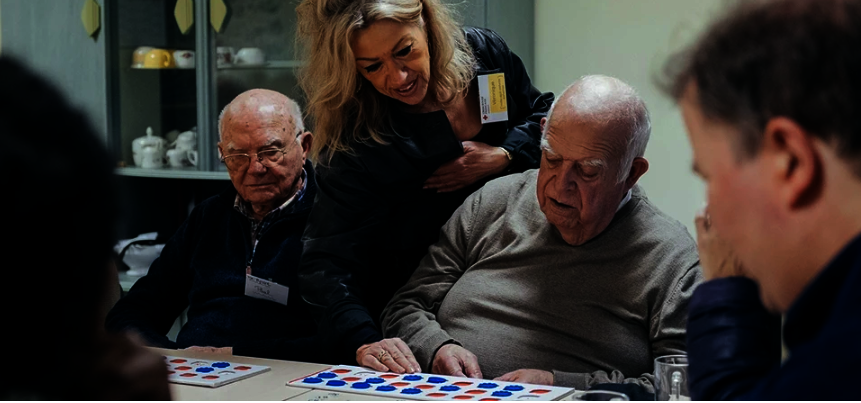
Since 2021, our Territoires Zéro Exclusion Numérique programme has been working to make digital tools accessible to all. Through group workshops, individual support sessions, digital access points in our local units and mobile outreach initiatives, we help vulnerable people—those without equipment, without internet access or without digital literacy—gain the basic skills needed to navigate an increasingly digital world.
In 2025, this effort continued: our digital advisors, volunteers and trained staff supported thousands of people throughout the year. For individuals with intellectual or cognitive disabilities, we developed and disseminated adapted learning materials—accessible resources, technical aids, training for caregivers—in partnership with Emmaüs Connect, ensuring that digital tools foster autonomy rather than deepen exclusion.
In addition, through the national campaign #PrenezLaConfiance, the French Red Cross—alongside other committed partners—worked to raise public awareness about safe and confident digital practices: data security, online procedures, cyber-risks, dematerialised administrative processes. The objective: restoring confidence, reducing apprehension and transforming digital tools into a space of inclusion, rights and dignity for all.
Example 4: Access to healthcare — reaching people to guarantee health for all
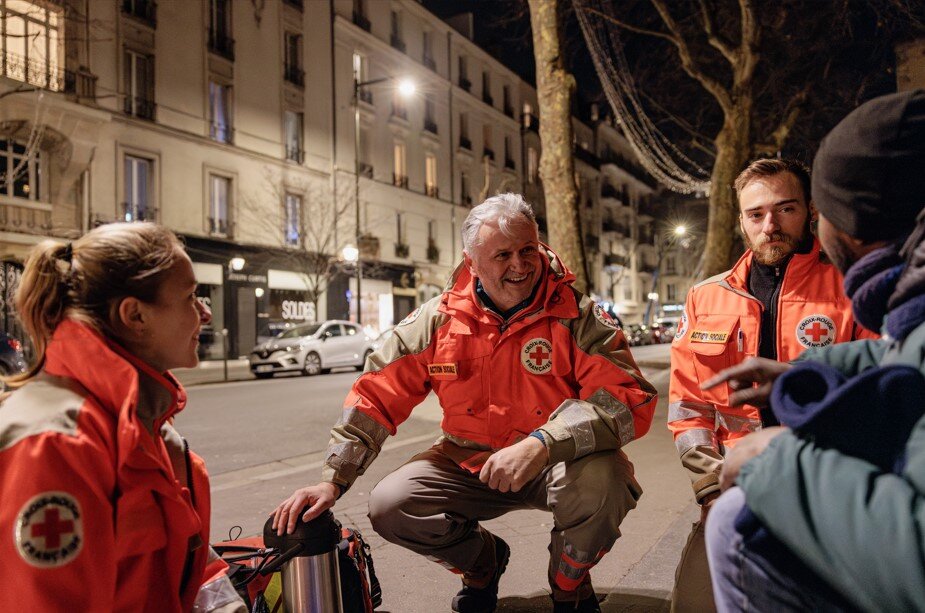
In 2025, the French Red Cross continued and strengthened its actions to guarantee unconditional access to healthcare, particularly for people far from the health system due to precariousness, isolation, lack of coverage, mobility difficulties or lack of knowledge about their rights. Our “Health–Precarity” teams, health centres, mobile units and local branches carried out thousands of consultations, screenings, referrals and personalised support interventions across the country.
Among these initiatives, the Dental Bus in the Gers region is a mobile and solidarity-based solution designed to reach populations living in isolated rural areas often affected by medical desertification.
This “dental clinic on wheels” is equipped like a traditional dental practice—dental chair, radiology system, specialised instruments, dental supplies—but installed inside a vehicle. It regularly travels across around ten rural communities each week to provide free and accessible dental care: oral check-ups, scaling, cavity treatment, gum care, tooth extractions, emergency procedures, and denture adjustments—all at no cost to patients.
![Share on Twitter]()
![Share on Facebook]()