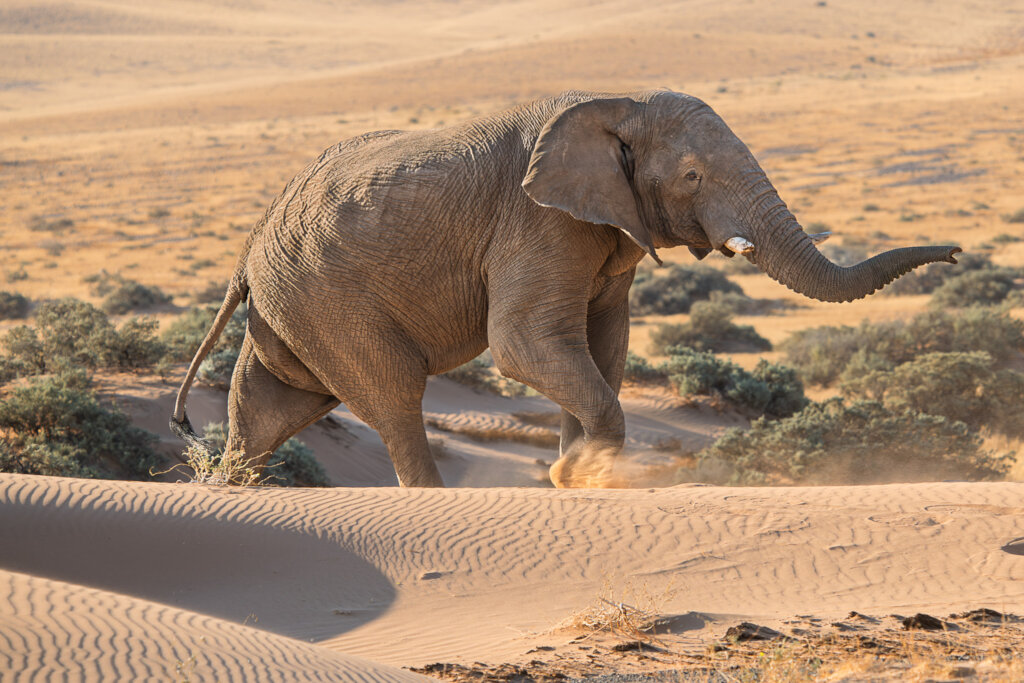
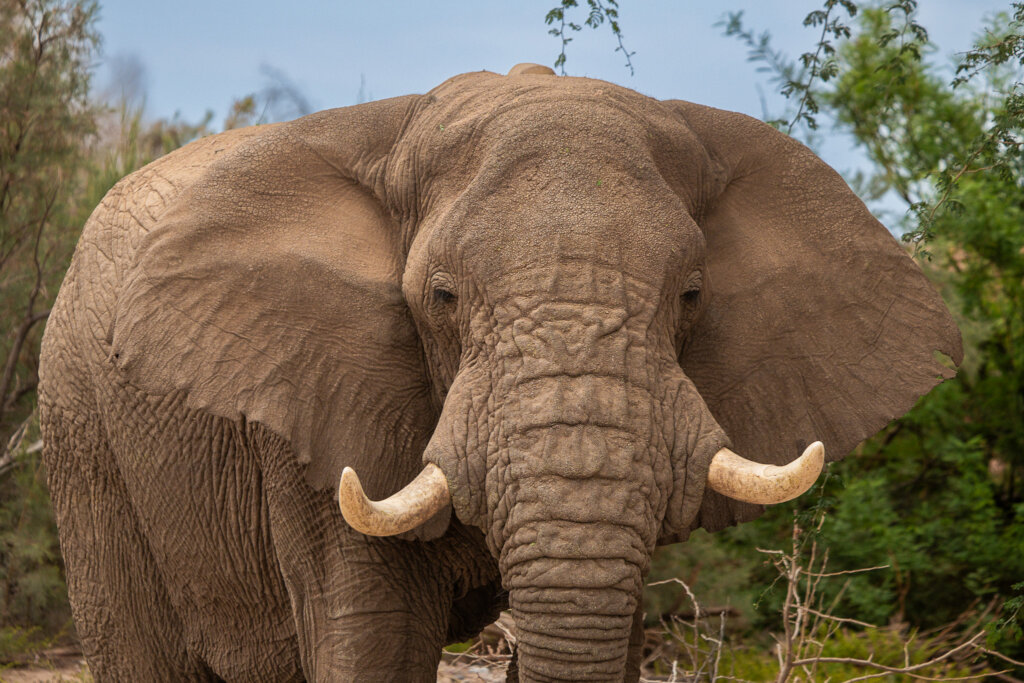
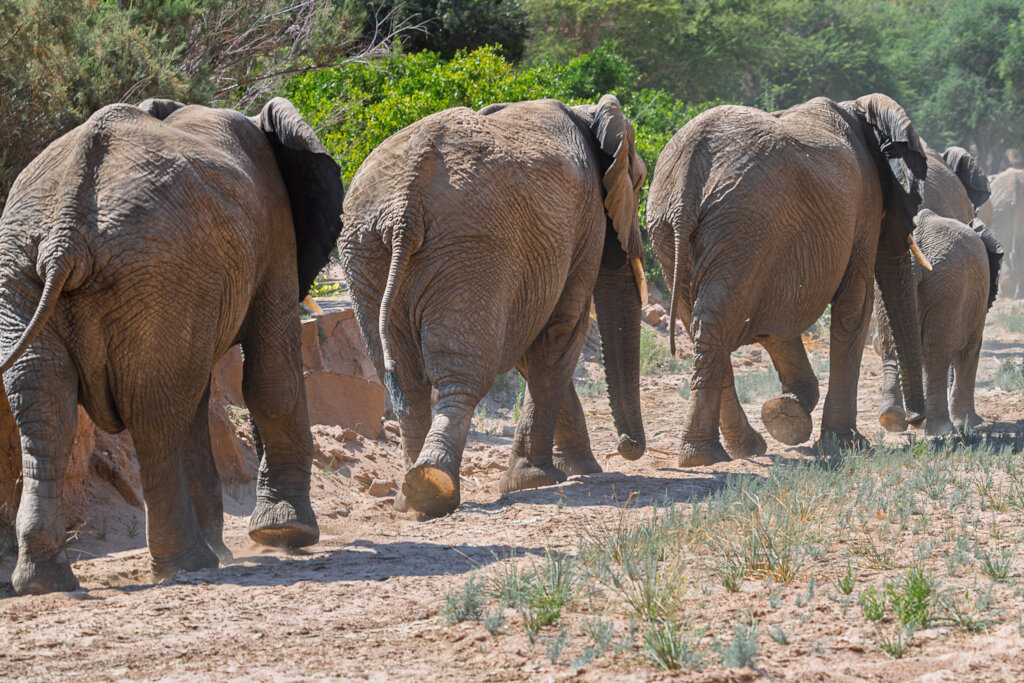
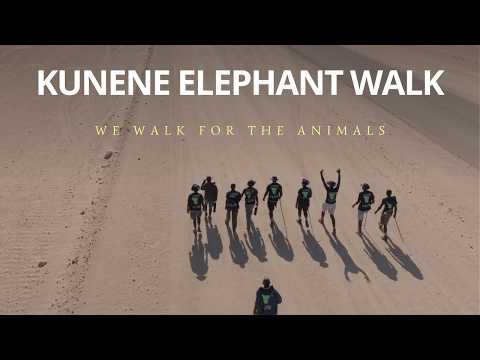
In Namibia's Kunene region, elephant rangers are on the front line, protecting both communities and desert elephants. This project provides essential equipment, training, and support to help rangers reduce conflict, safeguard livelihoods, and conserve one of the world's last desert-adapted elephant populations.
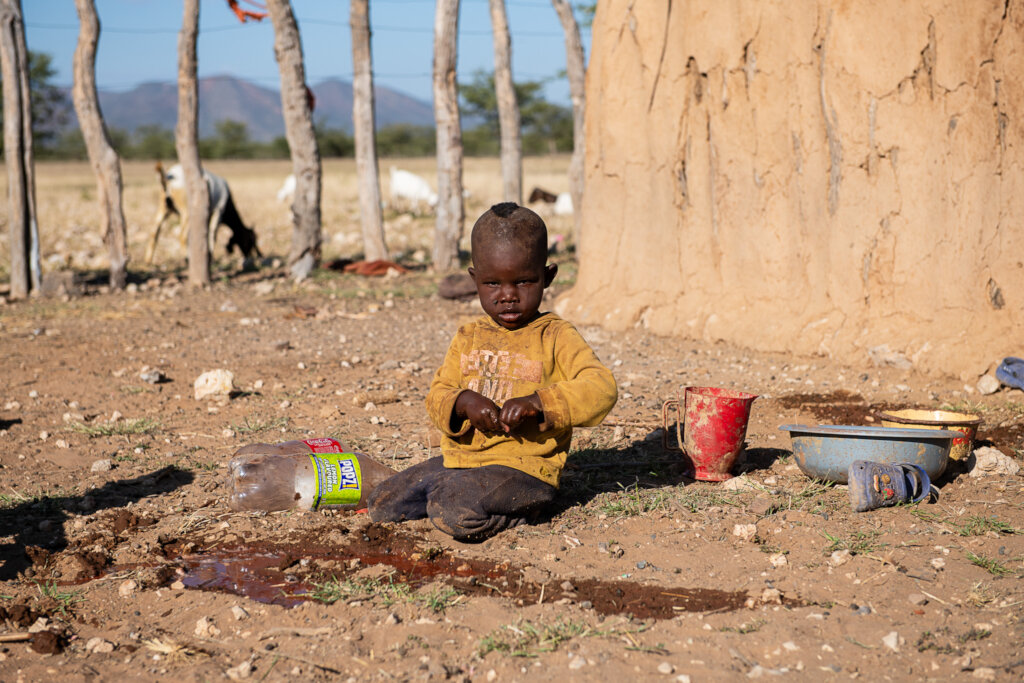
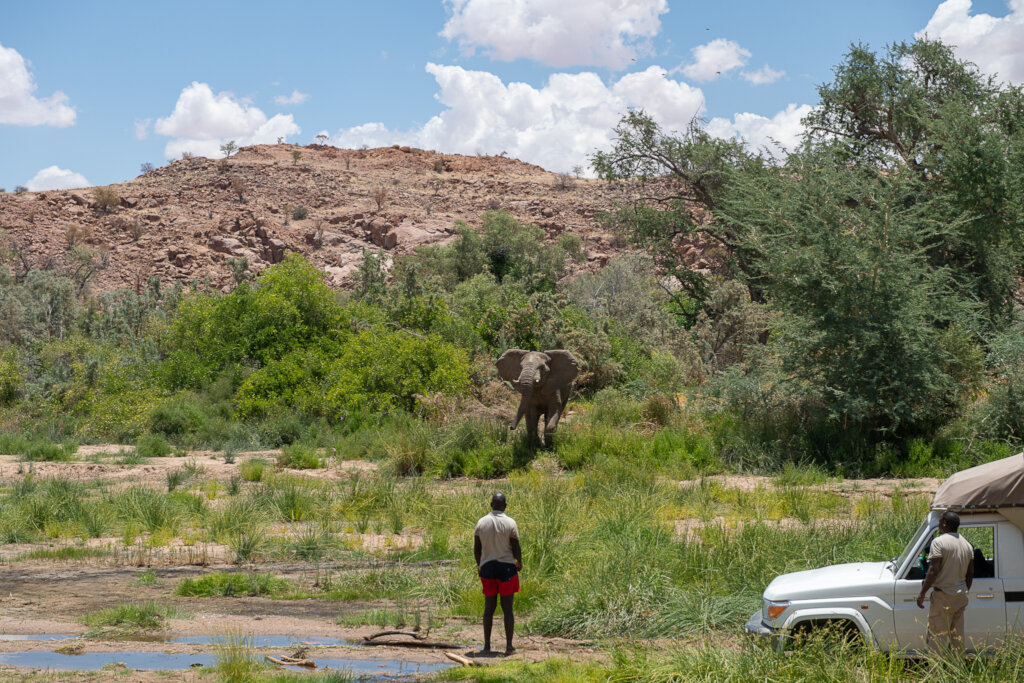
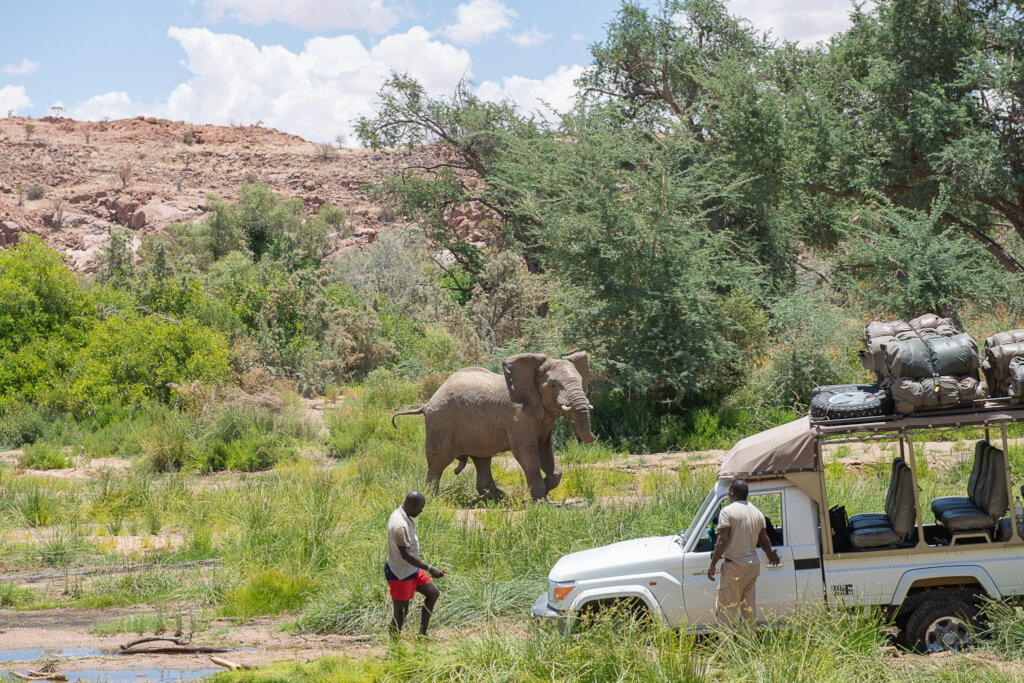
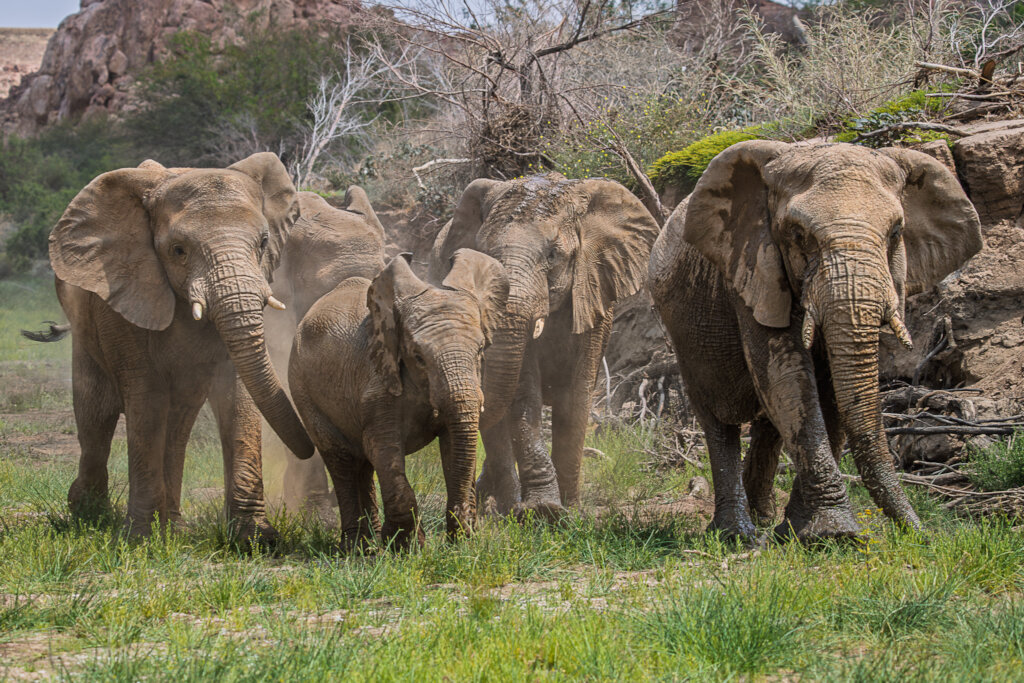
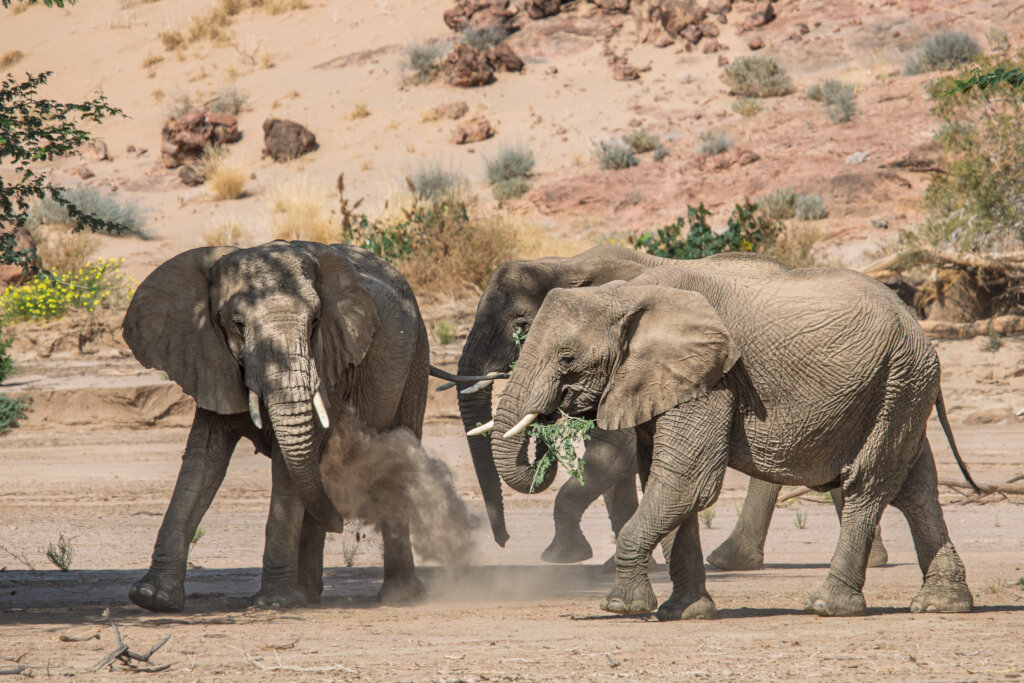
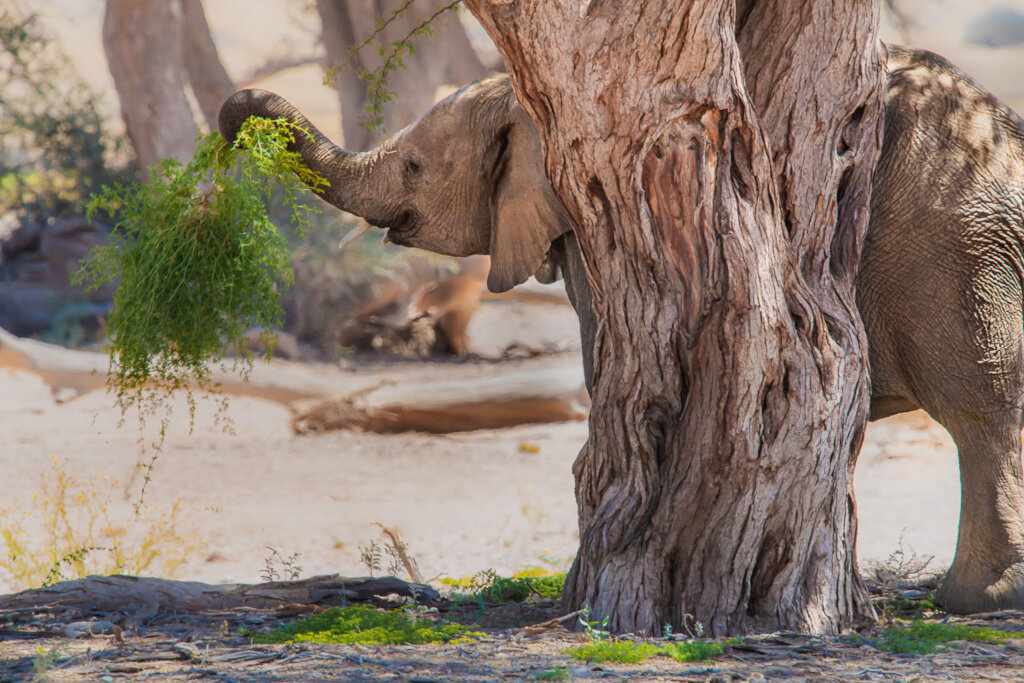
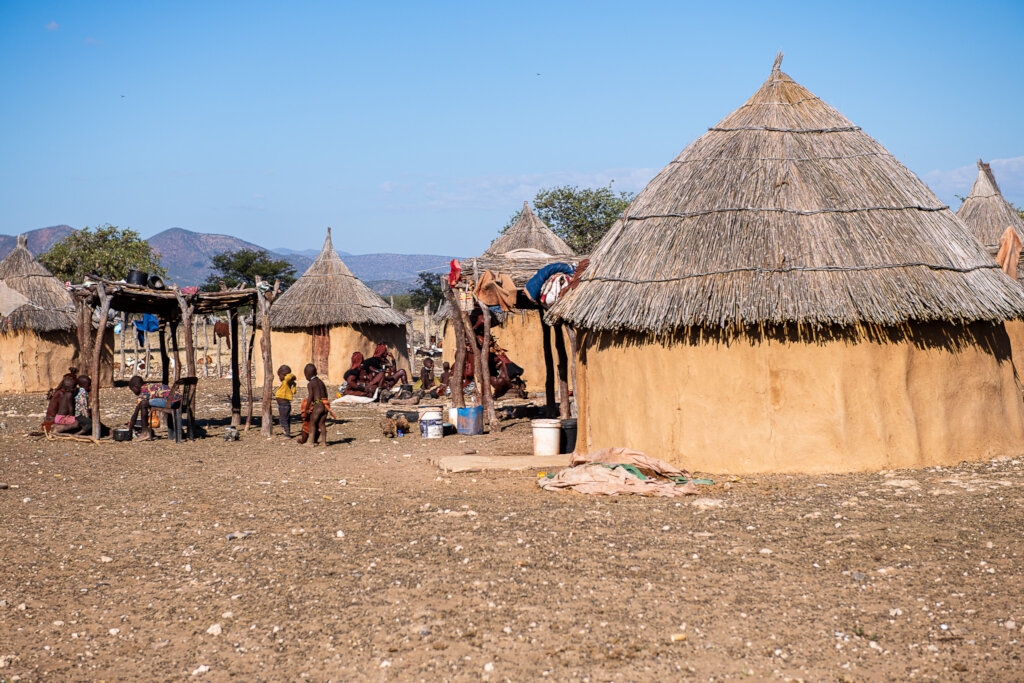
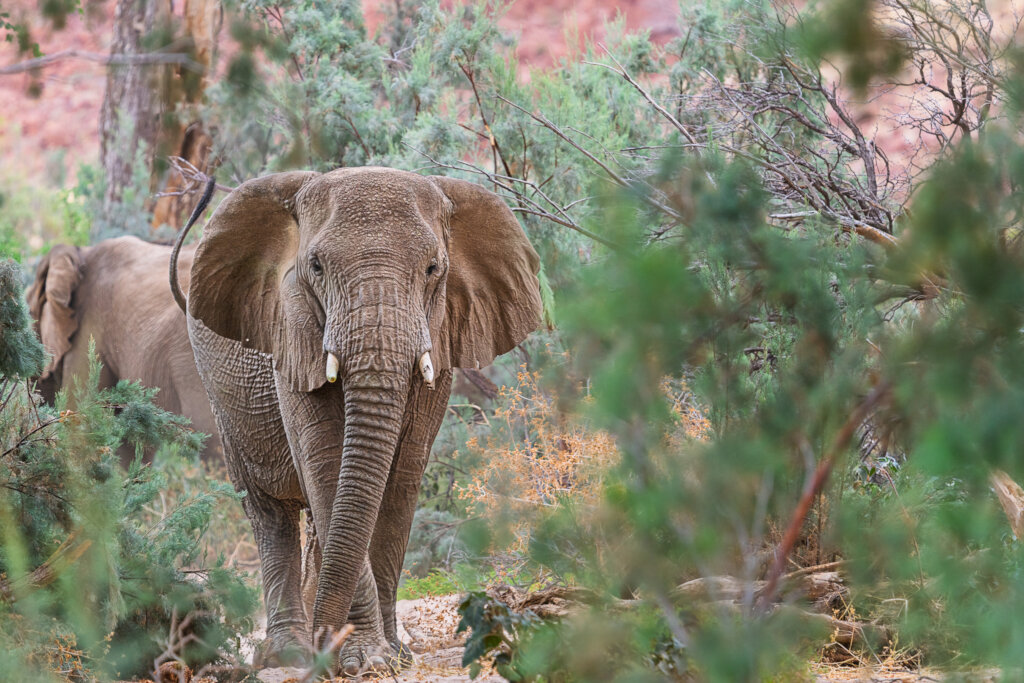
In Namibia's Kunene region, climate change is intensifying an already fragile balance. Prolonged droughts and rising temperatures are shrinking scarce water sources, forcing desert-adapted elephants-one of the world's most unique and rare elephant populations-to move closer to villages in search of survival. For communities, this means destroyed crops, damaged infrastructure, and growing fear. For elephants, it often leads to injury or death. Rangers stand between people and wildlife.
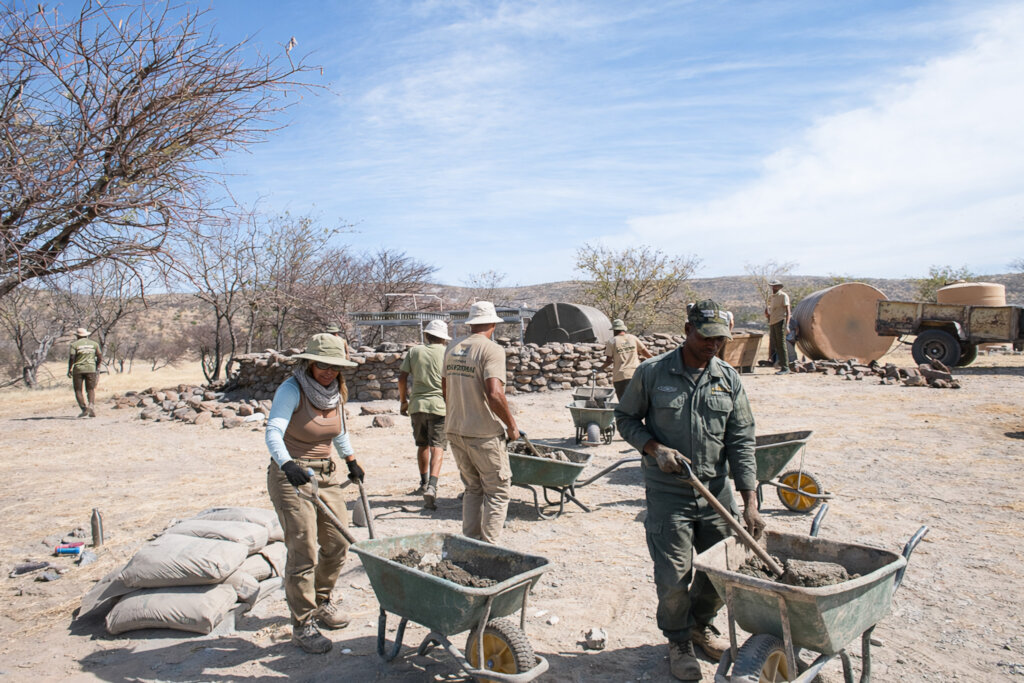
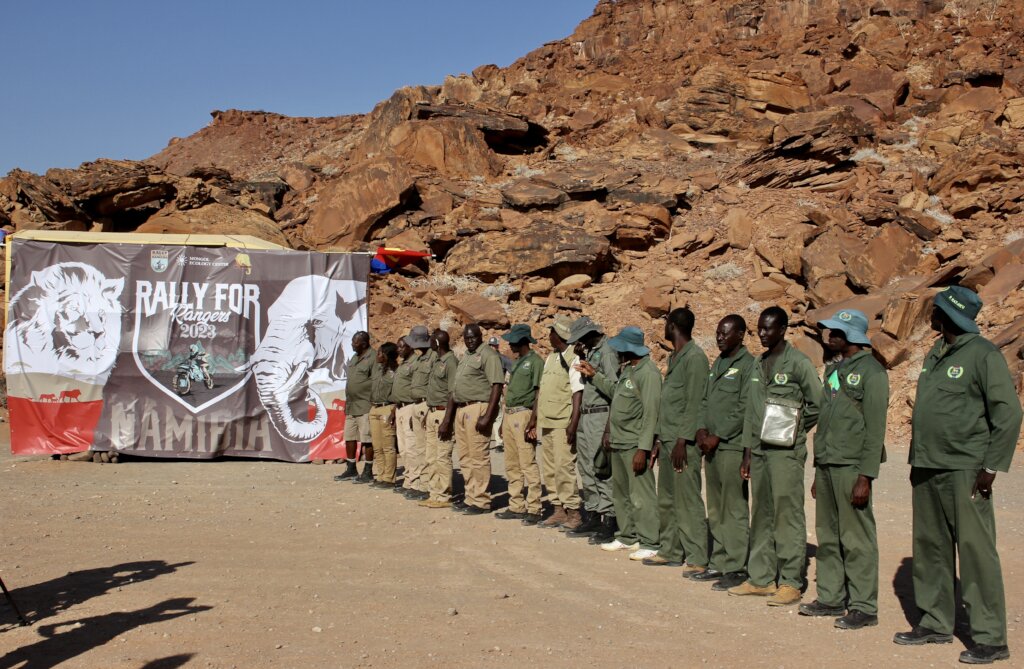
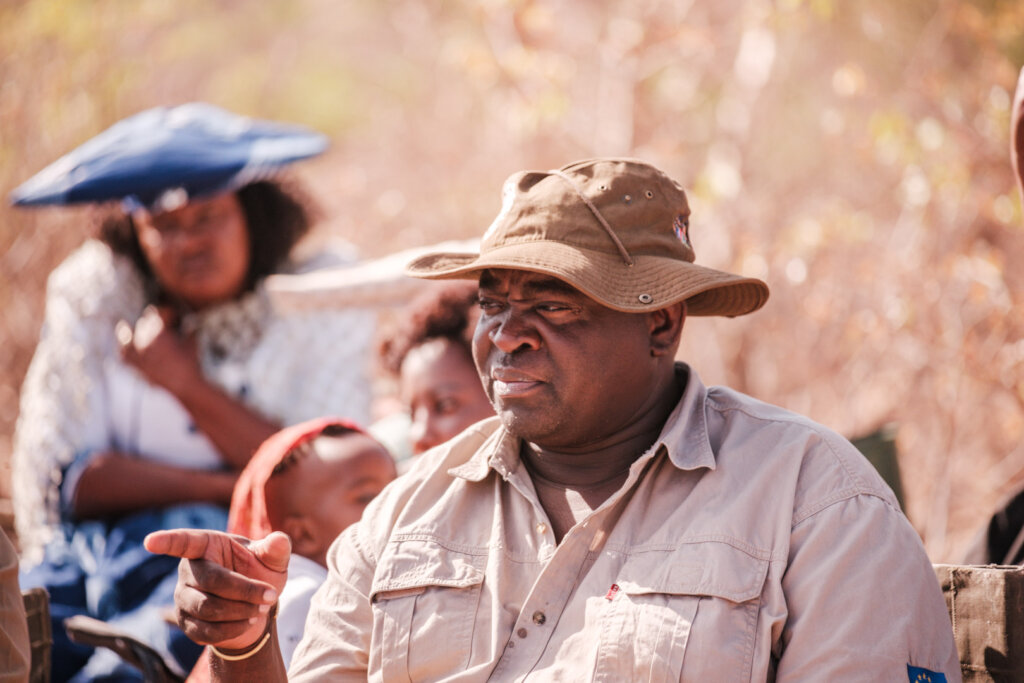
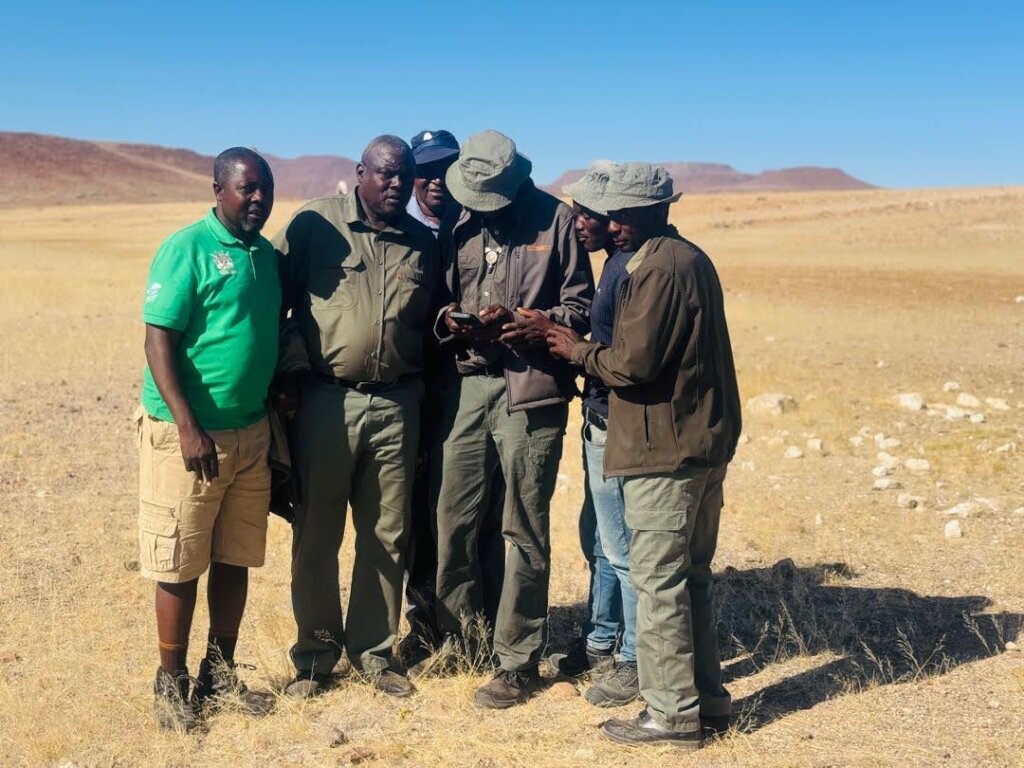
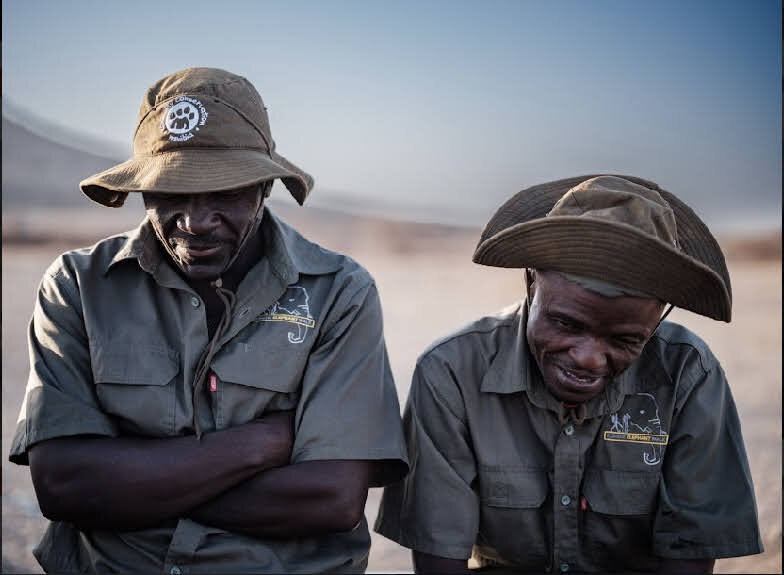
This project equips and supports elephant rangers in northern Namibia with essential gear, training, and operational resources. Rangers use practical, non-invasive methods to prevent human-elephant conflict, including early warning systems, tracking elephant movements, guiding herds away from villages, and protecting water points and crops. Many of these rangers are women, playing a vital role in conservation and community engagement. At the same time, young people are trained as Junior Rangers.
With your support, rangers are protecting lives-human and wildlife alike. They prevent conflict, safeguard communities, and secure livelihoods. Thanks to their work, populations of desert elephants, black rhinos, and desert lions are recovering. In 2025, for the first time, not a single elephant was killed due to conflict or poaching-a powerful sign that coexistence is possible.
This project has provided additional documentation in a PDF file (projdoc.pdf).



Support this important cause by creating a personalized fundraising page.
Start a Fundraiser