By Melanie Tremblais | Project Leader
Since the end of 2015, due to El Nino whether conditions, Ethiopia is experiencing unprecedented drought, the worst drought in fifty years, reviving the spectrum of famine of year 1984.
The Secours Catholique and its local partners are acting since several years in some of the regions particularly affected by recurrent droughts such as the Tigray or Harar regions. Considering the risk of famine ensuing, the Secours Catholique helps at improving people's livelihoods.
In Tigray, the economy is mainly based on livestock (cattle, sheeps and goats) and, to a lesser extent, on agricultural production. Due to a rugged and hilly grounds in the area, arable lands are insufficient. Recurrent droughts, water scarcity, and degradation of natural resources (mainly caused by deforestation and free grazing) that characterize the region, are the major threats to harvests and livestock productivity.
Given these facts, the Diocesan Caritas of Tigray, a partner of the Secours Catholique, acts both on water, sanitation and food safety.
The development of irrigated agricultural areas, the creation of new local markets, that of new marketing options, as well as the improvement of farming methods (poultry and bees) should permit to improve the quality of life of the recipients. In parallel, construction and rehabilitation of water points, training in hygiene and sanitation aimed at a significant improvement for the population.
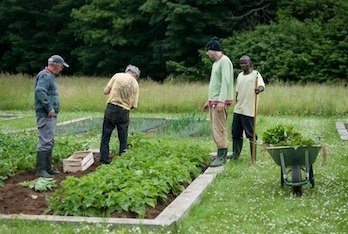
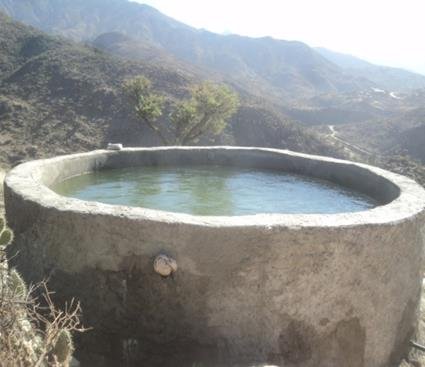
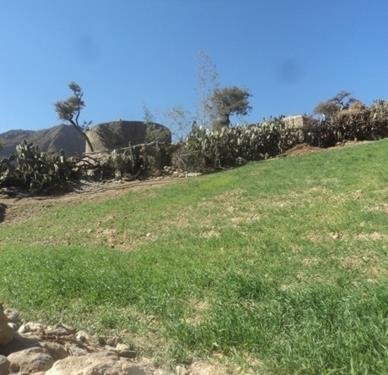
These last three years, the construction of 22 structures in relation with irrigation (15 micro-dams, 2 communal wells, 3 founts, and 2 water tanks), and the creation of 6 kms of mountainside terraces for vegetable growing allowed to increase farm crops.
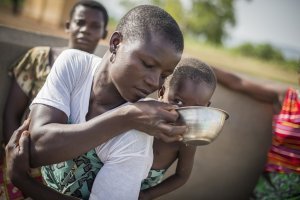
The development and rehabilitation of 8 water supply systems as well as the establishment of 8 water management committees have improved access to clean water .
In addition, household incomes have been increased through the training in beekeeping (with the allocation of 348 hives to 116 farmers) as well as in poultry farming (3,000 chicks for breeding were given to 150 households).
Altogether, 5,580 households, corresponding to approximately 28,000 people, benefit from these facilities and these good practices. The Secours Catholique financed these shares up to 315,000 €.
By Melanie Tremblais | Charge de Projets Philanthropiques
By Chantal Bianchi | Project manager
Project reports on GlobalGiving are posted directly to globalgiving.org by Project Leaders as they are completed, generally every 3-4 months. To protect the integrity of these documents, GlobalGiving does not alter them; therefore you may find some language or formatting issues.
If you donate to this project or have donated to this project, you can receive an email when this project posts a report. You can also subscribe for reports without donating.



Support this important cause by creating a personalized fundraising page.
Start a Fundraiser