By Nikki Buxton | Director
Time: The Most Valuable Tool in Raptor Rehabilitation
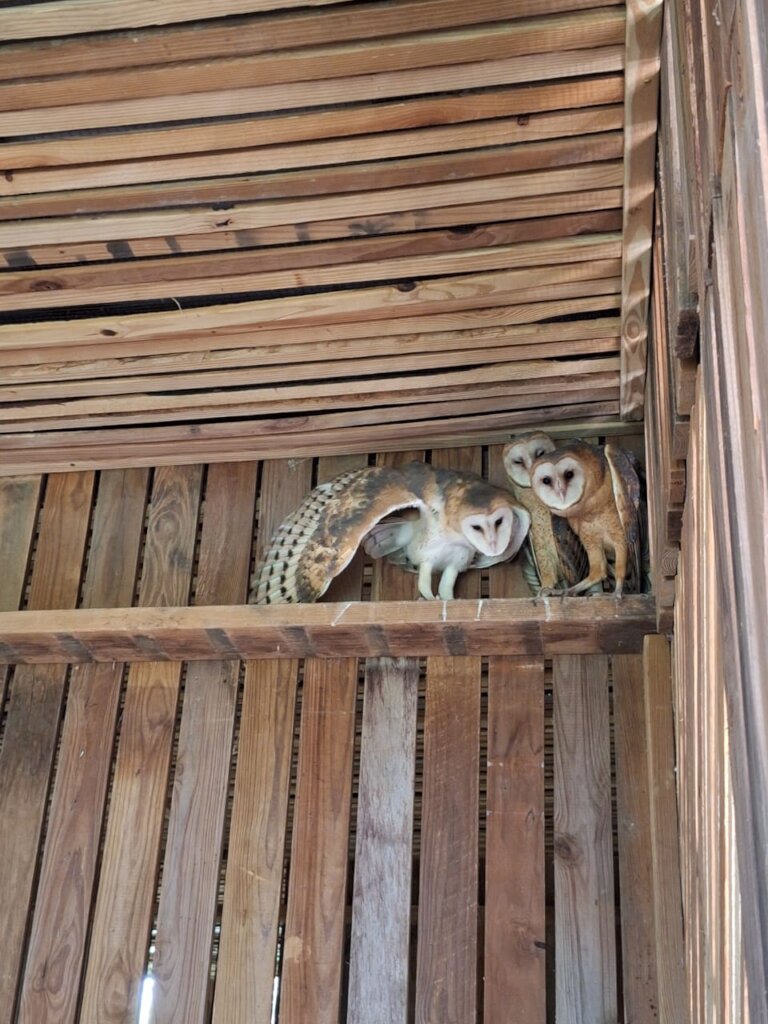
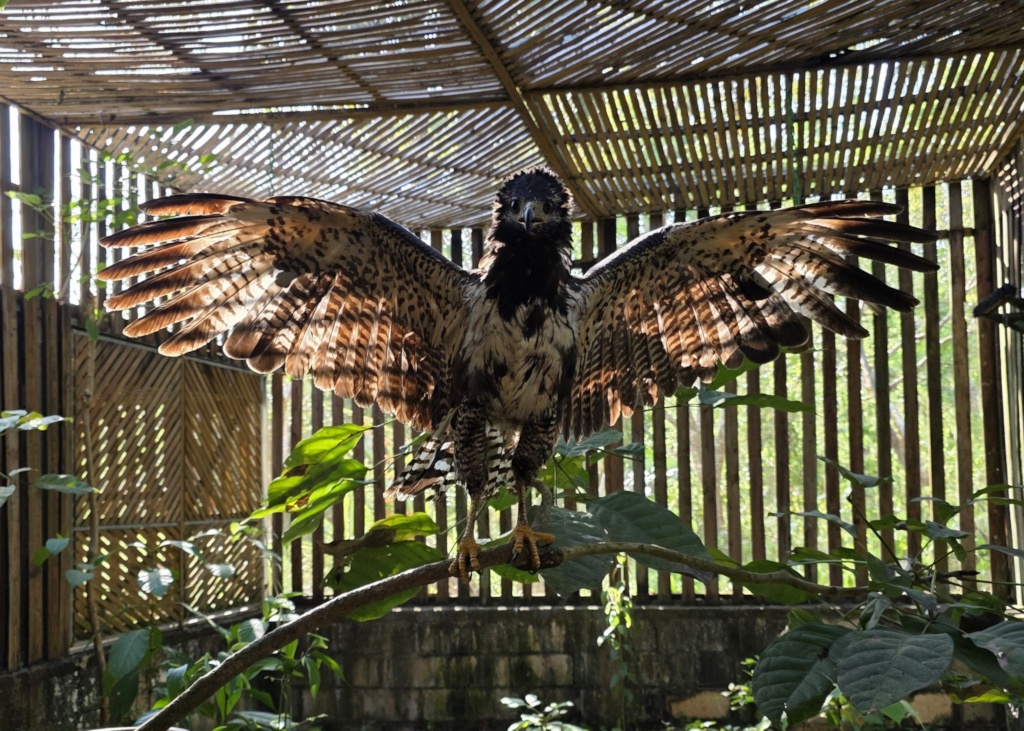
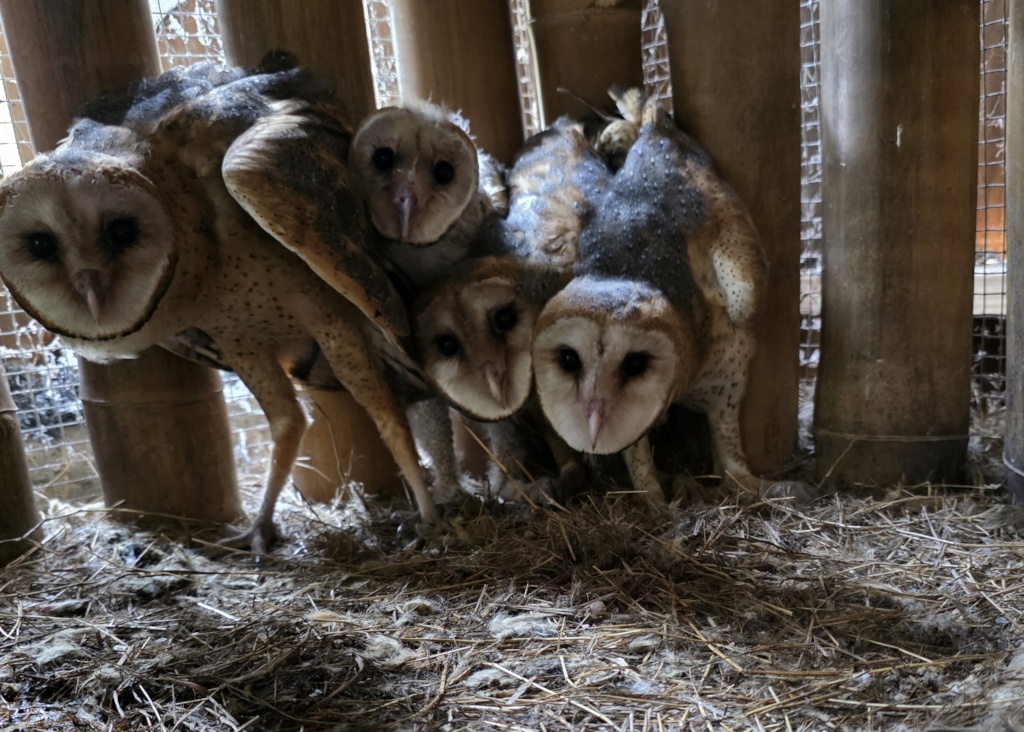
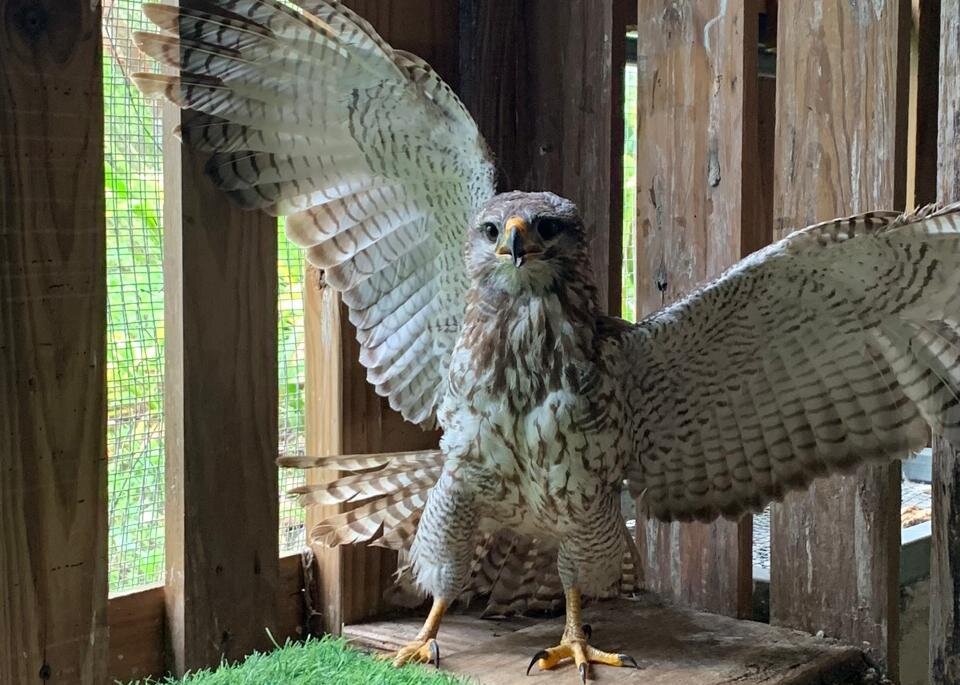
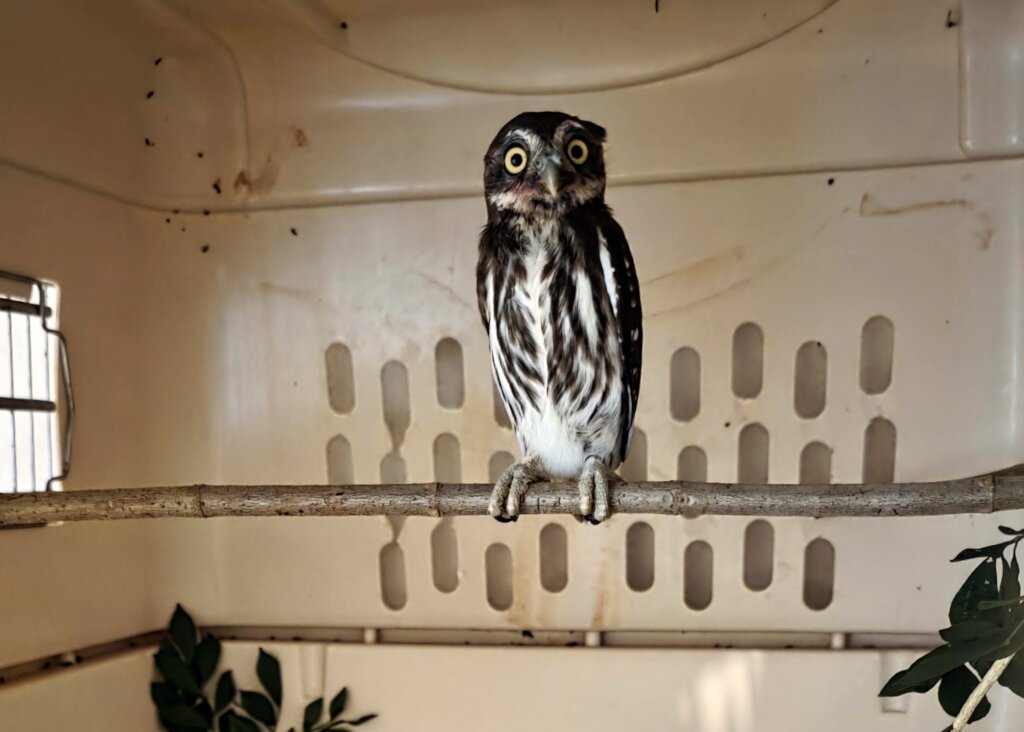
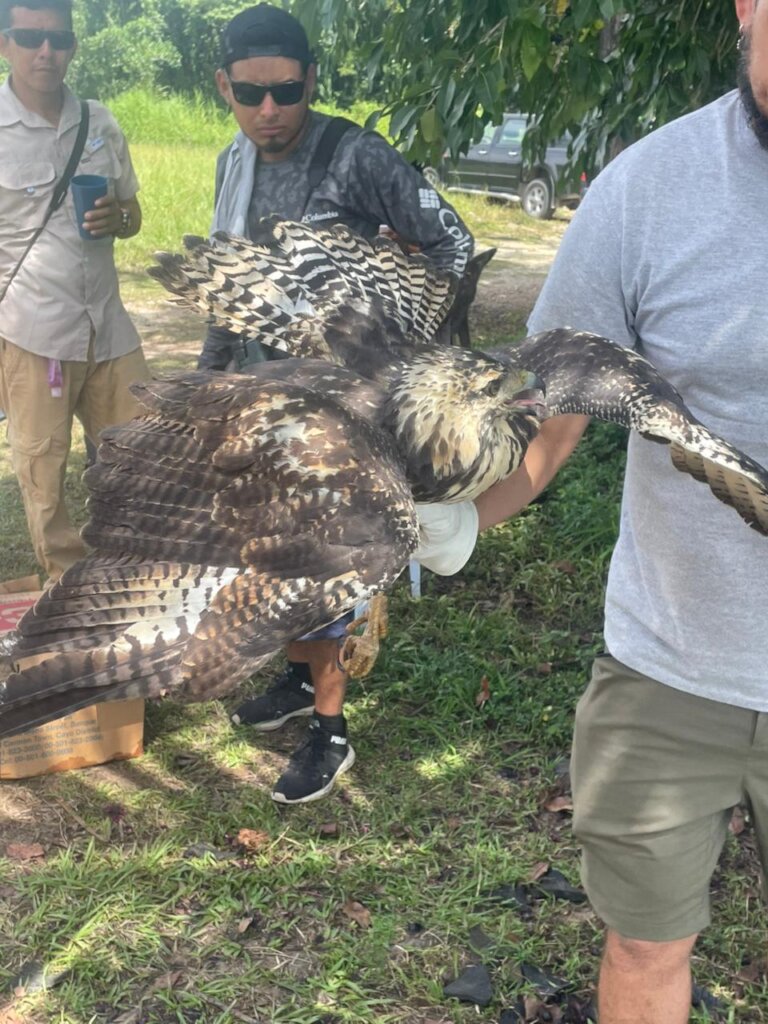
Although construction of the Raptor Sanctuary expansion has not yet begun, the need for it continues to grow. During this reporting period we admitted 26 raptors - 8 hawks and 18 owls, and we celebrated the successful release of 14 birds back to the wild, including 6 Barn Owls, 6 Pygmy Owls, a Common Black Hawk, and a Grey Hawk.
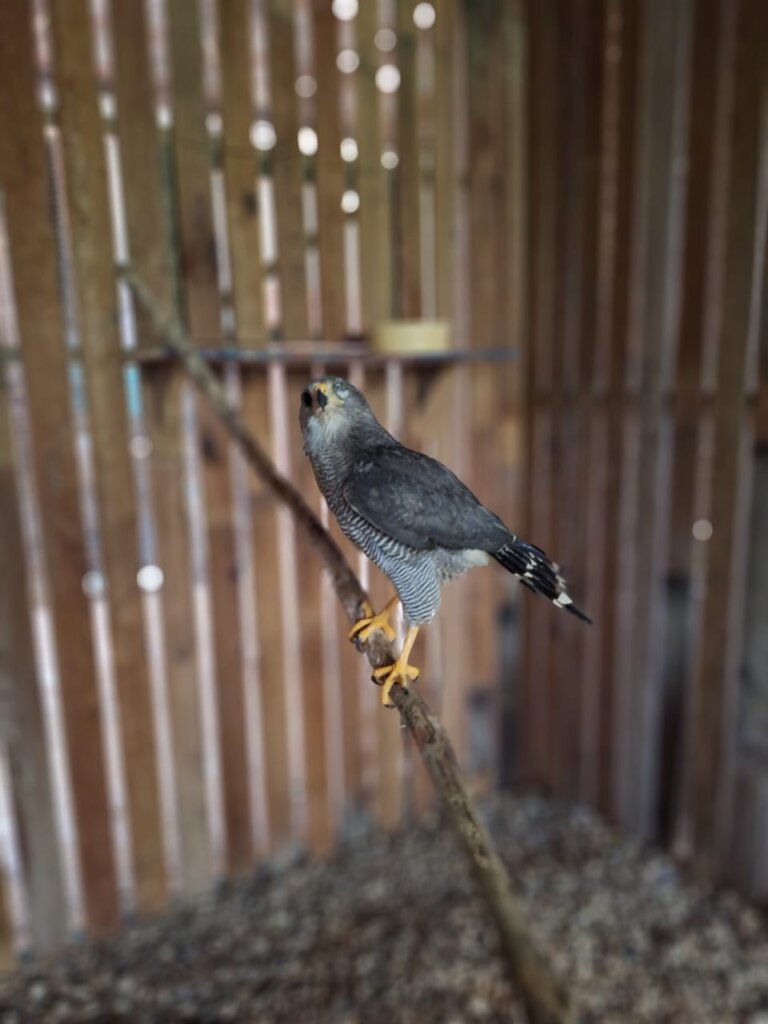
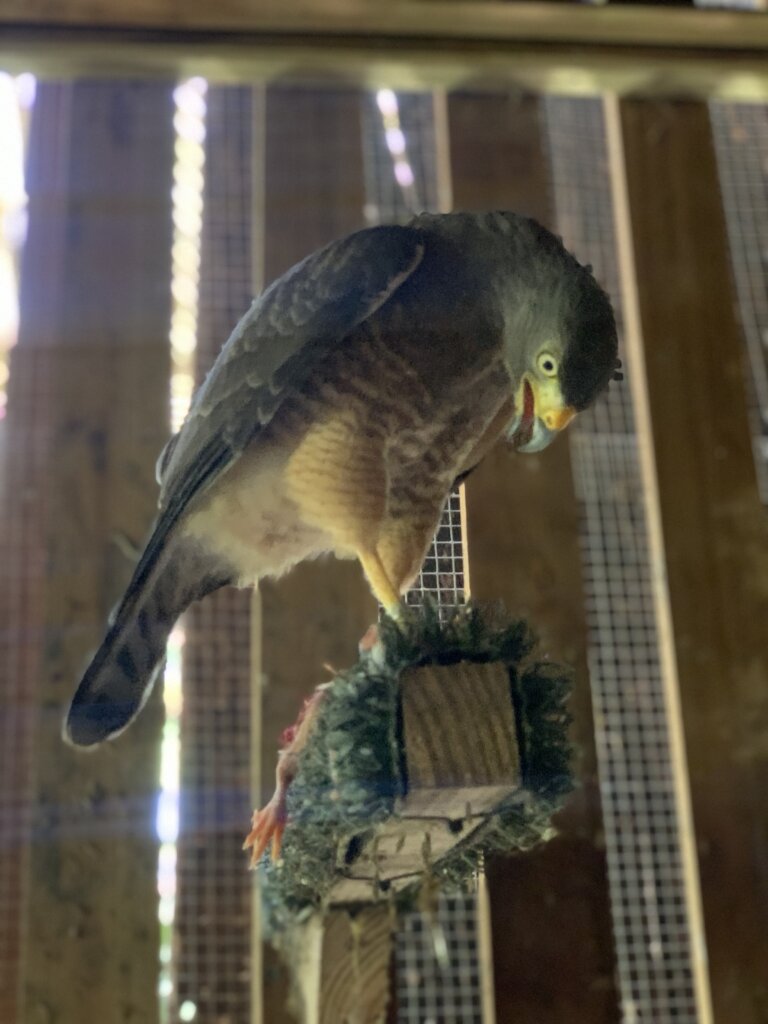
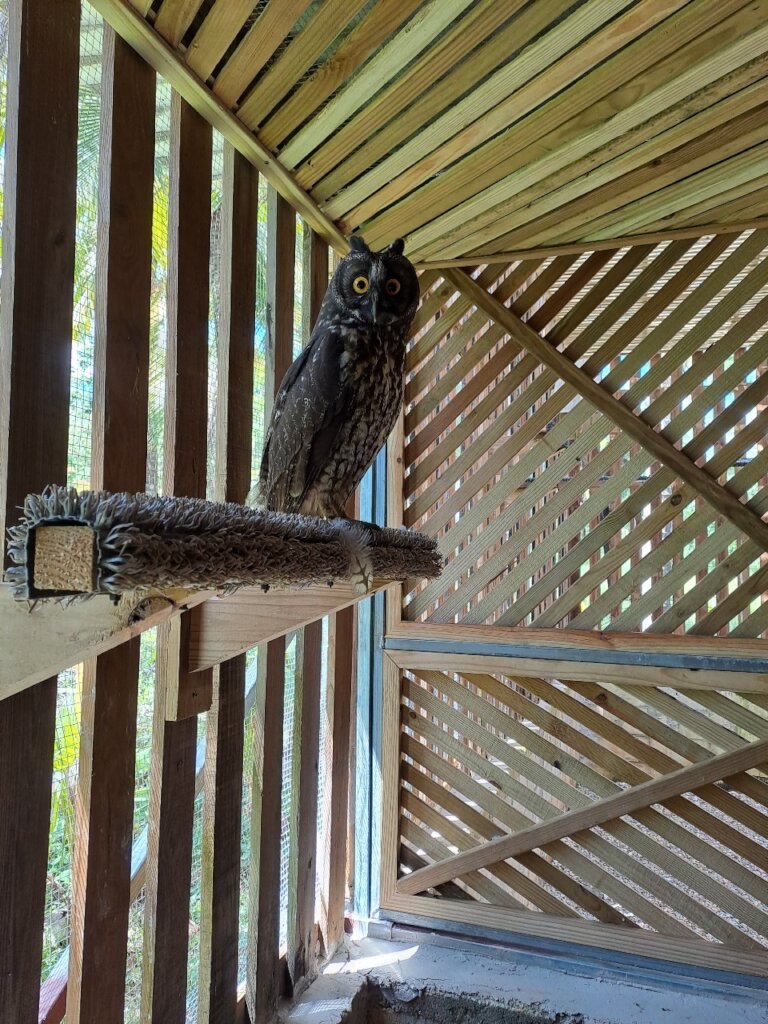
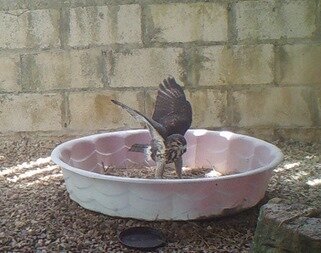
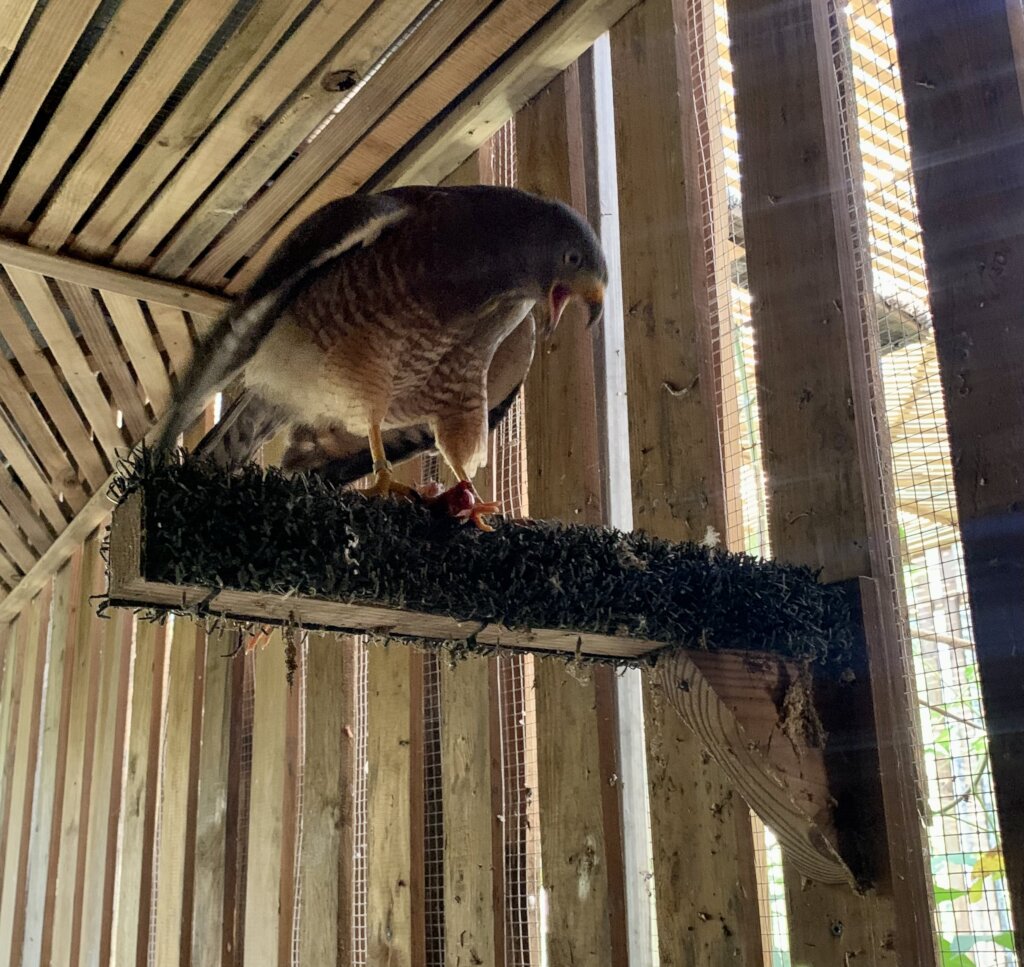
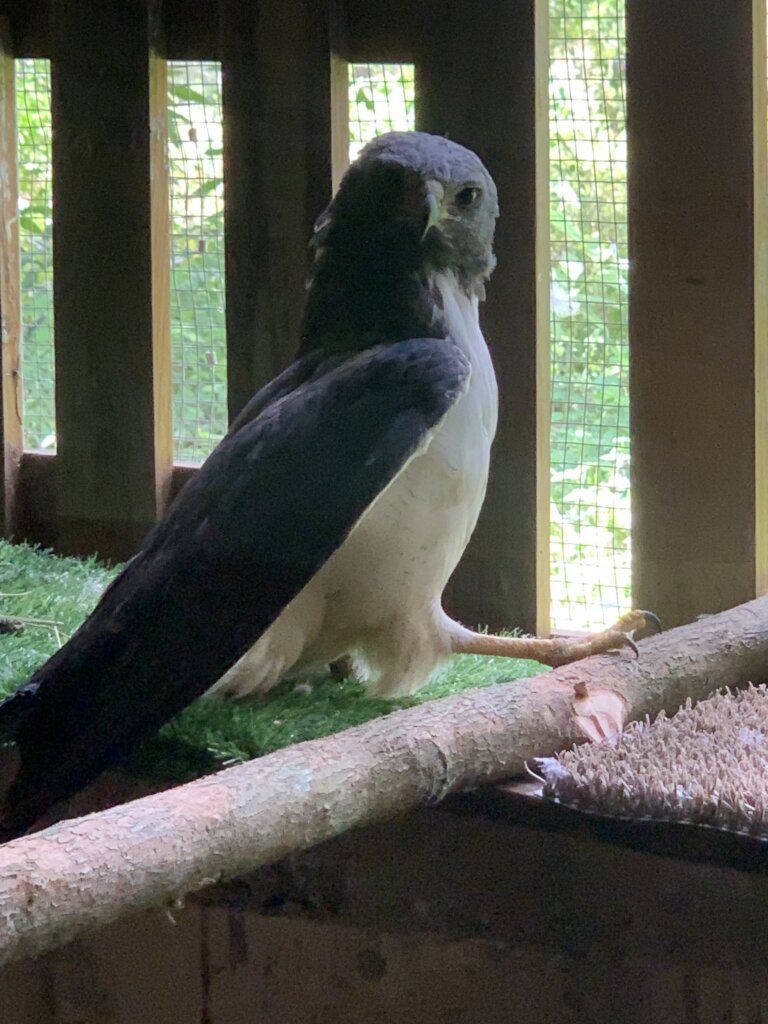
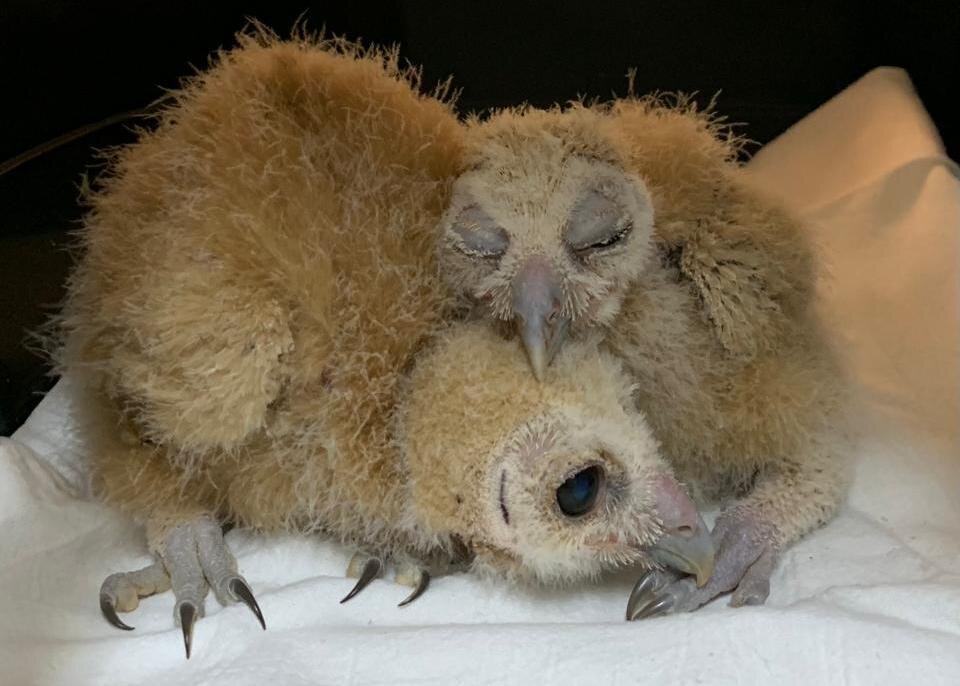
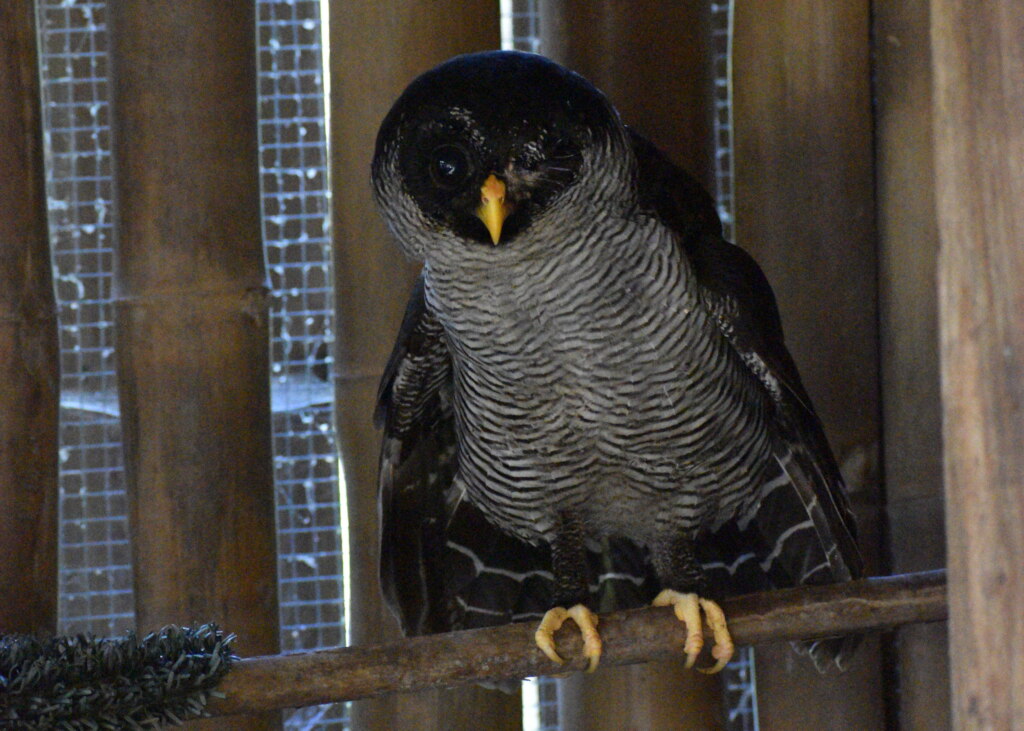
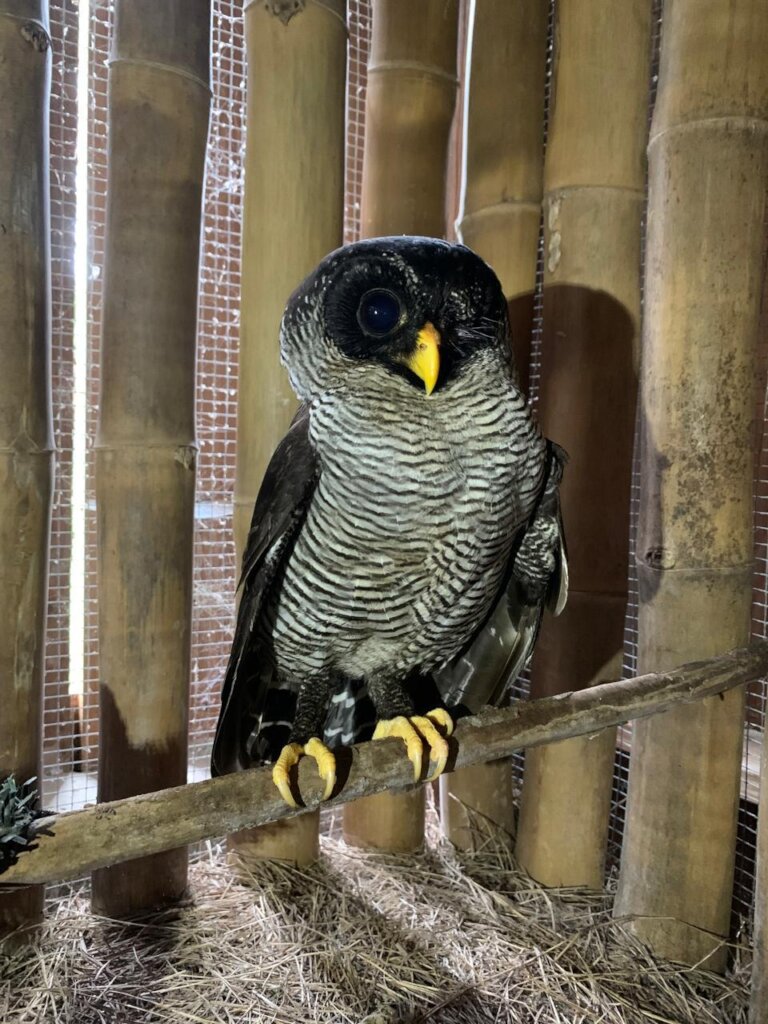
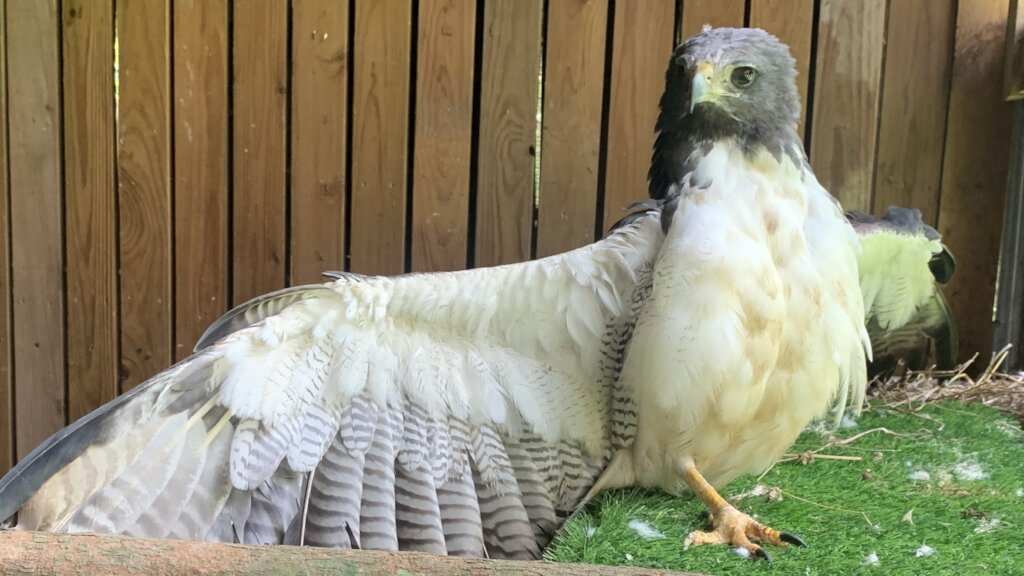
Eight raptors remain in rehabilitation, each following a different path to recovery. Among them are four young Mottled Owls, two of which arrived as tiny nestlings and are still developing the strength and hunting skills they need before they can be released. We are also caring for a Black-and-white Owl that is adapting remarkably well after losing an eye, a Barn Owl recovering from an old wing fracture while waiting for new flight feathers to regrow, a Grey Hawk with a shoulder injury that may heal with time, and an imprinted Roadside Hawk which lacks the natural behaviours needed to survive in the wild. Rehabilitation for these birds cannot be rushed - sometimes the greatest gift we can give an injured raptor is simply time.
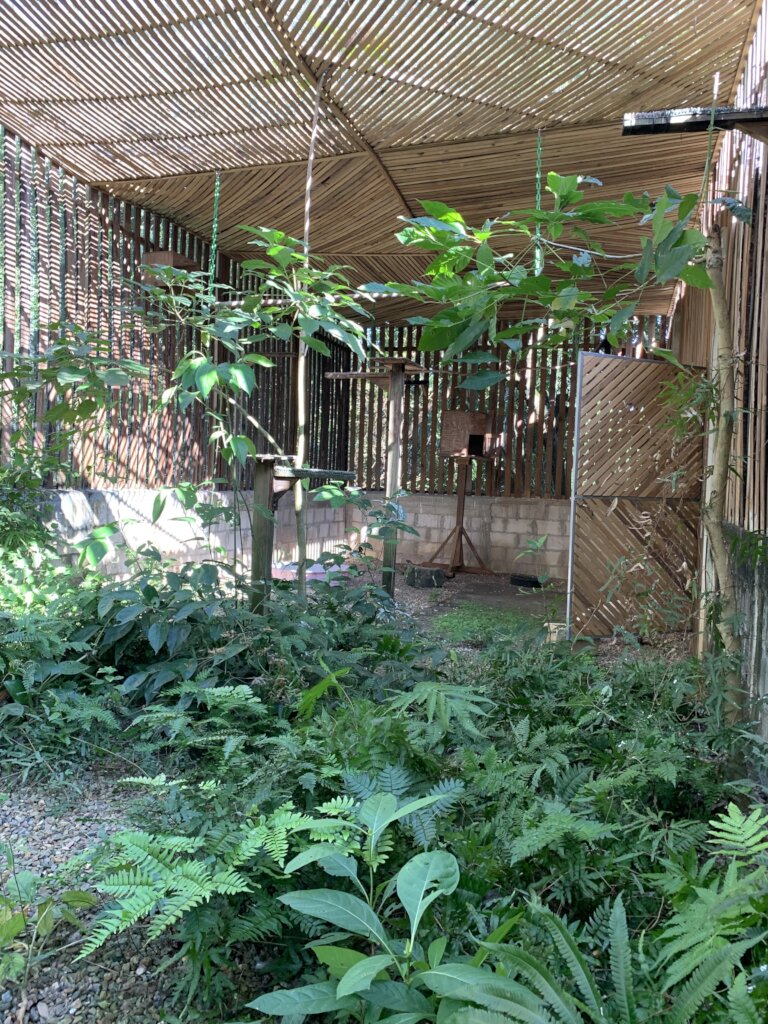
These birds remind us why this project remains so important. Belize Bird Rescue already has a large flight enclosure and four dedicated rehabilitation barns for birds of prey, but the demand for long-term rehabilitation continues to grow. The Raptor Sanctuary project will expand these facilities, allowing us to care for more raptors requiring extended rehabilitation while ensuring every bird has the space and time it needs to recover.
Our commitment to seeing rehabilitation through to its conclusion means we regularly accept transfers of complex raptor cases from other wildlife rehabilitation centres that are unable to provide the prolonged care these birds require. By expanding our existing facilities, we will be able to help even more injured owls and hawks take the long road back to the wild.
Thank you for continuing to support this vision. Every donation helps us provide expert care for the raptors in our care today while bringing us closer to expanding the facilities needed to give many more birds of prey a second chance at freedom.
With our warmest regards and gratitude,
Nikki and all at Belize Bird Rescue
By Nikki Buxton | Director
By Nikki Buxton | Director
Project reports on GlobalGiving are posted directly to globalgiving.org by Project Leaders as they are completed, generally every 3-4 months. To protect the integrity of these documents, GlobalGiving does not alter them; therefore you may find some language or formatting issues.
If you donate to this project or have donated to this project, you can receive an email when this project posts a report. You can also subscribe for reports without donating.



Support this important cause by creating a personalized fundraising page.
Start a Fundraiser