By Kaneza M | PROJECT LEADER
PROJECT REPORT
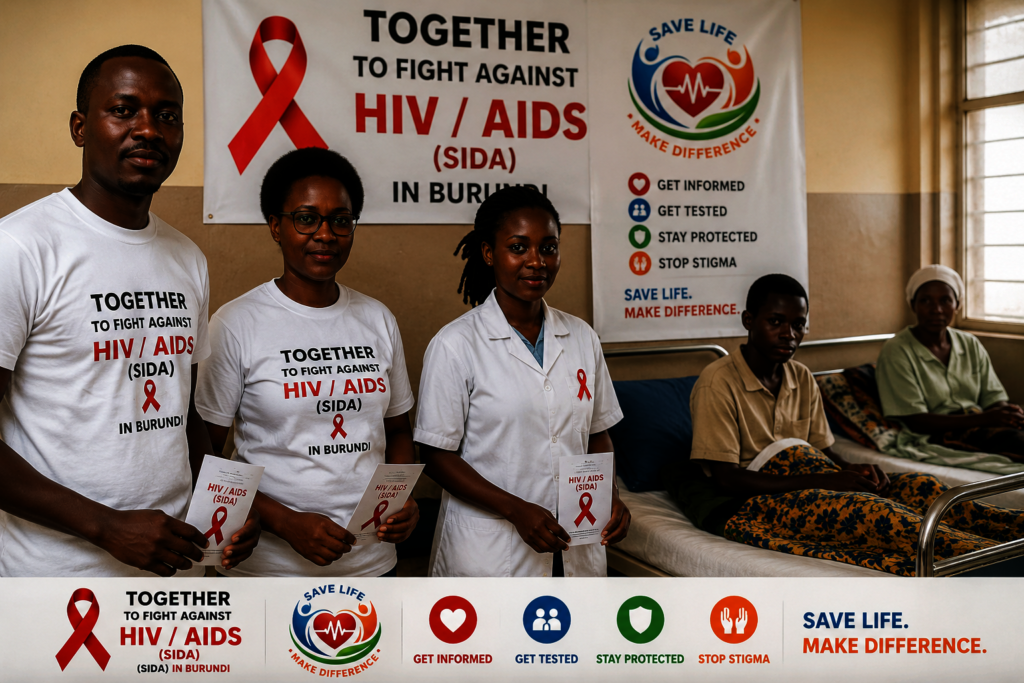
TOGETHER TO FIGHT AGAINST HIV/AIDS (SIDA)
Organization: Save Life Make Difference
Date: 12 September 2026
Fundraising Goal: USD 30,000
Amount Raised: USD 94
Amount Remaining: USD 29,906
Progress: 0.31%
1. Executive Summary
Save Life Make Difference is committed to protecting lives and strengthening communities through education, HIV/AIDS prevention, early testing, treatment support, and the reduction of stigma and discrimination.
The “Together to Fight Against HIV/AIDS (SIDA)” project is designed to mobilize communities and provide people with accurate information and practical support related to HIV prevention, testing, treatment, and care.
Although significant progress has been made globally, HIV remains an important public-health challenge. UNAIDS emphasizes that communities play a critical role in HIV prevention, treatment education, support, and reaching people who may otherwise have difficulty accessing services. UUNAIDS+1
Through this project, Save Life Make Difference will work with community members, young people, families, health professionals, schools, community leaders, and other partners to promote informed decision-making and encourage people to access appropriate health services.
2. Project Title
Together to Fight Against HIV/AIDS (SIDA)
“Together We Can Save Lives, Prevent HIV and Build a Healthier Community.”
3. Organization
Save Life Make Difference
Save Life Make Difference is committed to supporting vulnerable communities and promoting initiatives that improve health, dignity, education, and quality of life.
The organization believes that meaningful community participation is essential to creating lasting change.
4. Background
HIV remains a global health challenge, and continued investment in prevention, testing, treatment, care, and community support is necessary.
Effective HIV prevention includes a combination of approaches, such as access to appropriate prevention information and services, condoms, PrEP where appropriate, voluntary testing, and treatment for people living with HIV. UUNAIDS
Stigma and misinformation can also discourage people from seeking testing, treatment, and support. Community-led organizations can help overcome these barriers by providing trusted information, connecting people with services, and creating supportive environments. OOpen UNAIDS+1
5. Problem Statement
Many communities continue to face challenges related to:
Lack of accurate information about HIV transmission and prevention.
Fear and stigma surrounding HIV testing.
Limited awareness of available prevention and treatment services.
Discrimination against people living with HIV.
Lack of community-based support and education.
Difficulty reaching vulnerable and underserved populations.
The project seeks to address these challenges through community education, awareness, referrals, support, and advocacy.
6. Main Goal
The overall goal of the project is:
To contribute to the prevention of HIV infections, promote early access to testing and treatment services, reduce HIV-related stigma and discrimination, and improve community knowledge and support for people affected by HIV/AIDS.
7. Specific Objectives
The project will aim to:
Increase community awareness about HIV/AIDS and prevention.
Promote voluntary HIV testing and early linkage to appropriate health services.
Provide accurate, understandable HIV prevention information.
Encourage people living with HIV to seek and remain connected to appropriate treatment and care.
Reduce stigma, discrimination, and misinformation surrounding HIV.
Reach young people and other community groups with age-appropriate health education.
Train and mobilize community volunteers and peer educators.
Establish partnerships with health facilities and other relevant organizations.
Provide psychosocial and community support through appropriate referral networks.
Strengthen community participation in the HIV response.
8. Key Project Activities
A. HIV/AIDS Awareness Campaigns
Save Life Make Difference will organize community awareness activities addressing:
HIV transmission and prevention.
HIV testing and the importance of knowing one's status.
Treatment and the importance of connecting with qualified healthcare providers.
HIV-related myths and misinformation.
Stigma and discrimination.
Available community and health services.
B. Community Outreach
The project will conduct outreach activities in communities, schools, youth groups, workplaces, and other appropriate settings.
Community volunteers and trained educators will help share accurate information and direct individuals to appropriate health services.
C. HIV Testing Referrals
The organization will encourage voluntary HIV testing and help community members identify appropriate health facilities or qualified providers for testing.
The project will respect confidentiality, informed consent, privacy, and applicable health regulations.
D. Treatment and Care Support
People who receive an HIV diagnosis will be encouraged and supported to connect with qualified healthcare services.
The project will not replace professional medical care. Instead, it will focus on education, referral, follow-up support, and reducing barriers to accessing appropriate services.
E. Stigma Reduction
The project will promote the message that people living with HIV deserve dignity, respect, confidentiality, and equal access to health and social services.
Community discussions will challenge harmful myths and discrimination.
F. Youth Education
Age-appropriate HIV and sexual-health education will be provided through appropriate schools, youth organizations, community groups, and other partners.
G. Community Volunteers
Volunteers will be trained to support awareness campaigns, distribute educational information, identify community needs, and refer people to appropriate services.
9. Target Beneficiaries
The project will prioritize:
Young people and adolescents.
Families and caregivers.
People who may be at increased risk of HIV.
People living with HIV.
Vulnerable and underserved community members.
Community leaders and volunteers.
Teachers and youth leaders.
Community health workers and partner organizations.
The exact beneficiary numbers will be established during the detailed implementation and baseline assessment.
10. Expected Results
By the end of the project, Save Life Make Difference expects to achieve:
Increased knowledge about HIV prevention.
More people encouraged to access voluntary HIV testing.
Improved awareness of available prevention and treatment services.
Increased referrals to appropriate healthcare services.
Reduced HIV-related stigma and misinformation.
Greater community involvement in HIV prevention.
Trained community volunteers and peer educators.
Stronger collaboration between communities and health-service providers.
11. Monitoring and Evaluation
The project will monitor progress using measurable indicators, including:
Number of awareness sessions conducted.
Number of people reached with HIV education.
Number of community volunteers trained.
Number of educational materials distributed.
Number of people referred to appropriate HIV testing services.
Number of community outreach activities conducted.
Number of partnerships established.
Number of anti-stigma activities conducted.
Community feedback and knowledge assessments.
Personal health information will be handled confidentially and in accordance with applicable laws and ethical requirements.
12. Proposed Budget
The fundraising target for the project is:
USD 30,000
Proposed funding areas include:
Activity
Proposed Allocation
Community HIV/AIDS awareness campaigns
$5,000
Educational materials and communication
$3,500
Community outreach activities
$4,000
Volunteer and peer-educator training
$3,500
Testing/service referral activities
$3,000
Youth education programs
$2,500
Stigma-reduction and community activities
$2,000
Monitoring and evaluation
$1,500
Administration and coordination
$2,000
Emergency/operational contingency
$1,000
Total
$30,000
The final budget will be adjusted according to local costs, partner requirements, health regulations, and detailed project planning.
13. Current Fundraising Status
Goal: $30,000
Raised: $94
Remaining: $29,906
Progress: approximately 0.31%
Every contribution, regardless of size, helps Save Life Make Difference move closer to implementing this community-focused HIV/AIDS initiative.
14. Sustainability
Save Life Make Difference intends to build a sustainable community network by:
Training local volunteers.
Establishing partnerships with health facilities and community organizations.
Building relationships with donors and responsible businesses.
Developing community-led awareness activities.
Strengthening referral networks.
Monitoring results and documenting successful approaches.
Reinvesting future support into HIV prevention and community health activities.
UNAIDS emphasizes that community-led responses are an important part of reaching people with HIV prevention, treatment education, support, and other services. UUNAIDS
15. Partnerships and Collaboration
The project will seek collaboration with:
Public and private health facilities.
Local authorities.
Schools and educational institutions.
Community leaders.
Youth organizations.
Civil-society organizations.
HIV/AIDS networks.
International development partners.
Philanthropic organizations.
Responsible businesses and individual donors.
Partnerships will help expand the project's reach and connect communities with qualified health and social services.
16. Risk Management
Potential risks include misinformation, stigma, limited funding, low participation, and difficulty reaching vulnerable populations.
The project will address these risks through trained personnel, accurate educational materials, partnerships with qualified health providers, confidentiality safeguards, community engagement, and ongoing monitoring.
17. Conclusion
Together to Fight Against HIV/AIDS (SIDA) is a community-centered initiative of Save Life Make Difference designed to protect lives through knowledge, prevention, support, and connection to appropriate healthcare services.
The project recognizes that fighting HIV/AIDS requires more than medical services alone. It also requires informed communities, strong partnerships, respect for human dignity, reduced stigma, and sustained investment.
With a fundraising goal of $30,000, Save Life Make Difference has already received $94 toward the initiative. We invite donors, organizations, businesses, community leaders, and individuals to join us in expanding this effort.
Together, we can save lives.
Together, we can prevent HIV.
Together, we can fight stigma.
Together, we can make a difference.
SAVE LIFE MAKE DIFFERENCE
Project Date: 12 September 2026
Fundraising Goal: $30,000
Raised to Date: $94
Remaining: $29,906
By OLIVIER C | Project Leader
By olivier ciza | PROJECT LEADER
Project reports on GlobalGiving are posted directly to globalgiving.org by Project Leaders as they are completed, generally every 3-4 months. To protect the integrity of these documents, GlobalGiving does not alter them; therefore you may find some language or formatting issues.
If you donate to this project or have donated to this project, you can receive an email when this project posts a report. You can also subscribe for reports without donating.



Support this important cause by creating a personalized fundraising page.
Start a Fundraiser