By Yu Zhang | Program Manager
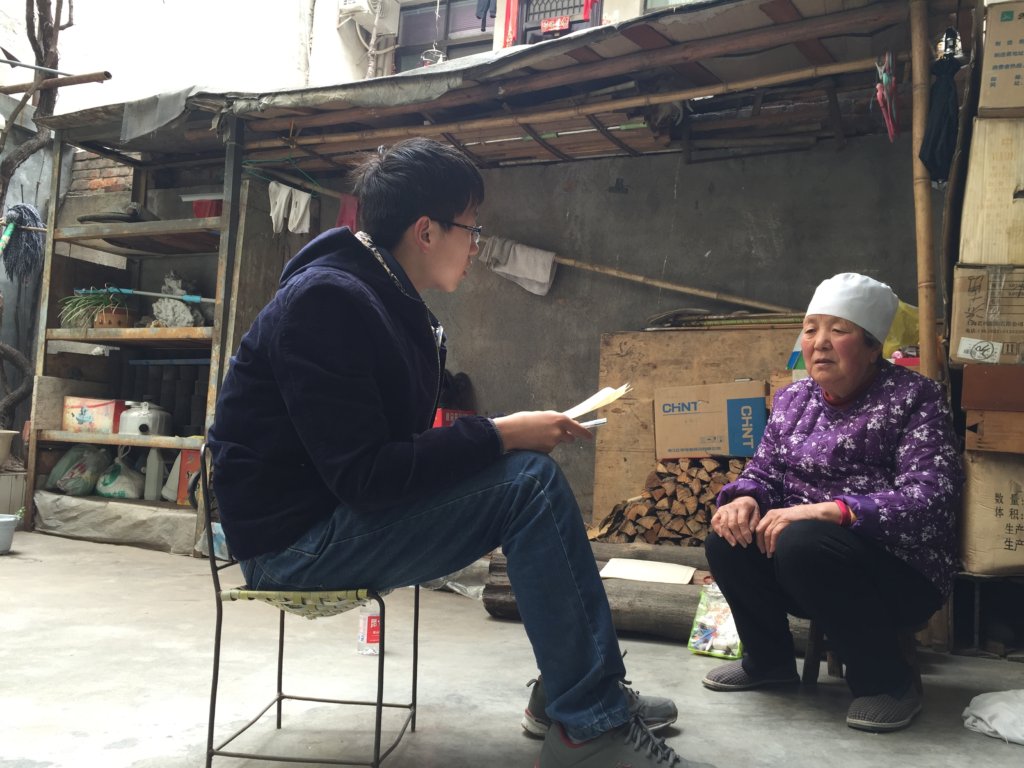
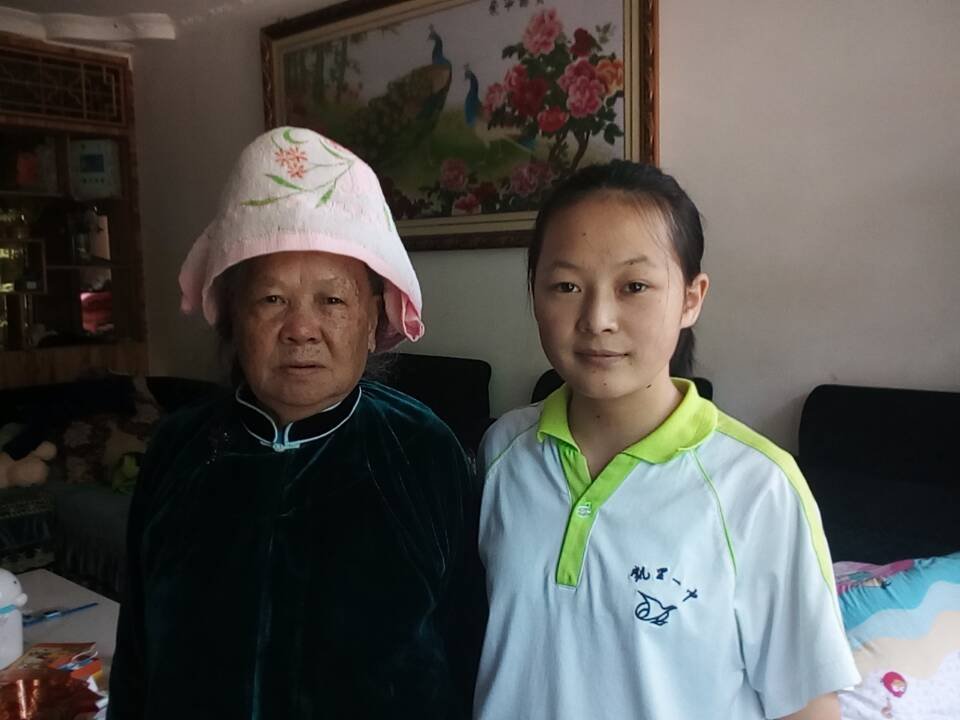
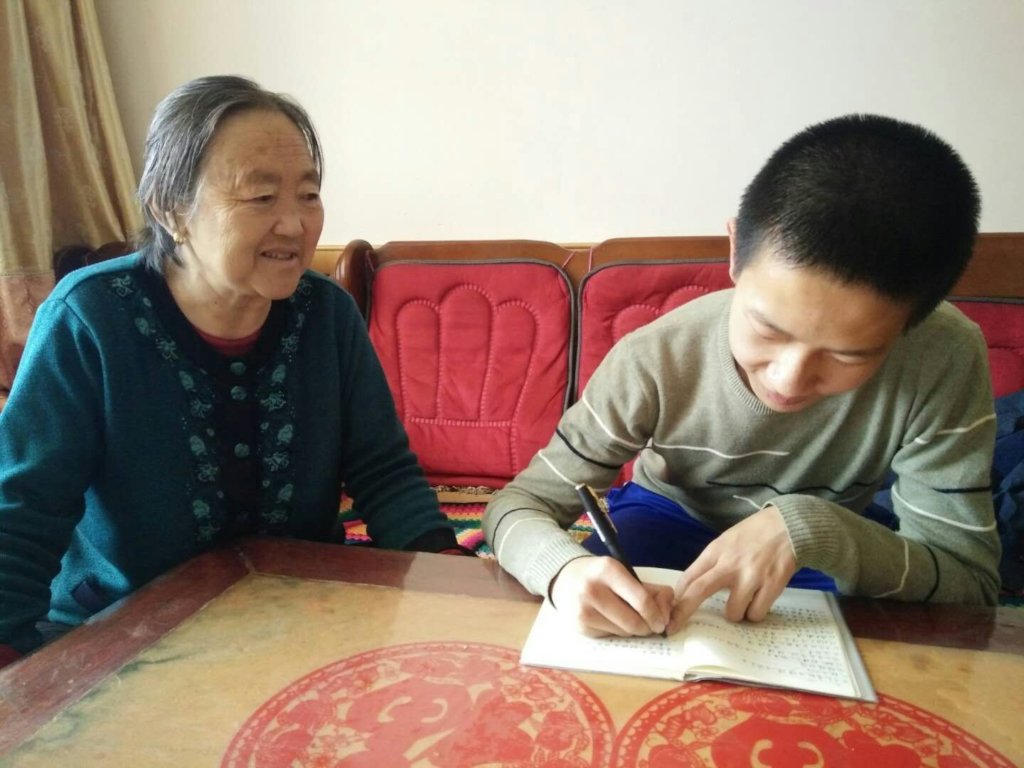
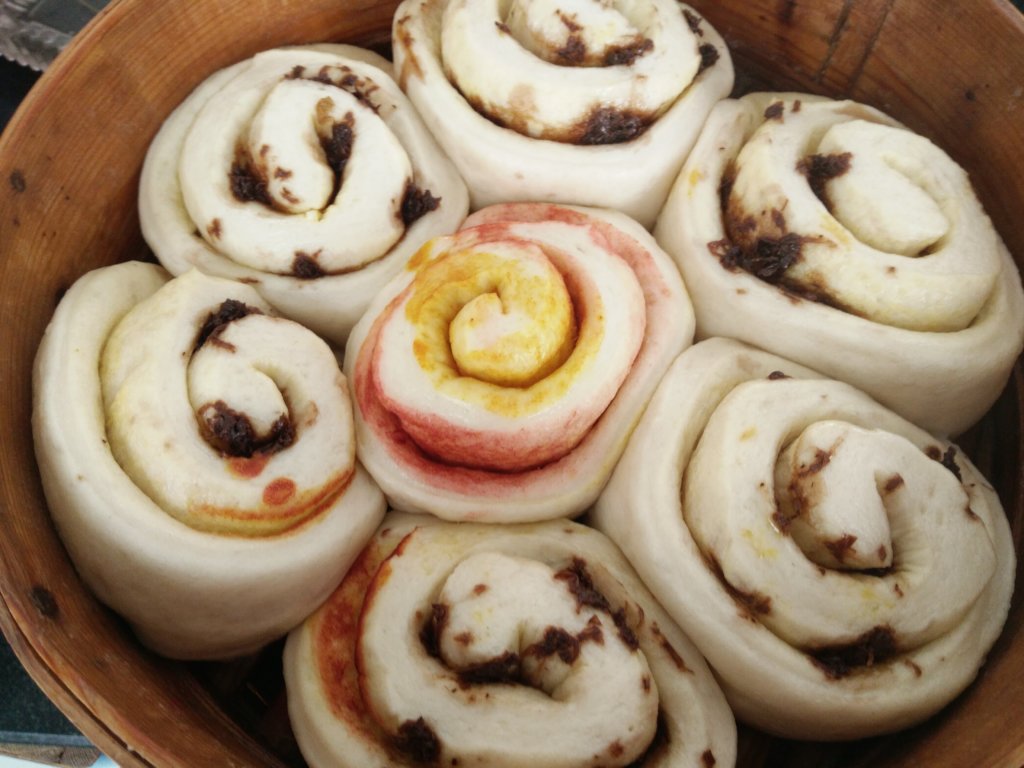
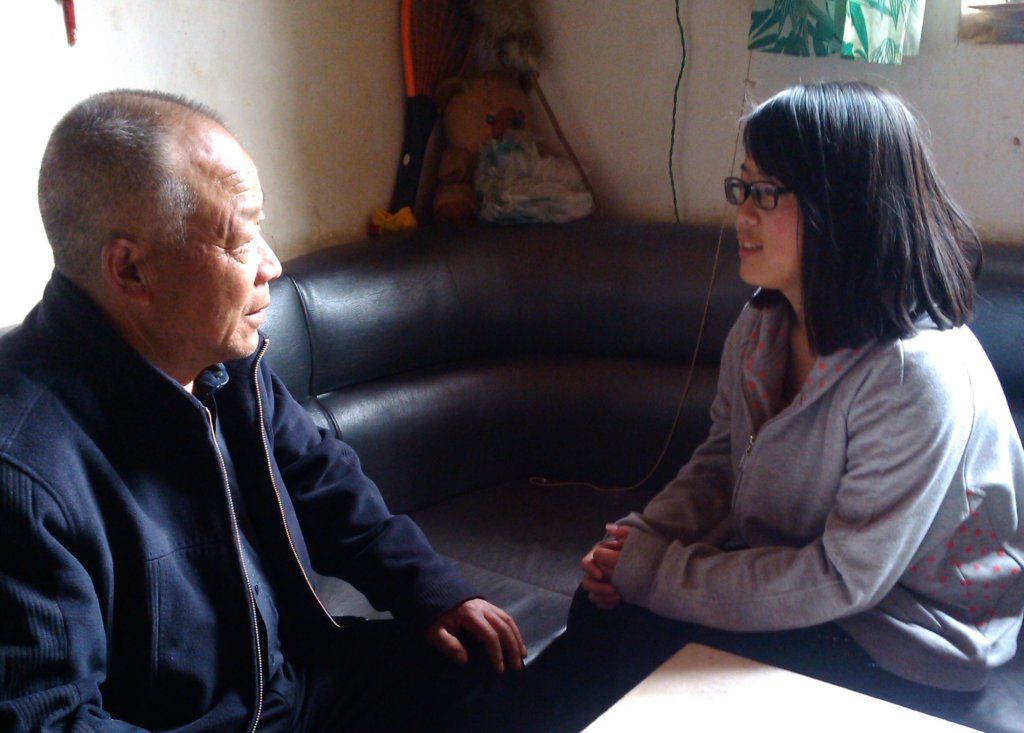
Zhenming, an 8th grader from a Gansu Middle School, interviewed his grandma regarding her traditional steamed bun hand-making techniques and related life experiences. In first phase interview which contains two half-hour interviews, Granma shared her experiences including a childhood game of mimicking steamed bun making, collecting firewood in the mountains with buddies, memories of what she ate at home, the process of learning to make steamed buns when she was teenager, her marriage, family and children, labor and food distribution, the shortage of rations, and improved situation since the 1980s. Zhenming also asked Grandma about her innovation in steamed bun making techniques and the differences between handmade and machine-made steamed buns.
Looking back on the first interview, Zhenming was pleased to learn about this oral history project and to participate in it. Regarding knowledge and understanding, he summarized the following learnings: [1] Through an interview with my grandmother, I learned about a hand craft that is about to be lost: hand making steamed buns; [2] In the interview, gradually, I began to wonder: What caused the hand making techniques to be in danger, is it that the machine-made bun is more delicious than hand-made, or that people are not doing anything about preserving traditional crafts, or is it an inevitable destiny? [3] Via the Internet, I learned the cultural origins, different types of steamed buns in China, and realized that Chinese traditional culture has a long history, and its essence is worth inheriting and carrying forward.
In terms of skills, he noted: [1] Through editing the text, I had a big leap in learning to use MS Word, and I am now able to type at a much higher speed; [2] In dealing with older generations, I learned how to avoid things that make them sad and unwilling to talk about; [3] Through the interviews, my interpersonal skills improved and I learned how to gain trust and support from others. I also learned to leverage middlemen (my parents) in the initial interviews to build trust relationship.
In terms of feelings and attitudes, he concluded, "Through interviewing Grandma, I learned the hardships of life a few decades ago, understood why my grandparents kept saving money and food, and why we should cherish today‘s hard-won life." “In the process of talking with Grandma, my understanding of Grandma is richer, and the gap between us gradually cleared up.” He also had a deep feeling about his grandma’s narration, "In today’s seemingly glorious society, are there elders like Grandma who have been suffering in silence?" He had a better idea of the steamed bun hand-making craftsmanship, which he previously viewed as were not worth mentioning, "Those are the traditional intangible cultural heritage of China. Their value cannot be neglected." He started to develop an urgency in preserving these folk crafts: "Does preserving folk crafts around us suffice? There are so many still unattended. If those successors die, the crafts will be gone forever. "The discussion of the traditional hand-craft and the modern machine making in the interview triggered his thinking on the contradiction between inheritance and innovation. "“In ancient times, transportation and cultural exchanges were still underdeveloped, and a child of a craftsman could only inherit his family business. Although it caused lack of innovation, it ensured that the tradition was passed on. However, blindly inheriting without innovating will also lead to the "death" of traditional culture. Today, people want to innovate, without inheriting the original culture. Hence I think, perhaps we should not go for mere inheritance or mere innovation, but two combined——inheriting while gradually innovating."
Zhenming also did a detailed reflection on the interview techniques used in the first interview, and listed the contents that need to be further digged out in the second interview, as well as the aspects that can be improved in terms of interview techniques and setting. We look forward to his second interview for more discoveries and deeper connection.
If this is not kids preserving their local culture, what will be?
Project reports on GlobalGiving are posted directly to globalgiving.org by Project Leaders as they are completed, generally every 3-4 months. To protect the integrity of these documents, GlobalGiving does not alter them; therefore you may find some language or formatting issues.
If you donate to this project or have donated to this project, you can receive an email when this project posts a report. You can also subscribe for reports without donating.