By Yu Zhang | Project Leader
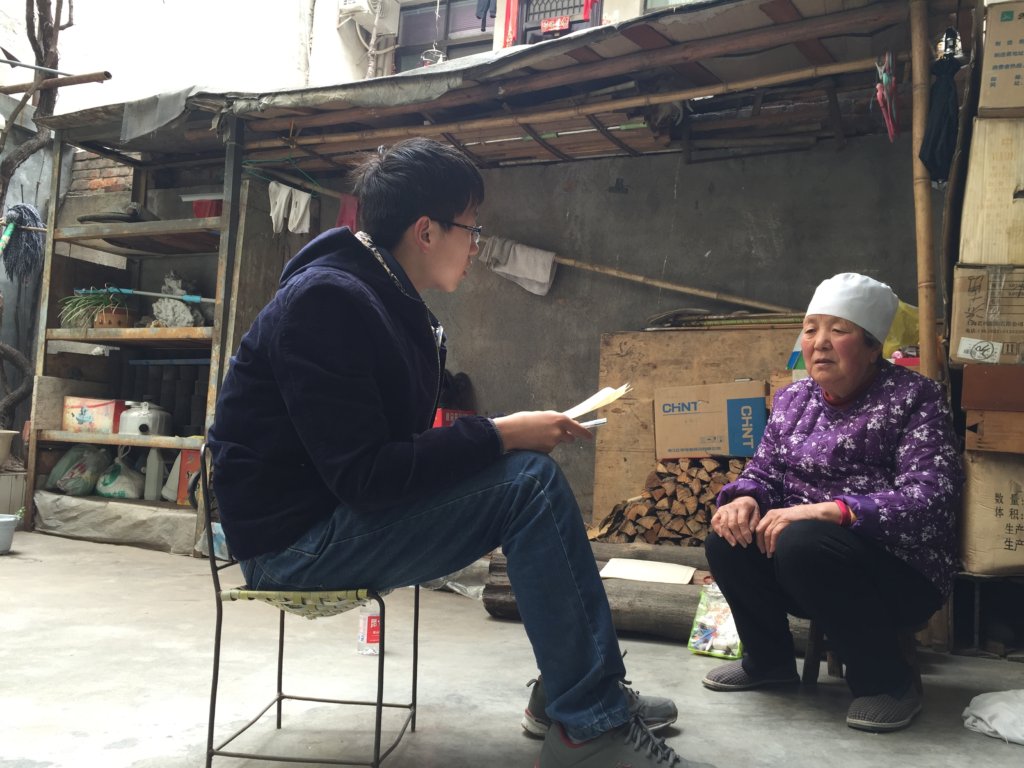
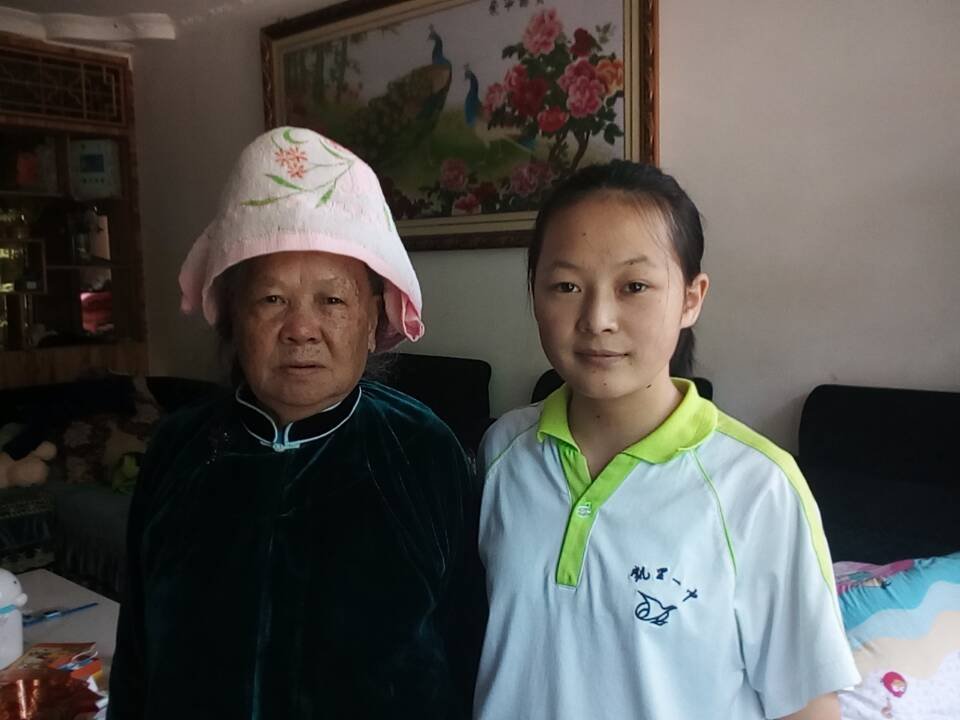
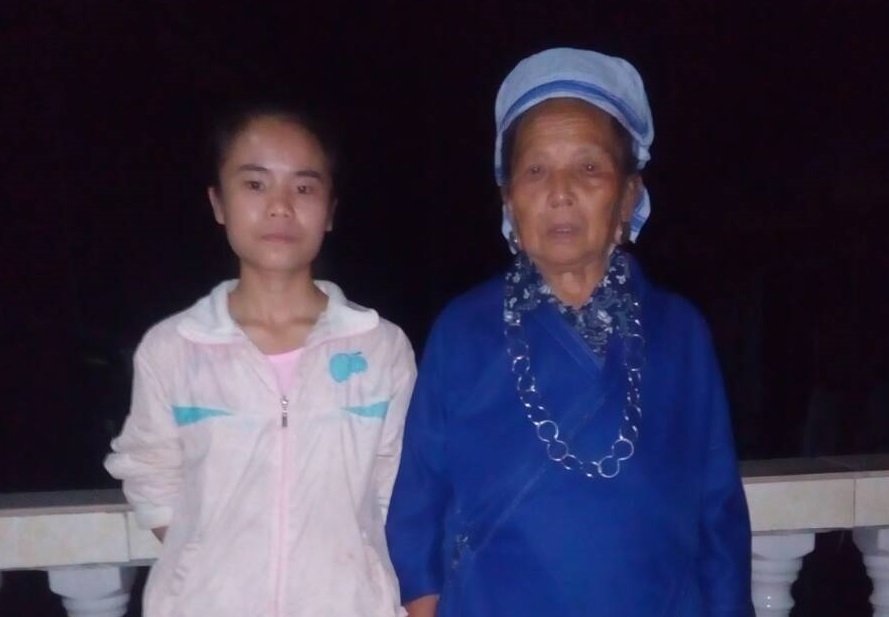
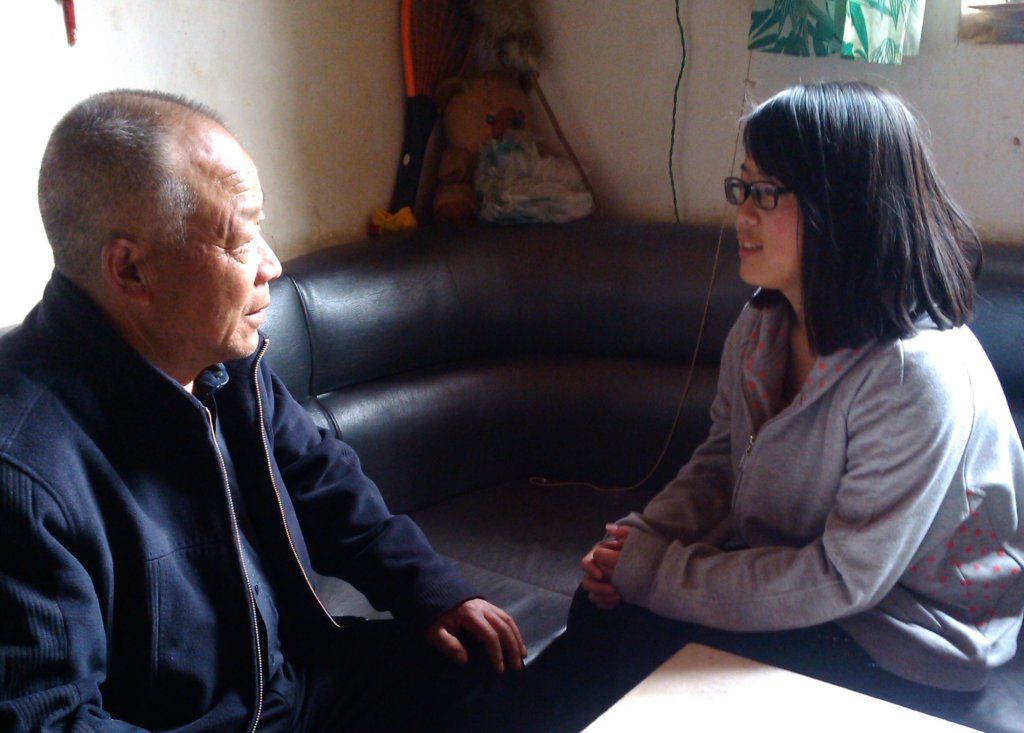
During October 12-14, we plan to hold a workshop on the theme "Understanding-centered Curriculum Design of Local Culture Oral History" at one Project School in Guilin, Guangxi Province. About 45 teachers and 4 students from around 20 secondary school oral history teams, including the Footprint project, will discuss, together with tutors/facilitators and TAs, how to iterate the school-based curriculum and improve practice on the basis of the teaching practice of local culture oral history.
The existing curriculum of oral history adopted backward design——outcome-based planning and evaluation (OBPE) design. The expected outcomes are the growth of students in multiple aspects, including knowledge, understanding, skills, feelings and attitudes. By collecting the achievements and difficulties encountered by teachers and students, we found that understanding, as a high-level cognitive ability, is the key for students to integrate the knowledge and skills they have acquired, and the basis for students to establish emotional connection. But teachers are still in the rudimentary stage of backward design, are inclined to pushing students mechanically through the oral history process, ignoring the ongoing assessment of whether or not students are getting the expected understanding. As such, meaningful teaching interaction, scaffolding, and the realization of teachable moments tend to be neglected. Some projects are better than others because the teachers paid attention to the students’ understanding and optimizes the teaching practice accordingly and timely.
So the purpose of this workshop is to improve the teachers’ understanding of backward design and understanding-centered design, and to be able to deduce and adjust the design of teaching activities and evaluation activities based on understanding objectives. It also provides teachers with assistance in the design of oral history teaching activities and evaluation activities, such as oral history interview attitude and skills, background research and interview analysis, product and display, etc. So that teachers can improve the local culture oral history curriculum, customize it to improve its feasibility, as well as design derivative courses (nonfiction writing), to construct the school-based curricular system of oral history.
The backward design training will be based on the book “Understanding by Design (2nd version)” by Grant Wiggins and Jay McTighe. Teaching researcher Huihui Xia of Guangxi Institute of Education will guide workshop attendees to conduct design exercises. The training of the local culture oral history will be carried out by Dr. Wailing Wong, Project Director, Academy of Social Science, Hong Kong University. We’ve invited Yuanjiang Li, Executive Secretary General of Beijing Yongyuan Foundation, who was also the founder of National Youth History Writing Competition, to help improve students’ ability of non-fiction writing to help them produce quality derivative products of oral history.
Note: The Footsteps program was renamed to Footprint program starting from September, 2018 which more appropriately conveys the meaning of our forefathers’ memory.
Project reports on GlobalGiving are posted directly to globalgiving.org by Project Leaders as they are completed, generally every 3-4 months. To protect the integrity of these documents, GlobalGiving does not alter them; therefore you may find some language or formatting issues.
If you donate to this project or have donated to this project, you can receive an email when this project posts a report. You can also subscribe for reports without donating.