By Mohsin Arif | Project Leader
Restoring Smiles: Cleft Care for Children in Pakistan
Project Summary
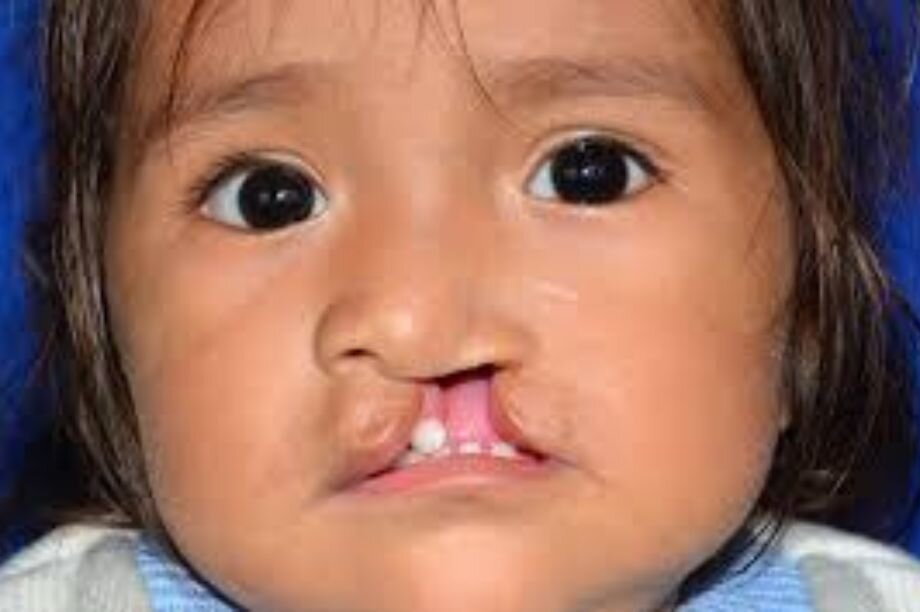
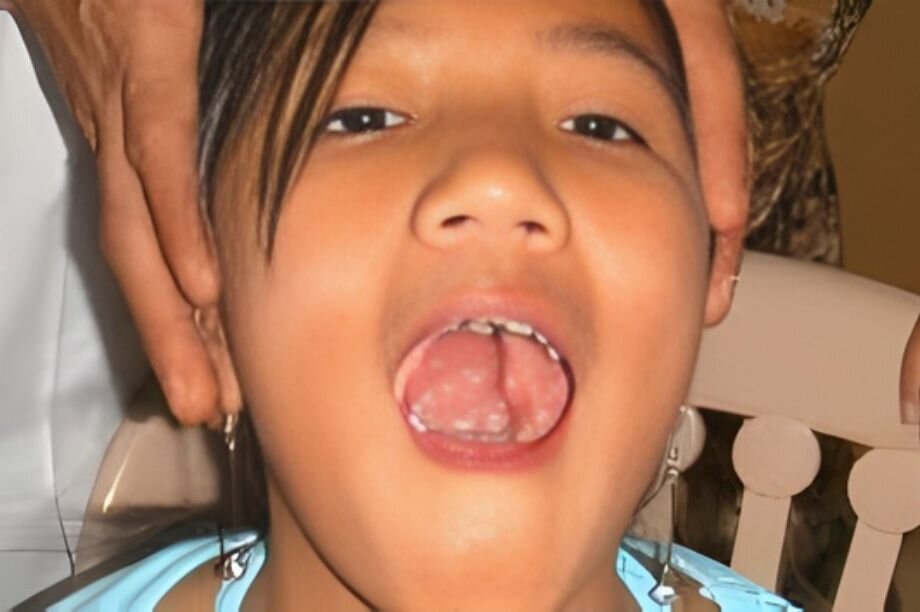
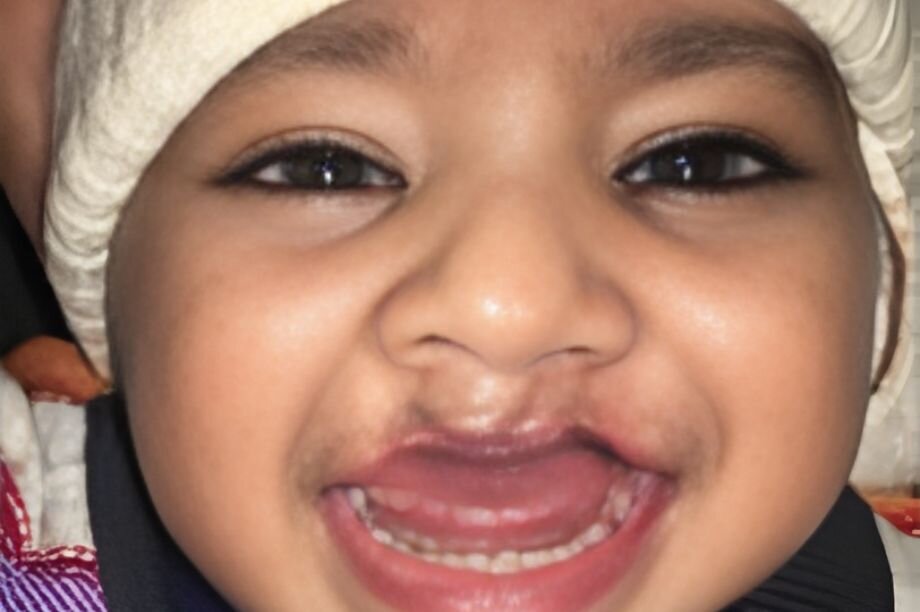
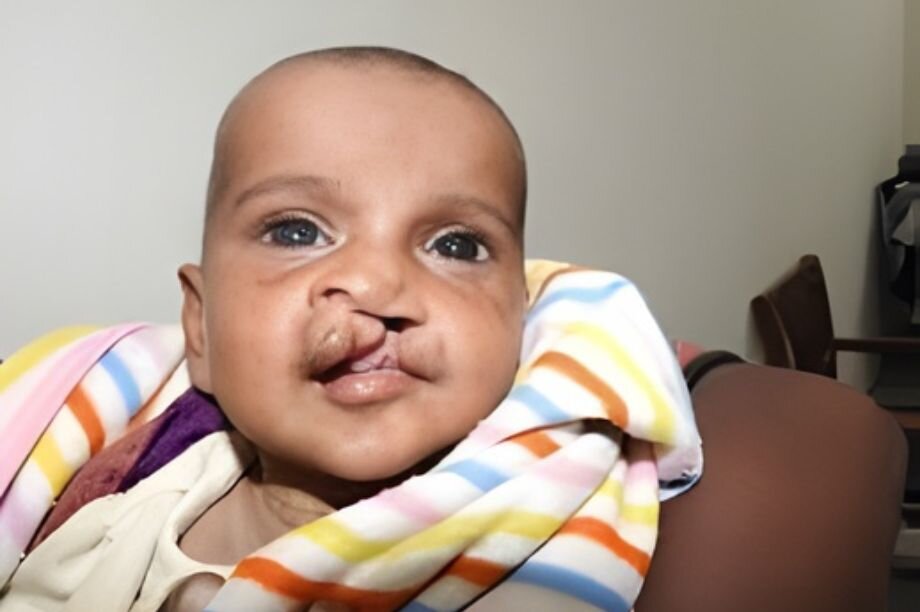
Cleft lip and cleft palate are among the most common congenital conditions affecting children, and without timely treatment, they can create significant challenges with feeding, nutrition, speech, oral health, education, and social participation. For families living with limited financial resources or inadequate access to specialized medical services, the cost of treatment can place essential care beyond reach.
Restoring Smiles: Cleft Care for Children in Pakistan aims to increase access to safe, appropriate, and compassionate cleft care for children who cannot afford treatment. The project supports children through surgical treatment and essential follow-up care, while helping families understand the treatment process and the importance of continued medical support.
The goal is not simply to provide an operation, but to support a child's longer-term health, development, confidence, and ability to participate fully in family, school, and community life.
The Challenge
Children born with cleft lip or cleft palate may experience difficulties that extend beyond the physical condition itself. Depending on the child's needs, untreated or inadequately treated clefts can affect feeding, nutrition, speech development, dental health, and overall wellbeing.
Families in low-income and underserved communities may face multiple barriers to treatment, including:
For vulnerable families, these barriers can result in children waiting years for appropriate care.
Our Solution
Moses Welfare Foundation seeks to connect children from financially vulnerable families with access to appropriate cleft treatment and related support.
The project will focus on a patient-centered pathway that may include:
1. Identification and Outreach
Working with communities and local networks to identify children who may require cleft-related treatment and connect families with appropriate medical services.
2. Medical Assessment
Children will undergo appropriate medical assessment to determine their treatment needs and suitability for surgery.
3. Surgical Treatment
Eligible children will receive cleft lip and/or cleft palate surgery through qualified medical professionals and appropriate healthcare facilities.
4. Post-Operative Care
Children and caregivers will receive guidance and follow-up support after surgery to promote safe recovery and identify any additional healthcare needs.
5. Rehabilitation and Follow-Up
Where clinically required and available, children may be referred for speech therapy, dental care, nutritional support, or additional specialist services.
6. Family Education and Support
Parents and caregivers will receive information about recovery, nutrition, hygiene, follow-up appointments, and the importance of completing the child's treatment pathway.
Who We Aim to Reach
The project prioritizes children from low-income and underserved families who face financial or practical barriers to accessing cleft care.
Particular attention will be given to children whose families cannot reasonably afford the required treatment and who have limited access to appropriate medical services.
The project aims to reach children regardless of religious, ethnic, or social background, based on need and available medical eligibility.
Expected Outcomes
The project aims to achieve measurable improvements in children's access to essential cleft care.
Expected outcomes include:
The project recognizes that surgery is one part of a longer treatment journey. Some children may require additional procedures, speech therapy, dental treatment, nutritional support, or specialist follow-up.
Long-Term Impact
The long-term objective is to help children affected by cleft conditions achieve better health and greater opportunities for development and participation.
Successful treatment can address important physical challenges while also helping children participate more confidently in education, family life, and their communities.
For families living in poverty, removing the financial barrier to treatment can prevent a child's medical condition from becoming a long-term source of exclusion or hardship.
Over time, the project will also seek to strengthen community awareness, improve early identification, encourage timely referral, and build relationships with qualified healthcare professionals and medical institutions.
This approach can contribute to a more sustainable pathway to cleft care for vulnerable children in Pakistan.
Project Approach
The project will emphasize:
Medical Safety: Treatment will be undertaken through appropriately qualified healthcare professionals and suitable medical facilities.
Child Protection: Children's safety, dignity, privacy, and wellbeing will remain central throughout the process.
Family-Centered Care: Parents and caregivers will be included in treatment planning and post-operative guidance.
Continuity of Care: Where required, children will be encouraged and supported to access follow-up and rehabilitation services.
Equity: Priority will be given to children facing financial and access barriers to essential treatment.
Accountability: Project activities, beneficiaries, expenditures, and outcomes will be documented to support responsible reporting to donors and partners.
Measuring Progress
Project progress will be monitored through indicators such as:
Where appropriate and with informed consent, anonymized case information, photographs, and beneficiary stories may be used to document the project's impact while protecting children's privacy and dignity.
Why This Project Matters
For a child living with an untreated cleft condition, access to appropriate medical care can represent far more than a surgical procedure.
It can mean being able to eat more safely, communicate more effectively, participate in school, interact with other children, and approach the future with greater confidence.
For families who cannot afford specialized treatment, financial support can remove a barrier that might otherwise leave a child waiting without appropriate care.
Restoring Smiles: Cleft Care for Children in Pakistan is therefore designed as an investment in children's health, dignity, development, and future opportunities.
Funding Goal
Total Project Goal: $250,000
The funding will support eligible project costs associated with identifying beneficiaries, medical assessment, cleft surgery, post-operative care, referrals, rehabilitation support where available, family education, outreach, monitoring, documentation, and responsible project administration.
The project will seek to maximize the proportion of funding reaching direct patient care while maintaining appropriate safeguarding, financial controls, documentation, and accountability.
Long-Term Vision
The long-term vision is a Pakistan where children born with cleft conditions are not prevented from reaching their potential because their families cannot afford treatment.
By expanding access to timely care, strengthening referral networks, supporting families, and increasing community awareness, the project aims to contribute to a future in which more children can grow, learn, communicate, and participate in their communities with improved health and dignity.
By Mohsin Arif | Project Leader
Project reports on GlobalGiving are posted directly to globalgiving.org by Project Leaders as they are completed, generally every 3-4 months. To protect the integrity of these documents, GlobalGiving does not alter them; therefore you may find some language or formatting issues.
If you donate to this project or have donated to this project, you can receive an email when this project posts a report. You can also subscribe for reports without donating.



Support this important cause by creating a personalized fundraising page.
Start a Fundraiser