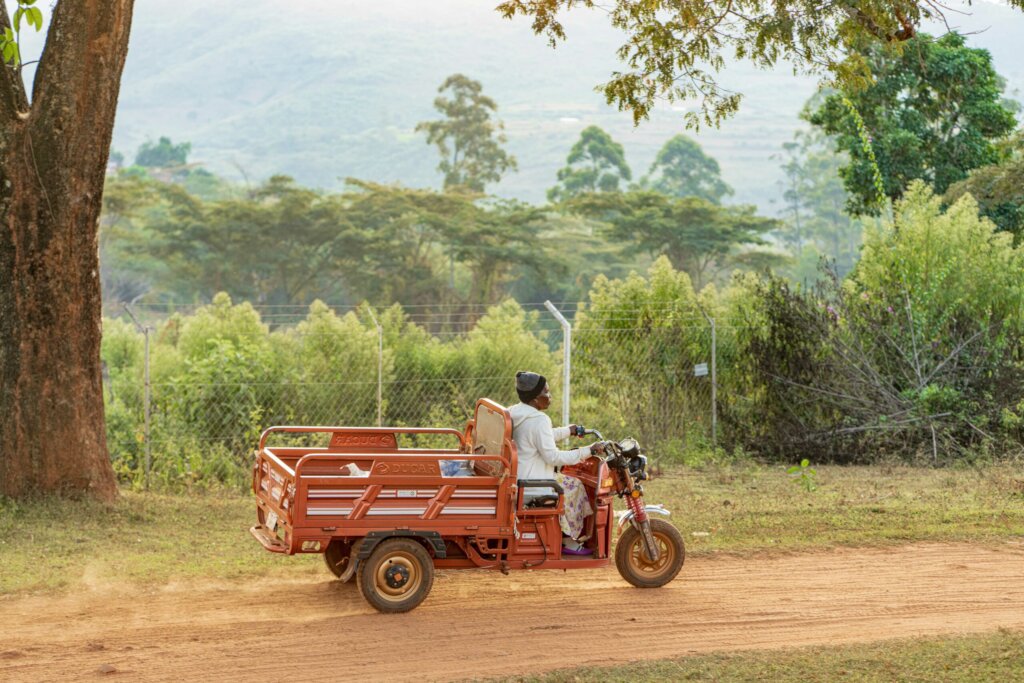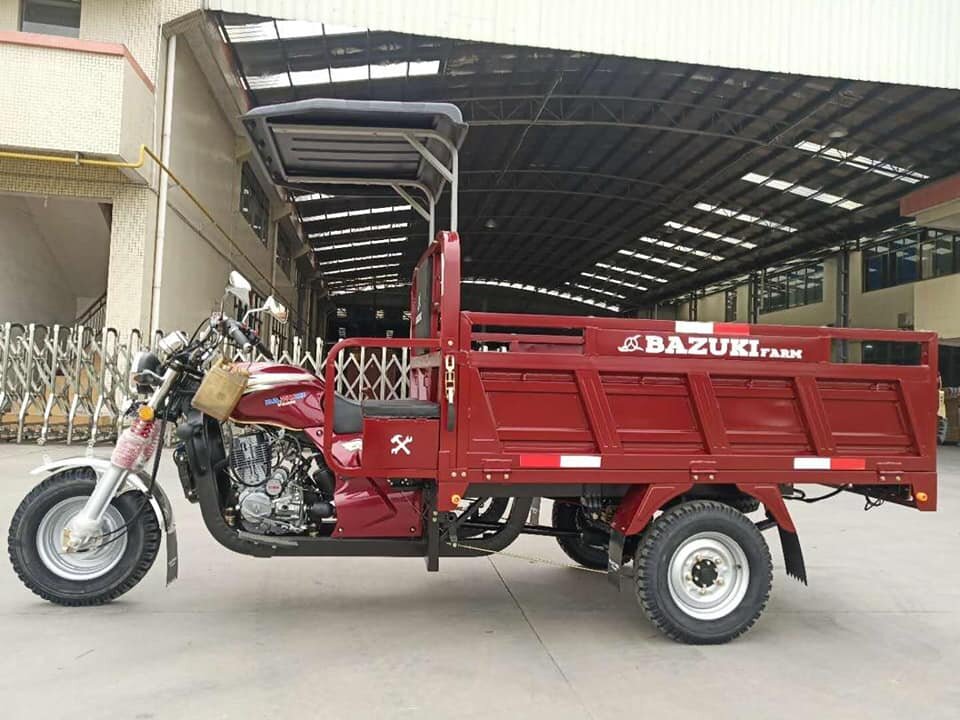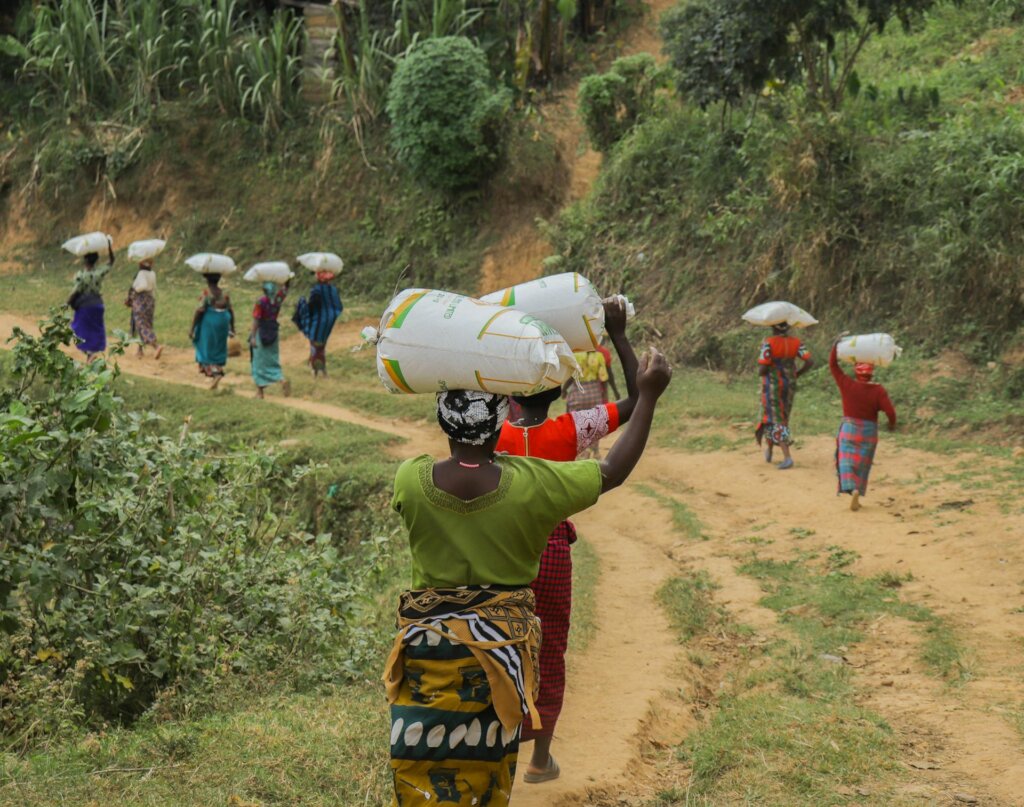
Many women farmers in Nigeria face daily challenges transporting farm produce due to poor roads and lack of vehicles. This project by Equitable Medicaid and Clinical Research will provide tricycles to help women move themselves and their goods from home to farm and from farm to market. With reliable transport, they can reduce post-harvest losses, reach markets faster, and earn more income to support their families and improve rural livelihoods.
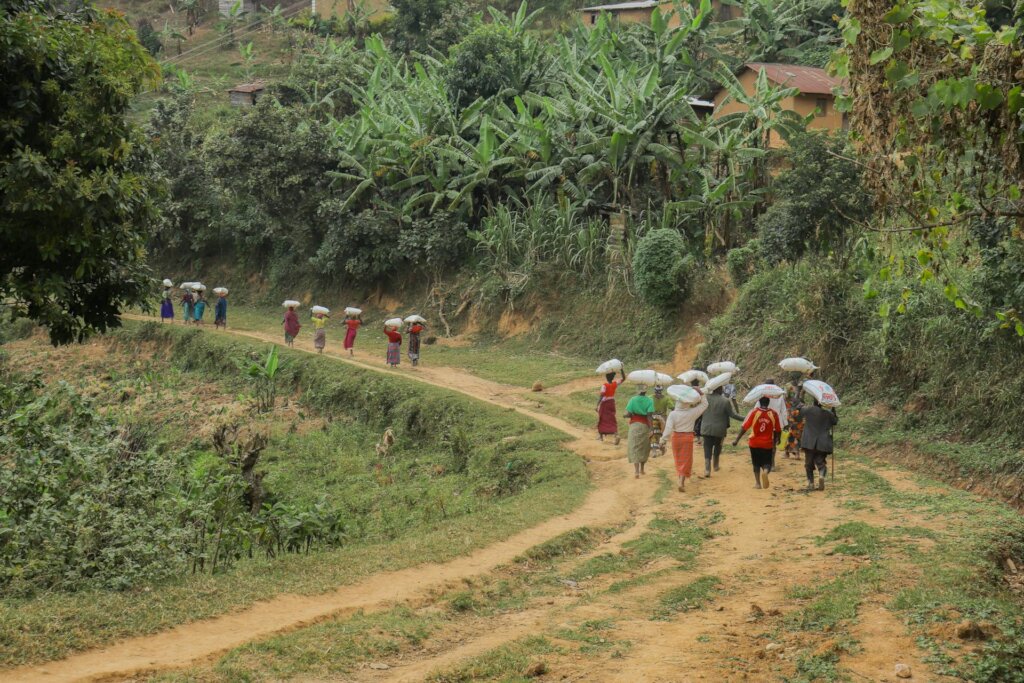
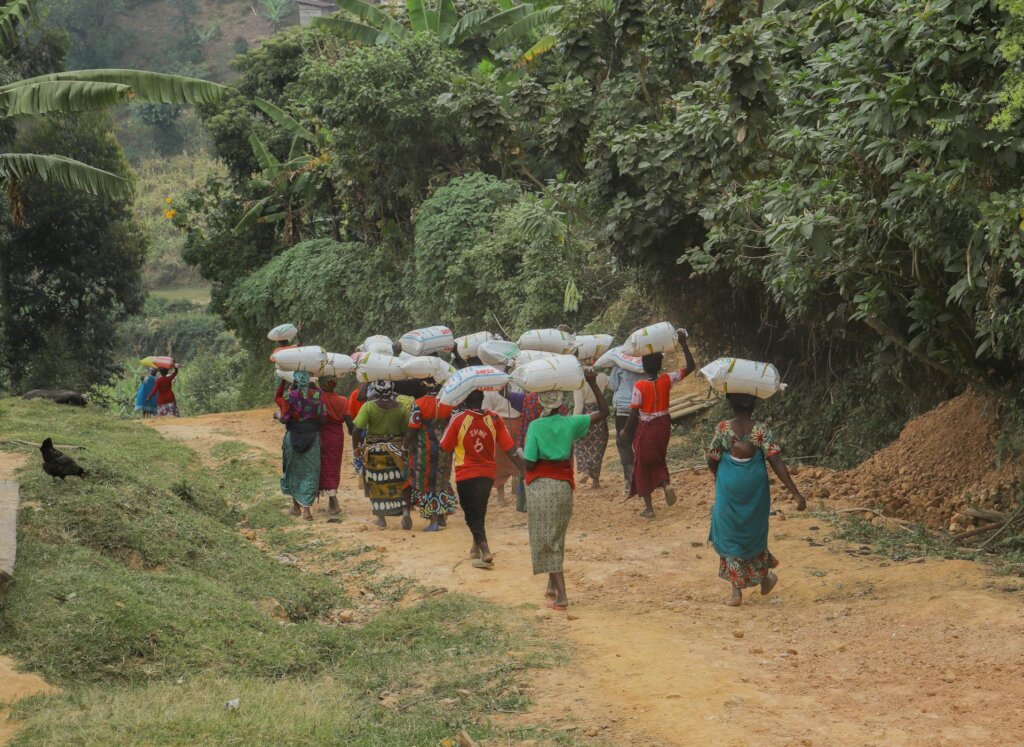
In rural Nigeria, women farmers walk long distances to farms and markets carrying heavy loads of produce. Many crops spoil before reaching buyers due to lack of transport. Bad roads and limited vehicles increase losses and reduce profits. Without affordable transport options, women struggle to grow their businesses or access better markets, leaving them trapped in poverty despite their hard work and contribution to local food supply.
This project will provide tricycles to women farmers' cooperatives for easy movement of people and goods. The tricycles will help them transport crops quickly from farms to local and urban markets, reducing waste and saving time. The project will also train women on safe riding, maintenance, and group management. With better transport access, farmers can sell more produce, improve income, and expand their agricultural activities.
Reliable transport will help women farmers move crops efficiently, reduce losses, and boost income. Over time, communities will see stronger food markets and less wastage. The project will encourage women's participation in commercial farming and improve their financial stability. Shared ownership of tricycles will promote cooperation among farmers and create sustainable transport systems that continue benefiting rural women beyond the project period.



Support this important cause by creating a personalized fundraising page.
Start a Fundraiser