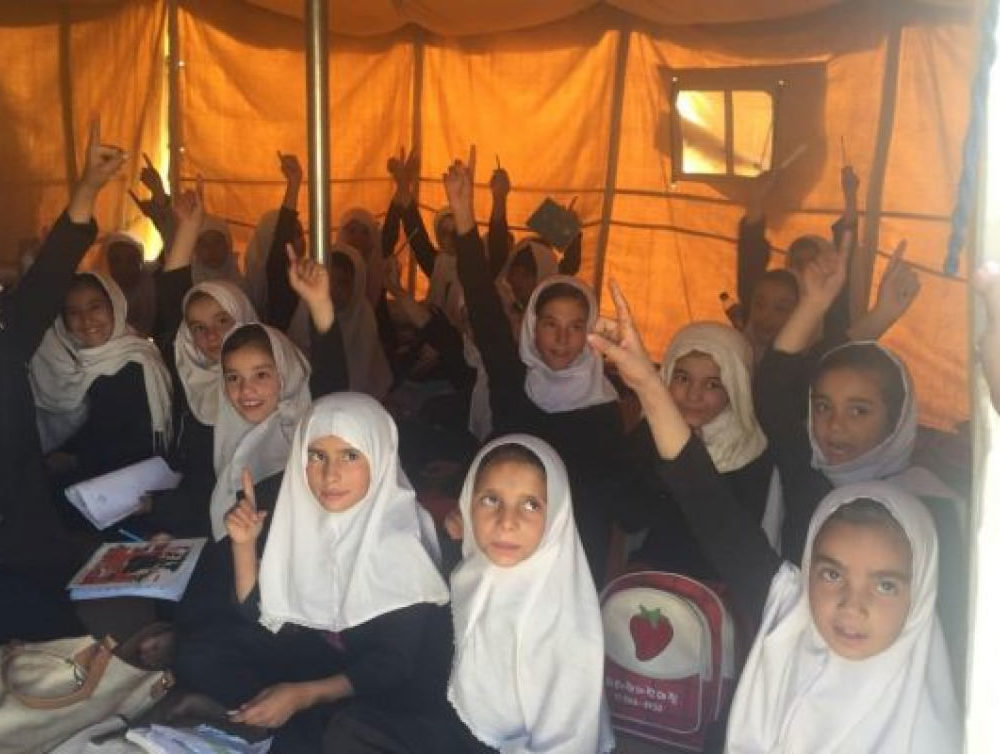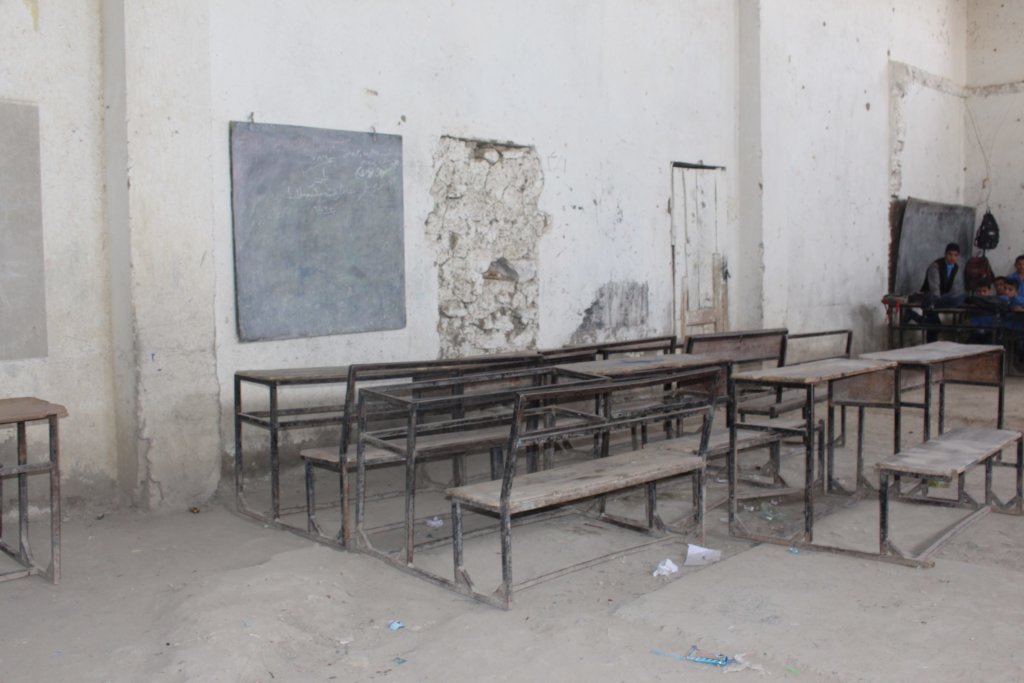
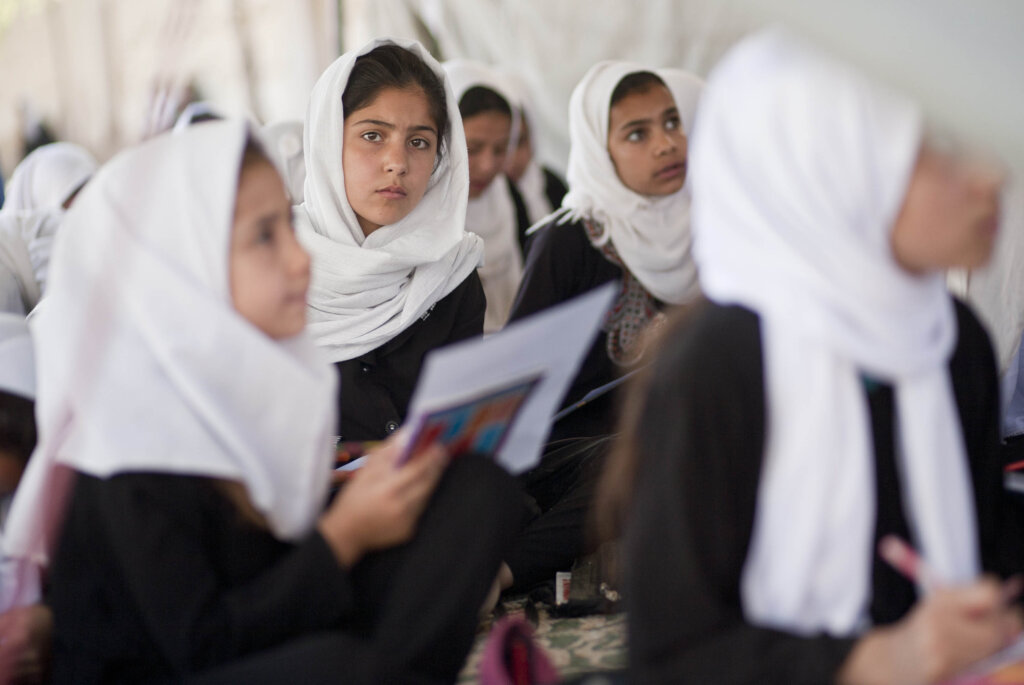
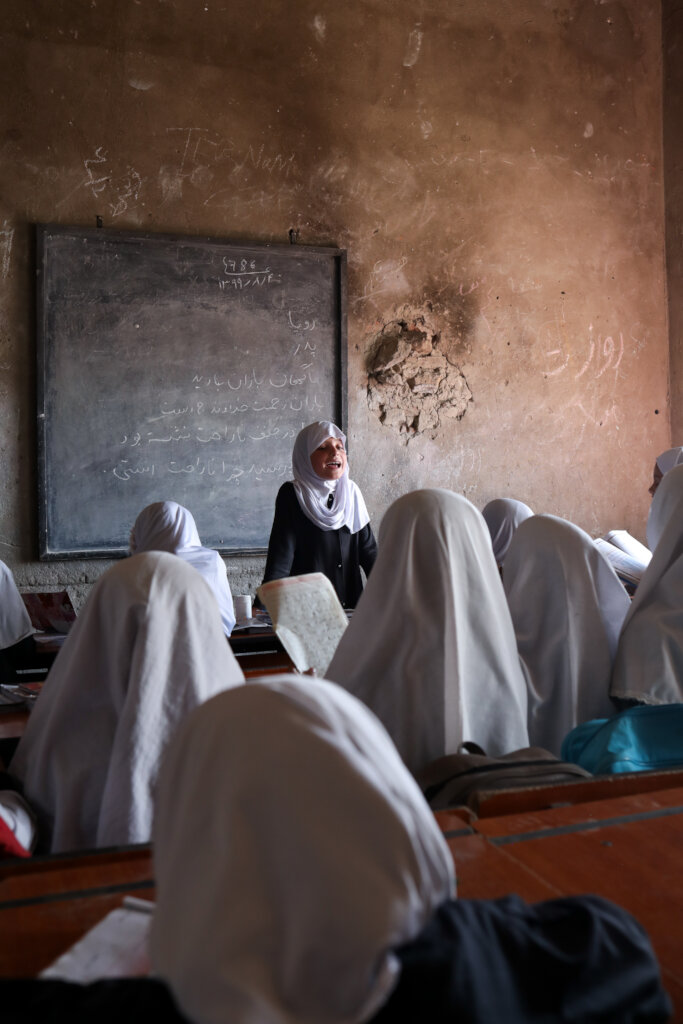
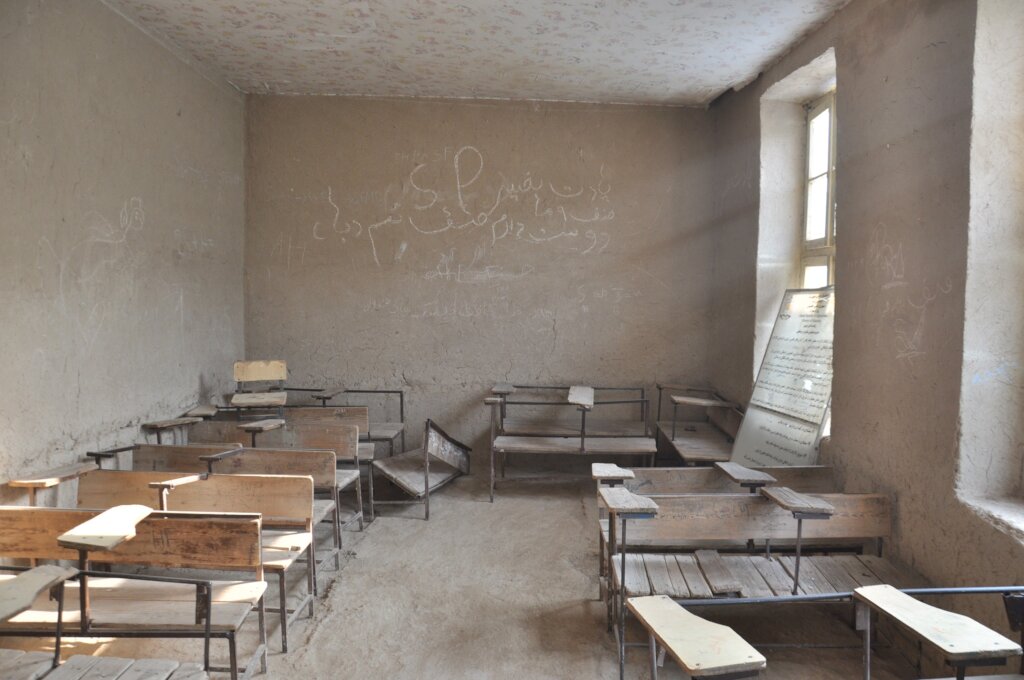

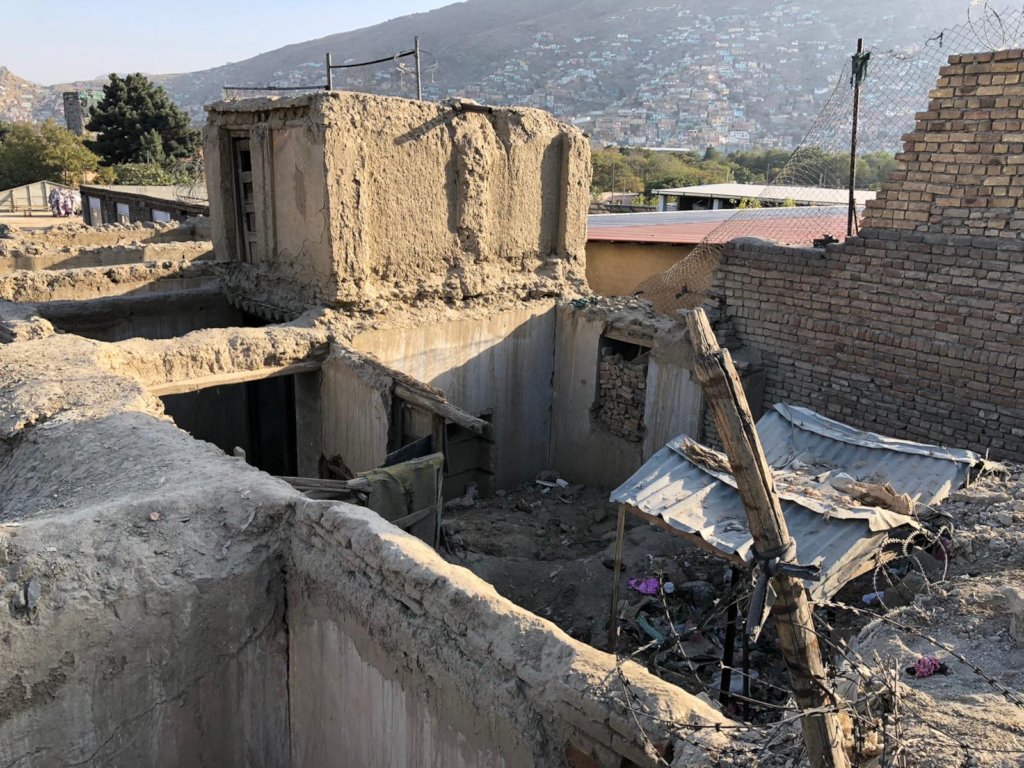


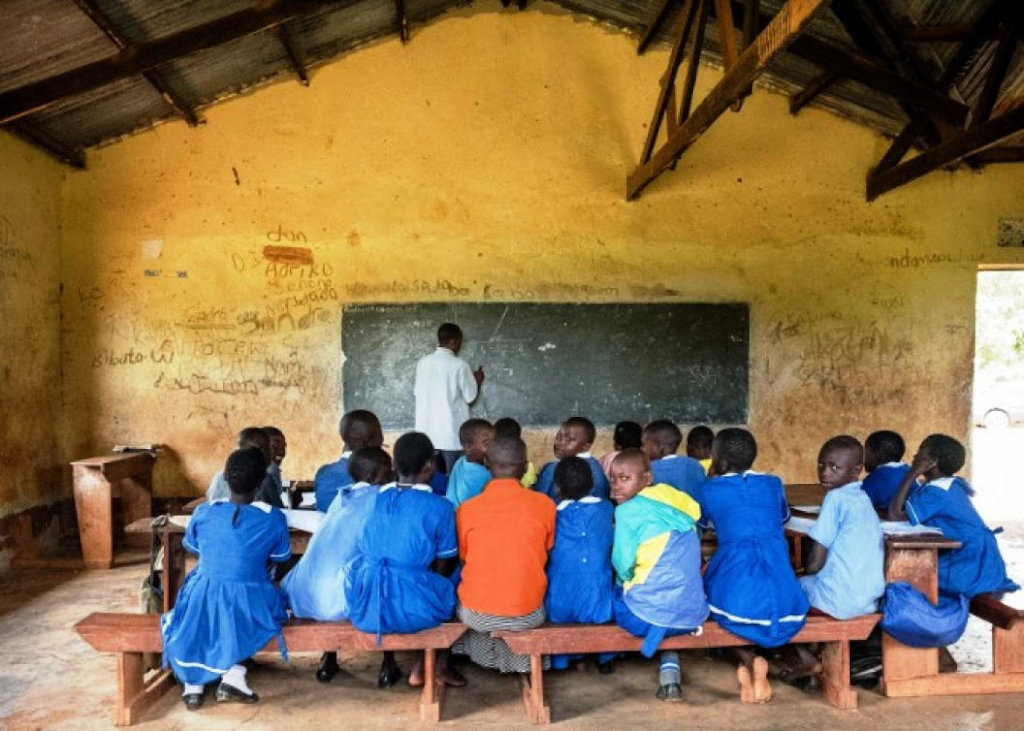
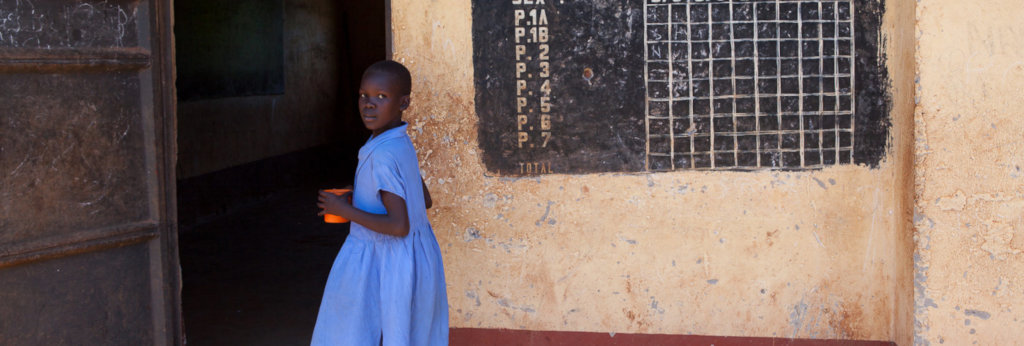
The baseline assessment was a quick process. Two buildings had severe defects, which was a danger for the students and teachers. In addition, the lack of classrooms led to situations where students were taught outside despite intolerable temperatures: in summer around 40 degrees Celsius and in fall (around 2 degrees Celsius). There weren’t enough latrines (5 stalls in total), and the existing latrines were in urgent need of renovation. Additionally, a lack of access to drinking water disturbed the students’ everyday school life and their success in the classroom, since they had to go thirsty the whole day during the summer.
We began by completing the construction of five classrooms and supplying them with the necessary school equipment. This project was finished successfully in the beginning of 2016 and cost about €4,000.
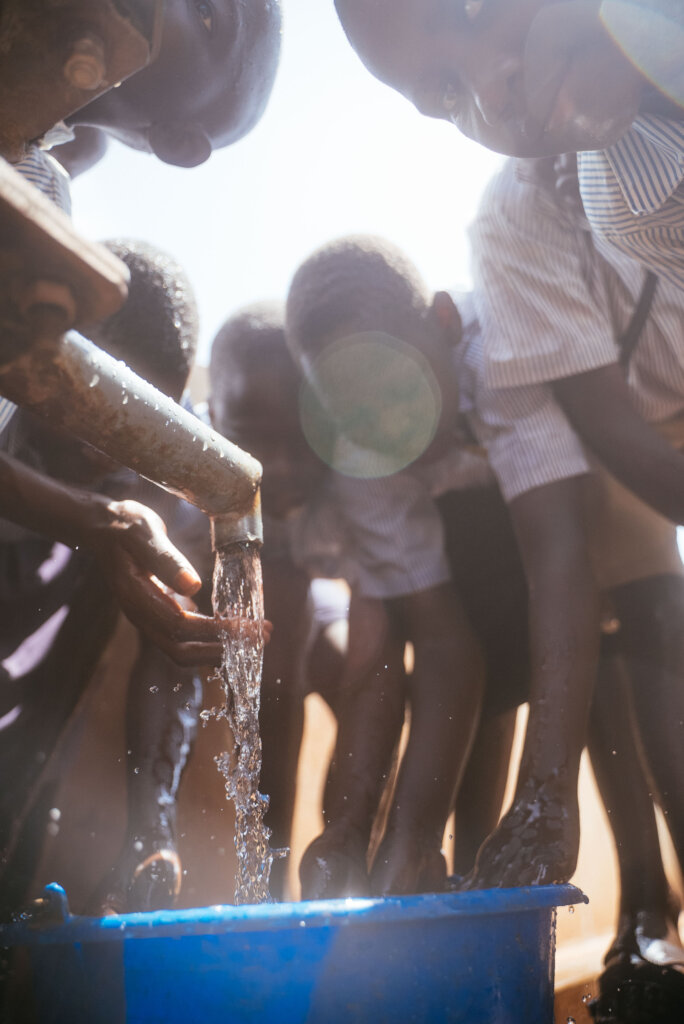
After carefully planning, researching and preparing the next steps we built eight accessible and gender-separate sanitary facilities including hand-washing facilities and access to clean water. This project cost around €23,771, of which 75% was subsidized by public funds of the German Federal Ministry of Economic Cooperation and Development (BMZ). Through the optimization of the hygienic conditions at the school, the health status of the students and their education opportunities were dramatically improved.
In 2017, we provided 15 water/ weatherproof tents to provisionally counteract the acute shortage of space. This small measure was enough to increase the number of students who regularly attended classes. Of course, these tents were only a temporary solution, which is why we tackled the expansion of the school in several stages.
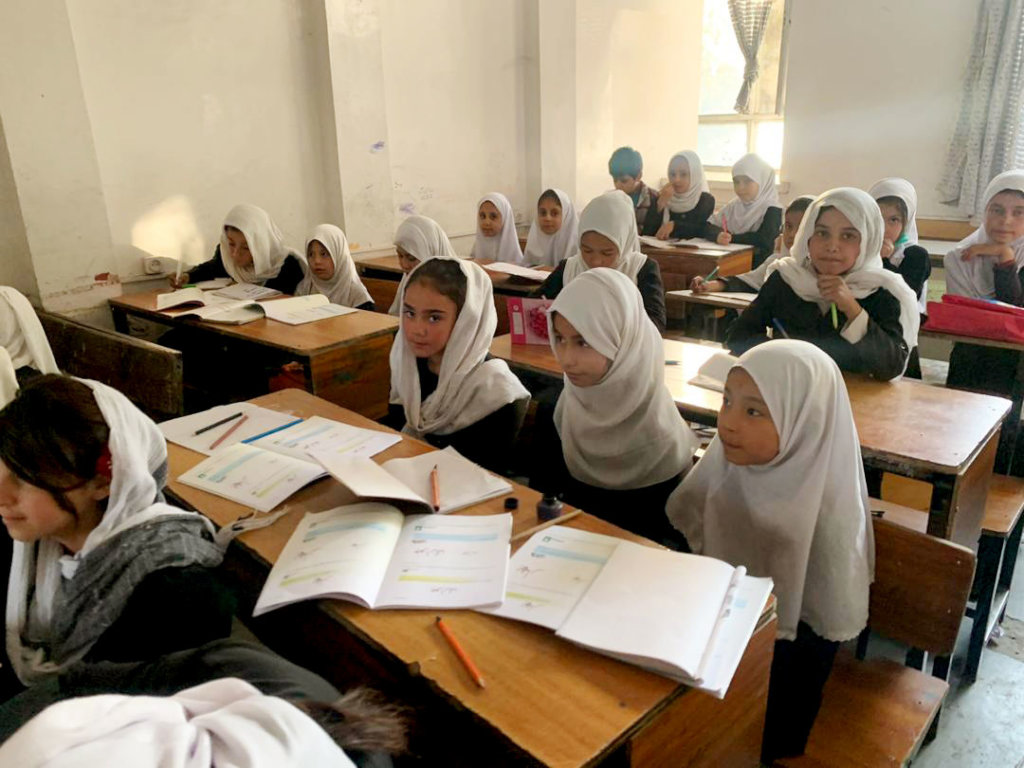
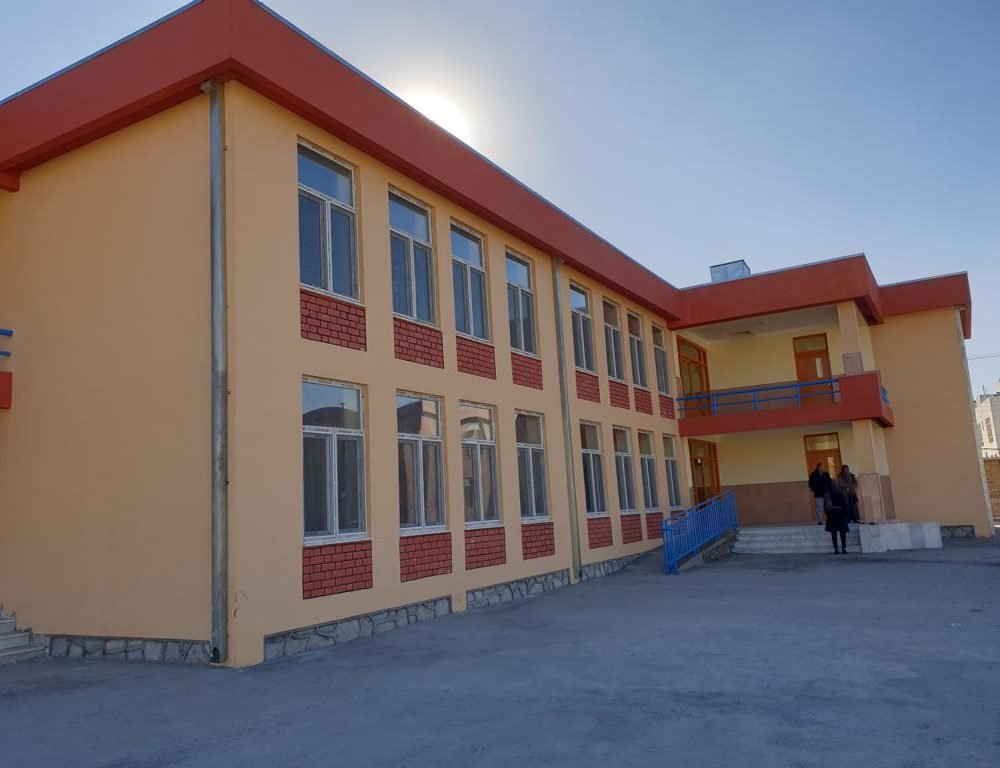
From 2018 on, the construction of eight new classrooms helped to improve the quality of lessons. In addition to the classrooms, also a science laboratory was built and teachers were trained in natural science workshops. These projects were finished successfully in 2019, and since then, science subjects have been taught at the school. The costs of this phase amounted to almost €185,000, of which 85% was financed by the BMZ through public funds.
Since the lack of sufficient space was still a problem, we started the construction of another building in August 2019. This time, the building will consist of 12 fully-equipped classrooms and four teachers’ rooms. The latter were built with the intention to enable the teachers to prepare and rework their classes, which is meant to increase the quality of their teaching. In addition, we equipped one of the classrooms with 16 computers. Since then, computer science classes were held by professional trainers for the higher grades. The trainers will instruct the future computer science teachers over a period of 16 months to enable them to teach the classes after they leave. These classes are a mandatory part of Afghanistan’s national curriculum but weren’t able to be taught at this school due to the lack of knowledge on the part of the teachers and a lack of training material. Attending computer science classes enables the students to develop key qualifications and increase their chances in finding a good professional education program and/or continuing education after school. The total cost of this stage, including the 12 new classrooms and the implementation of the computer science classes, was €419,000. The BMZ subsidized this with €290,000.
As another project, we built a playground for the younger students at the school with financial aid from the Senate Chancellery of Hamburg. The playground provides the children with a space to romp around and relax, which aids their ability to concentrate during their lessons. This project cost around €4,000.
All projects at the Khwaja Boghra school will be finished by approximately spring 2021. In 2019, we conducted a survey for the first time of the students and teachers at the school in order to track the results and impact of our measures and derive potential modifications for future projects. The first results already showed an enormous increase in positive attitudes, hopes and learning motivations of the students thanks to improvements made to the learning environment. By the end of the project in 2021, we are planning to measure the impact of the whole project on the quality of education, attendance rate, learning success and motivation of the teachers and students by commissioning a professional external evaluation.