By Kendrik Tello | Communications intern
Dear friends,
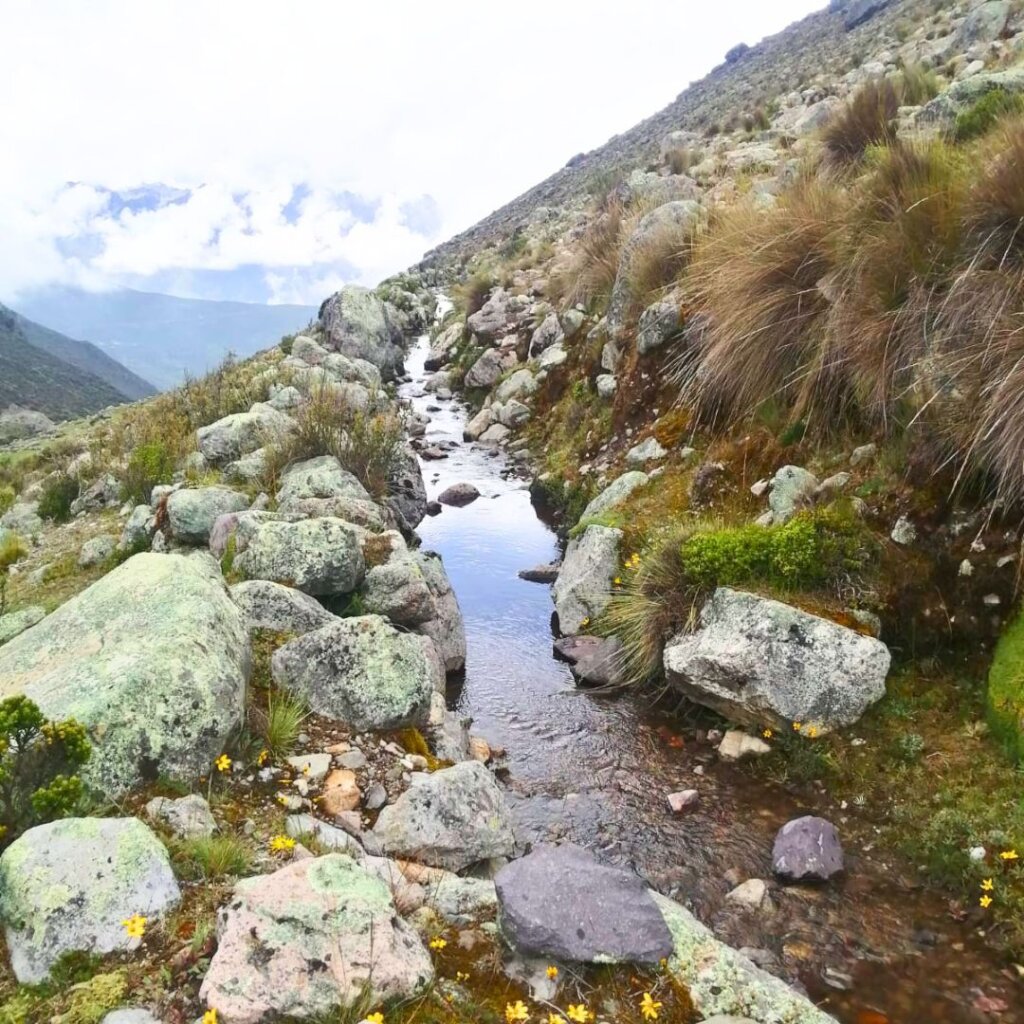
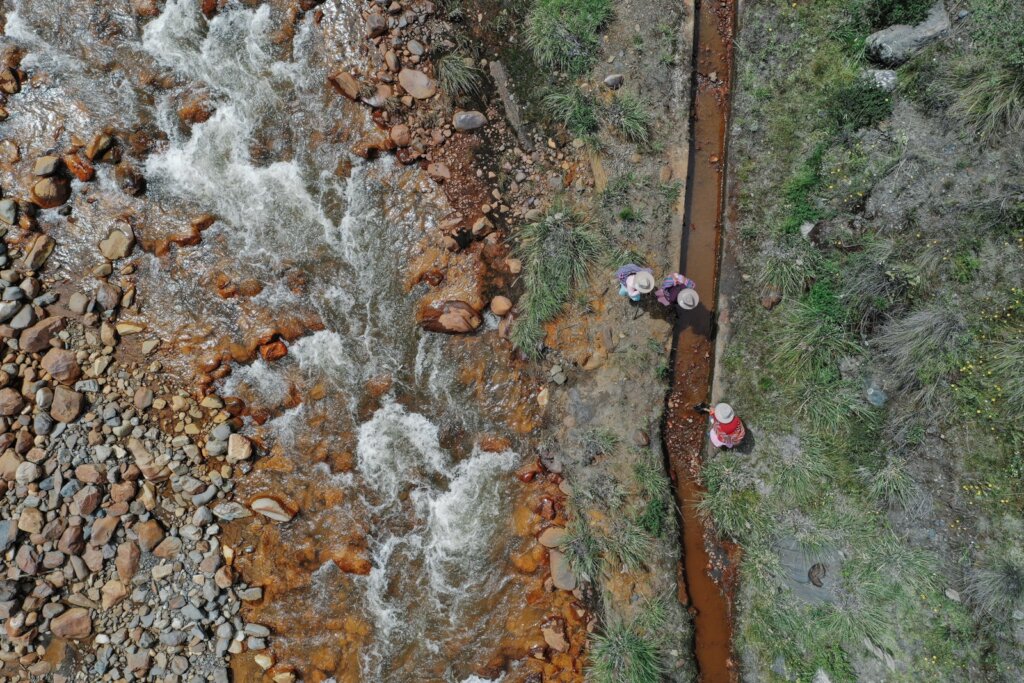
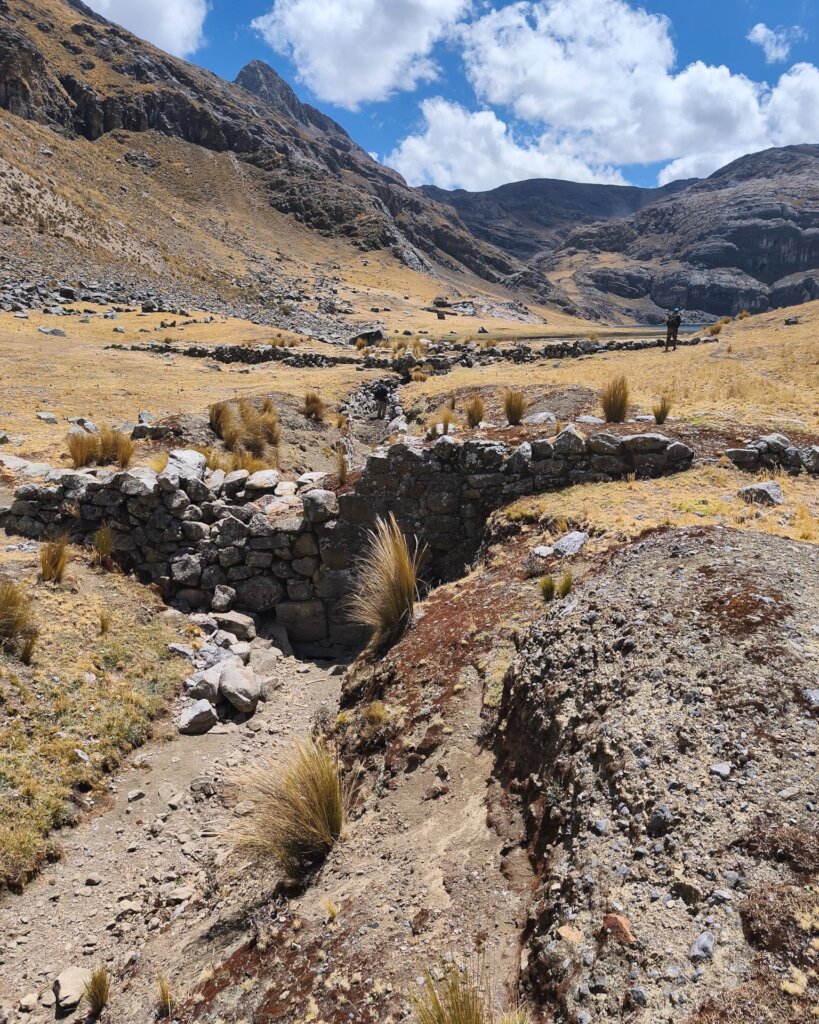
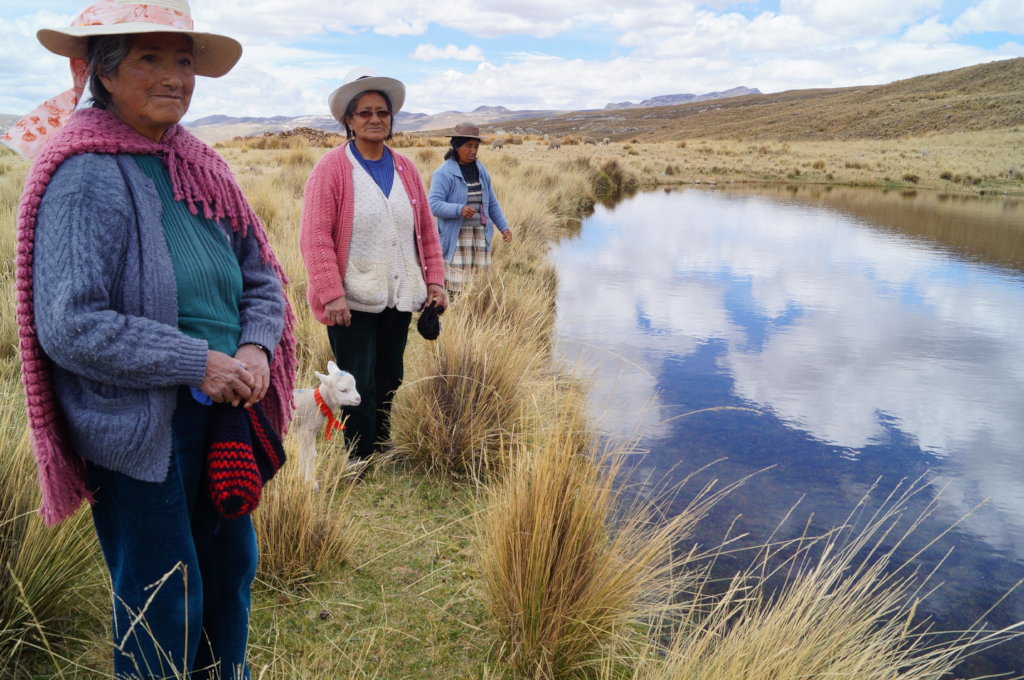
This time, we want to take you to Carania, a mountain community in the Peruvian Andes, where something that had not happened for nearly 15 years is happening again: water is flowing through sections of the ancestral Anta canal.
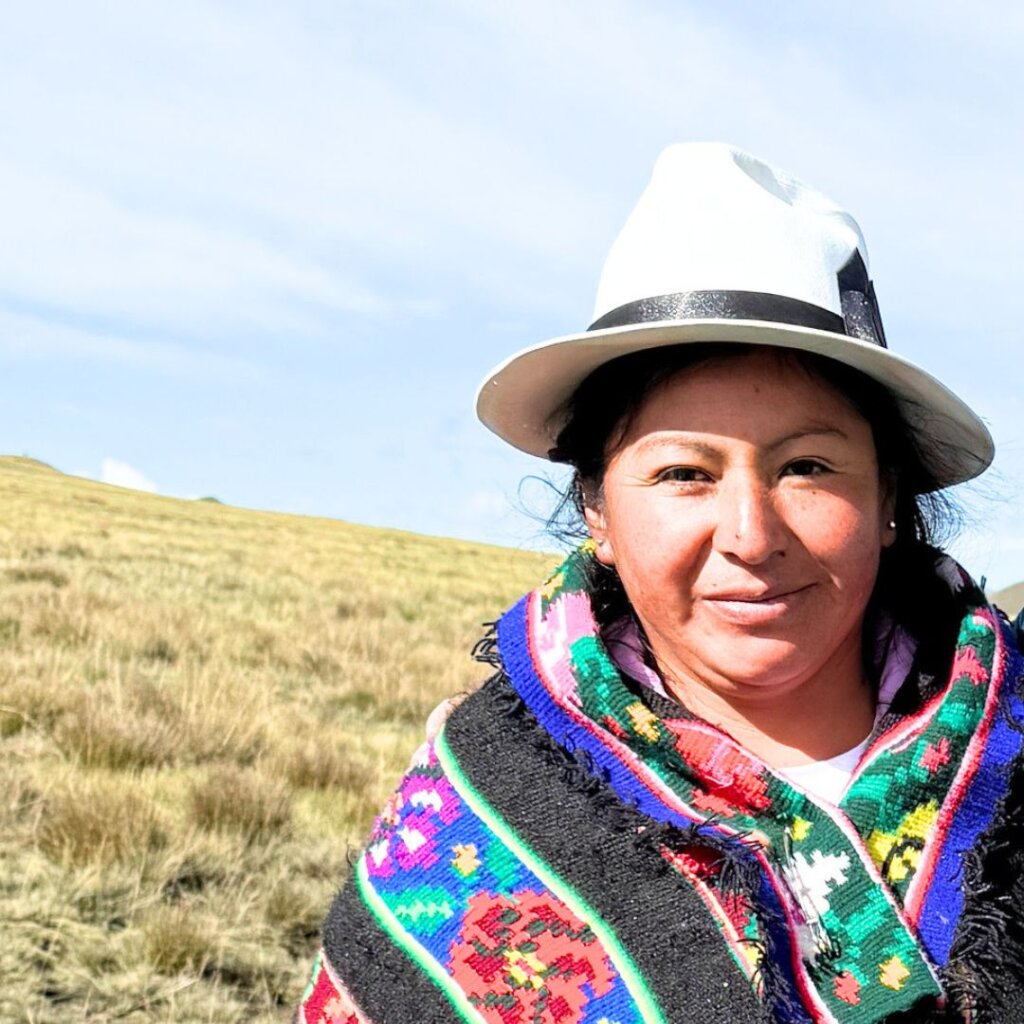
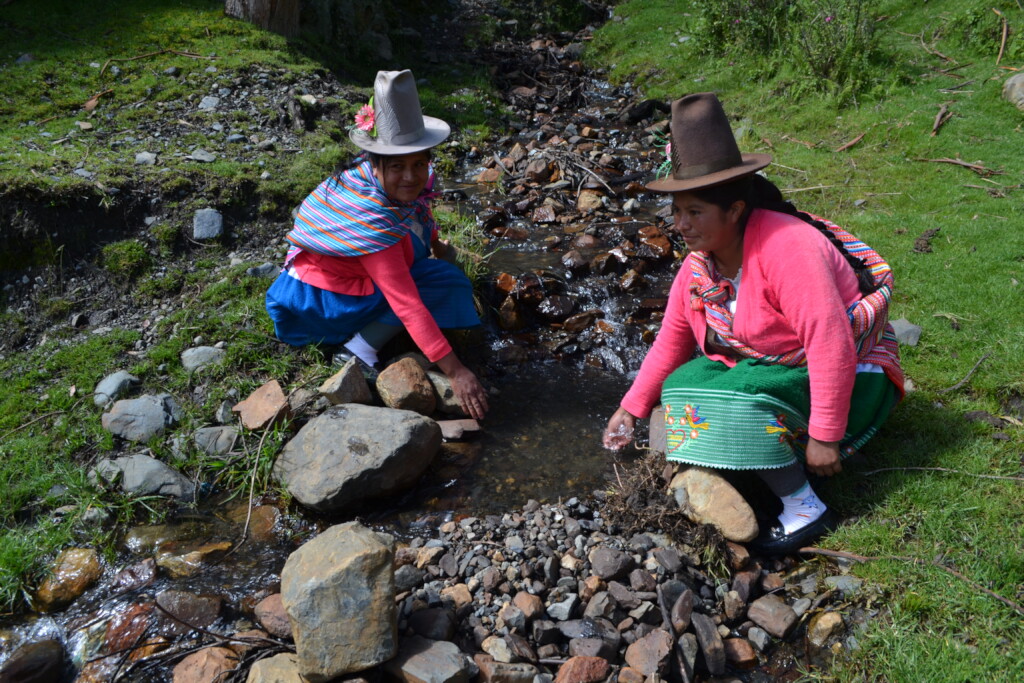
Behind this achievement are community members like Yolanda Reyes, who has been actively involved in bringing this ancestral water infrastructure back to life.
“The canal had been abandoned. For almost 15 years, no water had flowed through it. It was completely overgrown.”
— Yolanda Reyes
Bringing the water back
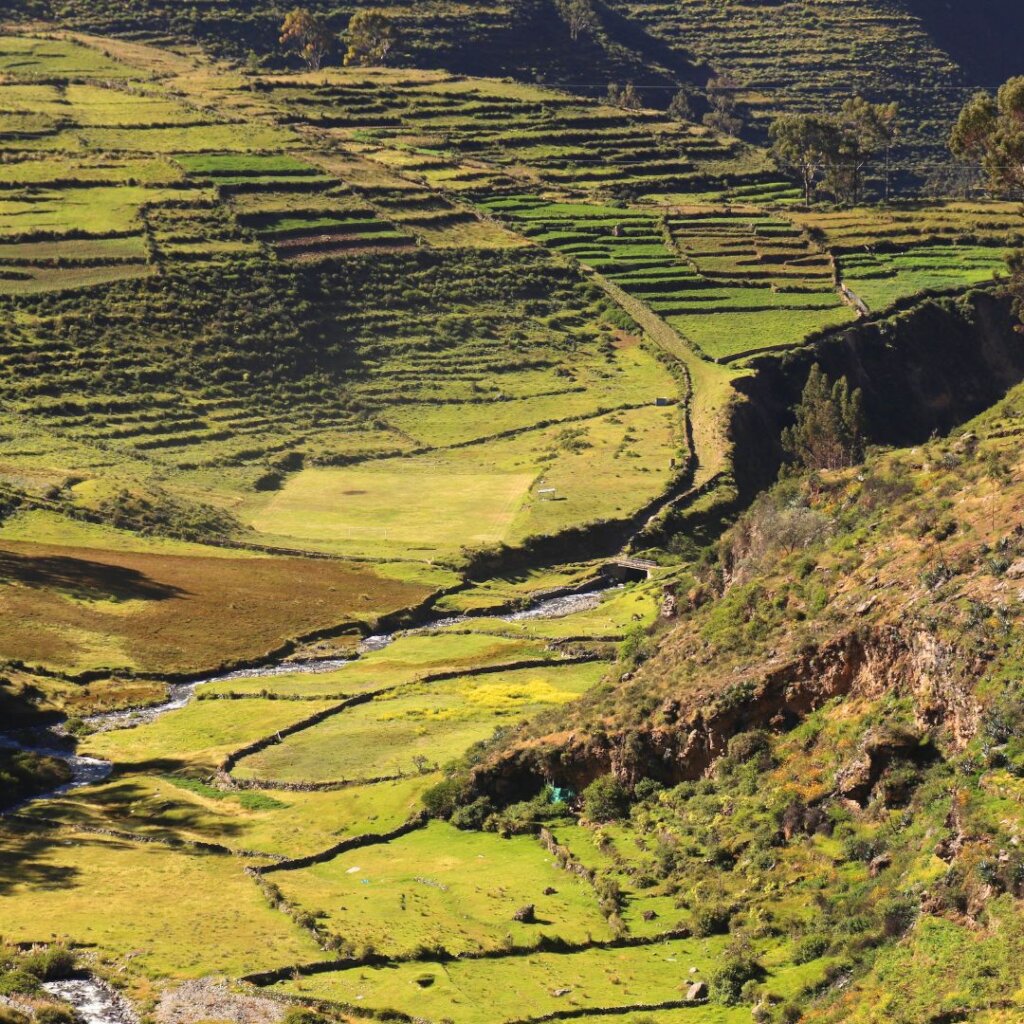
For generations, the Anta canal has been part of Carania's agricultural landscape, carrying water used to irrigate crops such as corn and potatoes that contribute to local families' food supply.
Over time, however, agricultural activity in the area declined. Crops were increasingly affected by deer, and as families gradually stopped cultivating some fields, the canal was used and maintained less and less. Eventually, water stopped flowing through it.
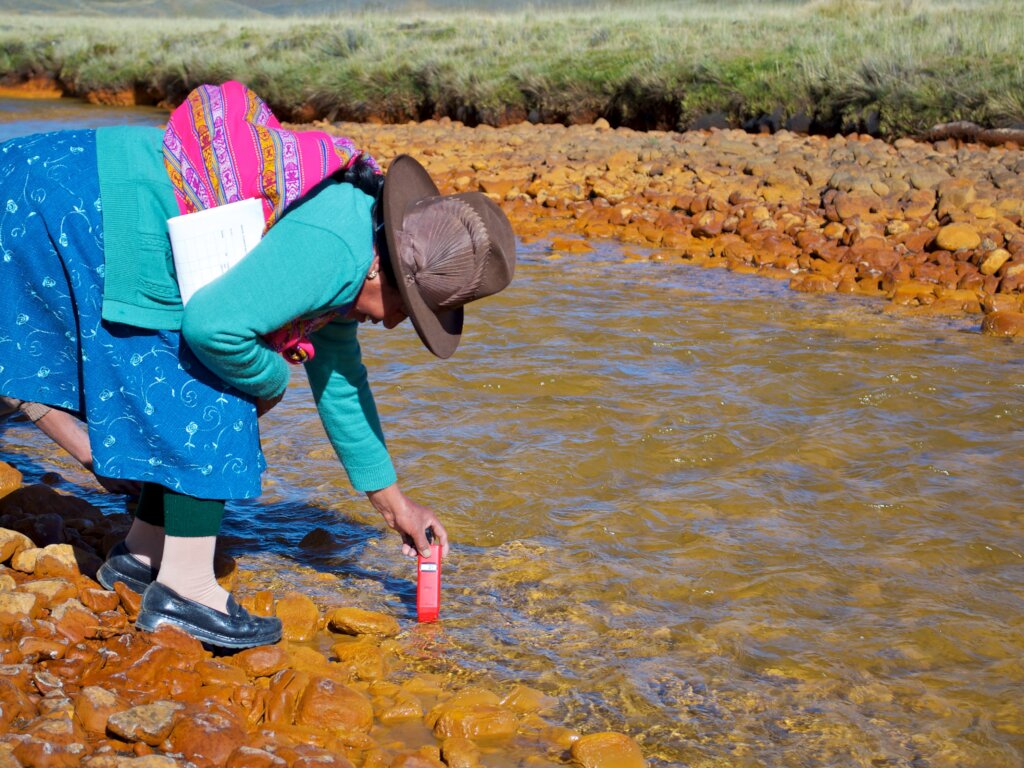
According to Yolanda, the consequences extended beyond agriculture. Water from the canal also contributed to the flow of a natural spring that supplies the town. As the system deteriorated, water circulation progressively decreased.
Recovering the canal therefore meant more than restoring irrigation infrastructure. It meant restoring an important part of Carania's water system.
A community comes together
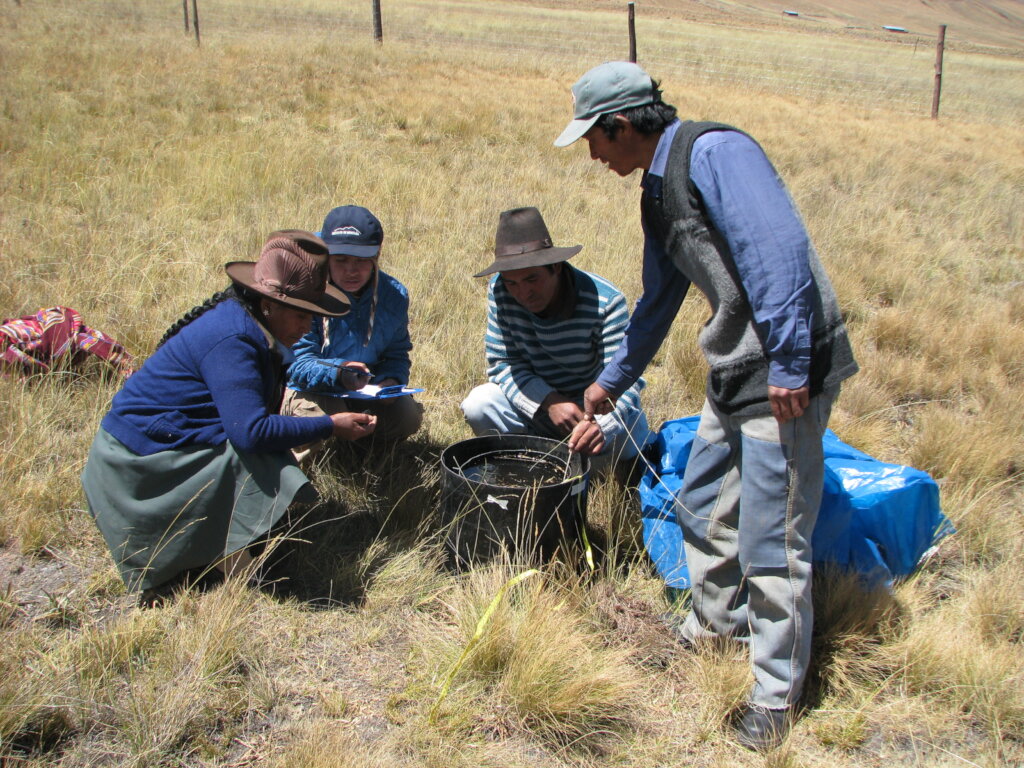
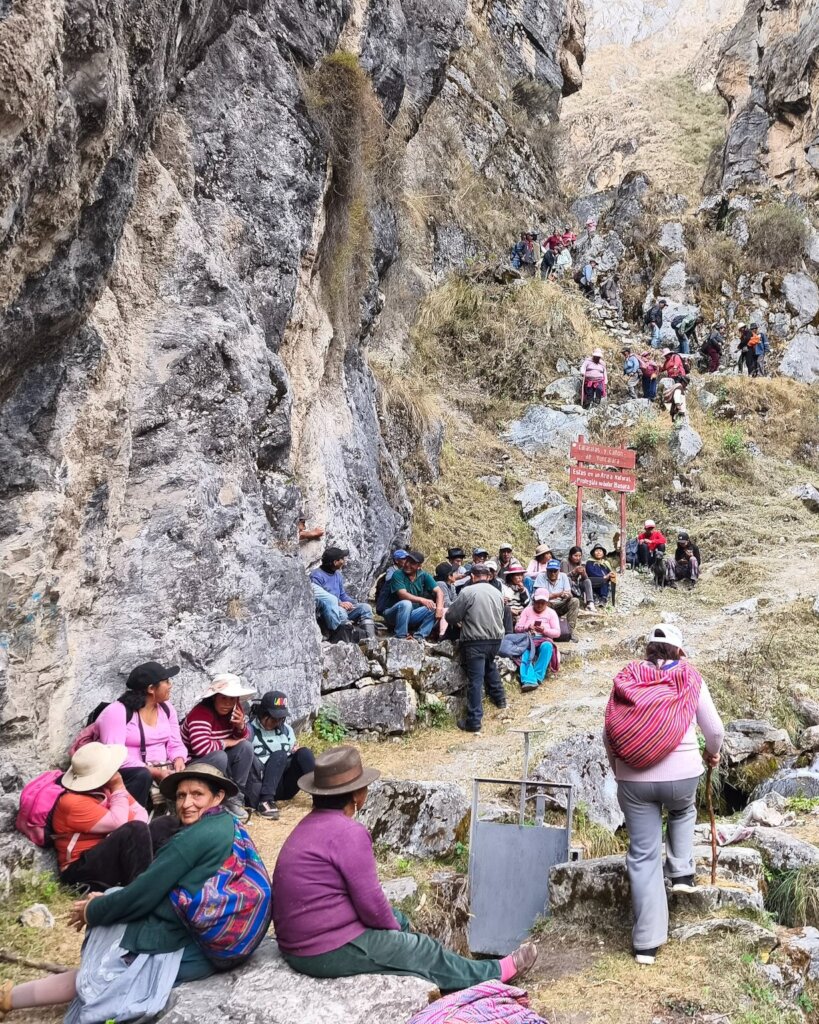
The recovery process gained momentum when the Instituto de Montaña team visited Carania and walked along the canal with community representatives to assess its condition.
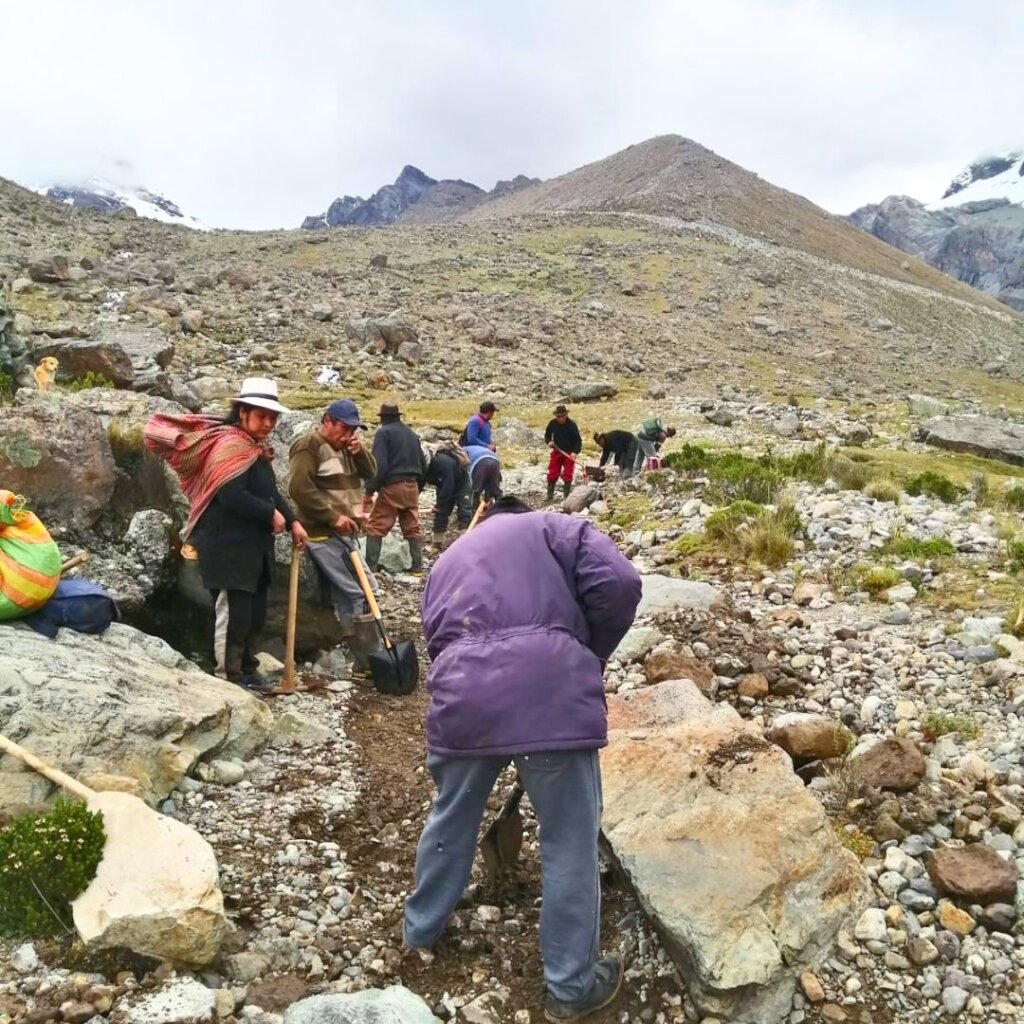
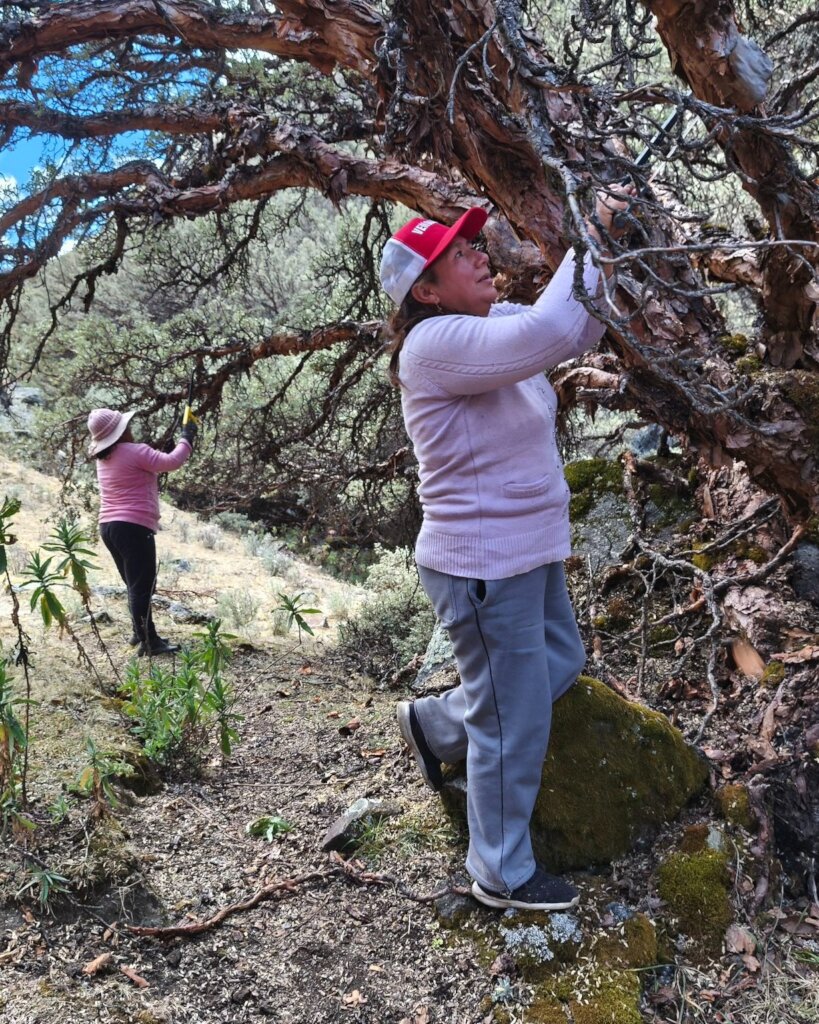
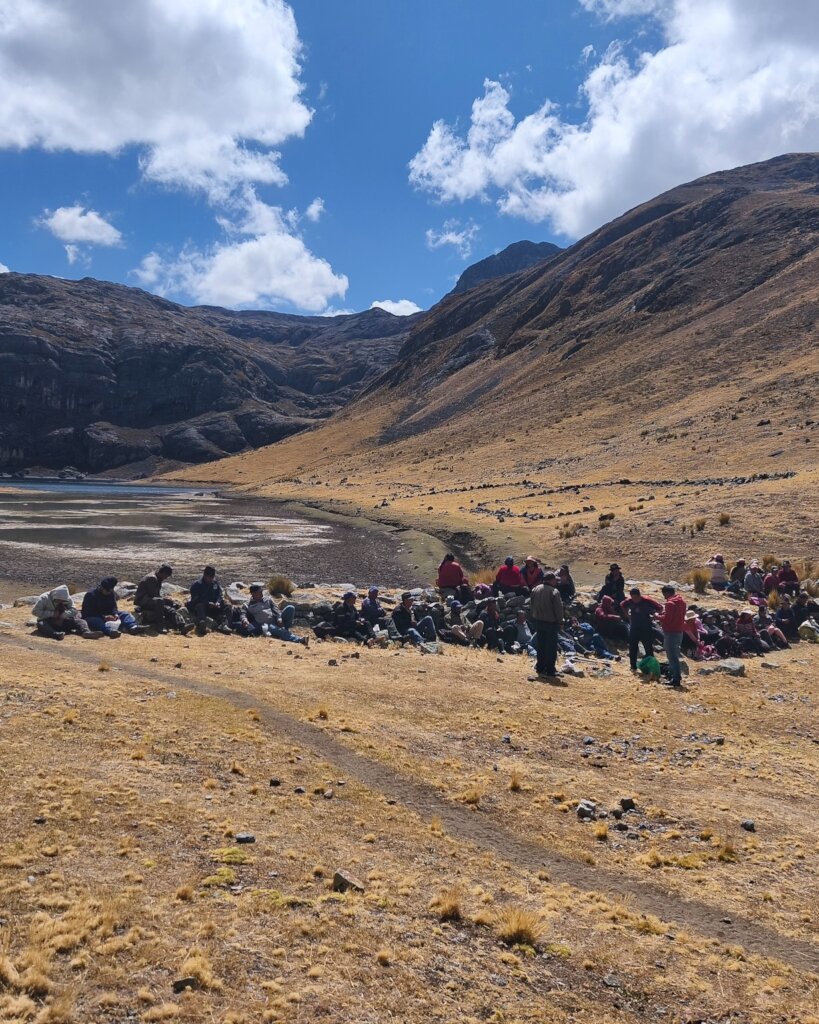
The community then organized communal workdays—or faenas—to clear vegetation and gradually reopen the canal.
Women and men participated in the work. With support from your donations, Instituto de Montaña provided tools such as sickles, shovels and gloves, as well as resources to help prepare meals during the communal workdays.
“All the community members agreed to go and clean the canal so that we could have more water. We organized a faena.”
And their collective effort is already showing results.
“We have recovered the flow. It has increased, and the water is running.”
For Yolanda, seeing the water return represents much more than cleaning a canal. It means recovering part of Carania's productive and community life.
A canal and new opportunities
The work is not finished. The community hopes to continue clearing the canal toward Carhua, progressively recovering water access and the productive capacity of the surrounding land.
Their goal is to use the water once again to grow food for their families and, eventually, produce surpluses that can be sold to generate additional income.
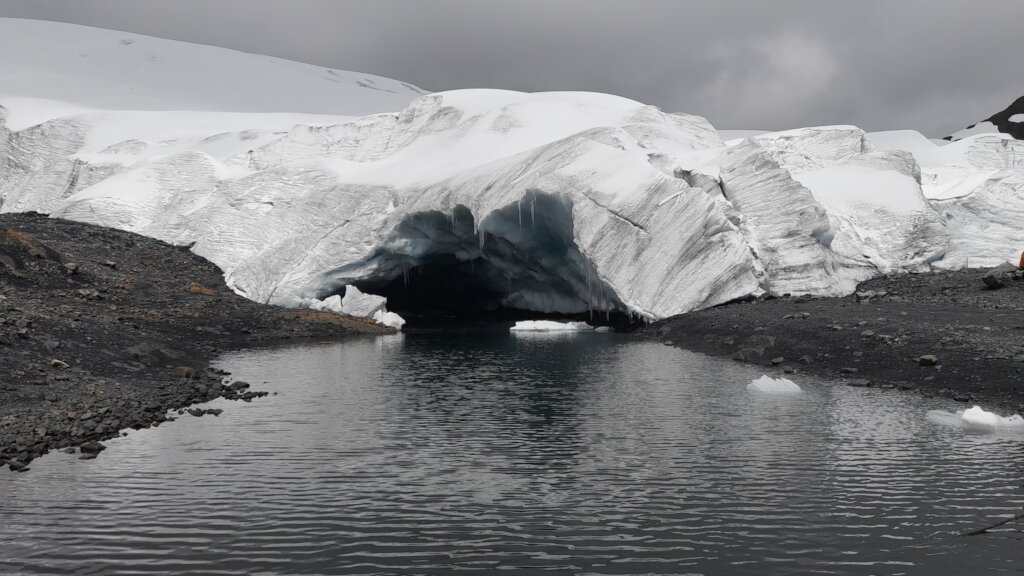
But there is also a longer-term reason for protecting these systems. As climate change affects water availability in the Andes, Yolanda believes ancestral canals are becoming increasingly important, and that their value needs to be passed on to younger generations.
“We are facing global warming. We need to improve our ancestral canals. Young people may not always recognize their value, but they will be important for our future.”
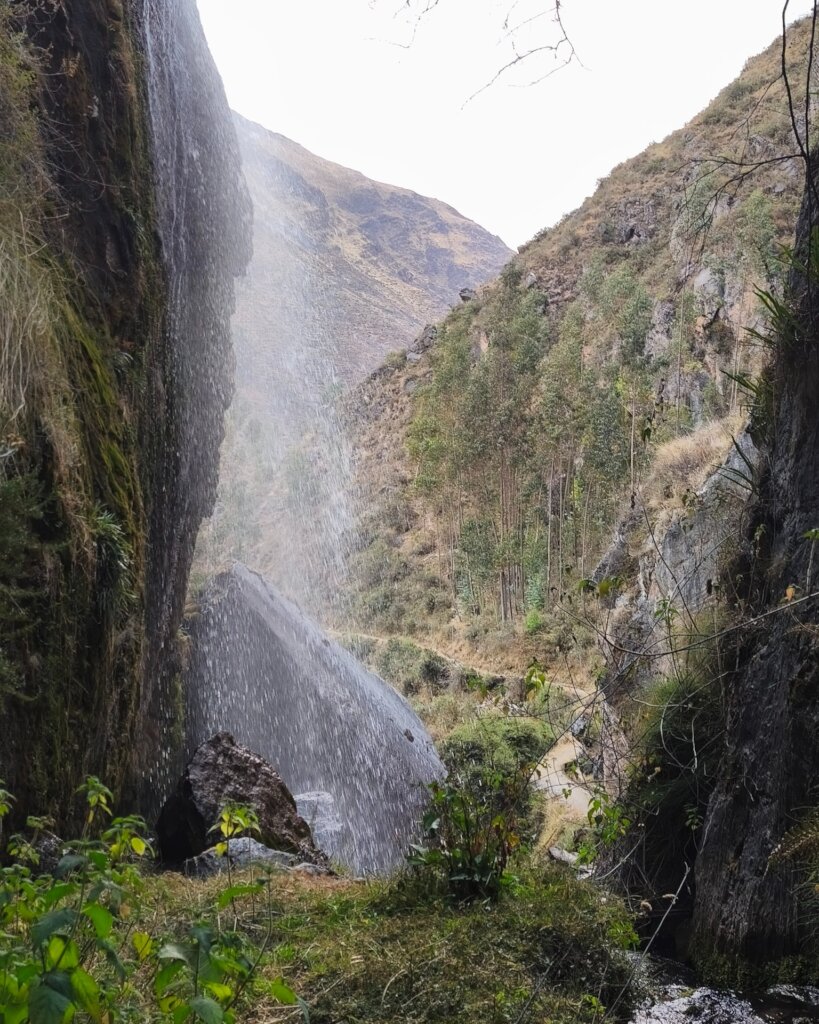
Ancestral water systems such as these reflect generations of knowledge about how to capture, distribute and manage scarce mountain water. Their recovery can help communities strengthen their resilience while protecting both their natural and cultural heritage.
The work continues
There are still sections of the Anta canal that need to be recovered, and the people of Carania want to continue working together to reach their goal of bringing water all the way to Carhua.
For Yolanda, the support received has been valuable not only because of the tools and resources it provided. It also helped mobilize the community around a shared goal.
“No president or anyone else had said, ‘Let's clean the canal,’ until Instituto de Montaña arrived.”
Today, after nearly 15 years, water is once again flowing through sections of the Anta canal. Behind that simple but powerful image is a community that came together, recovered part of its ancestral infrastructure, and is determined to keep the water moving further.
“We are grateful to Instituto de Montaña because this has been very beneficial, and we want to continue maintaining the canal so we can achieve our goal in Carhua.”
There is still more canal to recover and more work to be done. Your support can help communities like Carania continue restoring the ancestral water systems that sustain their livelihoods and strengthen their resilience to a changing climate.
If you would like to help us keep the water flowing, you can make a donation to our project at any time. Every contribution brings us closer to completing this work and reaching our fundraising goal.
And if you are thinking about when to make your next contribution, GivingTuesday is coming this December. We will send you a reminder as the campaign approaches, along with more information on how you can join us on this special day of giving.
Until then, you can also help by sharing our project with friends, family, or anyone who believes in the power of mountain communities and ancestral knowledge to respond to climate change.
From Carania, thank you for helping the water flow again and for continuing to be part of this journey.
By Paloma Rodriguez | Communications specialist
By Paloma Rodriguez | Communications specialist
Project reports on GlobalGiving are posted directly to globalgiving.org by Project Leaders as they are completed, generally every 3-4 months. To protect the integrity of these documents, GlobalGiving does not alter them; therefore you may find some language or formatting issues.
If you donate to this project or have donated to this project, you can receive an email when this project posts a report. You can also subscribe for reports without donating.



Support this important cause by creating a personalized fundraising page.
Start a Fundraiser