By Vidal Rondan and Paloma Rodriguez | RETAMA Initiative team
Dear donors,
Since our last report, our '7 Communities Respond to Glacier Loss in Peru' project has made significant progress and we want to share it with you.
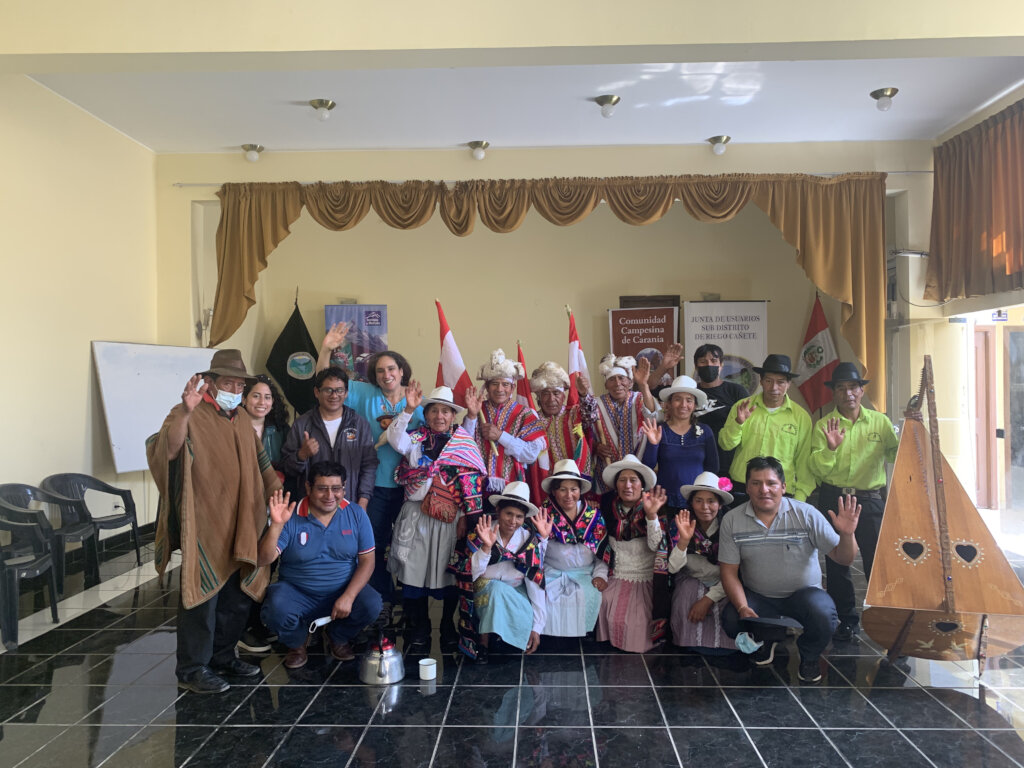
In our last report, we told you about our exciting work with the Carania Peasant Community. Our team portrayed all the lessons learned and challenges in this photo story, which we invite you to read.
Instituto de Montaña has been implementing the project under the role of facilitator, ensuring the participatory process and continuous learning to guarantee that the problems and solutions are the property of these communities, according to their needs and realities.
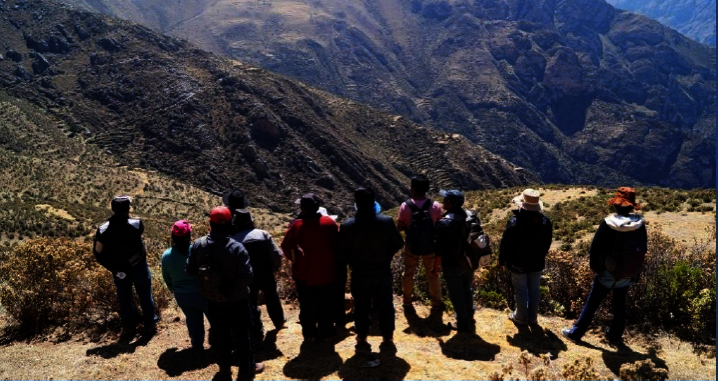
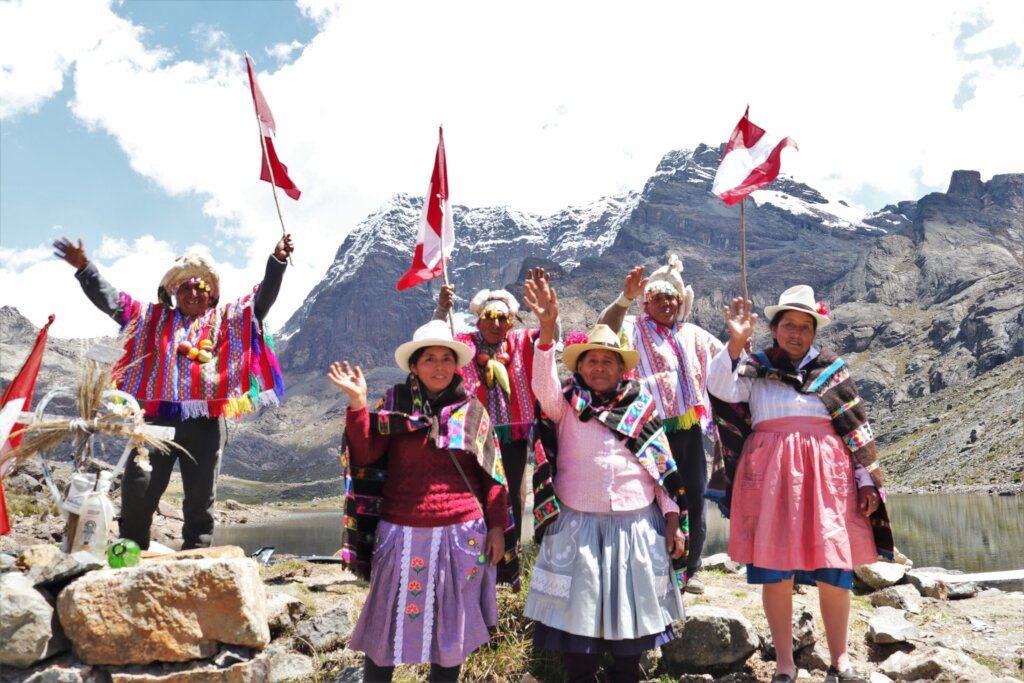
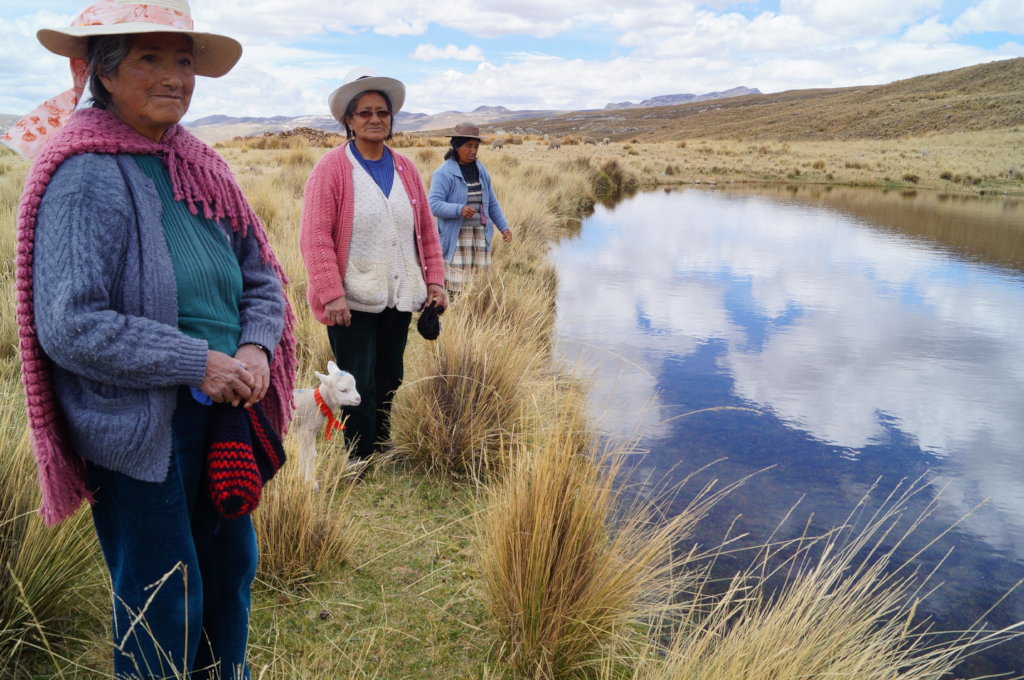
Hensewise, we have started collecting information on the ancestral water management infrastructures with leaders and citizens of the Miraflores community. To this end, field visits, interviews, and participatory mapping have been carried out with authorities and female and male leaders.
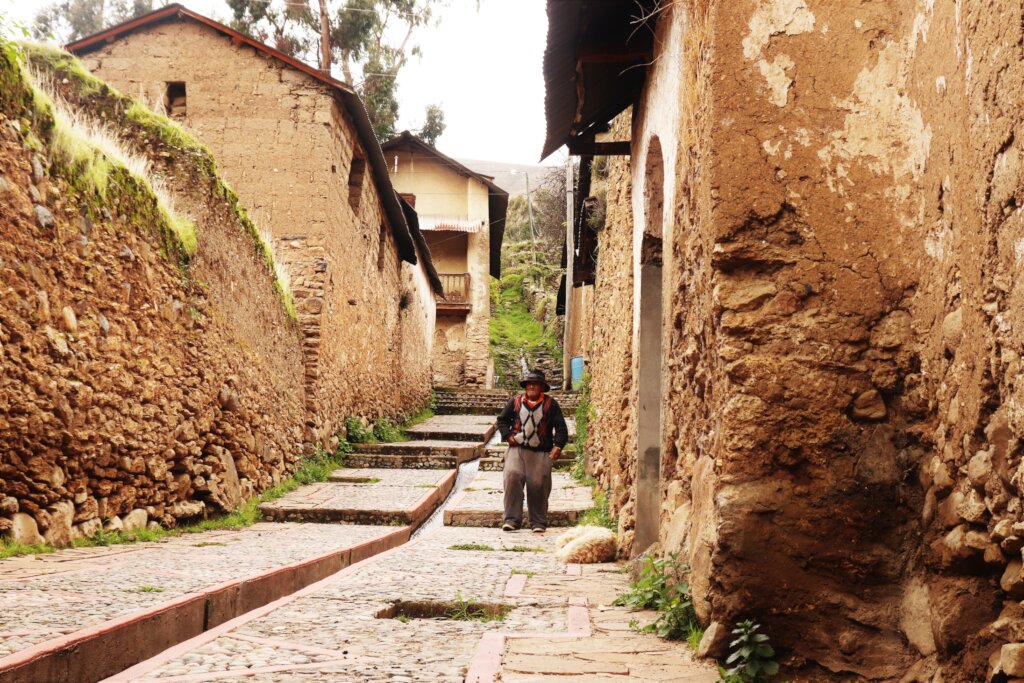
The Peasant Community of Miraflores is part of the Nor Yauyos Cochas Landscape Reserve, located in the Department of Lima, province of Yauyos, and district of Miraflores. Like the other communities that are part of the RETAMA network, Miraflores possesses ancestral technologies for water management that date since pre-Inca times and that, today, are gaining significance as innovative solutions to deal with the impacts of climate change. Recently the Yanacancha-Huaquis Cultural Landscape, also located in Miraflores, has been recognized on 2022 World Monuments Watch, a selection of 25 sites around the world that deserve special attention.
As a result of this participatory work with the community, important ancestral infrastructures have been identified, which are listed below:
This channel is about 80 years old and was used by the ancient settlers until about ten years ago. Due to the construction of a road, it has seriously deteriorated. Currently, three critical landslide points have been identified in which the channel has lost all of its walls. Another eight points have been obstructed by landslide rocks.
Due to the effects of climate change, the amount of water has drastically decreased, especially in the dry season, causing the need to recover these channels for the water supply and irrigation of agricultural and livestock areas.
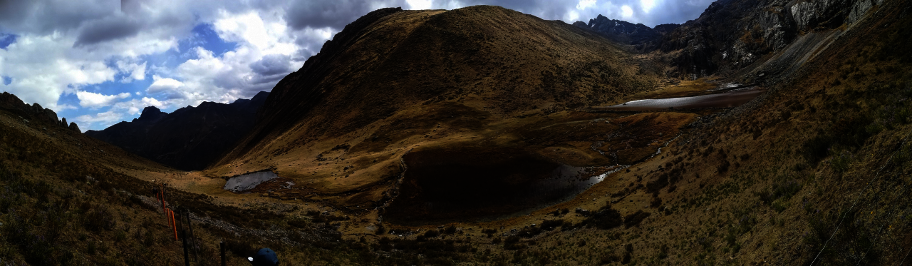
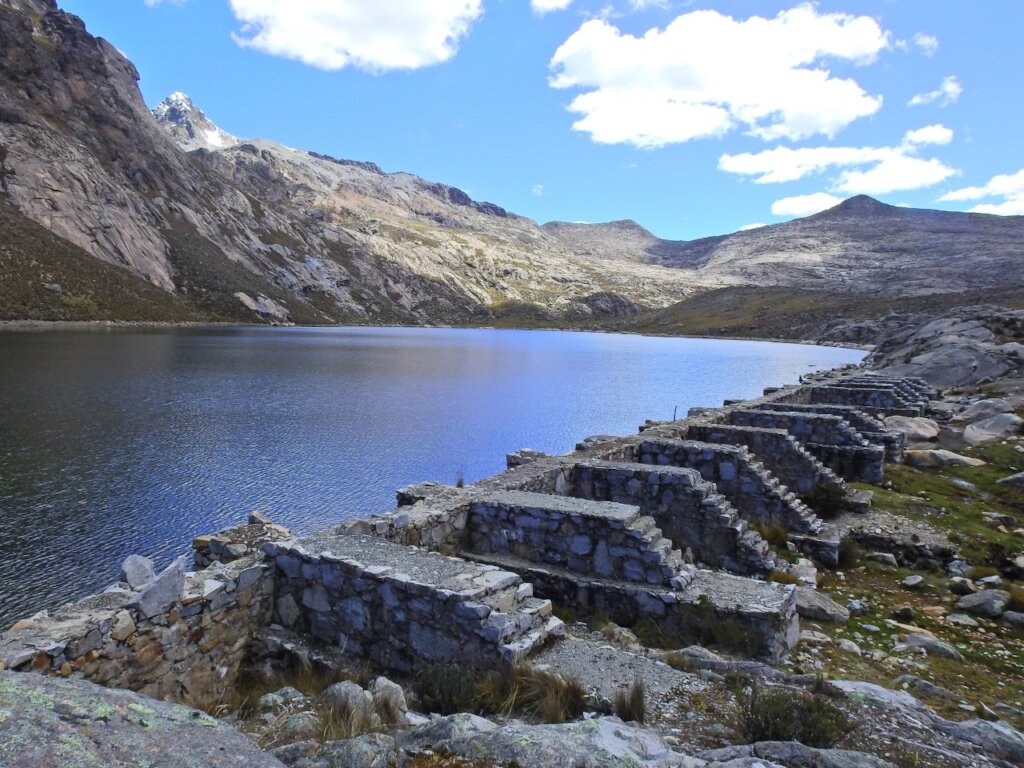
Formed by a group of six dams more than a hundred years old. Ancient settlers used them as storage technologies to provide water to the sheep pens located in the surroundings. Sheep grazing is no longer carried out.
The dikes are in poor condition. In some of them, rocks have been falling and sinking over time. The flow of the Uman lagoon that feeds the Huayllacancha river is low; even in the rainy season, the water storage by these dams is pretty small. However, this storage has produced large extensions of peatlands ecosystems.
Formed by a group of four dikes that date from ancient times when the inhabitants still lived in the town of Huaquis, in the pre-Inca stage. These helped in the water retention and contributed to the maintenance of ecosystems of wetlands and puquios.
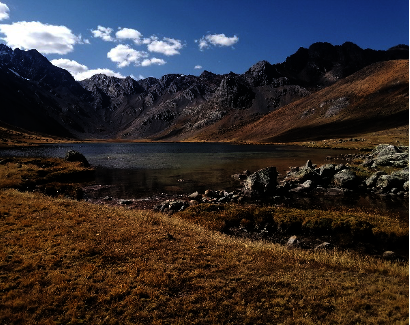
The Yanacancha lagoon is one of the most important water sources in the community. It supplies the springs, puquios, and grazing areas.
Collective reflection and next steps
To date, a collective reflection has been carried out on the importance of ancestral technologies to canalize water and, especially, for the use of water for the pasture's irrigation.
The next step will be the collective prioritization of an ancestral technology that the project, in collaboration with the community, will support to rehabilitate and put into operation for the use of water in favor of agriculture and livestock.
By Vidal Rondan, Leysi Huayanca and Paloma Rodriguez | RETAMA Initiative team
By Jorge Recharte | President, Instituto de Montana
Project reports on GlobalGiving are posted directly to globalgiving.org by Project Leaders as they are completed, generally every 3-4 months. To protect the integrity of these documents, GlobalGiving does not alter them; therefore you may find some language or formatting issues.
If you donate to this project or have donated to this project, you can receive an email when this project posts a report. You can also subscribe for reports without donating.



Support this important cause by creating a personalized fundraising page.
Start a Fundraiser